Originally printed in the Custer County Chronicle on March 6, 2024
The longest part of the year is officially over. And it flew by. Just yesterday it was October and the trees were losing their leaves, and then it was November and Thanksgiving and we were shipping calves. Now we are standing on the brink of springtime, watching the first calendar day of spring approaching from not even a calendar page away, and the first 50 calves are already skipping blissfully through their short first days of life. We are ready for springtime.

There’s a saying I heard from my father-in-law, that has stuck with me: “Well summered is half wintered.” In other words, livestock that have had been through the summer with plenty of good grass and good water have a healthy fat layer and ample energy stores and are well equipped to face the coming winter. Half the struggle of winter is already taken care of. If, however, cows struggle during the summer, with stricken pasture and bad water, they will continue to struggle and the hardest season will be even harder. They will be bags of bones halfway through January.
2022 was a rough summer, with too little rain and too many grasshoppers, resulting in incredibly poor winter pastures. We were not well summered. Cows looked rough and rougher still as the winter wore on, and the extraordinary cost of feeding hay to get the cows through the winter added up. Cattle prices in the fall just added insult to injury. This time last year, calving season was getting off to a not-so-great start, with a number of odd and unpredictable losses, with a cluster of birth malpresentations and birth defects compounding that. March came in like a lion, indeed, bringing much needed moisture but in the form of calf-killing storms. So, we looked ahead to the spring and the summer with a sense of foreboding. Another summer like 2022 would have been devastating. Springtime was anticipated with dread.
“Well summered.”
I have pondered that saying a lot, actually.

Because it really doesn’t have a lot to do with the hard seasons themselves, but has everything to do with what leads up to those hard seasons. It is so tempting to coast during the easy times, so that we are less than equipped when things get tough.
We do that in marriage, by failing to put in the work to build up our marriage when things are easy and then being taken completely by surprise when our marriage struggles hard when life gets hard.
We do that physically, taking our health for granted while we are healthy, neglecting it rather than working to preserve it, and then being surprised or devastated when our bodies give out.
We do that spiritually, starving our souls, failing to feed ourselves through God’s Word and fellowship and solid teaching when life is easy, and then being shocked when our faith falls apart when life falls apart.
And there are a million other examples. What we do in the good times matters, and it changes how we handle the bad times.
But there is also another facet of this illustration: Sometimes the anticipated rough seasons aren’t as rough as anticipated, or perhaps the preparation was sufficient to offset the challenges. Maybe both. That’s when things are just extra, especially good, and the future is anticipated eagerly.
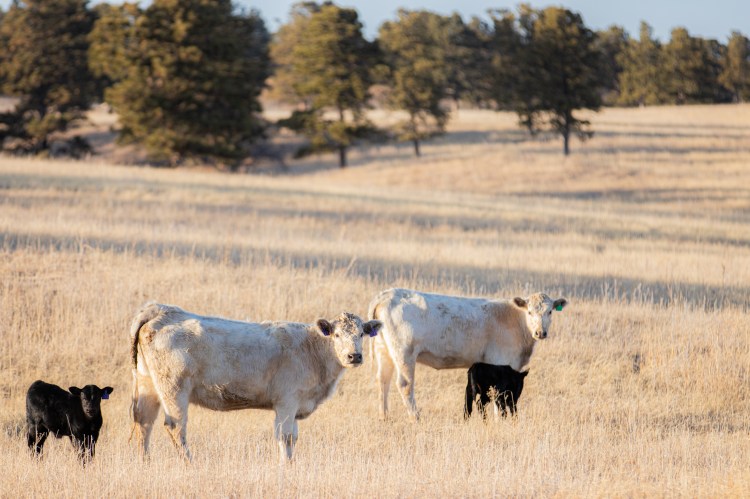
What a difference a year can make. Going into this winter, we were incredibly well summered. In spite of some wild weather events, the pastures were green and lush leaving plenty of forage for winter, dams caught quite a bit of good water, we actually had a hay crop and full stackyards, and the cows were sleek and fat as winter approached. And they are still sleek and fat. They could have handled much worse of a winter than we experienced. But God was an extra measure of kind, and the winter we had was the sort of winter that would make South Dakota too expensive a place to live, if that was our normal fare. But it was still winter. We still had cold snaps that put stress on the livestock and their keepers, stretches of days that made us extra, especially thankful for being well summered, but also extra, especially thankful for the winter we were given.
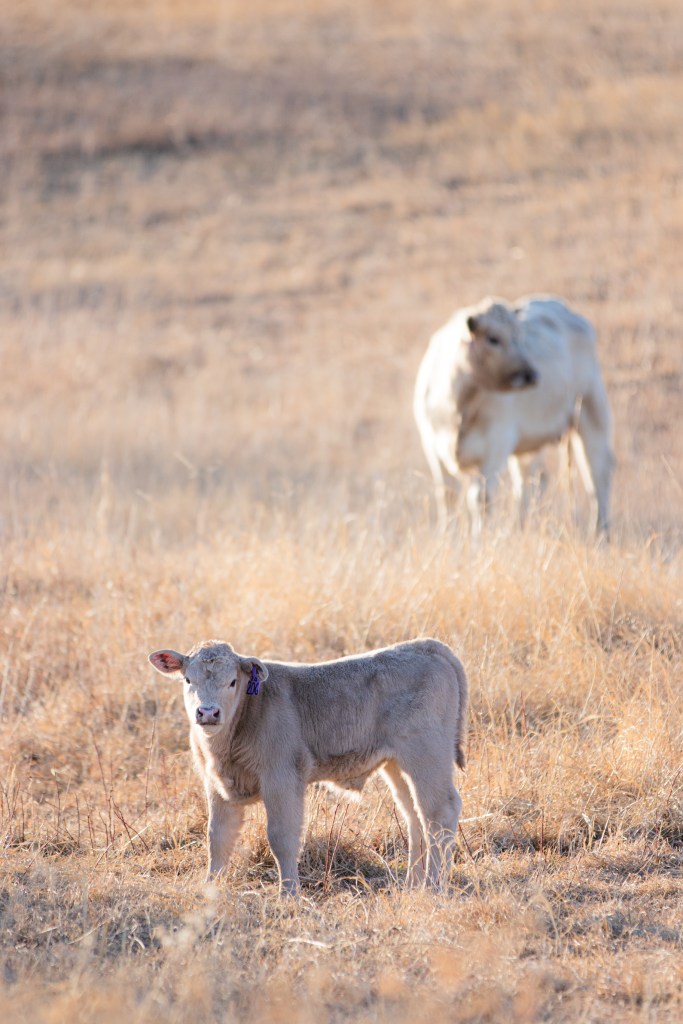
And here we are, standing on the brink of springtime. Winter isn’t over yet, and we can get snow until June, but what is generally the hardest part of winter is behind us. There is a bit of green starting to show under the cured grasses of last year, and a few brave little things are poking up out of the soil in the garden. The calves are thriving in the gentle weather, their healthy and maternal mothers unusually capable for first-time mamas, and a new season is just ahead, just around the corner.
Springtime coming looks sweet.
We were not just well summered. We are well wintered. Well wintered, and ready for spring.

 Song Dog Journal