Pasques and Pines

Originally printed in the May/June issue of Down Country Roads Magazine

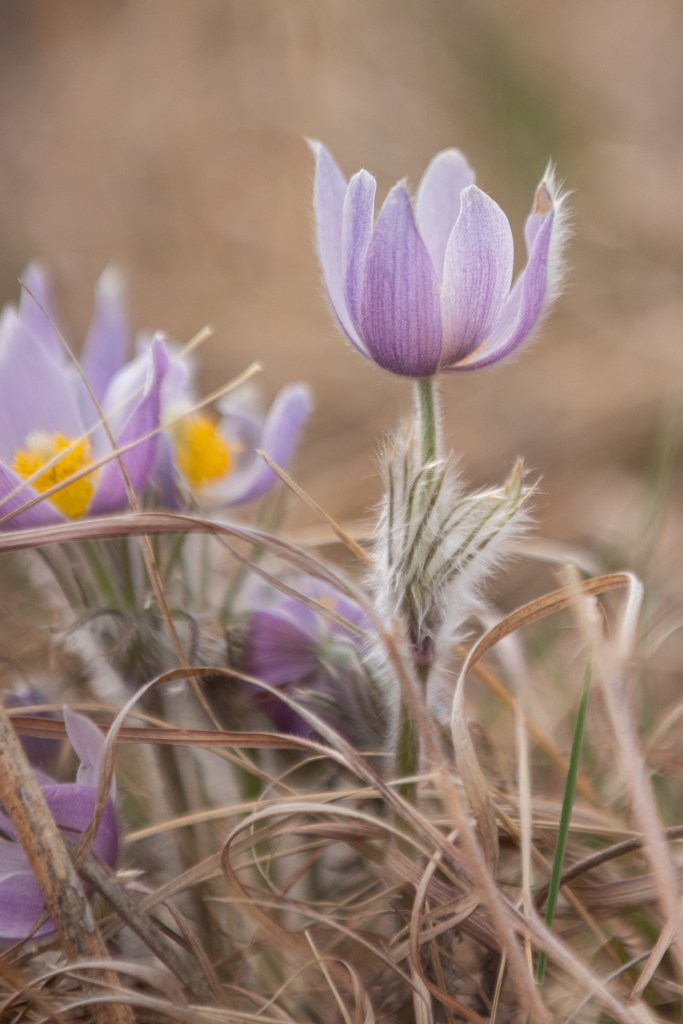
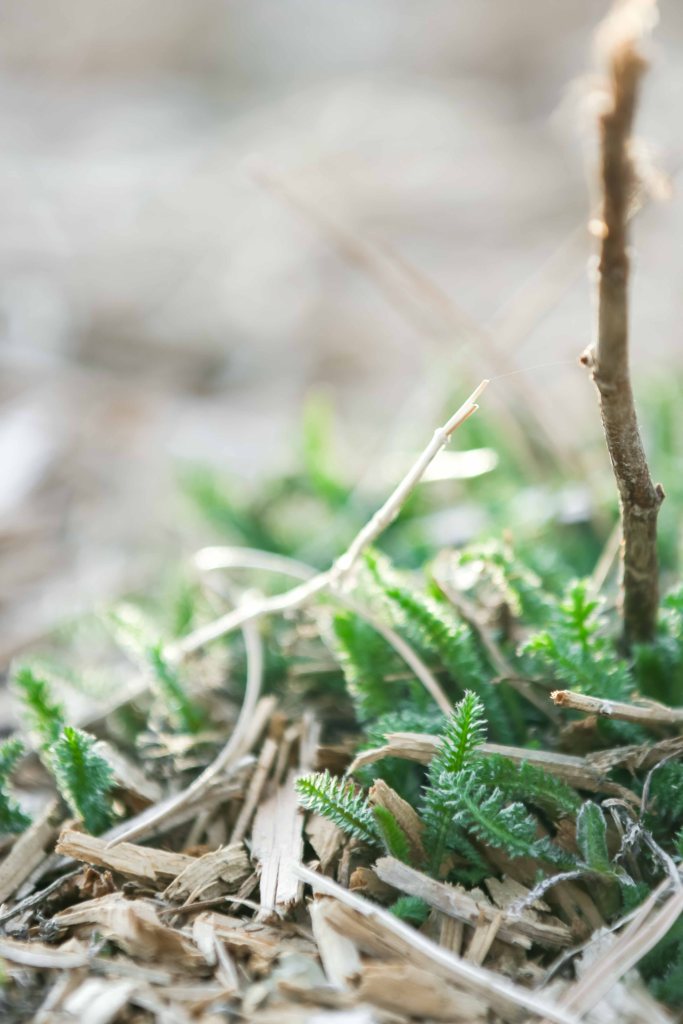
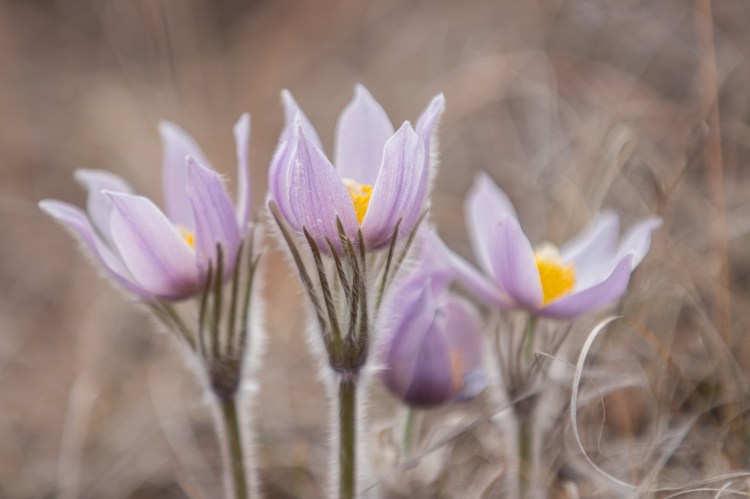
The pasqueflowers bloomed early this year. Perhaps they were tricked by the unseasonable weather, like the plums and the crabapples. Dandelions have tried to spring up, but haven’t been overly successful. But the pasques! How could they bloom with no moisture over the winter? So delicate-appearing, so insignificant visually, the first to bloom and the first to fade, but incredibly resilient. They thrive in disturbed areas, like recently logged terrain, and some of the best I’ve seen have been in old wildfire scars. The ones on our place bloom on the north slope of Potato Butte, a rather rugged and blighted prominence, and in the draws around it, where the wind blows the worst. They fight their way up through the rocky ground, rivalling yucca in toughness, spreading their little leaves and opening their petals in a tangle of old grass and bracken. They survive frosty days and wretched conditions no other wildflower is brave enough to face. When the sun is just right, they light up, their transparent petals like stained glass, and the silky hairs catching the sun. Little beacons of hope they become. They don’t bloom when and where it is easy. And they aren’t easy to cultivate. They thrive in adversity.
Fire is on our doorstep. From the burning of the Sandhills, to the fires that have lit the skies and eaten up pasture as near as two miles away, the drought is oppressive. Most have never seen it this bleak this early. There is no telling how the next weeks and months will play out, no telling how much harder things will get, or how beautifully they may turn around. They’ve done so before. The uncertainty makes us feel so very small. But a recent drive took me through an area burned by a devastating fire a few years back and my heart, heavy right now, lifted and soared. The entire forest floor was green. Not the green of grass, but the green of hundreds and thousands of seedling pines. So very small. Little beacons of hope. Thanks to the flames of the fire, the forest is reseeding itself. They thrive in hardship.

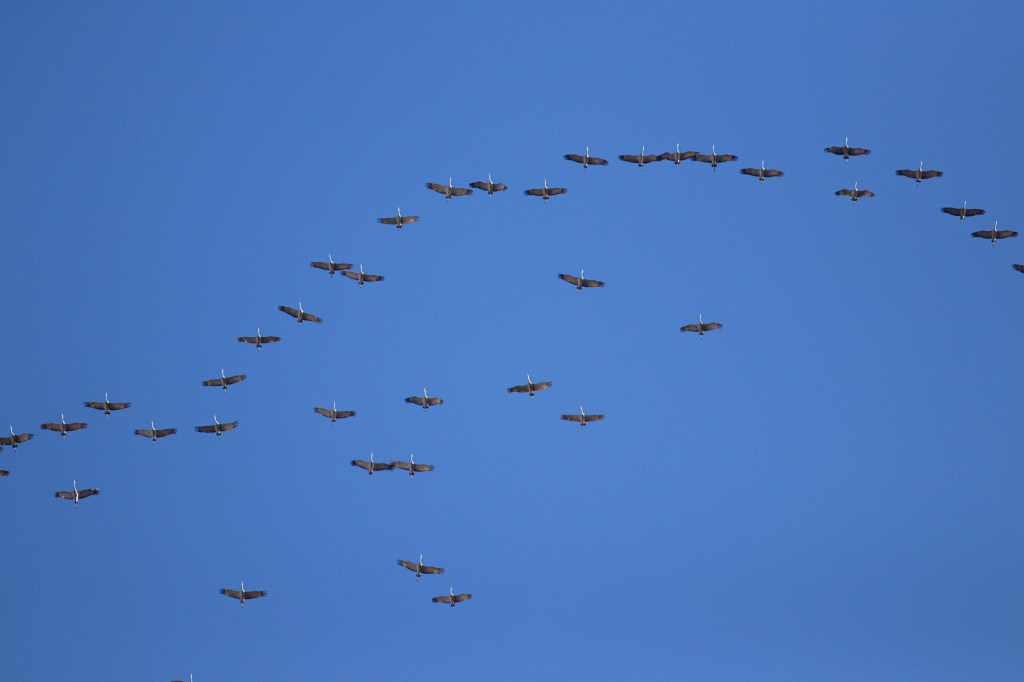
A few weeks ago, the sandhill cranes flew overhead like they do each spring, without fail. I love watching them fly together, wing to wing, and their wonderful wild call pierces the heart. “Fly on! Fly on!” they seem to cry, one to one another, in chorus.

Perhaps the bleakness isn’t so all-consuming after all.

The meadowlarks have returned, sitting on fence wires and the tops of fence posts, and they still have things to sing about, raising their melodious voices in solo song.

Perhaps we do, too.

The bluebirds are homemaking as always and the Eurasian collared doves are romancing in the pine trees, cooing lovingly together, laughing and trilling. A lusty little starling, drab and unimpressive, sat outside our window, somehow managing to whistle a glorious ditty around the blade of grass in her beak, singing while she built a nest for her family. What a delightful sound!

If the birds can go about their mundane tasks and their quiet little lives with a song in their hearts, perhaps we can, too. We can tend our homes, we can break bread with our families and neighbors, we can bear one another’s burdens, and hold our loved ones tight and tighter. We can find joy in a smile or a warm embrace, in the bubbling laugh and sloppy kisses of a baby.

And like the pasqueflowers, perhaps we, too, can thrive even in hard frosts and snowless winters and rainless springs. Perhaps we can thrive in churned up earth and on rocky, windblown hillsides, or in the ashy, deadened landscape after a rangeland fire. Like the pine woods, perhaps we can weather a fire and the heat that burns and clears and cleanses, and in its aftermath a whole new forest will grow.

The birds, the flowers, the forest – They were not made for ease. Are we so different?  
Waiting

Originally printed in the March/April 2026 issue of Down Country Roads Magazine

As February fades behind us, with hardly a day that could really be called winter, and March unfolds before us, springtime seems immediately inevitable. We’ve had stretches of wonderful warmth, so unseasonal that one worried the trees and early spring garden plants might become disoriented and bud out too soon. We’ve had the T-shirt days, the sitting outside and soaking up the sun days, the productive days of outdoor projects. But each little cold snap, whether it is a day or a week, jars us back to the reality that springtime, true springtime, could be weeks away. Gardeners might be itching to get their hands in some good black dirt, seeds might be germinating on windowsills, fresh calves might be tumbling about the calving lot, all the telltale signs of spring – but here in western South Dakota, spring is still a ways away.

So we count down the days, waiting.

Waiting for warmth.

Waiting for blue-sky springtime.

Waiting for the longer days and the feel of earth softening underfoot.

Waiting for the perfume of sap flowing, the unmistakable signature of the pines.

Waiting for the smell of good clean dirt dampened and warmed.

Waiting for greenness and life.

Waiting for moisture. Rain or snow. Either will do.

And that really is what we’re waiting for. Moisture. Some years, the earth is hard with cold right about now, maybe beginning to thaw, maybe even buried under a blanket of white, waking slowly from a long winter. This year, there isn’t enough moisture to freeze or thaw. Passing snow flurries or a smattering of precipitation dampens the dry dirt for a fleeting few hours, but doesn’t heal the wide cracks in the ground, the dryness that drills down, and further down. Everyone gets a little jittery at the smell of smoke. Whirlwinds skim across the pastures, winter-barren, drought-dry, twisting what’s left of last year’s grasses. Not a hint of green is showing yet, in spite of the unseasonal weather.

But we know from experience how fast all of that can change, in these in-between months of almost-but-not-yet springtime. How quickly the skies can build and bring moisture in from elsewhere, blessed moisture, blessed relief. We know how fast a heavy snow can pile up drifts and replenish dams and change the trajectory of the coming months. How quickly the landscape can soften with the first shoots of green.

Moisture means hope. It means grass for the cattle and water in the dams and the promise of a harvest. It means life and fruitfulness and safety. And not just for this year, but for the next. Green or dry, one year affects the next. Good water in the dams, good grass in the pastures, and well-summered cattle handle winter better, handle calving better, and the next year’s calf crop fares better as well. And this year’s calves are the mamas two years from now. When a rancher worries over lack of rain, it isn’t just right now that he’s concerned about.

But springtime is a promise. And a reminder of a promise. A promise made nearly at the beginning of time, in the book of Genesis, that “while the earth remains, seedtime and harvest, cold and heat, summer and winter, day and night, shall not cease.” Because of the One who made the promise, year after year, springtime comes. Year after year, the seasons shift and change, and without fail each season comes as it should. Not always in the exact manner we would prefer, if we had the power to ordain snowfall and rainfall. Sometimes we wait and pray and wait some more. But the seasons persist because God the Creator says that they should.

This isn’t the first drought. This isn’t the first dry winter. This isn’t the first uncertain springtime. And yet, there continue to be cattle on these hills and prairies. There continues to be fruitful life and harvest. The springtime always comes, and the summer after.

And so we watch the skies, and wait.

A Partnership with Sun and Sky

Originally printed in the July/August 2025 issue of Down Country Roads Magazine

A gentle breath of wind stirs the laundry hanging on the line – A row of snap-front shirts and faded jeans, a row of quilts and sheets. Hung out wet and cool, taken in warm and dry, bringing that clean smell of sunshine into the house. And what a privilege to complete that task in partnership with sun and sky. Such a small thing. Yet it isn’t small at all.

They tell us we don’t belong. From their remote offices of steel and glass, shaded from the sun and unable to see the sky, they wag their so-knowing fingers at the rancher, whose father’s grandfather made a living in cooperation with the natural world. But here we are, and here we’ll stay, continuing in that partnership with sun and sky, wind and weather.

In the first summer days of scorching heat, the hayfields change, slowly, then not so slowly. Alfalfa turns from green to purple, and the brome grass turns from green to golden-brown as the feathered heads cure out. The vivid colors fade. That first swath is cut. That first windrow raked. That first bale rolled. “Chasing hay,” it is called, and one by one the area ranchers and farmers take to the fields. Cutting and raking and baling and yarding it up, timing the activity to the perfect streak of weather, partnering with the sun and the sky.

The flower garden is a riot of color, and constant activity. Countless numbers of bees drone comfortably, bending flower after flower under their slight weight, little wings stirring leaves, little legs weighed heavy with golden dust, in a mesmerizing dance of industry and grace. How something as small as a bee can have such a vital role to play is humbling. And how sweet it is to partner with those tiny workers, with something as ordinary as a homey flower garden, to help them feed their young as they help us grow our own gardens. What a sweet partnership, with sun and sky and flying thing.

Our little yard is rimmed with young fruit trees, planted as memorials to important days and as an investment in tomorrow. We have our wedding trees, and our-family-is-growing trees, trees that mark days and loves and in future years we’ll taste again those sweetnesses, fruit in hand. What simpler stewardship than to plant a tree? The apples begin to swell and blush as the days shorten, and in the woods across the ranch chokecherries hang like clusters of grapes on every side hill, it seems, and in every ravine. Many feed the birds, but many find their way into the kitchen and in this form or that they will grace tables in the months ahead. It is stewardship, partnership, cooperation with the world around us to wisely use the bounty.

From ivory towers come criticisms and accusations, rules and regulations, suggestions and mandates – But what do they know? And how could they know? Have they planted a tree? Or harvested a crop? Or watched a calf take its first suckle of mama’s milk? Have they stumbled across a sleeping bull elk in a high meadow, and watched in awe as he shook off slumber and disappeared into the woods? Have they watched the antelope raise their young? Have they welcomed the sun and the wind and the natural order of things?

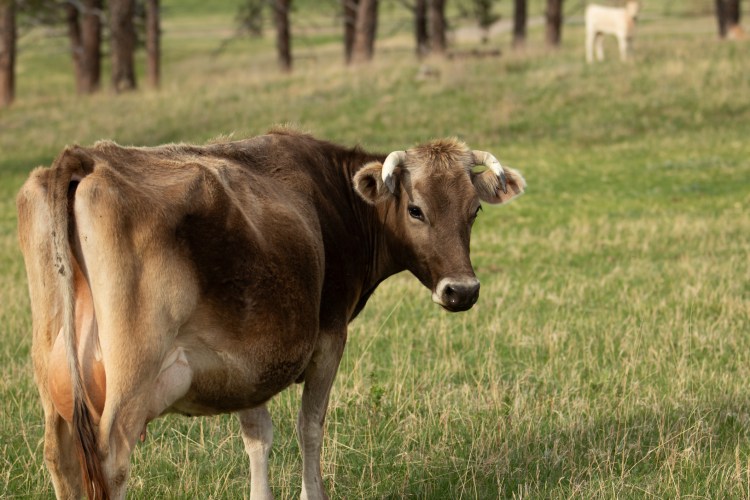
Feasting on native forage, the milk cow is well-fleshed, her lean frame filled out beautifully under a healthful layer of summer plenty. Her milk is rich and sweet and abundant on sunlight-turned-to-grass – No wonder her calves are as stout as they are. Their summer coats are sleek and glossy, their gentle eyes bright and content as they seek out shade on a warm day and chew their cud. They truly haven’t a care. The beef herd is out to summer pasture, thriving in their self-sufficiency. What a life they live, gently handled, carefully tended, in this partnership with sun and sky and beast of the field.

The hens dart to and fro in the barn yard, sometimes making it up as far as the house and the garden. They are gorgeous this time of year, feathers full and flawless, and their eggs are a marvel as well – Hard symmetry cracks open to reveal a golden heart, the darkest of yolks, dark with summer’s vegetation and the insects the chickens consume, golden like at no other time of the year. The egg basket runs over, and the bounty overtakes the kitchen. Another simple partnership, with sun and sky and barnyard fowl.

How simple, each of these partnerships, each of these stewardships. How intuitive and instinctive to want to be a part of this world we live in, to care for it, to help it to thrive. To live in and amongst, not apart from. To take what we need with gratitude, to cultivate and invest, and to leave our little corner of this green earth better than it was when we came to it. And finally, to leave something for the next generation, something beautiful and beloved.

It isn’t we who have invaded, carving up the landscape to suit our whims and ways. It isn’t we who have razed the woods and hidden the hills beneath asphalt and high-rises, chiseling away at the contours of the land to favor buildings of cinderblock and stone. It isn’t we who have divided and subdivided, trading the warmth of the living land for the coldness of a dollar. It isn’t we who have rerouted waterways and planted lawns where native grass once grew. It isn’t we who have buried fertile ground beneath roads and infrastructure, slowly erasing the beautiful asymmetry of rolling hills and prairies.   

We are stewards. We exist with and alongside the birds and beasts, the land and trees, the wind and the weather; not bending nature to suit our wills but submitting ourselves to nature’s order, partnering, not subjugating, working with, not against. We live here. In partnership with sun and sky.

That Time of Year

Once again, these early spring months fly by too fast for me to keep up! How is it already almost May? The sandhill cranes are already done migrating north, and the meadowlarks are home for the summer. Bluebirds are plentiful, another sure sign of spring. Finally the pasques are popping up on Potato Butte, the best place on the ranch to find them, and after getting frostbitten multiple times, they are finally gracing the greening slopes in the Calving Pasture. My perennials are coming up vigorously, in spite of multiple freezes and frosts, and I saw the first few asparagus spears yesterday!

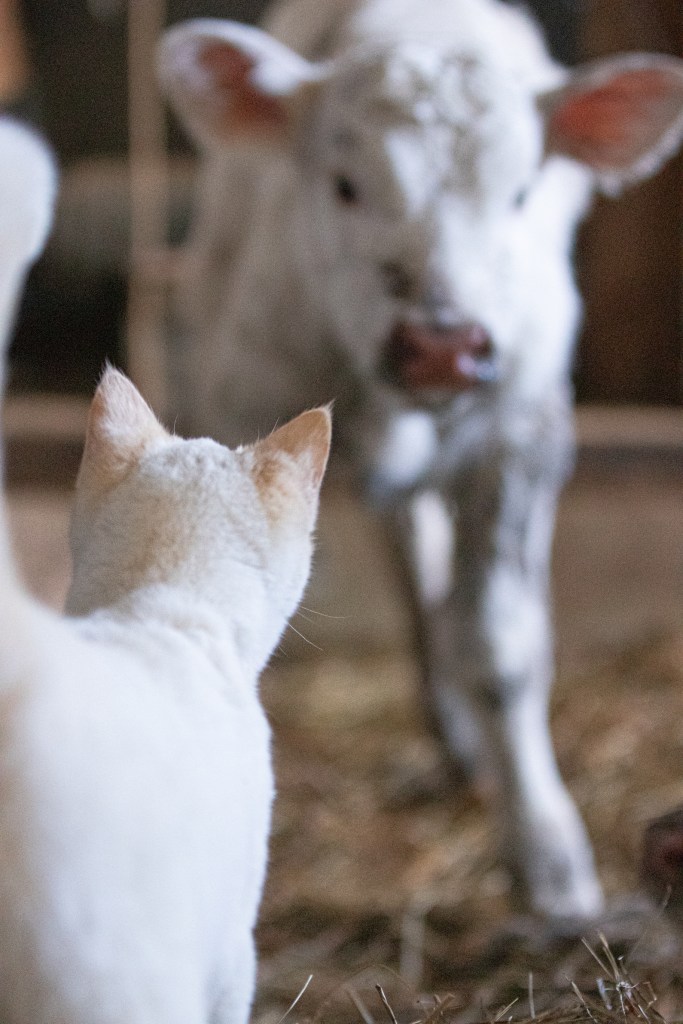
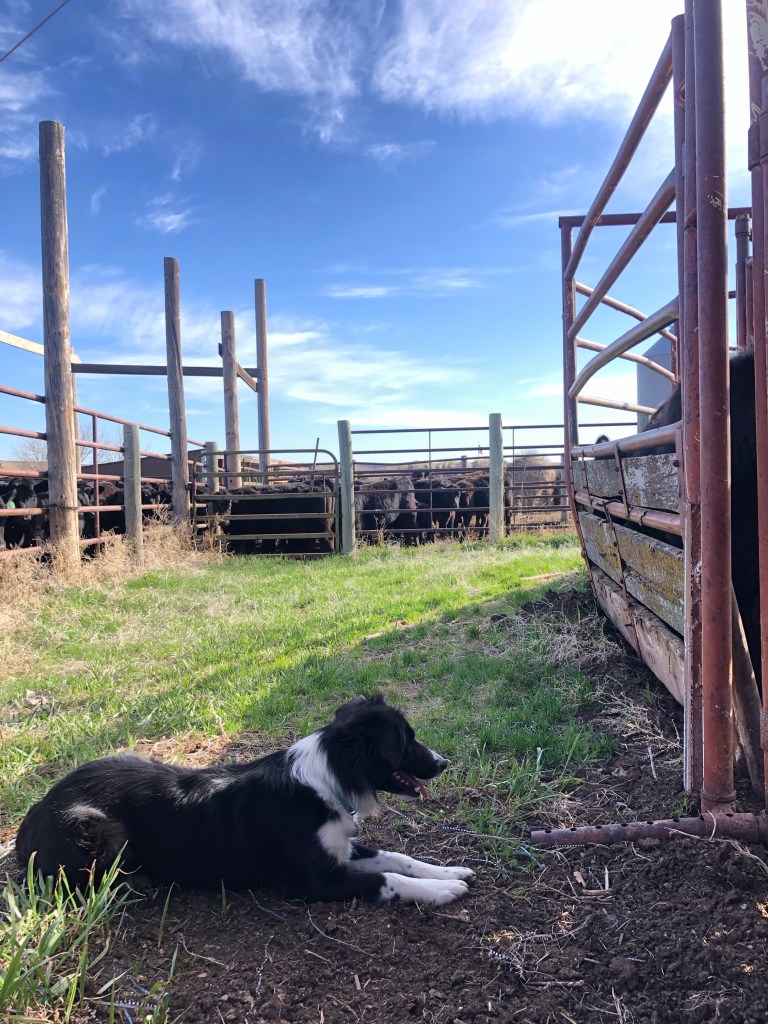
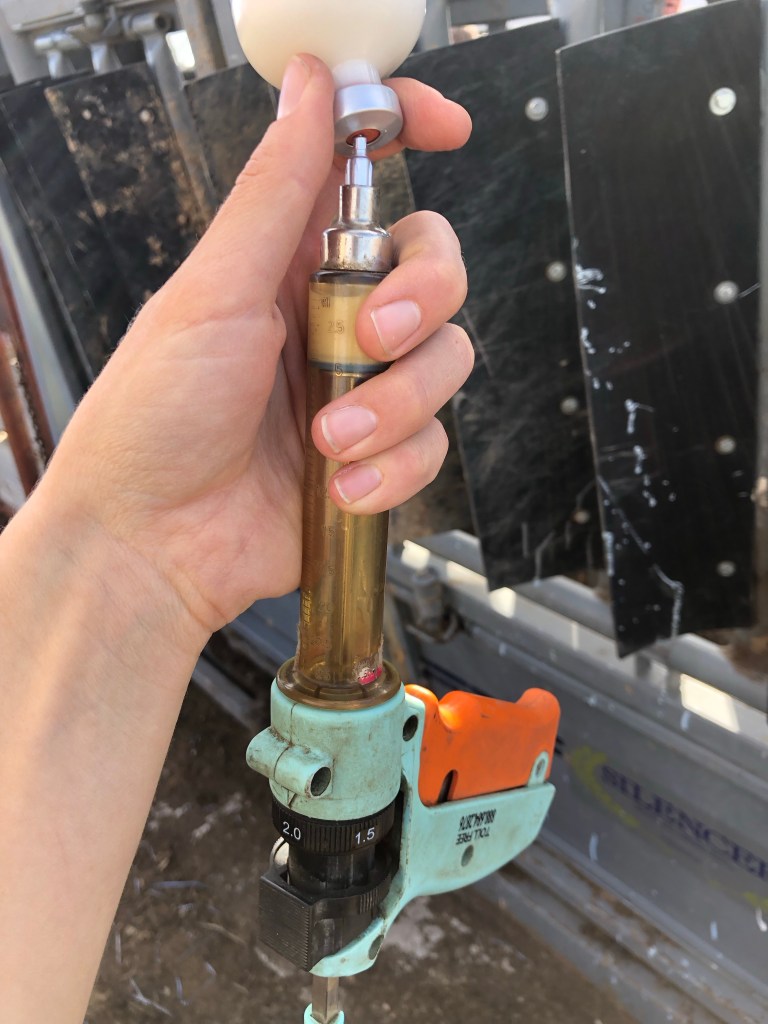
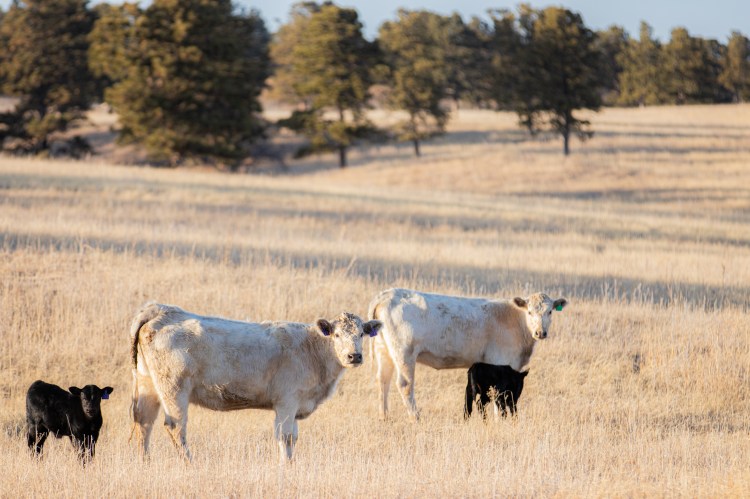
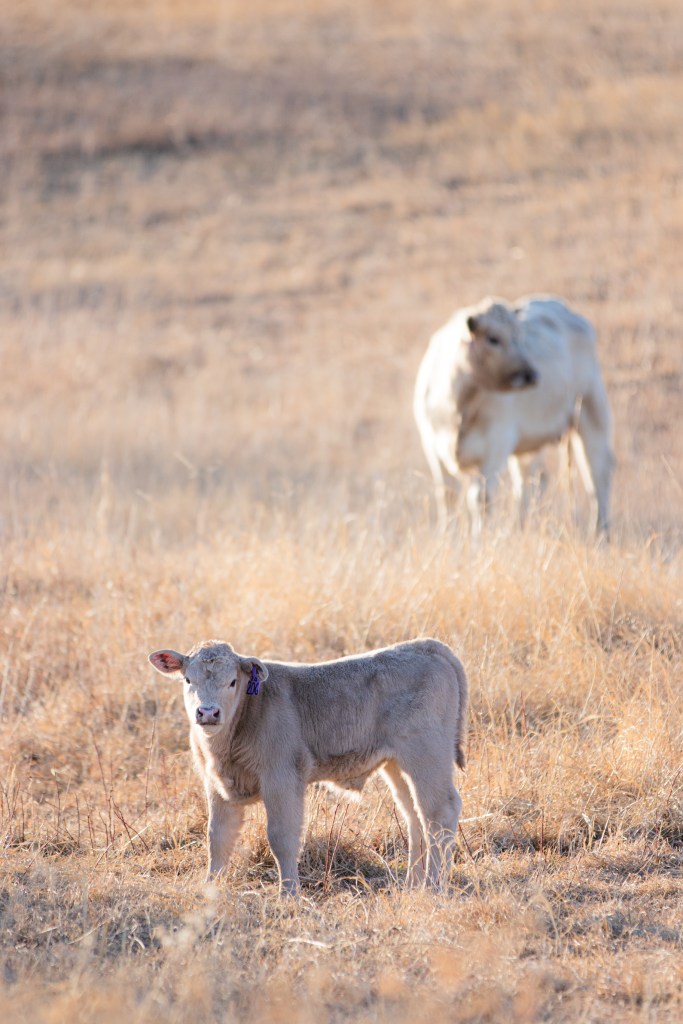
We have already done the first bit of our cow work for the year, vaccinating our replacement heifers, calving is wrapping up, and branding is just around the corner. The chicks from the beginning of March just got moved into their kindergarten coop today, adjacent to the big girls’ coop, and Posey had her calf last week. We have been shuffling cows around today, so we’ll be ready to work them through tomorrow and get everything vaccinated.

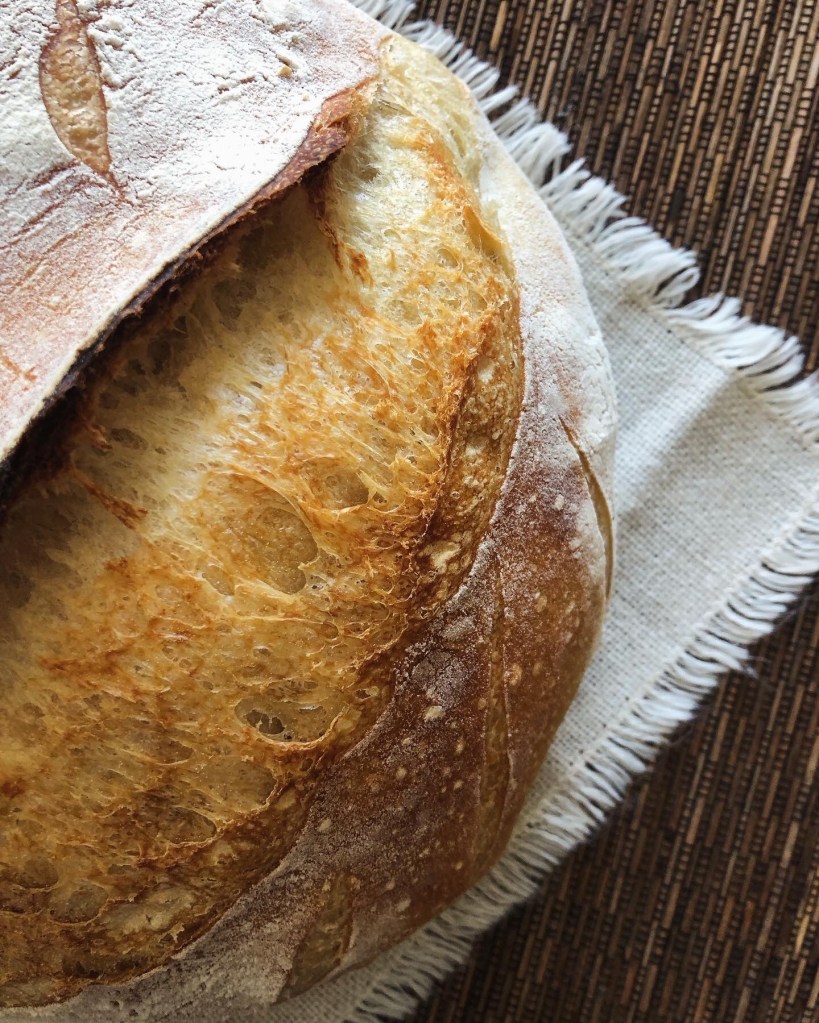
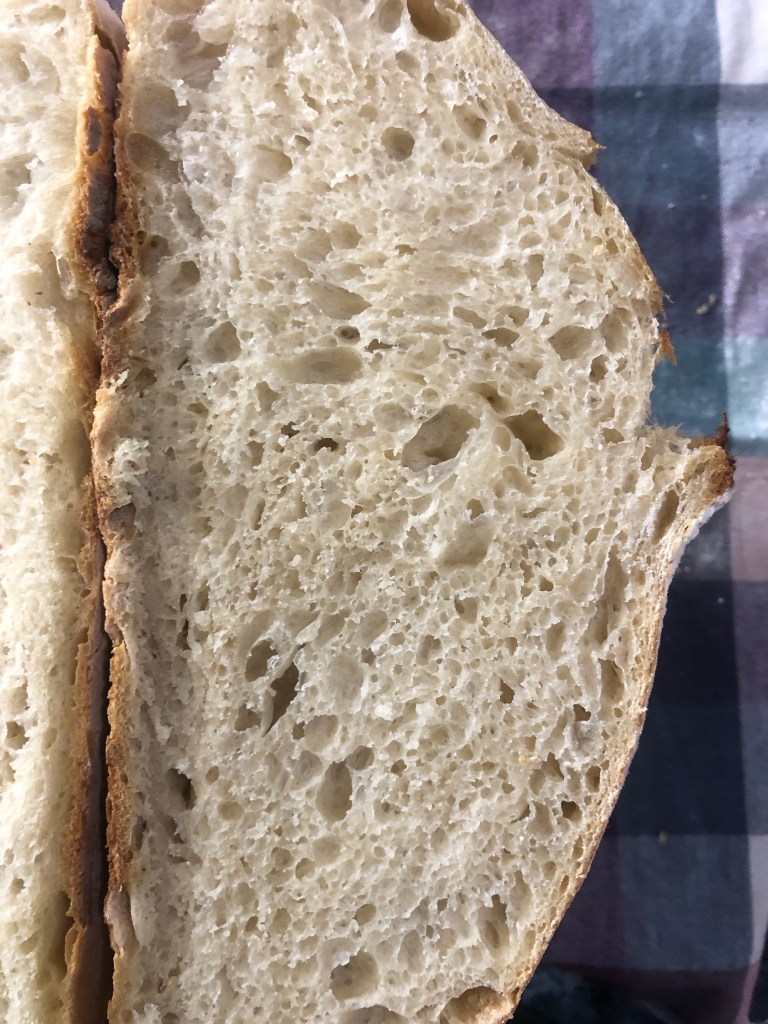
Between Posey being back in milk, the chickens picking up their egg-laying, and my new found love of baking bread, the kitchen is a busy place, and the simplest and best of things are plentiful.

Winter gets long. It just does. Spring can be slow to start, and calving season can either be an exciting and enjoyable time, or a heartbreaking time. This is one of those great years. And a great time of year.

Ranch Wife Musings | Well Wintered

Originally printed in the Custer County Chronicle on March 6, 2024

The longest part of the year is officially over. And it flew by. Just yesterday it was October and the trees were losing their leaves, and then it was November and Thanksgiving and we were shipping calves. Now we are standing on the brink of springtime, watching the first calendar day of spring approaching from not even a calendar page away, and the first 50 calves are already skipping blissfully through their short first days of life. We are ready for springtime.

There’s a saying I heard from my father-in-law, that has stuck with me: “Well summered is half wintered.” In other words, livestock that have had been through the summer with plenty of good grass and good water have a healthy fat layer and ample energy stores and are well equipped to face the coming winter. Half the struggle of winter is already taken care of. If, however, cows struggle during the summer, with stricken pasture and bad water, they will continue to struggle and the hardest season will be even harder. They will be bags of bones halfway through January.

2022 was a rough summer, with too little rain and too many grasshoppers, resulting in incredibly poor winter pastures. We were not well summered. Cows looked rough and rougher still as the winter wore on, and the extraordinary cost of feeding hay to get the cows through the winter added up. Cattle prices in the fall just added insult to injury. This time last year, calving season was getting off to a not-so-great start, with a number of odd and unpredictable losses, with a cluster of birth malpresentations and birth defects compounding that. March came in like a lion, indeed, bringing much needed moisture but in the form of calf-killing storms. So, we looked ahead to the spring and the summer with a sense of foreboding. Another summer like 2022 would have been devastating. Springtime was anticipated with dread.

“Well summered.”

I have pondered that saying a lot, actually.

Because it really doesn’t have a lot to do with the hard seasons themselves, but has everything to do with what leads up to those hard seasons. It is so tempting to coast during the easy times, so that we are less than equipped when things get tough.

We do that in marriage, by failing to put in the work to build up our marriage when things are easy and then being taken completely by surprise when our marriage struggles hard when life gets hard.

We do that physically, taking our health for granted while we are healthy, neglecting it rather than working to preserve it, and then being surprised or devastated when our bodies give out.

We do that spiritually, starving our souls, failing to feed ourselves through God’s Word and fellowship and solid teaching when life is easy, and then being shocked when our faith falls apart when life falls apart.

And there are a million other examples. What we do in the good times matters, and it changes how we handle the bad times.

But there is also another facet of this illustration: Sometimes the anticipated rough seasons aren’t as rough as anticipated, or perhaps the preparation was sufficient to offset the challenges. Maybe both. That’s when things are just extra, especially good, and the future is anticipated eagerly.

What a difference a year can make. Going into this winter, we were incredibly well summered. In spite of some wild weather events, the pastures were green and lush leaving plenty of forage for winter, dams caught quite a bit of good water, we actually had a hay crop and full stackyards, and the cows were sleek and fat as winter approached. And they are still sleek and fat. They could have handled much worse of a winter than we experienced. But God was an extra measure of kind, and the winter we had was the sort of winter that would make South Dakota too expensive a place to live, if that was our normal fare. But it was still winter. We still had cold snaps that put stress on the livestock and their keepers, stretches of days that made us extra, especially thankful for being well summered, but also extra, especially thankful for the winter we were given.

And here we are, standing on the brink of springtime. Winter isn’t over yet, and we can get snow until June, but what is generally the hardest part of winter is behind us. There is a bit of green starting to show under the cured grasses of last year, and a few brave little things are poking up out of the soil in the garden. The calves are thriving in the gentle weather, their healthy and maternal mothers unusually capable for first-time mamas, and a new season is just ahead, just around the corner.

Springtime coming looks sweet.

We were not just well summered. We are well wintered. Well wintered, and ready for spring.

Good for the Soul

What a world of difference a week makes! Barely more than a week ago, we were contending with perhaps the parting onslaught of winter, snow amounts we haven’t seen in a long time; we were cold and wet and muddy, feeding animals that were less than comfortable and covered in a glaze of ice and glistening icicles. We were bracing for the aftermath, hoping and praying the toll on the little calves wouldn’t be too high. The wind howled, snow fell from a heavy sky and swept skyward again in the gusts. Eyes were blinded by the unbroken sheen of windswept white. We staggered around, floundering through drifts to do chores and feed animals, then tumbling inside to warm up chilled hands and toes and face.

This week, it is a whole different world. A hopeful one. Almost overnight, the first frost of green touched the hills, the first green we have seen in months and months of staring at dismally dry pastures in a parched part of the country. Every day the green is deeper, richer, and more. Calves sprawl in the sunlight on warm ground, no longer fighting mud and snow, or race wildly around in a frenzy of fun. Their mamas graze contentedly on the fresh grass, no longer clamoring for hay to fill hungry bellies.

Dams that were dry now have water in them, and the sky is the blue that only comes in the springtime. The wind is gentle, the bite of winter a thing of the past. The bluebirds are back, and the clear, sweet voice of the meadowlark soars high above the rest of spring’s many songs. While we were checking cows, I heard a familiar and strange call, one of those sounds that goes straight to my heart, and searched the sky – Sandhill cranes were making their way north from the sandy dunes of Nebraska, in a shifting V of flight. And yesterday the killdeer were pantamiming along the driveway. Spring is here at last.

My garden is beginning to awaken, with the promise of color and delight and beauty. Lupine and catmint and lavender and chives, verbena and painted daisies and hollyhocks, yarrow and purple coneflowers, all are emerging eagerly from the warming earth and spreading joyful leaves. The green shoots are so good to see, and the thriving of things that survived the winter!

The line between inside and out is deliciously blurred, with windows thrown open, beckoning the spring into the house, sleeping with the wind stirring the curtain by my pillow. Evening jaunts down to lock up the chickens can be done without piling on coveralls and heavy coat, and the first sunburns of the year have marked the welcome change of the seasons. What a glorious free feeling, to have set aside heavy muckboots and heavy coats in favor of lighter, to be unencumbered, moving easily and unhindered!

What a difference from last week, or the week before. What a wonderful difference. It is a spring that is good for the soul.