Ranch Wife Musings | Hard Times

Originally printed in the Custer County Chronicle on April 22, 2026

It is the same look on everyone’s faces, the same careworn expression. I would guess the same pit sits in everyone’s stomachs right about now. Mornings should smell damp and fresh. We should be wearing muck boots and watching mists and fog drift across pastures at first light. Those lacy spiderwebs that appear overnight should be studded with dewdrops. We should be seeing the start of green grass. But there is no grass.

The corrals and calving lot are 6 inches of dust, and the pastures are bone dry and chewed down. It hurts your heart to look at them. Every little movement of every living thing, every breath of wind, kicks up dust. And goodness knows we’ve had our share of wind.
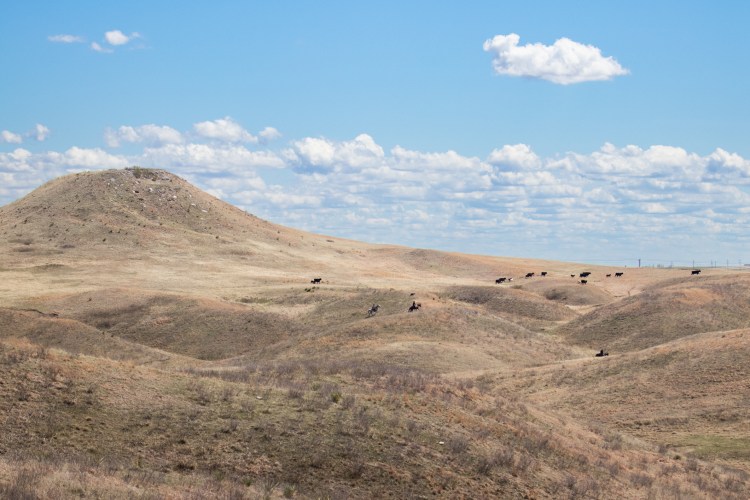
Calving season should wrap up with the eager anticipation of what comes next, but right now the “next” is uncertain.

All winter long, we remind ourselves that December and January, and even February, tend to be dry here, and that’s fine and normal. We remind ourselves that there’s plenty of time for the needed moisture. Plenty of time. Then March rolls through bringing no snow and we look to April, saying to ourselves, “We’ve gotten great snowstorms in April.”

And then April passes by. “It always rains. Eventually,” we remind ourselves. And then when cynicism creeps in and you think, “Well, at least there’s nothing to burn,” a spark lights off a 5000-acre grassfire. Apparently, there was something to burn.

“Please, God, make it rain.”

The inner monologue changes as the situation worsens, and as optimism gives way to reality.

There is no grass. Dams are dry pits. We haven’t really had measurable precipitation since October. The greenest spot on the whole ranch is the patch of lush grass around the septic tank in the yard.

Tough questions are being asked. Questions regarding the best interest of the livestock and the best use of the land. At this point, any answer will be a tough answer, most likely.

What do we do now? That seems to be the question everyone is asking.

You can’t ranch without grass. You can only feed so much hay, and where does the hay come from? You can only truck it so far, with the price of fuel. And fundamentally, regardless of how the media and four-letter organizations like to characterize those in agriculture, ranchers want what is best for the livestock and the land.

It is times of uncertainty that force us to acknowledge God. It is hard times that drive us to our knees in prayer. They are a reminder that we don’t live in a perfect world. They remind us that we don’t in fact govern the weather. Generally, in agriculture, that’s a pretty easy fact to grasp, but bad years are an extra dose of reality, that the weather is not subject whatsoever to our whims or desires. Hard times invite us to revisit God’s Word, and to be comforted in His sovereignty, and His purposes, which are always greater than ours. Uncertainty invites us to be reminded of His promise in Genesis that, “While the earth remains, seedtime and harvest, cold and heat, summer and winter, day and night, shall not cease.” Hard times invite us to marvel at His created order. God built incredible resilience into this world.

There are so many extremes of thought when it comes to the environment. There is the extreme to one side that seems to think we are constantly teetering on the brink of total annihilation, with a fixed date of destruction that surreptitiously gets moved, again and again, when the annihilation doesn’t happen. Then there is the extreme of exploitation without concern for the future, a using up of resources without concern for the next five years, let alone the next generation. There is the incredible arrogance and short-sightedness of weather manipulation, as if we actually can, or have any business trying, and truly could without making a total mess of things. And then there is a whole host of varied viewpoints somewhere in the middle of the mess, who can at least agree to the overarching idea of stewardship, if not the fine points. Stewardship being a caretaking of nature and our natural resources, neither the abandonment demanded on one side or the exploitation of the other, neither harnessing nor manipulating, but a partnering with and stewarding of the world around us.

And stewardship as mandated and defined by the Bible leads us to acknowledge that God as Creator has put in place an incredible created order, that allows regions to suffer drought and heat and natural disasters, and somehow, beautifully, amazingly rebound. The fresh green grass in recent burn scars evidences this, as well as the wonderful biodiversity in places like Hell Canyon, in the area of the Jasper Fire. It is a kind of stewardship that recognizes our responsibility but also God’s control.

If not even a sparrow falls to the ground apart from the knowledge of God, then not a raindrop falls, or doesn’t, without God’s permission either. If He clothed the fields then, 2000 years ago when the Gospel writer recorded the words of Jesus, He who is the same today clothes the fields today.

Pray for a miracle. Please, do. Pray for the skies to open and for rain upon a dry, parched earth. Pray for fruitfulness and life and safety.  I know I am. But my greater prayer, the prayer growing in volume, is for faithfulness. That we would have eyes to see God’s faithfulness displayed, and that we would be faithful to Him.

Because God is not primarily about the business of our comfort. In fact, our comfort doesn’t even make the priority list of eternity. God is about the business of fitting saints for Heaven, and fitness for Heaven rarely is accomplished through comfort and ease. It is accomplished through difficulty, testing, trials.

When we reach a point of breaking and holy mending, or breaking and holy sustaining.

When our best-laid plans and our smug self-sufficiency wilt away like last season’s grasses, and we are forced to actually wait for the rain of God’s providence.

Oftentimes, God’s most poignant and lasting work in us is done in hard times when we are brought to the utter end of ourselves.

Wringing Sunlight

Originally printed in the July/August 2024 issue of Down Country Roads Magazine

The sun-drenched days are already growing shorter, and before too long the shadows will lengthen a bit and remind us that summertime doesn’t last forever. But it is still the season to wring out every drop of sunlight from each blessed day, drinking in the warmth and the light that is so scarce at other times of the year. 

Wringing it out, wringing it out, soaking it in and wringing it out.

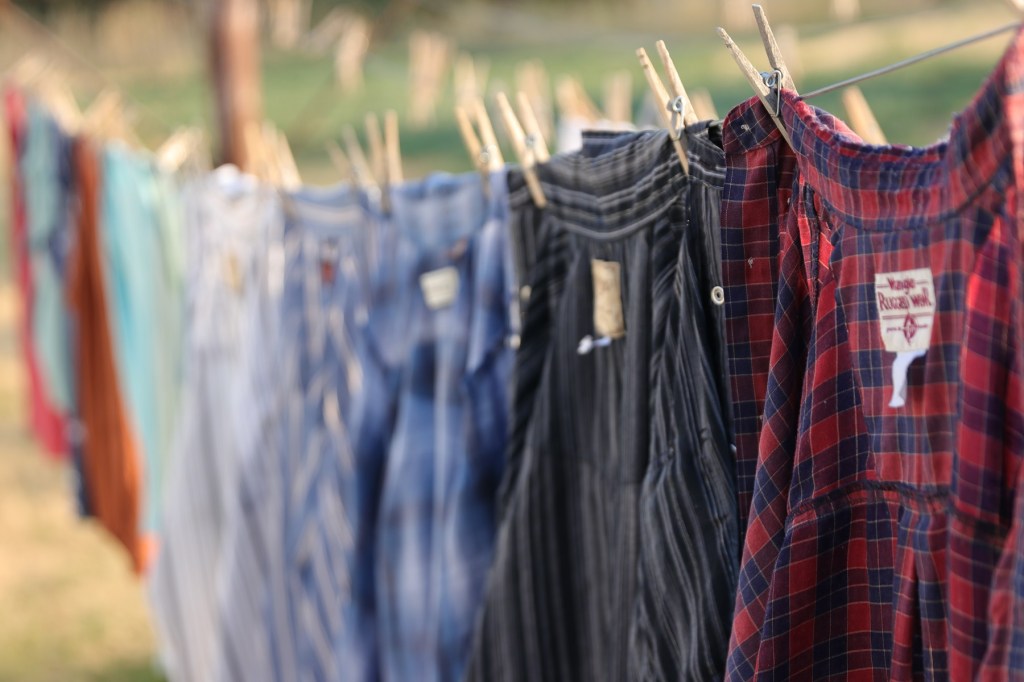
Wringing it out, like savoring those early morning sunrises.  The cool freshness of the day’s beginning, stirring the curtains and bringing the outside in. A woodsy ramble when the grass is still damp. The first breath of heat when the sun is yea-high. Garden puttering, throwing water, pulling weeds, up to the elbows in productivity and partnership with earth and sun. The snap of towels hanging on the line to dry, or my husband’s snap-front shirts. The heat of sun on uncovered head, the quiet, rhythmic work of laundry day. The cool of grass under bare feet. Digging my toes into good, black dirt. The low drone of bees busy in the flowers, the sweet singing of the crickets. The comical play-acting of the killdeer, the swift flight of the barn swallow, the bubbling up and overflowing melody of the bobolink in the hayfield, rivaling the meadowlark as the summertime songster, dipping and diving in the alfalfa, a little black-and-white-and-yellow speck of a songbird.

Oh, these days!

When the sun nears the evening sky and sinks low, the ridge to our west casts first the house, then the barn, then the hayfield, into its lengthening shadow which races to the horizon. Far to the east and a little to the south, Sheep Mountain Table gleams pink in the afterglow. The windows of the house get thrown open, bringing the coolness in, and nighttime falls, softly and sweetly, and the first of the summer stars appear in the pink and lavender sky.

We take the warm, sweet memories of these days with us into the shorter days of winter.

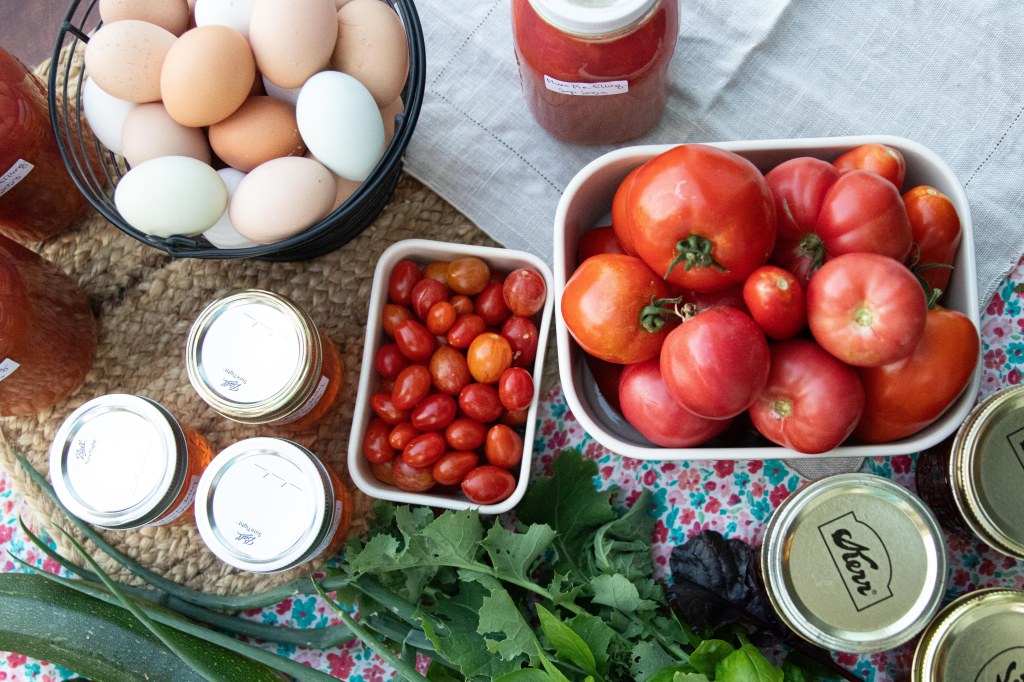
The sweetness, like the first of the sun-ripened, still-warm tomatoes, bursting in your mouth, fresh off the vine. The sweetness, like a cold glass of sun-brewed iced tea after a sweaty morning of work. The sweetness, like a pail of wild-harvested fruit and a glittering, gleaming row of jelly jars, still piping hot. The sweetness, like the sound of rain, gentle rain, sweet rain, and the low roll of thunder.

And then, maybe best of all, is the intoxicating sweetness of the sun-warmed pines. Can you smell it? It brings back impressions of my earliest childhood, recalls some of my happiest memories in what would one day become my home. I remember piling out of our minivan, myself and my three sisters and parents, piling out at the end of a 1000-mile journey, piling out at the top of a sun-baked hill in the glorious middle of nowhere near Hermosa, piling out and breathing deep of that wonderous smell – The pines! And there at the end of a little gravel sidewalk was a house made of rough-cut lumber with my grandparents waiting for us, and a joyful two weeks of summer vacation ahead, to be filled with hikes and rambles and Grandma’s 24-hour dill pickles. Almost ten years ago, we came and never left. But my heart still skips a beat when I smell the piney, resiny breath of summertime.

We can do without the havoc-wreaking hail that summer brings, or the dry lightning that sparks a fire, but somehow those aren’t the things we remember in the deeps of January. We remember and yearn for the sunrises and the sunsets and the sunkissed faces. And we long to wring out the sunlight, wring it out and drink it deep.

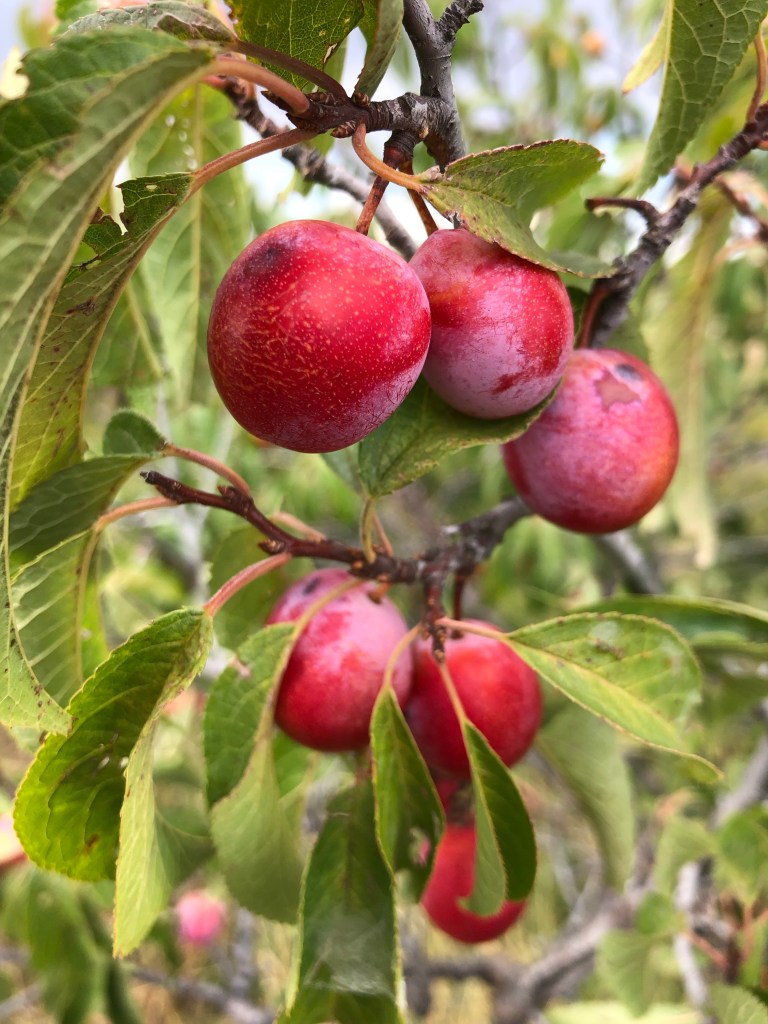
So, take the ramble, taste the wild plums, listen to the meadowlark, watch the sunsets and hunt the wildflowers. Wring it out, every last drop of beautiful summertime sunlight. It is days like this that get us through the long, dark nights of winter.

Spangled Afternoon

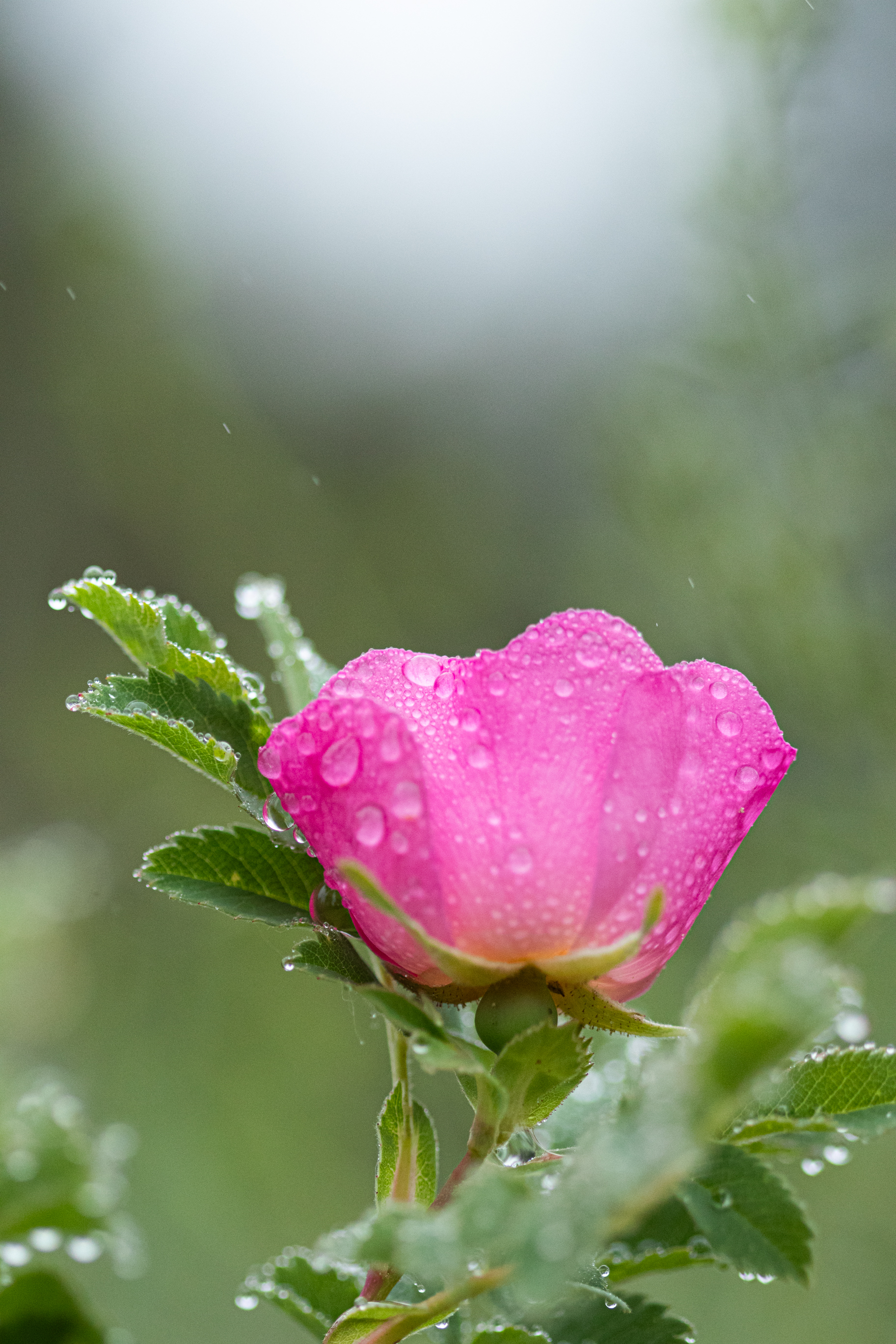
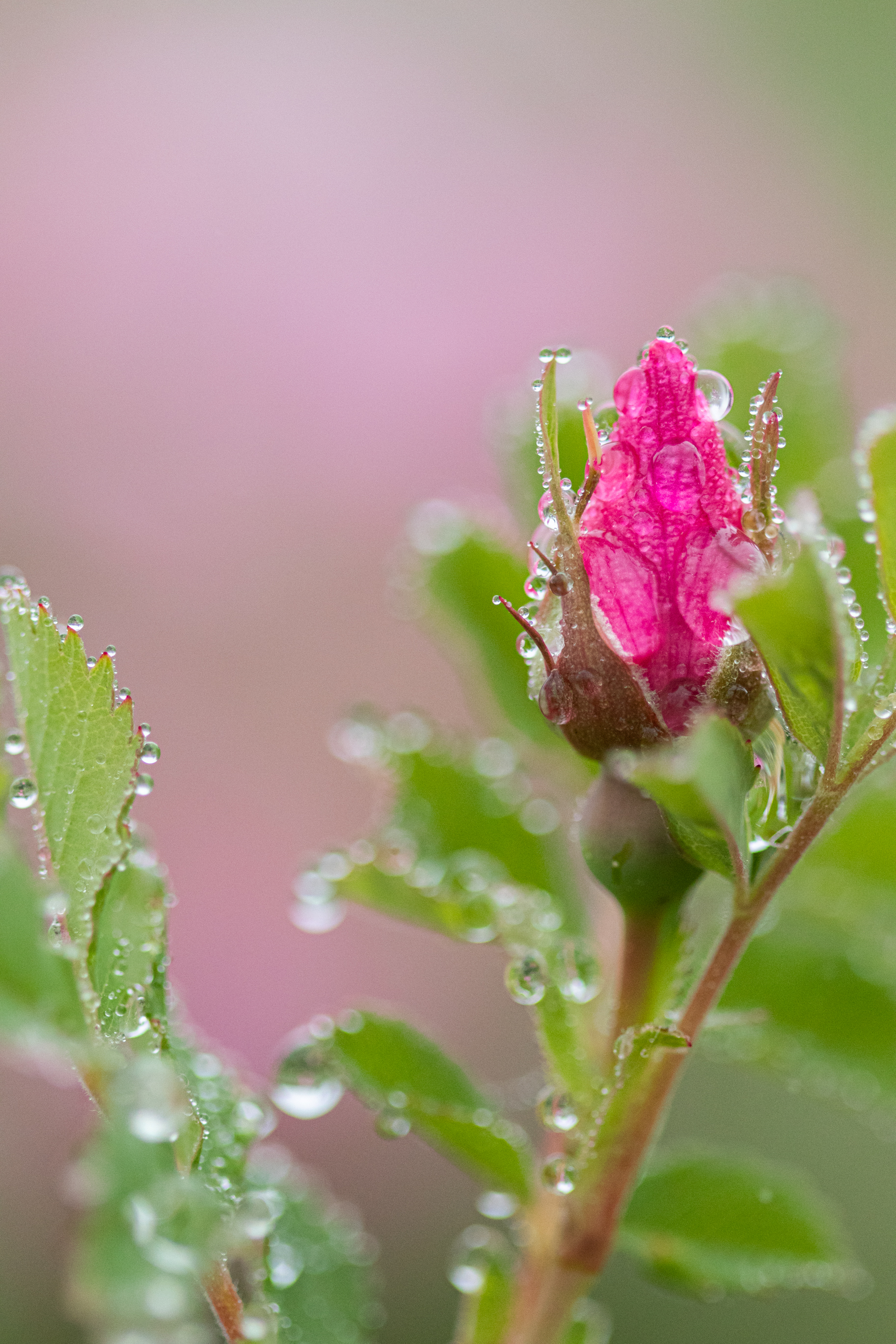
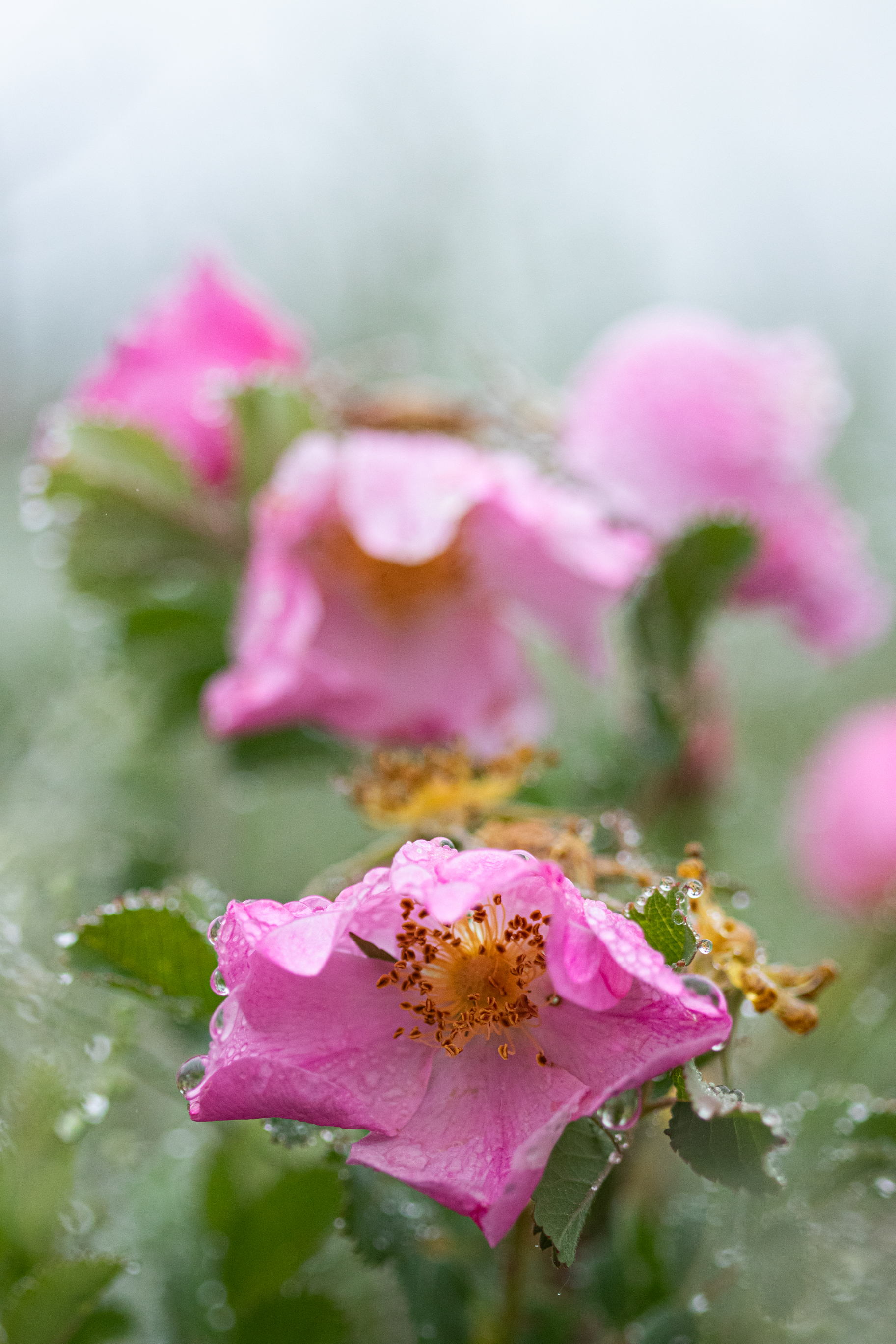
Yesterday was wet. Just wet. Wonderfully so. We got a little actual rain, but most of the day was just heavy mist, and we basically were inside a cloud. We couldn’t see the highway down past the hayfield, and the tops of trees were obscured, and the drops settled, all silvery, on everything. It almost looked like frost, everything was so spangled.

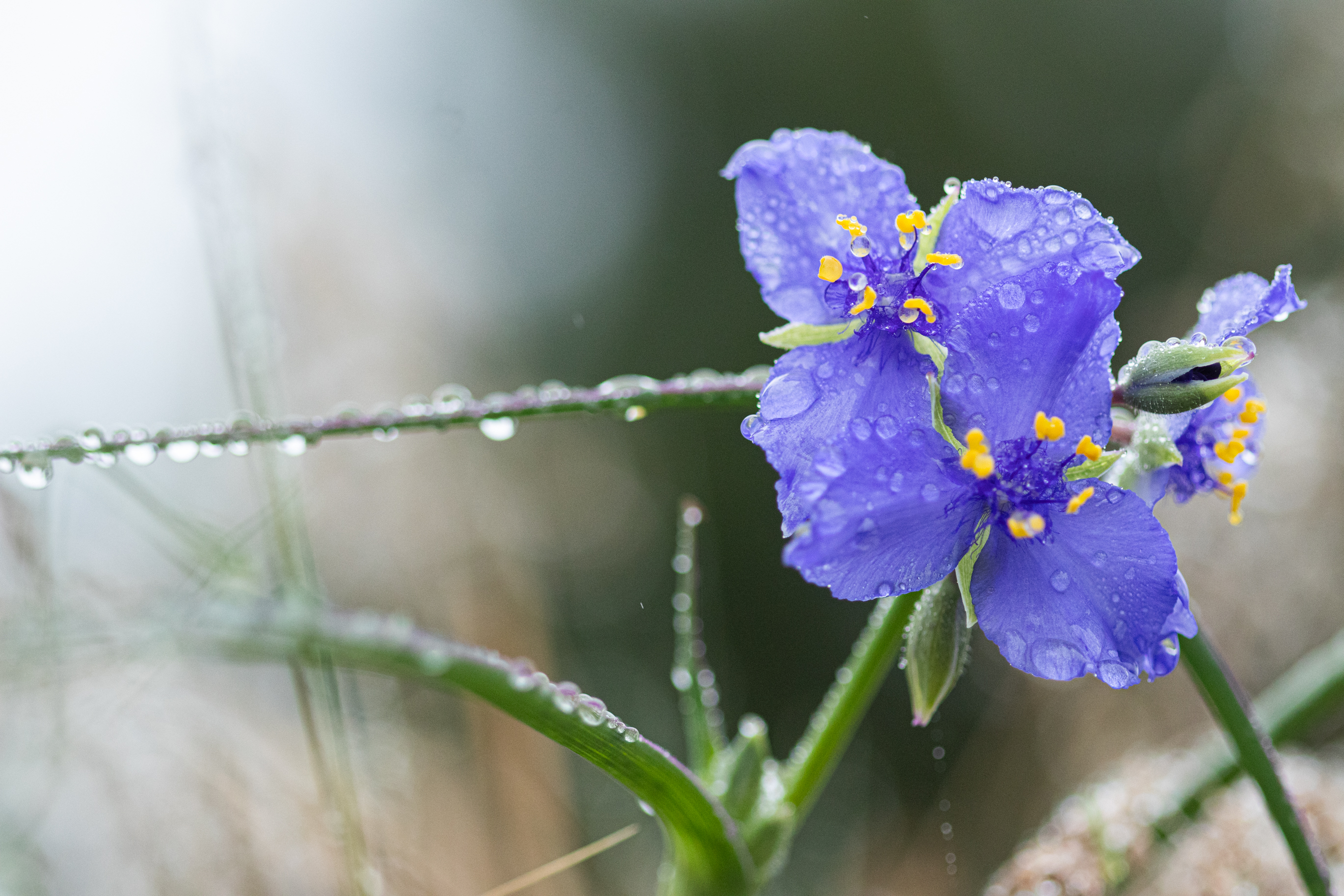
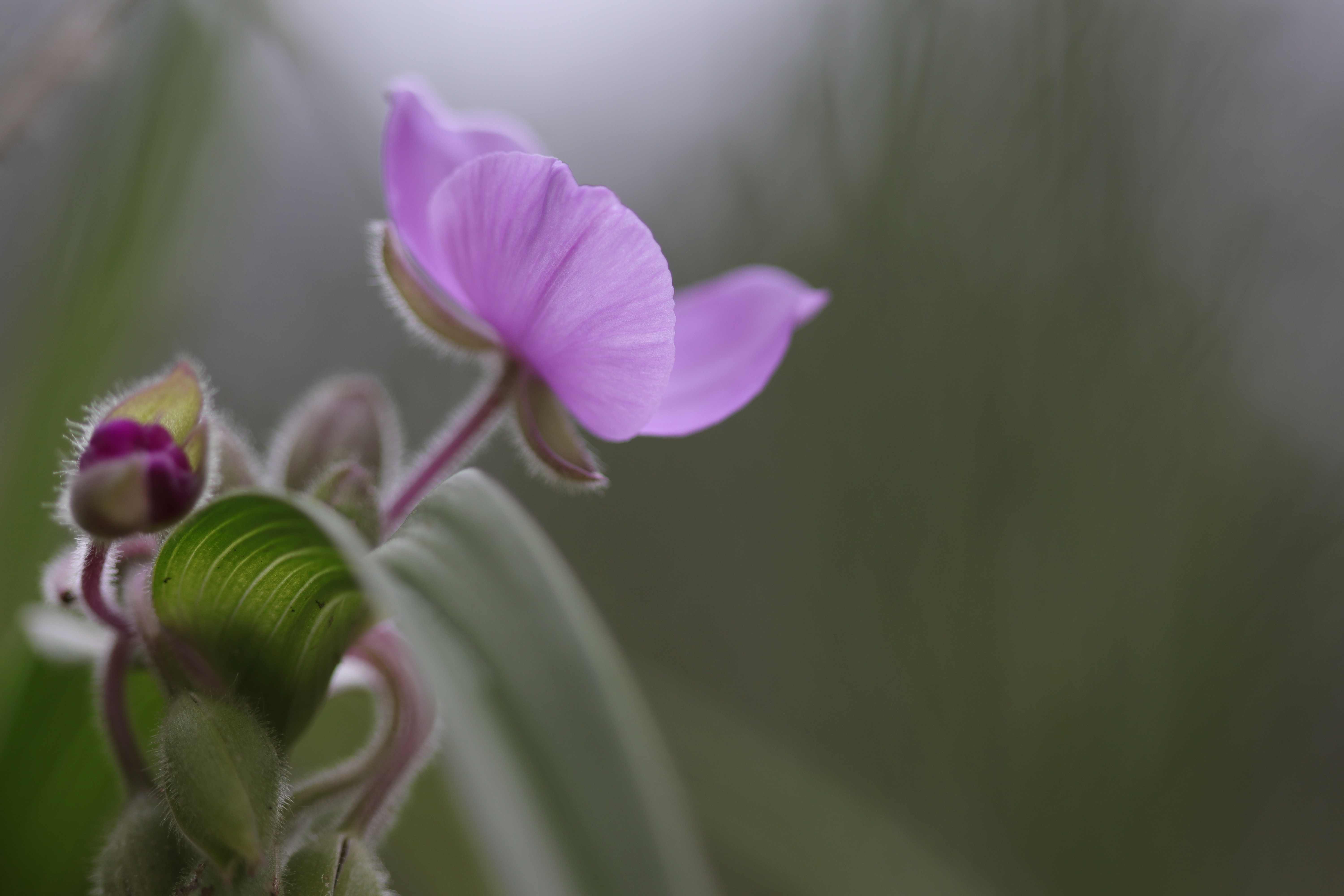
Spiderwebs and blades of grass, mundane on other days but be-jeweled in the mist, drops of water hanging like jewels on the fine threads of the spiderwebs. Roses and rosebuds, and spiderwort, gathering the mist, holding it on leaves and petals and stamens. And then, if you looked closely enough, the whole world reflected upside down in the drops of water, the sky, the flowers, the grass. It was dazzling.

Right now, our society is weighed down with all sorts of mental ills, and the self-care “movement,” if you will, is thriving…It would appear that the best solution anyone can suggest for the chronic anxieties and depressions and just generally not getting along well with life is that people need to love themselves more. For as long as the self-care solution has been being promoted, it is obvious that that isn’t the problem. We don’t have a problem with people not loving themselves enough. The problem is that we as human creatures are tuned to love ourselves, and to love ourselves too much. We don’t need encouragement in that vein.

We need, rather, encouragement to look up from all of our – in the big scheme of things – petty problems and look to the Creator God who loves us. Sometimes we find reminders of that in the tiniest, most mundane yet spectacular ways. Like taking a walk in a cloud. Gazing on the littlest, least-important things that God clearly cares deeply about. And then realizing that if He cares about the flowers of the field, the birds of the air, the mists on the meadows, He must care that much more about His human creatures.

Ranch Wife Musings | When the Irons Cool

Originally printed in the Custer County Chronicle on May 29, 2024

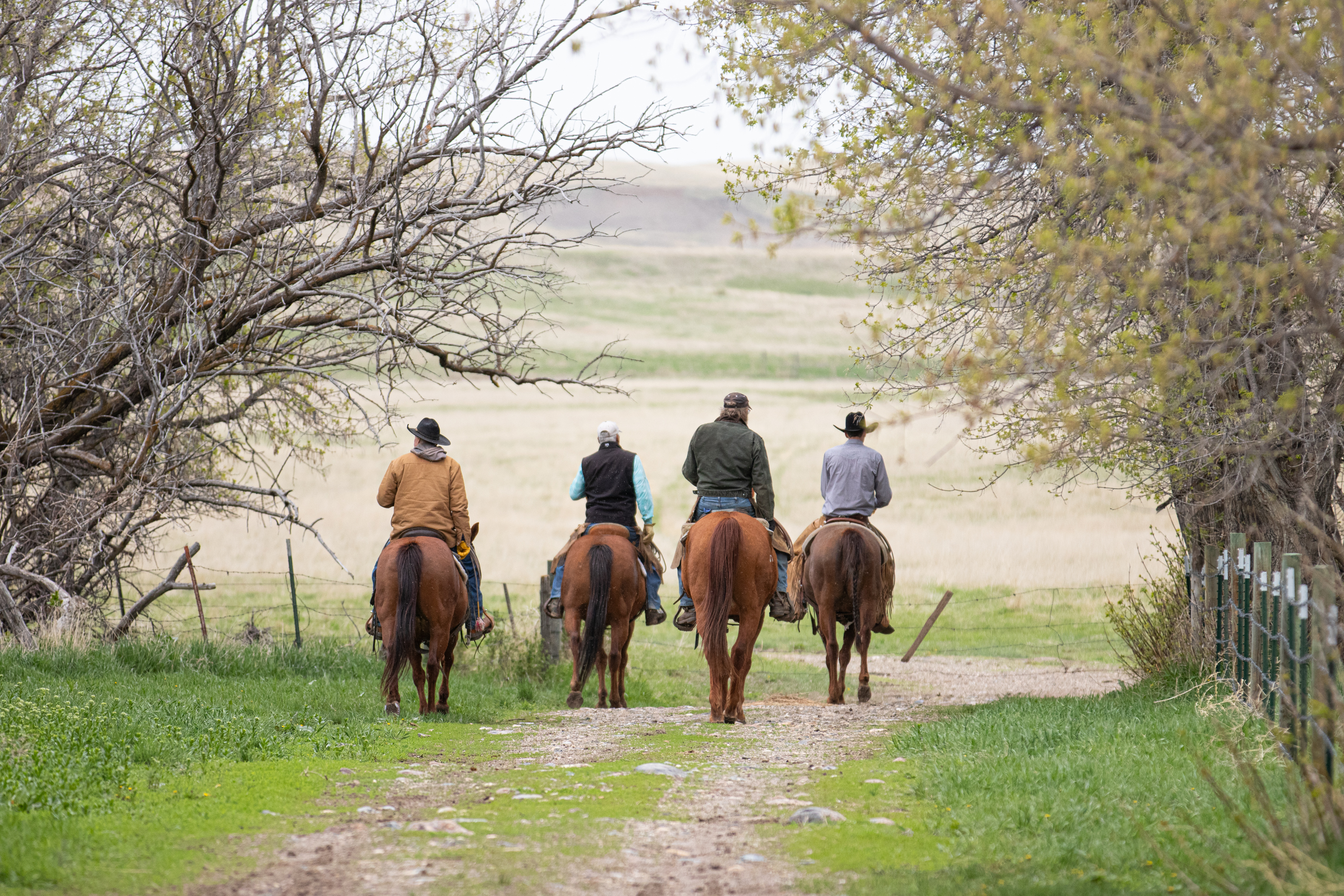
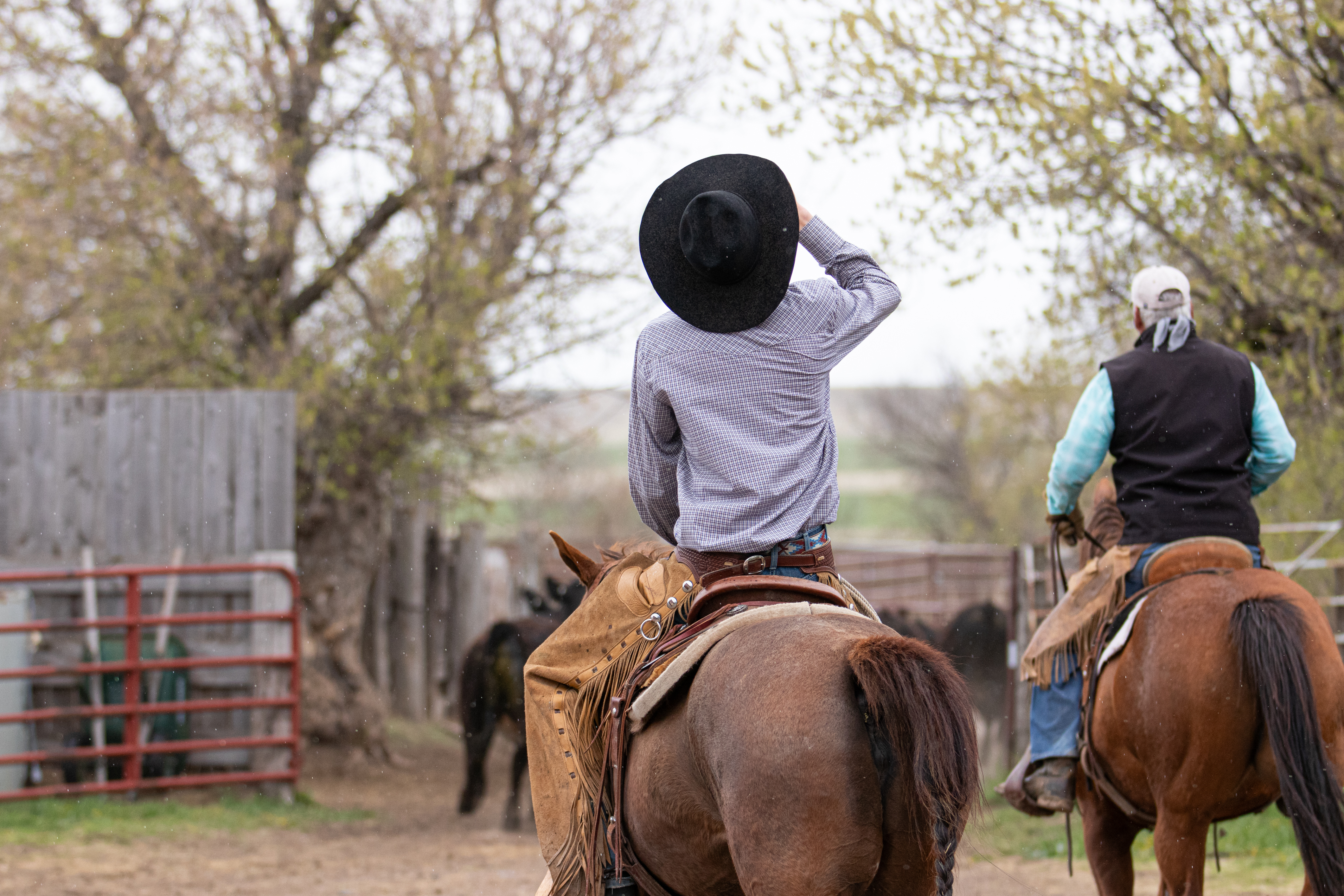
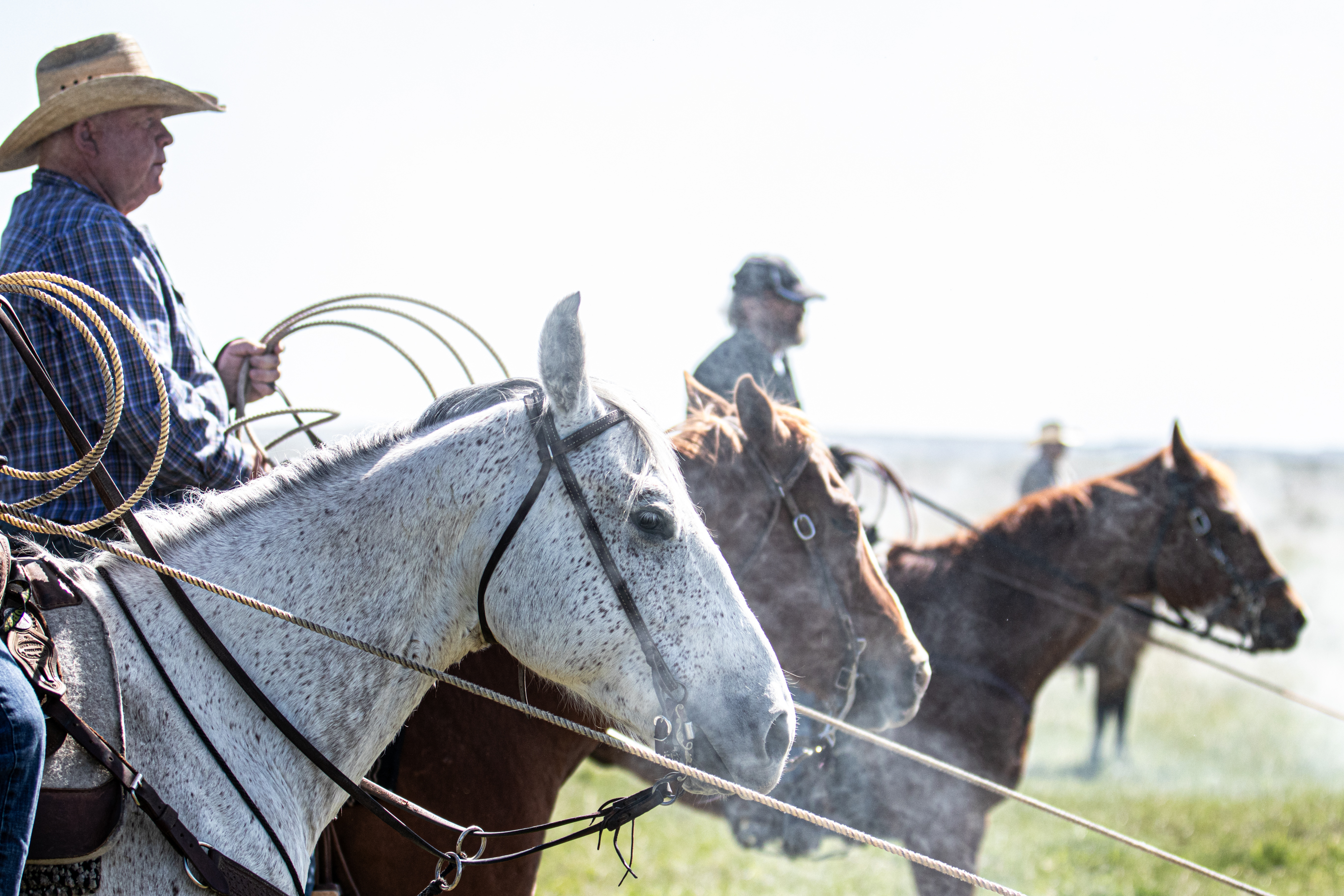
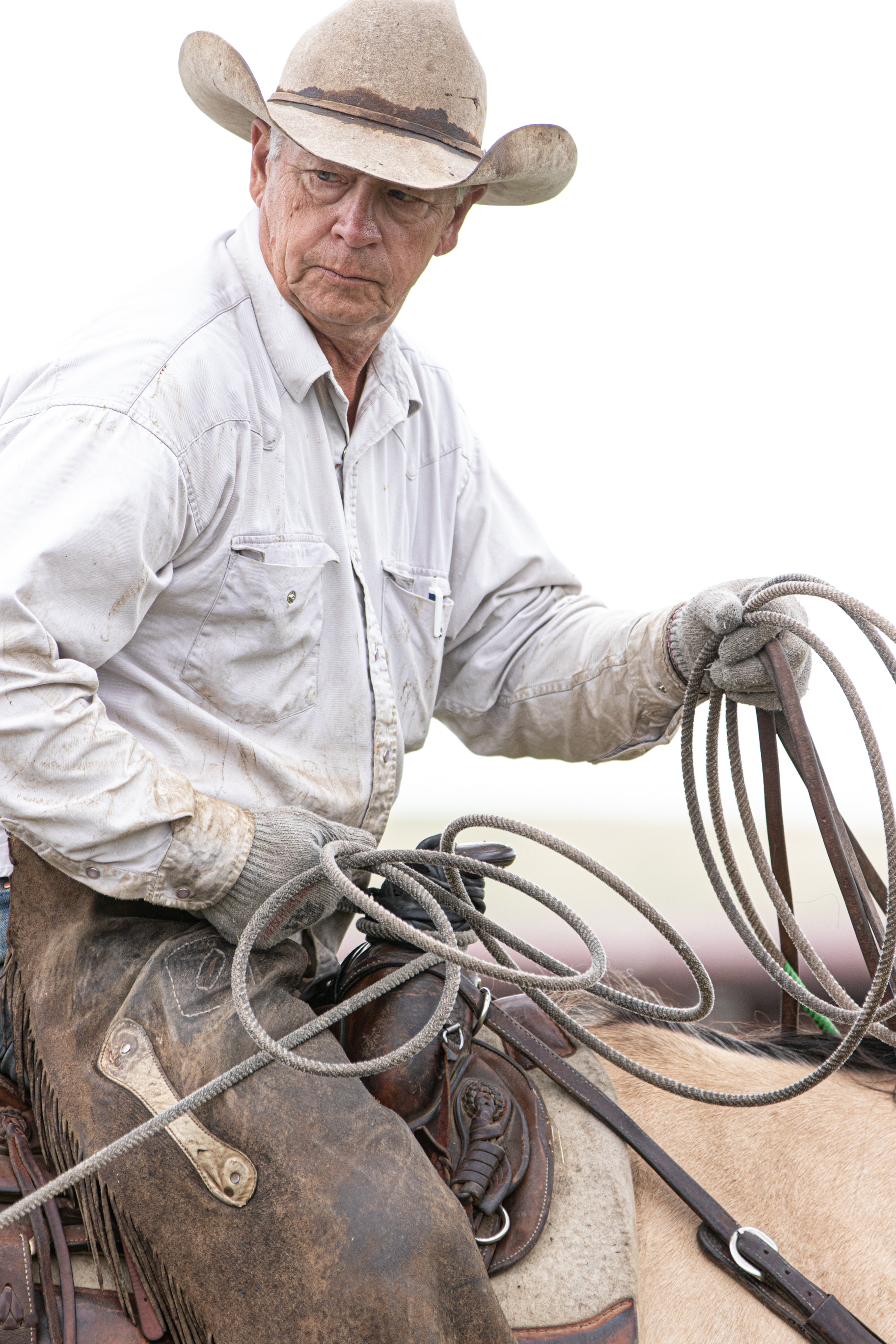
It is an exhilarating feeling, riding out in the cool of the morning with husband and family and neighbors, hearing a chorus familiar voices sing out gently in friendly conversation, the soft plodding of the horses’ hooves on soft earth, the occasional metallic ringing as a shod hoof strikes stone, watching the rolling hills fall away, the row of pickups and trailers get smaller behind us, seeing the cow herd stretched out over the entirety of a pasture. It is an exhilarating feeling, as we get further and further onto the prairie or into the breaks, and one by one, or two by two, riders are left behind until the herd is more or less encircled, and the gather begins.

It is an exhilarating feeling, to be behind a growing, moving, shifting bunch of cows, a bunch that gets joined to another, and another, until the whole herd is gathered, encircled by five or thirty horses and riders. The lowing of the cattle intensifies as they mill around, looking for their calves, and eventually the cattle trickle away from the pressure of the riders. The branding pens get nearer and nearer, and the net is pulled tighter and tighter. Instead of riders every 50 or 100 yards, it is riders every 50 or 100 feet, then every 5 or 10 feet, and then shoulder to shoulder for the last push to pen the herd.

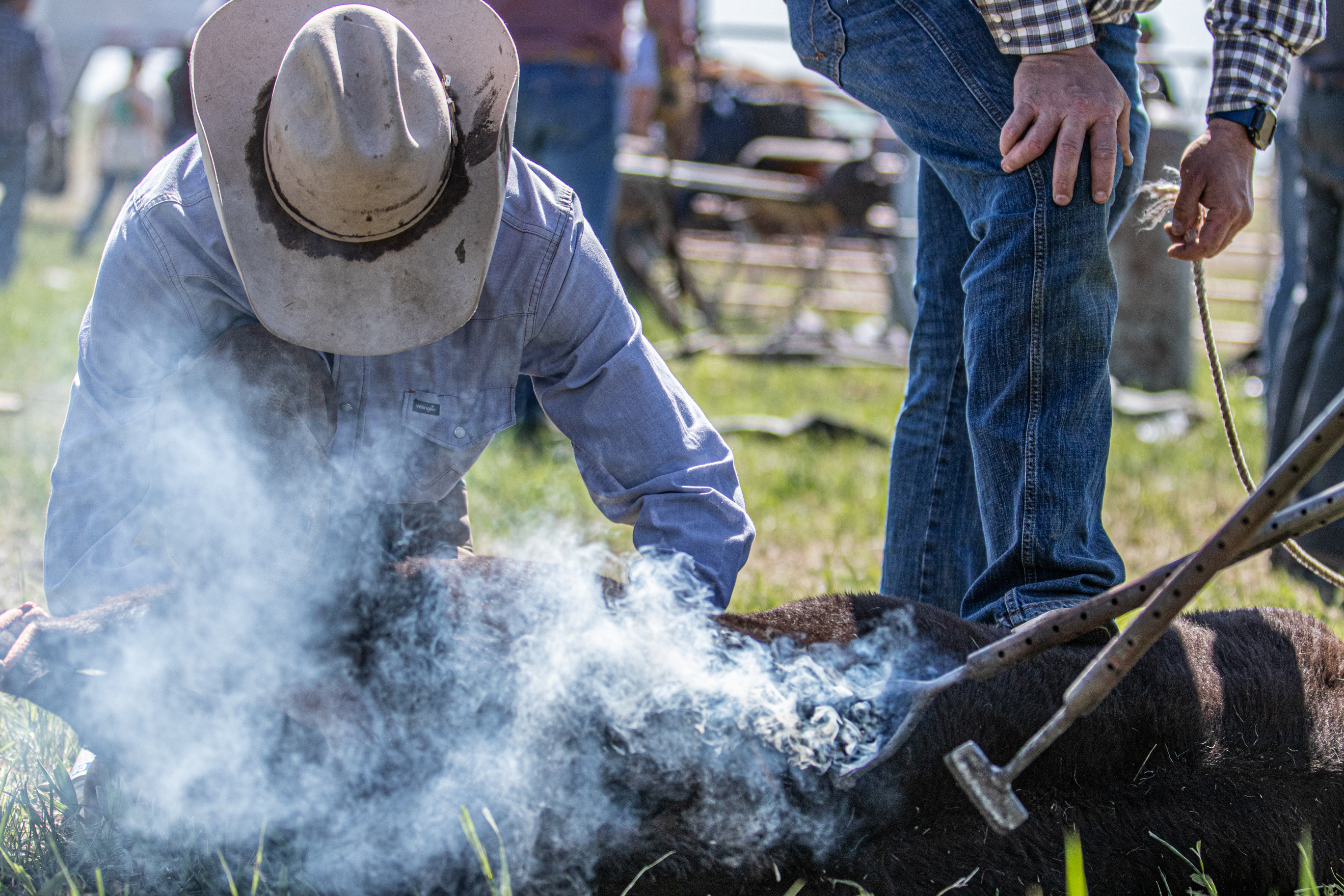
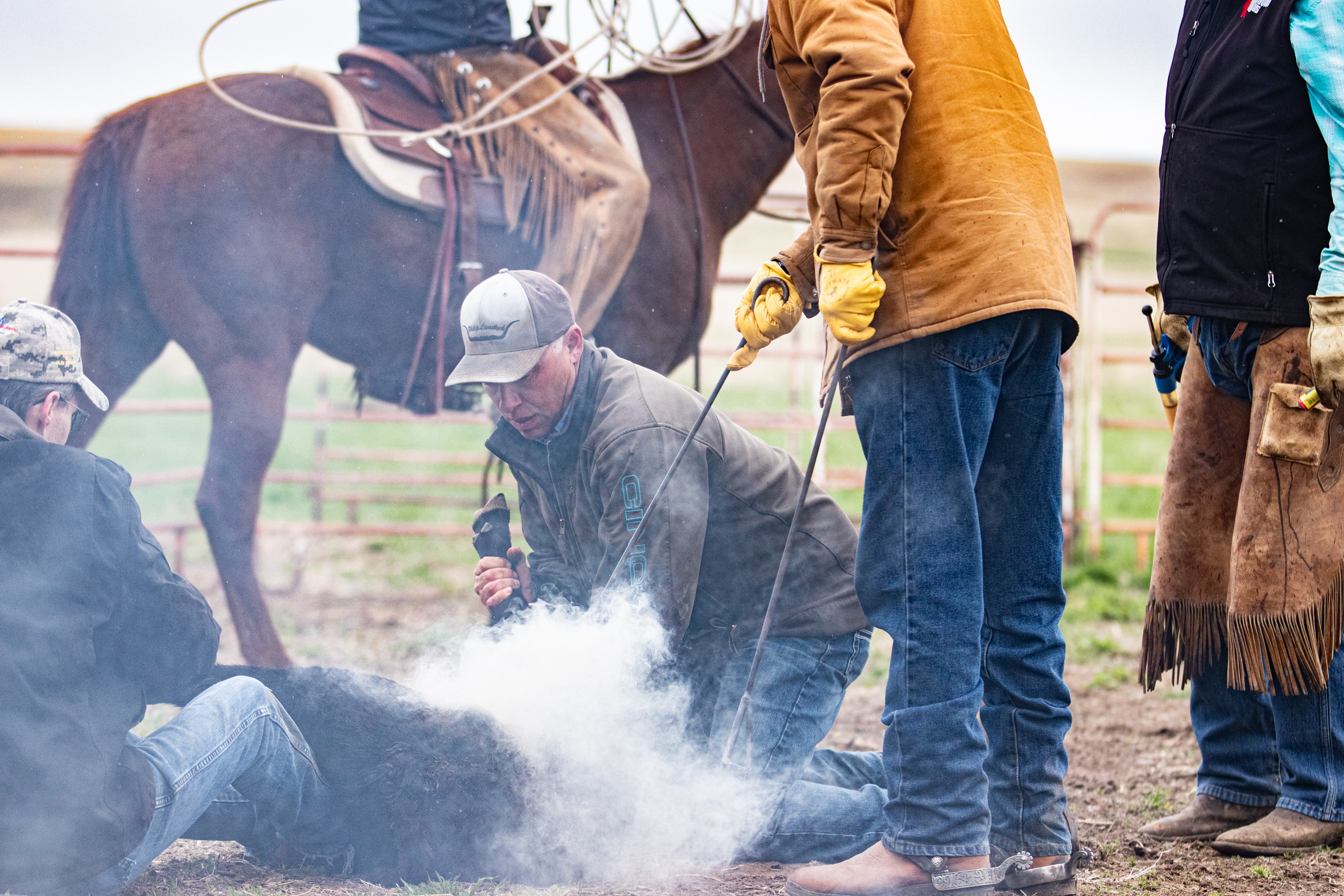
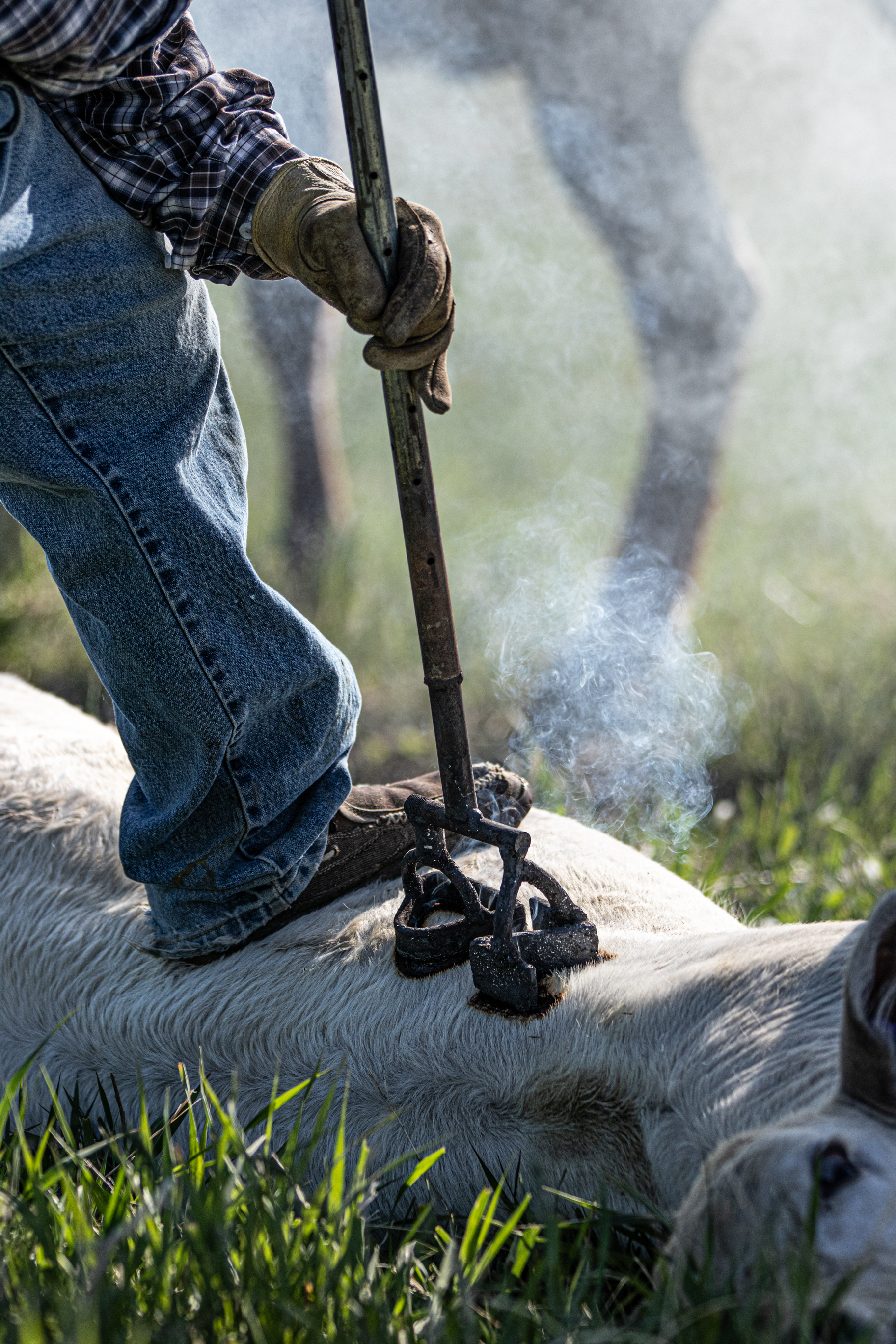
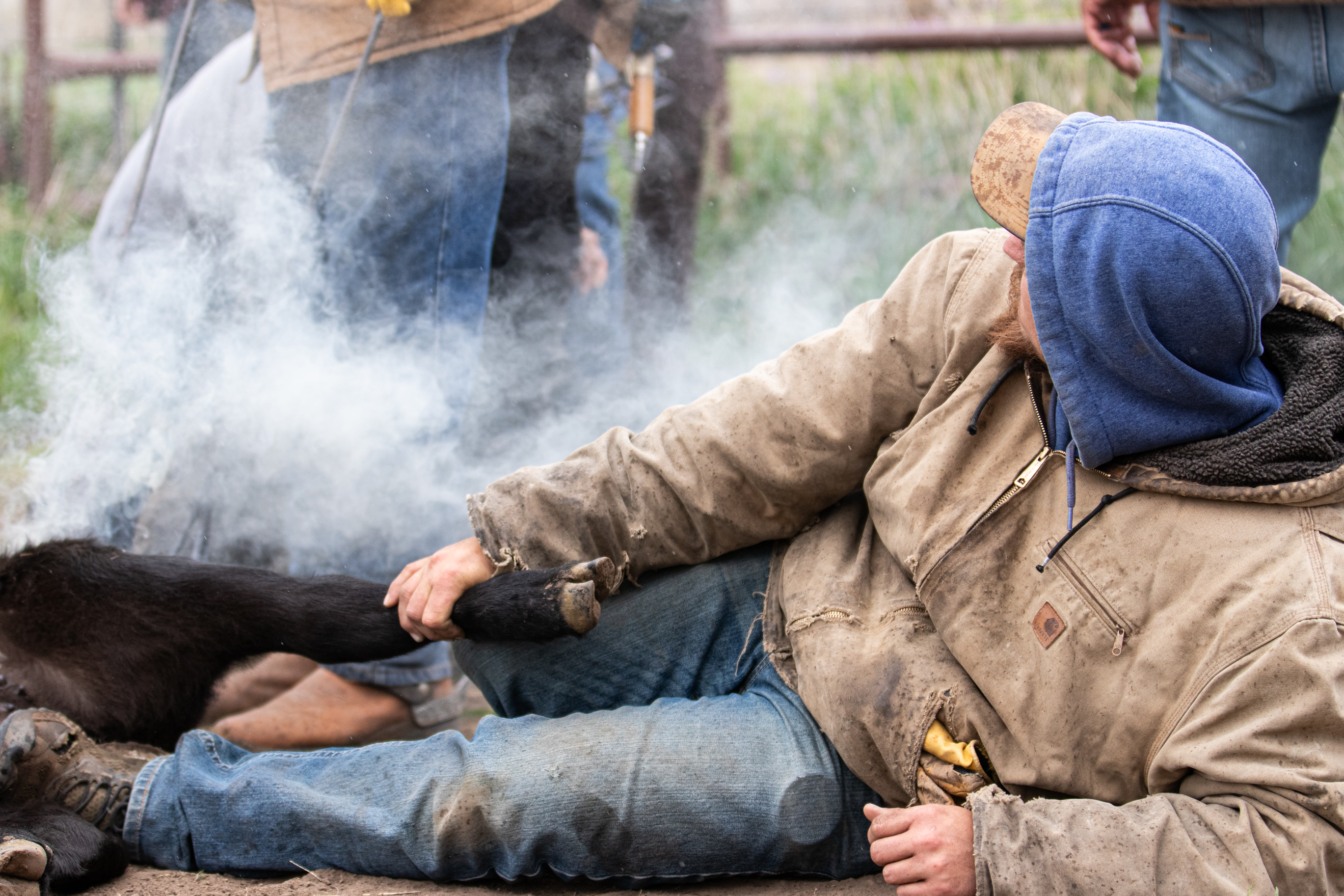
The cattle bawl at a fever pitch, like the deafening hum of a riled-up hornet nest, as mamas and babies are sorted and separated, the calves penned for branding, and cows released back to pasture. The perturbed mothers stand at the fence bawling for the calves, the calves bawl back, and the branding stove roars to life. Soon it is an ordered chaos of activity, as each member of a branding crew is assigned a role or finds a role, and the branding settles into a rhythm, like a well-oiled machine, a rhythm of ropers and wrestlers and branders, the soft hiss of ropes dancing, the smell of smoke and burnt hair, the clank as irons are drawn out of the fire, and the crackle of red-hot iron on hide. Glints and flickers of flame, clouds of shifting smoke, dust and flinging mud. Laughter and shouts and snippets of conversation punctuate the noise, and the steady rhythm is occasionally interrupted by the sudden leaping to action of half a dozen wrestlers when a calf puts up a stiff fight. And bit by bit, little by little, but faster than you’d think, the roping pens empty, the deafening bawling of the cows dies away as they head out briskly to pasture with their calves at their sides, without so much as a backward glance. With a suddenness of quiet that is jarring yet a relief, the branding stove is shut off. In the hours that follow the rush of the work, a meal is enjoyed and stories are shared and reminiscences are savored.

There is something bittersweet about the last big branding of the season, the last time the stove roars to life, the last time it cools. Ranching, for much of the year, is a pretty solitary profession. Families hunker down in the wintertime keeping animals fed and watered, and take to the pastures in the summertime with the odd jobs that are the summer routine. Fall work throws neighbors together in small groups here and there before calves are weaned and sold, but it is nothing like the community reunion of branding season. For a solid month, branding follows branding and neighbor helps neighbor, in a celebratory frenzy of work and camaraderie.

It is when the irons cool that there is really time to reflect on that, that partnership with one another for the grand and gritty task ahead, in partnerships that go back decades and generations. No one is keeping a score card, no one is counting hours helped here or there, but everyone is pitching in because there is work to do and that is what a true community does.

This is a foreign concept to many modern-day Americans. We no longer live where we work, or work where we live, to give a nod to the author Wendell Berry. We have separated work from life, and we have lost the vitality of community that results from living where we work in close proximity to others who also live where they work.

No matter how the American culture has shifted in favor of convenience and economy and minimizing human inputs and nickeling and diming every transaction, ranching is still done the old way. And the old way requires people. Flesh and blood people. People who are willing to show up with what skill they have or the willingness to learn a new one. To give of their time without keeping a record of how or whether it was returned to them, and with this spirit the work all somehow gets done.

We aren’t made to live in isolation. We are made to need one another and to be needed, and the ranching life gives a taste of this. Even in my relatively short time as a rancher’s wife, I look forward to seeing the familiar faces, working shoulder to shoulder with family and neighbors, each week of the season sprinkled with these all-hands-on-deck, all-day events. It is the one time of year when the community is reminded in a real and tangible way of how much we need each other. We aren’t doing this alone.  

The branding stove has been put away and the persistent smell of smoke and burnt hide no longer sticks to our clothing. It is a relief to have calving and branding over with for the season, and for summer work and rhythms to be settling into place. We’ll bump into neighbors over fences or at the county fair or other gatherings. But the energy and shared experiences of branding season will leave their impressions long after the irons have cooled.

Old Friends

Originally published in the May/June 2024 issue of Down Country Roads Magazine

First, I fell in love with violets. I called them wildflowers, but Dad called them weeds, and to his chagrin they grew in abundance in the yard of my childhood home. I can remember picking them handful by fragrant handful, stuffing them into tiny vases with pride and delight. Their sweet faces were enchanting, the sleepy-eyed, quiet little things, all shades of dark blue-purple to white, with the delicate striping at their throats and their whimsical heart-shaped leaves.

Then I learned their names. They weren’t just violets, but some were common blue violets, some were dog violets. It is one thing to know a flower by sight, to recognize it in a distant sort of a way. It is another thing to know its name. It is like the difference between an acquaintance and a companion.

Thus began a lifelong friendship with the flowers.

Field guides became a favorite and treasured part of my personal library. I learned many names. Each hike or rambling walk was a treasure hunt, every parting of the grasses a discovery. For each new flower I found, I learned a new name, like meeting a new friend.

And meet them I did, learning to see the uniqueness of the flowers, not just nature’s wild and wonderful bouquet.

As my friendship with them deepened and their names became familiar, wooded rambles no longer were blind treasure hunts, but reunions, each time I wandered into their domain and sought their company. My photographs of them were no longer just photographs, but portraits. Their familiar faces became as familiar as a friend’s face, their presence was eagerly anticipated, the blooming of different flowers marking milestones throughout the year. I learned their quirks and preferences, to know where each little blossoming beauty likes to be, what hollows they haunt, what hillsides they adorn, and when they adorn them. A well-traveled trail is always new, week to week transformed by the adorning flowers, and sometimes day to day.

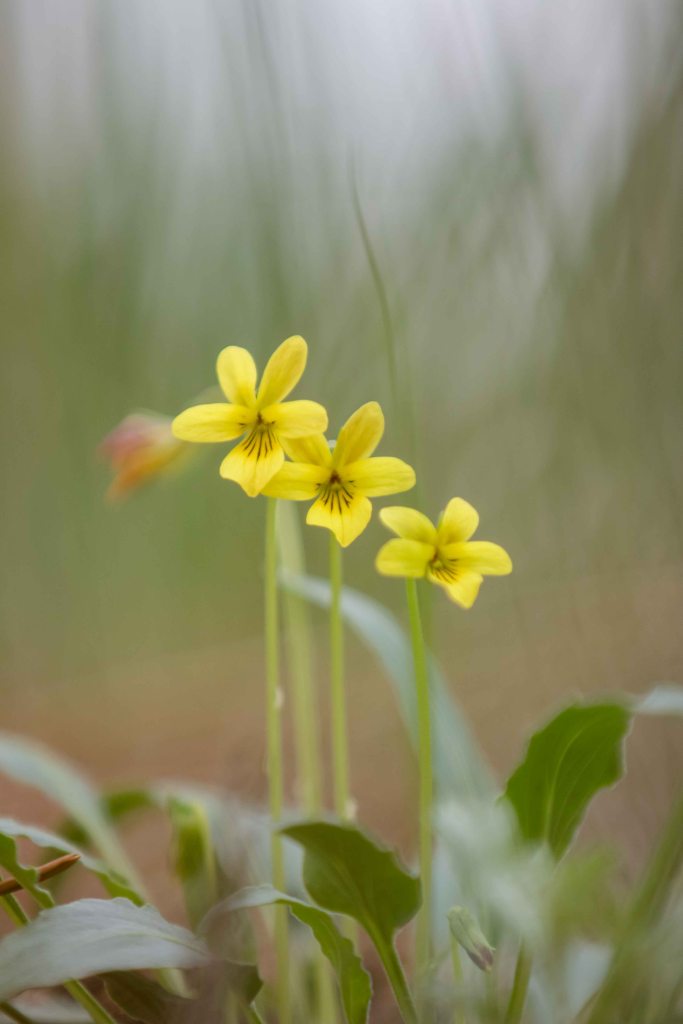
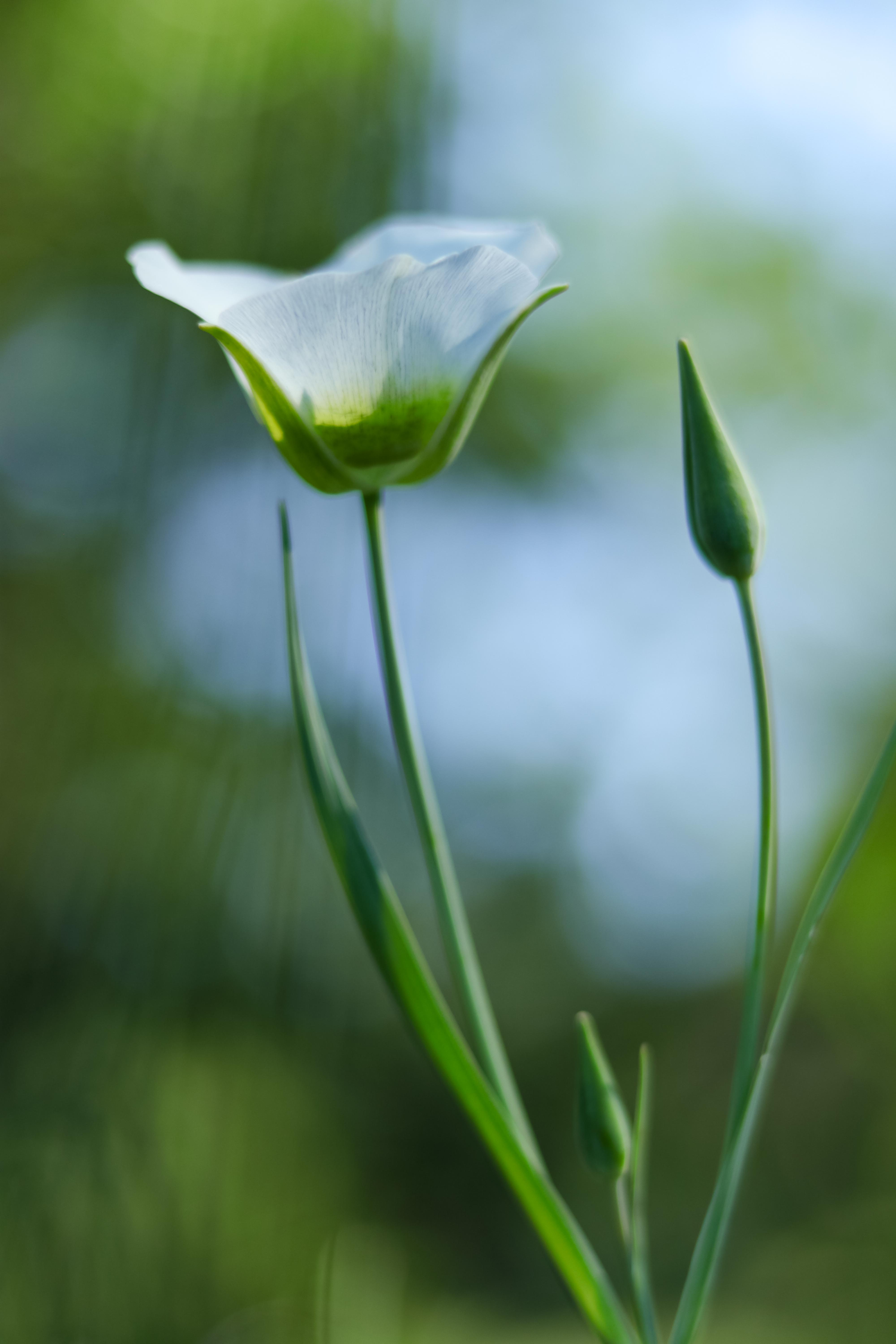
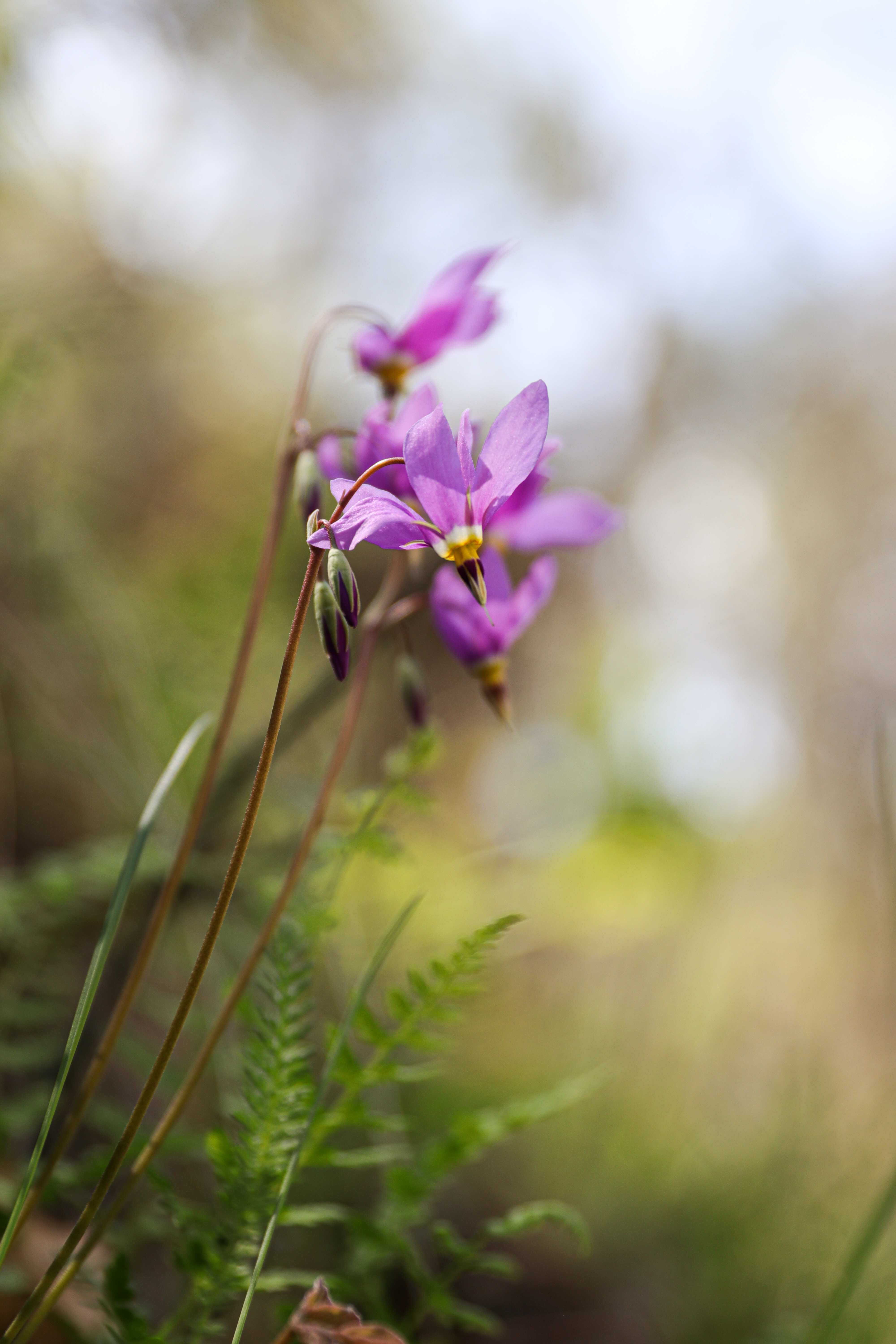
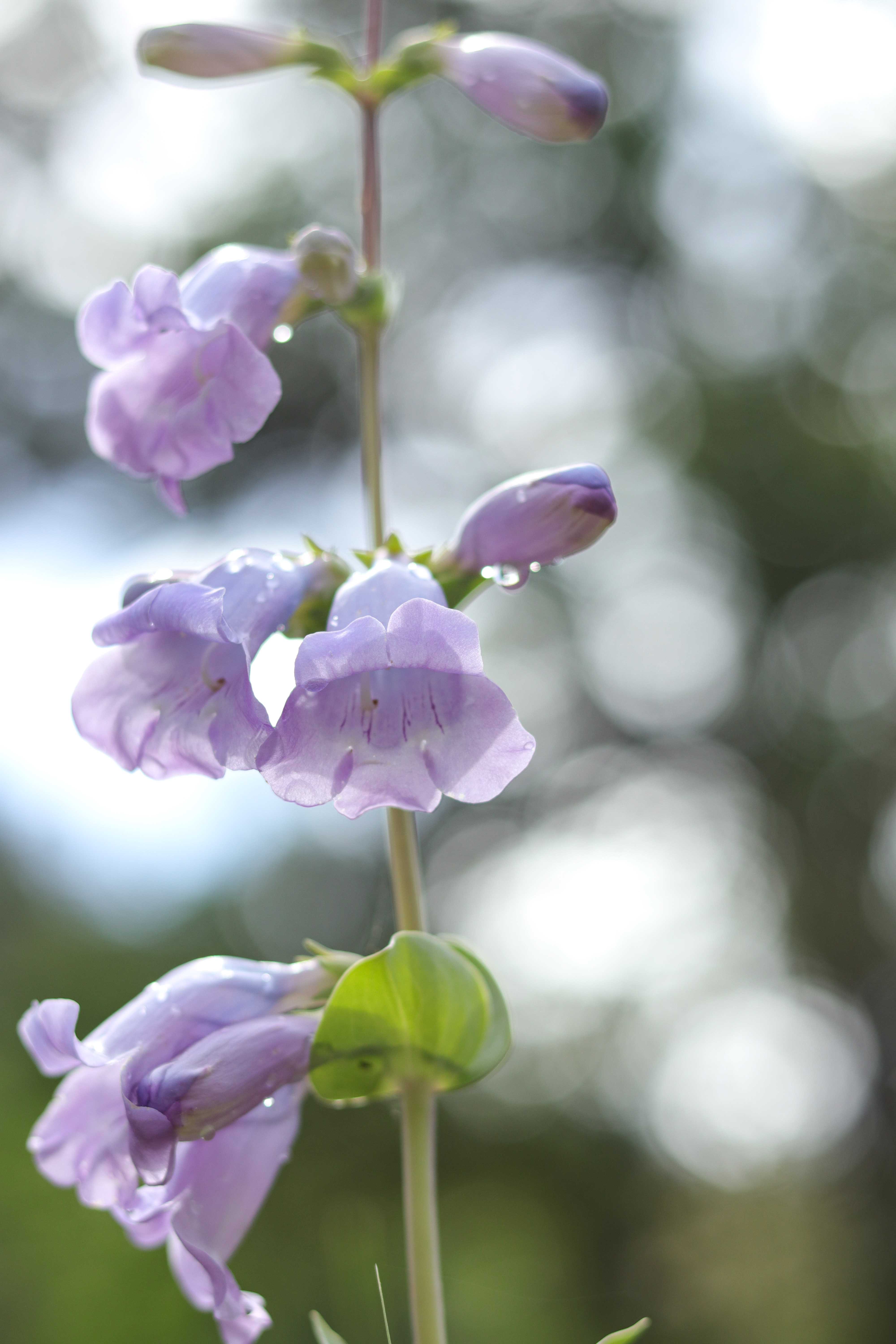
Columbine blooms quickly in the early summer and is easily missed, tucked away in the cool, damp hollows and ravines, her salmon and yellow blossoms hanging like pendants from her slender stem. A lucky person might chance upon a blue columbine, rare in the Hills, or even a white morph. Lanceleaf bluebells grow on the hill trail above our house, drinking up the splashes of midsummer sunlight from between the spreading ponderosa pines. Finding the hiding place of the sego lily is a reward in itself, reclusive as she is, and rather shy, maiden-white with a heart of gold. Spiderwort, not overly finicky about where he grows, sometimes in the pines, sometimes on the prairie, boasts his clusters of brightest pink and vivid purple, the local varieties almost impossible to differentiate, as they cross-pollinate with ease. Longspur violets grow in the higher elevations west of us, while their sisters, the pale-lavender larkspur violet and dainty yellow Nuttall’s violet, inhabit the more arid country around my home, flourishing on the grass-covered slopes of the foothills. And then there is the magenta gem of the summer, shooting star, thriving in the shelter of trees and ferny slopes, lighting up like her namesake when the sun is just right. Beebalm, almost a weed but not quite, spreads a mist of color over entire hillsides in the later summer, fragrant and robust. Wild roses, sweet and feisty, grow in the sandiest, hardest-packed ruts of trails, forming rollicking banks of brambles when they are undisturbed, leaving behind crimson jewels at summer’s end which, when harvested, make the most wonderful honey-colored jelly.

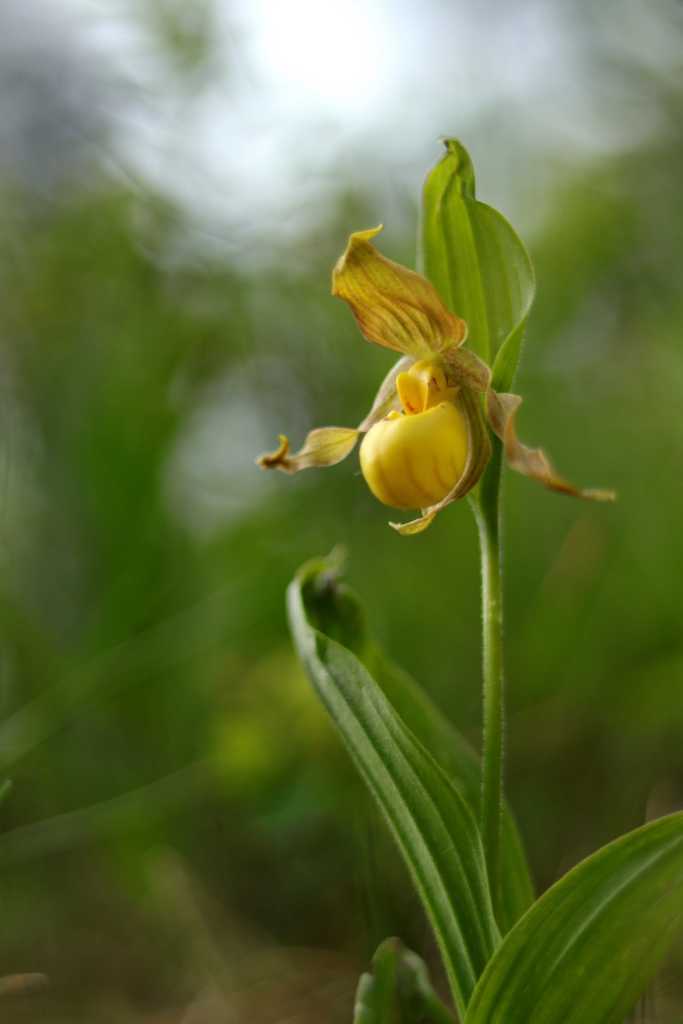
So many names! Names familiar and enchanting and delightful. Prairie chickweed. Purple virgin’s bower. Prairie smoke. Blue flag. Dame’s rocket. Wild buckwheat. Yellow ladyslipper. Pussytoes. Shell-leaf penstemon. Cutleaf anemone. Harebells and asters and fleabane.

How sweet it is, to be surrounded by familiar, beautiful faces. To peer into the underbrush, to part the tall grasses, to look beyond what many choose to see, to seek and find and learn. To ramble in the woods in the company of so many old friends.  

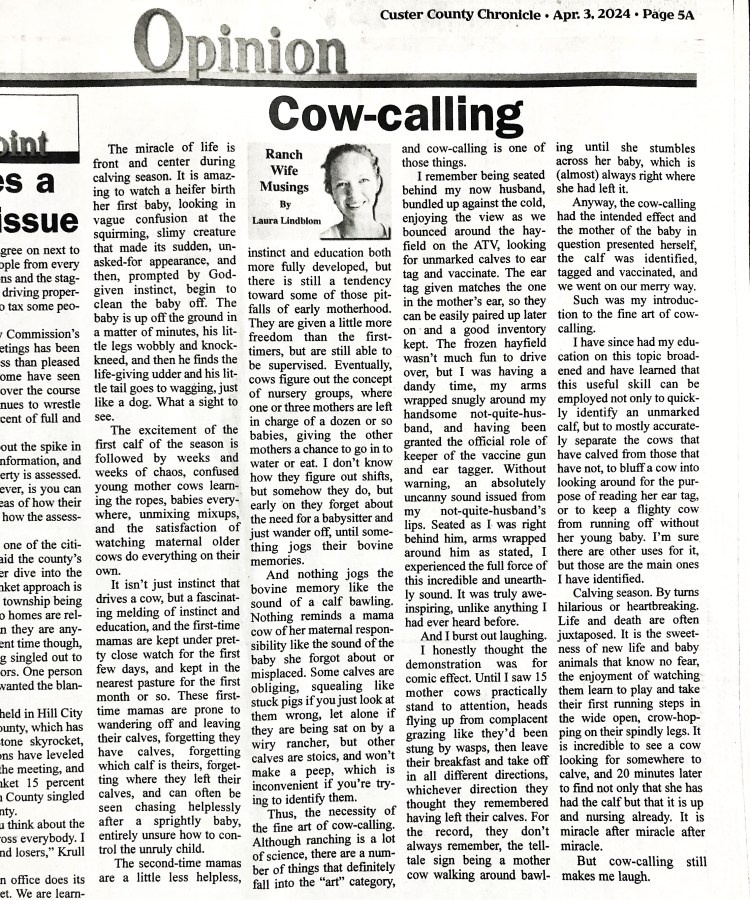
Ranch Wife Musings | Cow-Calling

Originally printed in the Custer County Chronicle on April 3, 2024

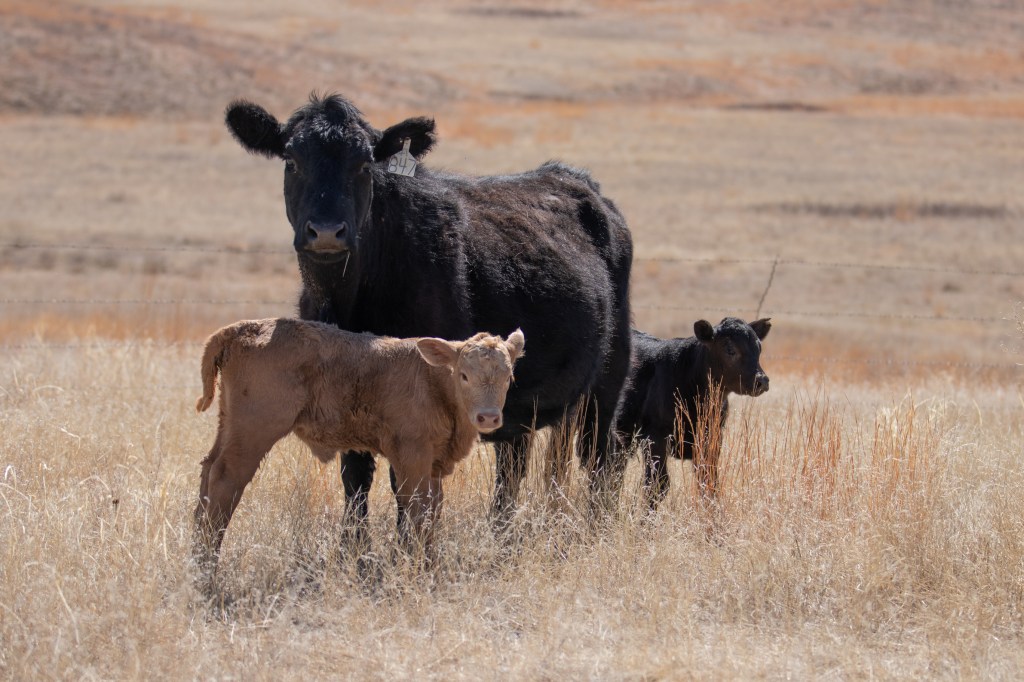
The miracle of life is front and center during calving season. It is amazing to watch a heifer birth her first baby, looking in vague confusion at the squirming, slimy creature that made its sudden, un-asked-for appearance, and then, prompted by God-given instinct, begin to clean the baby off. The baby is up off the ground in a matter of minutes, his little legs wobbly and knock-kneed, and then he finds the life-giving udder and his little tail goes to wagging, just like a dog. What a sight to see.

The excitement of the first calf of the season is followed by weeks and weeks of chaos, confused young mother cows learning the ropes, babies everywhere, unmixing mixups, and the satisfaction of watching maternal older cows do everything on their own.

It isn’t just instinct that drives a cow, but a fascinating melding of instinct and education, and the first-time mamas are kept under pretty close watch for the first few days, and kept in the nearest pasture for the first month or so. These first-time mamas are prone to wandering off and leaving their calves, forgetting they have calves, forgetting which calf is theirs, forgetting where they left their calves, and can often be seen chasing helplessly after a sprightly baby, entirely unsure how to control the unruly child.

The second-time mamas are a little less helpless, instinct and education both more fully developed, but there still is a tendency towards some of those pitfalls of early motherhood. They are given a little more freedom than the first-timers, but are still able to be supervised. Eventually, cows figure out the concept of nursery groups, where one or three mothers are left in charge of a dozen or so babies, giving the other mothers a chance to go in to water or eat. I don’t know how they figure out shifts, but somehow they do, but early on they forget about the need for a babysitter and just wander off, until something jogs their bovine memories.

And nothing jogs the bovine memory like the sound of a calf bawling. Nothing reminds a mama cow of her maternal responsibility like the sound of the baby she forgot about or misplaced. Some calves are obliging, squealing like stuck pigs if you just look at them wrong, let alone if they are being sat on by a wiry rancher, but other calves are stoics, and won’t make a peep, which is inconvenient if you’re trying to identify them.

Thus, the necessity of the fine art of cow-calling. Although ranching is a lot of science, there are a number of things that definitely fall into the “art” category, and cow-calling is one of those things.

I remember being seated behind my now husband, bundled up against the cold, enjoying the view as we bounced around the hayfield on the ATV, looking for unmarked calves to ear tag and vaccinate. The ear tag given matches the one in the mother’s ear, so they can be easily paired up later on and a good inventory kept. The frozen hayfield wasn’t much fun to drive over, but I was having a dandy time, my arms wrapped snugly around my handsome not-quite-husband, and having been granted the official role of keeper of the vaccine gun and ear tagger. Without warning, an absolutely uncanny sound issued from my not-quite-husband’s lips. Seated as I was right behind him, arms wrapped around him as stated, I experienced the full force of this incredible and unearthly sound. It was truly awe-inspiring, unlike anything I had ever heard before.

And I burst out laughing.

I honestly thought the demonstration was for comic effect. Until I saw fifteen mother cows practically stand to attention, heads flying up from complacent grazing like they’d been stung by wasps, then leave their breakfast and take off in all different directions, whichever direction they thought they remembered having left their calves. For the record, they don’t always remember, the telltale sign being a mother cow walking around bawling until she stumbles across her baby, which is (almost) always right where she had left it.

Anyway, the cow-calling had the intended effect and the mother of the baby in question presented herself, the calf was identified, tagged and vaccinated, and we went on our merry way.

Such was my introduction to the fine art of cow-calling.

I have since had my education on this topic broadened and have learned that this useful skill can be employed not only to quickly identify an unmarked calf, but to mostly accurately separate the cows that have calved from those that have not, to bluff a cow into looking around for the purpose of reading her ear tag, or to keep a flighty cow from running off without her young baby. I’m sure there are other uses for it, but those are the main ones I have identified.

Calving season. By turns hilarious or heartbreaking. Life and death are often juxtaposed. It is the sweetness of new life and baby animals that know no fear, the enjoyment of watching them learn to play and take their first running steps in the wide open, crow-hopping on their spindly legs. It is incredible to see a cow looking for somewhere to calve, and twenty minutes later to find not only that she has had the calf but that it is up and nursing already. It is miracle after miracle after miracle.
But cow-calling still makes me laugh.