Pasques and Pines

Originally printed in the May/June issue of Down Country Roads Magazine

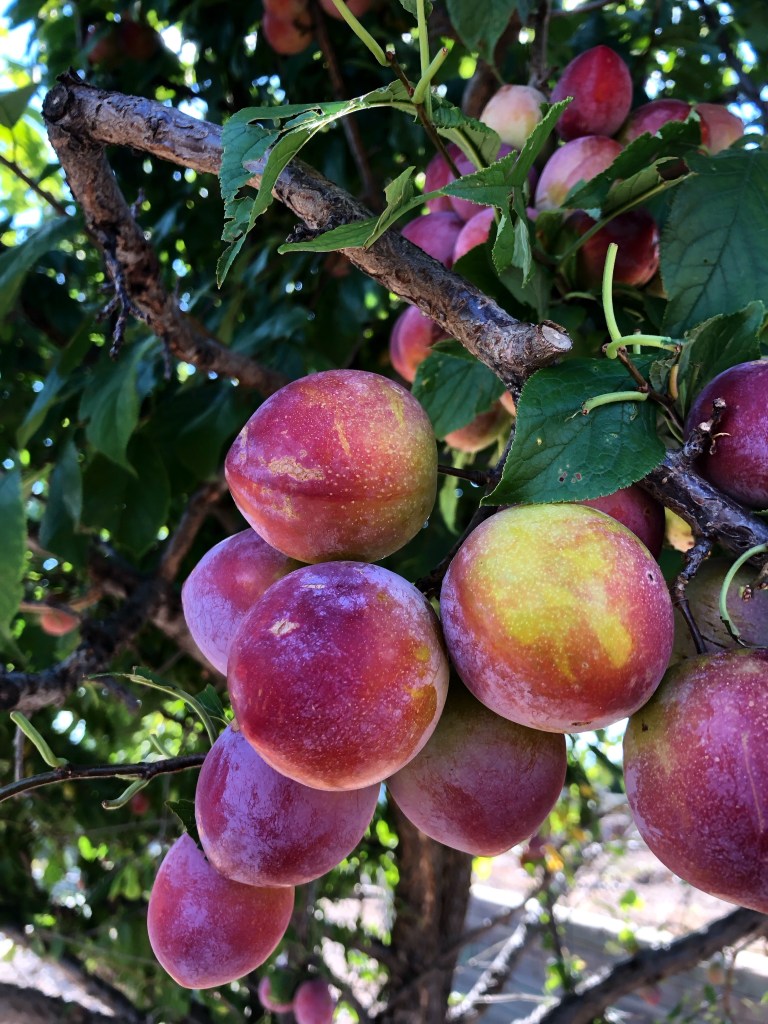
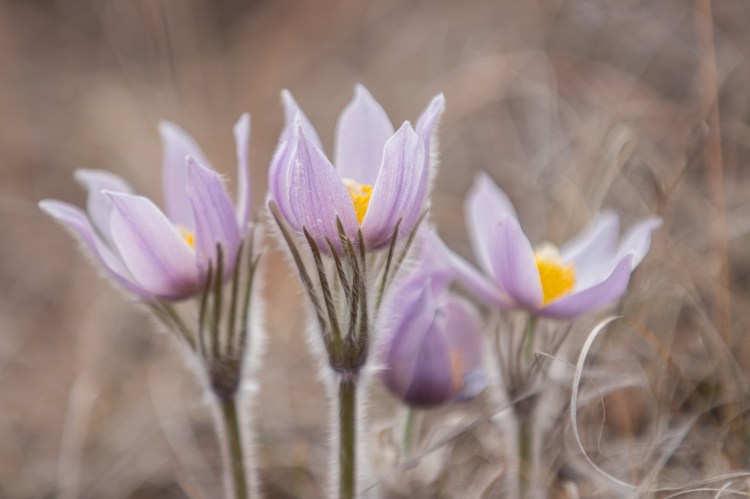
The pasqueflowers bloomed early this year. Perhaps they were tricked by the unseasonable weather, like the plums and the crabapples. Dandelions have tried to spring up, but haven’t been overly successful. But the pasques! How could they bloom with no moisture over the winter? So delicate-appearing, so insignificant visually, the first to bloom and the first to fade, but incredibly resilient. They thrive in disturbed areas, like recently logged terrain, and some of the best I’ve seen have been in old wildfire scars. The ones on our place bloom on the north slope of Potato Butte, a rather rugged and blighted prominence, and in the draws around it, where the wind blows the worst. They fight their way up through the rocky ground, rivalling yucca in toughness, spreading their little leaves and opening their petals in a tangle of old grass and bracken. They survive frosty days and wretched conditions no other wildflower is brave enough to face. When the sun is just right, they light up, their transparent petals like stained glass, and the silky hairs catching the sun. Little beacons of hope they become. They don’t bloom when and where it is easy. And they aren’t easy to cultivate. They thrive in adversity.
Fire is on our doorstep. From the burning of the Sandhills, to the fires that have lit the skies and eaten up pasture as near as two miles away, the drought is oppressive. Most have never seen it this bleak this early. There is no telling how the next weeks and months will play out, no telling how much harder things will get, or how beautifully they may turn around. They’ve done so before. The uncertainty makes us feel so very small. But a recent drive took me through an area burned by a devastating fire a few years back and my heart, heavy right now, lifted and soared. The entire forest floor was green. Not the green of grass, but the green of hundreds and thousands of seedling pines. So very small. Little beacons of hope. Thanks to the flames of the fire, the forest is reseeding itself. They thrive in hardship.

A few weeks ago, the sandhill cranes flew overhead like they do each spring, without fail. I love watching them fly together, wing to wing, and their wonderful wild call pierces the heart. “Fly on! Fly on!” they seem to cry, one to one another, in chorus.

Perhaps the bleakness isn’t so all-consuming after all.

The meadowlarks have returned, sitting on fence wires and the tops of fence posts, and they still have things to sing about, raising their melodious voices in solo song.

Perhaps we do, too.

The bluebirds are homemaking as always and the Eurasian collared doves are romancing in the pine trees, cooing lovingly together, laughing and trilling. A lusty little starling, drab and unimpressive, sat outside our window, somehow managing to whistle a glorious ditty around the blade of grass in her beak, singing while she built a nest for her family. What a delightful sound!

If the birds can go about their mundane tasks and their quiet little lives with a song in their hearts, perhaps we can, too. We can tend our homes, we can break bread with our families and neighbors, we can bear one another’s burdens, and hold our loved ones tight and tighter. We can find joy in a smile or a warm embrace, in the bubbling laugh and sloppy kisses of a baby.

And like the pasqueflowers, perhaps we, too, can thrive even in hard frosts and snowless winters and rainless springs. Perhaps we can thrive in churned up earth and on rocky, windblown hillsides, or in the ashy, deadened landscape after a rangeland fire. Like the pine woods, perhaps we can weather a fire and the heat that burns and clears and cleanses, and in its aftermath a whole new forest will grow.

The birds, the flowers, the forest – They were not made for ease. Are we so different?  
Waiting

Originally printed in the March/April 2026 issue of Down Country Roads Magazine

As February fades behind us, with hardly a day that could really be called winter, and March unfolds before us, springtime seems immediately inevitable. We’ve had stretches of wonderful warmth, so unseasonal that one worried the trees and early spring garden plants might become disoriented and bud out too soon. We’ve had the T-shirt days, the sitting outside and soaking up the sun days, the productive days of outdoor projects. But each little cold snap, whether it is a day or a week, jars us back to the reality that springtime, true springtime, could be weeks away. Gardeners might be itching to get their hands in some good black dirt, seeds might be germinating on windowsills, fresh calves might be tumbling about the calving lot, all the telltale signs of spring – but here in western South Dakota, spring is still a ways away.

So we count down the days, waiting.

Waiting for warmth.

Waiting for blue-sky springtime.

Waiting for the longer days and the feel of earth softening underfoot.

Waiting for the perfume of sap flowing, the unmistakable signature of the pines.

Waiting for the smell of good clean dirt dampened and warmed.

Waiting for greenness and life.

Waiting for moisture. Rain or snow. Either will do.

And that really is what we’re waiting for. Moisture. Some years, the earth is hard with cold right about now, maybe beginning to thaw, maybe even buried under a blanket of white, waking slowly from a long winter. This year, there isn’t enough moisture to freeze or thaw. Passing snow flurries or a smattering of precipitation dampens the dry dirt for a fleeting few hours, but doesn’t heal the wide cracks in the ground, the dryness that drills down, and further down. Everyone gets a little jittery at the smell of smoke. Whirlwinds skim across the pastures, winter-barren, drought-dry, twisting what’s left of last year’s grasses. Not a hint of green is showing yet, in spite of the unseasonal weather.

But we know from experience how fast all of that can change, in these in-between months of almost-but-not-yet springtime. How quickly the skies can build and bring moisture in from elsewhere, blessed moisture, blessed relief. We know how fast a heavy snow can pile up drifts and replenish dams and change the trajectory of the coming months. How quickly the landscape can soften with the first shoots of green.

Moisture means hope. It means grass for the cattle and water in the dams and the promise of a harvest. It means life and fruitfulness and safety. And not just for this year, but for the next. Green or dry, one year affects the next. Good water in the dams, good grass in the pastures, and well-summered cattle handle winter better, handle calving better, and the next year’s calf crop fares better as well. And this year’s calves are the mamas two years from now. When a rancher worries over lack of rain, it isn’t just right now that he’s concerned about.

But springtime is a promise. And a reminder of a promise. A promise made nearly at the beginning of time, in the book of Genesis, that “while the earth remains, seedtime and harvest, cold and heat, summer and winter, day and night, shall not cease.” Because of the One who made the promise, year after year, springtime comes. Year after year, the seasons shift and change, and without fail each season comes as it should. Not always in the exact manner we would prefer, if we had the power to ordain snowfall and rainfall. Sometimes we wait and pray and wait some more. But the seasons persist because God the Creator says that they should.

This isn’t the first drought. This isn’t the first dry winter. This isn’t the first uncertain springtime. And yet, there continue to be cattle on these hills and prairies. There continues to be fruitful life and harvest. The springtime always comes, and the summer after.

And so we watch the skies, and wait.

Room for Peace

Originally printed in the Nov/Dec issue of Down Country Roads Magazine

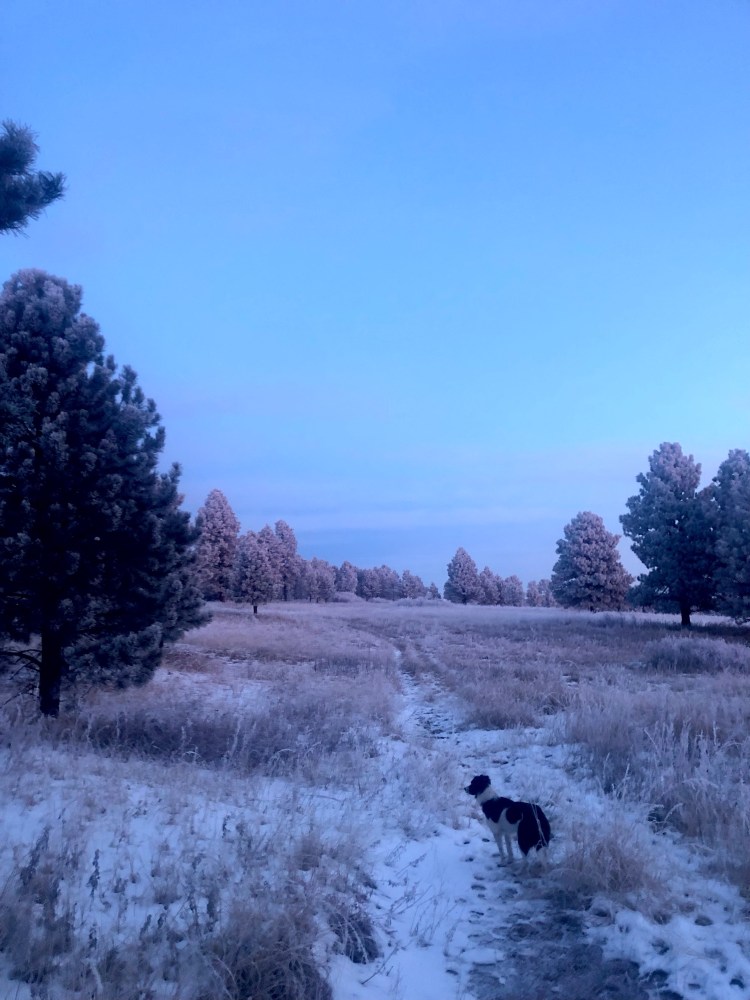
The coffee percolator perks to life in the sleeping house. A little ribbon of red streaks the eastern horizon, and a handful of scattered stars gleam coldly in the pale, colorless sky, above the leafless trees. There are gentle sounds of waking, throughout the house and from the yard. A horse whinnying as the geldings come in for their breakfast. The first call from the roosters down in the chickencoop. Distant yipping from a pack of coyotes, and sleepy howls from the black-and-whites, not quite ready to get up.

Fingers wrap tight around steaming cups of coffee while the waking sun, reluctant to rise, comes to grip with the morning at hand. We sip a little slower, savoring the slowness. And in that lingering a little longer over the ritual of coffee, waiting for first light and the day to begin, there is peace. Quiet. Tranquility. Watching as the sky gradually brightens and lightens and the day begins.

In those first frosty mornings of the early winter when every breath is a cloud of white, in those last showers of golden-brown leaves, late to fall and carpeting underfoot, in the first skim of ice on the watertanks, or the first snow, there is peace, a hush and a feeling of reverence and bursting joy, as those first warming rays of daylight stream across the silvered or snowed-over landscape. Winter is on its way. Winter is here.

With the happy chaos of autumn behind us, with the fall calf crop weaned and sold, with heavy cows out to pasture and the garden put to bed, there settles in another sort of peace, and I guard it jealously. It is the peace of belonging, of nostalgic remembrances, of the past colliding with the present. A different kind of peace. I guard it, in customs my husband and I have built, for the two of us and our growing family, in the simple Thanksgiving gatherings and the quiet search for the perfect Christmas tree, in the songs and carols, the Advent observances, and the handful of choice festivities that punctuate this season with rejoicing. I guard it, in the traditions passed down generation to generation, in the worn recipe cards and the tastes and smells of the season. We turn for sweet refuge to the familiar, cherishing the dear faces gathered close around the feast-day tables, family and friends dear as family, hearing the beloved voices mingle together in their tale-telling and laughter. There is peace. Sweet peace.

The setting sun, earlier and swifter, sinks below the ridge behind our house, sinking into the pines as the sky above flames red, lighting for one intense and rosy moment the Badlands and Sheep Mountain Table miles and miles away to the east. The settling chill, first harbinger of true winter, bites a little. The shorter days and the crisper evenings chase us inside sooner, and we flee to the warmth and golden light, to the peace of comfort, a hot meal, and love of family, and the pastimes that sweeten the long winter evenings. And as the day draws to a close, in peace we lay our heads down. 

A midnight wakeup and a gaze at the winter sky fills the mind with wonder – Crisp and cold, the inky sky above dazzles with a million stars, brighter than they ever are in the spring and summer, when the slightest haze dulls their brilliance. They are reflected back in glittering frost. What splendor, and only for those awake when everyone else is asleep. And in that awestruck gaze, there is room for peace, the peace of beholding brilliance and knowing to Whom the wonder is due, and from Whom the peace comes.

And in the hush of midnight, or the wee hours of snowy morning, there is the peace of safety and security, in the slow breathing of spouse nearby, the sleepy whimper of a dog dreaming a good dream, and soft infant sounds of needs met and sleep embraced.

In that hush, there is room for peace.

Tilting Sunlight, Shifting Shadows

Originally printed in the Sept/Oct 2025 issue of Down Country Roads Magazine

Have you noticed it yet? That sweet tilt in the sunshine and the new shadows beneath the trees? There is something in those shadows, something bittersweet, but mostly sweet, nostalgic, ethereal and otherworldly, as the light shifts and changes.

The cottonwoods along Spring Creek begin to turn, and the mundane becomes splendid, tossing their boughs in the gentle breezes of late September. Their shadows reach, longer and earlier and deeper, the sunlight tangling in their golden leaves, like sunlight in a wealth of golden curls.

Have you tasted it yet? The rich air, the golden air, clear and sweet like honey, and those first hints of autumn’s spicy breath, that unmistakable fragrance of dying leaves and cooling earth. Nights are longer and lengthening, windows thrown open to the fresh, cool breezes, a welcome change. Mornings begin cool and cooler, with more and more layers as the weeks go by. Bees drone and sleep on the last of the flowers, and the season of harvest settles in.

Summer’s partnership with sun and sky continues, as tomatoes blush red and winter squash takes on all the gold of autumn. Apples are stained pink in those first little suggestions of frost, and clothing swings gently on the line outside, taking a little longer in the cooler air. The cattle are fat and content, fat enough and with grass enough to look to the future with optimism.

How does the summer slip by so fast? It always comes in with a sense of suddenness, and then doesn’t seem overly hurried to leave, until all at once the dog days are behind us and winter is approaching, and gold is gleaming in all the ravines and on open hillsides where fires or pine beetle left room for aspens.

With autumn comes a feeling of rest, on the one hand, relief from the heat and the endless watering and weeding, praying for rain, warily watching the sky for hail or dry lightning, checking wells and grimly looking over dry dams, but it is a rest made quietly urgent by the sense of preparation. Because we know the winter is right around the corner.  

Cattle are trailed home, and are worked, their calves nearly ready to be weaned. Ranchers watch the markets, eagerly eyeing sale after sale as the big calf rush approaches, when you finally find out if your year will pay off.

Feed is bought, and bales are yarded up, preparation against the certain uncertainty of the winter months, where the only certainties are that the days will be short and the season long. How much snow? How cold? No one can say.

The garden bounty is gathered in, a topsy-turvy, helter-skelter sort of ingathering, as the nights get cooler and the first frost looms nearer and nearer, though always an unknown.

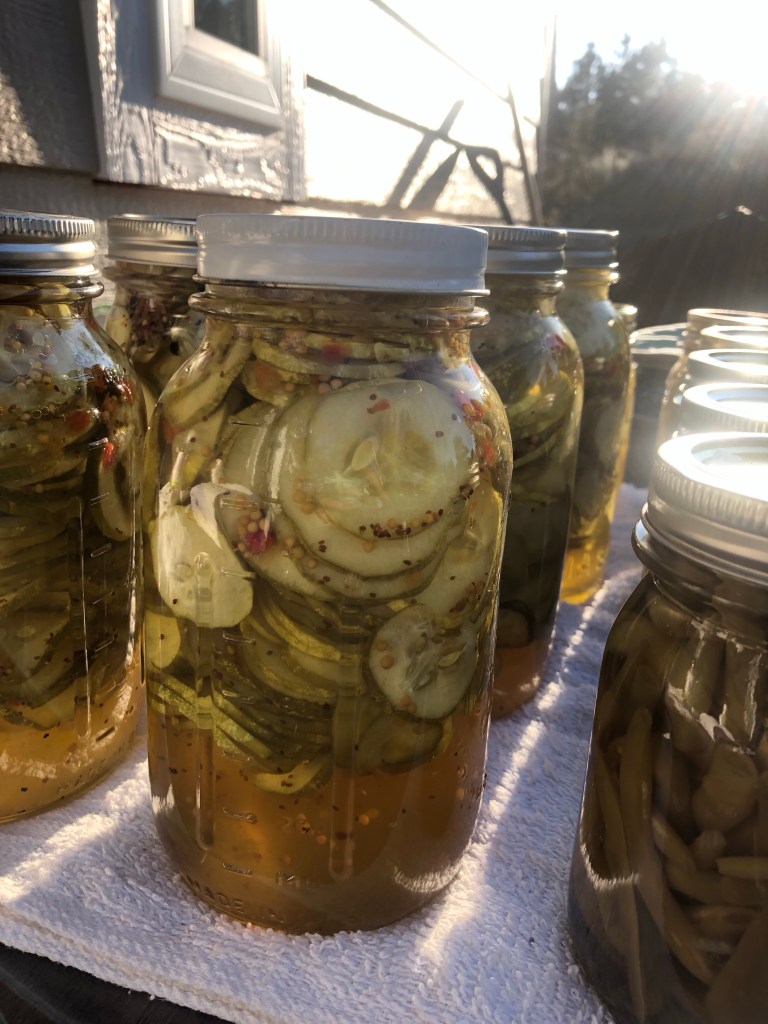
The harvest plenty is put up, and the canner bubbles and clatters, the dehydrator hums, and slowly the freezer fills. A long winter is made a little shorter with the enjoyment of autumn’s plenty.

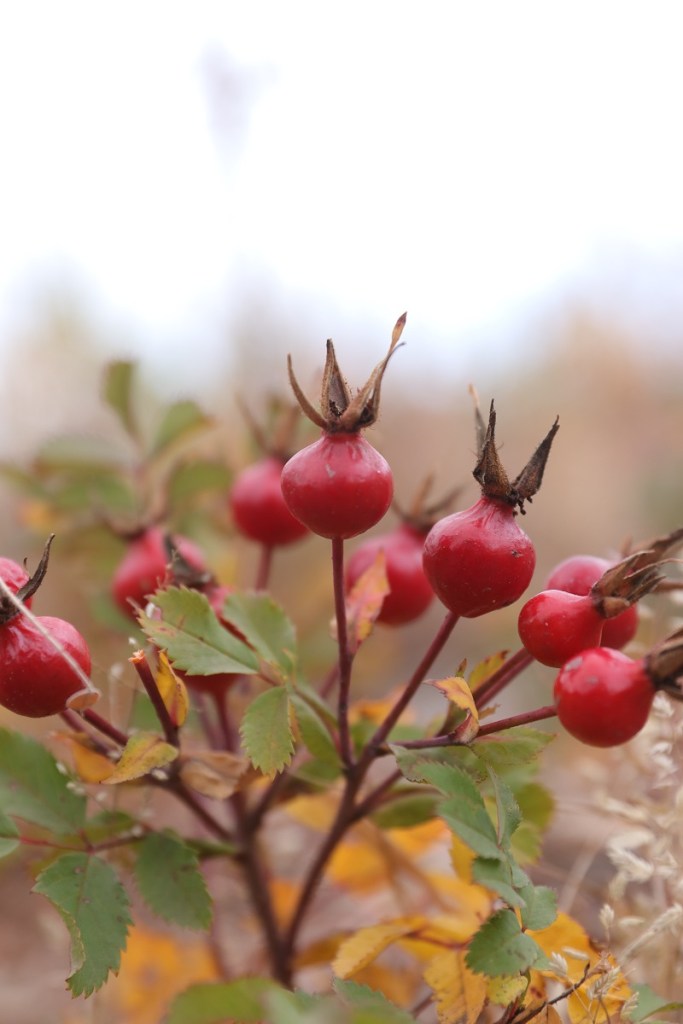
The last of the flowers are brought tenderly in from the garden, another reminder of summer’s bittersweet passing. The last, lingering wildflowers fade of summer’s brilliance, but the goldenrod and asters, sunflowers and rosehips still glint and glitter here and there.

Autumn is a reminder of impermanence. Even the longest seasons, the hardest seasons, do drift away. Fruitful or fruitless, summer will pass and a new season will take its place. Whether it was a summer of struggle or a summer of song, the next season always comes, bringing with it its own challenges, its own joys.

Autumn is a reminder of the beauty of change. When summer is at its peak, how easy it is to marvel at the riot of colors, from the dazzling blue of the sky to the towering thunderheads to the tapestry of wildflowers in the pastures. In spite of ourselves, the earlier sunsets and later sunrises of autumn strike a little pang in the heart. But only at first. Because autumn comes in, with all her sweetness, all her spice, with vim and vigor and golden glory, and the end of summer becomes just a memory, a sweet memory. And we welcome autumn with open arms, all her tilting sunlight, all her shifting shadows.

Ranch Wife Musings | A Worthwhile Pursuit

Originally printed in the Custer County Chronicle on Aug. 13, 2025

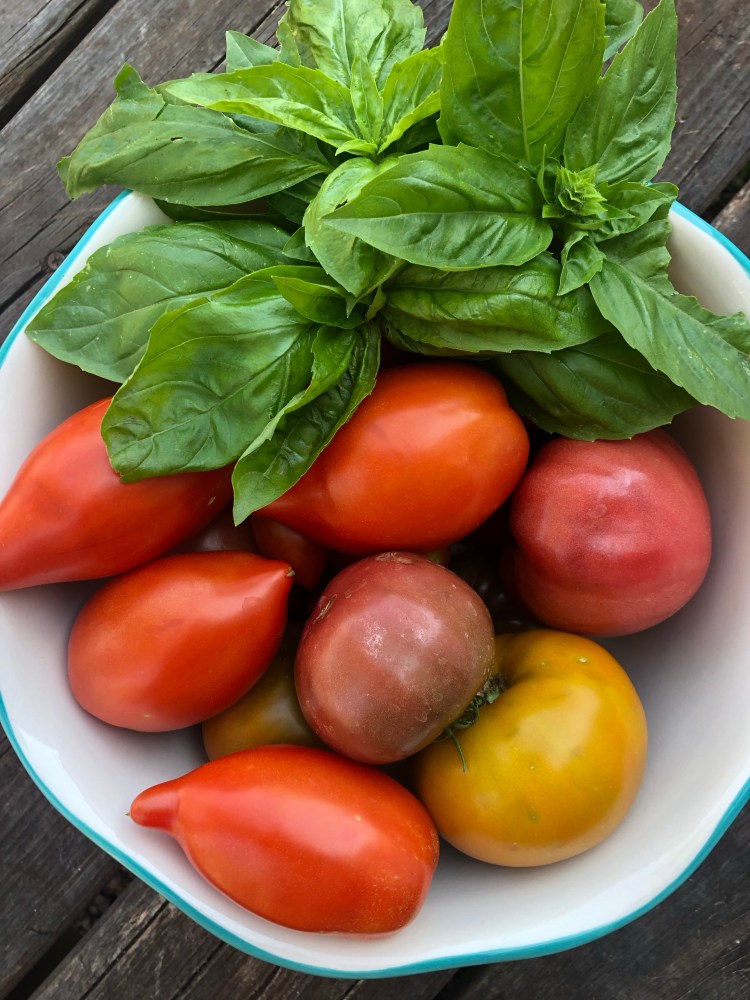
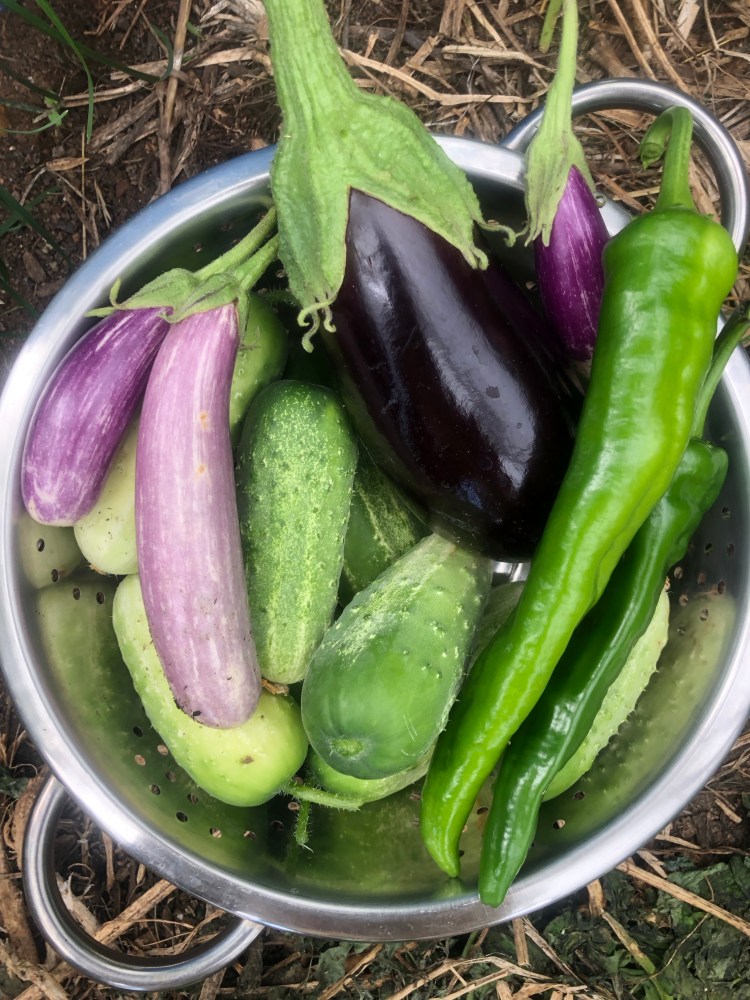
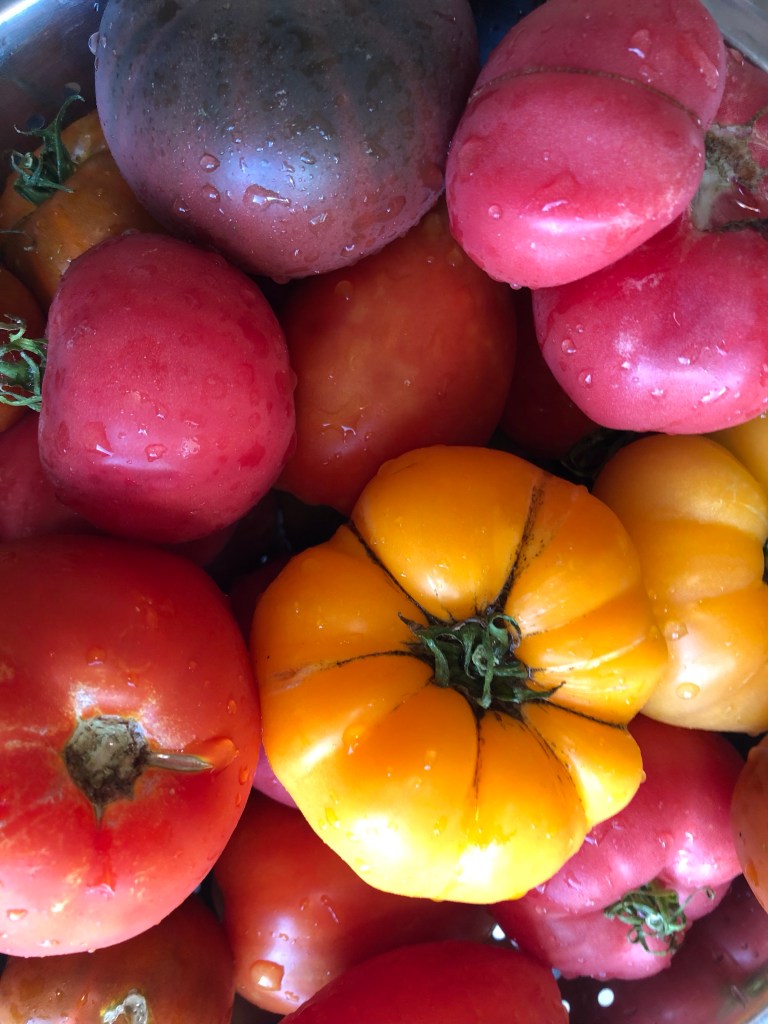
After months of tending and cultivating, my garden is beginning to release all the vibrance of its bounty. Peppers nearly a foot long (really!), cucumbers and beans, herbs, tomatoes, squash and a little sweet corn. After months of watering and weeding, picking bugs and pruning, my countertops, crowded with bowls of fresh produce, are finally starting to show evidence of the work that came first. Mason jars of fresh cut flowers, dahlias and zinnias and black eyed Susans and bright pink penstemon, grace the tables and the corners of counters not covered in produce in rambunctious if not exactly artistic displays.

We live in a culture that tends to idolize two things: money and leisure. Granted, money can be the means to leisure, but oftentimes people will run themselves into the ground working a job they don’t even really like in order to have money to have leisure later.

There is an overarching idea implicit in this: It is that work is only a means to an end. A necessary evil. Work and toil are means to status, or money, or future leisure, or power, but have no inherent value in and of themselves. Our culture sees the end as the goal, not the process, or the journey, or the growth and even failures that come before the goal is met. Culturally, we value the result, but often we fail to see the value in the inputs, whatever those inputs are. They are only seen as valuable inasmuch as they are the means to the coveted end.

That bouquet of flowers on the countertop, then, or the bowl of fresh cucumbers, those are the end in sight. Everything else, culturally speaking, holds no significance. The weeding and tending and watering? Simply a means to the end, which is the fresh cut bouquet or the bowl of produce. So, we devalue the bulb or the tiny seed, the hands that planted and worked the dirt, the process of nurture required to achieve the flower. The time and effort are just necessary evils. If we could, we’d rather skip right to the flower, and leave aside the care and tending, the watering and pruning and weeding. We fixate on the end result, rather than enjoying the process as the flowers sprout and grow, set buds, and bloom a rainbow in the garden.

This thought process permeates so much of how we view life. Relationships, families, health, vocation, all fall victim to this mentality that wants the results without placing value on and appreciating the work itself.

We want to experience good health and longevity, but would rather forego the necessary work and dedication and self-sacrifice and discipline, the sacrificing of convenience and personal gratification. If we could have the health and longevity without personal discipline, I think many people would take it. But isn’t there value in the discipline, in suspending instant and constant gratification?  

We want the fulfilling marriage, but we would rather leave aside the relationship-building, the cultivating and tending, the intentional growing together spiritually and emotionally and relationally, experiencing failures and setbacks, learning each other, asking forgiveness, and purposely seeking oneness. If we could have the fulfilling marriage without the work, I think many or most would take it. But isn’t there value and sweetness in the process of growing a healthy marriage?

We want to feel part of a community, a sense of belonging, without doing any communing, without sharing and meeting needs, without working shoulder to shoulder and sharing in fellowship. We want the blessings of community without the beautiful burdens that make up community. If we could have the sense of belonging and the sense of being known without the sweat and the work, I think many or most would take it. But isn’t there value in the sweat and the work, the sharing and meeting needs?

What twisted sort of thinking got us here?

Would my satisfaction in a vase of home-grown, fresh-cut flowers be greater if I hadn’t spent weeks and months nurturing the plants?

Would my marriage be sweeter or my happiness in it be more complete if there was never any need for growth, asking forgiveness, and making changes, in a process that lasts a lifetime?

Would contentment in community be greater without all the messy sharing of burdens and life and sweaty work shoulder to shoulder?

I think the answer is pretty clear.

Because the value is not just in the bloomed flower, or the sweet marriage, or the health and longevity, or the vibrant community. The value is in the work itself, the process of growing and changing.

Some of it might be cultural laziness or human nature, wanting the benefits or results without the work. Some of it might be the helter-skelter life we’ve conned ourselves into, where we see any ask on our time as impinging on the “important things.” Maybe it is our social media saturated culture, where we see and share successes and goals achieved, and live in and perpetuate a delusion of thinking that everyone else is accomplishing that coveted end result, whatever it is, without months and years of work and sweat and tears.

But you don’t get to enjoy the fruits of a healthy community without work put into that community.

You don’t get to enjoy the sweetness of a healthy marriage without work put into that marriage.

You don’t get to enjoy the satisfaction of homegrown flowers or fresh tomatoes without time spent tending the soil, replenishing nutrients, planting the seeds, cultivating the little plants, and tending to them through the growing season until harvest.

So, plant the garden. Cultivate your marriage. Build relationships in your community. And buckle down and do the work.

Don’t lose your love of the process in chasing after the end result. Don’t short circuit the benefit of what is happening now for what you hope will happen in two years or ten years. Don’t fixate on the goal such that the process itself goes by in an unrecognizable blur. Because it isn’t just the end result. The pursuit itself is worth it.

A Partnership with Sun and Sky

Originally printed in the July/August 2025 issue of Down Country Roads Magazine

A gentle breath of wind stirs the laundry hanging on the line – A row of snap-front shirts and faded jeans, a row of quilts and sheets. Hung out wet and cool, taken in warm and dry, bringing that clean smell of sunshine into the house. And what a privilege to complete that task in partnership with sun and sky. Such a small thing. Yet it isn’t small at all.

They tell us we don’t belong. From their remote offices of steel and glass, shaded from the sun and unable to see the sky, they wag their so-knowing fingers at the rancher, whose father’s grandfather made a living in cooperation with the natural world. But here we are, and here we’ll stay, continuing in that partnership with sun and sky, wind and weather.

In the first summer days of scorching heat, the hayfields change, slowly, then not so slowly. Alfalfa turns from green to purple, and the brome grass turns from green to golden-brown as the feathered heads cure out. The vivid colors fade. That first swath is cut. That first windrow raked. That first bale rolled. “Chasing hay,” it is called, and one by one the area ranchers and farmers take to the fields. Cutting and raking and baling and yarding it up, timing the activity to the perfect streak of weather, partnering with the sun and the sky.

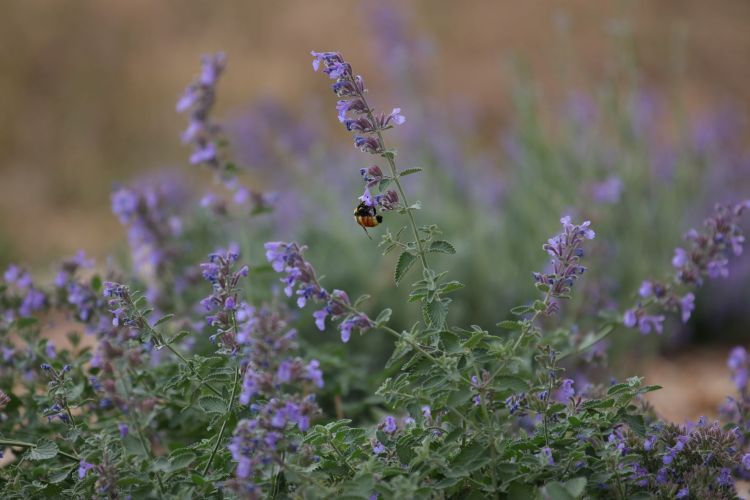
The flower garden is a riot of color, and constant activity. Countless numbers of bees drone comfortably, bending flower after flower under their slight weight, little wings stirring leaves, little legs weighed heavy with golden dust, in a mesmerizing dance of industry and grace. How something as small as a bee can have such a vital role to play is humbling. And how sweet it is to partner with those tiny workers, with something as ordinary as a homey flower garden, to help them feed their young as they help us grow our own gardens. What a sweet partnership, with sun and sky and flying thing.

Our little yard is rimmed with young fruit trees, planted as memorials to important days and as an investment in tomorrow. We have our wedding trees, and our-family-is-growing trees, trees that mark days and loves and in future years we’ll taste again those sweetnesses, fruit in hand. What simpler stewardship than to plant a tree? The apples begin to swell and blush as the days shorten, and in the woods across the ranch chokecherries hang like clusters of grapes on every side hill, it seems, and in every ravine. Many feed the birds, but many find their way into the kitchen and in this form or that they will grace tables in the months ahead. It is stewardship, partnership, cooperation with the world around us to wisely use the bounty.

From ivory towers come criticisms and accusations, rules and regulations, suggestions and mandates – But what do they know? And how could they know? Have they planted a tree? Or harvested a crop? Or watched a calf take its first suckle of mama’s milk? Have they stumbled across a sleeping bull elk in a high meadow, and watched in awe as he shook off slumber and disappeared into the woods? Have they watched the antelope raise their young? Have they welcomed the sun and the wind and the natural order of things?

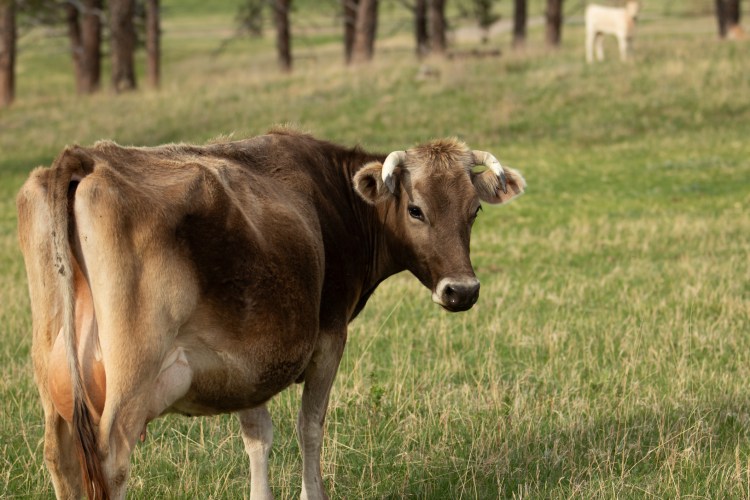
Feasting on native forage, the milk cow is well-fleshed, her lean frame filled out beautifully under a healthful layer of summer plenty. Her milk is rich and sweet and abundant on sunlight-turned-to-grass – No wonder her calves are as stout as they are. Their summer coats are sleek and glossy, their gentle eyes bright and content as they seek out shade on a warm day and chew their cud. They truly haven’t a care. The beef herd is out to summer pasture, thriving in their self-sufficiency. What a life they live, gently handled, carefully tended, in this partnership with sun and sky and beast of the field.

The hens dart to and fro in the barn yard, sometimes making it up as far as the house and the garden. They are gorgeous this time of year, feathers full and flawless, and their eggs are a marvel as well – Hard symmetry cracks open to reveal a golden heart, the darkest of yolks, dark with summer’s vegetation and the insects the chickens consume, golden like at no other time of the year. The egg basket runs over, and the bounty overtakes the kitchen. Another simple partnership, with sun and sky and barnyard fowl.

How simple, each of these partnerships, each of these stewardships. How intuitive and instinctive to want to be a part of this world we live in, to care for it, to help it to thrive. To live in and amongst, not apart from. To take what we need with gratitude, to cultivate and invest, and to leave our little corner of this green earth better than it was when we came to it. And finally, to leave something for the next generation, something beautiful and beloved.

It isn’t we who have invaded, carving up the landscape to suit our whims and ways. It isn’t we who have razed the woods and hidden the hills beneath asphalt and high-rises, chiseling away at the contours of the land to favor buildings of cinderblock and stone. It isn’t we who have divided and subdivided, trading the warmth of the living land for the coldness of a dollar. It isn’t we who have rerouted waterways and planted lawns where native grass once grew. It isn’t we who have buried fertile ground beneath roads and infrastructure, slowly erasing the beautiful asymmetry of rolling hills and prairies.   

We are stewards. We exist with and alongside the birds and beasts, the land and trees, the wind and the weather; not bending nature to suit our wills but submitting ourselves to nature’s order, partnering, not subjugating, working with, not against. We live here. In partnership with sun and sky.