Ranch Wife Musings | Well Wintered

Originally printed in the Custer County Chronicle on March 6, 2024

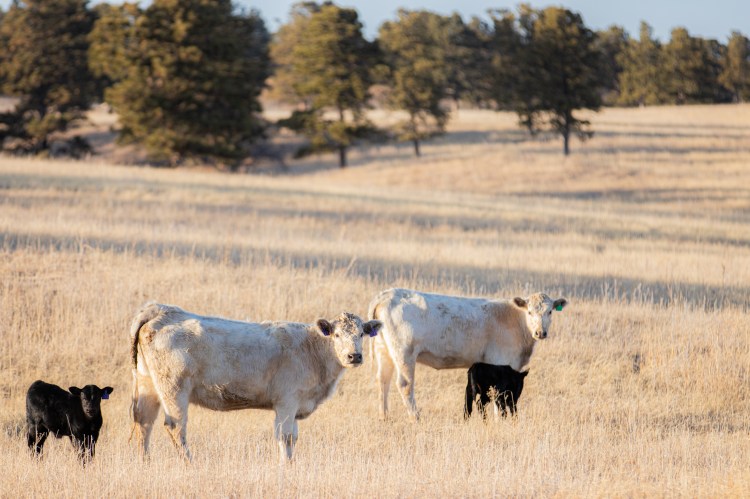
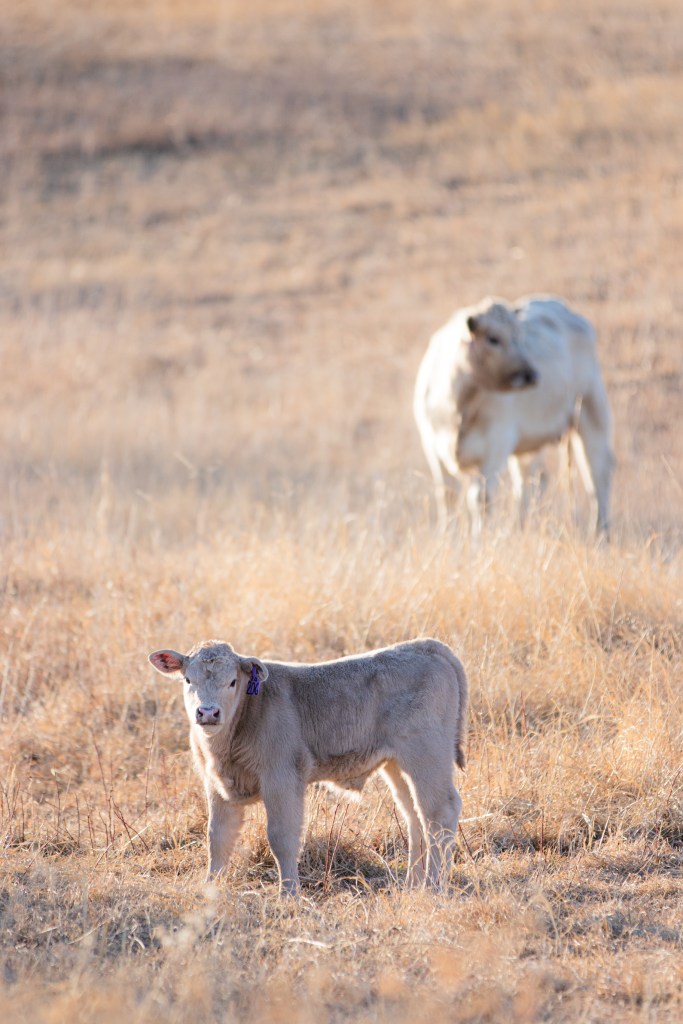
The longest part of the year is officially over. And it flew by. Just yesterday it was October and the trees were losing their leaves, and then it was November and Thanksgiving and we were shipping calves. Now we are standing on the brink of springtime, watching the first calendar day of spring approaching from not even a calendar page away, and the first 50 calves are already skipping blissfully through their short first days of life. We are ready for springtime.

There’s a saying I heard from my father-in-law, that has stuck with me: “Well summered is half wintered.” In other words, livestock that have had been through the summer with plenty of good grass and good water have a healthy fat layer and ample energy stores and are well equipped to face the coming winter. Half the struggle of winter is already taken care of. If, however, cows struggle during the summer, with stricken pasture and bad water, they will continue to struggle and the hardest season will be even harder. They will be bags of bones halfway through January.

2022 was a rough summer, with too little rain and too many grasshoppers, resulting in incredibly poor winter pastures. We were not well summered. Cows looked rough and rougher still as the winter wore on, and the extraordinary cost of feeding hay to get the cows through the winter added up. Cattle prices in the fall just added insult to injury. This time last year, calving season was getting off to a not-so-great start, with a number of odd and unpredictable losses, with a cluster of birth malpresentations and birth defects compounding that. March came in like a lion, indeed, bringing much needed moisture but in the form of calf-killing storms. So, we looked ahead to the spring and the summer with a sense of foreboding. Another summer like 2022 would have been devastating. Springtime was anticipated with dread.

“Well summered.”

I have pondered that saying a lot, actually.

Because it really doesn’t have a lot to do with the hard seasons themselves, but has everything to do with what leads up to those hard seasons. It is so tempting to coast during the easy times, so that we are less than equipped when things get tough.

We do that in marriage, by failing to put in the work to build up our marriage when things are easy and then being taken completely by surprise when our marriage struggles hard when life gets hard.

We do that physically, taking our health for granted while we are healthy, neglecting it rather than working to preserve it, and then being surprised or devastated when our bodies give out.

We do that spiritually, starving our souls, failing to feed ourselves through God’s Word and fellowship and solid teaching when life is easy, and then being shocked when our faith falls apart when life falls apart.

And there are a million other examples. What we do in the good times matters, and it changes how we handle the bad times.

But there is also another facet of this illustration: Sometimes the anticipated rough seasons aren’t as rough as anticipated, or perhaps the preparation was sufficient to offset the challenges. Maybe both. That’s when things are just extra, especially good, and the future is anticipated eagerly.

What a difference a year can make. Going into this winter, we were incredibly well summered. In spite of some wild weather events, the pastures were green and lush leaving plenty of forage for winter, dams caught quite a bit of good water, we actually had a hay crop and full stackyards, and the cows were sleek and fat as winter approached. And they are still sleek and fat. They could have handled much worse of a winter than we experienced. But God was an extra measure of kind, and the winter we had was the sort of winter that would make South Dakota too expensive a place to live, if that was our normal fare. But it was still winter. We still had cold snaps that put stress on the livestock and their keepers, stretches of days that made us extra, especially thankful for being well summered, but also extra, especially thankful for the winter we were given.

And here we are, standing on the brink of springtime. Winter isn’t over yet, and we can get snow until June, but what is generally the hardest part of winter is behind us. There is a bit of green starting to show under the cured grasses of last year, and a few brave little things are poking up out of the soil in the garden. The calves are thriving in the gentle weather, their healthy and maternal mothers unusually capable for first-time mamas, and a new season is just ahead, just around the corner.

Springtime coming looks sweet.

We were not just well summered. We are well wintered. Well wintered, and ready for spring.

Winter Pastimes

Winter really gets a bad rap. Too cold, too dark, not enough to do. But that is just our insufferable modern American way of thinking, too reliant on recreation and not enough on creation, too caught up with thinking ahead to have time to think back, yet somehow too caught up in today to think to tomorrow. We are too addicted to being constantly occupied, too addicted to having something constantly vying for our attention, too addicted to convenience to be able to appreciate slower, quieter, and the sweetness of inconvenience.

This is really a wonderful time of the year. Harder in some ways, of course. Easier in other ways, because the short days and cold temps out of necessity weed out a lot of things that just don’t need to be done (or can’t be done) when it is this cold or so dark at 4:30. But the earth is resting. So why can’t we? Our modern conveniences have taken away the necessity of building our lives and daily rhythms around the seasons and the lengths of days and seasonal tasks. But we still are fighting against nature. Frankly, I think that is bad for us. I don’t think that is how we were made.

So it makes sense, then, that winter just becomes a frustration for so many people.

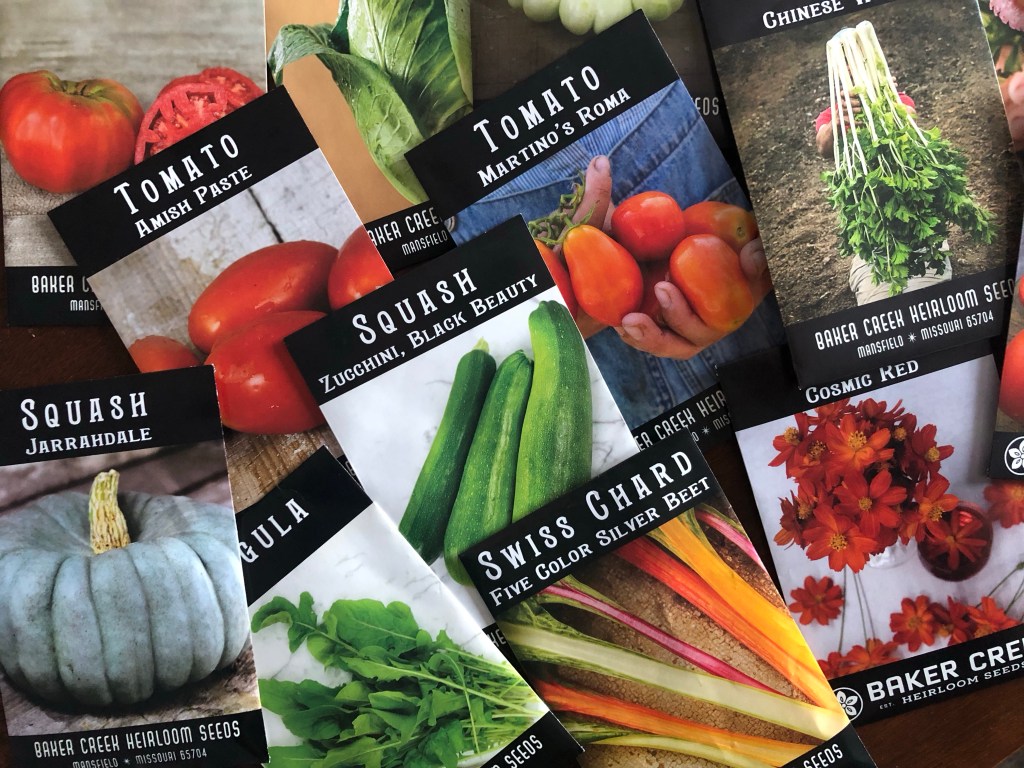
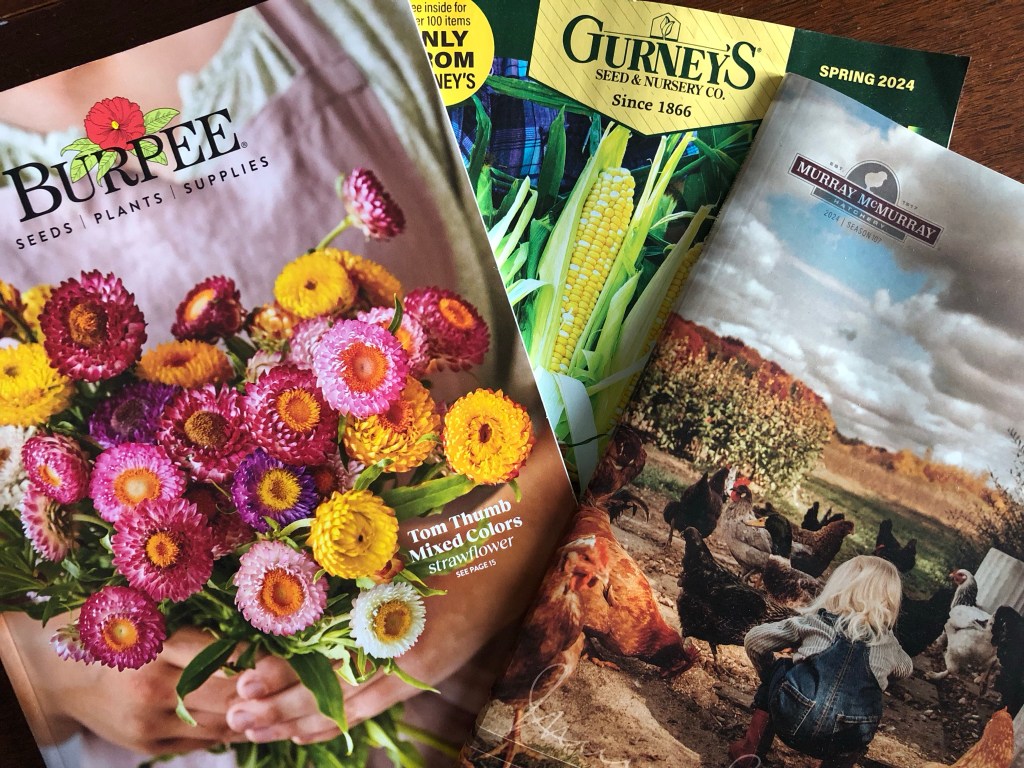
But I truly love this time of year. A little forced lull in the busyness of spring, summer, and fall. A chance to dream. A chance to make plans. I love envisioning my garden, and ordering seeds, and having time to bake and cook and be busy in my kitchen, and to put things up for later, especially with a milk cow giving me more milk than we can use! Mornings are often occupied making butter and yogurt and bread and cheese, and there is now about 15 pounds of butter in my freezer, and plenty of frozen milk for when Posey is feeding calves and I’m not getting much from her. But right now, even this late in her lactation, she’s giving me close to two gallons a day!

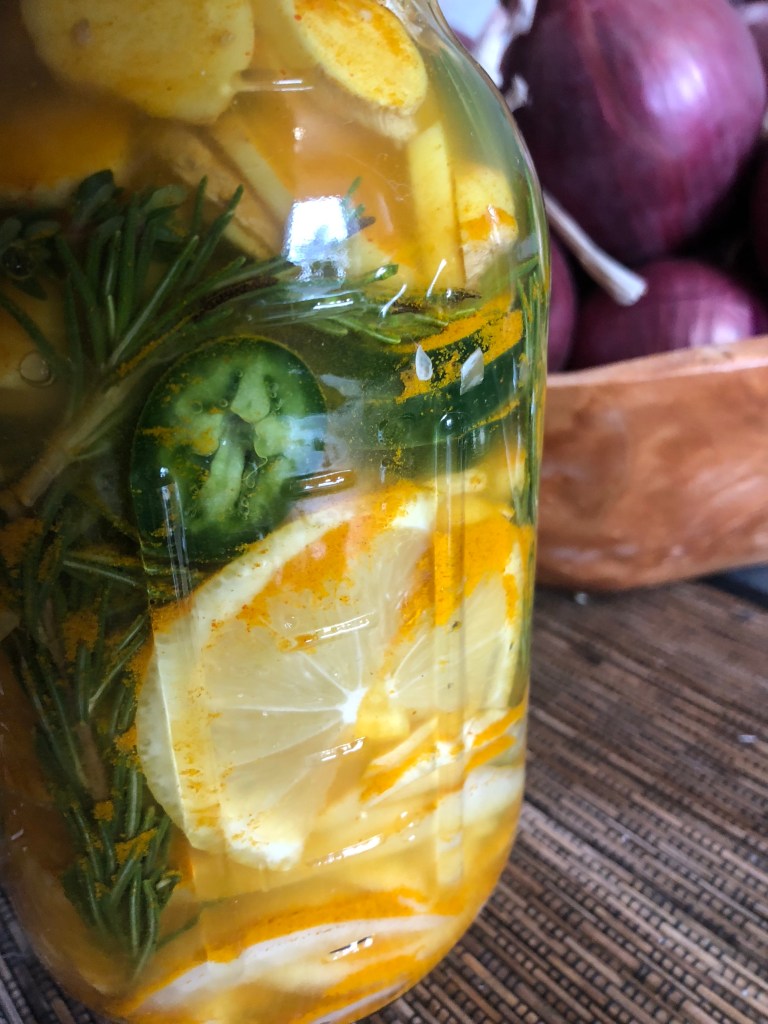
I have been happily watching some elderberry cuttings put out little leaves, sitting there in the sunniest window in the house, and I’m anxiously waiting for roots to sprout. They will be a wonderful addition to the garden. I made fire cider recently, and will be making some elderberry syrup and tincture with dried elderberries from Black Hills Bulk Foods.

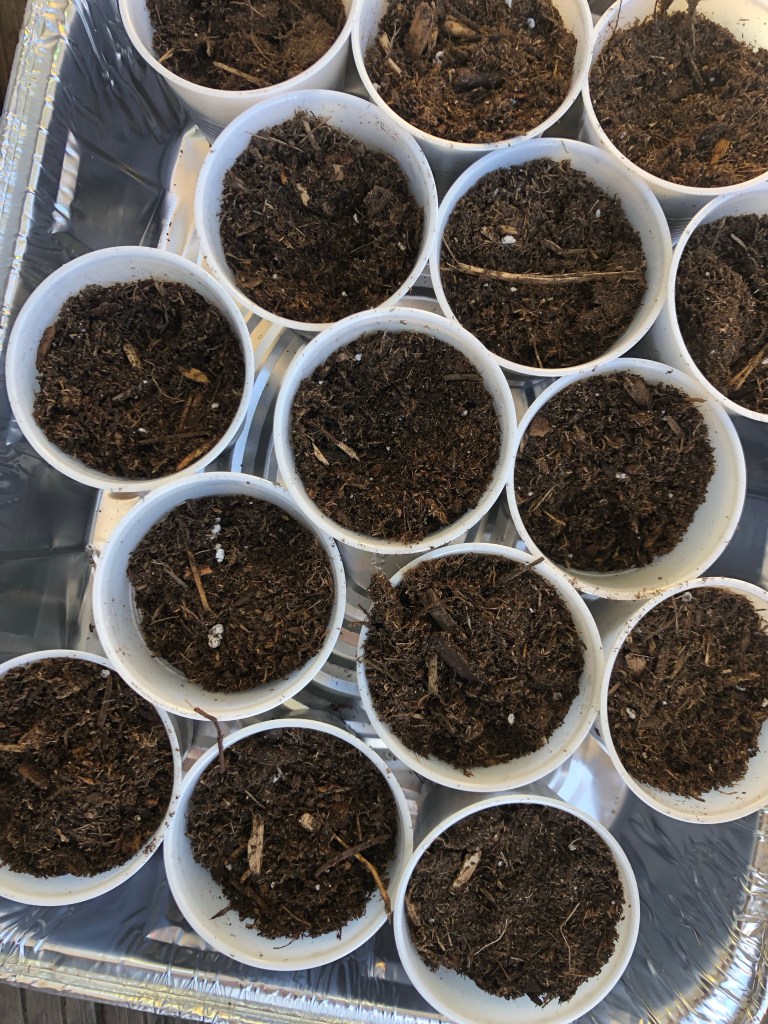
It makes my husband chuckle a bit to see me leafing through my field guides, and I have been poring over books on growing and using herbs and making herbal medicines, something I have long been interested in, and my excitement grows for the spring and summer, for planting and harvesting and wildcrafting. Soon it’ll be time to roll a bunch of newspaper pots, and the picture window in the living room will become the designated spot for starting seeds. It is invigorating to see something green and growing thriving in February, or March, while the world outside is inhospitable.

The chickens are looking beautiful, in spite of the cold. All the extra protein and calcium and other wonderful nutrition they’ve been getting from the leftover whey after making yogurt and cheese, has made for some brilliant plumage and a great recovery after their hard molt. Egg shells are hard with the extra calcium, and egg numbers are slowly increasing already (when the eggs aren’t breaking from the cold, that is).

Long, dark evenings are a good excuse to read and write, and I love the chance to catch up with old literary friends, or make new ones. Spring is right around the corner. There is a lot of winter left, a lot of time for plenty of cold and snow and hard days, but spring will come. And it always comes faster than we think.

A Beautiful Sight

What a summer it has been.

Strangely wonderful, strangely defeating by turns.

Exciting new opportunities have presented themselves, writing for a local newspaper and magazine, shooting more portrait sessions, a wedding. Canning like crazy with the wealth of chokecherries, zucchini, and tomatoes. Baking bread, brewing kombucha, fermenting milk kefir. Productivity and fruitfulness.

A freak hailstorm wiped out my garden a few weeks ago (thankfully my greenhouse survived). I lost four of my precious cats to poison before we figured out where it was coming from. I grafted four TSC chicks onto a broody hen and she took to them readily, only to have my nasty rooster (who is no more) kill three of them a week or two later. Those frustrating defeats.

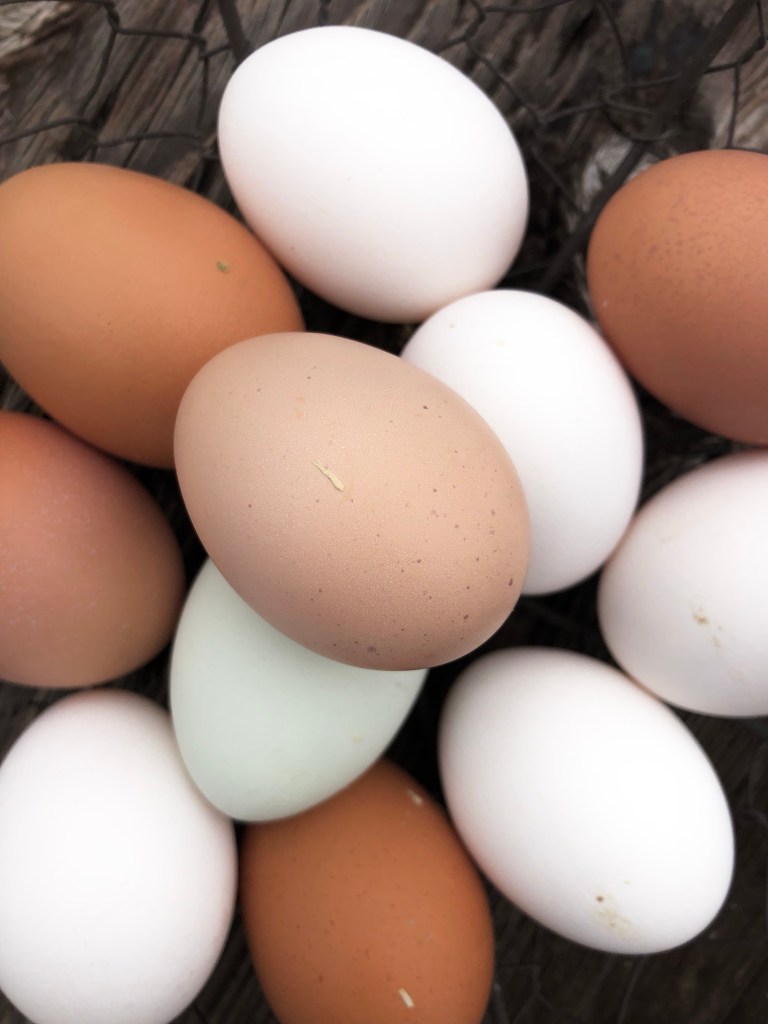
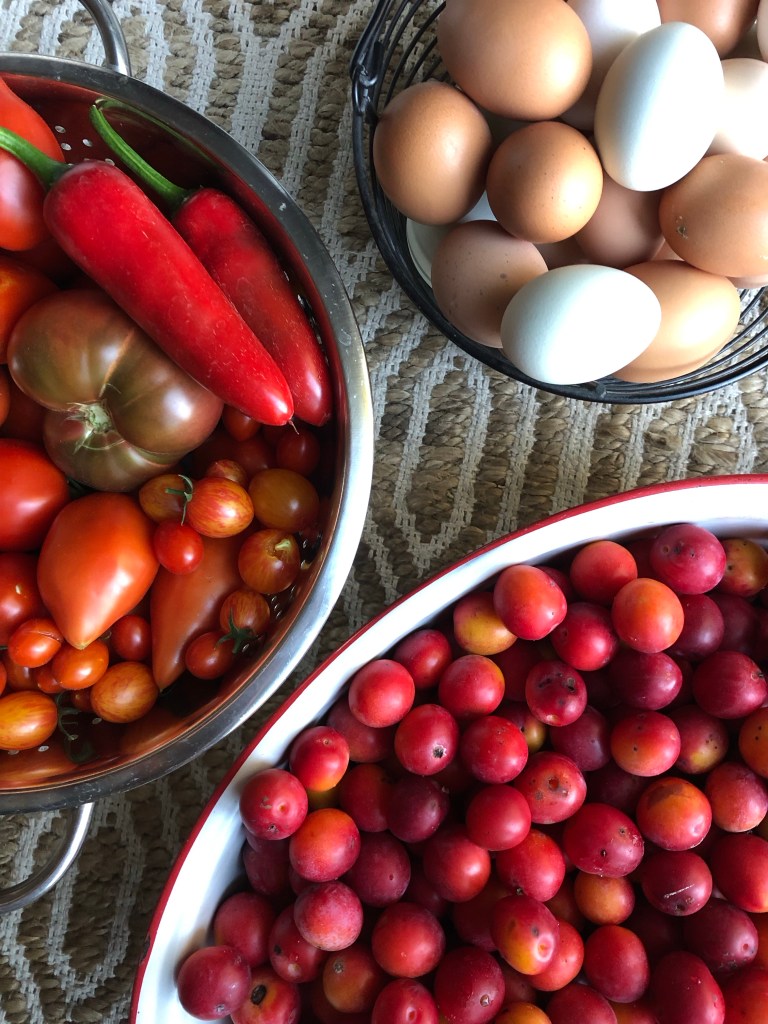
And then days like today, when this is the bountiful harvest reaped, reset things a little. Eggs from my chickens, tomatoes and jalapeños from my greenhouse, and succulent wild plums from the road ditch.

Isn’t this a beautiful sight?

Ranch Wife Musings | Tend Your Own Garden

As spring has emerged, it has been a delight to watch leaf after leaf poke up from the ground and begin to grow. Day by day, I can see changes as my perennials have doubled in size, and it is sheer joy to see plants that I tended faithfully last summer grow with even greater vigor this year, spreading out and sending up new shoots! My one lupine seedling that survived the summer heat is now a huge plant, and I can’t wait to see what the flowers are like when it blooms this year!


But what would happen if, instead of delighting in my own garden, I compare what I have to my neighbor’s? What if, instead of seeing the beauty in what I’ve successfully grown, I resent what my neighbor can grow that I cannot, or what she has spent years cultivating that I only planted last year? Do this for long enough or with great enough intensity, and your own garden with all its beauty and its potential, will wilt and die. 

Isn’t life like that? What we have at any given time is usually what we’ve cultivated over the last months or years of our lives. Sometimes what we try to cultivate just doesn’t grow, or it doesn’t flourish and we finally realize it’s time to uproot that thing and put our efforts elsewhere. Then, sometimes, we look at our neighbor and the life she is living and we imagine that our life should look just like that. We’re angry that it doesn’t and we begin to resent her. But the crazy thing is, so often what she has that we are resenting isn’t even what we tried to grow, if we’re honest with ourselves! I’m sure all of us have been there. 

Jealousy kills. It’s like spraying herbicide onto your neighbor’s garden out of spite, and killing your own garden with the drift instead. We need to learn to rejoice in the life that we’ve been given, the garden that God is allowing us to cultivate. Quit staring at your neighbor’s garden, quit envying what she has that you don’t have. Quit comparing, and quit telling yourself that you deserve her life. God has given you a beautiful life!

Tend your own garden. And find joy in the beauty that’s there.

Ranch Wife Musings | The Best Rain

It slowly, sweetly rained for the better part of 36 hours, filling every bucket and pan and tub that was out in the yard, making the corral blessedly muddy and every little slope a running stream. Each and every step was a splash and splatter of water and mud and the pups endlessly tracked into the kitchen, and further into the house if I wasn’t quick enough. It was the best rain. The kind that comes when we need it most. The best.

The longer the winter, the sweeter the spring. The harder the work, the better the rest. The hotter the day, the greater the refreshment of the evening coolness. The longer the loneliness, the sweeter “I love you.”

The greater the need, the greater the relief when the need is met.

So rain, any rain when it is needed desperately, is the best rain. And the longer it comes, the better it gets. I love to see it streaming down the windowpanes, a sight we haven’t seen in so long, running in rivulets down the driveway and making ruts and mud and such a mess, such a wonderful, beautiful mess! It came slow enough that the thirsty ground was able to drink it almost all up, and any that is left will put water in our dams.

I see relief in the landscape, the animals, the trees and grasses and other plants. The calves looked happier, playing in the rain rather than choking on dust. Cheerful little ducks bounce around in the puddles along our driveway. Cows are glad not to be walking a mile to get to water, and the dogs are just always happy. In a matter of 24 hours, the grass was greener, taller, thicker, and it seems that the alfalfa began to spring up in that short time as well. The fruit trees and the perennial garden look better and better, and the ponderosas are rich and dark, with none of the sickly, yellowish cast they had in the later part of the winter. I can’t wait to see what everything looks like in a week, after we get a little heat and sun on the watered ground!

The rain tapered off yesterday, but we have still had periods of mist and light showers, and the dampness is refreshing and glorious. An answer to so many prayers.

Yes, indeed. It was the best rain.

Ranch Wife Musings | A Life Brim-Full of Life

And the Lord God planted a garden in Eden, in the east, and there he put the man whom he had formed. And out of the ground the Lord God made to spring up every tree that is pleasant to the sight and good for food. The Lord God took the man and put him in the garden of Eden to work it and keep it. (Genesis 2:8-9, 15) And God blessed them. And God said to them, “Be fruitful and multiply and fill the earth and subdue it, and have dominion over the fish of the sea and over the birds of the heavens and over every living thing that moves on the earth.” (Genesis 1:28-28)

Of all the occupations that exist, the only broad category that existed prior to the Fall was that of the cultivator, the farmer, the gardener. It was the original work God created for Adam and his wife to do, to be keepers of God’s Garden, stewards of His Creation, keepers of the fields and the trees, the livestock and other animals. They were to carefully and responsibly manage the world that God had made. To take care of it. To tend it. To cultivate it. To nurture it. And even after the Fall, this mandate was to continue to be carried out by everyone, but it is especially seen today in those who live and and work as the cultivators, the growers, the caretakers.

It is National Agriculture Day, and most people will zero in pretty quickly on the farming and ranching side of agriculture, and may have a pretty specific idea that comes to mind without thinking of just how gloriously broad this category is, encompassing or touching so many of our most basic needs! Where does your bread come from? The milk in your fridge? Meat? Eggs? Pet foods? Medicines and herbs? Wood to build homes, or wood to heat? In some way, shape, or form, agriculture is involved.

But this isn’t purely utilitarian. So much of the flavor and beauty of living has at its root in the growing and cultivating of life. Trees and shrubs for landscaping. Cut flowers for bouquets. Succulent fruits, nourishing vegetables. Cotton and linen and wool to make textiles for beautifying our homes, all rely on agriculture. Beauty is cultivated, and the abundance of life is made even more abundant.

In so many cases with farms and ranches and the working of livestock, it is generational work, one in which the oldest generation is teaching the youngest generation, where knowledge and skills and values and morals are being handed down, where the family unit truly is the center of the endeavor. It makes me think of God’s command to His people, all the way back in Deuteronomy, the command to “Honor your father and your mother….that your days may be long, and that it may go well with you in the land that the Lord your God is giving you.” (Deuteronomy 5:16) One of the great joys living in the agricultural community is seeing families working with families, spouses working with spouses, and being able to live and experience that myself.

And this life! It is the satisfaction of taking a seed and watching it grow and bringing it to harvest. It is the joy of delivering fresher-than-fresh eggs to a neighbor, or serving a loaf of homemade bread to a friend. It is the heart-warming delight of watching a mother cow get her new calf to stand and nurse. It is the pain of seeing death. The uncertainty of dry dams and wildly fluctuating cattle prices. The trust that God will provide. It is a life of working alongside loved ones, to fellowship and break bread, where family upon family from the broader community come together, where names are known from one part of the state to another, simply by virtue of being a part of this community, the ranching community. It is a life and a livelihood richer and sweeter than I could have imagined before God married me to a rancher and into one of the kindest families I’ve ever met, into one of the strongest communities I’ve ever seen. This life is a constant reminder that all that we have is from God, and He has given us the job of stewarding it well. Taking what is and making the most of it, making it more, making it feed our families, our communities.

It is a life brimming full of life.