Ranch Wife Musings | A Life Brim-Full of Life

And the Lord God planted a garden in Eden, in the east, and there he put the man whom he had formed. And out of the ground the Lord God made to spring up every tree that is pleasant to the sight and good for food. The Lord God took the man and put him in the garden of Eden to work it and keep it. (Genesis 2:8-9, 15) And God blessed them. And God said to them, “Be fruitful and multiply and fill the earth and subdue it, and have dominion over the fish of the sea and over the birds of the heavens and over every living thing that moves on the earth.” (Genesis 1:28-28)

Of all the occupations that exist, the only broad category that existed prior to the Fall was that of the cultivator, the farmer, the gardener. It was the original work God created for Adam and his wife to do, to be keepers of God’s Garden, stewards of His Creation, keepers of the fields and the trees, the livestock and other animals. They were to carefully and responsibly manage the world that God had made. To take care of it. To tend it. To cultivate it. To nurture it. And even after the Fall, this mandate was to continue to be carried out by everyone, but it is especially seen today in those who live and and work as the cultivators, the growers, the caretakers.

It is National Agriculture Day, and most people will zero in pretty quickly on the farming and ranching side of agriculture, and may have a pretty specific idea that comes to mind without thinking of just how gloriously broad this category is, encompassing or touching so many of our most basic needs! Where does your bread come from? The milk in your fridge? Meat? Eggs? Pet foods? Medicines and herbs? Wood to build homes, or wood to heat? In some way, shape, or form, agriculture is involved.

But this isn’t purely utilitarian. So much of the flavor and beauty of living has at its root in the growing and cultivating of life. Trees and shrubs for landscaping. Cut flowers for bouquets. Succulent fruits, nourishing vegetables. Cotton and linen and wool to make textiles for beautifying our homes, all rely on agriculture. Beauty is cultivated, and the abundance of life is made even more abundant.

In so many cases with farms and ranches and the working of livestock, it is generational work, one in which the oldest generation is teaching the youngest generation, where knowledge and skills and values and morals are being handed down, where the family unit truly is the center of the endeavor. It makes me think of God’s command to His people, all the way back in Deuteronomy, the command to “Honor your father and your mother….that your days may be long, and that it may go well with you in the land that the Lord your God is giving you.” (Deuteronomy 5:16) One of the great joys living in the agricultural community is seeing families working with families, spouses working with spouses, and being able to live and experience that myself.

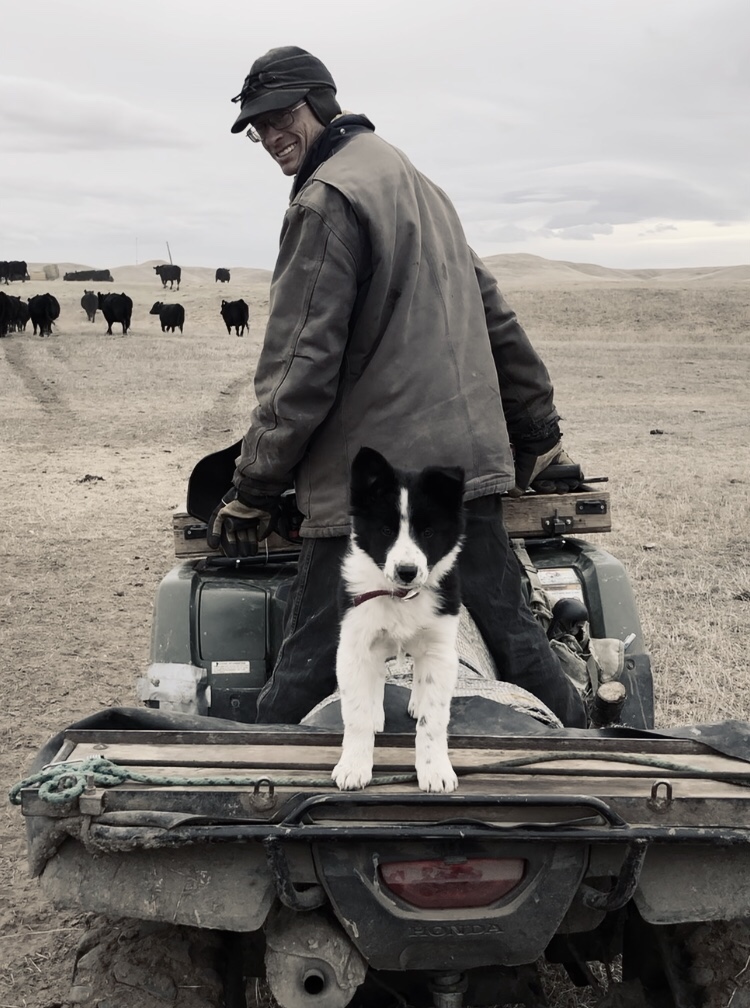
And this life! It is the satisfaction of taking a seed and watching it grow and bringing it to harvest. It is the joy of delivering fresher-than-fresh eggs to a neighbor, or serving a loaf of homemade bread to a friend. It is the heart-warming delight of watching a mother cow get her new calf to stand and nurse. It is the pain of seeing death. The uncertainty of dry dams and wildly fluctuating cattle prices. The trust that God will provide. It is a life of working alongside loved ones, to fellowship and break bread, where family upon family from the broader community come together, where names are known from one part of the state to another, simply by virtue of being a part of this community, the ranching community. It is a life and a livelihood richer and sweeter than I could have imagined before God married me to a rancher and into one of the kindest families I’ve ever met, into one of the strongest communities I’ve ever seen. This life is a constant reminder that all that we have is from God, and He has given us the job of stewarding it well. Taking what is and making the most of it, making it more, making it feed our families, our communities.

It is a life brimming full of life.

In the Garden | March Garden Prep

How in the world is it March already? Spring is just around the corner. As bittersweet as it is in the fall to put the garden to bed, there really only ends up being a couple of months before the feed stores are stocking their seeds, seed catalogs get eagerly leafed through, leftover seeds are sorted and organized, new seeds are purchased, and all the plans get made to make this coming garden season the best one yet. It really is fun. And it is hard to beat leafing through the seed catalogs on a wintery, blustery day!

Based on last year’s experiment (really, every year is its own experiment), I’ll focus on my salsa garden, cucumbers, and winter squashes. My salsa garden was a bit of a bust last year due to grasshoppers, the heat, and the fact that my husband unknowingly sprayed my tomato bed with Milestone three years ago. Needless to say, I’ll be planting tomatoes somewhere else and getting a jump start on them with some early planting indoors. Mortgage Lifter, Black Krim, and Romas will be the key features! I’m planning on growing them all in pots in my hoop house, to extend our growing season a bit.

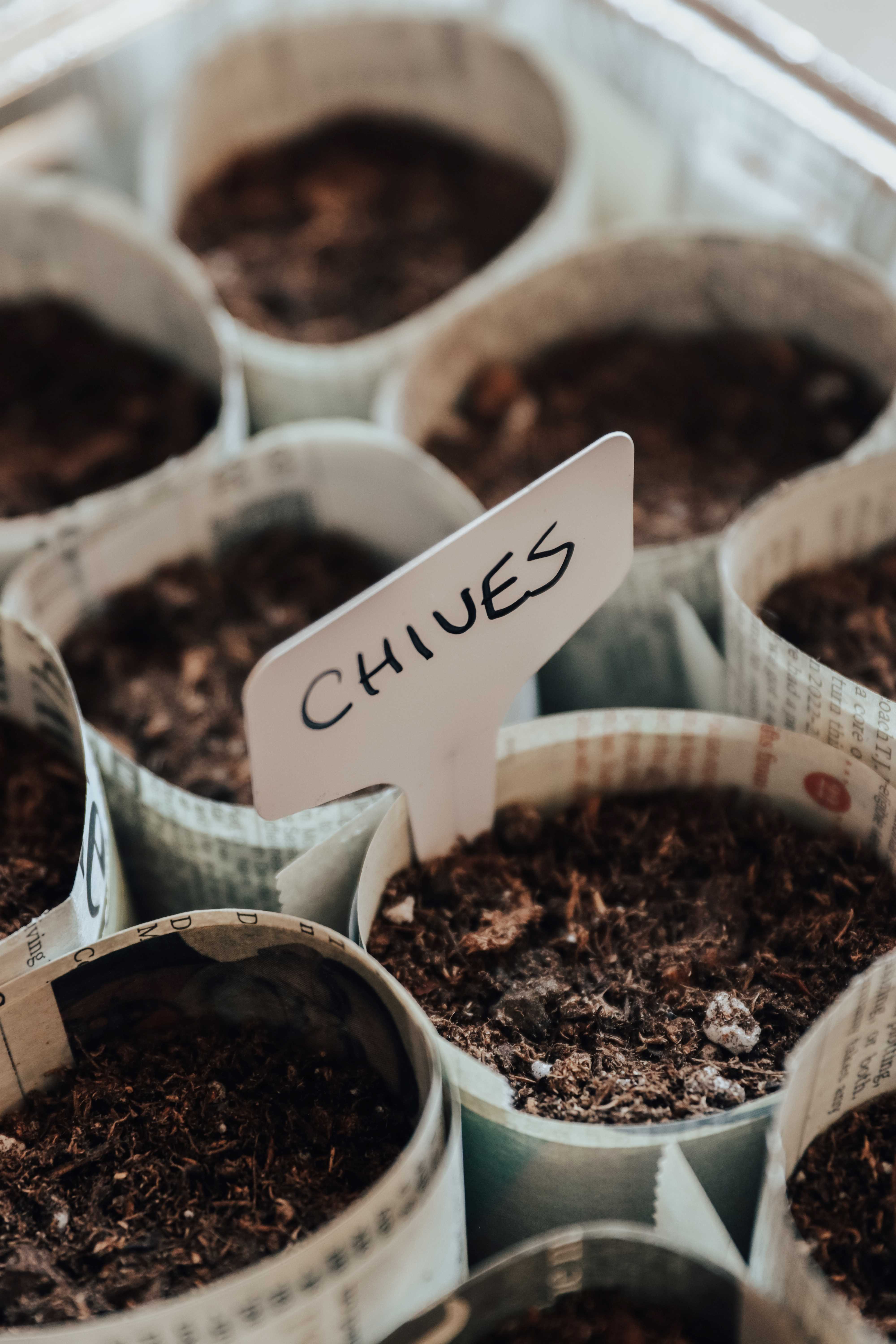
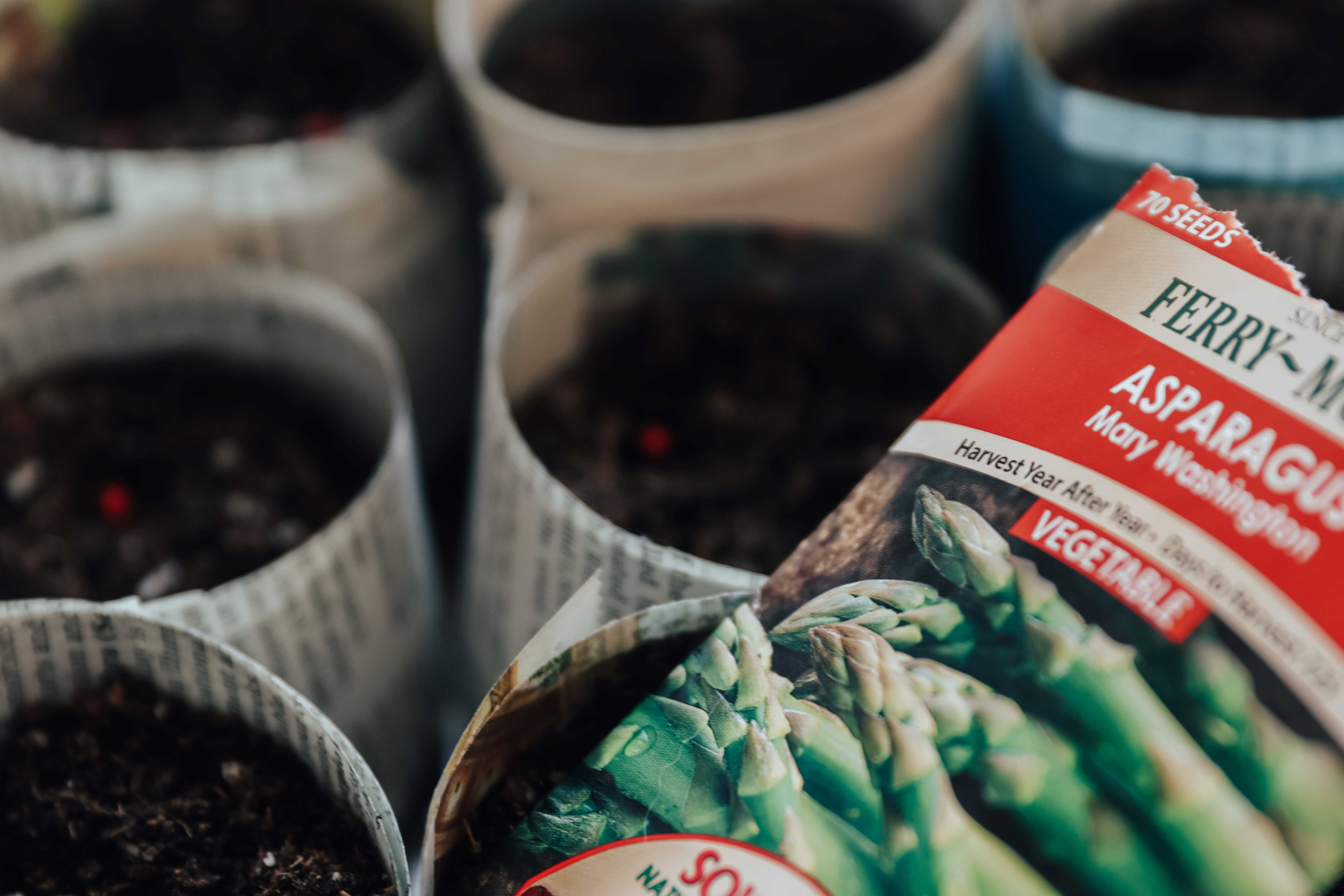
I already got a start on peppers, which take awhile to germinate. Anaheim, poblano, Hungarian wax peppers, and bell peppers are all sown in paper pots and sitting on heat mats in the bathroom. There’s a good chance these will also be pot-grown in the hoop house. Somehow I forgot about jalapenos, so those will be added at a future date!

We acquired some old railroad ties from a horse corral my grandpa built 40 years ago, and have those slated for a few projects, including raised beds for flowers. As we have decent weather to work outdoors, the raised beds will get built and be ready to go for spring planting. Zinnias and cosmos as well as sunflowers will be some of the cutting flowers – it should be beautiful.

On warm days when the soil is soft, I’ll be continuing to prep my garden beds, cleaning out last year’s old plants, turning the soil, wetting it down, and eventually covering the beds with plastic to help kill off weed seeds and further break down the compost I’ve already churned in. The root veggies – carrots, beets, and turnips – will need good, soft soil to grow in, so working the soil ahead of time will help.
Even though we’re a ways from planting outdoors, there is a lot that can be done to beat those winter blues and keep spring coming! If you have any new varieties of veggie you’re excited to try, share in the comments!

In the Garden | Winter Sowing

I am so excited to be trying something new! A random Facebook group popped up last week called “Winter Sowers” and after reading a bit about this method of seed starting, I decided I had to give it a try!

It is a common sense method of early (early early!) seed starting that utilizes the natural freeze-thaw cycles to germinate seeds. Essentially, plant seeds in closed containers, creating what amounts to mini greenhouses, in the middle of winter and the seeds will germinate when they are ready. Especially considering how many perennials can be sown in the fall and will germinate in the spring, this method makes a lot of sense. If all goes well, and from what I can tell people have a lot of success with this method, you have exceptionally hardy young plants to eventually transplant to your garden. Why have I never heard of this before? In western South Dakota, we have a short growing season (we’ve been known to have frosts as late as June and as early as August), and very changeable weather, so anything I can do to jump start my gardening is a plus!
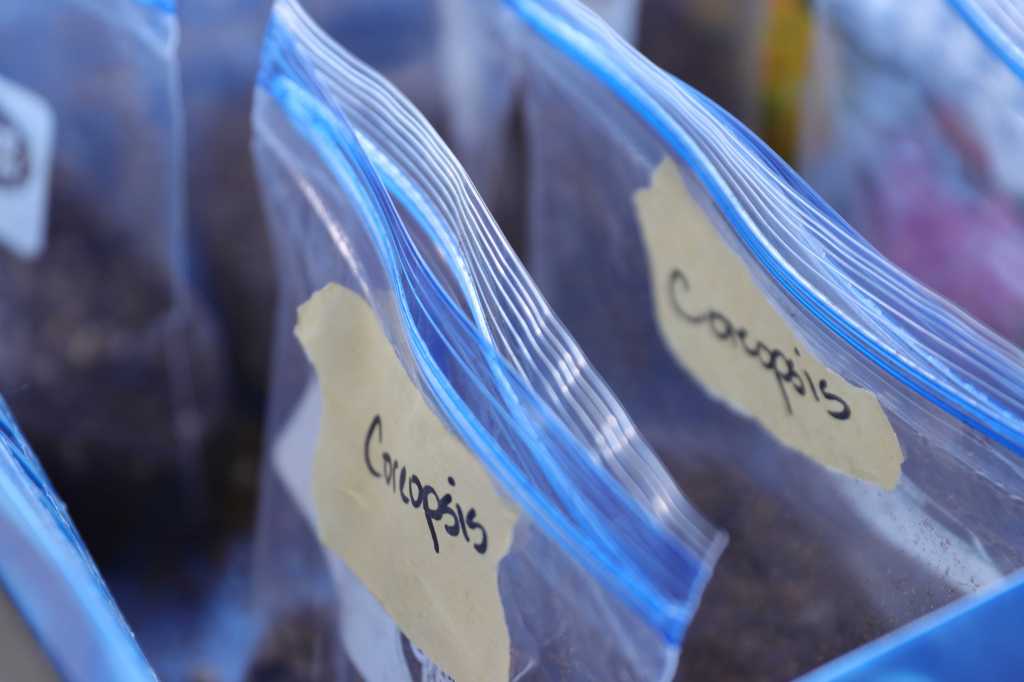
So far I have started a number of perennials – lavender, coreopsis, lupine, some wildflower mixes, coneflowers, black eyed Susans – and some greens and veggies – asparagus, kale, spring onions, spinach, arugula, and chives. I planted in a variety of containers and will take notes, containers ranging from Ziploc bags with holes cut in the bottoms, paper pots, old lettuce containers, and seed pots leftover from greenhouse plants last year. After a kerfuffle with the animals, the winter-sown seeds are safely inside the woven-wire fences we put around our trees. I may start others as I accumulate more containers (and inevitably accumulate more seeds).

Check out the Winter Sowers Facebook page if you want details and extensive how-tos! I’m excited to see how this goes!

The Winter, It Will Pass

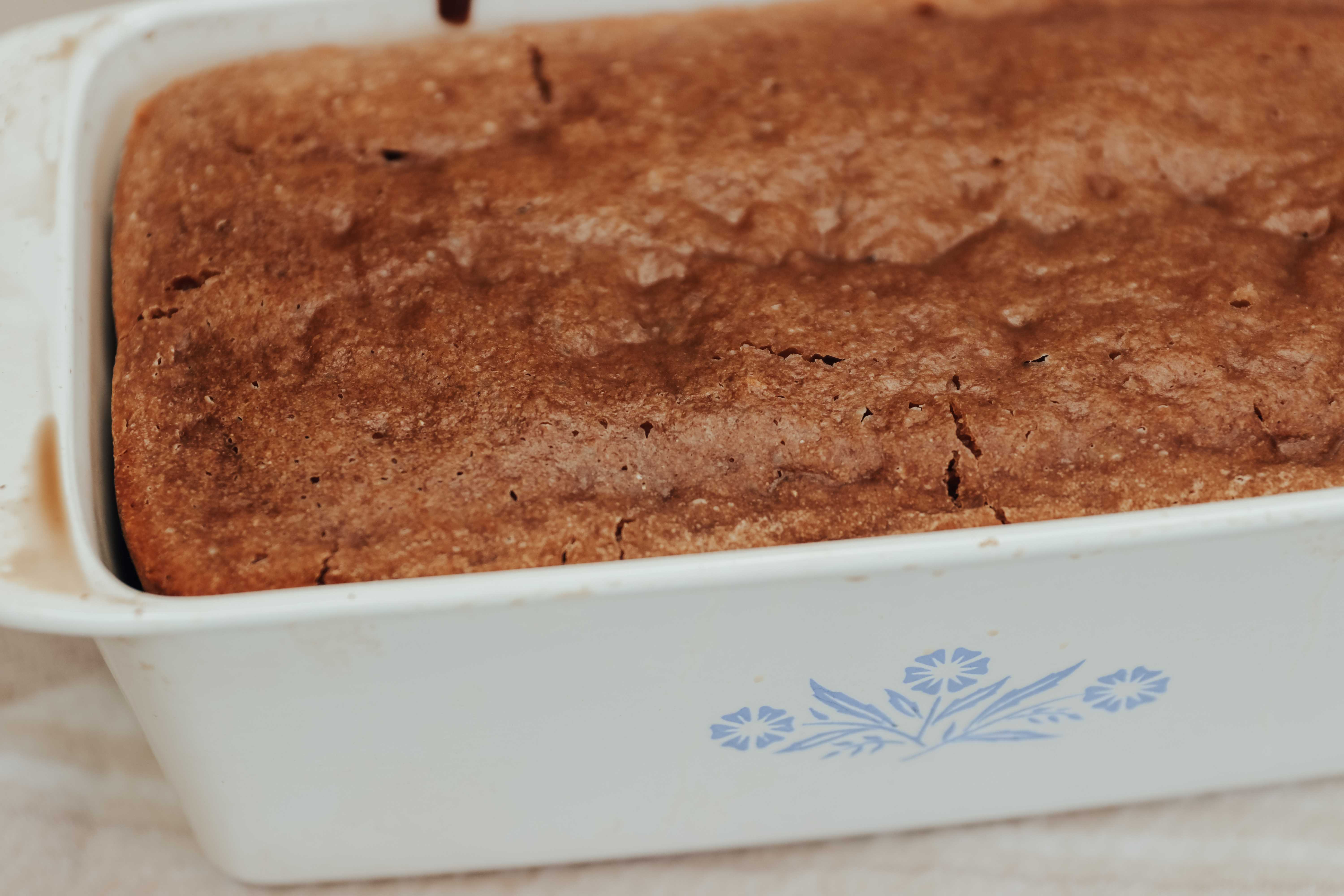
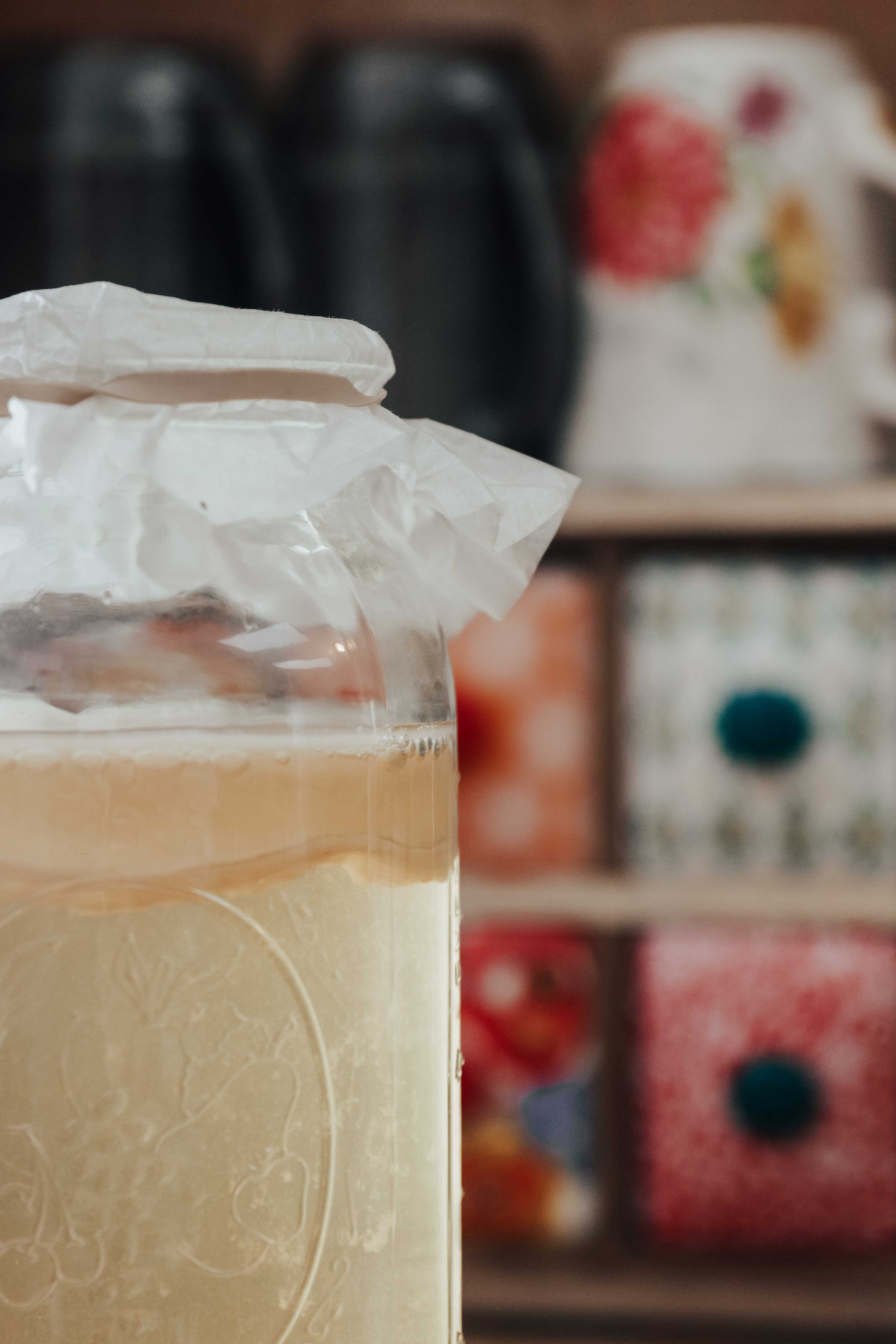
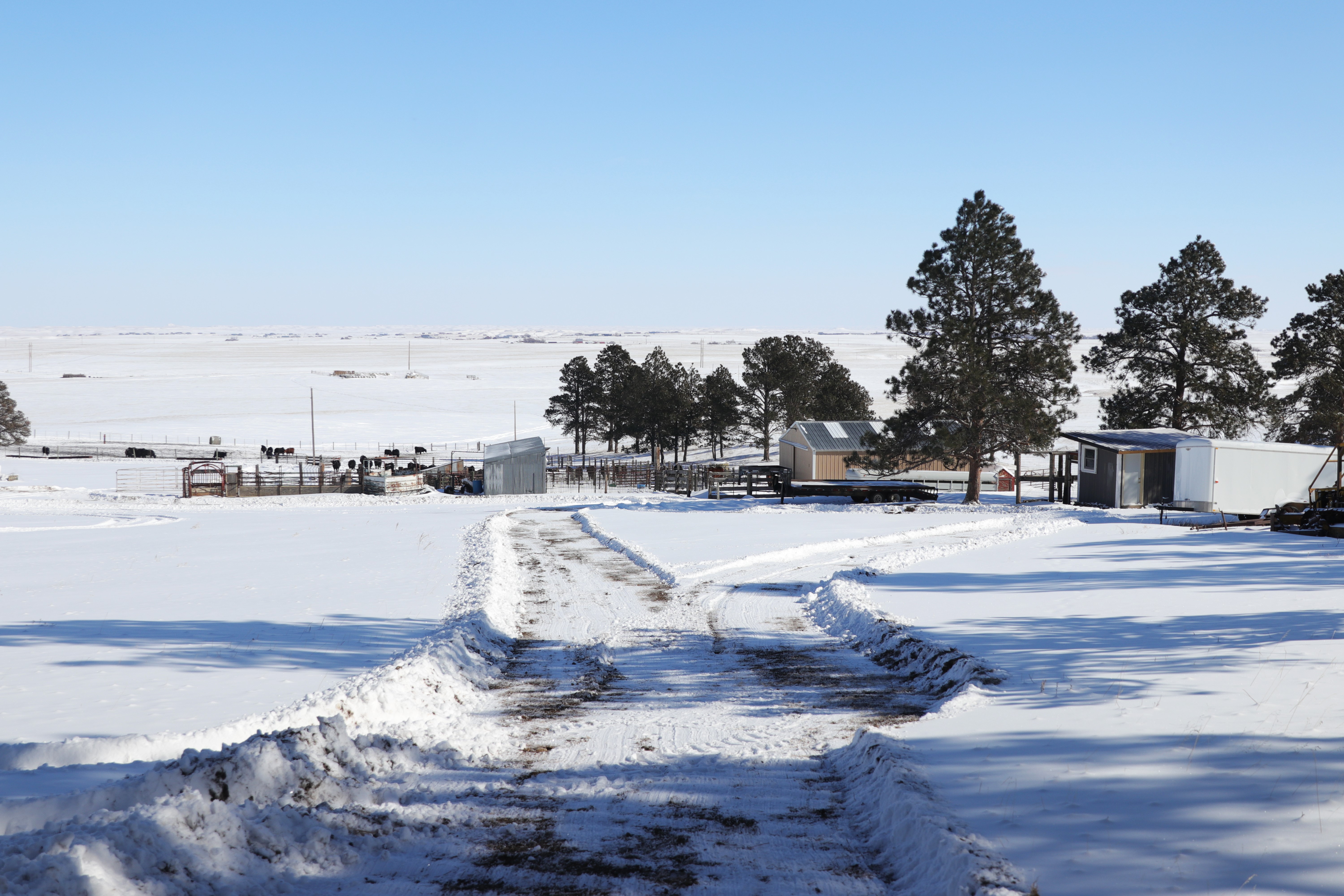
We’re only a calendar month into winter but already we’re enjoying hints of the coming spring. The first hint is that Runnings has their seed display up! There has been moisture in the air, bluebird skies, and the excitement of springtime approaching! It has been a whirlwind of sourdough baking and chickens, puppies and our first two calves, housework and laundry and getting ready to visit my sister in Illinois.

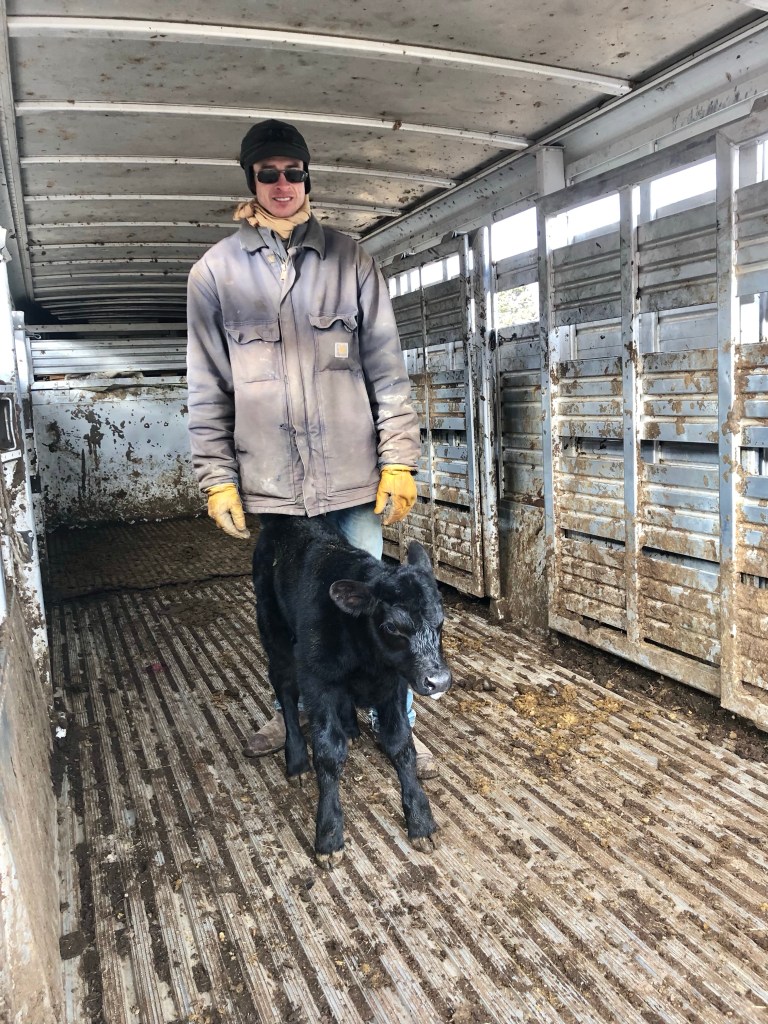
Calving has officially started for us with the excitement (and puzzlement) of our first two calves of the year, beautiful full-term babies in spite of being born a solid month sooner than expected. That’s called a bull with initiative. The first calf showed up on Sunday, and the second one was found Monday. Both pairs are safely settled into the nursery pen on our end of the ranch. What a beautiful sight! Gorgeous, lanky-legged, satin-sleek calves tripping along daintily behind their protective mamas.

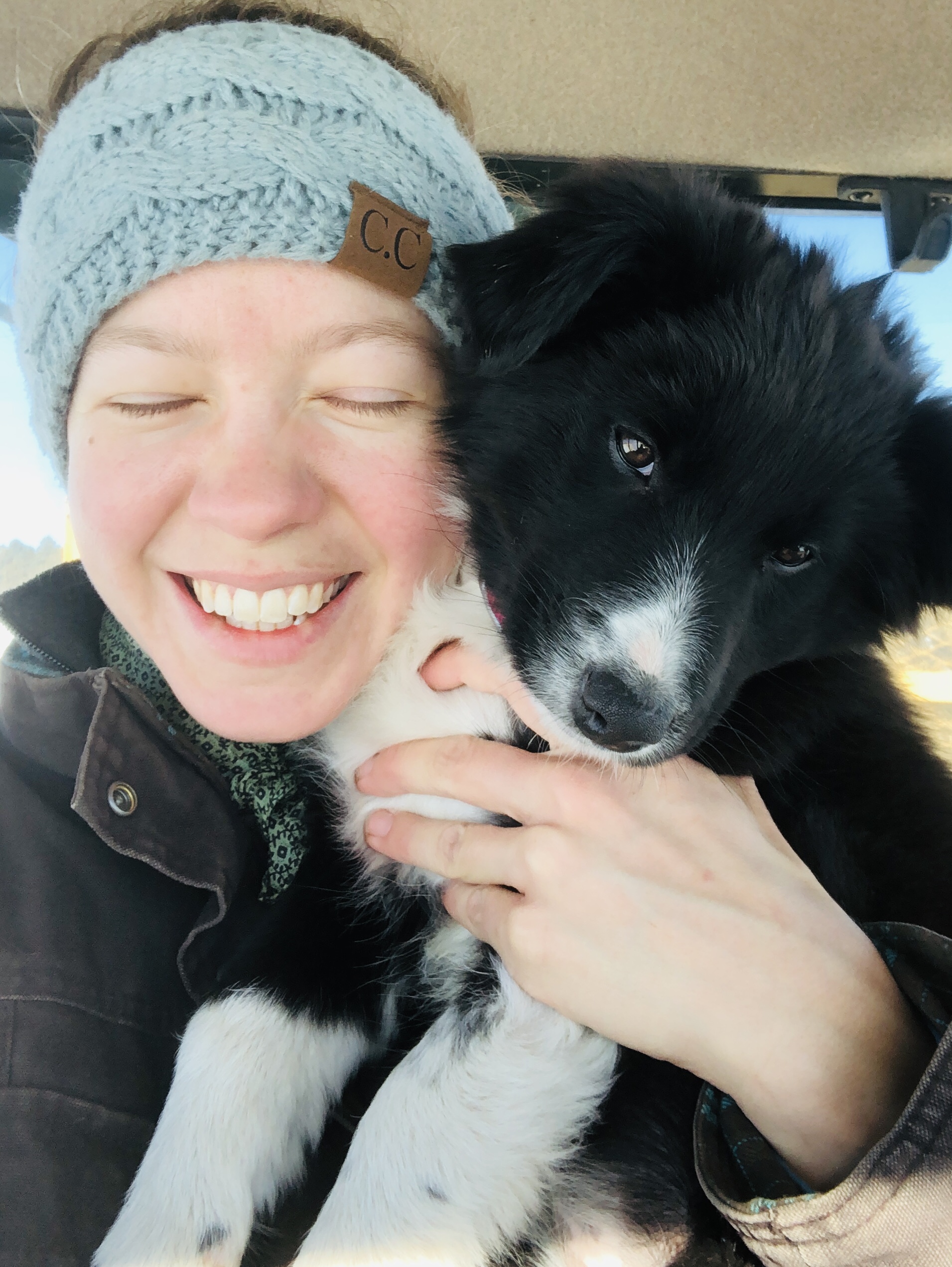
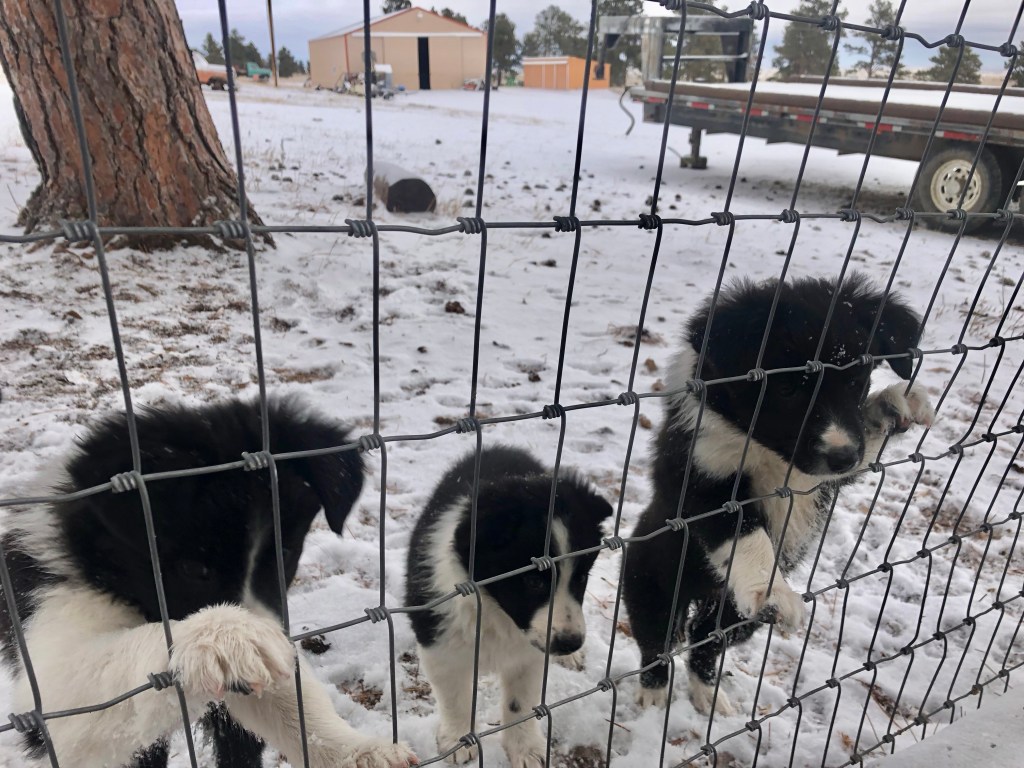
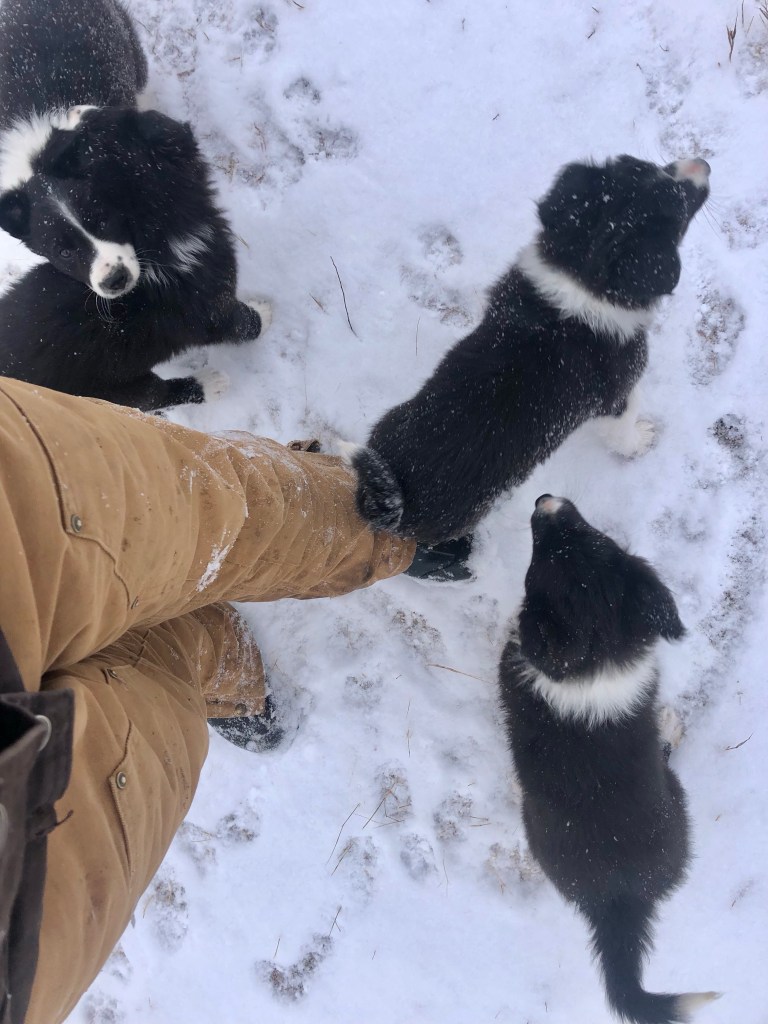
Puppies are (literally) underfoot during most of chores and throughout the day, finding everything absolutely fascinating. They watch attentively while chickens get fed, torment the cats, and come running in a black and white wave when they’re called. It takes about ten times longer just to walk up the hill to the house, with half a dozen puppies chasing my feet and scheming to trip me. All our females are spoken for and we are looking for homes for our two boy pups, Max and Teddy. We’re excited to see how they all turn out. They are so smart, it’s a little scary!

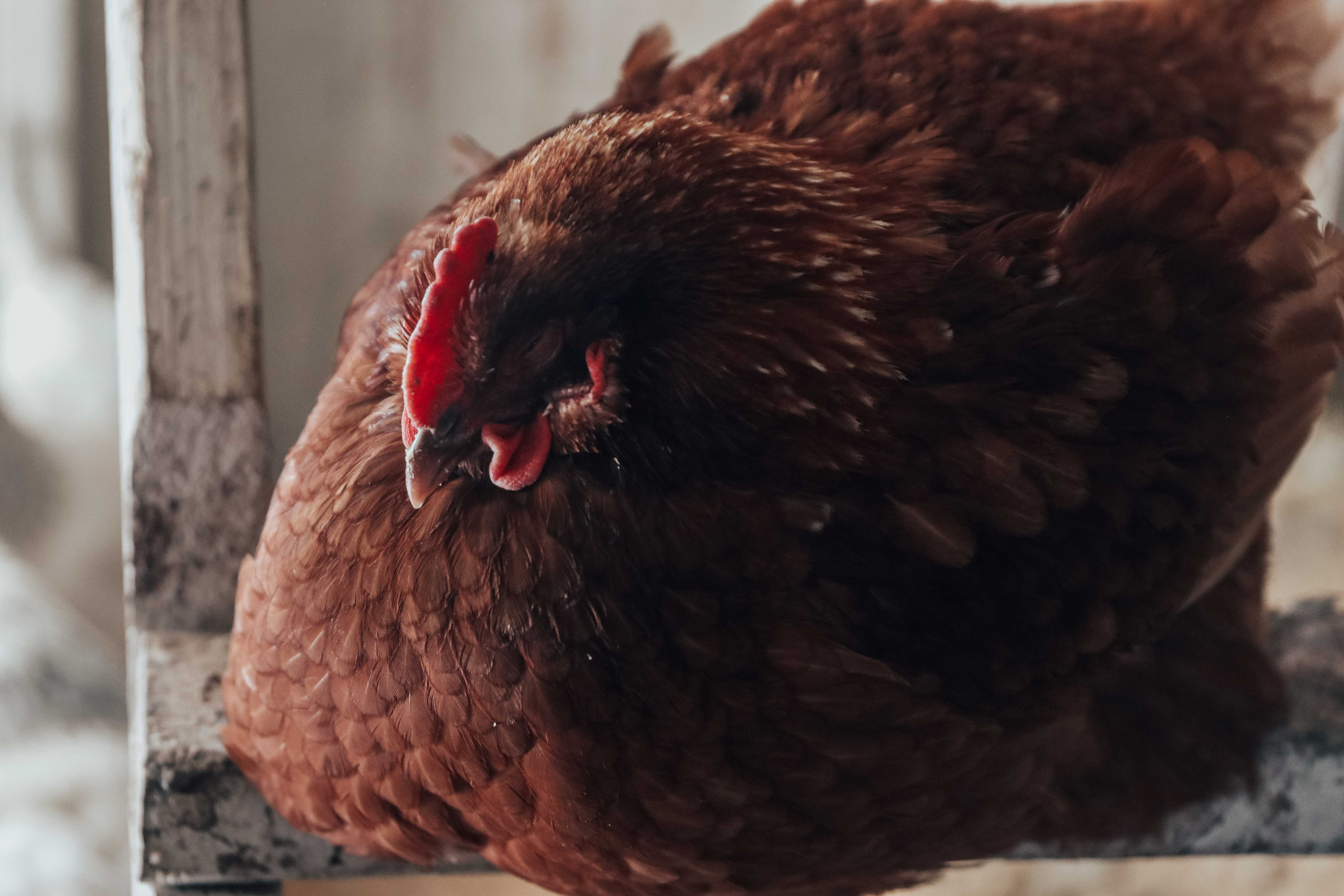
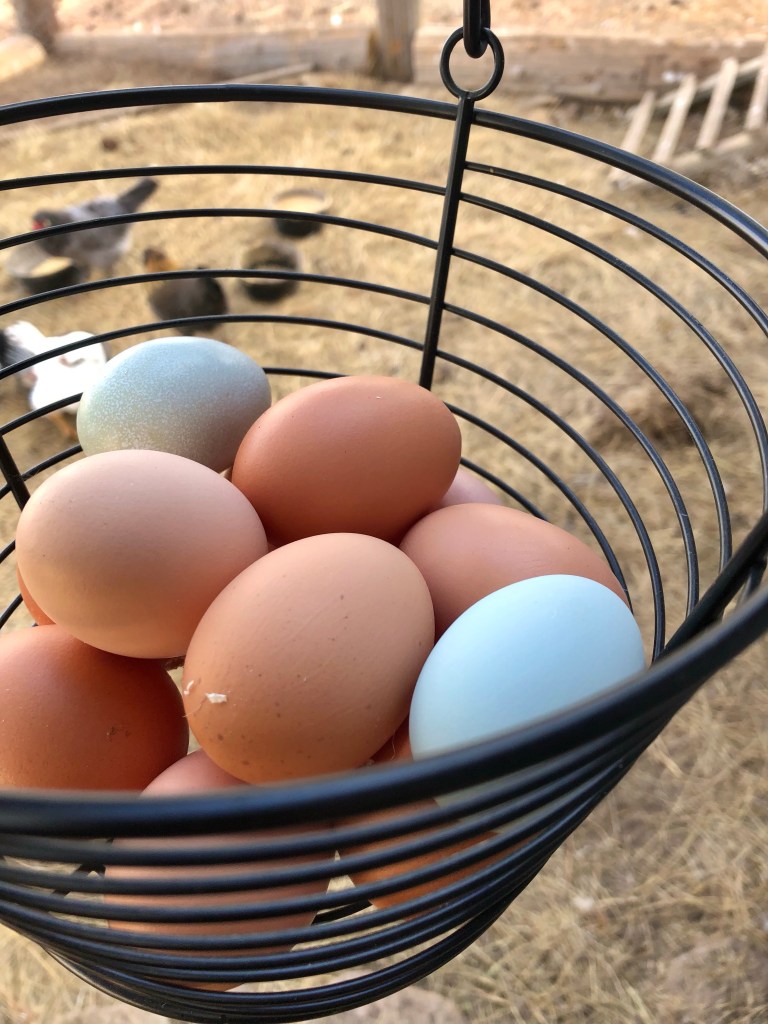
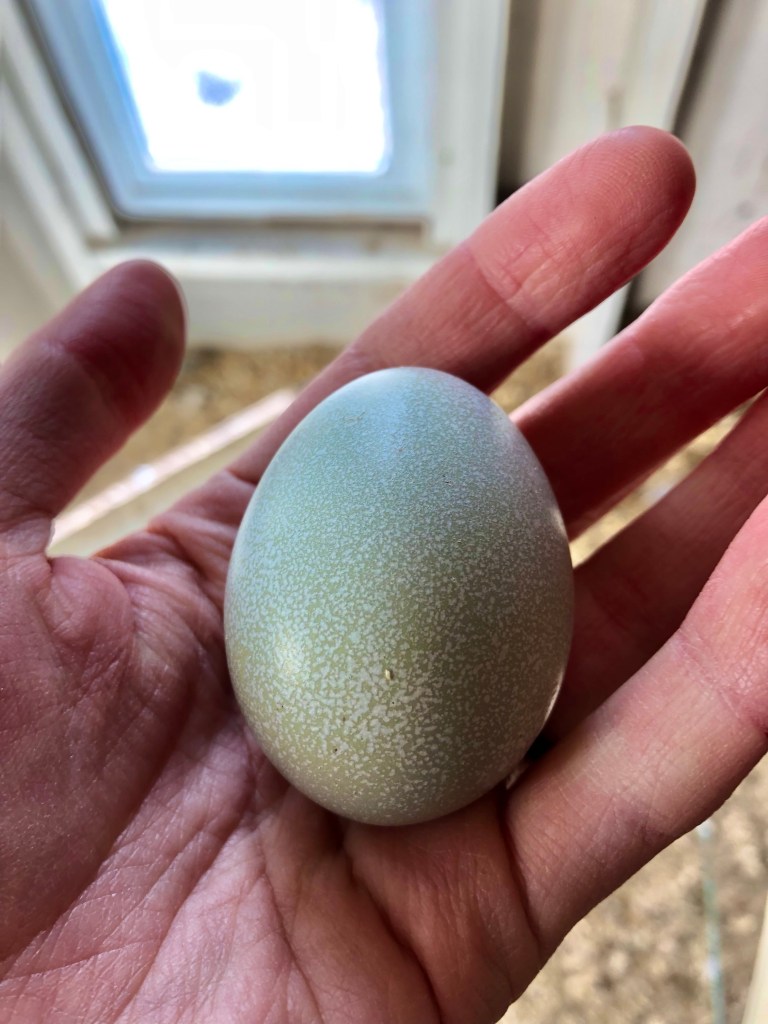
The chickens are already going gangbusters (for a flock the size of mine), with fourteen eggs today and a dozen yesterday. They have come through their first cold snaps beautifully with only a couple mild incidents of frostbite on a couple larger-combed hens, have been healthy overall, and I’m excited to embark on my second year of chicken keeping. I have learned so much this year, dealing with coccidiosis in my chicks, bumblefoot in a few hens, a few unfortunate dog attacks and resulting chicken first aid, and dealing with a crossbeak chicken who, after today’s beak work, is able to eat again!I’m very thankful for the customers I have and am looking forward to being able to provide eggs for more people this year! It was satisfying to know that my family always had eggs, even when the stores didn’t! And they’re better eggs anyway.

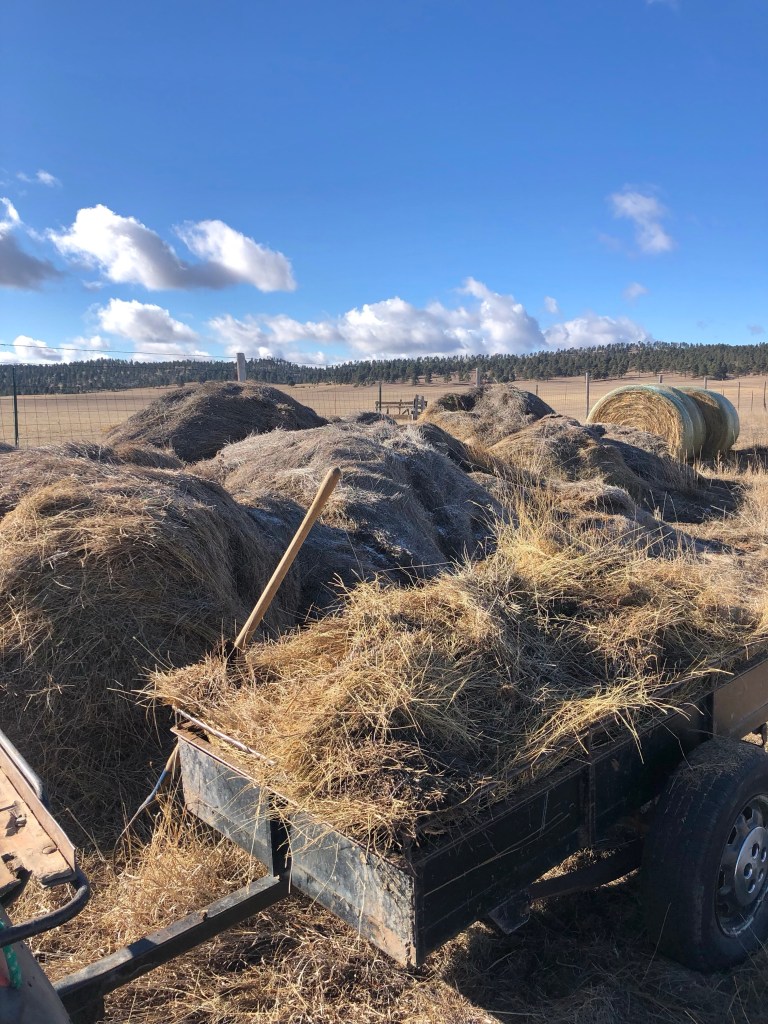
I hauled a bunch of loose hay up from the stackyard this week to give the chickens something to scratch in when they’re locked up and to help with mud when we get snow. The run looks better and the chickens love it. I’m excited to work on making chicken farming more sustainable this year and to try growing some fodder crops specifically for feeding my flock.

So we are off to a running start this year, excited for calving, excited to get planning my garden, excited to grow my flock, excited for what this year will hold. Spring really is just around the corner. The winter, it will pass.

Yesterwisdom: Poultry and Freedom

This picture has been circulating the internet. What an amazing and simple glimpse into the mindset of our grandparents’ and great-grandparents’ generations.

“Even the smallest back yard has room for a flock large enough to supply the house with eggs. The cost of maintaining such a flock is small. Table and kitchen waste provide much of the feed for the hens. They require little attention – only a few minutes a day. An interested child, old enough to take a little responsibility, can care for a few fowls as well as a grown person. Every back yard in the United States should contribute its share to a bumper crop of poultry and eggs in 1918. In Time of Peace a Profitable Recreation; In Time of War a Patriotic Duty.”

What a contrast to today. But 80 to 100 years ago, freedom and a free people were really desired, victory over enemies and national flourishing weren’t viewed as ills, and the people in government at least had a better understanding that a free nation is made up of free people who have a level of self sufficiency and aren’t reliant on the government. And just look where we are now.

Food production has become centralized and so many of our foods are imported. Just look at the recent “egg crisis.” When the bulk of the nation’s eggs are produced by a few huge producers, what happens when those producers go under or are struggling with diseased flocks? Or when flock management becomes an issue of governmental concern (i.e. tyranny)? On top of those issues, people have been stripped of their self sufficiency due at least in part to increased urbanized living, and we’ve bred a culture that values cheap plenty (ironically now not so cheap) over quality. But then there is the weird dichotomy where people are willing to pay $5 multiple times per week for a fancy coffee at Starbucks that is consumed in ten minutes, but $5 per dozen for eggs seems like a lot to pay. Or people go to Walmart expecting and willing to pay a given amount for cheap Chinese junk and mass produced food, but go to the farmer’s market and expect to pay less for goods produced by the small grower or local business. Clearly we as a culture need a change in mindset.

So go get your chickens or buy eggs from a small farmer. Grow your garden. Go to the farmer’s market. Make food from scratch. Pick a few things you consume a lot of and figure out how make them yourself. Learn to reuse and repurpose and become less reliant on stores and big businesses. Enjoy the satisfaction of capability. Enjoy the fruit of engaging with your community. Bring industry back to the local sphere.