Ranch Wife Musings | The Best Life We Can Give Them

Originally published in the Custer County Chronicle on January 29, 2025

Calving season on the ranch is a period of stark contrasts, a time of seeing some of the best of the best of God’s Creation alongside some of the saddest of the saddest. On the one hand, we revel in seeing mother cows birth and nourish and protect their young with such incredible maternal instincts, showcasing the best of God’s design for them; we search the pastures for newborn calves tucked away safely like little Easter eggs in long grass and sheltered places, waiting while their mamas graze or go to water; we see the fascinating natural formation of nursery groups by the busy mamas, so all calves are watched and all mother cows are fed and watered. But there is also the too-frequent reminder that we live in a broken world, the effects of which trickle down to the creatures we steward as well. Calves are stillborn or die afterwards, weather events challenge the best of our efforts, calving complications end tragically, and Nature takes its toll indiscriminately and sometimes it feels randomly.

Sometimes the bitterness and sweetness come by turns, first one and then the other. Sometimes they are mixed, inseparable. Sometimes they mix in the strangest sort of tragicomedy called a bottle calf that sticks around for weeks and months.

Granted, calving season for us isn’t supposed to start until the end of February, although neighbors of ours are already in the thick of it, or even are wrapping up. But we had a few, shall we say, incidents last year perpetrated by a yearling bull that was supposed to be a steer and wasn’t, and some dozen or so yearling heifers that he apparently found very attractive and which were not intended to be breeding animals. One calf showed up right before Christmas, and a few more showed up over the next month, one of which was orphaned more or less immediately. Of course, I had just dried up the milk cow.
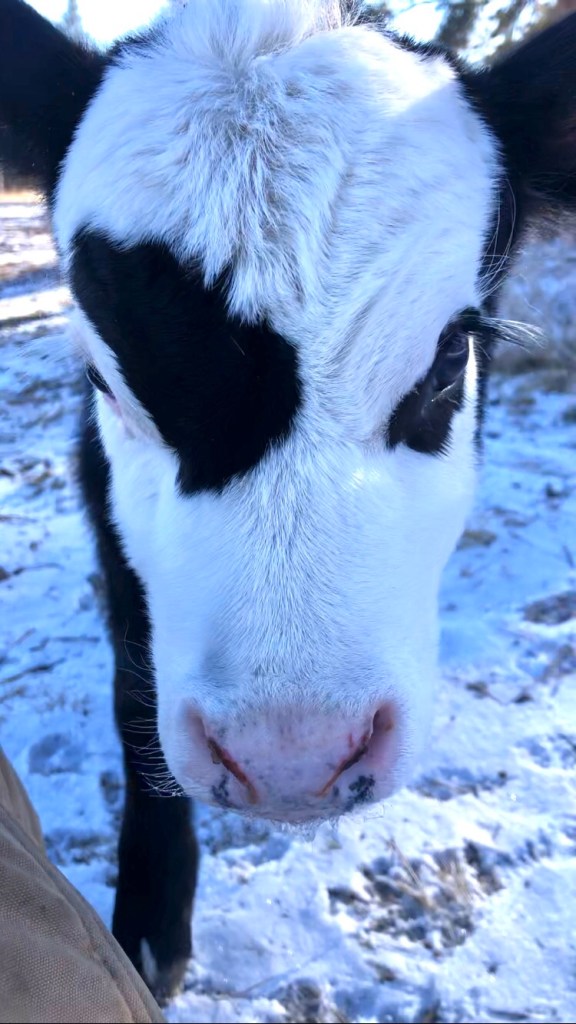
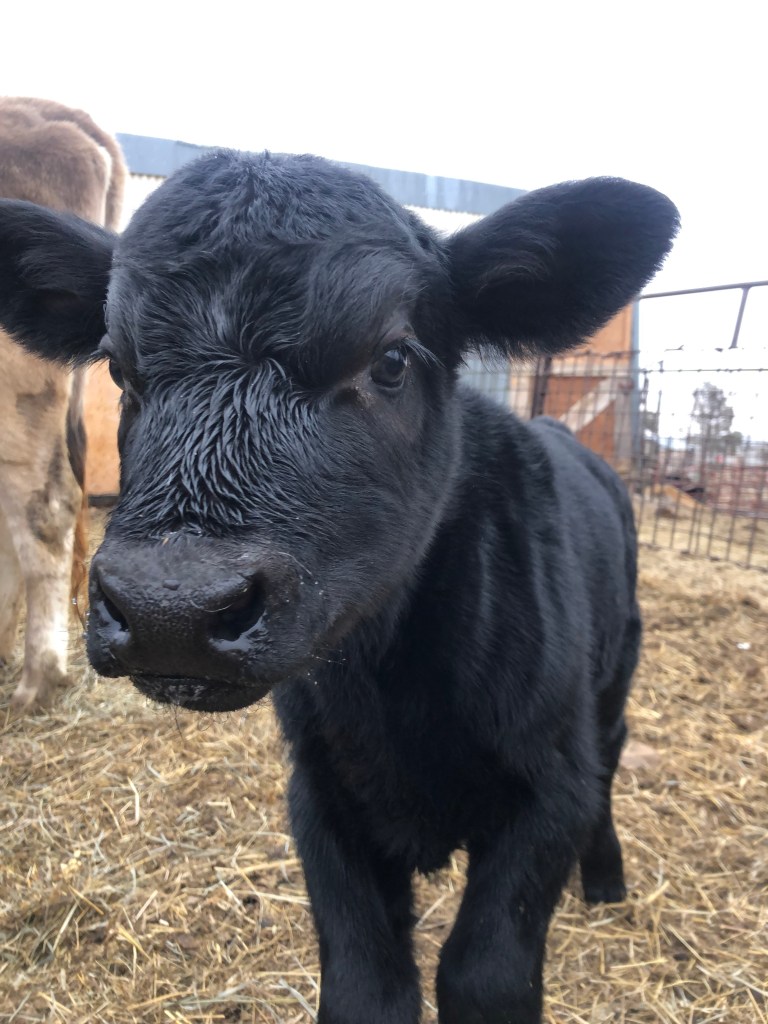
Bottle calves are supposed to be a nuisance. They’re supposed to be a hassle and, given the cost of a bag of powdered milk replacer, they are a financial nuisance, if nothing else. But clearly I’m not as wise and mature as other members of my family, because I’m afraid I don’t consider the three-times-daily feedings a nuisance, and really don’t object to calf bottles and pitchers for mixing the milk taking over the bathroom, or even the faint but persistent odor of soured milk. I don’t even mind trotting down in the dark to give Beckybell (my endearing husband named the calf after his mother-in-law – isn’t he charming?) her suppertime bottle. I’m afraid I don’t mind having my toes trampled by tiny hooves or my knees butted by the bony little head, or even the milky mess she somehow leaves all over my clothes. In fact, I thoroughly enjoy being mama cow. A few days ago, Beckybell managed to escape the nursery pen and was waiting for me and her evening bottle at the house when we got back from our walk. During the cold snap last week, her little ears froze, so she’s been wearing various ridiculous iterations of ear muffs to keep them from re-freezing, and I think we saved the ears.

But as much as I enjoy this critter and having close interactions with an animal that usually is only handled from a distance, it leaves a little sore pang in my heart. She is lacking her mama. God designed her to need her mama.

 As much bad press as ranchers get from climate activists, as much as the FDA and the CDC and whatever other three- and four-letter organizations there are that vilify cows as being a blight upon the earth and an alleged contributor to global warming (or is it global cooling, I can’t remember?), or as much as PETA has gone after ranchers for “cruel treatment” of livestock, there is so incredibly much that people in those organizations do not see. Good things. Wholesome things. The best things. As agriculture as an industry has increased in size, and as the number of people engaged in it has dwindled, people have lost their understanding, yet continue to pass judgements.

They don’t see the ranchers intently watching the weather ahead of a winter snow event, heading out on ATVs with sleet biting their faces to move 100 cows into a more sheltered pasture. They don’t see the heroic and futile efforts in sub-zero weather to save a calving cow. They don’t see the careful tending during a cold snap, keeping water open and food on the ground. They don’t see the desperate attempt to warm a nearly-frozen calf downed during a snowstorm. They don’t see the careful tending of a newborn calf and the new mother. They don’t feel the defeat when a young calf dies and the cow won’t leave its side. They don’t see the bleary-eyed rancher getting up every two hours to check heifers, and they don’t hear the pre-dawn phone call up to the house to ask his little wife to bundle up and come down to the calving shed to help turn a backward calf, since she has smaller hands. They don’t see the tears shed over a failed save or the teary-eyed laughter at a success. They don’t see the miracle of a calf taking its first steps with a sleep-deprived ranching couple looking on smiling, or chuckling as an overzealous mama cow knocks it over with her aggressive licking. They don’t see the ranch wife on the umpteenth feeding of a little white-faced bottle baby, tucking the calf in for the night, sorry in her heart that there isn’t a mama cow for the little orphan.

Because we care for the livestock that God has give us to steward. We hate seeing them suffer, we love seeing them thrive, and we do everything in our power to give them the best life we can give them. At no time is that more apparent than in that sweet moment when a newborn calf hits the ground, floppy eared and wet and sneezing up fluid, and mama cow turns and sees the little intruder. As she goes to work cleaning it off, instinct overriding her surprise, we watch in quiet awe, full of pleasant warmth on the coldest of days.

Ranch Wife Musings | Milk Cow Philosophizing

Originally printed in the Custer County Chronicle on July 24, 2024

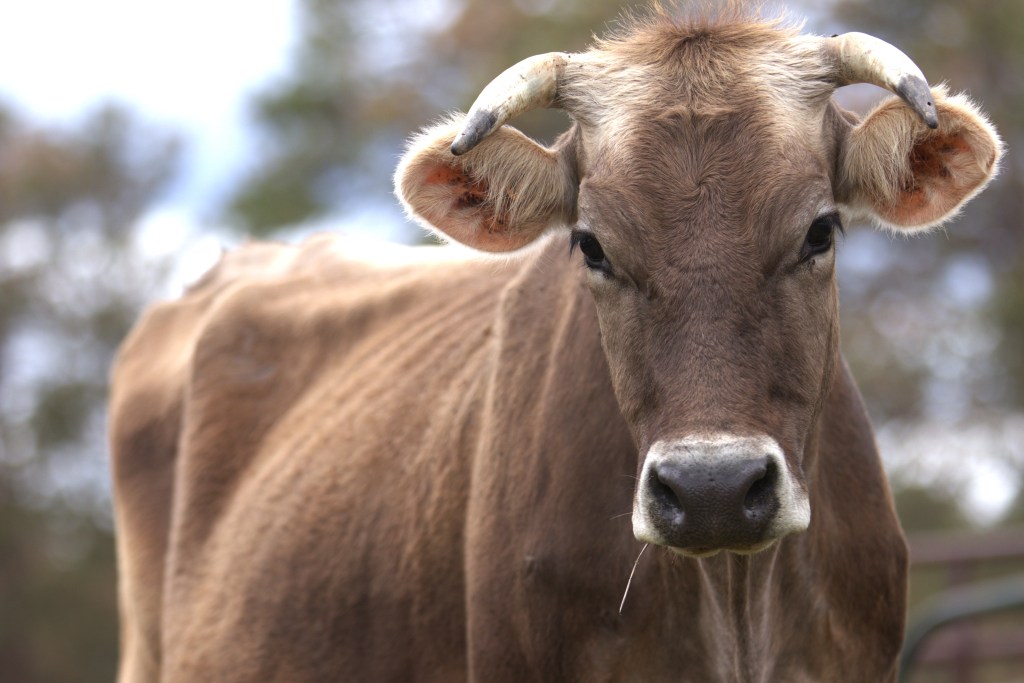
The joke really was on me. I have dreamed of having a dairy animal for years, and to my credit I was up front with my now husband about this well before we got married. I knew he hated goats, for the two reasons (as near as I can tell) that his grandfather hated goats, and that they climb on cars. “I promise,” I said solemnly, multiple times, actually, “I promise you will never – never ­– come home and find a goat. I make no such promise about a milk cow.” And I very faithfully kept my word, even though on multiple occasions I regretted ever making that promise.

Well, one day, a year and a half into our marriage, I got home from to find Brad gone, his horse trailer gone, and all of the horses standing innocently in the corral. I knew where Brad was—He was preg testing a neighbor’s cows, the same neighbor that had offered to let me buy his nurse cow, Posey, who had never been hand milked. My suspicions were confirmed about two nerve-wracking hours later when Brad rattled up in his pickup and unloaded a peeved and horned Brown Swiss cow from the trailer. There she was, larger than life.

Like it or not, I was now the owner of a milk cow.

The learning curve was steep, and a comedy of errors. Have you ever wondered how they milk almonds to get almond milk? That’s what it felt like. Two fingers were all that could fit on her dainty little appendages, and do you want to know how much milks out in one squirt that way? Not very much. Like a half a teaspoon. If I did my math right (not necessarily something writers are inherently great at), there are 1,536 half-teaspoons in a gallon, which was about what she was giving at weaning time, when I acquired her. That’s a lot of squirts.

And to make matters worse, she wasn’t overly thrilled at the new arrangement. One morning, just when I thought things were settling into something of a routine and milking had definitely become easier, that darn cow lifted her tied-back leg in a mostly-failed kick, jarring me so half of the milk in my pail went all over me. This was early in my milking career and I had worked hard for that milk, let me tell you. I probably yelled at her, re-situated myself on the overturned bucket that serves as a milking stool, and started milking again. Then there was the telltale twitch and up came that hoof again. I was too slow for a good reaction, so instead I just tumbled right off the bucket into the dirty hay and jumped to my feet.

If I was a cussing person, I would have cussed, but I’m not, so I didn’t. With more irritation than authority, I yelled, “No!” And kicked her. Hard. Right on the back leg, the one she had kicked with. She looked mildly surprised, mostly just bored, and went back to munching her grain. I kicked her one more time for good measure, probably threatening to send her to the sale barn on the next shipment of culls, and sat back down.

Long story short, I learned she can mule-kick even with a leg tied back, and I learned how irritating it is when you kick a cow’s rear and she just looks at you in complete boredom, and she didn’t go to the sale barn. A reformed cow came to the milking barn the next morning and meekly submitted to our routine.

After this, though it hasn’t been entirely smooth sailing (what is, with livestock?), milking became one of my favorite parts of the day. It was quiet. Peaceful. Productive. The little milking machine that was so helpful at first eventually got sidelined in favor of the tactile task of hand-milking. The sound of the milk hissing and foaming into the bucket, the comfortable bovine smell, the cats expectantly waiting. I enjoyed watching her calf, who arrived in April, wander around the barn licking the walls and head butting the scoop shovel, stealing my gloves and tormenting the cats. It was just pleasant.

And besides, the payoff was singularly enjoyable: fresh milk and rich cream for my coffee, and the yellowest butter you ever did see. A lot of work, yes; a time commitment, yes, but so worth it. Posey is currently employed solely as a nurse cow, since we found a bum calf to put on her, but I look forward to fresh milk again in the fall when we wean. We all benefitted – Brad and I, the cats, the chickens, friends and neighbors and family. All from one cow.

I think about the cultural shift we have seen over the last 100 years, the industrialization, the urbanization, a shift away from the land, a shift away from family, a shift from self-sufficiency and community-sufficiency, towards a national and global model of economics. As individuals in a culture, we no longer raise our own meat, or grow our own vegetables, or sew our own clothes, or build our own homes. We are divorced from those processes. We have mechanized ourselves out of jobs, and mechanized ourselves out of a true appreciation for the food that we eat or the clothes that we wear.

Author Wendell Berry, in his book The Unsettling of America, talks about the societal effects of automating and mechanizing, specifically as it relates to agriculture, but with broader implications as well. When efficiency is the god of our society and a machine can accomplish a task with greater efficiency than a man, we then place more value on the machine than the man, and more value on efficiency than on the good of family and community. Automating doesn’t elevate the worker or the work, but ultimately degrades it. In our technology-driven, technology-ridden culture, it isn’t feasible or reasonable to want to de-automate everything, and convenience and efficiency do have their places. But what have we lost in the process?

I wonder.

Wringing Sunlight

Originally printed in the July/August 2024 issue of Down Country Roads Magazine

The sun-drenched days are already growing shorter, and before too long the shadows will lengthen a bit and remind us that summertime doesn’t last forever. But it is still the season to wring out every drop of sunlight from each blessed day, drinking in the warmth and the light that is so scarce at other times of the year. 

Wringing it out, wringing it out, soaking it in and wringing it out.

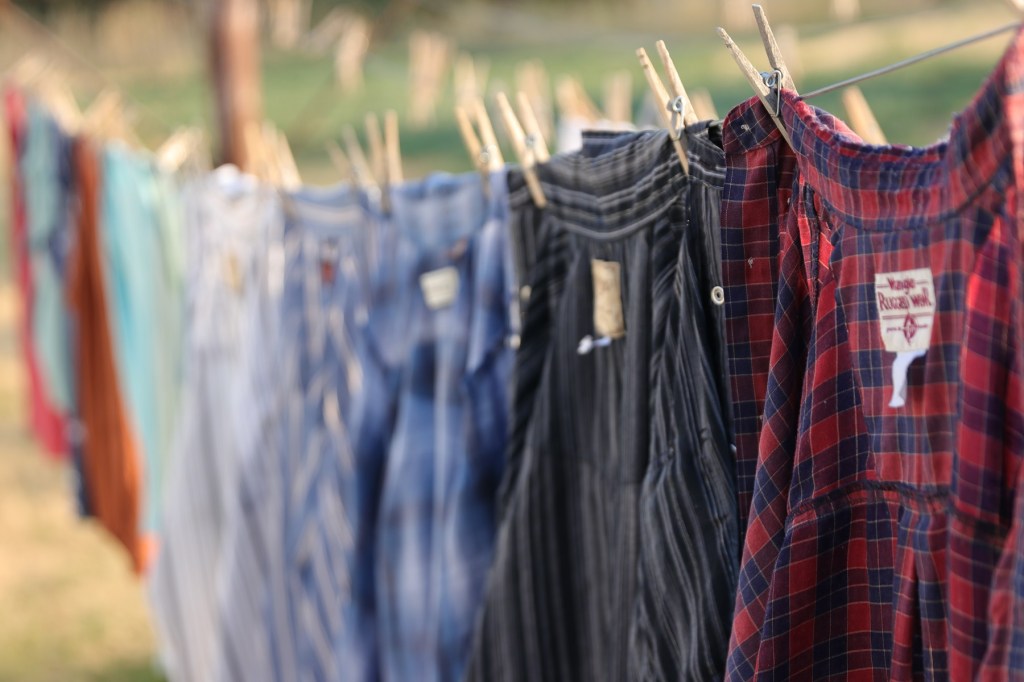
Wringing it out, like savoring those early morning sunrises.  The cool freshness of the day’s beginning, stirring the curtains and bringing the outside in. A woodsy ramble when the grass is still damp. The first breath of heat when the sun is yea-high. Garden puttering, throwing water, pulling weeds, up to the elbows in productivity and partnership with earth and sun. The snap of towels hanging on the line to dry, or my husband’s snap-front shirts. The heat of sun on uncovered head, the quiet, rhythmic work of laundry day. The cool of grass under bare feet. Digging my toes into good, black dirt. The low drone of bees busy in the flowers, the sweet singing of the crickets. The comical play-acting of the killdeer, the swift flight of the barn swallow, the bubbling up and overflowing melody of the bobolink in the hayfield, rivaling the meadowlark as the summertime songster, dipping and diving in the alfalfa, a little black-and-white-and-yellow speck of a songbird.

Oh, these days!

When the sun nears the evening sky and sinks low, the ridge to our west casts first the house, then the barn, then the hayfield, into its lengthening shadow which races to the horizon. Far to the east and a little to the south, Sheep Mountain Table gleams pink in the afterglow. The windows of the house get thrown open, bringing the coolness in, and nighttime falls, softly and sweetly, and the first of the summer stars appear in the pink and lavender sky.

We take the warm, sweet memories of these days with us into the shorter days of winter.

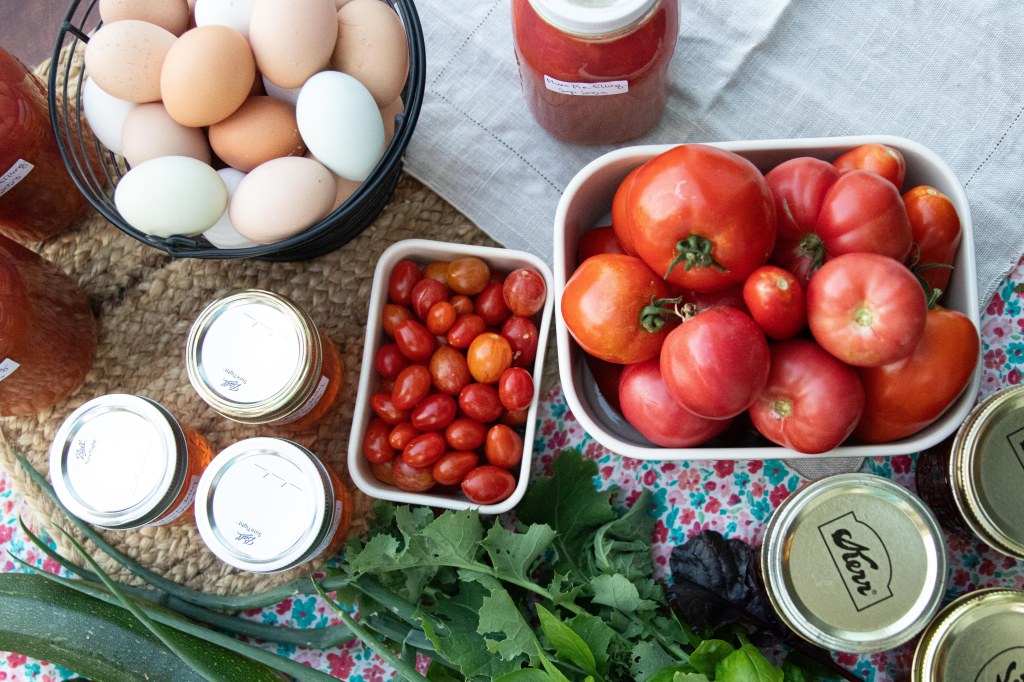
The sweetness, like the first of the sun-ripened, still-warm tomatoes, bursting in your mouth, fresh off the vine. The sweetness, like a cold glass of sun-brewed iced tea after a sweaty morning of work. The sweetness, like a pail of wild-harvested fruit and a glittering, gleaming row of jelly jars, still piping hot. The sweetness, like the sound of rain, gentle rain, sweet rain, and the low roll of thunder.

And then, maybe best of all, is the intoxicating sweetness of the sun-warmed pines. Can you smell it? It brings back impressions of my earliest childhood, recalls some of my happiest memories in what would one day become my home. I remember piling out of our minivan, myself and my three sisters and parents, piling out at the end of a 1000-mile journey, piling out at the top of a sun-baked hill in the glorious middle of nowhere near Hermosa, piling out and breathing deep of that wonderous smell – The pines! And there at the end of a little gravel sidewalk was a house made of rough-cut lumber with my grandparents waiting for us, and a joyful two weeks of summer vacation ahead, to be filled with hikes and rambles and Grandma’s 24-hour dill pickles. Almost ten years ago, we came and never left. But my heart still skips a beat when I smell the piney, resiny breath of summertime.

We can do without the havoc-wreaking hail that summer brings, or the dry lightning that sparks a fire, but somehow those aren’t the things we remember in the deeps of January. We remember and yearn for the sunrises and the sunsets and the sunkissed faces. And we long to wring out the sunlight, wring it out and drink it deep.

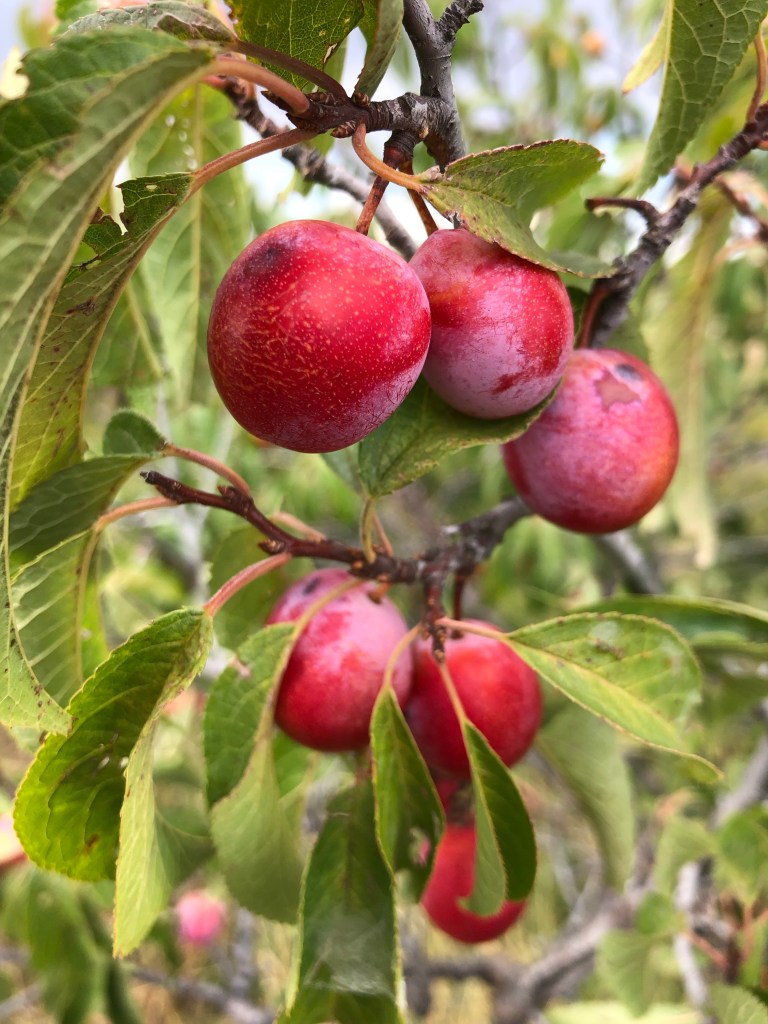
So, take the ramble, taste the wild plums, listen to the meadowlark, watch the sunsets and hunt the wildflowers. Wring it out, every last drop of beautiful summertime sunlight. It is days like this that get us through the long, dark nights of winter.

Old Friends

Originally published in the May/June 2024 issue of Down Country Roads Magazine

First, I fell in love with violets. I called them wildflowers, but Dad called them weeds, and to his chagrin they grew in abundance in the yard of my childhood home. I can remember picking them handful by fragrant handful, stuffing them into tiny vases with pride and delight. Their sweet faces were enchanting, the sleepy-eyed, quiet little things, all shades of dark blue-purple to white, with the delicate striping at their throats and their whimsical heart-shaped leaves.

Then I learned their names. They weren’t just violets, but some were common blue violets, some were dog violets. It is one thing to know a flower by sight, to recognize it in a distant sort of a way. It is another thing to know its name. It is like the difference between an acquaintance and a companion.

Thus began a lifelong friendship with the flowers.

Field guides became a favorite and treasured part of my personal library. I learned many names. Each hike or rambling walk was a treasure hunt, every parting of the grasses a discovery. For each new flower I found, I learned a new name, like meeting a new friend.

And meet them I did, learning to see the uniqueness of the flowers, not just nature’s wild and wonderful bouquet.

As my friendship with them deepened and their names became familiar, wooded rambles no longer were blind treasure hunts, but reunions, each time I wandered into their domain and sought their company. My photographs of them were no longer just photographs, but portraits. Their familiar faces became as familiar as a friend’s face, their presence was eagerly anticipated, the blooming of different flowers marking milestones throughout the year. I learned their quirks and preferences, to know where each little blossoming beauty likes to be, what hollows they haunt, what hillsides they adorn, and when they adorn them. A well-traveled trail is always new, week to week transformed by the adorning flowers, and sometimes day to day.

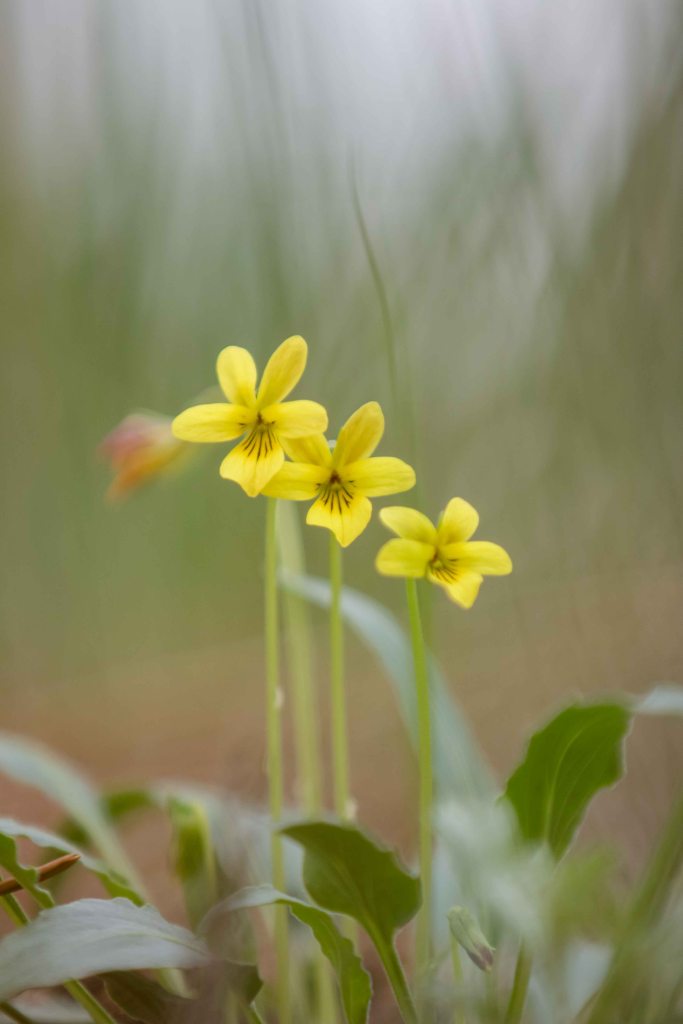
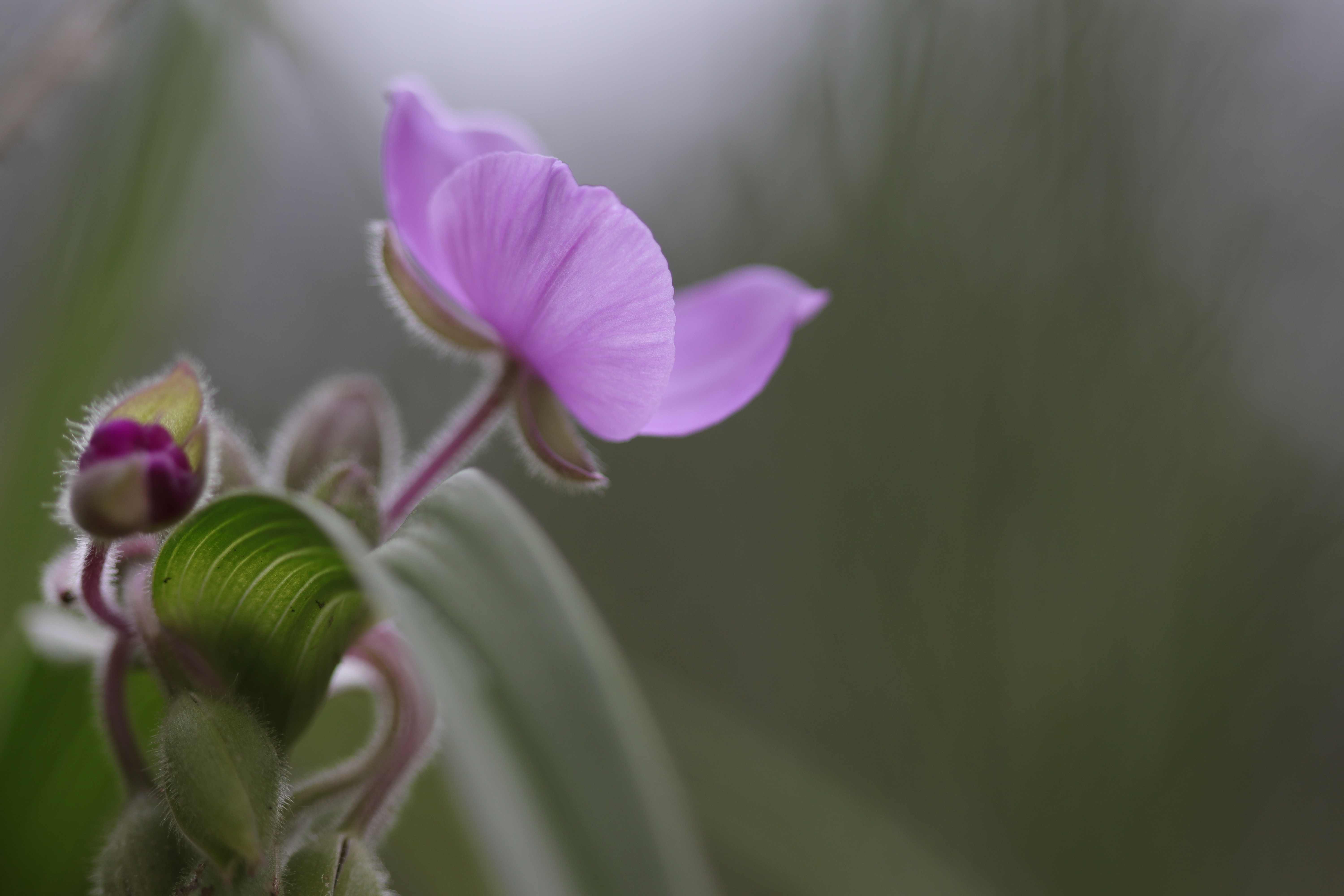
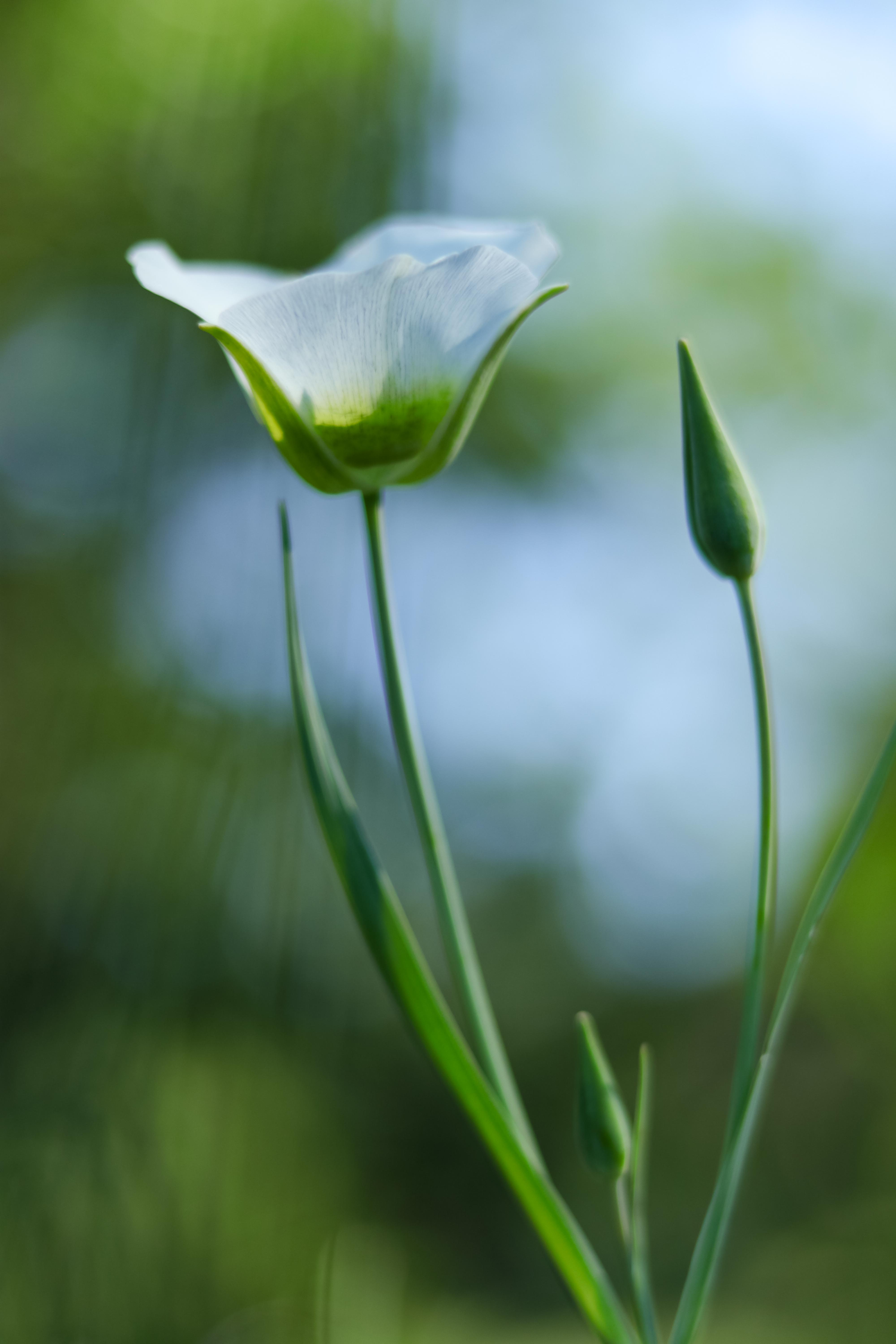
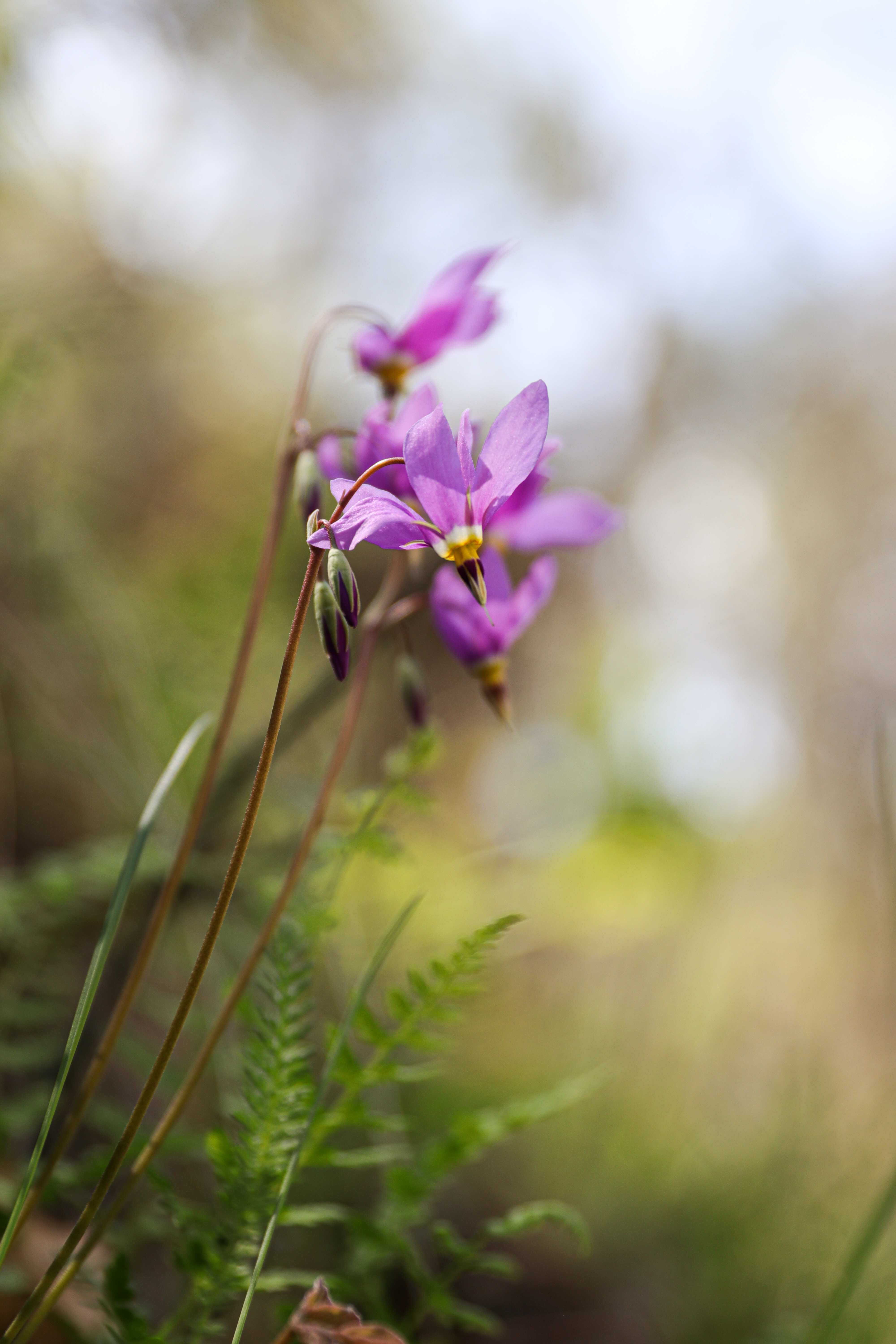
Columbine blooms quickly in the early summer and is easily missed, tucked away in the cool, damp hollows and ravines, her salmon and yellow blossoms hanging like pendants from her slender stem. A lucky person might chance upon a blue columbine, rare in the Hills, or even a white morph. Lanceleaf bluebells grow on the hill trail above our house, drinking up the splashes of midsummer sunlight from between the spreading ponderosa pines. Finding the hiding place of the sego lily is a reward in itself, reclusive as she is, and rather shy, maiden-white with a heart of gold. Spiderwort, not overly finicky about where he grows, sometimes in the pines, sometimes on the prairie, boasts his clusters of brightest pink and vivid purple, the local varieties almost impossible to differentiate, as they cross-pollinate with ease. Longspur violets grow in the higher elevations west of us, while their sisters, the pale-lavender larkspur violet and dainty yellow Nuttall’s violet, inhabit the more arid country around my home, flourishing on the grass-covered slopes of the foothills. And then there is the magenta gem of the summer, shooting star, thriving in the shelter of trees and ferny slopes, lighting up like her namesake when the sun is just right. Beebalm, almost a weed but not quite, spreads a mist of color over entire hillsides in the later summer, fragrant and robust. Wild roses, sweet and feisty, grow in the sandiest, hardest-packed ruts of trails, forming rollicking banks of brambles when they are undisturbed, leaving behind crimson jewels at summer’s end which, when harvested, make the most wonderful honey-colored jelly.

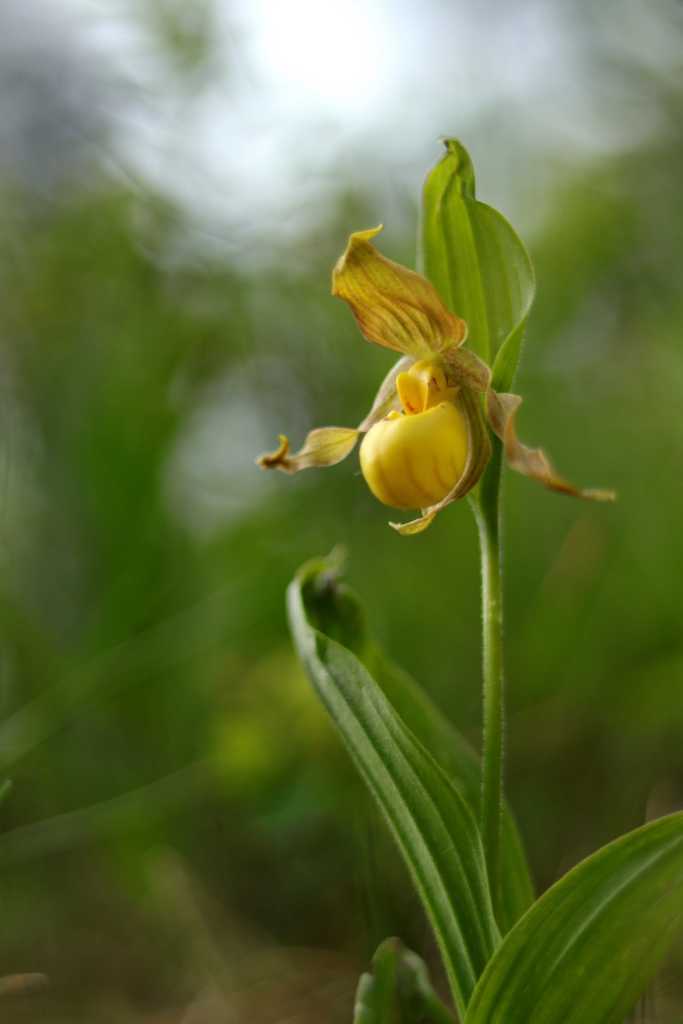
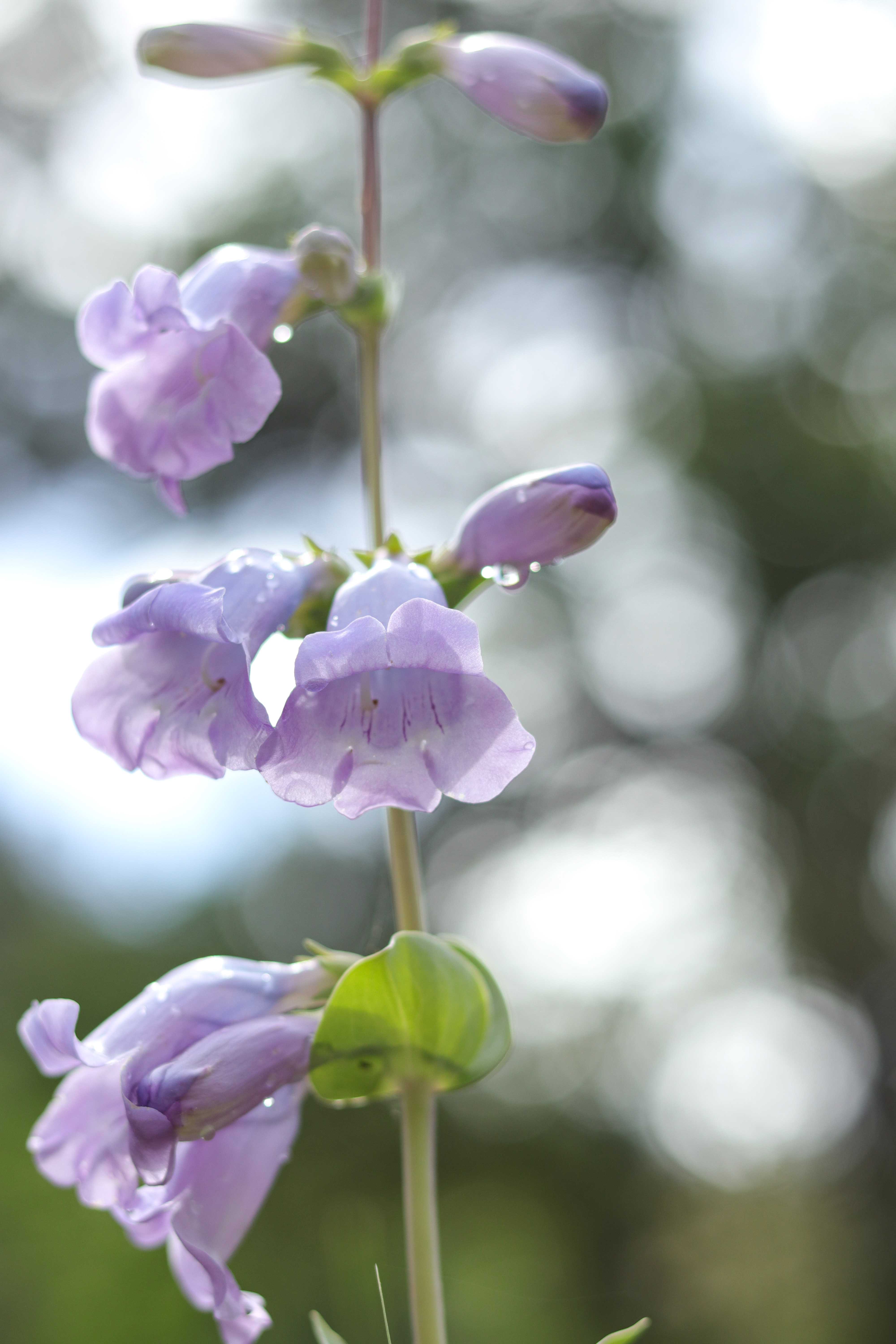
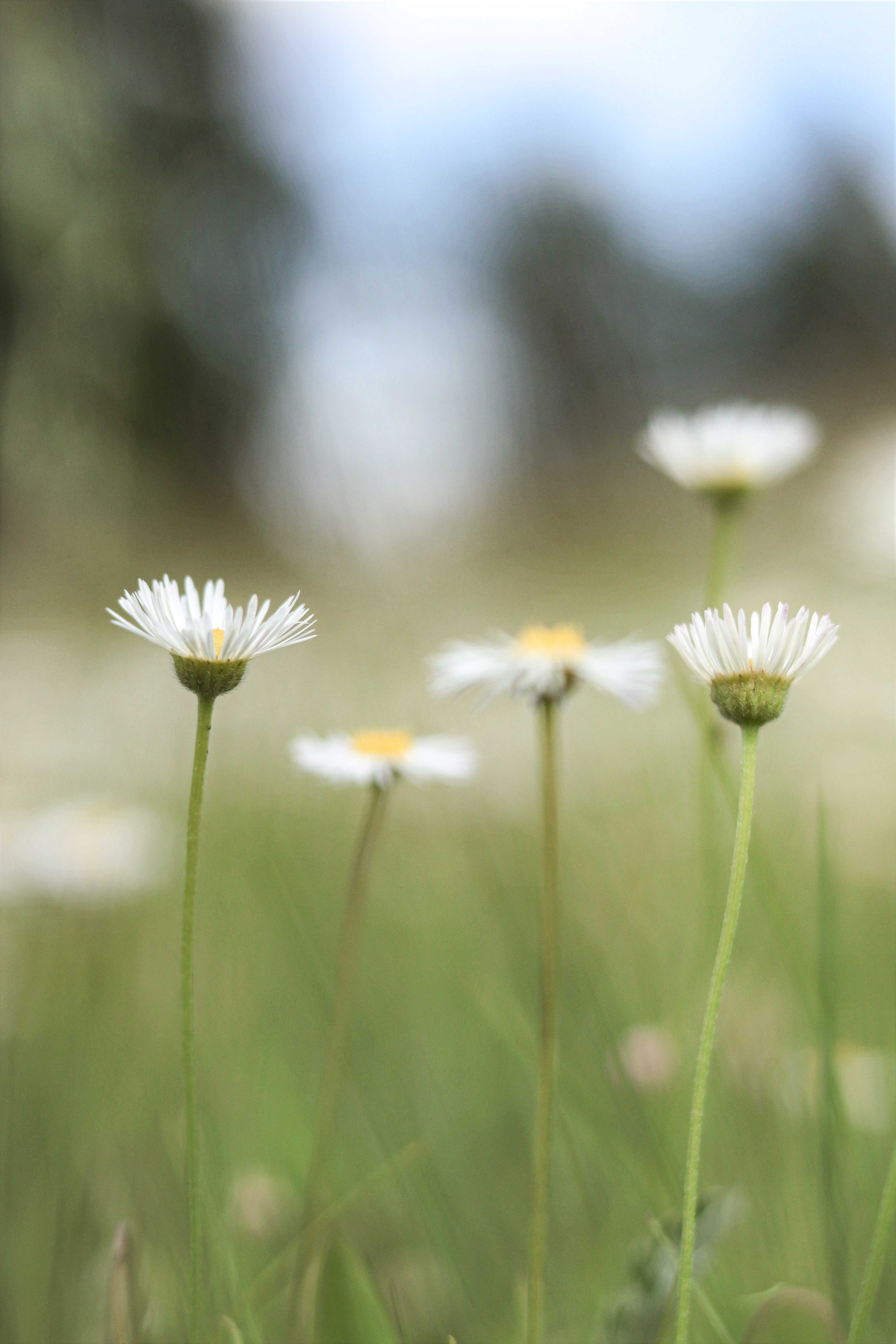
So many names! Names familiar and enchanting and delightful. Prairie chickweed. Purple virgin’s bower. Prairie smoke. Blue flag. Dame’s rocket. Wild buckwheat. Yellow ladyslipper. Pussytoes. Shell-leaf penstemon. Cutleaf anemone. Harebells and asters and fleabane.

How sweet it is, to be surrounded by familiar, beautiful faces. To peer into the underbrush, to part the tall grasses, to look beyond what many choose to see, to seek and find and learn. To ramble in the woods in the company of so many old friends.  

Ranch Wife Musings | March Madness

So I really don’t know what March Madness is, other than it has something to do with sports, I think. But March is a crazy month. The winter sleepiness is shaken off and everything wakes up. All at the same time. The garden, the cows, the weather, the schedule, the chickens, everything.

There are babies everywhere, and I mean everywhere.

A little cold snap over this last weekend accentuated that, with little baby calves and their irritable mamas stuffed in every corner of the yard, with all available indoor space occupied by doubles and triples, and cows with slightly older calves getting shuffled into sheltered corners of the yard to keep them out of the wind and driving snow.

So far there have been two sets of twins, and both extra babies were shuffled successfully onto two cows who had lost calves–Good saves, on both counts, and the two lost calves were just part of the percentage of unavoidable losses, rather than the rather staggering losses of last spring, due to a collision of weather and luck of the draw. Posey got to try being a nurse cow for a week with one of the extra twins, until a mother needing a calf turned up. Posey was not impressed. Some nurse cow. We’ll see how she does when she calves, I guess.

Seedlings are going nuts in the brightest window in the house, around 120 tomato seedlings, some herbs and greens, and of course my elderberry cuttings. Bread baking and some jelly making and some sewing projects and some continuing ed for my paramedic license and a dive into spring cleaning have kept the days full. They seem to end as quickly as they start. And yes, that is a seed starting mat under that bowl of dough! Another use for those handy things, especially when you keep the temps low in the house!

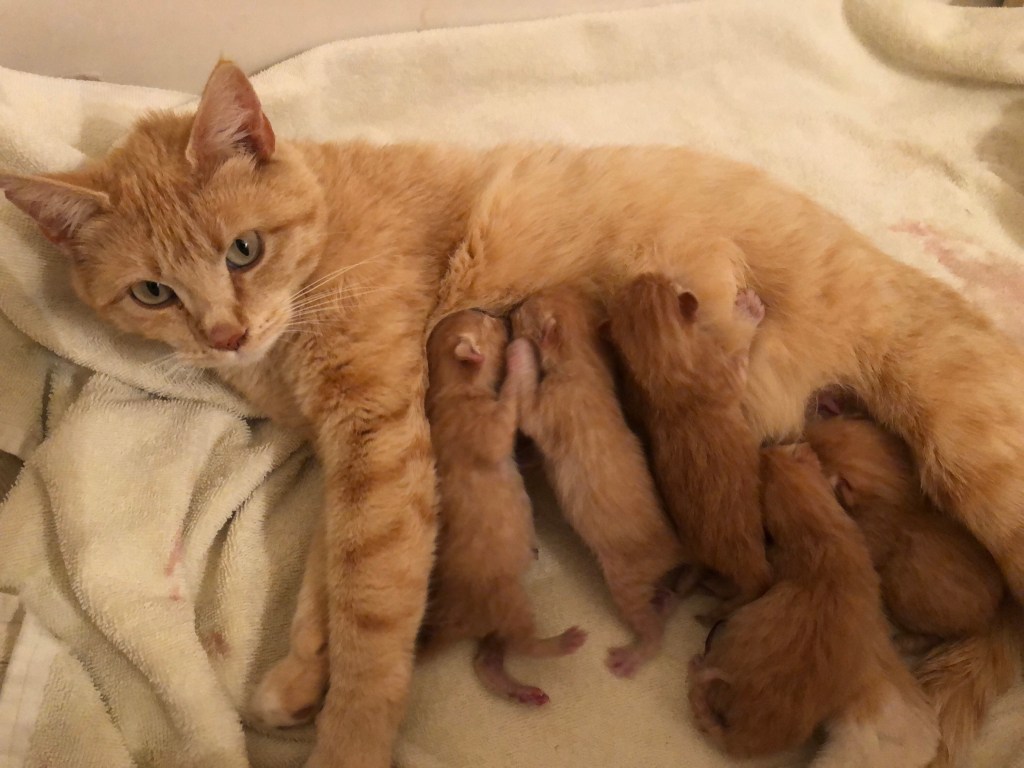
And then yesterday happened. Or rather, Yellow Cat happened yesterday. We knew she was ready to have kittens at any time, and I complacently assumed, this being her second litter, that she would be competent. Boy, was I wrong. I went down to do chores yesterday morning and found a pile of three kittens that appeared dead, in just about the worst place Yellow Cat could have had them. She was unconcerned. I honestly thought they were dead and rigored, and when I picked up the two that looked the most dead, they were unresponsive and stiff and cold to the touch. She didn’t appear to have really cleaned them, their fur was matted down, and I really mean it when I say they appeared dead, and I have seen plenty of dead animals to know what I’m talking about. This isn’t an “I’ve never had chicks before and one is stretched out luxuriously under the heat lamp and I think it is dead” situation. They looked dead. Very dead. One of the kittens, though, moved a little and made the tiniest sound. It looked pretty hopeless, but I can’t stand to walk away from something like that. I almost left the two most dead looking, but gathered all three up, stuffed them inside my vest and ran up to the house with them. In the back of my mind was the paramedic mantra, “They aren’t dead until they are warm and dead,” and after a mere few minutes under a heat lamp and on top of a (you guessed it) seed starting mat, they came alive.

Baby animals are incredibly resilient but also incredibly fragile, a strange dichotomy, and even as they warmed up I felt that it was probably futile, but I gave them a little milk replacer laced with corn syrup, enough to wet their dried mouths, and two of them did try sucking it off the cloth I was using. I finally rounded up Yellow Cat from down by the barn, who was sauntering around like she hadn’t a care in the world, and locked her up with them. Long story short, the three kittens all nursed, she had two more, and all five survived the night with their mother in the bathtub and are doing just fine. I am still pretty mad at that cat, though.

It is hard to believe that April is just around the corner. April, the first month of long days in the saddle pairing out the calving pasture, the first real month of springtime although snow is always a possibility. There is always something going on!

In the Garden | What I’m Most Excited to Grow

So here’s the thing. I love to garden, but I can’t say I really enjoy babying temperamental and finnicky plants. It is hard enough to grow anything in the Black Hills without having to contend with plants that just want to die. There are some things that just aren’t worth it to me.

So when it comes to planning my garden and picking what to grow, the things I enjoy growing are the things that will do best without me helicopter-mom-ing them. Because the problem with helicopter-mom-ing a garden is that no matter my best efforts, the hail still might wipe it out. Or the grasshoppers might. Or a very late or very early frost. Or, or, or. It isn’t that I don’t enjoy cultivating or the challenge, but if I have to sweet talk a plant into living, then it just won’t do well in my garden.

Also, I really (really, really) don’t want to give something space in my garden (space is a commodity) and only end up with one of something. Unless it is a really big something. So whatever I grow has to be a good producer. Part of the reason I garden (a large part of it) IS self-sufficiency and seeing the grocery bill dwindle to next to nothing during the summer months, and feeling the satisfaction of meals cooked almost entirely from food grown by us.

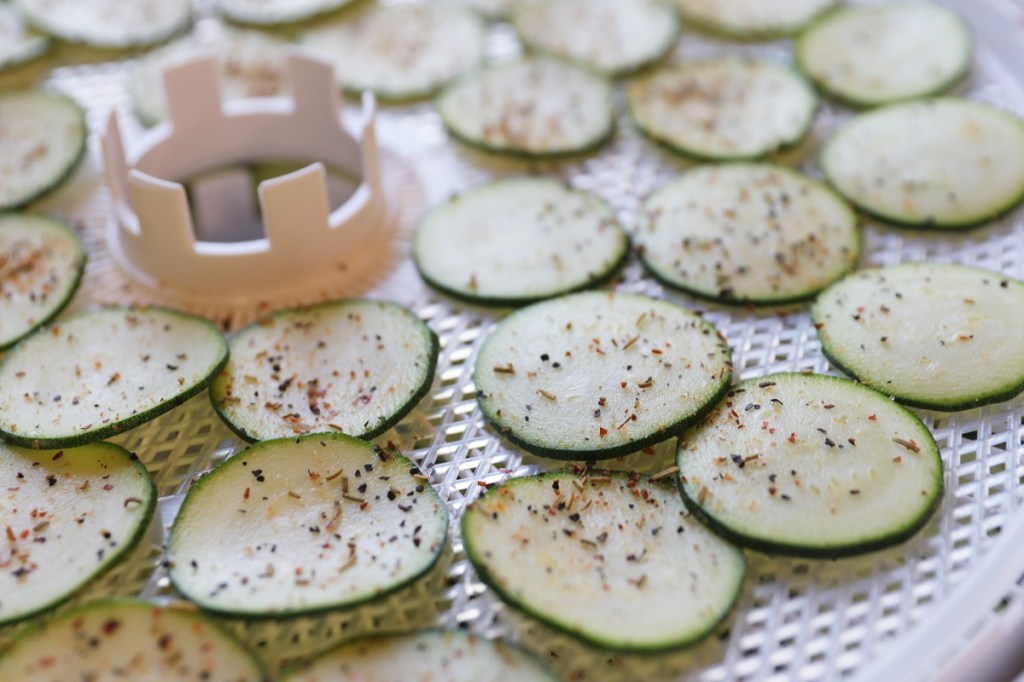
That’s why zucchini is one of my favorite things to grow. For real. Those weeds of plants can be totally wiped out by the hail and it will STILL come back and produce massive squash before the end of the season. And really, I do love growing zucchini. If you hate zucchini, don’t grow it, but it is incredibly versatile and such a great addition to salsa, sauces, soups, is a delicious snack dried, and I love it lightly sauteed or grilled, or even cubed and put into salads and pasta salads. And those massive zucchinis that get found in the late summer? They keep almost as well as winter squash, and are excellent grated and put into something, or even selectively sliced or diced and sauteed. Not quite as delicious as the smaller, tenderer zucchinis, but it is a widespread misconception that large zucchinis are inedibly woody and good only for zucchini bread. This poor veg gets a bad rap, probably because people in general lack the imagination to prepare it more than one way, but it is arguably the most versatile thing a person can grow in the garden, and one of the easiest. Consider it the gateway vegetable.

Hubbard squash is another favorite of mine. I grew it two summers ago (last year the hail wiped it out), and ended up with easily probably 100-150 pounds of great-keeping squash that we slowly worked on over the winter. Hubbards can get up to 40 pounds–The biggest I harvested was about 25 pounds. It can be used like a butternut or even a pumpkin, with bright orange, mellow flesh that bakes incredibly well. I loved to roast it and spice it up with some savory seasonings, and we’d eat it like mashed potatoes.

Basil is an herb I’m particularly fond of growing. It is very prolific, pretty disease resistant in my experience, and it is so easy to preserve it by chopping it finely with a food processer with some oil and freezing in ice cubes. The flavor is incredible.

As far as tomatoes go, Amish paste tomatoes are one of my favorites. They are great producers, especially in my greenhouse using strip-pruning to encourage fruiting, the texture is great, and they are so versatile. Big enough to slice for sandwiches, but fleshy enough for salsas or just eating straight off the vine, these have quickly become my go-to tomato.

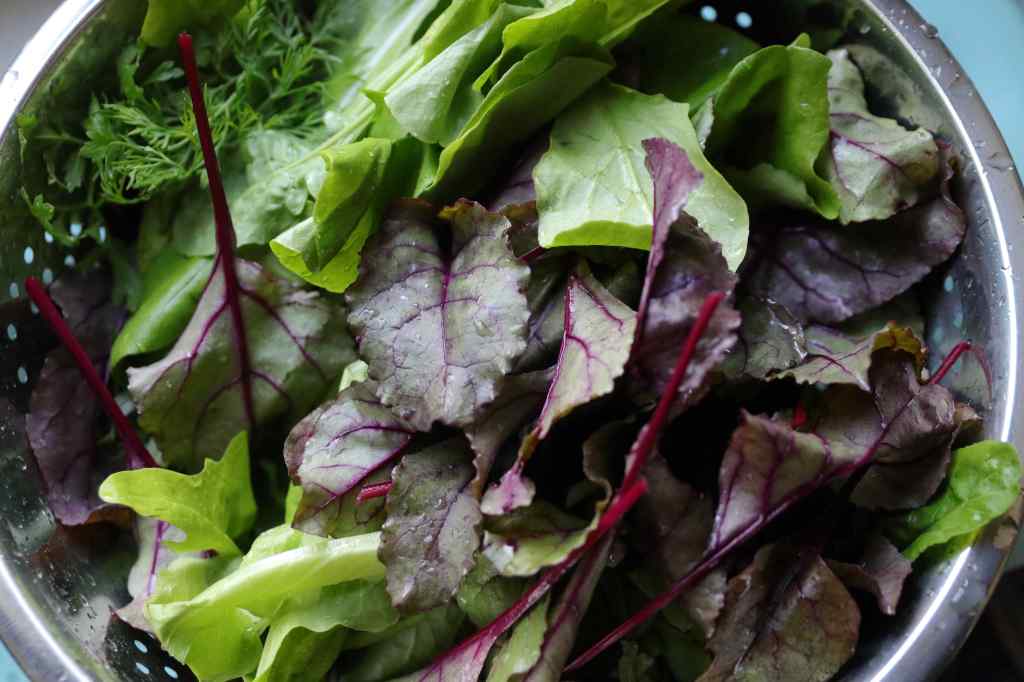
Chard, cress, arugula, and lettuce blends are also incredibly easy to grow, and once you’ve tasted a fresh-picked salad with spicy cress and arugula, a few sprigs of fresh dill, and a variety of lettuces, it is just hard to go back.

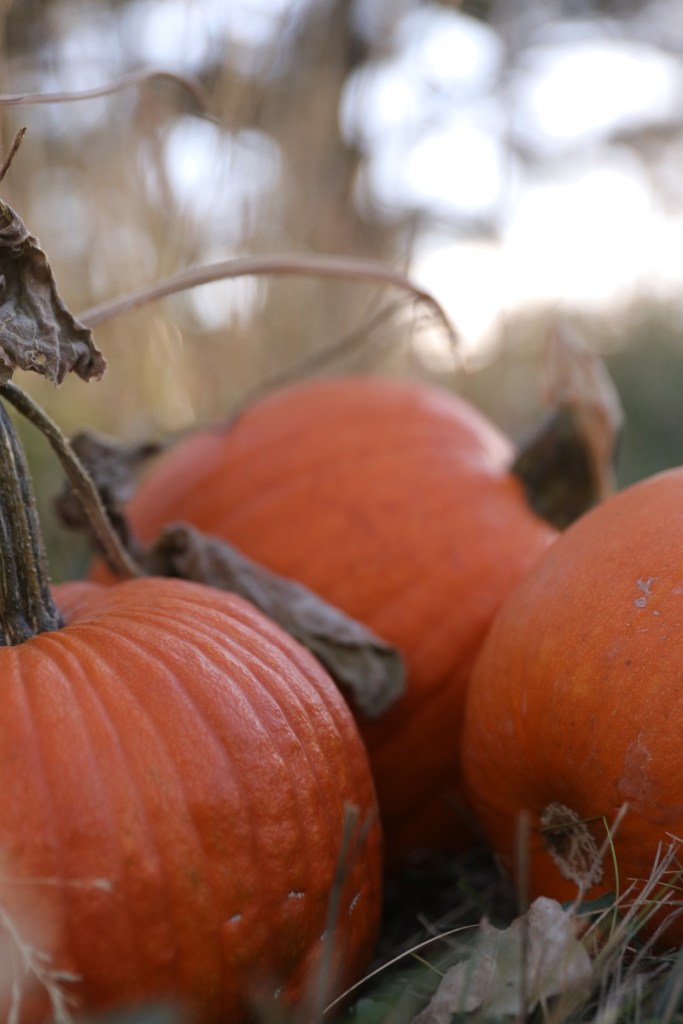
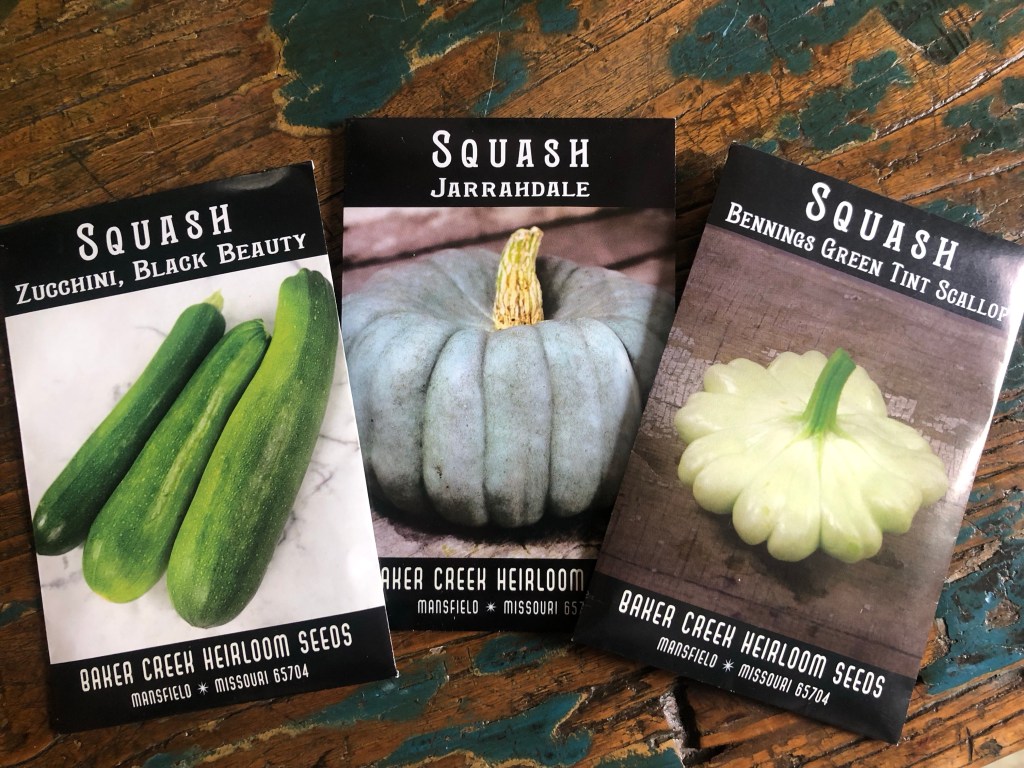
Some new things I’m excited to try are some different pumpkin varieties, including “Jarrahdale”, as well as “Fairytale” and “Rouge Vif d’Etampes”, for some color. These will all get planted at the edge of the garden so they can sprawl without having to corral them. I’m already looking hopefully forward to some fall decorating with a rainbow of pumpkins! I stumbled across a squash called a scallop squash, and decided to try those as well. Fortunately there are as many ways to eat squashes as there are squashes.

Radishes are another vegetable that will be a new addition this year–I discovered how delicious radishes are sauteed! They’ll be the kind of thing I can stick in here and there wherever there is a little space in the garden. A friend came by a bunch of extra seeds and passed a bunch to me, including a few different radish varieties.

And, because I’m a sweet little wife, I will be giving watermelons another try. I have a failed record at growing watermelons, but that and cherry tomatoes are basically the only things he specifically requests that I plant. And so I plant. And hope for better luck with my watermelons this year. Any tips would be gladly appreciated.

What are you growing this year?