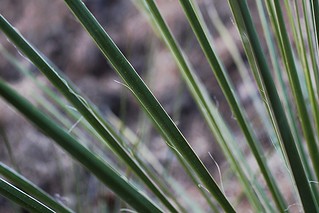
Old Friends

Originally published in the May/June 2024 issue of Down Country Roads Magazine

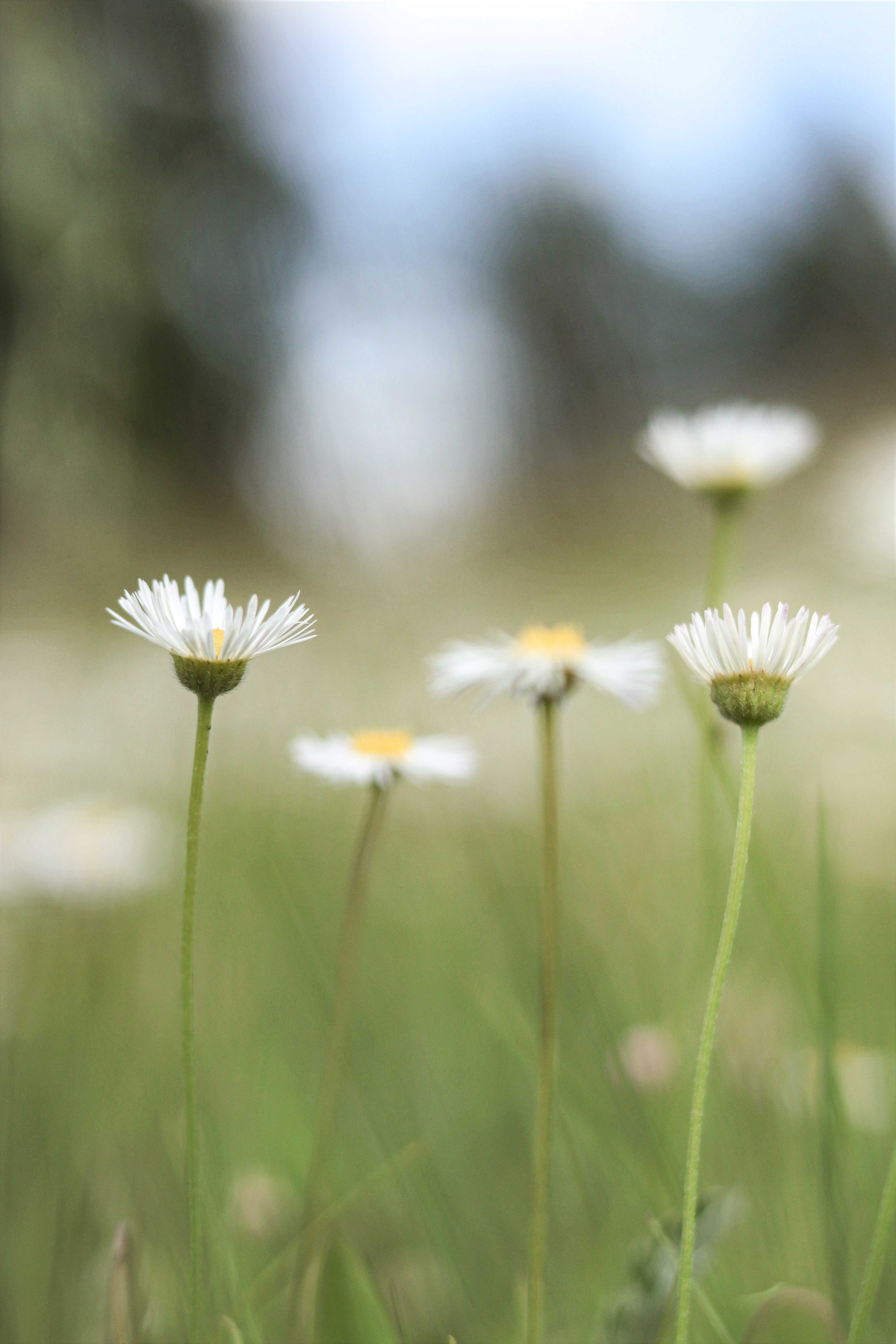
First, I fell in love with violets. I called them wildflowers, but Dad called them weeds, and to his chagrin they grew in abundance in the yard of my childhood home. I can remember picking them handful by fragrant handful, stuffing them into tiny vases with pride and delight. Their sweet faces were enchanting, the sleepy-eyed, quiet little things, all shades of dark blue-purple to white, with the delicate striping at their throats and their whimsical heart-shaped leaves.
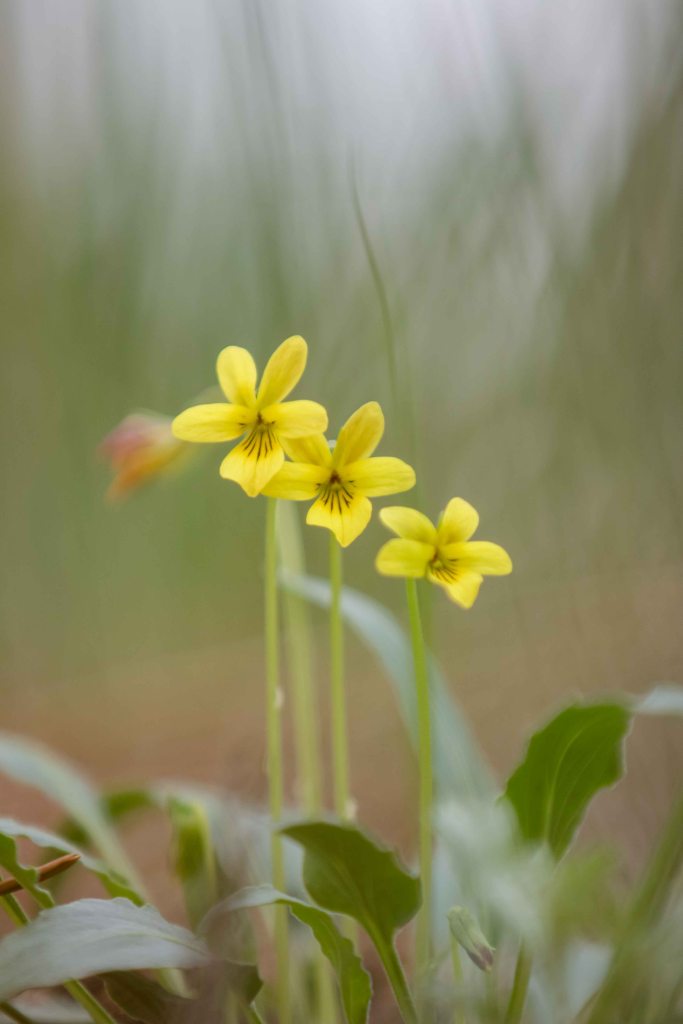
Then I learned their names. They weren’t just violets, but some were common blue violets, some were dog violets. It is one thing to know a flower by sight, to recognize it in a distant sort of a way. It is another thing to know its name. It is like the difference between an acquaintance and a companion.

Thus began a lifelong friendship with the flowers.

Field guides became a favorite and treasured part of my personal library. I learned many names. Each hike or rambling walk was a treasure hunt, every parting of the grasses a discovery. For each new flower I found, I learned a new name, like meeting a new friend.

And meet them I did, learning to see the uniqueness of the flowers, not just nature’s wild and wonderful bouquet.
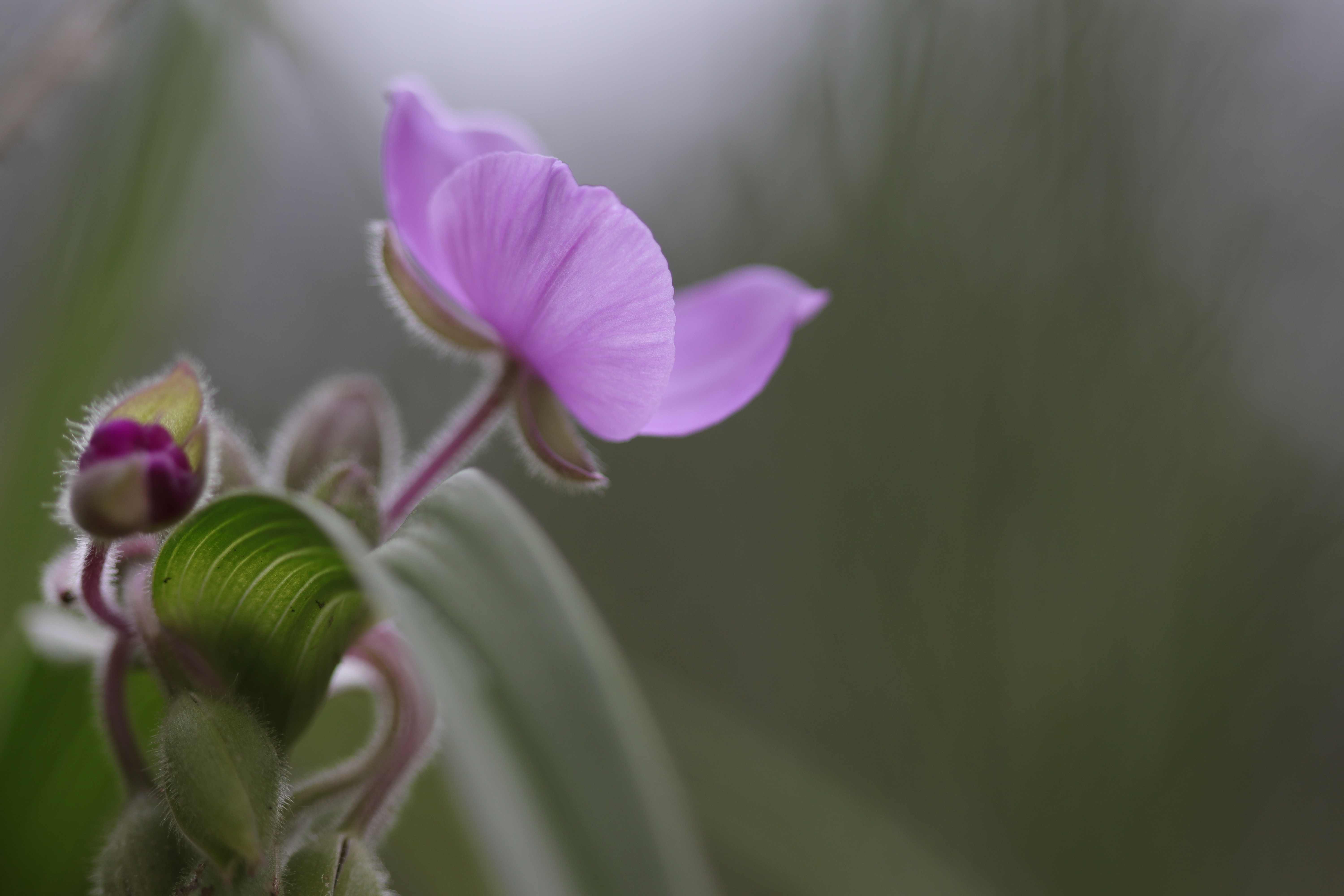
As my friendship with them deepened and their names became familiar, wooded rambles no longer were blind treasure hunts, but reunions, each time I wandered into their domain and sought their company. My photographs of them were no longer just photographs, but portraits. Their familiar faces became as familiar as a friend’s face, their presence was eagerly anticipated, the blooming of different flowers marking milestones throughout the year. I learned their quirks and preferences, to know where each little blossoming beauty likes to be, what hollows they haunt, what hillsides they adorn, and when they adorn them. A well-traveled trail is always new, week to week transformed by the adorning flowers, and sometimes day to day.

Columbine blooms quickly in the early summer and is easily missed, tucked away in the cool, damp hollows and ravines, her salmon and yellow blossoms hanging like pendants from her slender stem. A lucky person might chance upon a blue columbine, rare in the Hills, or even a white morph. Lanceleaf bluebells grow on the hill trail above our house, drinking up the splashes of midsummer sunlight from between the spreading ponderosa pines. Finding the hiding place of the sego lily is a reward in itself, reclusive as she is, and rather shy, maiden-white with a heart of gold. Spiderwort, not overly finicky about where he grows, sometimes in the pines, sometimes on the prairie, boasts his clusters of brightest pink and vivid purple, the local varieties almost impossible to differentiate, as they cross-pollinate with ease. Longspur violets grow in the higher elevations west of us, while their sisters, the pale-lavender larkspur violet and dainty yellow Nuttall’s violet, inhabit the more arid country around my home, flourishing on the grass-covered slopes of the foothills. And then there is the magenta gem of the summer, shooting star, thriving in the shelter of trees and ferny slopes, lighting up like her namesake when the sun is just right. Beebalm, almost a weed but not quite, spreads a mist of color over entire hillsides in the later summer, fragrant and robust. Wild roses, sweet and feisty, grow in the sandiest, hardest-packed ruts of trails, forming rollicking banks of brambles when they are undisturbed, leaving behind crimson jewels at summer’s end which, when harvested, make the most wonderful honey-colored jelly.
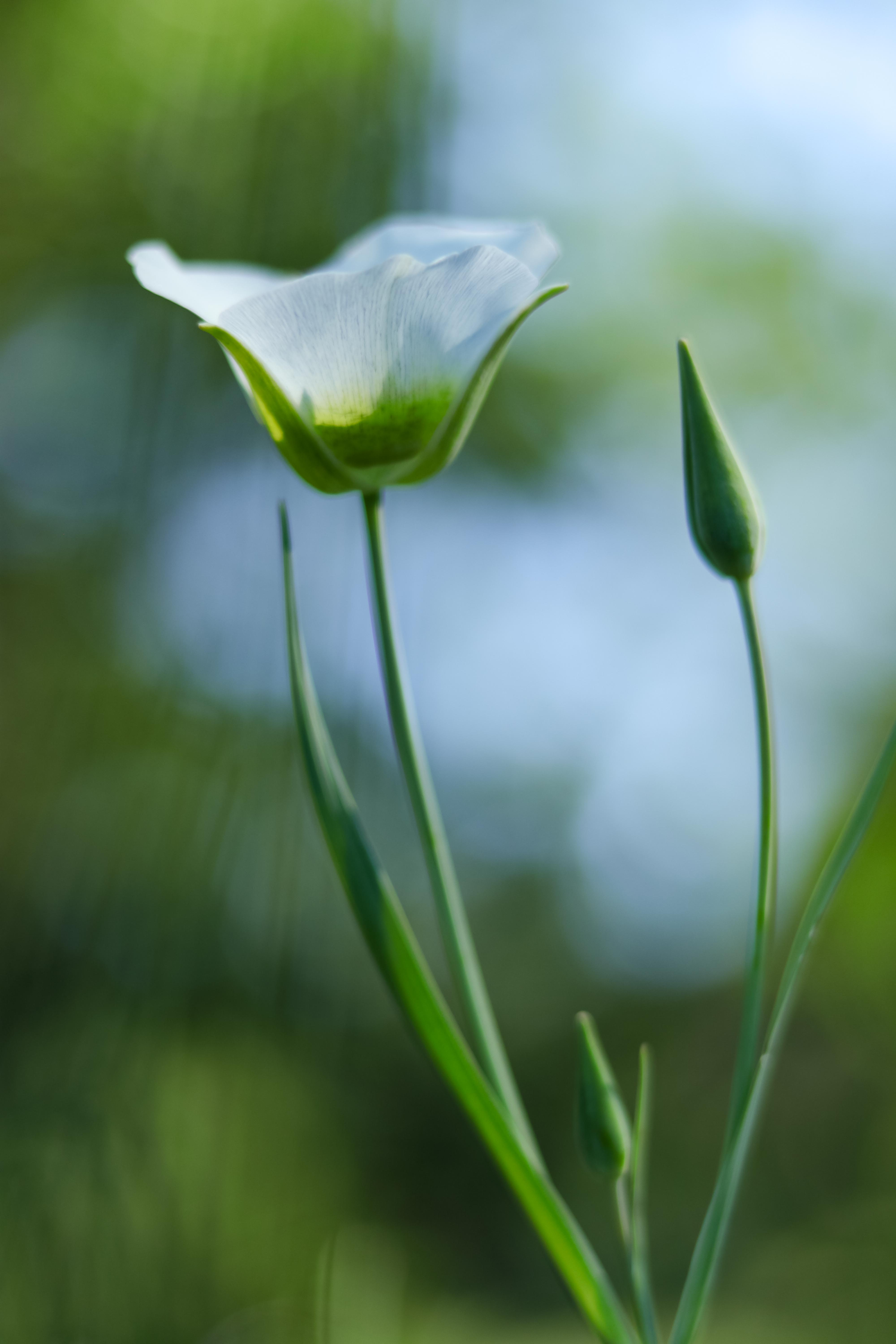
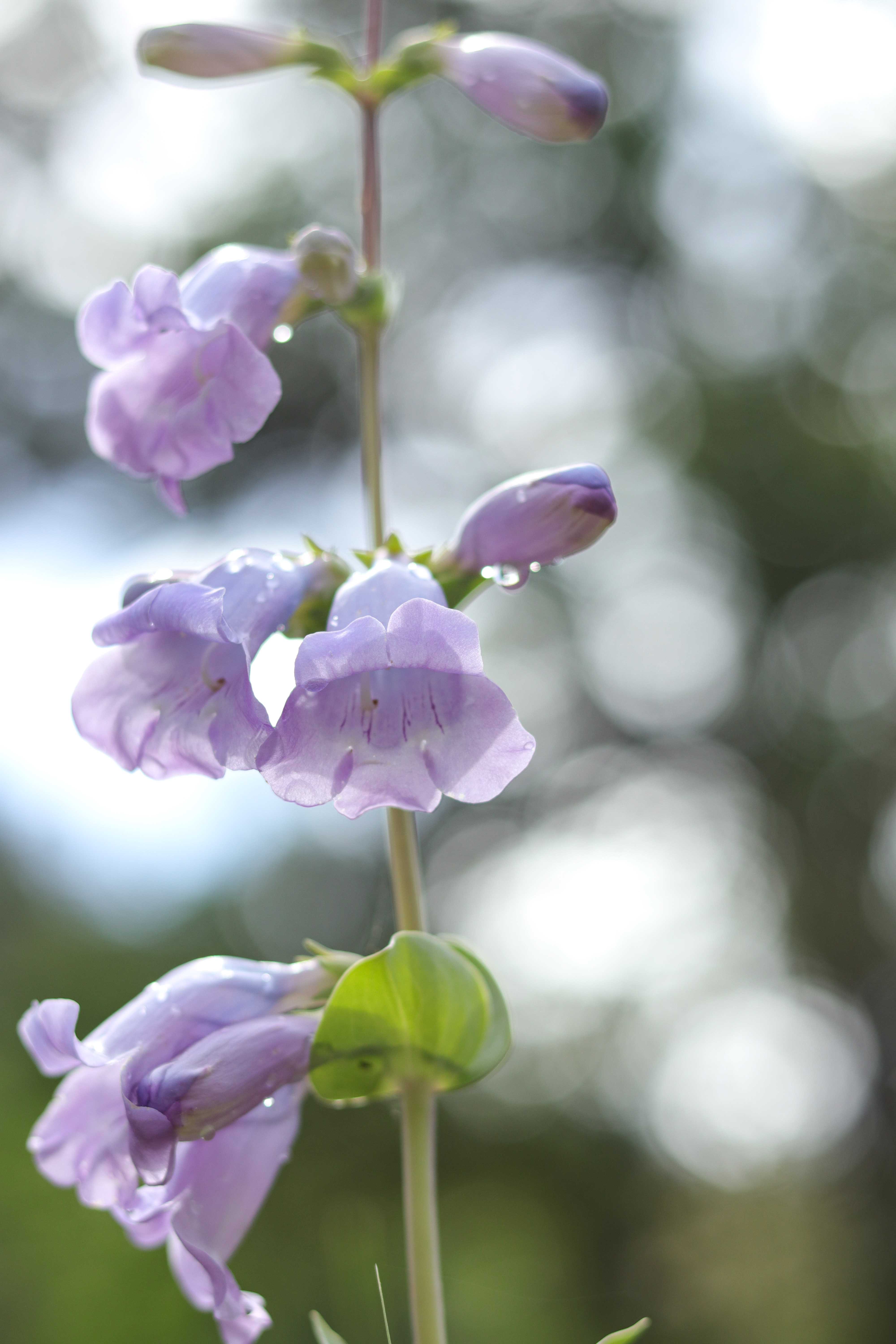
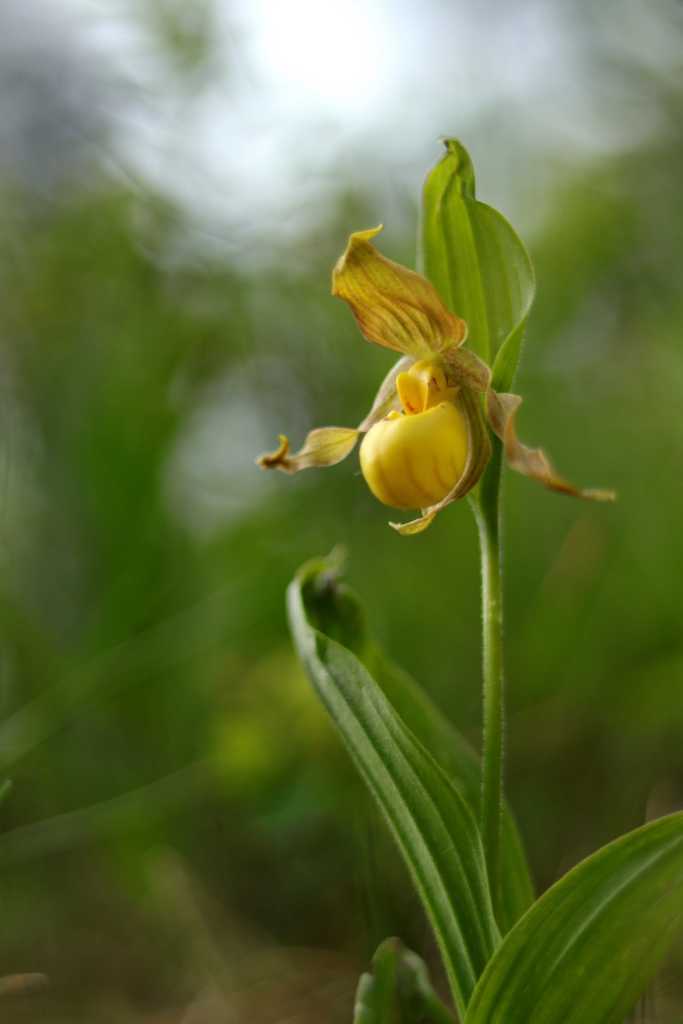
So many names! Names familiar and enchanting and delightful. Prairie chickweed. Purple virgin’s bower. Prairie smoke. Blue flag. Dame’s rocket. Wild buckwheat. Yellow ladyslipper. Pussytoes. Shell-leaf penstemon. Cutleaf anemone. Harebells and asters and fleabane.

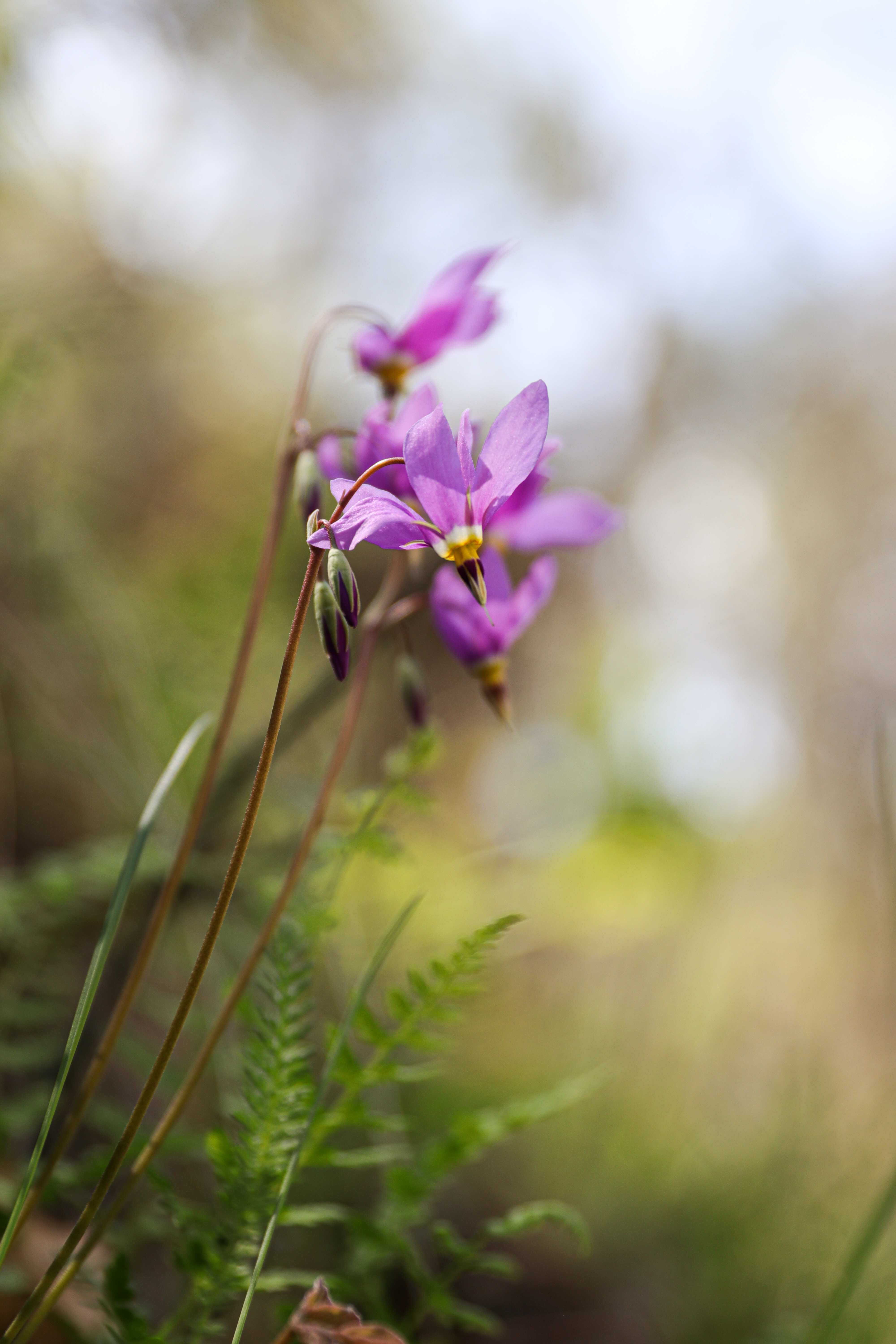
How sweet it is, to be surrounded by familiar, beautiful faces. To peer into the underbrush, to part the tall grasses, to look beyond what many choose to see, to seek and find and learn. To ramble in the woods in the company of so many old friends.  

Ranch Wife Musings | Well Wintered

Originally printed in the Custer County Chronicle on March 6, 2024

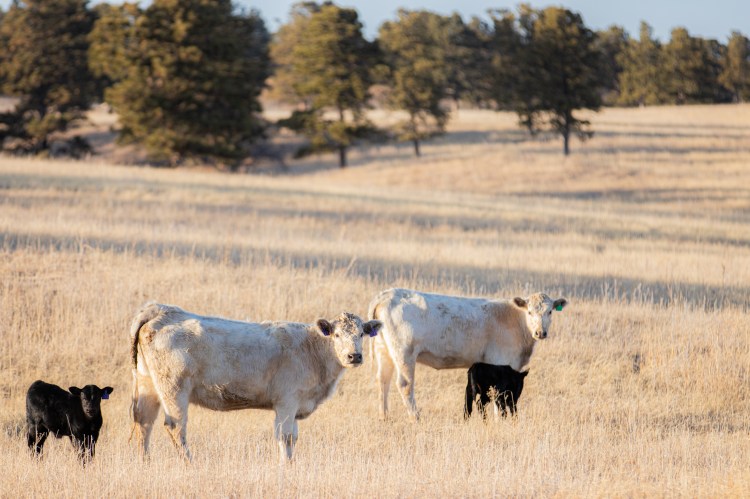
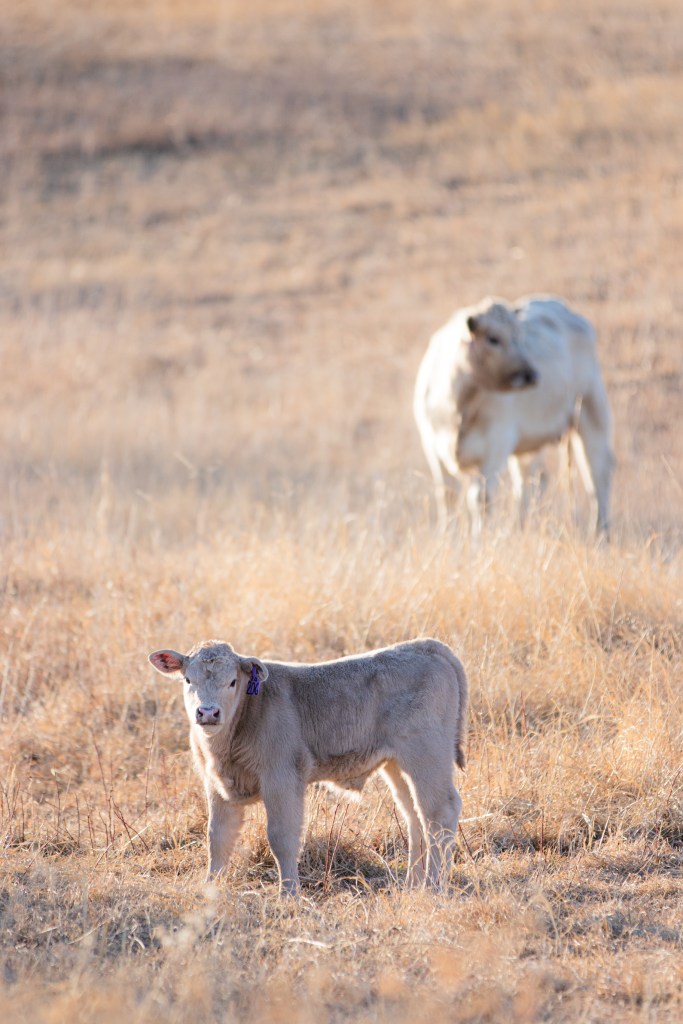
The longest part of the year is officially over. And it flew by. Just yesterday it was October and the trees were losing their leaves, and then it was November and Thanksgiving and we were shipping calves. Now we are standing on the brink of springtime, watching the first calendar day of spring approaching from not even a calendar page away, and the first 50 calves are already skipping blissfully through their short first days of life. We are ready for springtime.

There’s a saying I heard from my father-in-law, that has stuck with me: “Well summered is half wintered.” In other words, livestock that have had been through the summer with plenty of good grass and good water have a healthy fat layer and ample energy stores and are well equipped to face the coming winter. Half the struggle of winter is already taken care of. If, however, cows struggle during the summer, with stricken pasture and bad water, they will continue to struggle and the hardest season will be even harder. They will be bags of bones halfway through January.

2022 was a rough summer, with too little rain and too many grasshoppers, resulting in incredibly poor winter pastures. We were not well summered. Cows looked rough and rougher still as the winter wore on, and the extraordinary cost of feeding hay to get the cows through the winter added up. Cattle prices in the fall just added insult to injury. This time last year, calving season was getting off to a not-so-great start, with a number of odd and unpredictable losses, with a cluster of birth malpresentations and birth defects compounding that. March came in like a lion, indeed, bringing much needed moisture but in the form of calf-killing storms. So, we looked ahead to the spring and the summer with a sense of foreboding. Another summer like 2022 would have been devastating. Springtime was anticipated with dread.

“Well summered.”

I have pondered that saying a lot, actually.

Because it really doesn’t have a lot to do with the hard seasons themselves, but has everything to do with what leads up to those hard seasons. It is so tempting to coast during the easy times, so that we are less than equipped when things get tough.

We do that in marriage, by failing to put in the work to build up our marriage when things are easy and then being taken completely by surprise when our marriage struggles hard when life gets hard.

We do that physically, taking our health for granted while we are healthy, neglecting it rather than working to preserve it, and then being surprised or devastated when our bodies give out.

We do that spiritually, starving our souls, failing to feed ourselves through God’s Word and fellowship and solid teaching when life is easy, and then being shocked when our faith falls apart when life falls apart.

And there are a million other examples. What we do in the good times matters, and it changes how we handle the bad times.

But there is also another facet of this illustration: Sometimes the anticipated rough seasons aren’t as rough as anticipated, or perhaps the preparation was sufficient to offset the challenges. Maybe both. That’s when things are just extra, especially good, and the future is anticipated eagerly.

What a difference a year can make. Going into this winter, we were incredibly well summered. In spite of some wild weather events, the pastures were green and lush leaving plenty of forage for winter, dams caught quite a bit of good water, we actually had a hay crop and full stackyards, and the cows were sleek and fat as winter approached. And they are still sleek and fat. They could have handled much worse of a winter than we experienced. But God was an extra measure of kind, and the winter we had was the sort of winter that would make South Dakota too expensive a place to live, if that was our normal fare. But it was still winter. We still had cold snaps that put stress on the livestock and their keepers, stretches of days that made us extra, especially thankful for being well summered, but also extra, especially thankful for the winter we were given.

And here we are, standing on the brink of springtime. Winter isn’t over yet, and we can get snow until June, but what is generally the hardest part of winter is behind us. There is a bit of green starting to show under the cured grasses of last year, and a few brave little things are poking up out of the soil in the garden. The calves are thriving in the gentle weather, their healthy and maternal mothers unusually capable for first-time mamas, and a new season is just ahead, just around the corner.

Springtime coming looks sweet.

We were not just well summered. We are well wintered. Well wintered, and ready for spring.

Ranch Wife Musings | Mud

It is everywhere! Mud, absolutely everywhere, on everything, tracked into the house and well beyond the mud room, caked on boots, worked into the denim of jeans and crumbling from the legs of the pants. I’m scrubbing it from the floor, washing away those telltale paw prints from one of the pups who busted through the mud room gate or got overzealous when we headed inside.

I’m sweeping up piles and piles of it, combing it from puppy fur, and washing it from my face, from that one cow who turned suddenly and splashed me – twice – in the corrals, flinging it on me head to toe. And that’s special mud, corral mud. It flings up from the tires of the four wheeler, snow and mud spraying up and all over everyone. Coveralls are stiff with it. Floorboards are caked with it. It’s everywhere. Eventually you just have to accept it.

And it’s glorious.

Mud is a promise.

A promise that springtime is coming, the thaw really is happening. Winter is coming to an end.

A promise of moisture. Life-giving. Sustaining.

It’s hope.

Hope for a good year.

Hope for grass, for healthy livestock.

It is an answer to prayer.

Oh, how we have prayed for relief to this parched land. How we’ve prayed for water to fill the dams. For respite from the drought. Without water, there is no mud. And there is mud. Plenty of it. So there is water.

It’s a reminder.

God’s answers to prayers don’t always come all nice and tidy and recognizable. In fact, usually they don’t. Sometimes they’re mud-caked and messy. Sometimes answers to prayer come paired with reminders of our own fickleness, wanting something but grudgingly trying to tell God that the manner of gifting was wrong. “Sure, that’s what I prayed for, but what I meant was….”

So I’m thankful for the mud. For warmth and thaw. For wet and running water trickling down all the trails, pooling in the most inconvenient places. I’m thankful for springtime. For life. For mud-covered blessings.

Morning Hike in Black and White

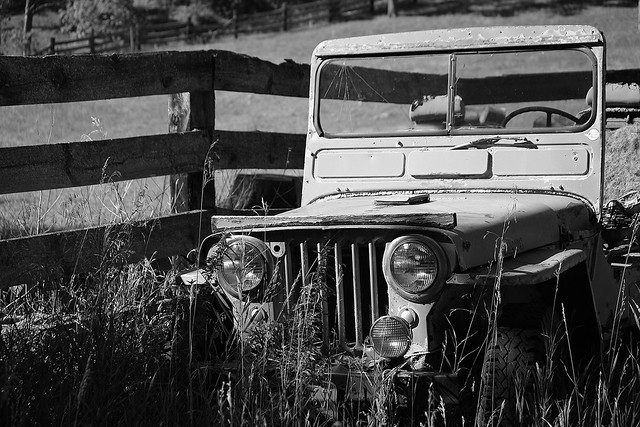
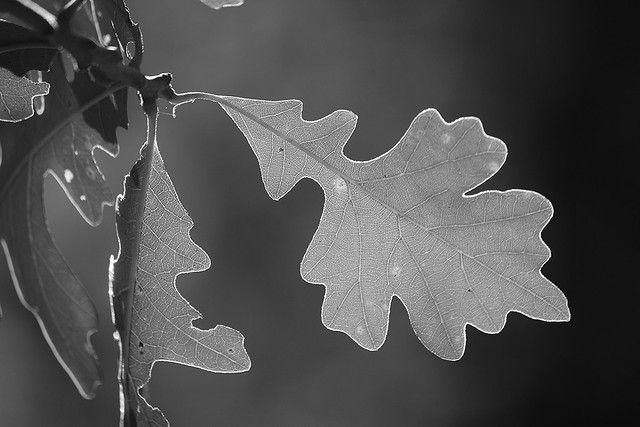
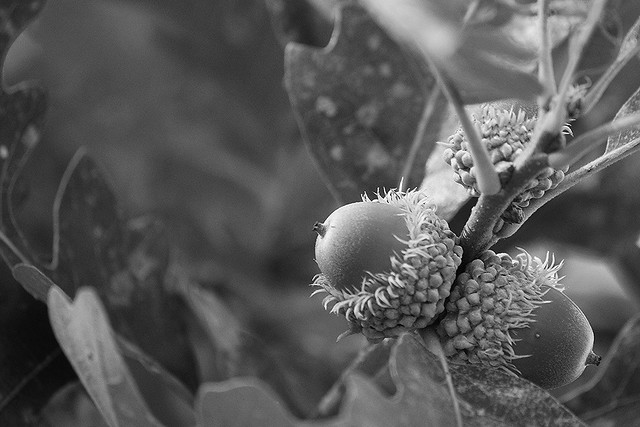
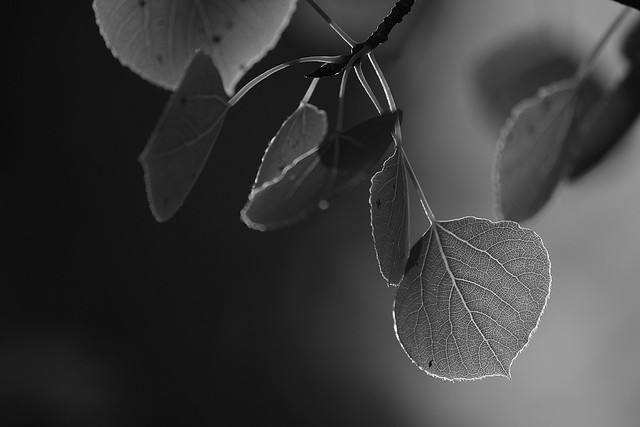
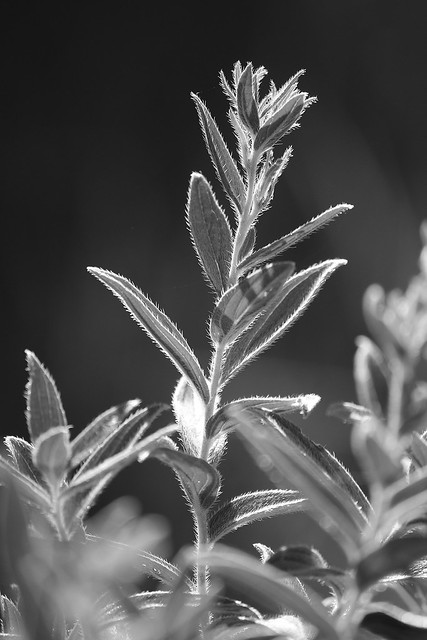
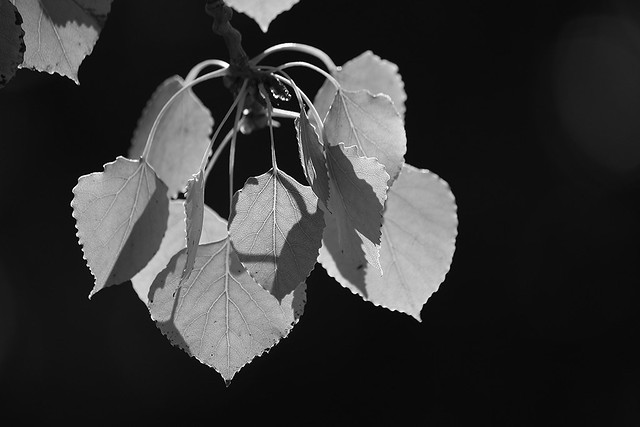
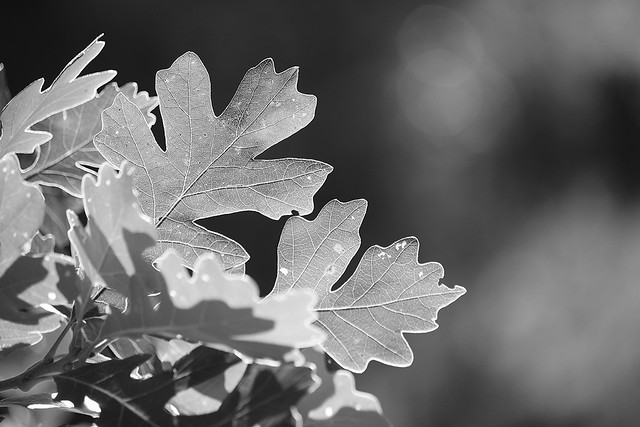
Trixie and I went on a little hike this morning and, as per usual, I took my camera, this time giving myself a challenge: only shoot in black and white. That challenge probably had something to do with browsing some Ansel Adams photography yesterday.IMG_1775

IMG_1763We live in a color-filled world, and limiting oneself to seeing in black and white forces one to look at the world differently. Because black and white really isn’t black and white – It is dark and light. And that’s how one has to see, in darks and lights.IMG_1810

IMG_1833

IMG_1852Composing a shot in color means paying attention to the color palette, paying attention to the color texture and mood of the background, how the sun distorts or realizes the color of the subject. Shooting in color means that the foreground and background actually have to “match” or complement one another, without splashes of distracting color forcing the eye away from the focal point. Shooting in black and white, however, is a whole different ballgame. Instead of composing colors, one has to compose lights and shadows and textures and contrasts. Highlights and lowlights, sunlight and shade. IMG_1823

IMG_1907The delicateness of the flower has to be conveyed not in the delicacy or whimsy of the color, but in the transparency of the petals, the shapes and contours and contrasts. Those things obviously are important in color photography, but they become the essence of black and white photography. The pale green of the sprig of leaves might catch your eye, but in black and white it is the stained-glass quality of the leaf with the sunlight behind it that defines that leaf, not the color. IMG_1792Just a different way of marveling at this wonderful world.

Laura Elizabeth


The Glow and Gleam

IMG_8825Times of year and times of day have characters all their own, colors all their own, slants of shadows and shifting lights that are not shared, but are coveted jealously. There is the gold of autumn, the blue of winter, the joy and bloom of spring.There is the sweetness of the lazy days at the end of summer, the snap and crackle richness of autumn.

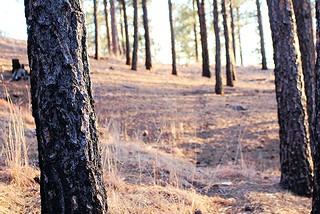
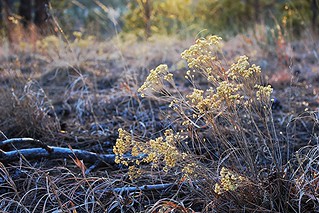
IMG_8847In the dusky winter evening, the already-pale colors became muted and harder to name, as the delicate light of winter gave way to night. Up and over hills, down and into gullies, in and out of the sinking sunlight. Shadows slanted between the trees and on the pine-needed-carpeted slopes, and clumps of rabbit brush seemed to glow, with the sun shining from behind them.

IMG_8865The grey of a snowless winter day took on a golden tint, and all was gold and grey and brown. Here and there flickered glints of green – A lichen nestled in the carpet of pine needles, a tiny star of silver-green leaves growing from a cleft in a rock, a patch of yucca, still green as springtime, and the darker green of the living pines.

At last, the sun sank away and the gold and gleam faded to twilight, then to night. Twilight and dawn, noon and night, summer and winter, spring and fall, heat and cold, cloudy and clear – What a palette, and what a Creator God!

Laura Elizabeth