In the Garden | What I’m Most Excited to Grow

So here’s the thing. I love to garden, but I can’t say I really enjoy babying temperamental and finnicky plants. It is hard enough to grow anything in the Black Hills without having to contend with plants that just want to die. There are some things that just aren’t worth it to me.

So when it comes to planning my garden and picking what to grow, the things I enjoy growing are the things that will do best without me helicopter-mom-ing them. Because the problem with helicopter-mom-ing a garden is that no matter my best efforts, the hail still might wipe it out. Or the grasshoppers might. Or a very late or very early frost. Or, or, or. It isn’t that I don’t enjoy cultivating or the challenge, but if I have to sweet talk a plant into living, then it just won’t do well in my garden.

Also, I really (really, really) don’t want to give something space in my garden (space is a commodity) and only end up with one of something. Unless it is a really big something. So whatever I grow has to be a good producer. Part of the reason I garden (a large part of it) IS self-sufficiency and seeing the grocery bill dwindle to next to nothing during the summer months, and feeling the satisfaction of meals cooked almost entirely from food grown by us.
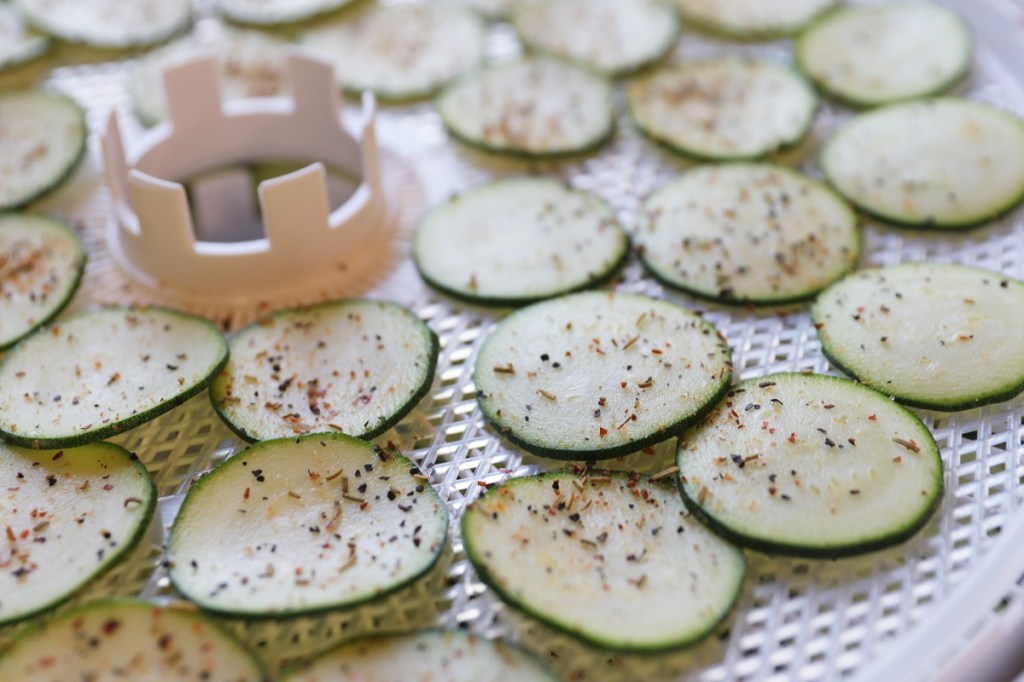
That’s why zucchini is one of my favorite things to grow. For real. Those weeds of plants can be totally wiped out by the hail and it will STILL come back and produce massive squash before the end of the season. And really, I do love growing zucchini. If you hate zucchini, don’t grow it, but it is incredibly versatile and such a great addition to salsa, sauces, soups, is a delicious snack dried, and I love it lightly sauteed or grilled, or even cubed and put into salads and pasta salads. And those massive zucchinis that get found in the late summer? They keep almost as well as winter squash, and are excellent grated and put into something, or even selectively sliced or diced and sauteed. Not quite as delicious as the smaller, tenderer zucchinis, but it is a widespread misconception that large zucchinis are inedibly woody and good only for zucchini bread. This poor veg gets a bad rap, probably because people in general lack the imagination to prepare it more than one way, but it is arguably the most versatile thing a person can grow in the garden, and one of the easiest. Consider it the gateway vegetable.

Hubbard squash is another favorite of mine. I grew it two summers ago (last year the hail wiped it out), and ended up with easily probably 100-150 pounds of great-keeping squash that we slowly worked on over the winter. Hubbards can get up to 40 pounds–The biggest I harvested was about 25 pounds. It can be used like a butternut or even a pumpkin, with bright orange, mellow flesh that bakes incredibly well. I loved to roast it and spice it up with some savory seasonings, and we’d eat it like mashed potatoes.
Basil is an herb I’m particularly fond of growing. It is very prolific, pretty disease resistant in my experience, and it is so easy to preserve it by chopping it finely with a food processer with some oil and freezing in ice cubes. The flavor is incredible.

As far as tomatoes go, Amish paste tomatoes are one of my favorites. They are great producers, especially in my greenhouse using strip-pruning to encourage fruiting, the texture is great, and they are so versatile. Big enough to slice for sandwiches, but fleshy enough for salsas or just eating straight off the vine, these have quickly become my go-to tomato.

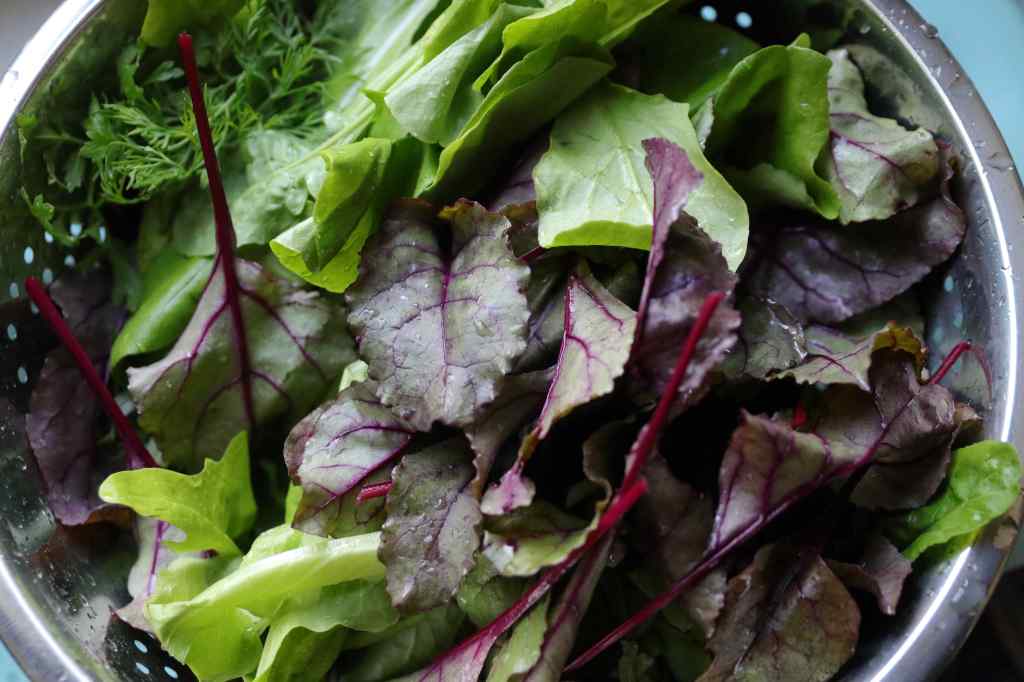
Chard, cress, arugula, and lettuce blends are also incredibly easy to grow, and once you’ve tasted a fresh-picked salad with spicy cress and arugula, a few sprigs of fresh dill, and a variety of lettuces, it is just hard to go back.
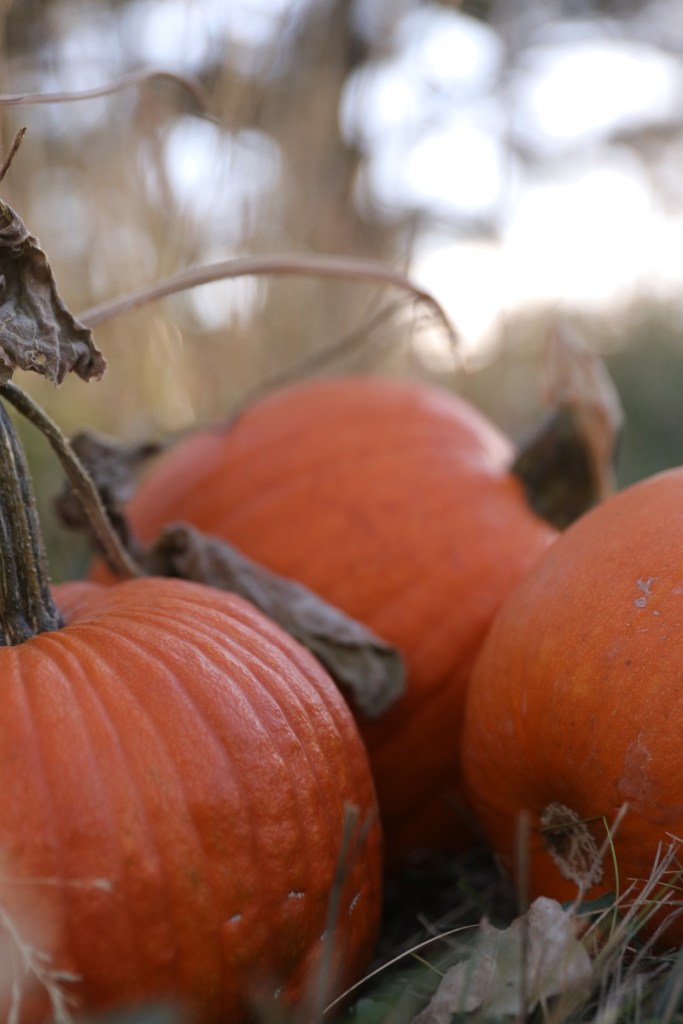
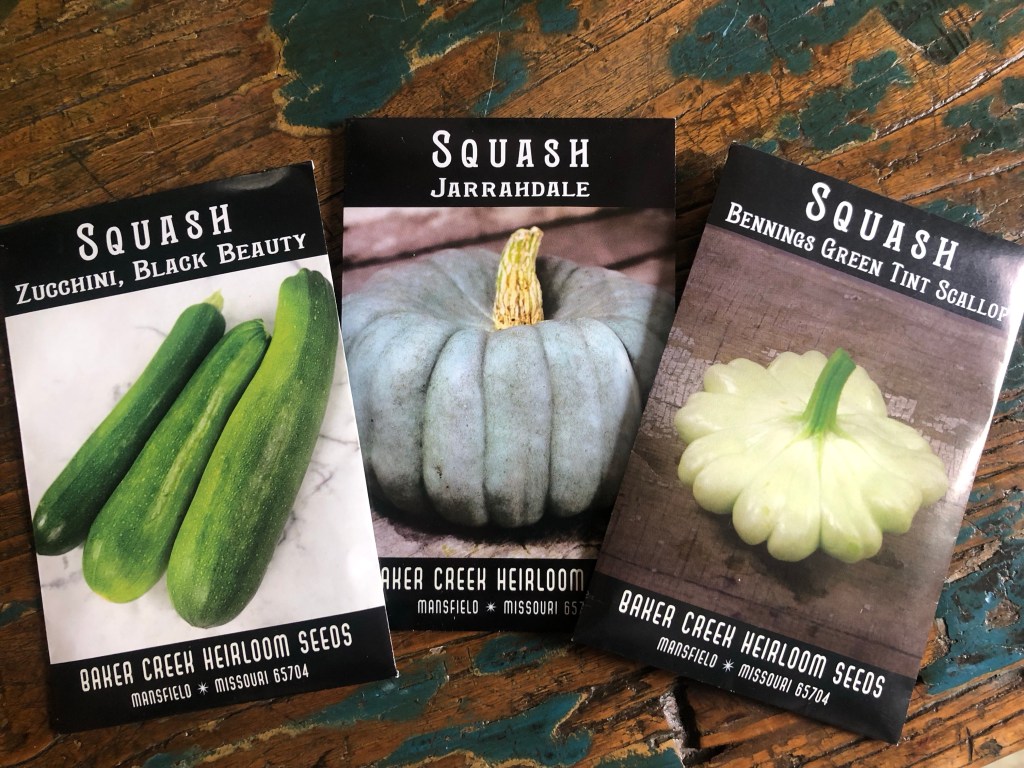
Some new things I’m excited to try are some different pumpkin varieties, including “Jarrahdale”, as well as “Fairytale” and “Rouge Vif d’Etampes”, for some color. These will all get planted at the edge of the garden so they can sprawl without having to corral them. I’m already looking hopefully forward to some fall decorating with a rainbow of pumpkins! I stumbled across a squash called a scallop squash, and decided to try those as well. Fortunately there are as many ways to eat squashes as there are squashes.
Radishes are another vegetable that will be a new addition this year–I discovered how delicious radishes are sauteed! They’ll be the kind of thing I can stick in here and there wherever there is a little space in the garden. A friend came by a bunch of extra seeds and passed a bunch to me, including a few different radish varieties.

And, because I’m a sweet little wife, I will be giving watermelons another try. I have a failed record at growing watermelons, but that and cherry tomatoes are basically the only things he specifically requests that I plant. And so I plant. And hope for better luck with my watermelons this year. Any tips would be gladly appreciated.

What are you growing this year?

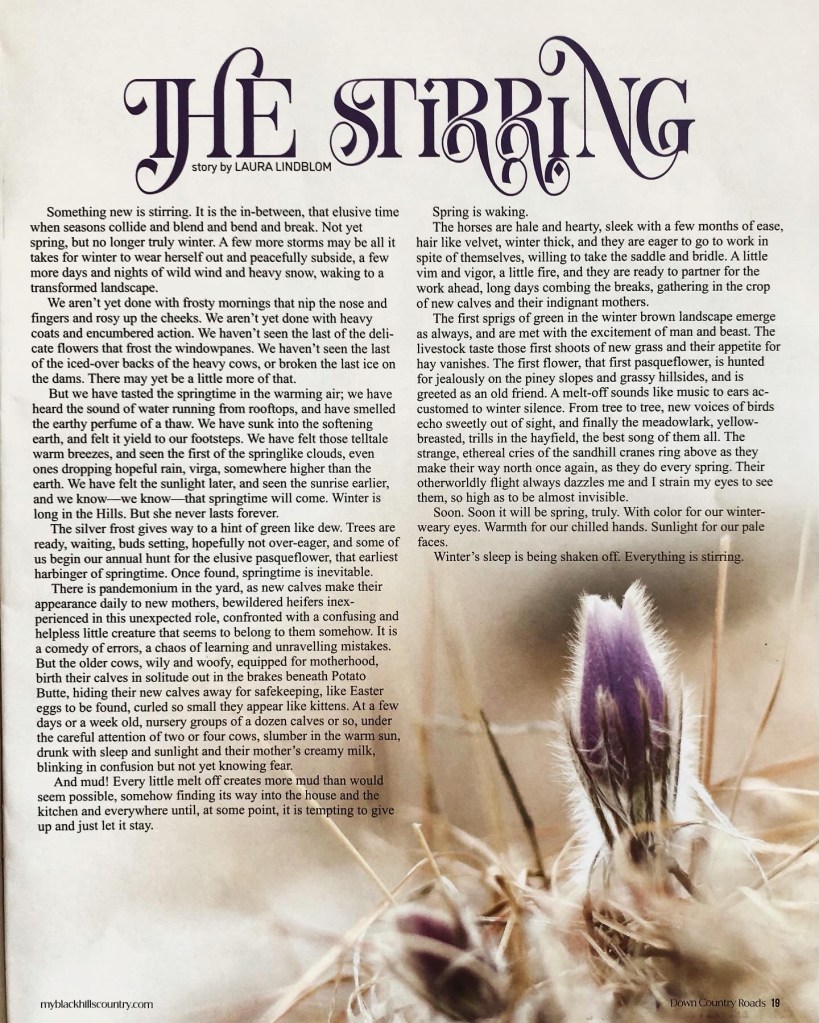
The Stirring

Originally printed in the March/April 2024 issue of Down Country Roads Magazine

Something new is stirring. It is the in-between, that elusive time when seasons collide and blend and bend and break. Not yet spring, but no longer truly winter. A few more storms may be all it takes for winter to wear herself out and peacefully subside, a few more days and nights of wild wind and heavy snow, waking to a transformed landscape.

We aren’t yet done with frosty mornings that nip the nose and fingers and rosy up the cheeks. We aren’t yet done with heavy coats and encumbered action. We haven’t seen the last of the delicate flowers that frost the windowpanes. We haven’t seen the last of the iced-over backs of the heavy cows, or broken the last ice on the dams. There may yet be a little more of that.

But we have tasted the springtime in the warming air; we have heard the sound of water running from rooftops, and have smelled the earthy perfume of a thaw. We have sunk into the softening earth, and felt it yield to our footsteps. We have felt those telltale warm breezes, and seen the first of the springlike clouds, even ones dropping hopeful rain, virga, somewhere higher than the earth. We have felt the sunlight later, and seen the sunrise earlier, and we know—we know—that springtime will come. Winter is long in the Hills. But she never lasts forever.

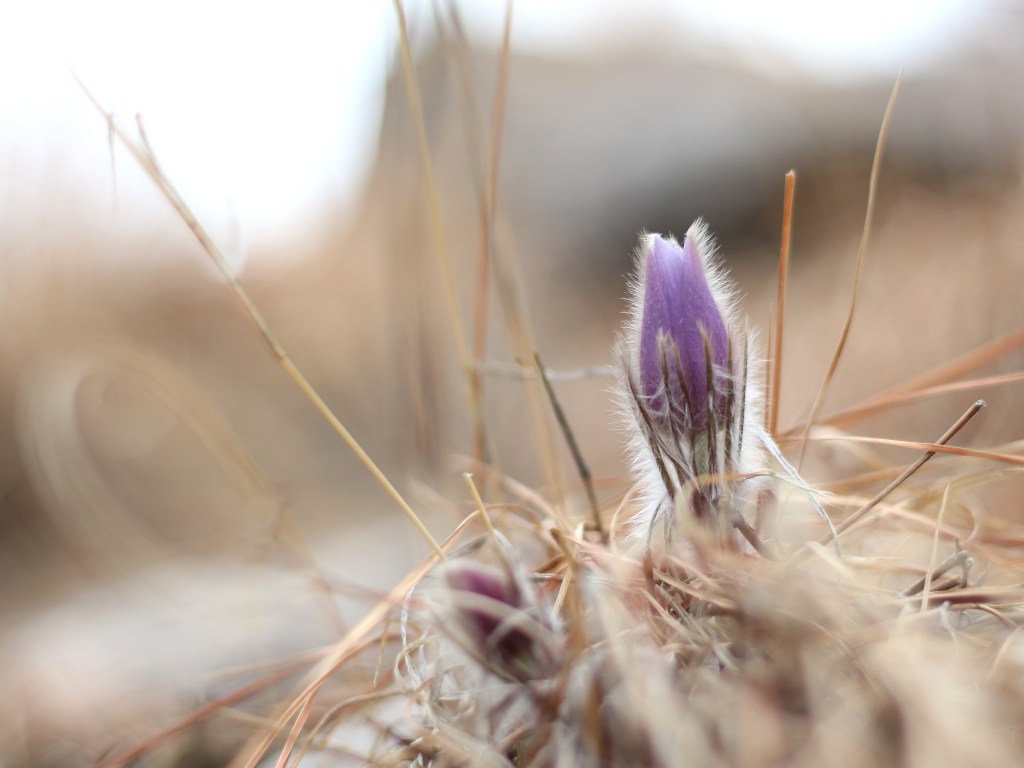
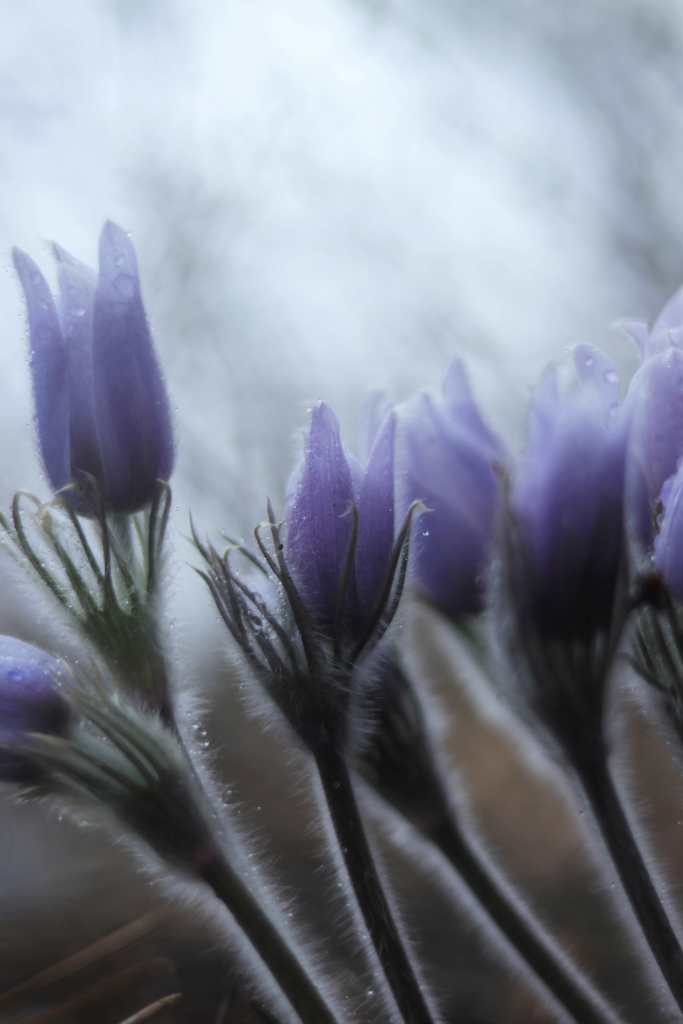
The silver frost gives way to a hint of green like dew. Trees are ready, waiting, buds setting, hopefully not over-eager, and some of us begin our annual hunt for the elusive pasqueflower, that earliest harbinger of springtime. Once found, springtime is inevitable.

There is pandemonium in the yard, as new calves make their appearance daily to new mothers, bewildered heifers inexperienced in this unexpected role, confronted with a confusing and helpless little creature that seems to belong to them somehow. It is a comedy of errors, a chaos of learning and unravelling mistakes. But the older cows, wily and woofy, equipped for motherhood, birth their calves in solitude out in the brakes beneath Potato Butte, hiding their new calves away for safekeeping, like Easter eggs to be found, curled so small they appear like kittens. At a few days or a week old, nursery groups of a dozen calves or so, under the careful attention of two or four cows, slumber in the warm sun, drunk with sleep and sunlight and their mother’s creamy milk, blinking in confusion but not yet knowing fear.

And mud! Every little melt off creates more mud than would seem possible, somehow finding its way into the house and the kitchen and everywhere until, at some point, it is tempting to give up and just let it stay.

Spring is waking.

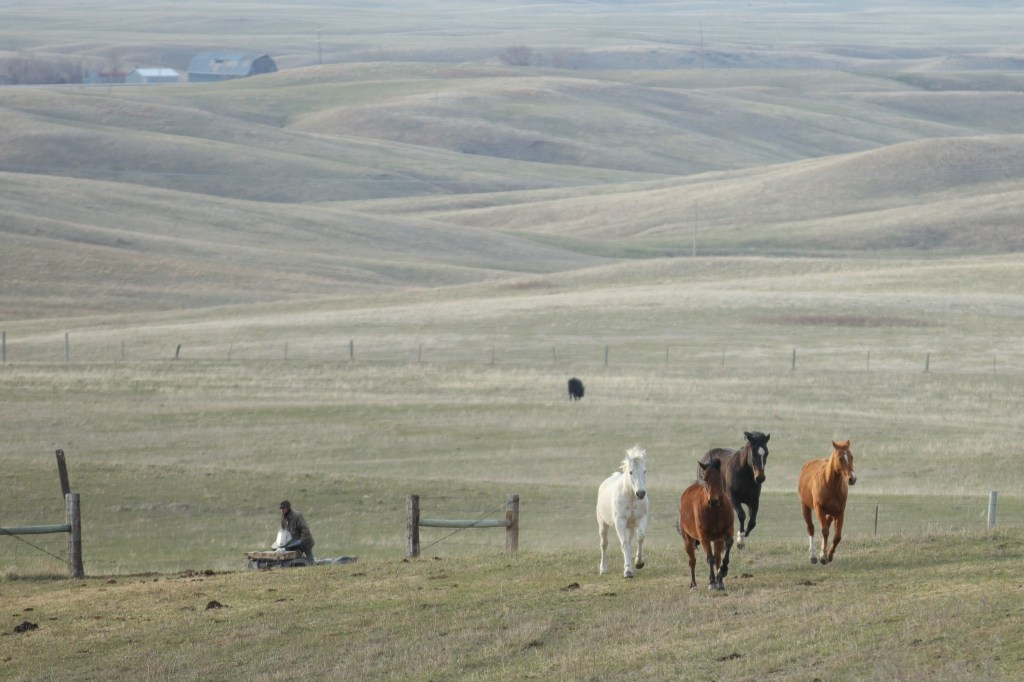
The horses are hale and hearty, sleek with a few months of ease, hair like velvet, winter thick, and they are eager to go to work in spite of themselves, willing to take the saddle and bridle. A little vim and vigor, a little fire, and they are ready to partner for the work ahead, long days combing the breaks, gathering in the crop of new calves and their indignant mothers.

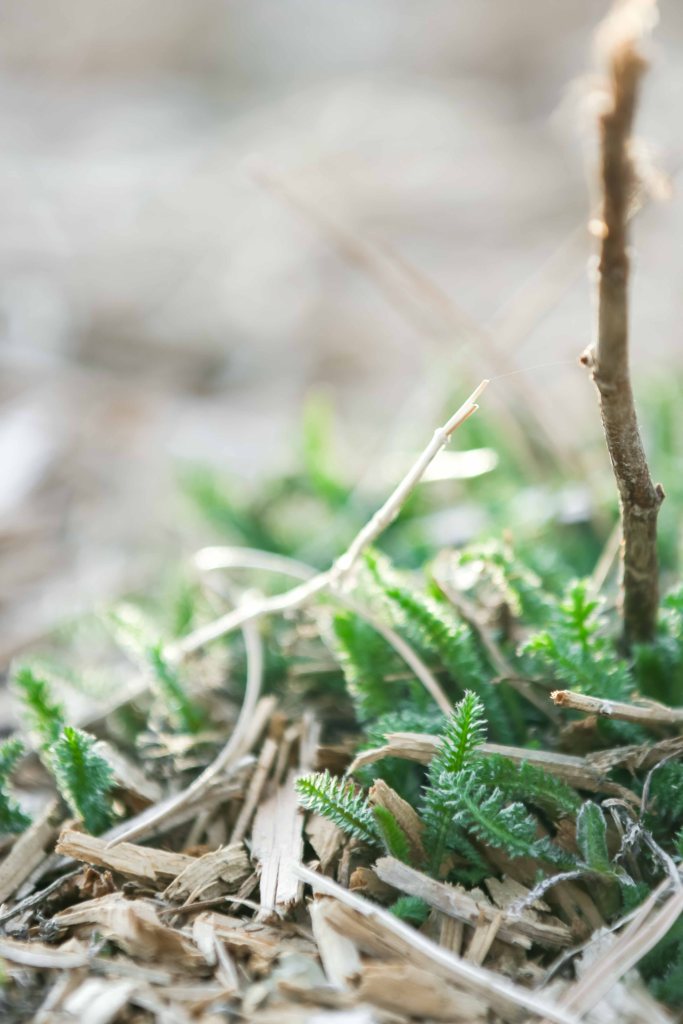
The first sprigs of green in the winter brown landscape emerge as always, and are met with the excitement of man and beast. The livestock taste those first shoots of new grass and their appetite for hay vanishes. The first flower, that first pasqueflower, is hunted for jealously on the piney slopes and grassy hillsides, and is greeted as an old friend. A melt-off sounds like music to ears accustomed to winter silence. From tree to tree, new voices of birds echo sweetly out of sight, and finally the meadowlark, yellow-breasted, trills in the hayfield, the best song of them all. The strange, ethereal cries of the sandhill cranes ring above as they make their way north once again, as they do every spring. Their otherworldly flight always dazzles me and I strain my eyes to see them, so high as to be almost invisible.

Soon. Soon it will be spring, truly. With color for our winter-weary eyes. Warmth for our chilled hands. Sunlight for our pale faces.

Winter’s sleep is being shaken off. Everything is stirring.

Baskets

My poor husband. I have a thing for baskets. And I love hunting for them at thrift stores, and finding beautiful and useful ones for egg gathering and bread serving and any other thing. He’s a little stymied by the basket thing. That, and the throw pillow thing. Oh, well. He doesn’t need to understand, it’s fine.

I found this pretty little one at a thrift store in town yesterday, and it is the perfect addition to my collection of egg baskets!

The chickens are finishing up a rough molt, but their egg production is holding pretty steady, and finally their beautiful plumage is growing back in! They looked so rough for a few months there, it finally they’re getting well-feathered and glossy again. Faithful little birds.

Eggs and Yogurt

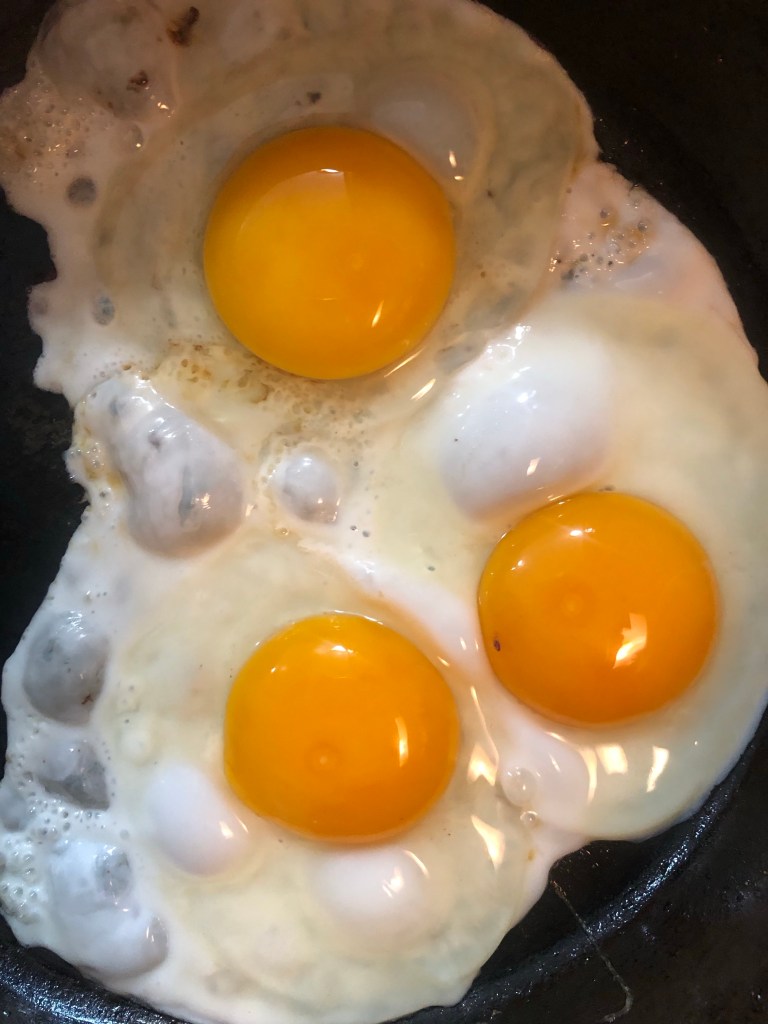
Maybe two of the simplest foods. Eggs and yogurt. And it is amazing what we’ve grown accustomed to from the grocery store, and how incredibly delicious they are when homegrown.

One of the things I love about having chickens (and now a milk cow!) is being able to provide friends and family with fresh (fresh fresh!) eggs and milk. But of course I also love to be able to enjoy them at home, too!

I made yogurt for the first time with Posey’s milk, and tasted it this morning. Goodness gracious. There’s a night and day difference between store bought yogurt and homemade yogurt with store bought milk, but there’s an even bigger night and day difference when you use fresh, raw milk! Sweet, creamy, without any of the bitterness of store bought. You don’t even need to add anything to it, it is so good!

Simple pleasures.

Make Something

In a culture that wants fast and easy, cheap and replaceable, instant gratification and consumerism, convenience and mass-produced, it makes no sense to walk away to something totally different. It makes no sense to do for oneself. To take the long way around. To do it the slow way. To accept and embrace inconveniences.

If you had told me how satisfying it would be to eat eggs from my chickens, milk and cream and butter from my own milk cow, our own meat and vegetables and fresh baked bread, I would have believed you, but I wouldn’t have understood. Five years ago and ten years ago, my heart wanted that. But I had no idea.

No idea how satisfying it would be. How inconvenient and simple and hard and beautiful and growing it would be. How frustrating and elevating. It has moments of romance and sheer hilarity and humbling. And I wouldn’t want to change a thing.

Push back against a consumer mentality and become a producer. In small ways. Learn to make bread. Cook from scratch. Grow a few veggies on your deck. Keep an herb garden. Learn a few skills to do things yourself. Dust off your sewing machine. It doesn’t have to be complicated and baby steps are beautiful.

Because there is nothing like serving a home cooked meal, picking veggies from the garden, or pulling a loaf of fresh baked bread from the oven, or handing a neighbor a dozen fresh eggs, or a gallon of fresh milk. There’s nothing like knowing you made that. A factory in China didn’t make that. A computer didn’t execute that. You did that. You did the cultivating and the picking and the mixing and kneading and milking and stitching.

So go make something.

Season of Thanks | November 18

It’s the little things. Truly. My own cow’s cream in my coffee. My own chickens’ eggs for breakfast. Sunlight through the open barn door while milking Posey.

It’s the little things. That really aren’t so little after all.