There is a mystery about the oak tree – Something about it captures the imagination. Seeing how it has been woven into cultures worldwide fascinates me. What is it about this tree? Oaks serve as national symbols of many countries, including the United States. Oak trees stand for perseverance and strength, for obvious reasons, and their utility is highly sought. But it isn’t just the strength and the utility. They have been woven into the religious fibers of pagan cultures, Celtic, Greek, Nordic, and others, and are considered to be associated with various gods and religious rites.
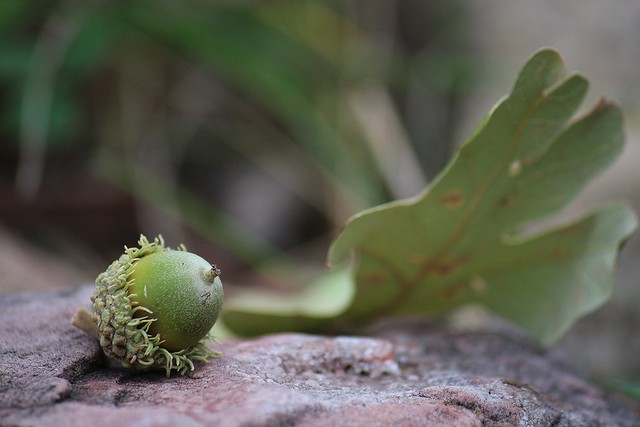 Oak trees are plentiful in the Black Hills. These stubborn, wizened trees grow in thick groves in low places, some towering tall, others stunted and blighted but as tenacious as ever. One very special burr oak is just a few miles down the road from us, the Council Oak, a several-hundred-year-old tree that served as a meeting place for the battling Sioux and Crow Indians in the 1700s. To have served as a meeting place more than 200 years ago, it must have been of considerable size even then. And now, it is awe-inspiring.
The pagan cultures can marvel at the oak and adopt it as a symbol of their religious beliefs. And as a Christian, I can’t help but be struck by how close they come, in one sense, yet how far. The wonder of the pagans evidences, I think, the innate knowledge that only a Creator God could have crafted something as marvelous as the oak tree. Consider, for instance, the polytheistic mythology of the Greeks and Romans. They were overwhelmed by the beauty of the world they lived in and, being pagan nations that did not know God, they assigned to the wonders of the world their own created deities, to explain to themselves the marvels they witnessed. Even so, druids performing pagan rites chose “sacred” oak groves as the place of their activities. Oaks were the trees of Thor and of Zeus. These cultures were so close, on one hand, recognizing something glorious and incomprehensible in the world around them, yet were so far off in attributing the glory to Whom it was due.
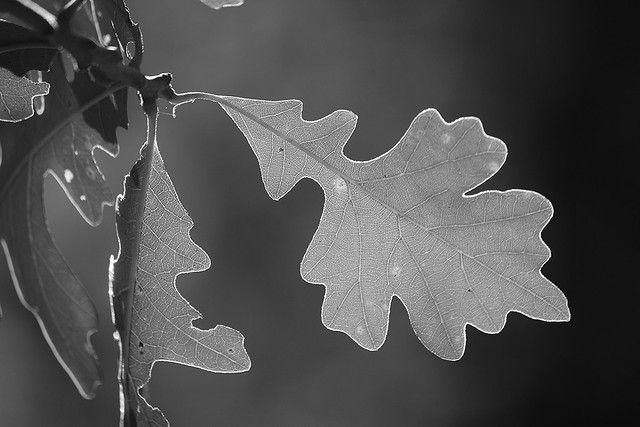 In Isaiah 61, the Lord proclaims this beautiful mission fulfilled in His coming:
The Spirit of the Lord God is upon me,
because the Lord has anointed me
to bring good news to the poor;
he has sent me to bind up the brokenhearted,
to proclaim liberty to the captives,
and the opening of the prison to those who are bound;
2 to proclaim the year of the Lord‘s favor,
and the day of vengeance of our God;
to comfort all who mourn;
3 to grant to those who mourn in Zion—
to give them a beautiful headdress instead of ashes,
the oil of gladness instead of mourning,
the garment of praise instead of a faint spirit;
that they may be called oaks of righteousness,
the planting of the Lord, that he may be glorified.
May Christ’s Children truly be oaks of righteousness, in this storm of political and social upheaval, in the torrent of temptation that assaults us daily, in this time when all vigilance is required. May we seek righteousness, for the glory of Christ. May we glorify Him in proclaiming the truth. May we be like oaks, unshaken, gracious, courageous, and tenacious, and may our words and actions and witness be like the treasure of the acorn, fruitful. For as wonderful as the oak tree is, how miraculous is the acorn.
 Just as Abraham’s seed contained the whole world of Redeemed, both those who are God’s Chosen by birth (the nation of Israel) and those who are God’s Chosen by blood (all Christians), contained within the tiny shell of an acorn is a whole forest of trees. A whole forest of trees.


 It doesn’t make sense. It isn’t a story I would have written. I would have tweaked a few things. I would have made the object of rescue deserve it a little bit. I would have made the Hero a little bit volcanic, grabbing those who spat on Him by the shirtfront and giving them a righteous shake. But it is God’s story, and blessed be His name for choosing so glorious a rescue to be the story of all history! He makes it possible for us to live a life that is pleasing to Him – I have no power on my own to live a “good life.” I have no power toward any good, without the strength of Christ in me. (Ezekiel 36:26-27)
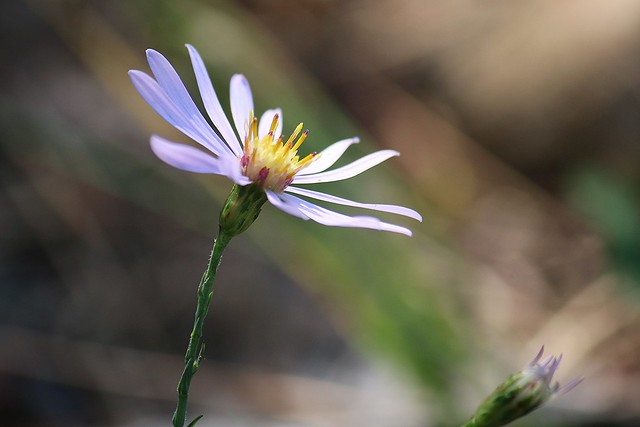 Beautiful is that which is good, that which is undefiled, that which is pure. Beautiful is that which gives evidence to God’s created order. Beautiful is that which gives evidence to God’s love and care. Beautiful is that which gives evidence to God’s power and His might. Beautiful is that which points to God’s knowledge and wisdom. Beautiful is that which honors God.
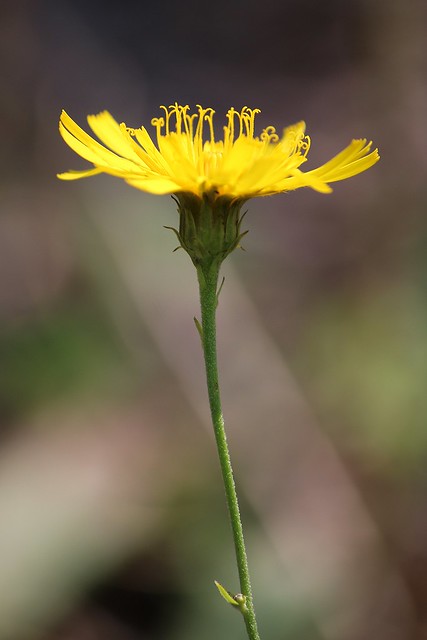 The Psalmist wrote: “One thing have I asked of the
  Every time I go on a hike, or take a drive through the Hills, I am confronted with the beauty of the LORD. Some days, I am more sensitive to it than others, more aware or willing to wonder. He draws my eye to those things of beauty that He has showered through His world, and my heart aches. I am struck by the beauty of the LORD, the glory of His creation, the love He has lavished on us in giving us so beautiful a world to live in, to taste, to see, to hear, to touch, to smell, or in giving us senses at all. Everything we see, including the fact that there is even such a concept as beauty, is evidence of Someone who is greater than I am, evidence that Someone instilled in each human the knowledge of a Creator God. We can suppress that knowledge. We can deny it. But that knowledge is there.
 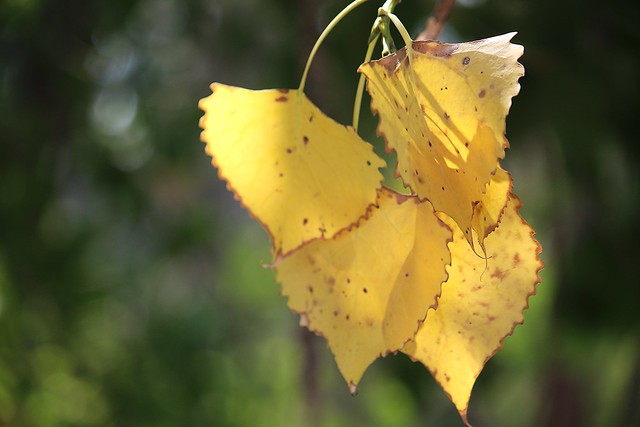 Over the last year or so, ever since arriving in the Black Hills and beginning to attend church in Custer, I’ve been learning more and more about God’s sovereignty, even over the little things. I think as Christians we often forget the little things, even though it is those little things that are so often present for us to enjoy, reminding us of the goodness of our Savior. If every good and perfect gift really is from God, and if God truly is the standard of beauty, then those delights I enjoy while marveling at the sunlight caught in flower petals or the shimmering gold of early yellow leaves or the spots on a fawn, then those delights are gifts from the loving hand of God. If something draws my mind to Jesus Christ, then that is a gift and should be cherished.
 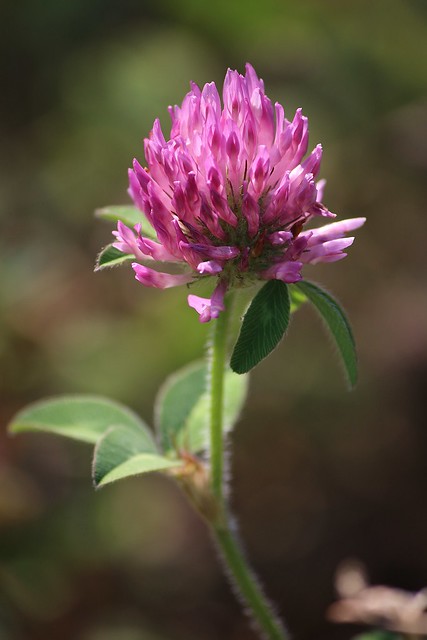 For the Christian, we should set our minds on those things that glorify God, those things that cause us to consider Him. We should cultivate eyes that see His beauty, a heart that yearns for His beauty, and lips that speak of it. Philippians 4:8 commands: “Finally, brothers, whatever is true, whatever is honorable, whatever is just, whatever is pure, whatever is lovely, whatever is commendable, if there is any excellence, if there is anything worthy of praise, think about these things.”
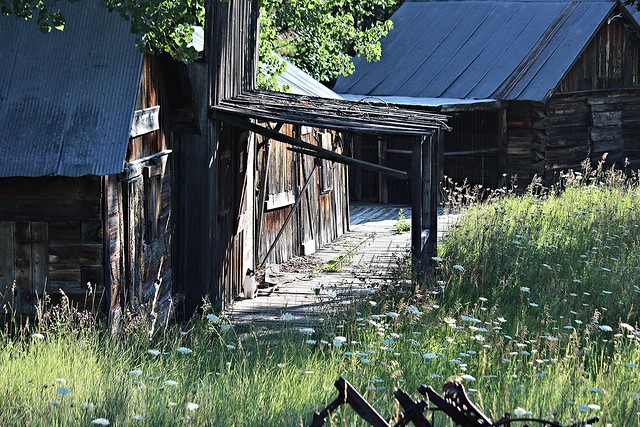 A forest of Queen Anne’s Lace sparkled in the waking light, and a cat groomed herself on the porch of an old tumbledown storefront. A few people still live in the area of Old Rockerville, and a single restaurant is a favorite local stop. The past and present mingle in this place.
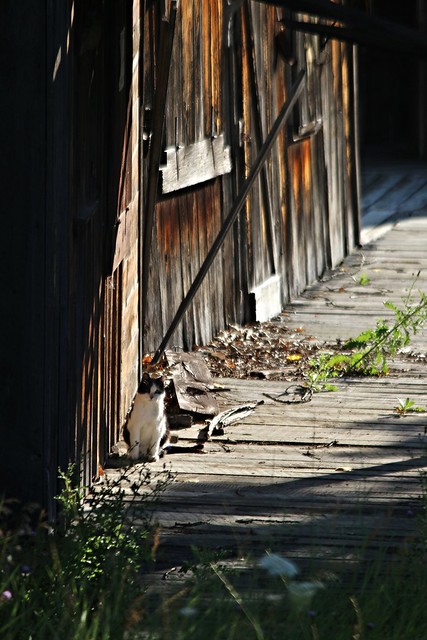 How many miners made and lost their fortunes in this place so long ago, yet not so long ago? What sort of men were they who spent their best years breaking their backs for a myth of easy riches, or breaking other men’s backs because the other men believed the myth? What professions did they leave to come mine placer gold at a rough and wild gold camp? How many drifted from one gold camp to another, and how many put their roots down and attempted to build up a life for themselves, and perhaps for a wife and children? Where were they born? And where did they die?
 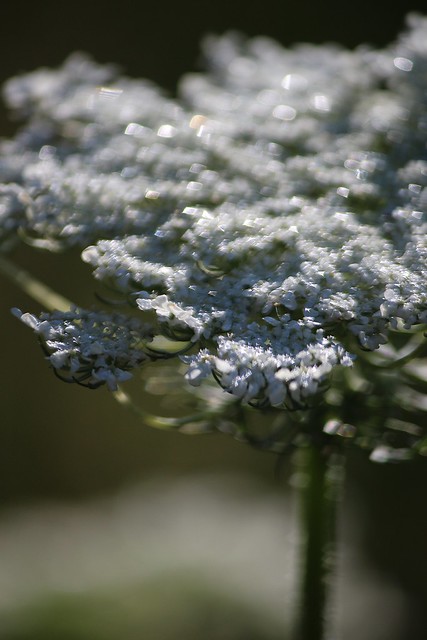 Where are they now? Where will you be, 100 years from now? Who will remember you, and what will you be remembered for? What will the point of your life have been? Whom are you serving?
 Cleo is a mature critter, compared with Ditsy Trixie, and actually kept Trixie in line for a day. Usually Trixie takes off at the first opportunity (or the first hint of boredom) and hightails it to a cabin-sized brushpile where rabbits live. Yesterday, though, she only ran off once, even though she was off leash for hours. I was impressed.
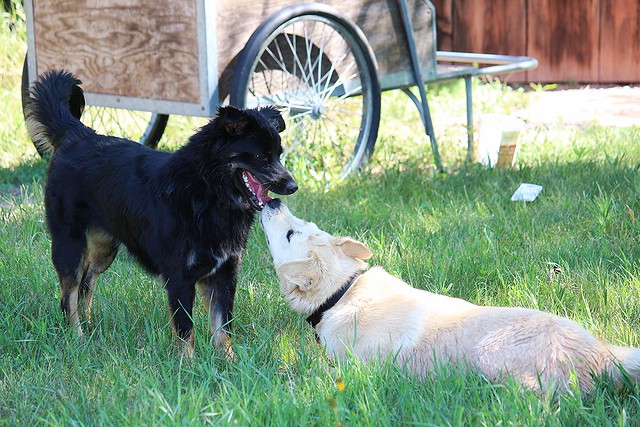 Those two pups were a hoot to watch. They ran pretty much without ceasing for probably two hours, stopping occasionally for a short breather, plopping down exhausted and panting, until Trixie would pester and Cleo would bolt. Then the games would resume. If they weren’t running, they were tussling, nipping at each other’s faces and feet and jumping all over each other.
 One good thing we learned is that Trixie has almost no territorial instinct. While it would be nice to have a dog with some guard-dog tendencies, it is nice to know that she is entirely unaggressive. Our old dog, Baby, would actively protect her space. Somehow, Trixie has no space. Or no personal space. Or both.
 The temperature was reading in the 90s, and those girls were still zipping around the yard, sometimes stopping for a dip in the pool, then dashing off again. Trixie plunged her whole self into her pool, submerging her face and blowing bubbles. Cleo was much more dainty and ladylike.
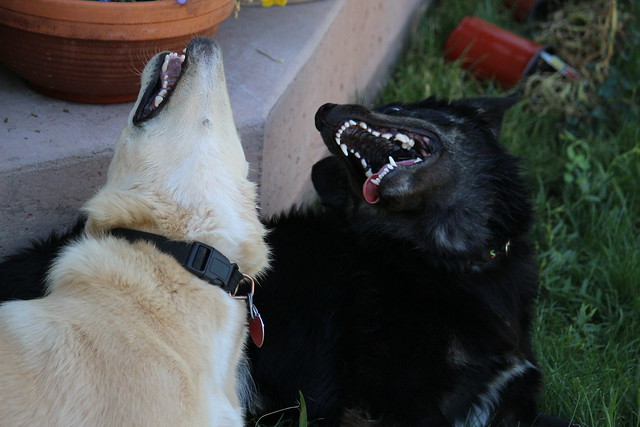
 During one of their “breathers,” I got this series of photos where they look like they are laughing uproariously. Every time I look at the pictures, I can’t help but giggle!

 I always enjoy watching animals interact with one another. Whether it is watching calves playing on dirt piles, or horses frisking around a pasture, or laughing at the dog and cats as they try to work out their differences, or watching these two pups tear around the yard, I love seeing the interactions of God’s creatures. What a marvelous Creation God has placed us in!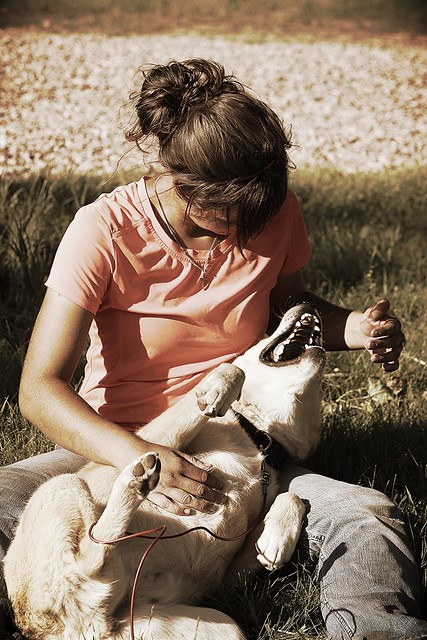

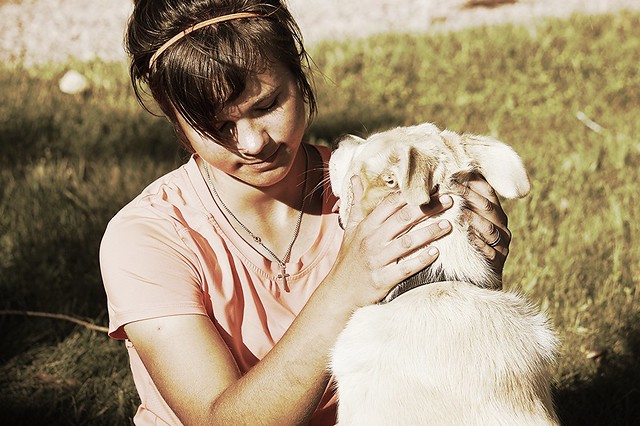 Pets are one of those little blessings that as children we instinctively know are a gift from God. We pray about them, thanking God for them, asking Him to keep our pets safe. But when we grow up, we lose something of that delight. “More important things” take up our thoughts, and we can lose sight of those little blessings and gifts from God that we experience every day. We thank God for what we might consider the “big gifts” (family, church, promotion at work, scholarships, financial security, the new car) but we neglect to thank Him for His little gifts, daily evidences of His goodness to us (the first breath we take each morning, the feel of a puppy’s fur, a cat’s purr, a baby’s smile, dewdrops on grass, fresh air, clean water). If God’s goodness is manifest in Creation, which it is, isn’t it also manifest in those little or individual things of His Creation, be it a flower or a rolling landscape or a waterfall or great creatures or small creatures?
