Originally printed in the March/April 2026 issue of Down Country Roads Magazine
As February fades behind us, with hardly a day that could really be called winter, and March unfolds before us, springtime seems immediately inevitable. We’ve had stretches of wonderful warmth, so unseasonal that one worried the trees and early spring garden plants might become disoriented and bud out too soon. We’ve had the T-shirt days, the sitting outside and soaking up the sun days, the productive days of outdoor projects. But each little cold snap, whether it is a day or a week, jars us back to the reality that springtime, true springtime, could be weeks away. Gardeners might be itching to get their hands in some good black dirt, seeds might be germinating on windowsills, fresh calves might be tumbling about the calving lot, all the telltale signs of spring – but here in western South Dakota, spring is still a ways away.
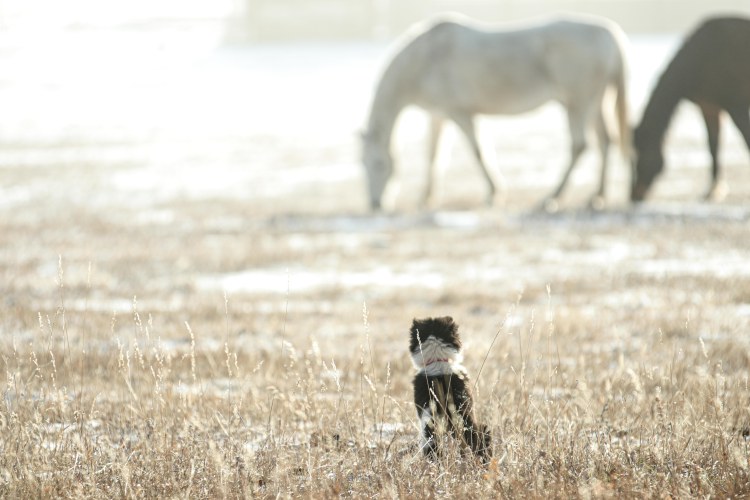
So we count down the days, waiting.
Waiting for warmth.
Waiting for blue-sky springtime.
Waiting for the longer days and the feel of earth softening underfoot.
Waiting for the perfume of sap flowing, the unmistakable signature of the pines.
Waiting for the smell of good clean dirt dampened and warmed.
Waiting for greenness and life.
Waiting for moisture. Rain or snow. Either will do.
And that really is what we’re waiting for. Moisture. Some years, the earth is hard with cold right about now, maybe beginning to thaw, maybe even buried under a blanket of white, waking slowly from a long winter. This year, there isn’t enough moisture to freeze or thaw. Passing snow flurries or a smattering of precipitation dampens the dry dirt for a fleeting few hours, but doesn’t heal the wide cracks in the ground, the dryness that drills down, and further down. Everyone gets a little jittery at the smell of smoke. Whirlwinds skim across the pastures, winter-barren, drought-dry, twisting what’s left of last year’s grasses. Not a hint of green is showing yet, in spite of the unseasonal weather.
But we know from experience how fast all of that can change, in these in-between months of almost-but-not-yet springtime. How quickly the skies can build and bring moisture in from elsewhere, blessed moisture, blessed relief. We know how fast a heavy snow can pile up drifts and replenish dams and change the trajectory of the coming months. How quickly the landscape can soften with the first shoots of green.
Moisture means hope. It means grass for the cattle and water in the dams and the promise of a harvest. It means life and fruitfulness and safety. And not just for this year, but for the next. Green or dry, one year affects the next. Good water in the dams, good grass in the pastures, and well-summered cattle handle winter better, handle calving better, and the next year’s calf crop fares better as well. And this year’s calves are the mamas two years from now. When a rancher worries over lack of rain, it isn’t just right now that he’s concerned about.
But springtime is a promise. And a reminder of a promise. A promise made nearly at the beginning of time, in the book of Genesis, that “while the earth remains, seedtime and harvest, cold and heat, summer and winter, day and night, shall not cease.” Because of the One who made the promise, year after year, springtime comes. Year after year, the seasons shift and change, and without fail each season comes as it should. Not always in the exact manner we would prefer, if we had the power to ordain snowfall and rainfall. Sometimes we wait and pray and wait some more. But the seasons persist because God the Creator says that they should.
This isn’t the first drought. This isn’t the first dry winter. This isn’t the first uncertain springtime. And yet, there continue to be cattle on these hills and prairies. There continues to be fruitful life and harvest. The springtime always comes, and the summer after.
And so we watch the skies, and wait.















 Song Dog Journal