Winter Pastimes

Winter really gets a bad rap. Too cold, too dark, not enough to do. But that is just our insufferable modern American way of thinking, too reliant on recreation and not enough on creation, too caught up with thinking ahead to have time to think back, yet somehow too caught up in today to think to tomorrow. We are too addicted to being constantly occupied, too addicted to having something constantly vying for our attention, too addicted to convenience to be able to appreciate slower, quieter, and the sweetness of inconvenience.

This is really a wonderful time of the year. Harder in some ways, of course. Easier in other ways, because the short days and cold temps out of necessity weed out a lot of things that just don’t need to be done (or can’t be done) when it is this cold or so dark at 4:30. But the earth is resting. So why can’t we? Our modern conveniences have taken away the necessity of building our lives and daily rhythms around the seasons and the lengths of days and seasonal tasks. But we still are fighting against nature. Frankly, I think that is bad for us. I don’t think that is how we were made.

So it makes sense, then, that winter just becomes a frustration for so many people.

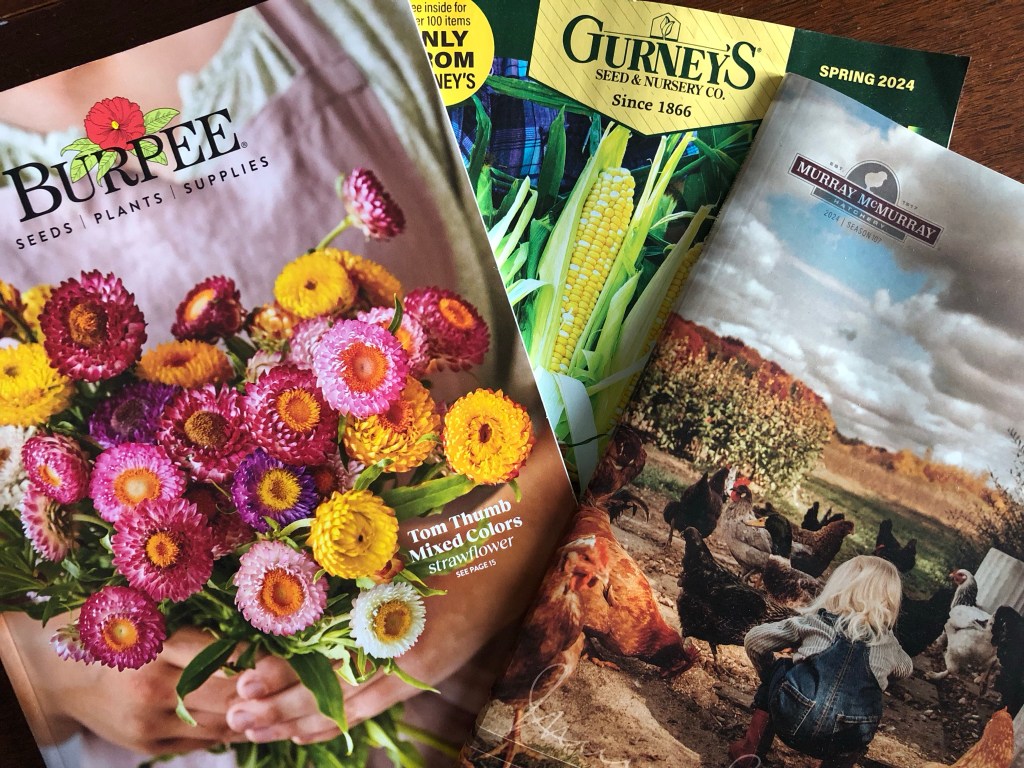
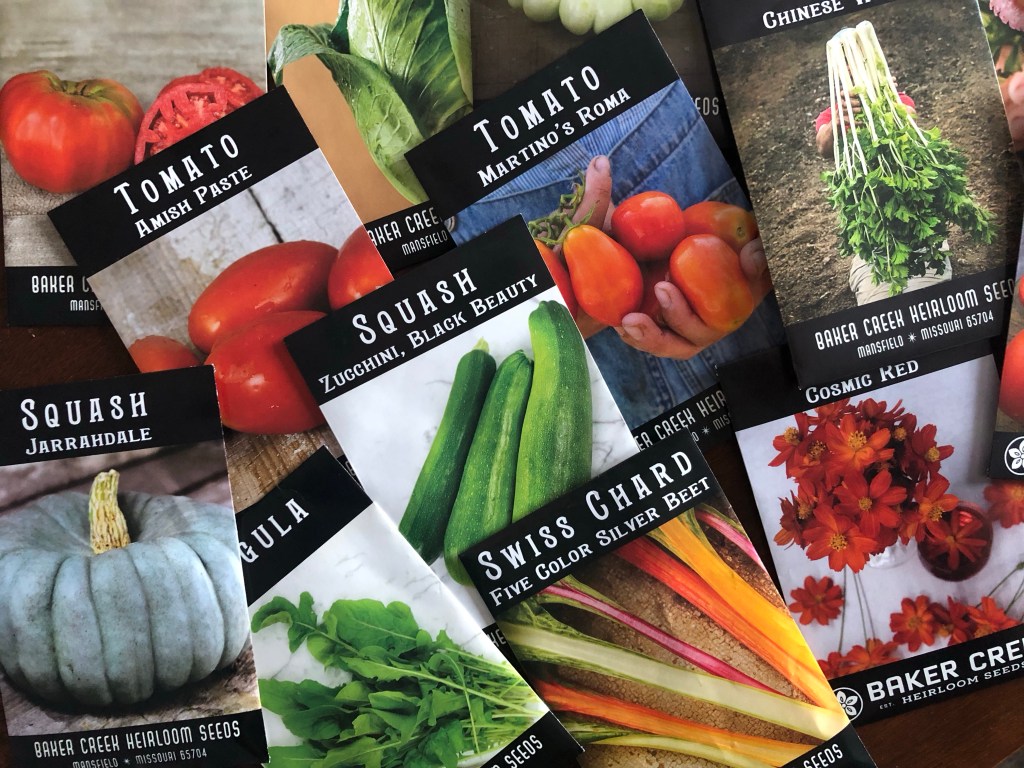
But I truly love this time of year. A little forced lull in the busyness of spring, summer, and fall. A chance to dream. A chance to make plans. I love envisioning my garden, and ordering seeds, and having time to bake and cook and be busy in my kitchen, and to put things up for later, especially with a milk cow giving me more milk than we can use! Mornings are often occupied making butter and yogurt and bread and cheese, and there is now about 15 pounds of butter in my freezer, and plenty of frozen milk for when Posey is feeding calves and I’m not getting much from her. But right now, even this late in her lactation, she’s giving me close to two gallons a day!
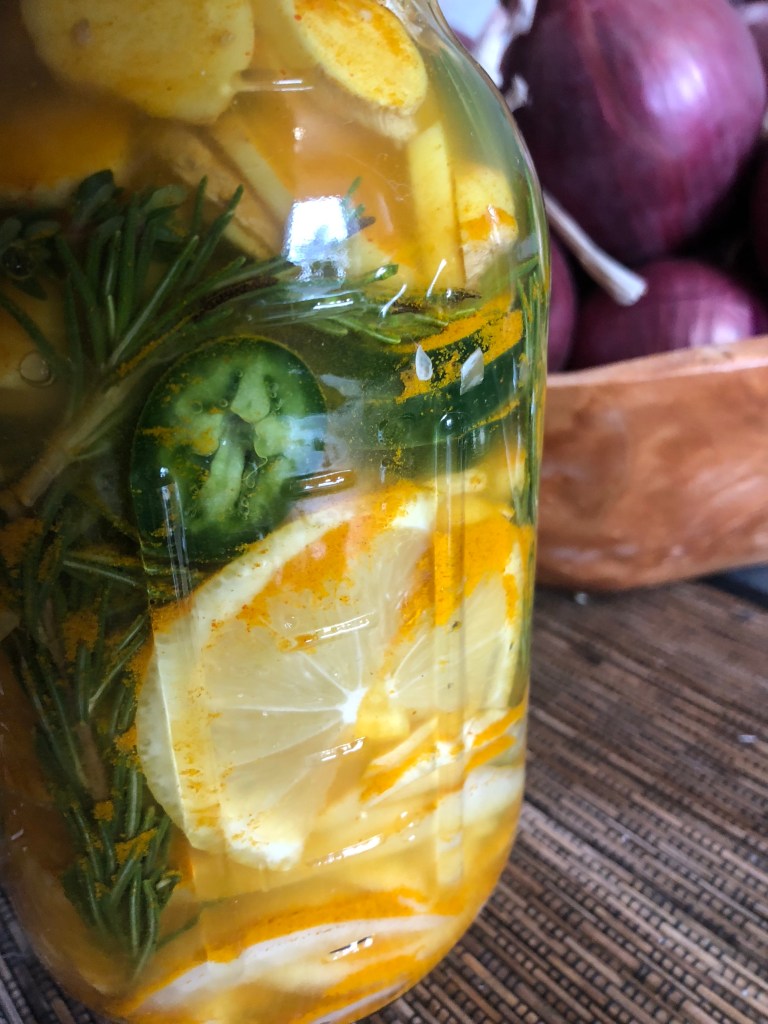
I have been happily watching some elderberry cuttings put out little leaves, sitting there in the sunniest window in the house, and I’m anxiously waiting for roots to sprout. They will be a wonderful addition to the garden. I made fire cider recently, and will be making some elderberry syrup and tincture with dried elderberries from Black Hills Bulk Foods.

It makes my husband chuckle a bit to see me leafing through my field guides, and I have been poring over books on growing and using herbs and making herbal medicines, something I have long been interested in, and my excitement grows for the spring and summer, for planting and harvesting and wildcrafting. Soon it’ll be time to roll a bunch of newspaper pots, and the picture window in the living room will become the designated spot for starting seeds. It is invigorating to see something green and growing thriving in February, or March, while the world outside is inhospitable.

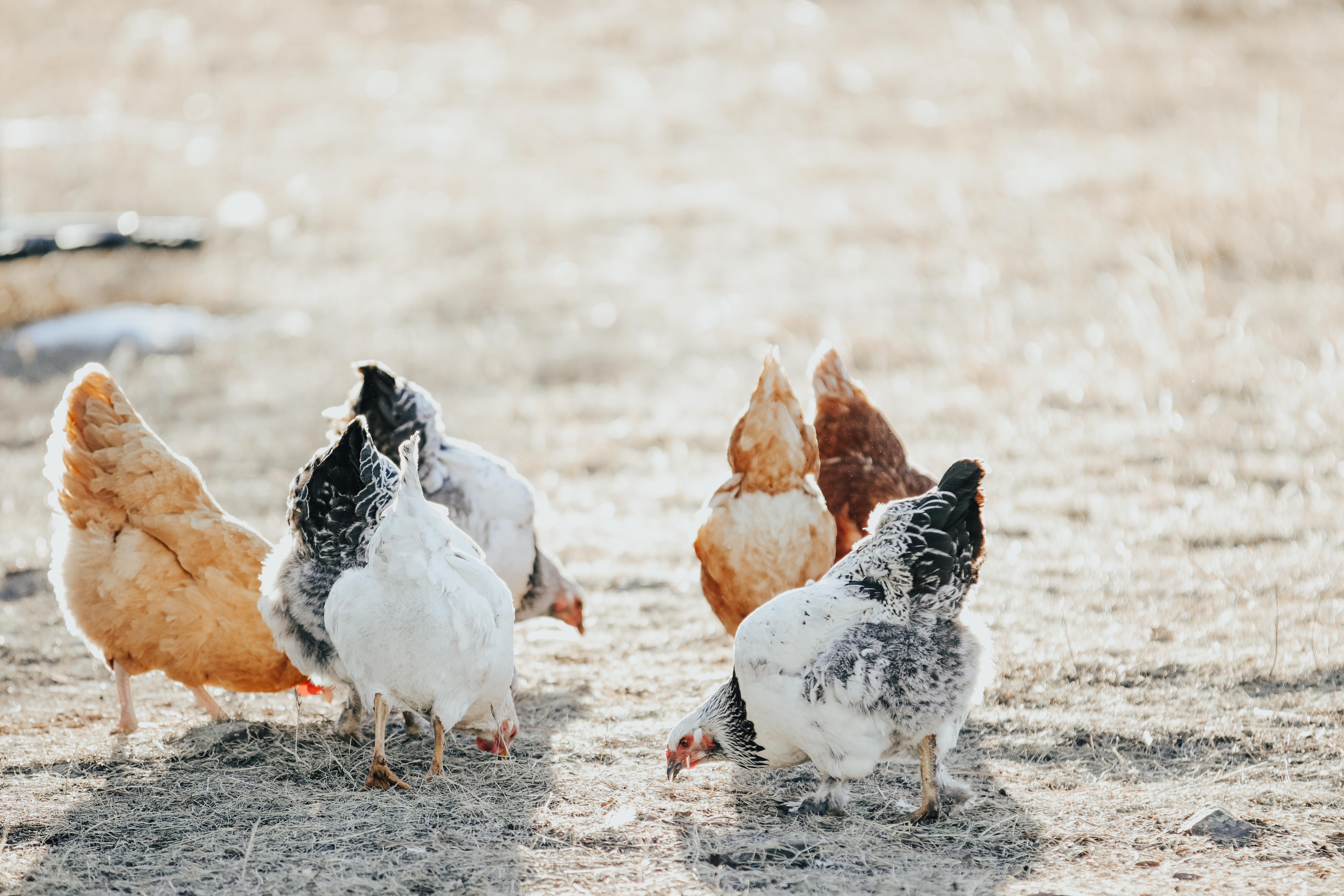
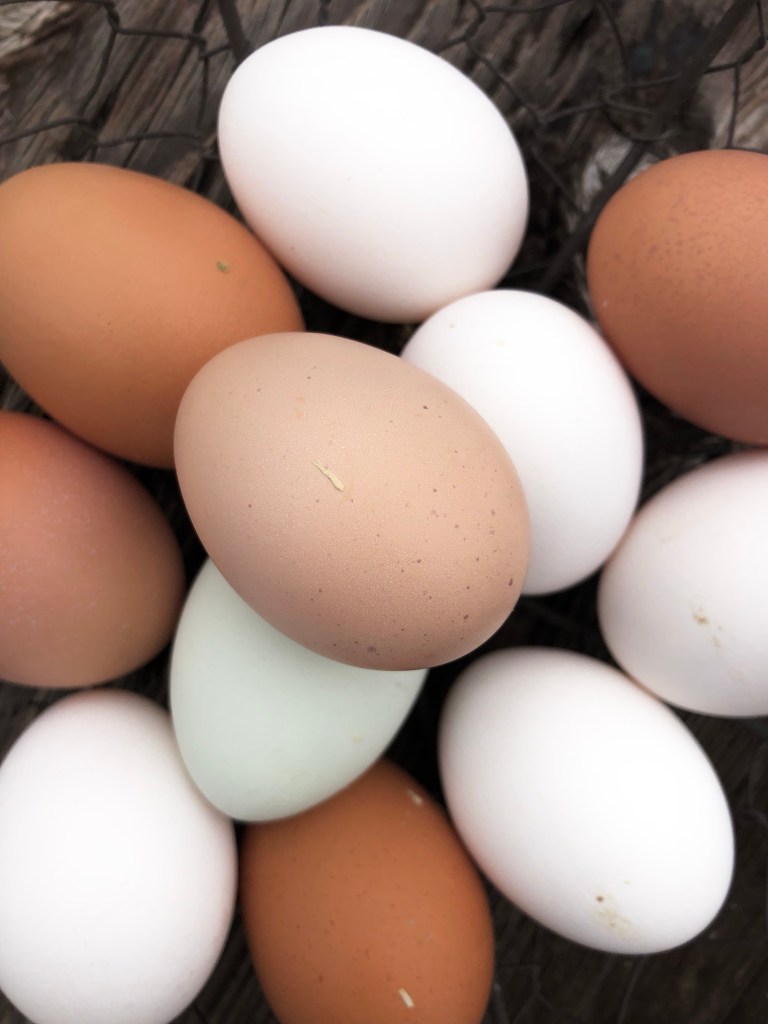
The chickens are looking beautiful, in spite of the cold. All the extra protein and calcium and other wonderful nutrition they’ve been getting from the leftover whey after making yogurt and cheese, has made for some brilliant plumage and a great recovery after their hard molt. Egg shells are hard with the extra calcium, and egg numbers are slowly increasing already (when the eggs aren’t breaking from the cold, that is).

Long, dark evenings are a good excuse to read and write, and I love the chance to catch up with old literary friends, or make new ones. Spring is right around the corner. There is a lot of winter left, a lot of time for plenty of cold and snow and hard days, but spring will come. And it always comes faster than we think.

Baskets

My poor husband. I have a thing for baskets. And I love hunting for them at thrift stores, and finding beautiful and useful ones for egg gathering and bread serving and any other thing. He’s a little stymied by the basket thing. That, and the throw pillow thing. Oh, well. He doesn’t need to understand, it’s fine.

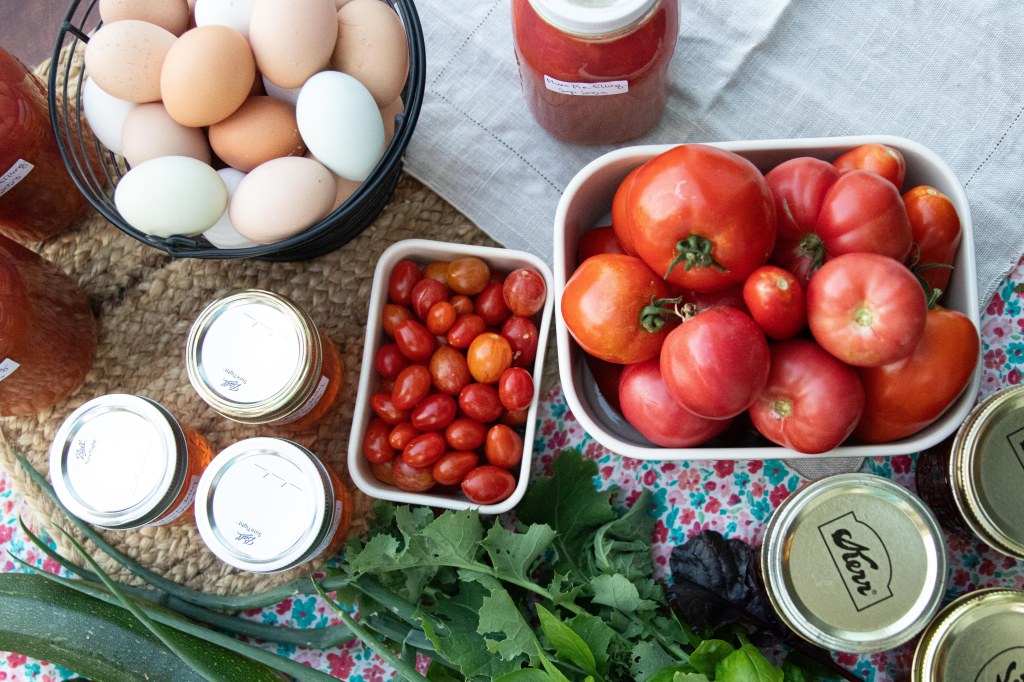
I found this pretty little one at a thrift store in town yesterday, and it is the perfect addition to my collection of egg baskets!

The chickens are finishing up a rough molt, but their egg production is holding pretty steady, and finally their beautiful plumage is growing back in! They looked so rough for a few months there, it finally they’re getting well-feathered and glossy again. Faithful little birds.

In the Kitchen | Sourdough Biscuits

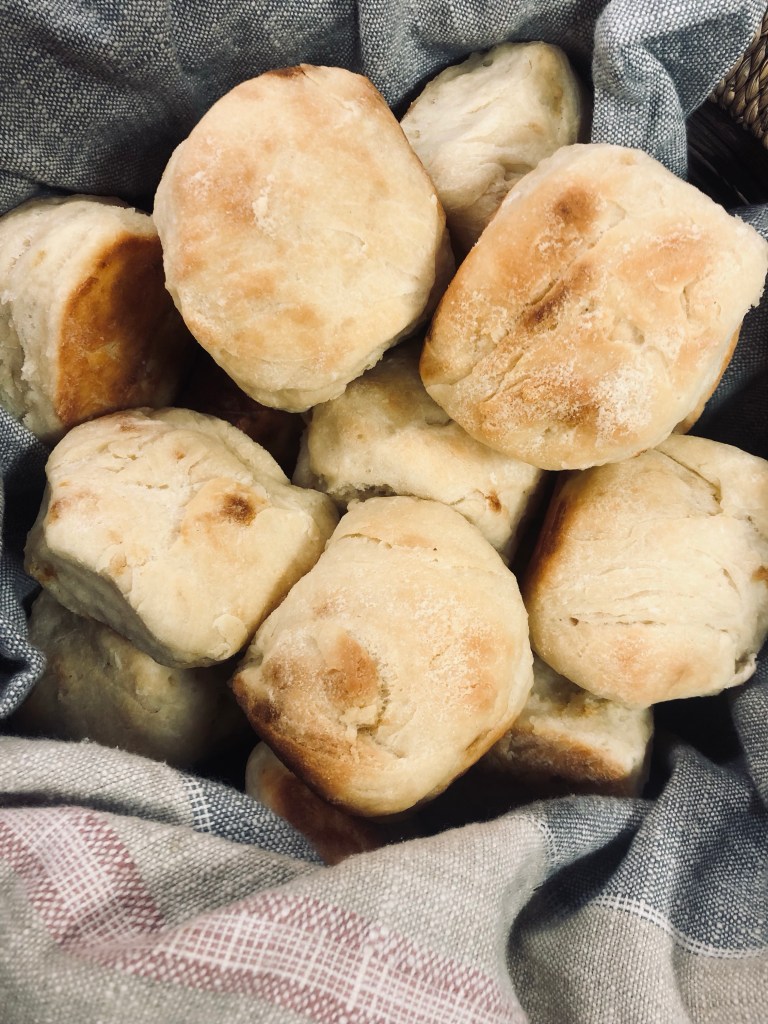
This delicious sourdough biscuit recipe is shared from the book Bacon and Beans: Ranch-Country Recipes, a Western Horseman book by Stella Hughes, published in 1990. It is a pretty foolproof recipe, comes together quickly, and with the addition of some baking soda you are just about guaranteed some fluffy biscuits!

Ingredients:

1/2 c. sourdough starter
1 c. milk
2 1/2 c. flour
3/4 tsp. salt
1 tbs. sugar
1 tsp. baking powder
1/2 tsp. baking soda
bacon grease or butter, melted

To Make:

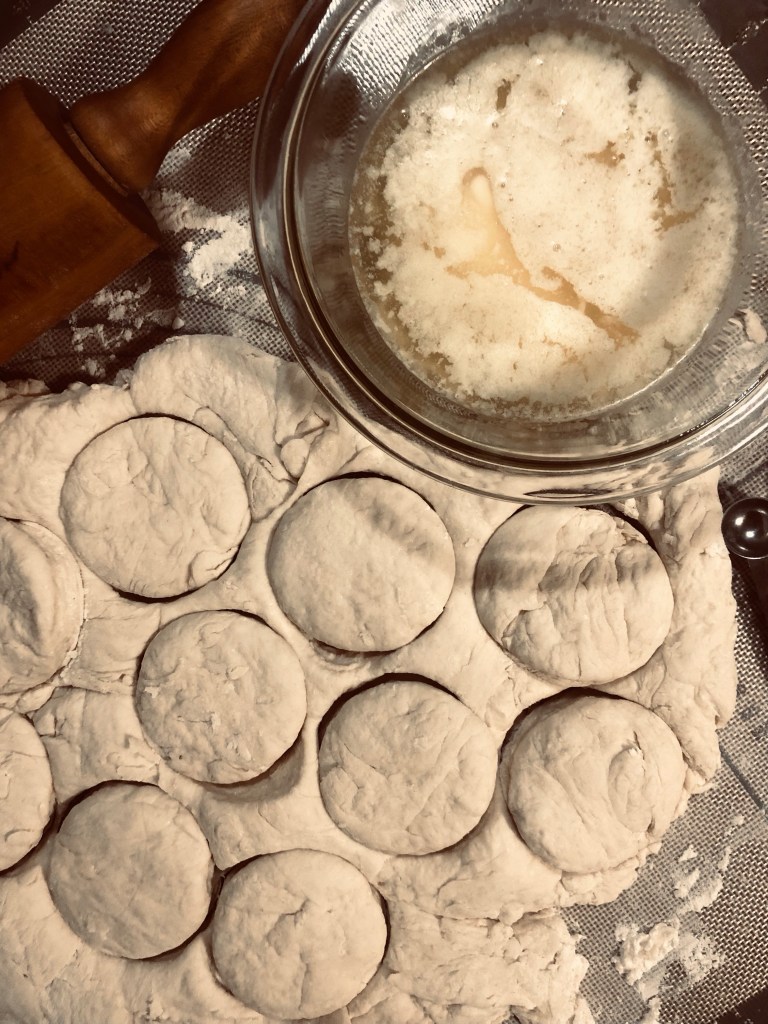
Mix starter, milk, and 1 cup of flour in a large bowl and let sit for 8 hours or overnight. Cover with a towel and keep in a warm place. When ready to use, turn sourdough batter out onto clean surface with 1 cup of flour. Sprinkle salt, sugar, baking powder, and baking soda over the top of the batter, followed by the remaining 1/2 cup of flour. With hands or a spatula, mix dry ingredients into dough, kneading lightly. Handle as little as possible! Roll out approximately 1 inch thick and cut with biscuit cutter. Dip in melted bacon grease or butter, and place in a baking pan. Let them touch, but don’t overcrowd. Let rise in a warm place for about a half hour, and bake at 375 degrees for 30 minutes or until they are golden brown. Makes about a dozen biscuits.

Notes:

Handle the dough as little as possible to keep biscuits from getting tough. It can be difficult to get all the flour incorporated–Don’t worry about it! Instead of kneading, I try to stretch and fold to incorporate the dry ingredients into the dough, but don’t try to get the dry ingredients all moistened or evenly smooth, or you will over-knead and have tough biscuits.

I find that a single batch fills a 9×9 baking pan, with a couple biscuits leftover, which I tend to cook in a separate smaller dish. Depending on how thick they are cut, obviously, you could stretch the yield on this recipe. There is a considerable amount of oven spring with this biscuits–they will puff up in the oven! They are served best fresh out of the oven, and I love to serve these with homemade butter and homemade jam! They’re always a hit.

Enjoy!


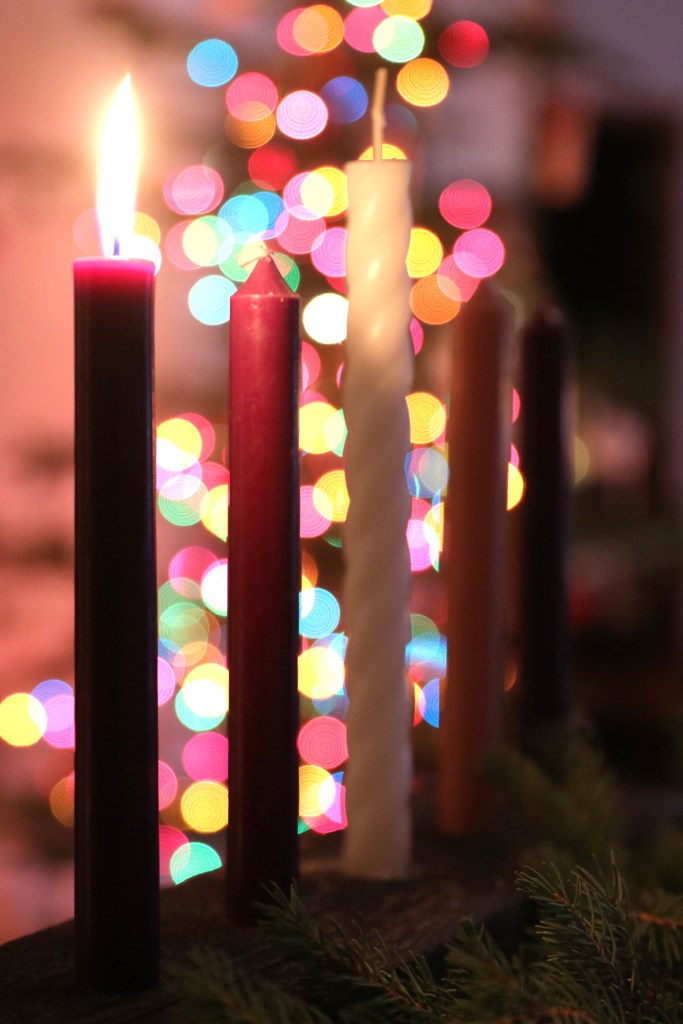
Advent 2023 | The Hope Candle

Adapted from my devotional article for last year’s Advent season.

On the first Sunday in Advent, Christians across the globe light the first of the five candles, the first of the five thematic reflections leading up to Christmas Day. The Hope Candle.

Hope.

What a beautiful word.

What a misunderstood word.

What a misused word, flung like a threat, or uttered timidly, with ironic hopelessness.

We all need hope.

I look around and see war, death, pain, suffering. I see a culture that has turned its back on God and His Law, I see rampant immorality and acceptance of things that would have been considered wrong even just a few years ago. I see illnesses that even the most elite scientists can’t figure out how to cure. I see the butchering of children in the womb, the desecrating of the beauty of marriage, the destruction of countless innocent lives for the greedy schemes of the very people who should be the protectors, the guardians. People running to drugs, alcohol, sex, pornography, anything that can numb the pain of meaninglessness. It is a world rife with hopelessness.

Because without Biblical hope…life truly is meaningless.

Over the years, I’ve heard pastors talk about how Biblical hope is so contrary to how we so often use the word. Biblical hope is not an “I hope so” sort of hope. It is a confident expectation.

Which immediately begs the question…a confident expectation in what? In whom? For what? Where does our hope come from and for what are we hoping?

Hope without something or Someone to hope in is meaningless, isn’t it?

The Psalms are full to bursting with verses reminding us of where our hope is found, and in Whom we can have that confident expectation.

Lamentations 3: 24-25 reads:

“The Lord is my portion,” says my soul,     “therefore I will hope in him.” The Lord is good to those who wait for him,     to the soul who seeks him.

And 1 Peter 1: 3-4 rejoices:

Blessed be the God and Father of our Lord Jesus Christ! According to his great mercy, he has caused us to be born again to a living hope though the resurrection of Jesus Christ from the dead, to an inheritance that is imperishable, undefiled, and unfading, kept in Heaven for you.

We hope in God. We confidently look to Jesus’s perfect life and death as the means to being forgiven, justified before God. We look forward to an eternal easing of suffering, we confidently wait for the day when the difficulties of this life will be comforted. We hope in our Savior, the God-Man Christ Jesus. The Jews waited for His coming, hoped in the promises of a faithful Heavenly Father, fulfilled two thousand years ago, and we remember that coming and now we wait for His Second Coming, when “[God] will wipe away every tear from their eyes, and death shall be no more, neither shall there be mourning, nor crying, nor pain anymore, for the former things have passed away.” (Revelation 21:4)

And it just gets better. Revelation 22 reads:

Then the angel showed me the river of the water of life, bright as crystal, flowing from the throne of God and of the Lamb through the middle of the street of the city; also, on either side of the river, the tree of life with its twelve kinds of fruit, yielding its fruit each month. The leaves of the tree were for the healing of the nations.  No longer will there be anything accursed, but the throne of God and of the Lamb will be in it, and his servants will worship him.  They will see his face, and his name will be on their foreheads.  And night will be no more. They will need no light of lamp or sun, for the Lord God will be their light, and they will reign forever and ever.

And he said to me, “These words are trustworthy and true. And the Lord, the God of the spirits of the prophets, has sent his angel to show his servants what must soon take place. And behold, I am coming soon.”

That, friends, is our hope. Jesus is coming soon. We enjoy this Advent seasons, reveling in God’s plan brought about in the person of Christ, born as a Baby in a manger in Bethlehem, but without the future hope, that living hope, that hope of something more, this season is meaningless. The Baby Jesus means nothing without the hope that comes from Jesus’s death and resurrection. And His death and resurrection mean nothing to us if there isn’t the hope of a future resurrection.

Hope. What a beautiful word.

Advent 2023 | Celebrations and Stones

Tomorrow is the first Sunday of Advent, launching us officially into the countdown to Christmas. Although culturally we tend to rush through the next few weeks, packing the calendar so full we live in whirling blur, although culturally we have turned Christmas into simply an excuse for rampant consumerism, there is so much more to this season, and so much need for this time. I hope you enjoy this article that I published at the beginning of Advent last year. I wanted to share it again, since it really speaks what is on my heart.

This time of the year is possibly my favorite. Admittedly, I love this whole season, from Thanksgiving to the New Year and experience what some might term a childish excitement as the festivities begin to take place. So many of my fondest memories take place in the period of time between Thanksgiving and Christmas, and so many of my favorite family times have been interwoven with the traditions and customs that became part of the fabric of my family. Even though the world around us goes crazy with all the frivolous and self-centered consumerism that has become the unfortunate hallmark of the American Thanksgiving-to-Christmas season, there is so much to embrace and to firmly fix in our lives. We set aside a day to remember God’s goodness and thank Him for His blessings, and then we intentionally fix our eyes on the hope, love, joy, and peace that the Advent season remembers.

In a culture that increasingly tries to erase all evidence of the Christian faith from public expressions during these historically overtly Christian holidays, I think it is more important than ever that families rally themselves around traditions that draw their eyes Heavenward.

I think of the traditions my family had growing up…We had our big family Thanksgiving, usually shared with someone from our church, and in the next few days afterwards, we would usher in the Advent season by putting up our tree. Out would come all the old decorations, the lights, and the treasured Advent books we would read year after year as a family. I think of the Christmas programs at church, the traditional songs and hymns, the somber and joyful candlelight services we would attend at my grandparents church, The Little White Church in Hill City. I think of our Christmas morning Bible reading, reading through Luke’s account of the birth of Christ.

Unfortunately, America in general but even many branches of the Protestant church have either given up on Christian tradition altogether, or given up on fully appreciating and applying the traditions of the past. In the culture at large, I think it is pretty obvious why…The “old ways” have been systematically devalued and the church and expressions of faith have been essentially removed from the culture. For two religious holidays, what’s left for a culture that hates God? Nothing, really.

In the church, though, this forsaking of tradition is more complicated. It is sad to me that a lot of people find the Christmas season just another part of the year, the traditions are just kind of boring and old hat, and there’s sort of a collective eye-roll at the traditional Christmas hymns. One facet, I think, is a rather poorly-reasoned idea that too much tradition and it might become meaningless and rote.

What a loss of such a gift! How silly, to avoid a good thing because it might become less than what it should be. And can’t we having meaninglessness and roteness just as easily without our “traditional practices?” Maybe we should work on our heart attitudes instead.

Traditions of the faith join us with other Christians across the globe, through the centuries and millennia even, since we don’t just find our spiritual origin in the Christ of Christmas, but in God’s covenants with the Nation of Israel, thousands of years ago. I look at how God’s people committed His works to their memory for future generations, two big ways come to mind: Feasts and monuments. Celebration and stones.

When the Israelites were instructed on the keeping of the Passover Feast after God’s delivered them from Egypt, this was why:

And when your children say to you, ‘What do you mean by this service?’ you shall say, ‘It is the sacrifice of the Lord’s Passover, for he passed over the houses of the people of Israel in Egypt, when he struck the Egyptians but spared our houses.’” And the people bowed their heads and worshiped. (Exodus 12:26-27)

And when years later the Israelites were under the command of Joshua, God brought them over the River Jordan, rolling back the flood-swollen river waters so that the whole nation could cross in safety. Joshua, instructed by God, directed the Israelites to take twelve stones out of the riverbed of the Jordan as they crossed over and to construct a memorial, so future generations might not forget the Lord’s power and His goodness.

And those twelve stones, which they took out of the Jordan, Joshua set up at Gilgal. And he said to the people of Israel, “When your children ask their fathers in times to come, ‘What do these stones mean?’  then you shall let your children know, ‘Israel passed over this Jordan on dry ground.’  For the Lord your God dried up the waters of the Jordan for you until you passed over, as the Lord your God did to the Red Sea, which he dried up for us until we passed over,  so that all the peoples of the earth may know that the hand of the Lord is mighty, that you may fear the Lord your God forever.” (Joshua 4:20-24)

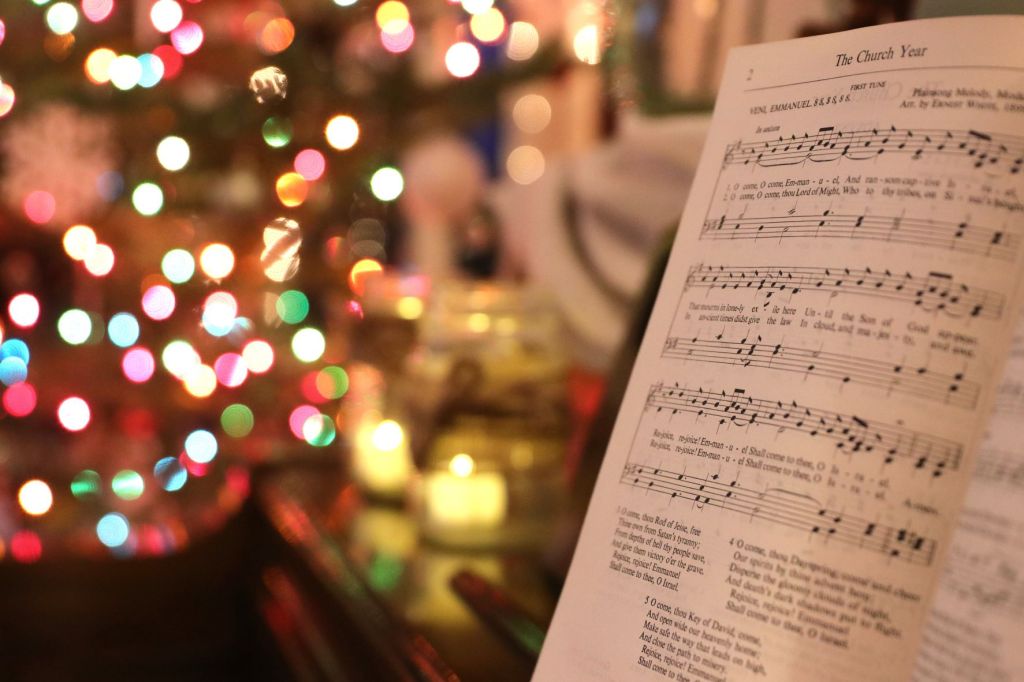
Christmas and the Advent season should be a time of celebration for the Christian. A time when we can proclaim the joy we have in Christ to a world walking in darkness. And a half-hearted participation hardly communicates joy. So set up your family monuments to the goodness of God and celebrate with friends and family. Celebrate Advent. Find a live Nativity to attend. Cultivate traditions in your family. Set up your cherished Creche and ponder its significance. Sing the old songs and really taste the words. Don’t just “make memories” for the sake of the memories, but counteract the temptation to be passive at this time of year and make memories to the glory of God!

We need our celebrations and we need our stones. Celebrations to bring us into a heart-posture of thanks and praise to God, and stones to be a visual reminder of Who it is we celebrate.

In the Kitchen | Pfeffernusse

As the Advent season rolls into Christmas, the tastes and smells of the season bring back so many memories. A handful of chicken-scratch recipe cards foster a connection with my heritage, and remind me of the many family Christmases crowded on hand-built benches around my grandparents’ long hand-built table. After supper was over and we all were stuffed, a tin of little round cookies would be passed around, tasting mildly of pepper and licorice. The adults always went for these more enthusiastically than the kids, but as I’ve gotten older this recipe has become very nostalgic for me, and I love to make these in bulk to gift at Christmastime!

Pfeffernusse are spicy, crunchy cookies that are a traditional German and ethnic Mennonite favorite, and translate to “pepper nuts” – they do contain black pepper, but add a little extra for a little extra kick! Molasses, black coffee, and anise extract add to the warmth of the flavors in this simply little cookie.

Ingredients

1 c. sugar
1 c. shortening (can be replaced with 1 c. butter)
1/2 c. dark syrup (can be replaced with 1/2 c. molasses)
1/2 c. molasses
1/2 c. cooled black coffee with 1 tsp. baking soda
3 T. anise seed extract
*can also add 1 tsp or more of ground anise seed for additional flavor

6 c. white flour (or half and half white and whole wheat)
1/2 tsp. salt
1/4 tsp. nutmeg (double this!)
1 tsp. cinnamon (double this!)
1/2 tsp. cloves
1/2 tsp. black pepper (double this! Or triple…or more! How spicy do you want it?)
1 tsp. allspice

To Make

Cream together the first 7 ingredients; add flour and spices. Chill for an hour or so to make the dough easier to work with. Roll in 1/2 inch rolls and chill (or freeze). Slice into quarter-inch thick discs, place on cookie sheets with not much space between them (they don’t spread too much), and then press your thumb gently into each cookie to flatten a little. Bake at 350 degrees for 8-10 minutes.

Notes

I noted most of my substitutions in the above recipe. I ALWAYS add extra anise. My uncle has actually used anise oil from NOW Foods, but I think it affects the crunch of the cookies. I just use plenty of anise extract. You can also add anise seed if you want a little extra bite, though I do recommend grinding them for better flavor, as well as better texture. Also, the quantity of the spices is on the mild side, so be brave and play with the quantities to get the bite you want! I don’t generally double the cloves, since cloves are such a distinct flavor and I don’t want to interfere with the anise, which is the star spice in this cookie. Grandma’s original recipe calls for shortening and corn syrup, as noted above, but I prefer to cook without those things, so I noted my substitutions. But sometimes faithfulness to Grandma’s recipe means something.

The dough should be chilled or frozen before slicing, as stated above, and I recommend freezing, since the dough is a lot easier to work with. This makes it incredibly easy to make a bunch of dough, roll into snakes, freeze, and then bake whenever you get a chance! They also freeze really well after they are baked. Brad and I have enjoyed pfeffernusse months after they were baked, which is great since the first time we made these together we had Covid and couldn’t taste anything.

And there really is something special about baking cookies that have been so traditional for my family. How about you? What are some favorite family recipes you grew up with, and are there any you continue to bake or cook for the holidays?