Originally published in the Custer County Chronicle on May 21, 2025
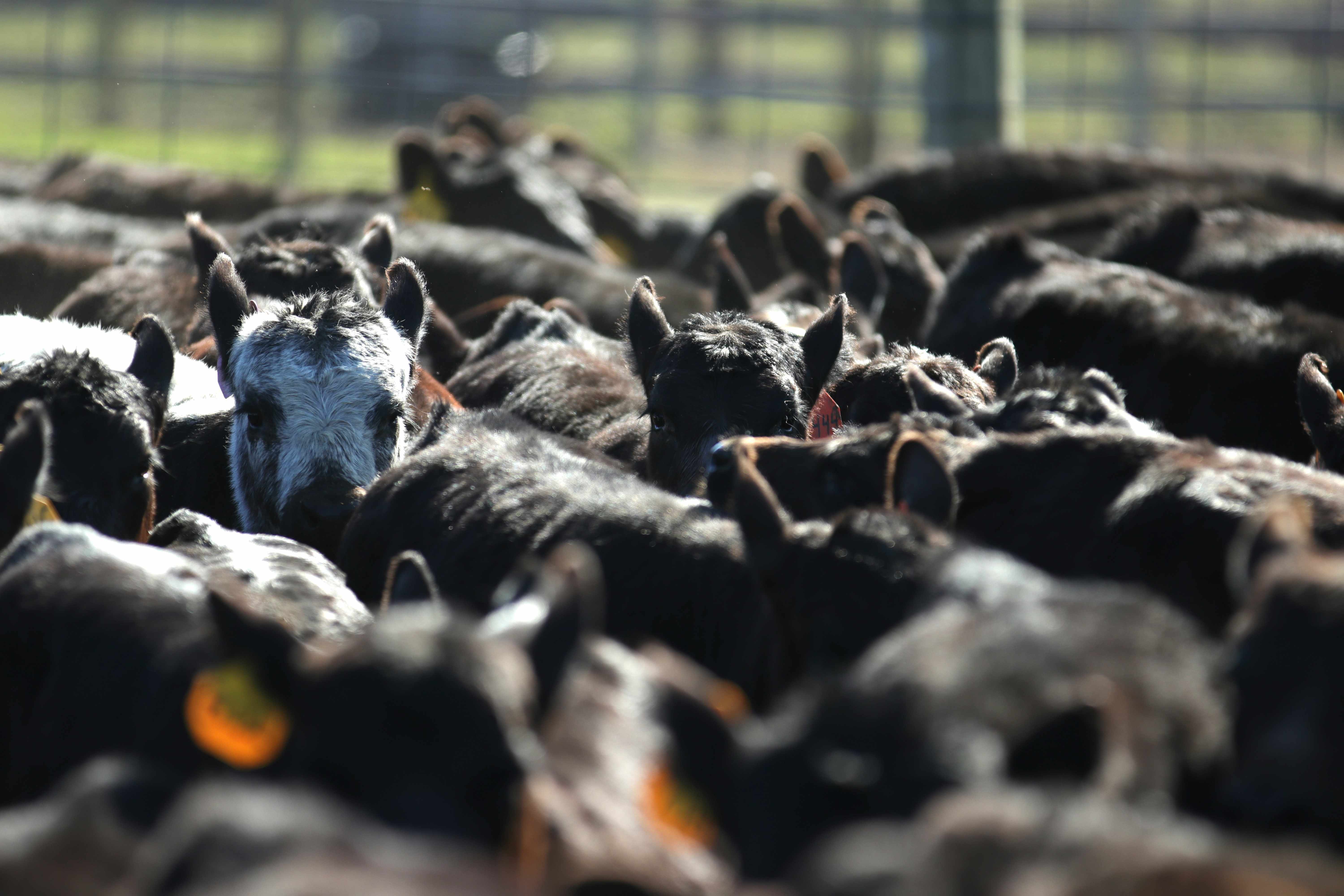
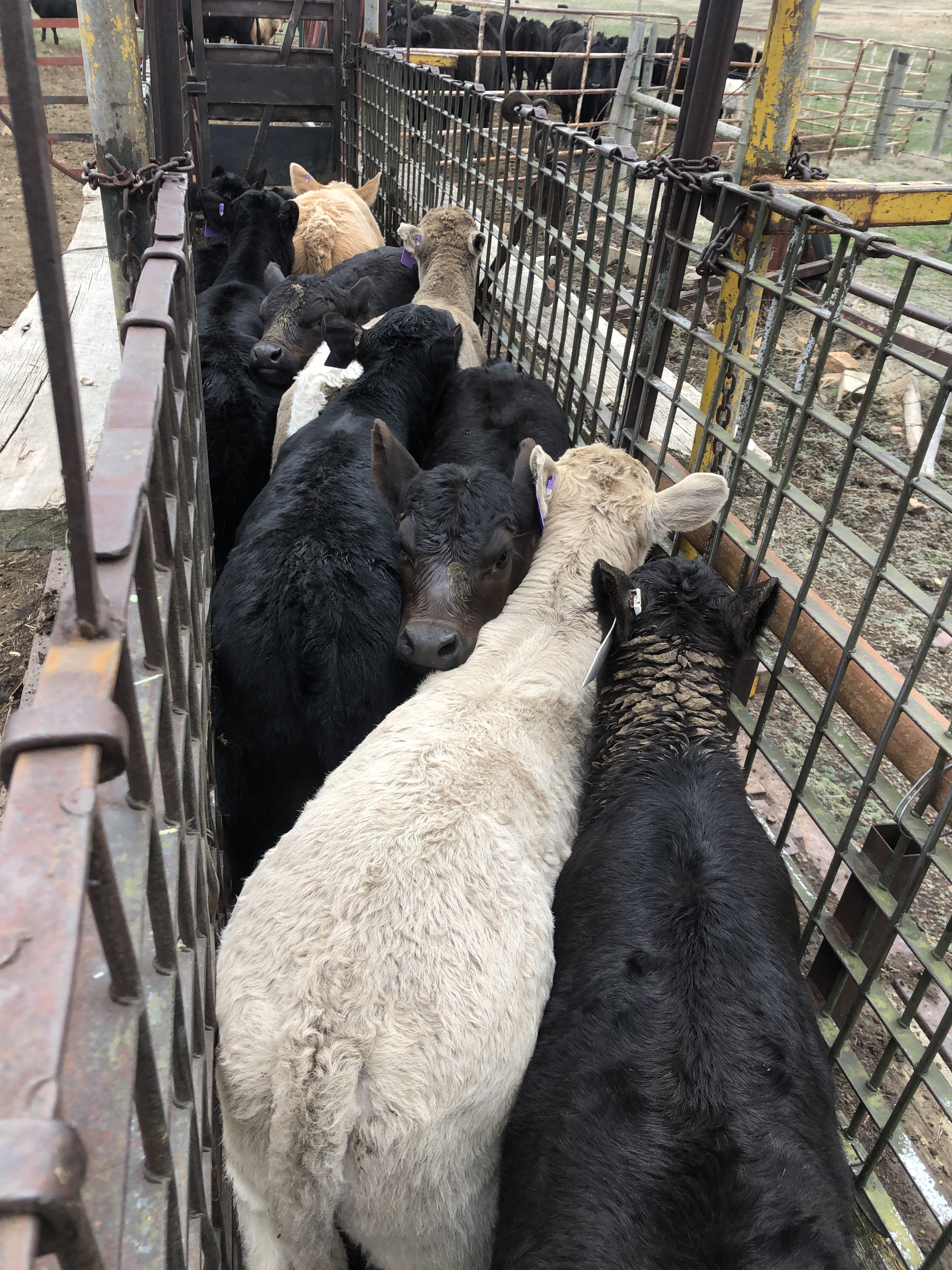
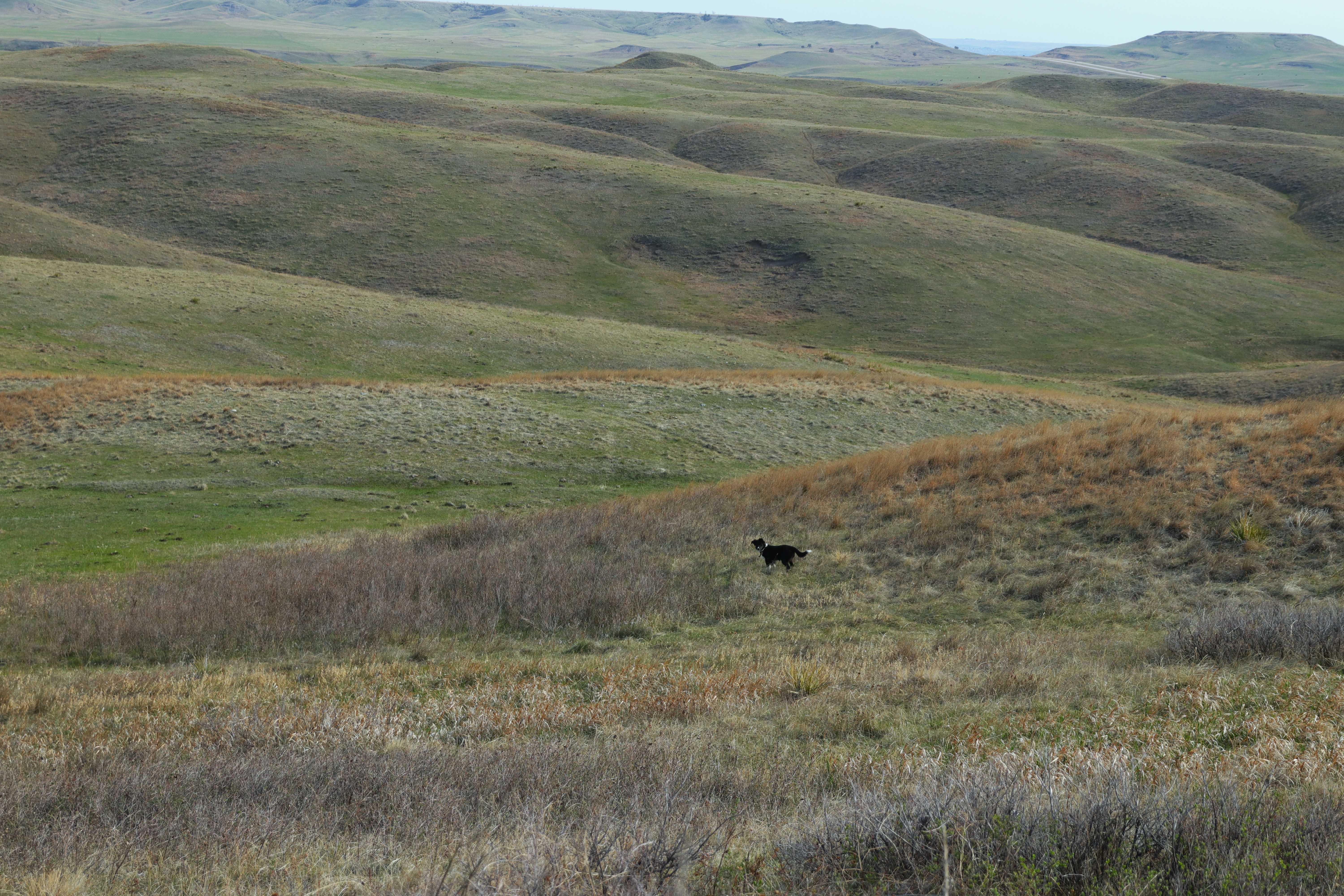
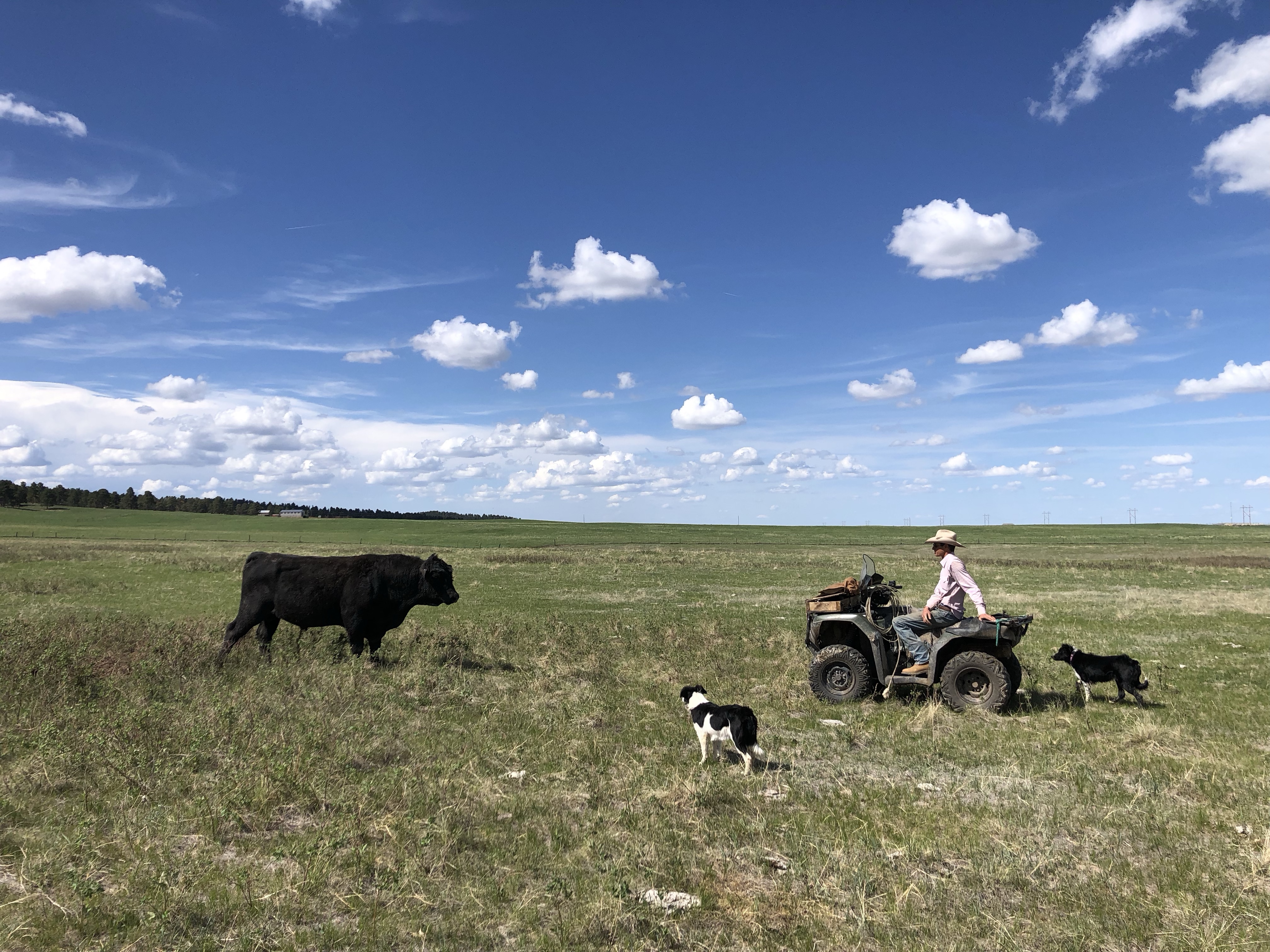
The month of May goes by in a whirlwind of fun and hard work, and there is much rejoicing when the last cow calves and the last calf is branded. The nonstop chaos of calving and branding is followed by the shortest of lulls, before the summer settles into its routine. A thousand prayers for rain have been followed up by a thousand thanks, as we’ve emptied the rain gauge not of tenths or hundredths of an inch, but inches. Whole inches. Inches of slow rain that was actually able to soak into the ground where it will do the most good. We aren’t likely to get a hay crop this year, or not much of one, but we should be able to grow grass, and that is huge.

One season blends and blurs into the next, but it is this spring season that is the highlight for many. After months of winter solitude, branding season feels like a family reunion but without the drama, with all the hugs and handshakes, laughter and jokes, stories and community gossip, finding out all the goings on and the comings up, the graduations and babies and engagements and lives well-lived.
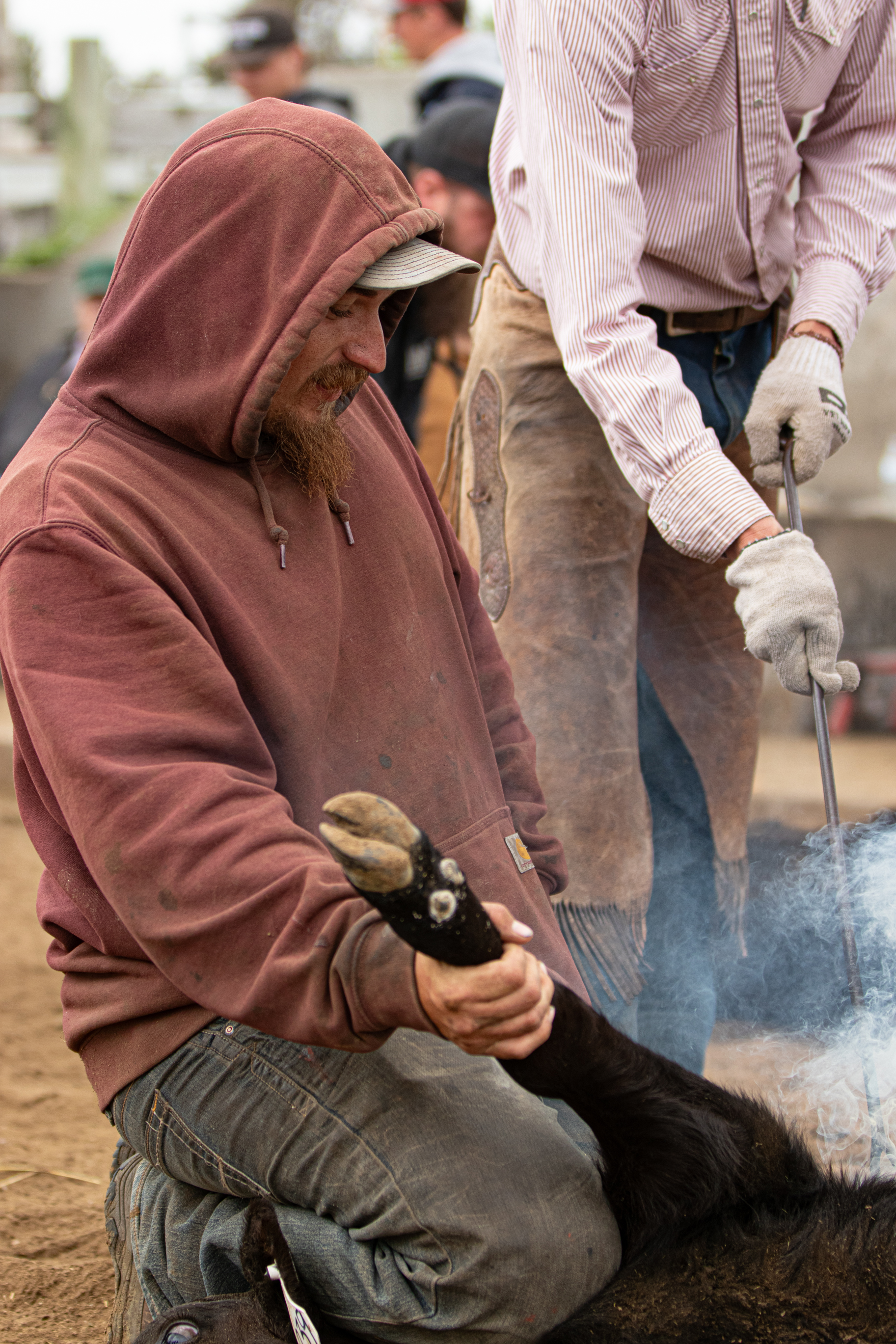
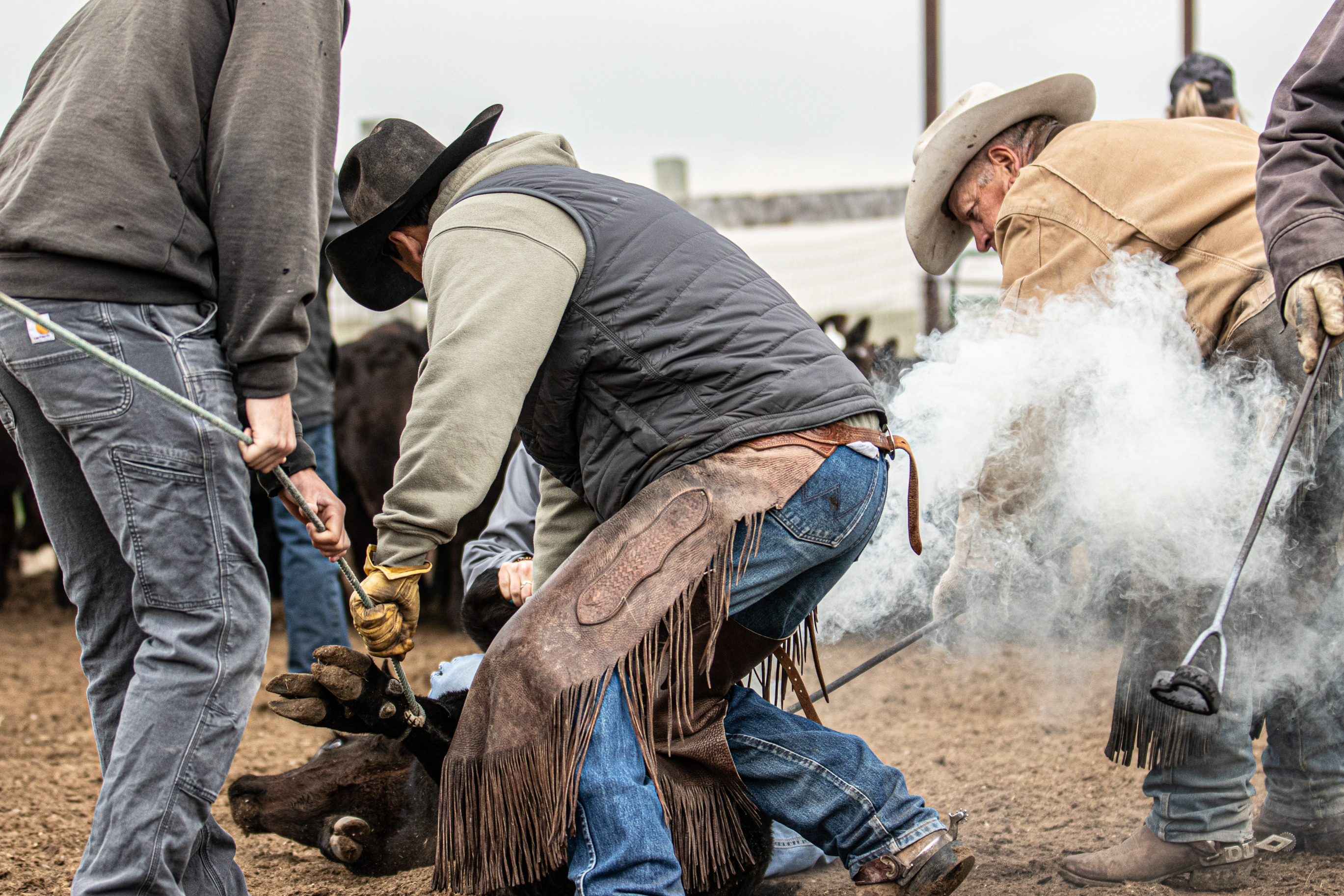
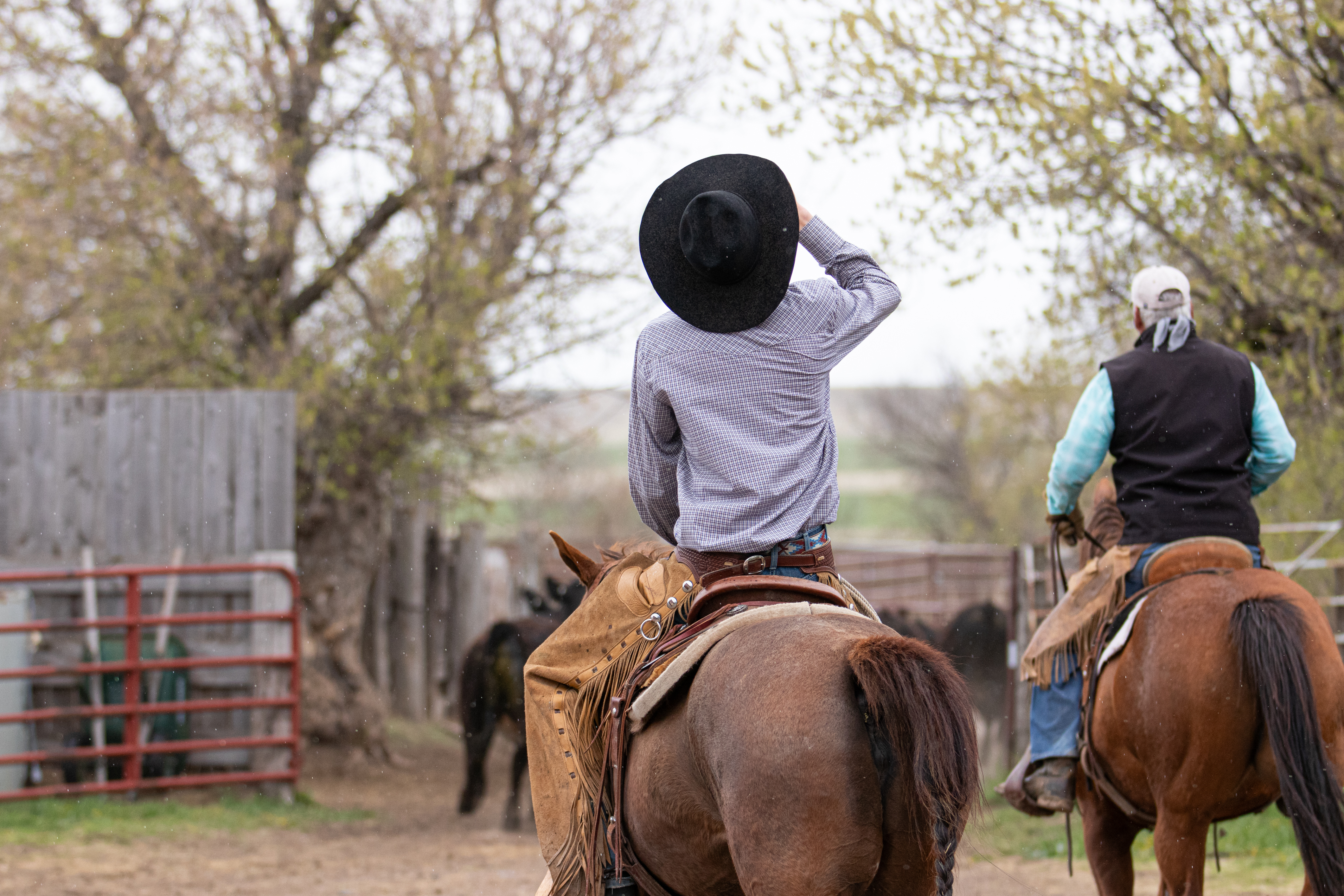
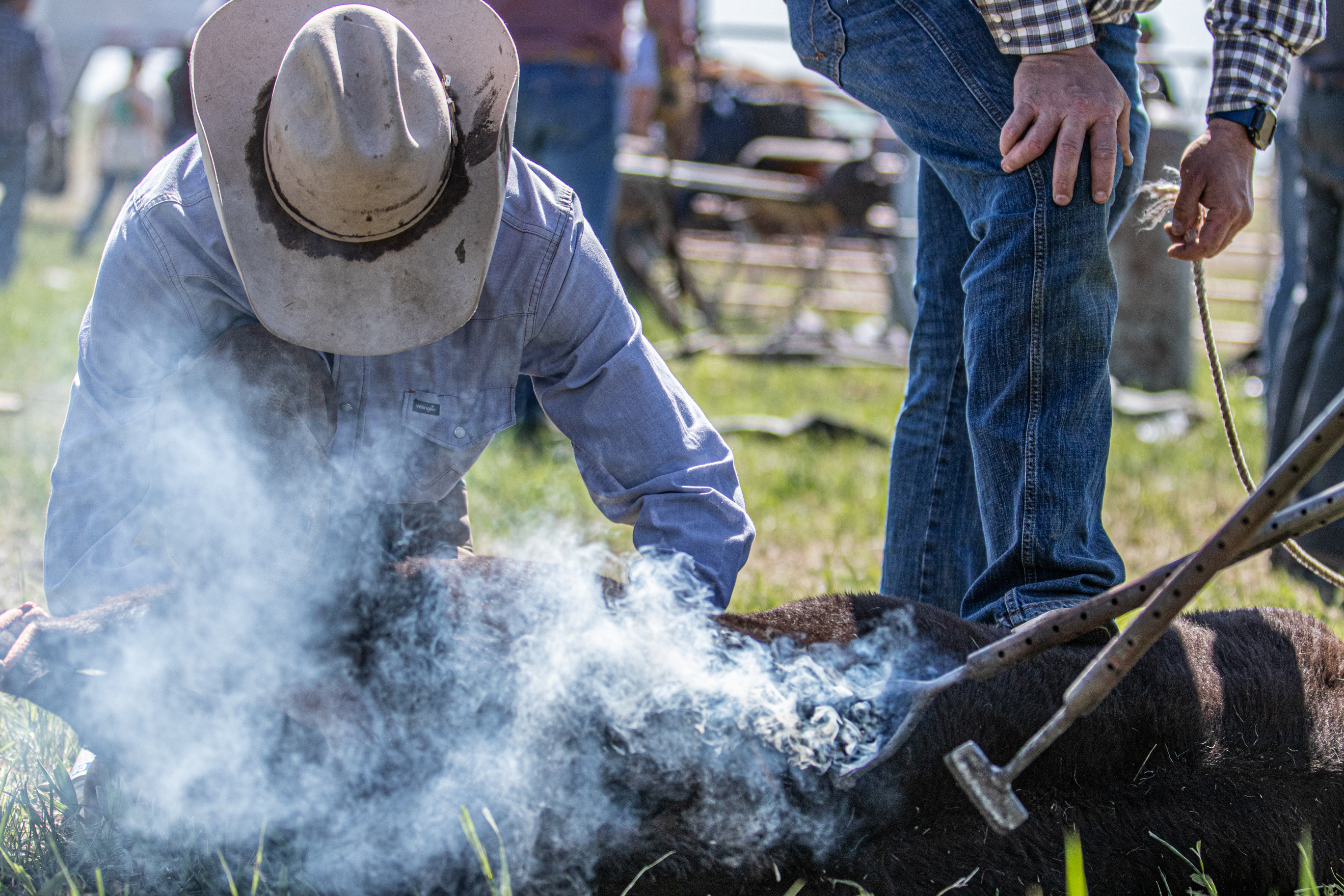
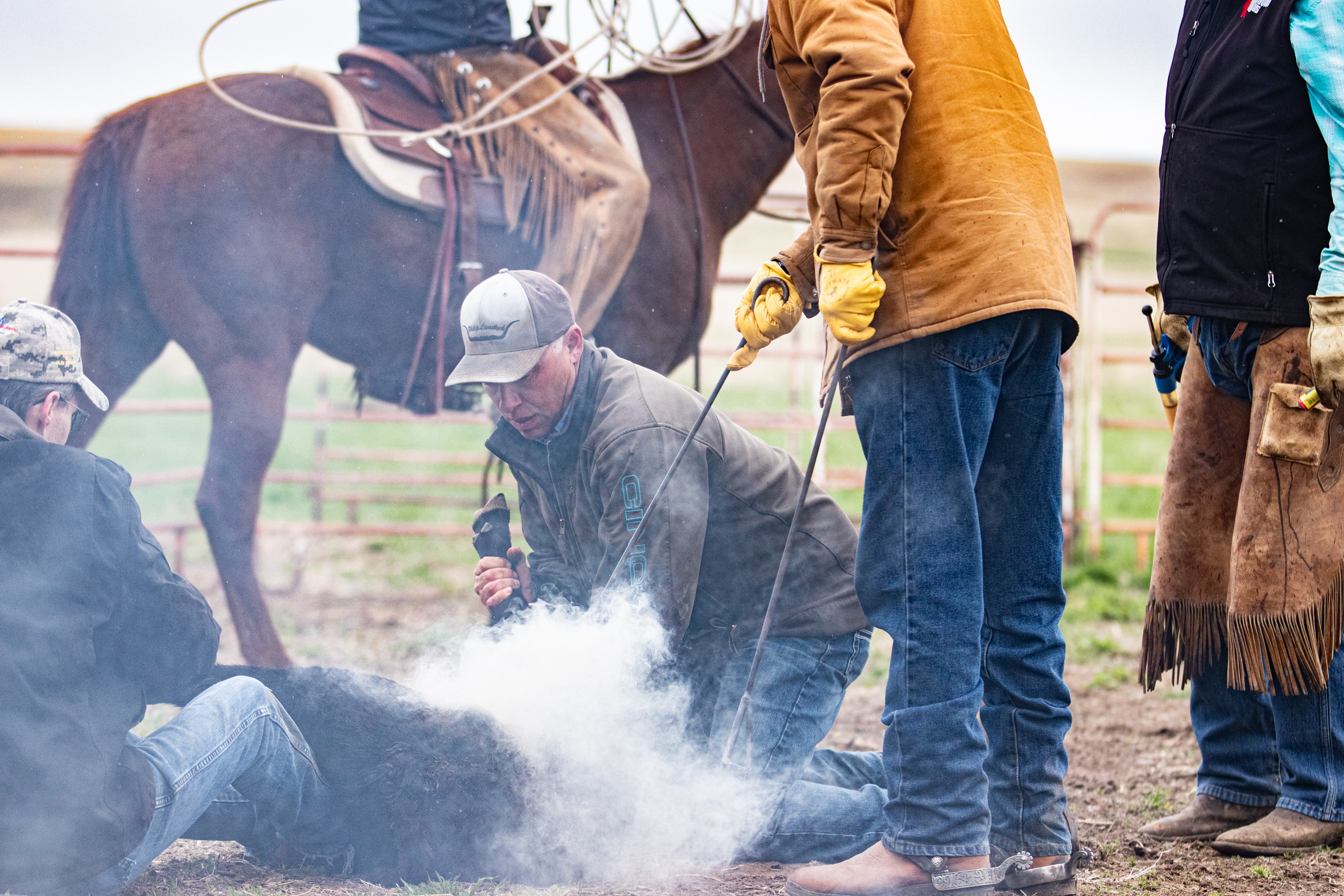
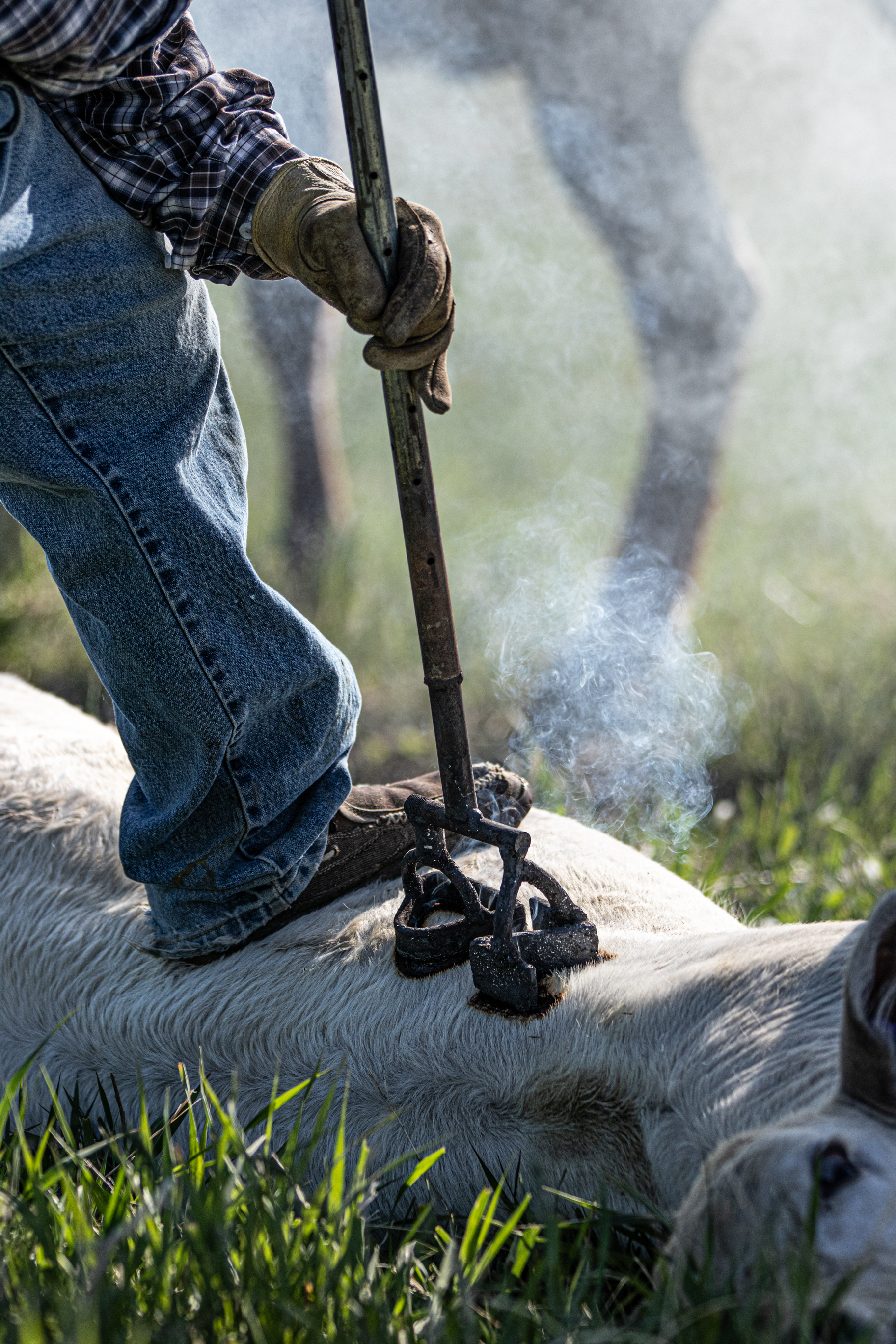
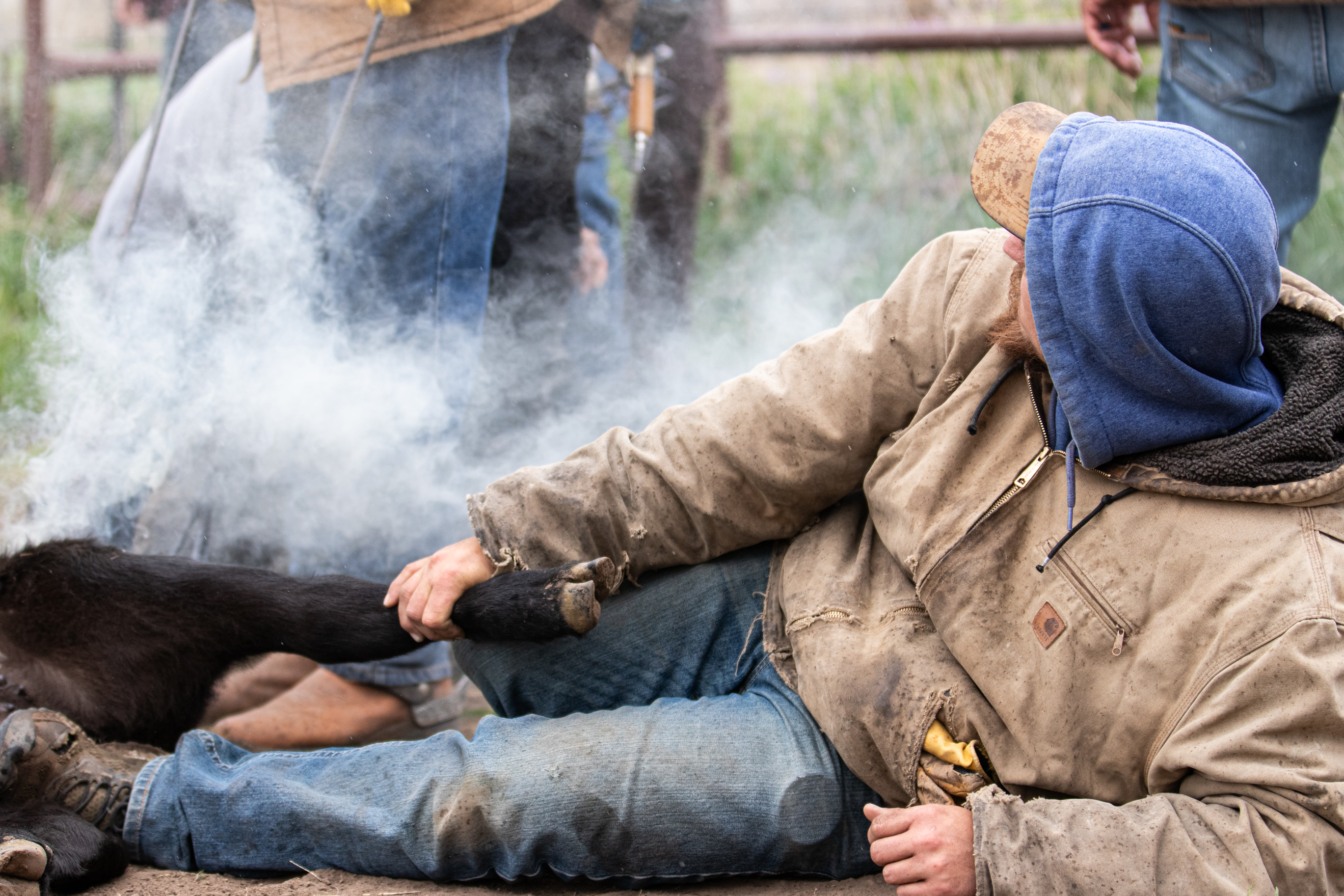
And it is in the chaos of spring work that the ranching community shines as exactly that – a community. We branded our main herd on Saturday, an endeavor that is humbling in its scope, humbling in how many people it takes to actually get the job done, humbling to see how many are willing to help in any way they can. Brandings are like that.

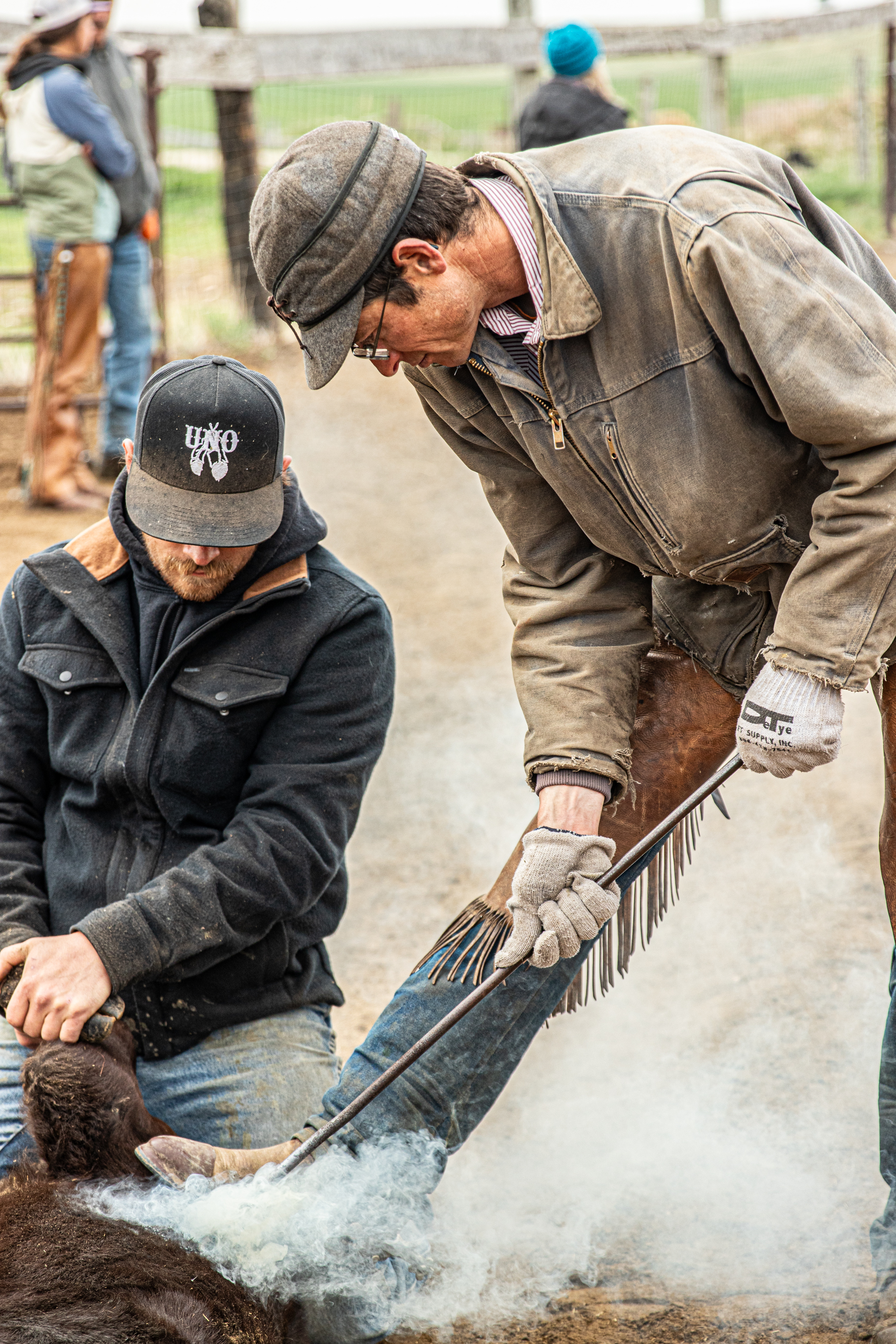

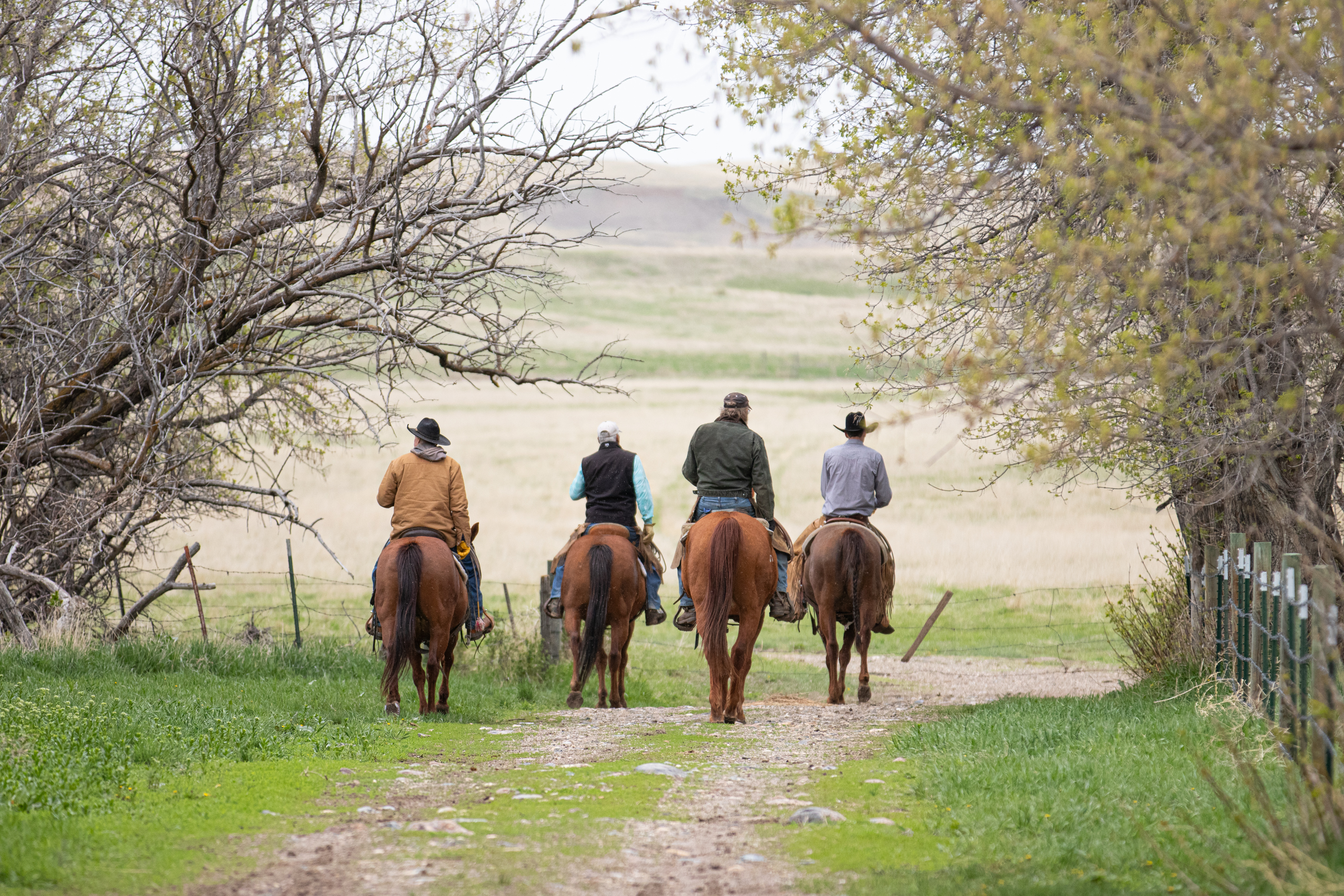
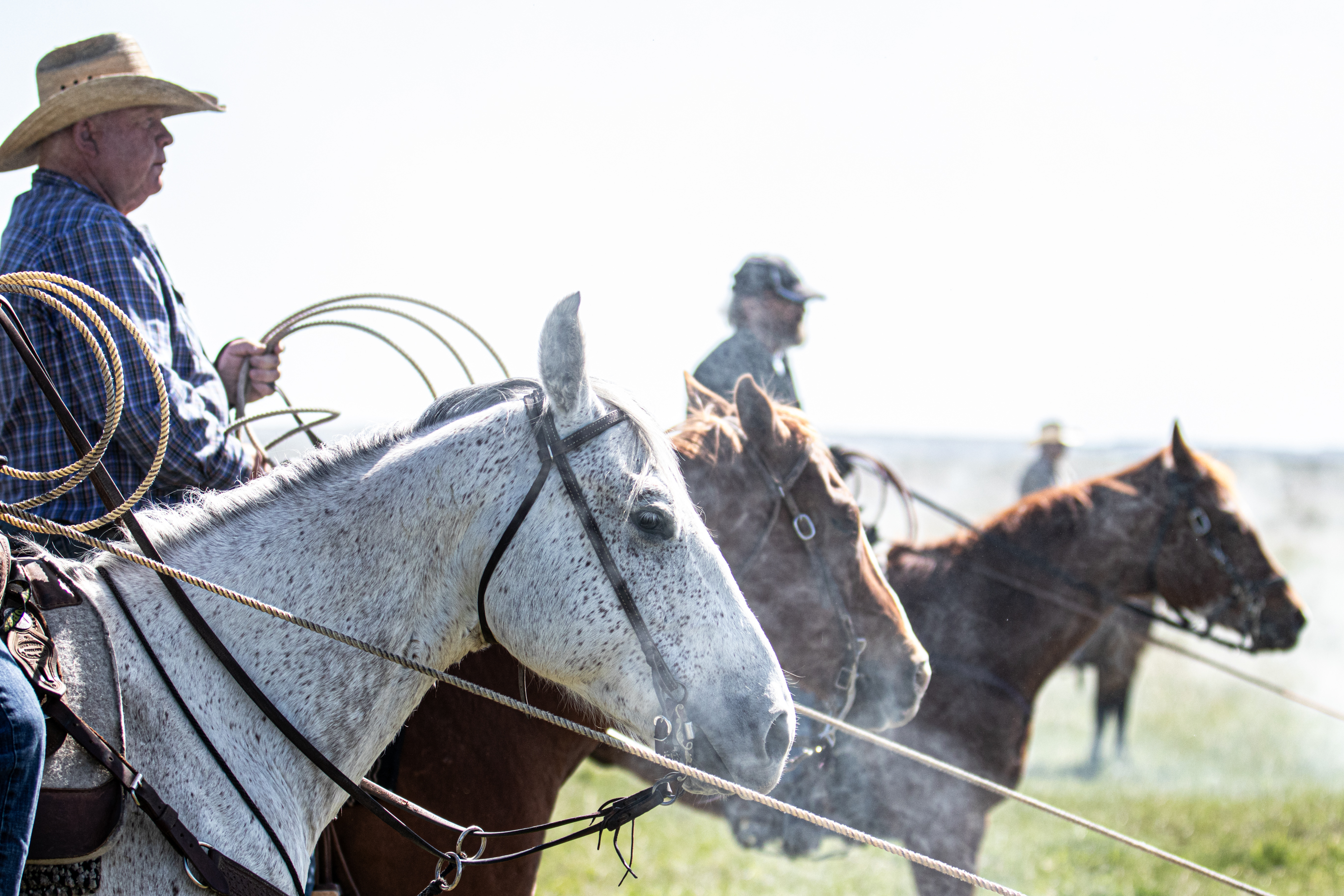
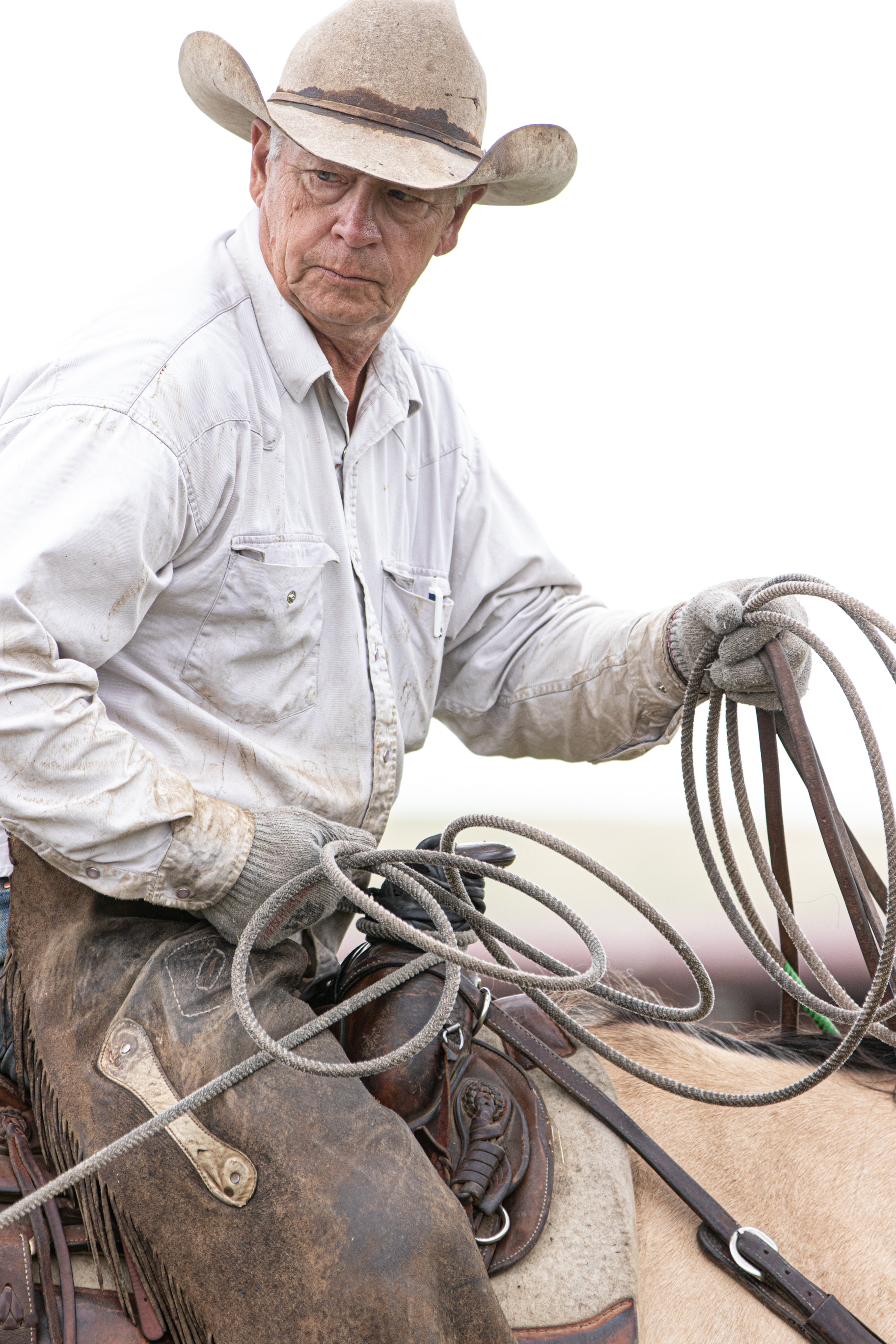
As I handed out hot coffee at our mid-morning break, I was able to study the faces, some smiling, some serious, and all the different walks of life they represent. There are the cowboy ranchers, the true-blue, western-through-and-through, how-my-grandpa-did-it type. There are the dirt bikes and four-wheelers, we-can-do-this-faster type. There are the button-front shirt and cowboy-hat-wearing crowd, and the sweatshirt and ballcap wearing crowd. There are the ones with spurs jingling on costly boots, and those wearing comfortable and well-worn tennis shoes. There are the tobacco chewing ones and the straighter-than-straight-laced ones. There are the beer drinkers and the tea totallers. The coffee drinkers and the water drinkers. There are the ones who know cows as well as they know their kids, and ones who know horses and ropes but cows, not so much. There are those who grew up doing this, and those who learned along the way, and those who simply show up for the work, for the fun and the challenge and the sense of community.
And with all the differences, all the variety, the work is seamless. The fellowship is sweet. And none of those categories matter to anyone. It doesn’t matter if you’re wrestling or roping, branding or cutting, vaccinating or watching the gate, everyone jumps in to get the work done. Although some who come do get help in return with their brandings or cow work, the only repayment many want is a good meal at the end – and we do a good meal, if I do say so myself – and the satisfaction of a job well done, stories swapped, laughs shared, and for them that is plenty. And they’d do it again in a heartbeat.

What is it about agriculture, ranching in particular, that invites this? Or creates this? What is it about ranch work that brings out the best in so many, and fosters an enthusiasm for someone else’s work? When I look at other sectors of society, I’m puzzled and even disenchanted. Even sectors of society where lip service is paid to the importance of community are lacking significantly in this department. I see organizations struggling to recruit involvement from more than the barest percentage of people, and their lack of community reflects this.
I think one factor, maybe the most important factor, is need. Genuine need. Acknowledged need. Ranching families know that they can’t do it alone. They don’t have the luxury to hand-pick those who agree with them or look just like them or never irritate or annoy. They need this neighbor and that neighbor, even the neighbor who might think differently about this issue or that issue, or the neighbor who does things differently, or the neighbor who occasionally pushes some buttons and grates on some nerves. And that neighbor needs them right back.

Could it be that we need to be needed? And we need to need others? It might be that simple.
Our culture tells us, all of us, that we’re good on our own, autonomy is the ultimate state, blaze your own trail, follow your own heart, chase your dreams with no thought to anyone else, and you don’t need anyone but yourself. And too many people have bought into this in one way or another. Connections become optional. Connections become a matter of convenience or personal preference.
Real, genuine need erases so many of those devastating societal luxuries, where connections are based on pet interests and shared hobbies, curating one’s community like a museum curator curating art. When we handpick our community, we tend to reap surface-level connections, clique-like interactions based on emotions and how well we slept and what we ate for breakfast.
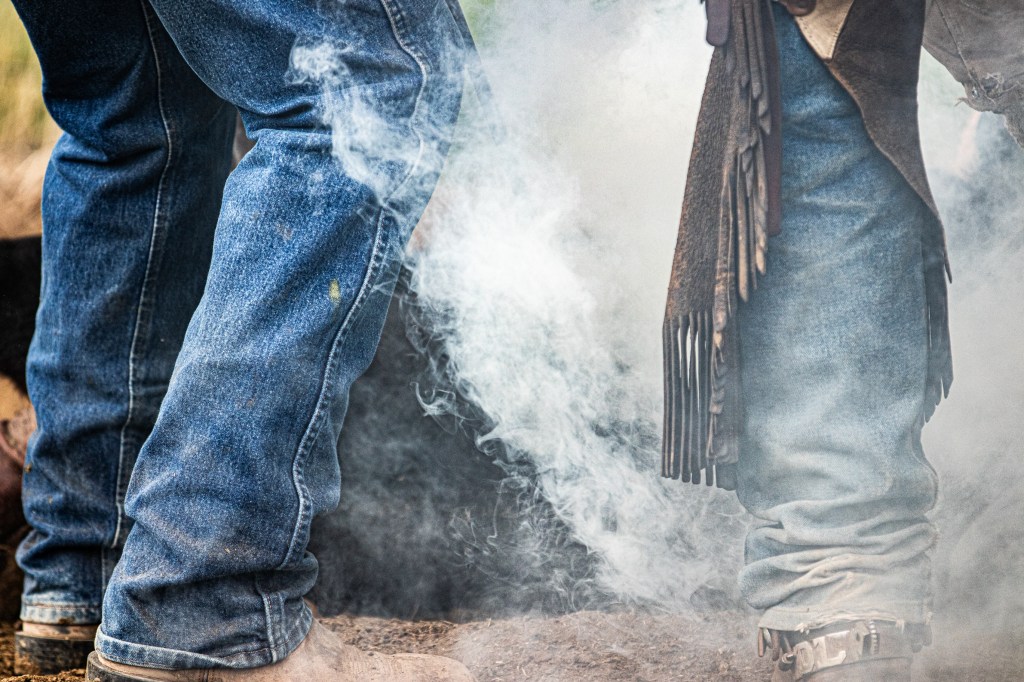
But, when community is picked for you, by proximity and history and shared needs, something much deeper forms and something much more lasting is reaped, something that extends beyond brandings and cow work, something that forms the family-like structure of a resilient community.
We need to be needed. And we need to need others.






















 Song Dog Journal