Originally published in the Custer County Chronicle on December 6, 2023
How is it already December! That last page in the calendar, the last 31 days of writing “2023,” the last few weeks of this year, with all of its successes and failures and joys and sorrows. On the ranch, it is tempting to begin to look towards spring somewhat impatiently: to the increasingly-longer days, the arrival of the first calves, planting the first seeds, harvesting the first early greens. The lull in the regular rhythm of ranch work can be frustrating for those who want to be busy all the time.

As humans, a lot of our life is spent waiting. We wait in line at the grocery store. We wait and pray for children, for recovery from illness, for that promotion or raise or perfect job. We wait for our dreams to be realized, to find the right spouse. We wait for gardens to grow, and trees to bear fruit, and chickens to lay eggs, and calves to be born. And we are conditioned to think that waiting is inherently bad, a thing to be avoided, a problem to be solved. We try to find ways to speed up the process, to be more efficient, to accomplish more faster, to achieve results in less time. But it doesn’t matter what we do, winter will last one quarter of the year (or more in South Dakota), gardens need rest, cows require 9 months to grow a calf, and it still takes at least seventy days to grow a tomato. And so we wait.

This is where the Advent season finds us. Waiting. Waiting for what comes next. In the coldest, darkest time of the year, we are waiting. And it can either be a burden, or an opportunity.
The older I get, the more the Advent season touches my heart, and the more this period of restful, watchful waiting resonates with meaning and purpose. Although it is observed with gravity and sobriety, I relish the undercurrent of celebration and joy, this time to remember God’s blessings over the last year and years past, looking forward with hope to whatever it is that comes next. It is a time to rest in the waiting.

Two years ago, almost to the day, my now husband asked me to marry him. I was 31, and had prayed and hoped for years that God would provide a husband, a good husband, a kind husband, a husband who loved Jesus. And each year that went by, I wondered. But in my loneliness, God gave me contentment, and then continued to give me years of singleness, years of waiting I realize now were not purposeless but were preparatory. And it was into this waiting that God provided a spouse. I remember how vividly I knew, beyond the shadow of a doubt, that all the waiting and hoping and praying had been worth it. The years of loneliness had been worth it. The man God had brought into my life was worth the wait.
But human nature wants to rush right through to “the good stuff,” rather than seeing the beauty and the benefit of the wait, and we short-circuit times of growth and preparation in our attempts to shorten the waiting. Rather than allowing the anticipation to teach us contentment, we allow ourselves to learn resentment. Rather than joy, we learn annoyance and frustration. Rather than celebrating what we have been given, we dwell on what we perceive that we lack.

We can choose to focus on what God has given, or on what He hasn’t given. We can intentionally choose joy, or we can choose discontent.
Sometimes we wait, years or decades, finally experiencing a real and radical change in our situation, God giving us the thing that our heart desired. Sometimes we wait, and instead are given a real and radical change in our hearts, a change that allows for contentment and peace where there was once anxiety and resentment and worry. Sometimes the blessing is simply a heart with a greater trust in God’s ways, even the ways we don’t understand.
Advent remembers the change that God brought to His waiting world when He provided a Savior in the form of Jesus Christ. But there are a million other blessings that God brings, and the watchful waiting of Advent brings these things to the forefront.
So, I savor the lights and the decorations, the sweet traditions that bring warmth and color into the cold, bleak winter, traditions like cutting a tree and watching It’s a Wonderful Life, listening to Christmas music and baking my Grandma’s pfeffernusse, doing Advent readings and lighting the candles, and gathering with family. All the customs that grow one’s anticipation for the approach of Christmas Day, reminding us of God’s promises, His faithfulness, and of the beauty in the waiting.






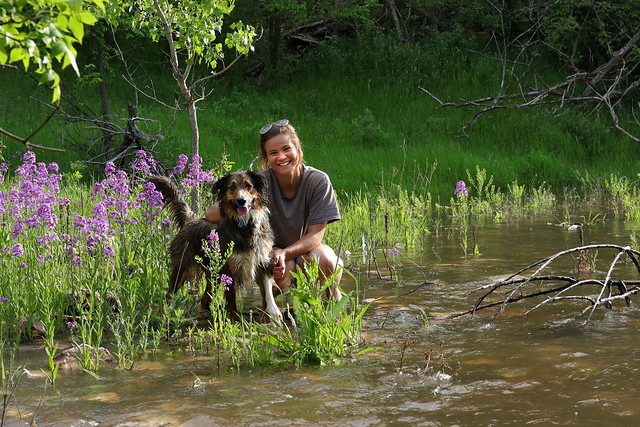



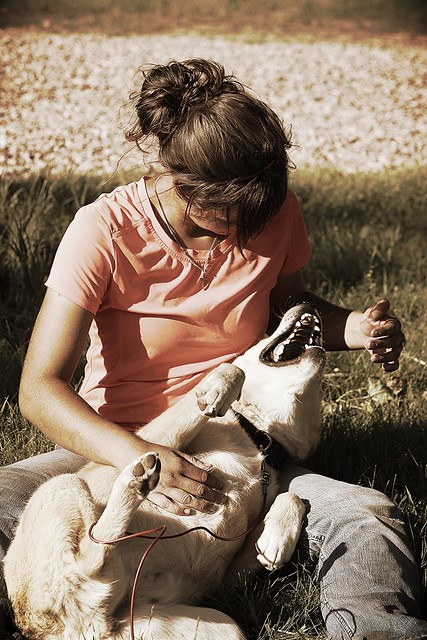
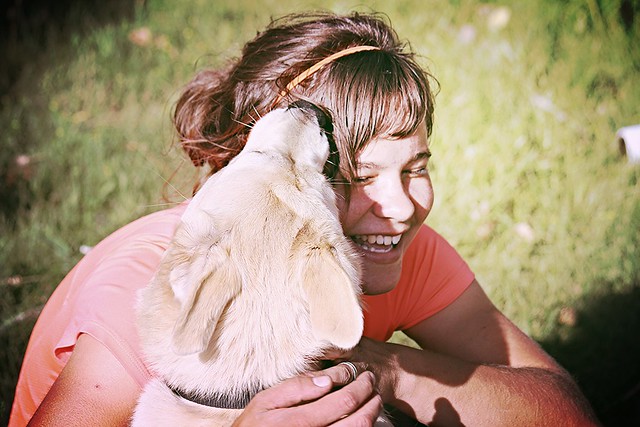
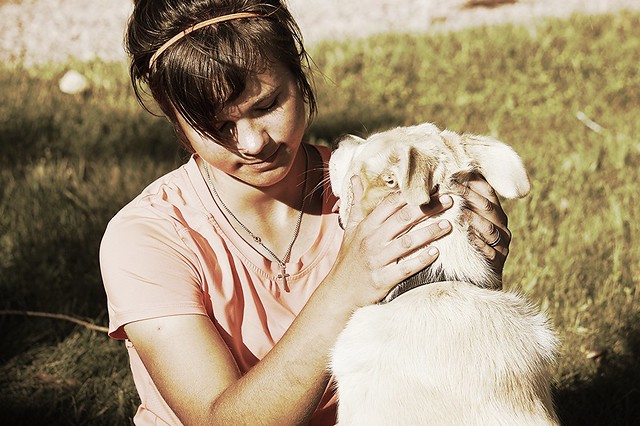 Pets are one of those little blessings that as children we instinctively know are a gift from God. We pray about them, thanking God for them, asking Him to keep our pets safe. But when we grow up, we lose something of that delight. “More important things” take up our thoughts, and we can lose sight of those little blessings and gifts from God that we experience every day. We thank God for what we might consider the “big gifts” (family, church, promotion at work, scholarships, financial security, the new car) but we neglect to thank Him for His little gifts, daily evidences of His goodness to us (the first breath we take each morning, the feel of a puppy’s fur, a cat’s purr, a baby’s smile, dewdrops on grass, fresh air, clean water). If God’s goodness is manifest in Creation, which it is, isn’t it also manifest in those little or individual things of His Creation, be it a flower or a rolling landscape or a waterfall or great creatures or small creatures?
 Song Dog Journal