In the Garden | What I’m Most Excited to Grow

So here’s the thing. I love to garden, but I can’t say I really enjoy babying temperamental and finnicky plants. It is hard enough to grow anything in the Black Hills without having to contend with plants that just want to die. There are some things that just aren’t worth it to me.

So when it comes to planning my garden and picking what to grow, the things I enjoy growing are the things that will do best without me helicopter-mom-ing them. Because the problem with helicopter-mom-ing a garden is that no matter my best efforts, the hail still might wipe it out. Or the grasshoppers might. Or a very late or very early frost. Or, or, or. It isn’t that I don’t enjoy cultivating or the challenge, but if I have to sweet talk a plant into living, then it just won’t do well in my garden.

Also, I really (really, really) don’t want to give something space in my garden (space is a commodity) and only end up with one of something. Unless it is a really big something. So whatever I grow has to be a good producer. Part of the reason I garden (a large part of it) IS self-sufficiency and seeing the grocery bill dwindle to next to nothing during the summer months, and feeling the satisfaction of meals cooked almost entirely from food grown by us.
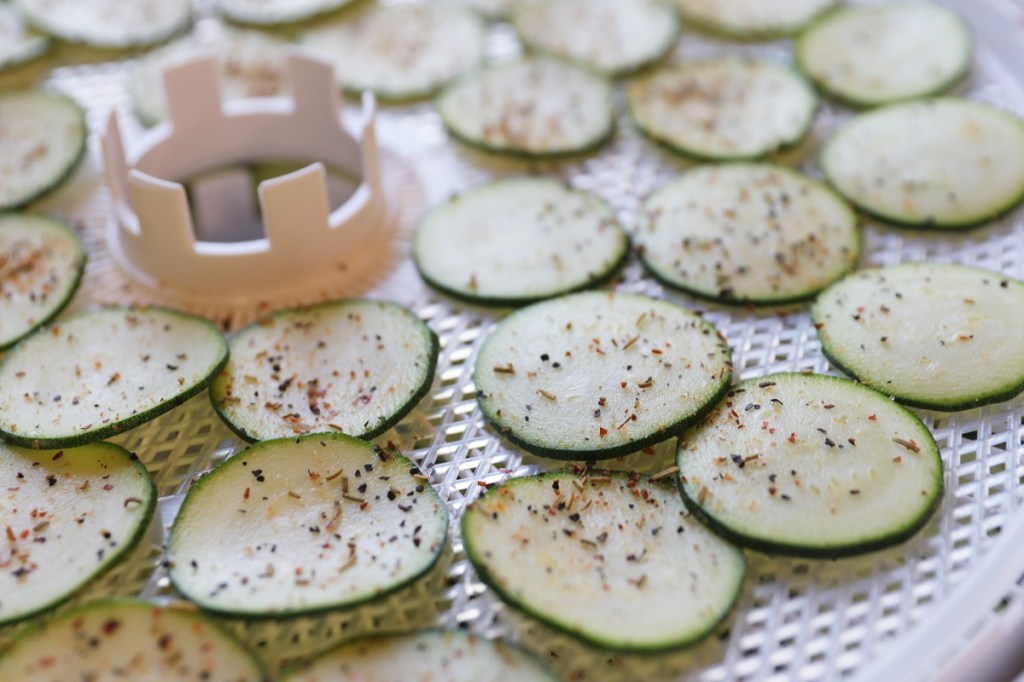
That’s why zucchini is one of my favorite things to grow. For real. Those weeds of plants can be totally wiped out by the hail and it will STILL come back and produce massive squash before the end of the season. And really, I do love growing zucchini. If you hate zucchini, don’t grow it, but it is incredibly versatile and such a great addition to salsa, sauces, soups, is a delicious snack dried, and I love it lightly sauteed or grilled, or even cubed and put into salads and pasta salads. And those massive zucchinis that get found in the late summer? They keep almost as well as winter squash, and are excellent grated and put into something, or even selectively sliced or diced and sauteed. Not quite as delicious as the smaller, tenderer zucchinis, but it is a widespread misconception that large zucchinis are inedibly woody and good only for zucchini bread. This poor veg gets a bad rap, probably because people in general lack the imagination to prepare it more than one way, but it is arguably the most versatile thing a person can grow in the garden, and one of the easiest. Consider it the gateway vegetable.

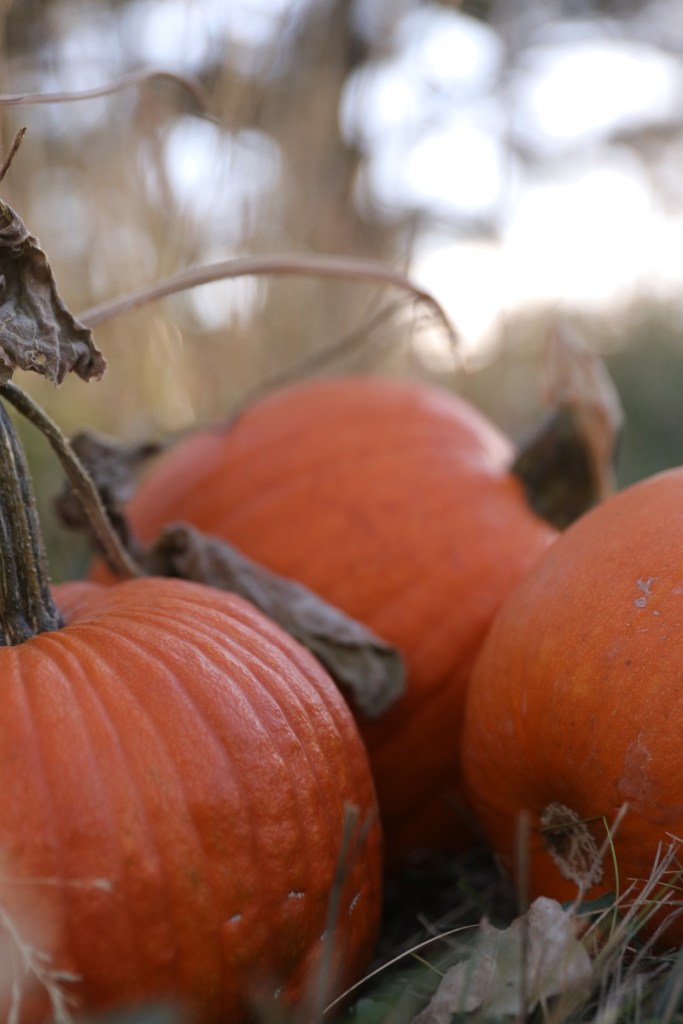
Hubbard squash is another favorite of mine. I grew it two summers ago (last year the hail wiped it out), and ended up with easily probably 100-150 pounds of great-keeping squash that we slowly worked on over the winter. Hubbards can get up to 40 pounds–The biggest I harvested was about 25 pounds. It can be used like a butternut or even a pumpkin, with bright orange, mellow flesh that bakes incredibly well. I loved to roast it and spice it up with some savory seasonings, and we’d eat it like mashed potatoes.
Basil is an herb I’m particularly fond of growing. It is very prolific, pretty disease resistant in my experience, and it is so easy to preserve it by chopping it finely with a food processer with some oil and freezing in ice cubes. The flavor is incredible.

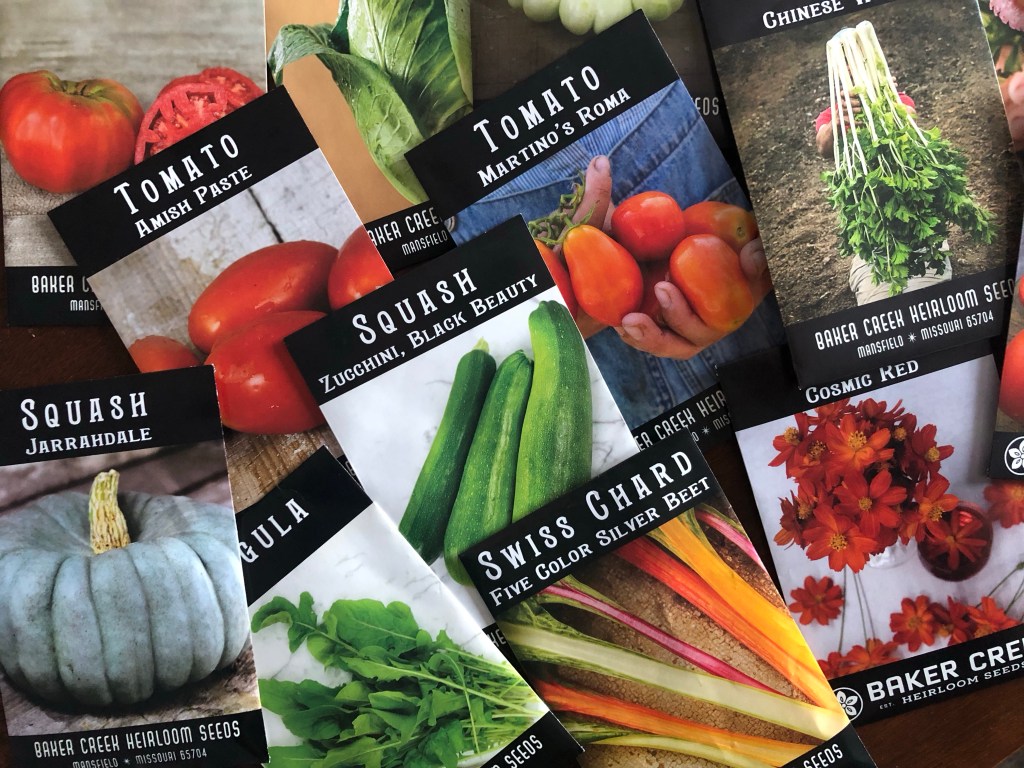
As far as tomatoes go, Amish paste tomatoes are one of my favorites. They are great producers, especially in my greenhouse using strip-pruning to encourage fruiting, the texture is great, and they are so versatile. Big enough to slice for sandwiches, but fleshy enough for salsas or just eating straight off the vine, these have quickly become my go-to tomato.

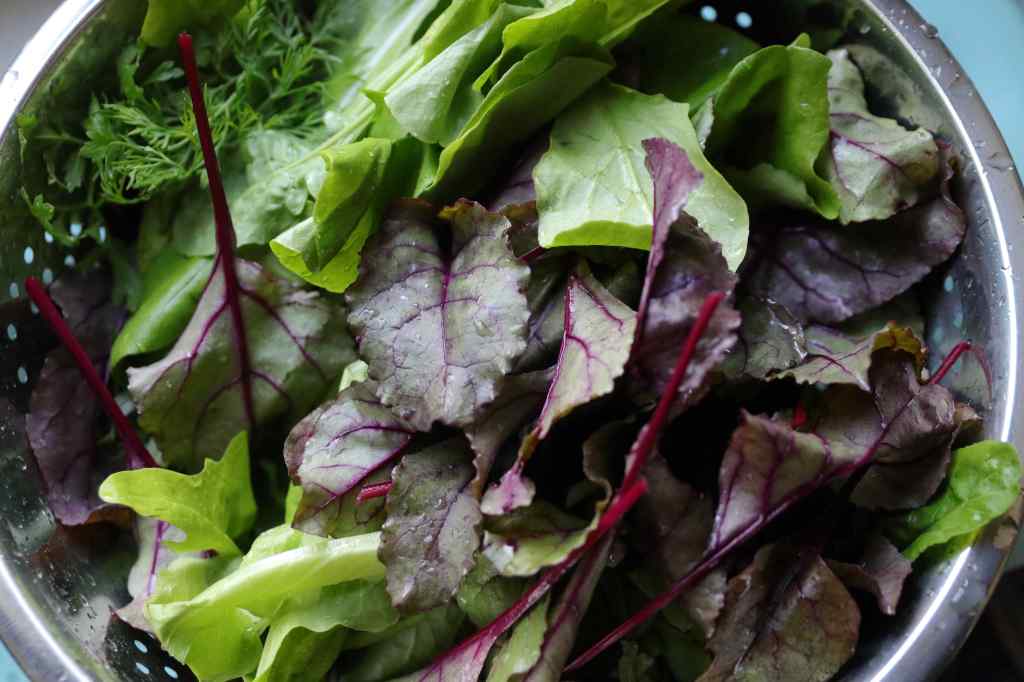
Chard, cress, arugula, and lettuce blends are also incredibly easy to grow, and once you’ve tasted a fresh-picked salad with spicy cress and arugula, a few sprigs of fresh dill, and a variety of lettuces, it is just hard to go back.
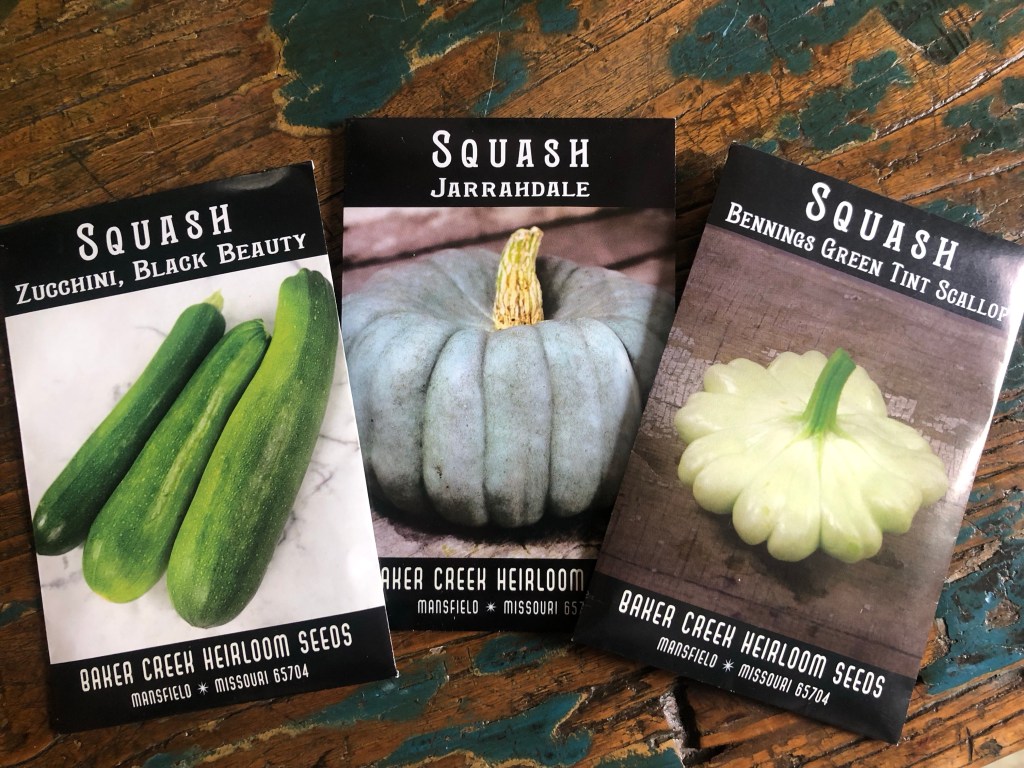
Some new things I’m excited to try are some different pumpkin varieties, including “Jarrahdale”, as well as “Fairytale” and “Rouge Vif d’Etampes”, for some color. These will all get planted at the edge of the garden so they can sprawl without having to corral them. I’m already looking hopefully forward to some fall decorating with a rainbow of pumpkins! I stumbled across a squash called a scallop squash, and decided to try those as well. Fortunately there are as many ways to eat squashes as there are squashes.
Radishes are another vegetable that will be a new addition this year–I discovered how delicious radishes are sauteed! They’ll be the kind of thing I can stick in here and there wherever there is a little space in the garden. A friend came by a bunch of extra seeds and passed a bunch to me, including a few different radish varieties.

And, because I’m a sweet little wife, I will be giving watermelons another try. I have a failed record at growing watermelons, but that and cherry tomatoes are basically the only things he specifically requests that I plant. And so I plant. And hope for better luck with my watermelons this year. Any tips would be gladly appreciated.

What are you growing this year?

In the Garden | Spring Garden Prep

Garden planning has been underway basically since the last tomato was harvested in the fall–Anticipation for the spring begins well in advance of springtime, and even in advance of winter. Gardening is an inherently optimistic and forward-thinking occupation.

I began ordering seeds in January, sticking with primarily (actually exclusively, I believe) heirloom varieties of vegetables. I’ve never quite had the wherewithal to really save seeds and I intend to change that this year! Consequently the selection was made for varieties I wished to continue to cultivate!

My absolutely favorite tomato varieties are the paste tomatoes, Amish Paste and Roma, both for flavor and texture as well as use. I love the meatier texture and honestly eat a lot of them straight off the plant! I actually have successfully started a lot of tomatoes from seeds left from last year that were wildly incorrectly stored, and I’ve still seen about an 80% germination rate, which seems really spectacular, given how poorly the seeds were stored. I also started a handful of Black Krim tomatoes, leftover from last year, though I wasn’t overly impressed with how they performed. They weren’t great producers by any stretch of the imagination, and it was actually really hard to tell if the fruit were ripe, because of their odd color. They were delicious, though. I’ve started some Mortgage Lifters, Comstock, Amish Paste, Roma, and a few varieties of cherry/grape tomatoes for fresh eating. Some herbs are going as well, with more to come.

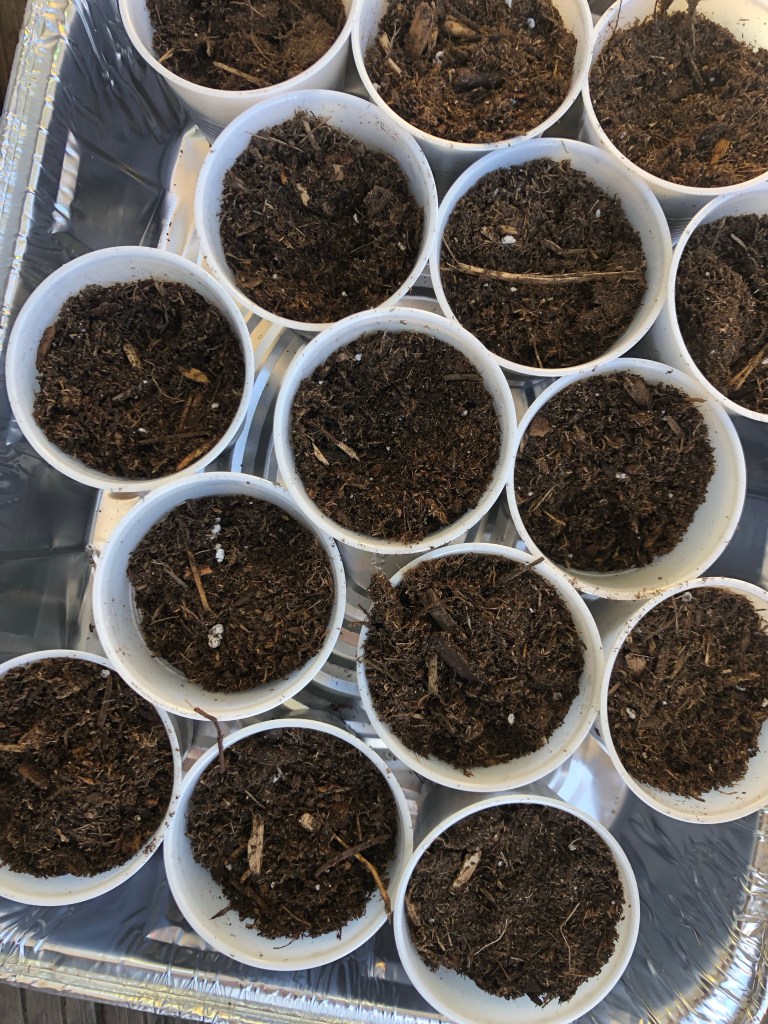
This year, I opted to use dixie cups and solo cups instead of paper pots for seed starting and, boy, it has made things easier. I may roll some paper pots as I get more herbs going, things that will grow quickly and be transplanted quickly, but I’ve been happy with the switch. They hold up much better to jostling and watering, are much easily to fill with dirt, and they’ll provide a deeper base for root development, especially on things like tomatoes. A drill works great to make drain holes in the bottom, easily putting holes in 100 cups in, oh, three minutes. It really speeds up the planting. I’ll be able to save them this year and reuse for next, so that’ll be a nice time-saver.

The grow lights and seed starting heat mats I bought last year are working great still, and I actually bought two more lights and another set of four mats for this year. Tomato seeds have been germinating in 5 days! If you’re wanting to start seeds indoors, I’d definitely recommend these.

Remember the elderberry cuttings I got in January? They have absolutely flourished, and all but one rooted. They’re in dirt now and doing great. This will be the continuation of the little orchard we started in 2022, our “wedding trees.” Hopefully that will see an expansion as well. Menards has great prices on fruit trees, so I’ve been eyeing those.

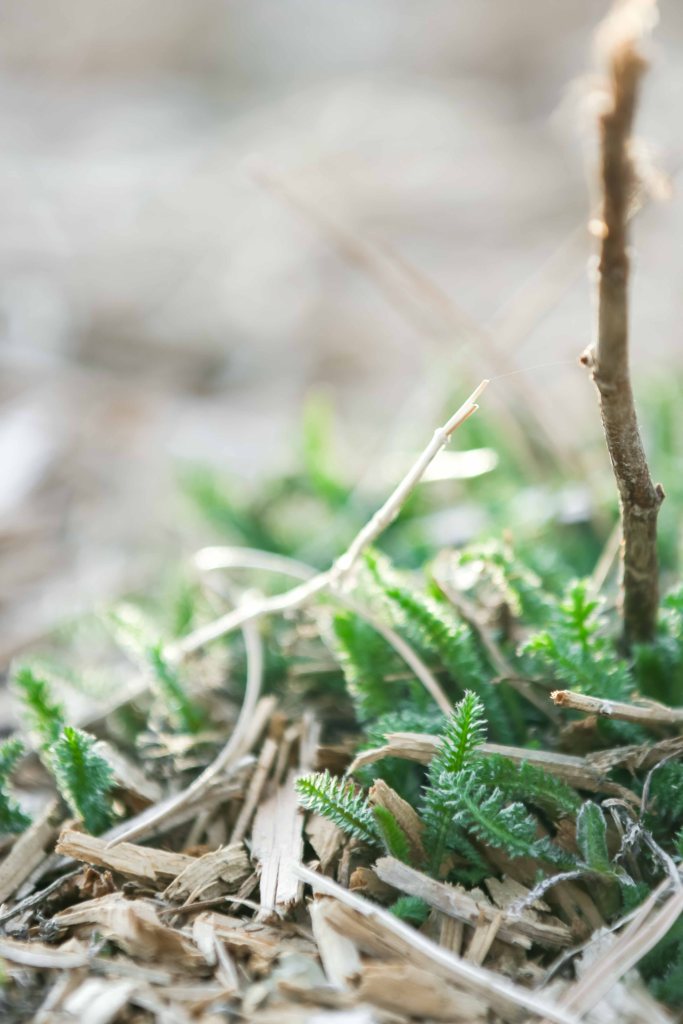
I’ve been out in the greenhouse and garden a fair bit, getting some walking onions divided and put in the ground in the greenhouse, cleaning up, pulling weeds, and turning the dirt in all my tomato pots. As soon as we’re past this cold snap, I hope to get some greens and root veggies going. It has been gratifying and exciting to see what survived over the winter–Strawberries, rhubarb, chives, garlic, walking onions, and lots of perennials are already emerging. A peony I planted from bareroot last year has come up, catmint and verbena and English daisy and bee balm, yarrow and black eyed Susan…It is so good to see green!

The Stirring

Originally printed in the March/April 2024 issue of Down Country Roads Magazine

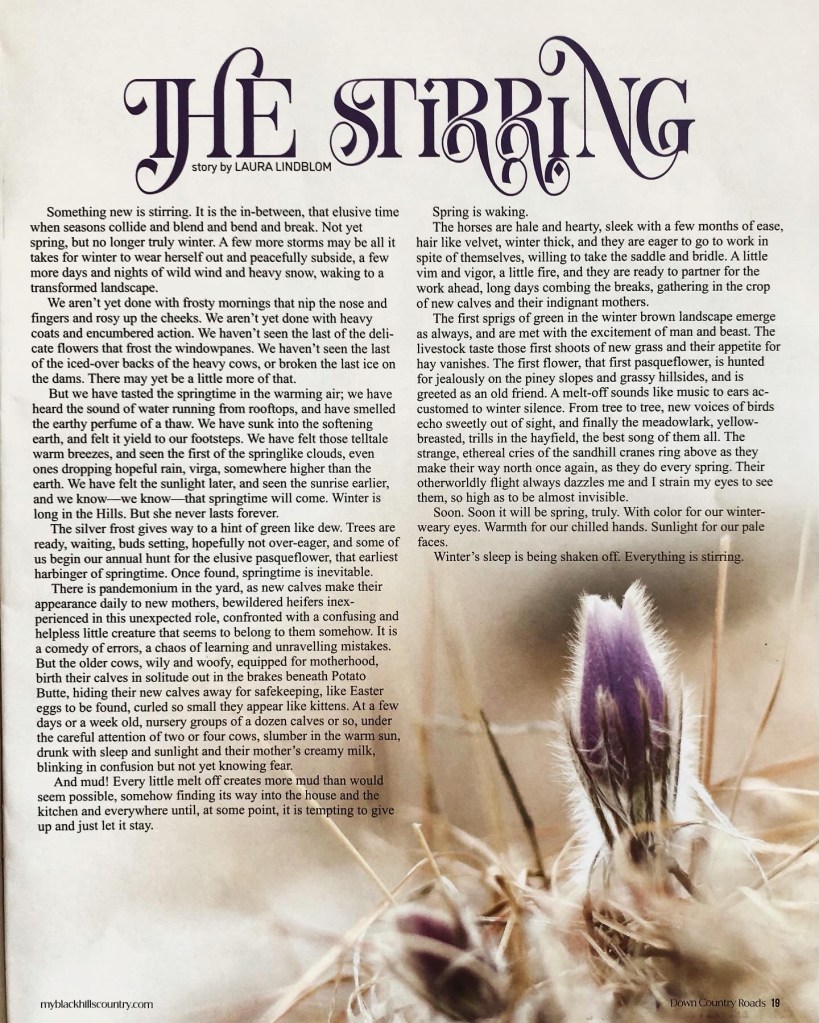
Something new is stirring. It is the in-between, that elusive time when seasons collide and blend and bend and break. Not yet spring, but no longer truly winter. A few more storms may be all it takes for winter to wear herself out and peacefully subside, a few more days and nights of wild wind and heavy snow, waking to a transformed landscape.

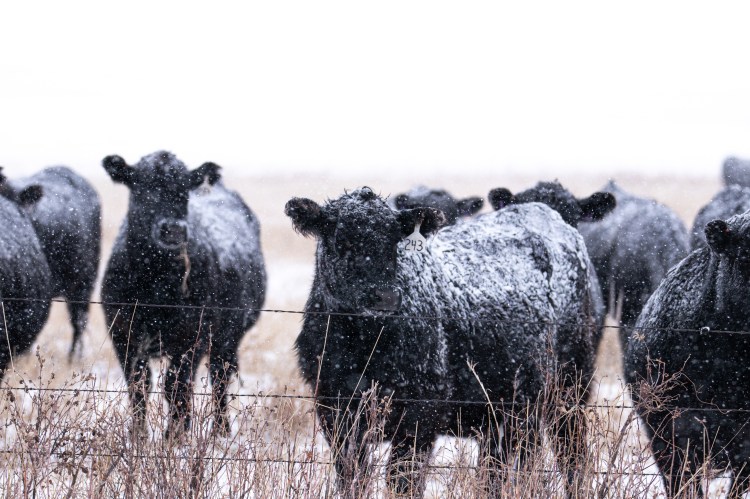
We aren’t yet done with frosty mornings that nip the nose and fingers and rosy up the cheeks. We aren’t yet done with heavy coats and encumbered action. We haven’t seen the last of the delicate flowers that frost the windowpanes. We haven’t seen the last of the iced-over backs of the heavy cows, or broken the last ice on the dams. There may yet be a little more of that.

But we have tasted the springtime in the warming air; we have heard the sound of water running from rooftops, and have smelled the earthy perfume of a thaw. We have sunk into the softening earth, and felt it yield to our footsteps. We have felt those telltale warm breezes, and seen the first of the springlike clouds, even ones dropping hopeful rain, virga, somewhere higher than the earth. We have felt the sunlight later, and seen the sunrise earlier, and we know—we know—that springtime will come. Winter is long in the Hills. But she never lasts forever.

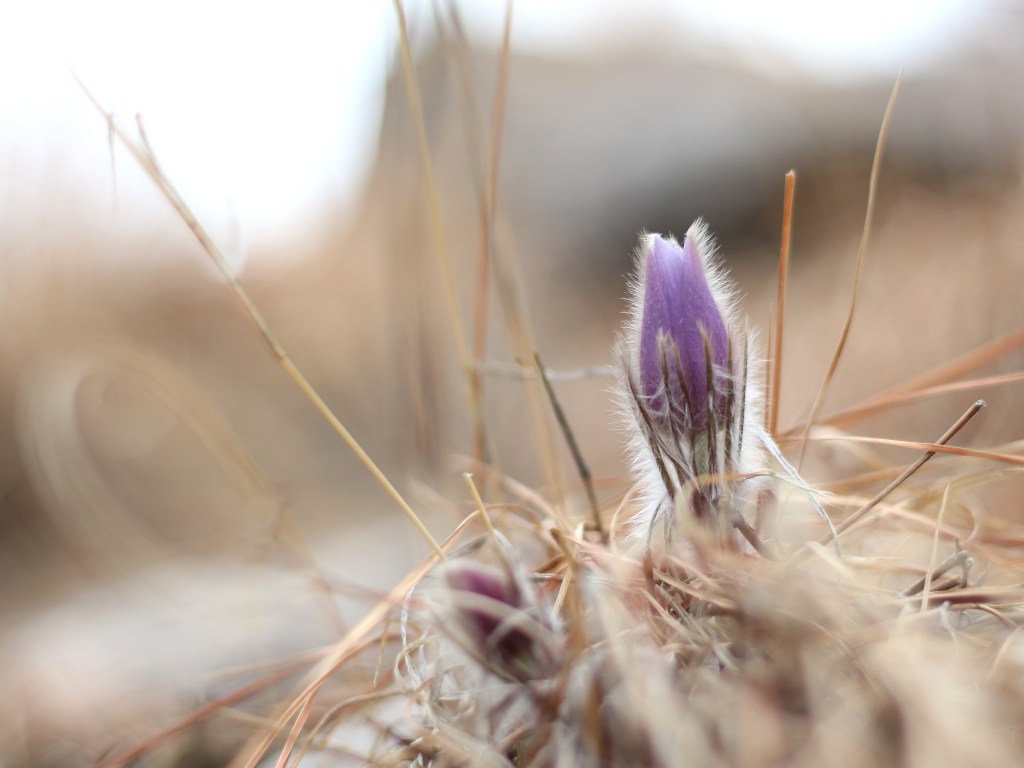
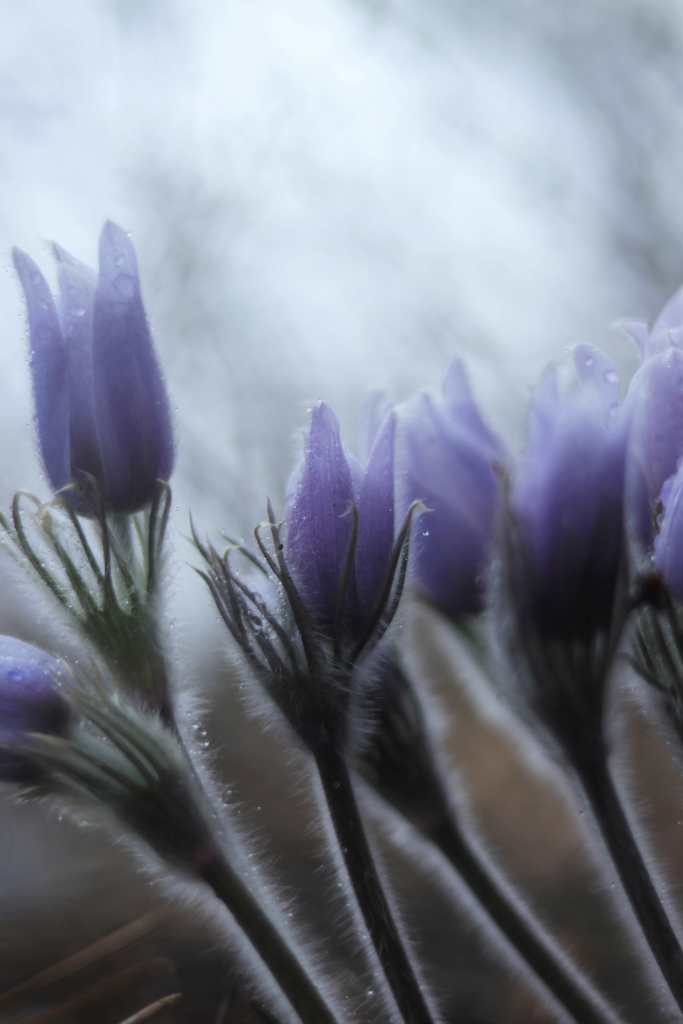
The silver frost gives way to a hint of green like dew. Trees are ready, waiting, buds setting, hopefully not over-eager, and some of us begin our annual hunt for the elusive pasqueflower, that earliest harbinger of springtime. Once found, springtime is inevitable.

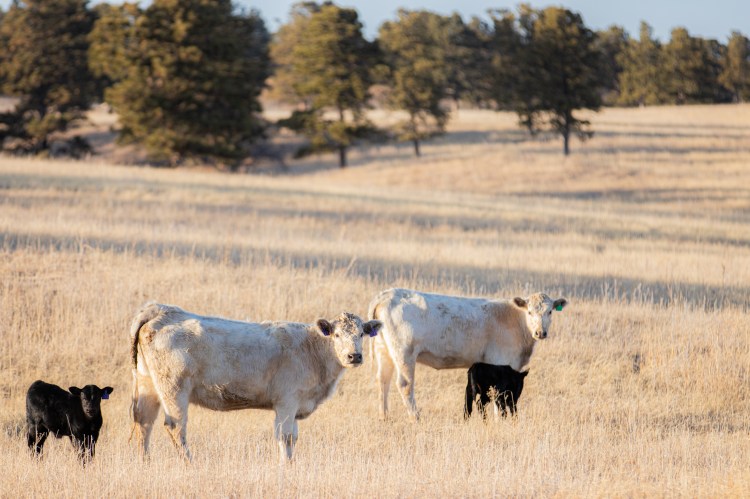
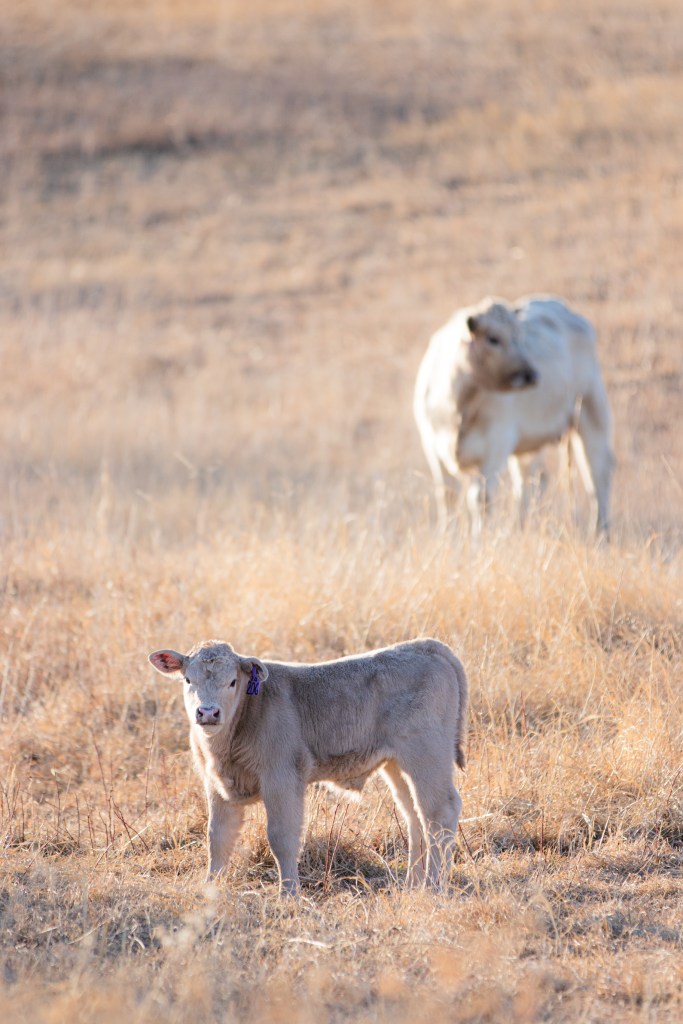
There is pandemonium in the yard, as new calves make their appearance daily to new mothers, bewildered heifers inexperienced in this unexpected role, confronted with a confusing and helpless little creature that seems to belong to them somehow. It is a comedy of errors, a chaos of learning and unravelling mistakes. But the older cows, wily and woofy, equipped for motherhood, birth their calves in solitude out in the brakes beneath Potato Butte, hiding their new calves away for safekeeping, like Easter eggs to be found, curled so small they appear like kittens. At a few days or a week old, nursery groups of a dozen calves or so, under the careful attention of two or four cows, slumber in the warm sun, drunk with sleep and sunlight and their mother’s creamy milk, blinking in confusion but not yet knowing fear.

And mud! Every little melt off creates more mud than would seem possible, somehow finding its way into the house and the kitchen and everywhere until, at some point, it is tempting to give up and just let it stay.

Spring is waking.

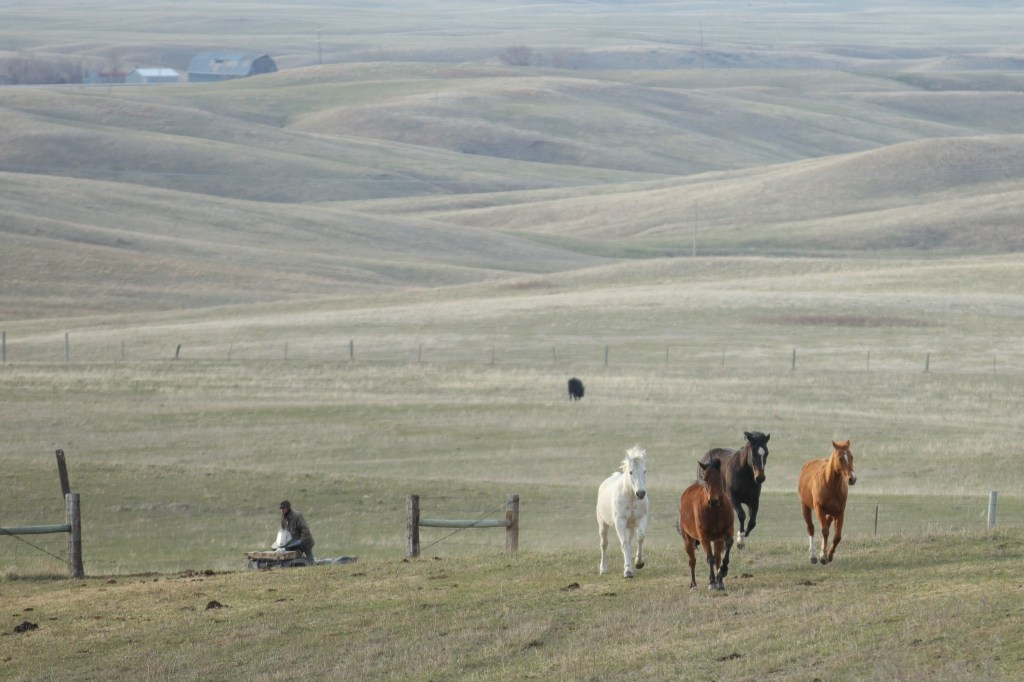
The horses are hale and hearty, sleek with a few months of ease, hair like velvet, winter thick, and they are eager to go to work in spite of themselves, willing to take the saddle and bridle. A little vim and vigor, a little fire, and they are ready to partner for the work ahead, long days combing the breaks, gathering in the crop of new calves and their indignant mothers.

The first sprigs of green in the winter brown landscape emerge as always, and are met with the excitement of man and beast. The livestock taste those first shoots of new grass and their appetite for hay vanishes. The first flower, that first pasqueflower, is hunted for jealously on the piney slopes and grassy hillsides, and is greeted as an old friend. A melt-off sounds like music to ears accustomed to winter silence. From tree to tree, new voices of birds echo sweetly out of sight, and finally the meadowlark, yellow-breasted, trills in the hayfield, the best song of them all. The strange, ethereal cries of the sandhill cranes ring above as they make their way north once again, as they do every spring. Their otherworldly flight always dazzles me and I strain my eyes to see them, so high as to be almost invisible.

Soon. Soon it will be spring, truly. With color for our winter-weary eyes. Warmth for our chilled hands. Sunlight for our pale faces.

Winter’s sleep is being shaken off. Everything is stirring.

Ranch Wife Musings | Well Wintered

Originally printed in the Custer County Chronicle on March 6, 2024

The longest part of the year is officially over. And it flew by. Just yesterday it was October and the trees were losing their leaves, and then it was November and Thanksgiving and we were shipping calves. Now we are standing on the brink of springtime, watching the first calendar day of spring approaching from not even a calendar page away, and the first 50 calves are already skipping blissfully through their short first days of life. We are ready for springtime.

There’s a saying I heard from my father-in-law, that has stuck with me: “Well summered is half wintered.” In other words, livestock that have had been through the summer with plenty of good grass and good water have a healthy fat layer and ample energy stores and are well equipped to face the coming winter. Half the struggle of winter is already taken care of. If, however, cows struggle during the summer, with stricken pasture and bad water, they will continue to struggle and the hardest season will be even harder. They will be bags of bones halfway through January.

2022 was a rough summer, with too little rain and too many grasshoppers, resulting in incredibly poor winter pastures. We were not well summered. Cows looked rough and rougher still as the winter wore on, and the extraordinary cost of feeding hay to get the cows through the winter added up. Cattle prices in the fall just added insult to injury. This time last year, calving season was getting off to a not-so-great start, with a number of odd and unpredictable losses, with a cluster of birth malpresentations and birth defects compounding that. March came in like a lion, indeed, bringing much needed moisture but in the form of calf-killing storms. So, we looked ahead to the spring and the summer with a sense of foreboding. Another summer like 2022 would have been devastating. Springtime was anticipated with dread.

“Well summered.”

I have pondered that saying a lot, actually.

Because it really doesn’t have a lot to do with the hard seasons themselves, but has everything to do with what leads up to those hard seasons. It is so tempting to coast during the easy times, so that we are less than equipped when things get tough.

We do that in marriage, by failing to put in the work to build up our marriage when things are easy and then being taken completely by surprise when our marriage struggles hard when life gets hard.

We do that physically, taking our health for granted while we are healthy, neglecting it rather than working to preserve it, and then being surprised or devastated when our bodies give out.

We do that spiritually, starving our souls, failing to feed ourselves through God’s Word and fellowship and solid teaching when life is easy, and then being shocked when our faith falls apart when life falls apart.

And there are a million other examples. What we do in the good times matters, and it changes how we handle the bad times.

But there is also another facet of this illustration: Sometimes the anticipated rough seasons aren’t as rough as anticipated, or perhaps the preparation was sufficient to offset the challenges. Maybe both. That’s when things are just extra, especially good, and the future is anticipated eagerly.

What a difference a year can make. Going into this winter, we were incredibly well summered. In spite of some wild weather events, the pastures were green and lush leaving plenty of forage for winter, dams caught quite a bit of good water, we actually had a hay crop and full stackyards, and the cows were sleek and fat as winter approached. And they are still sleek and fat. They could have handled much worse of a winter than we experienced. But God was an extra measure of kind, and the winter we had was the sort of winter that would make South Dakota too expensive a place to live, if that was our normal fare. But it was still winter. We still had cold snaps that put stress on the livestock and their keepers, stretches of days that made us extra, especially thankful for being well summered, but also extra, especially thankful for the winter we were given.

And here we are, standing on the brink of springtime. Winter isn’t over yet, and we can get snow until June, but what is generally the hardest part of winter is behind us. There is a bit of green starting to show under the cured grasses of last year, and a few brave little things are poking up out of the soil in the garden. The calves are thriving in the gentle weather, their healthy and maternal mothers unusually capable for first-time mamas, and a new season is just ahead, just around the corner.

Springtime coming looks sweet.

We were not just well summered. We are well wintered. Well wintered, and ready for spring.

These Winter Days

Winter has been very good to us. Or more accurately, God has been very good to us in the winter He has given us. We were talking over lunch today about how different this winter is from last, how good – just good – things have been this year compared with last year, without the struggles and sense of futility of this time a year ago.

When cold snaps last for weeks, with water freezing over multiple times in a day, when snow comes and then doesn’t melt, it is hard on everything, human and animal alike. Calves struggle, cows struggle, we struggle. But when cold snaps hardly last long enough to fully unpack one’s collection of serious winter gear, when the snow comes and goes in the span of a few days, when storms are the punctuation rather than the paragraphs, everyone is happier. Chilly mornings warm to balmy afternoons, heavy jackets and gloves becoming unnecessary and getting cast aside. Critters of all sizes sack out in the sunlight, the black ones especially enjoying the ritual.

Calving has begun in earnest, without the weather-related losses we had a year ago. There is still time for calf-killing storms, but everything is better equipped to handle what weather we may get, having not been suffering in the cold for weeks on end. Cows are heavy with calf, fat with grass and hay, their summer stores still sleek on them, unlike last winter. And Posey, maternal thing that she is, is crazy for a calf, wanting to mother all the little calves that have come along so far. Just wait, little cow. You’ll have one soon enough!

The short-lived bursts of winter we have had have almost been a relief, in a strange way. Little bursts of cold and snow and seasonalness that spice things up, change the pace, bringing that fiery vigor that a good snowstorm brings, and followed closely by stretches of 40 and 50 degree days. Wonderful. Glorious, even.

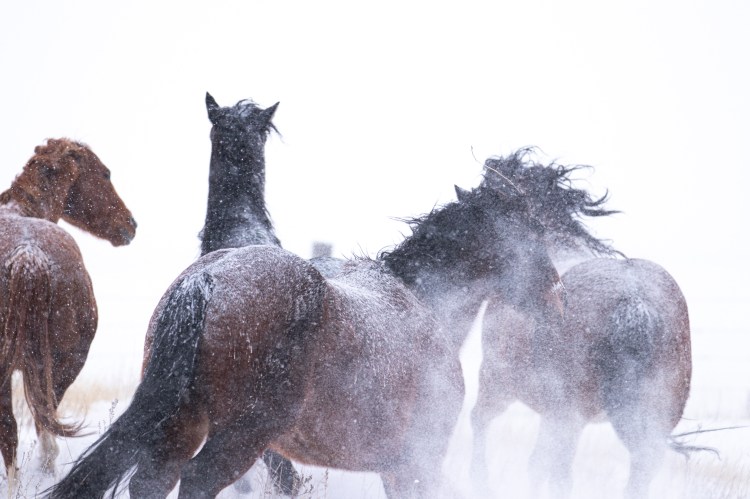
And when things are well fed and fattened for winter, a little snow is hardly enough to matter. I love watching the critters, all of them, in the bit of snow we have had. Not cold enough to be miserable, not enough snow to be dangerous, and everything feels good. Nothing like a little bit of snow to get the cows and horses “feeling their oats.” The horses race around in a fiery, wintery fit, kicking up snow, sending it frothing and surging up from around their hooves. Cows, hairy backs covered with a glaze of ice, are plenty warm enough, their natural furnaces keeping up, fueled by plenty of good pasture and hay.

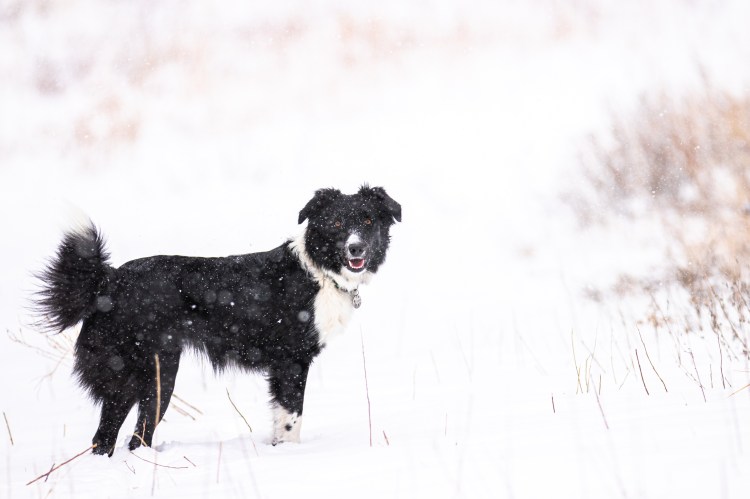
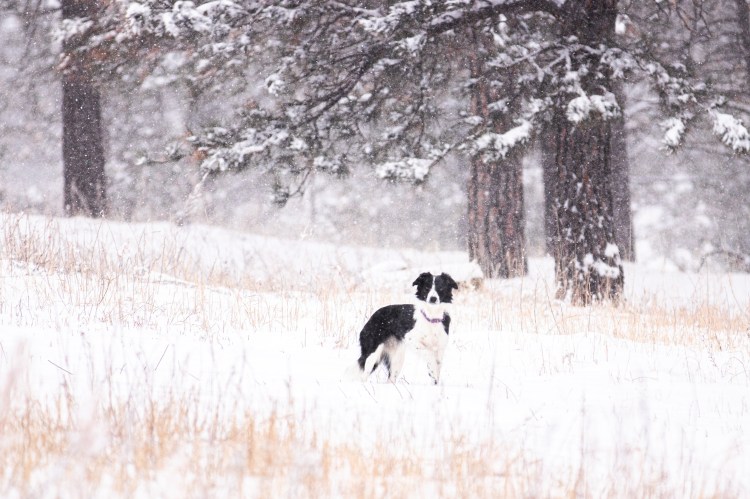
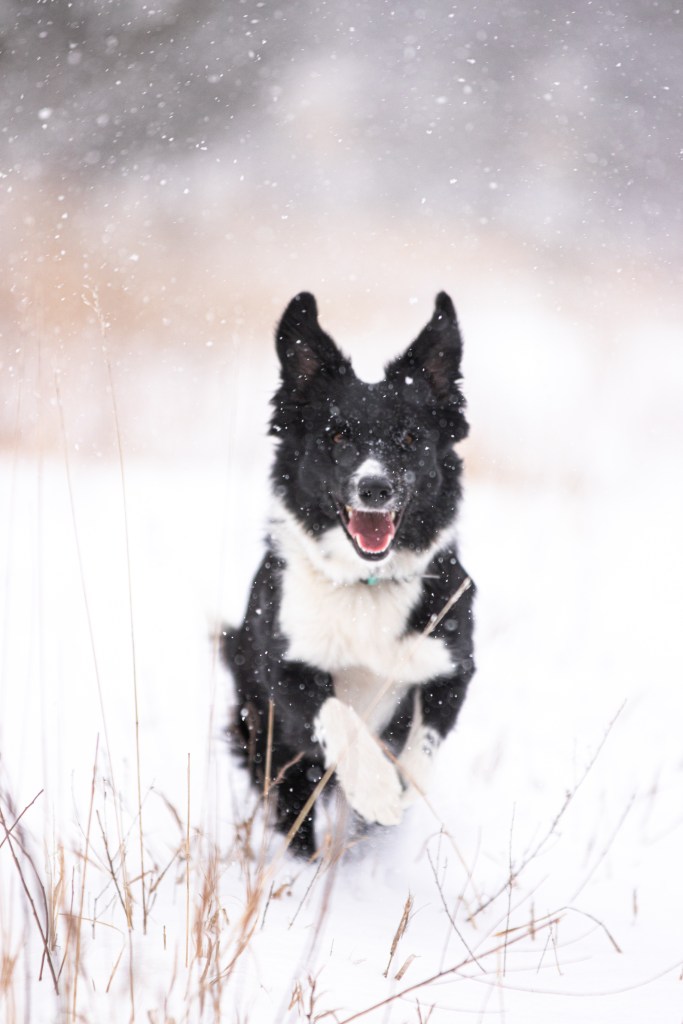
And the dogs – Oh, the dogs! Their antics keep us laughing. Enough said.

What a winter we have had!

Ranch Wife Musings | Distracting in Coveralls

Originally printed in the Custer County Chronicle on February 7, 2024

I still remember the look on my now father-in-law’s face when he rattled up in his blue ranch truck to the middle of the pasture we call Hidden City. His dogs piled out, then he climbed out, and then he just looked at me. Brad and I were scooping muck out of a stock tank, getting it ready to cement the bottom. Dave had brought the sacks of cement. And to my knowledge he had no idea I’d be out there helping. We had been dating for about six days. Maybe ten. You know, the time in a relationship when the guy is trying to impress the gal?

I was sunburnt, covered in mud, and grinning.

“Boy, I bet you’re impressed,” he said.

“I volunteered,” I replied.

And that dynamic characterized our whirlwind four months of dating, and our whirlwind six months of engagement, which spanned fall cow work, preg testing, shipping calves, calving, and branding. Whenever I wasn’t on shift at the fire department, I was out at the ranch, sometimes truly helping, sometimes there “just in case.”

Honestly, it was pretty handy. A lot of our dating was spent with me riding behind him on the ATV, a convenient place to be. Not only was the view nice, but it was a great excuse to have my arms wrapped around him for extended lengths of time. I’m not sure who invented the fabricated “date” as the best way to get to know someone, but give me an afternoon riding double on a four-wheeler or perched next to him in the tractor any day.

And it prepped us for life together. We learned to work together from the get-go. We learned what each of us was like at our best and at our worst, when having fun and when frustrated, when things went well and when things fell apart. Anyone can pull it all together to go out in public, anyone is on their best behavior when other eyes are observing, but it is the day-to-day that truly reveals a person’s character. We both learned how much better, sweeter life can be with a suitable companion, that 1+1 is way more than 2, and I learned that I truly loved to play the role of the helper. If all I did was make things a little easier, that was enough.

Valentines Day is approaching, with all the wildly unrealistic expectations set primarily, I believe, by women, aggravated by Hallmark and Hollywood and romance novels, of flowers and fine wine and fine dining, and with all the myriad opportunities for men to fail to meet these unrealistic expectations. How certain things became culturally accepted as the pinnacle of romance and the standard expressions of love, I sure don’t know, and I don’t know anything about those things either.

But what I do know is I wouldn’t trade reality for those things. I guess I see real romance as something altogether different.

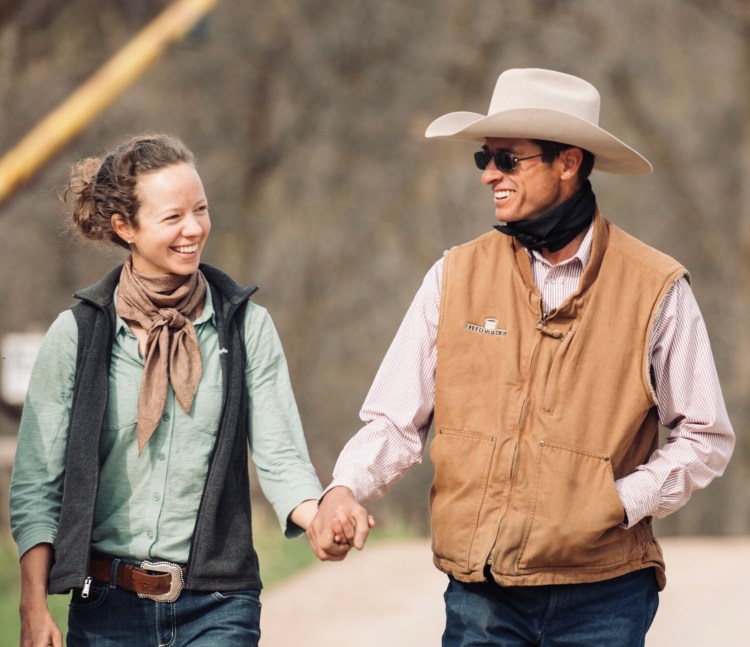
Real romance comes in the form of bouncing over frozen ground on an ATV to tag calves together during a snow squall. Real romance is gingerly kneeling down on the heaving flank of a 650-pound steer choked out on the ground when your husband looks at you and says sweetly, “Do you want to sit right here, honey?” and hands you the manure-crusted tail. Real romance is the satisfaction of a long day of working together. Real romance is a quick break over a cup of coffee before heading out into the cold again. Real romance is rattling along in the feeding pickup or the tractor, tagging along to be the gate-getter and net wrap cutter, encumbered by coveralls and heavy chore coat and drifts of snow. Real romance is having that strong shoulder to cry on when a cherished cat dies, or life just feels heavy. Real romance is time together over a home-cooked meal, or holding hands walking into the feed store. Real romance is hearing your husband’s voice next to you in church, even though he can’t hold a tune. Real romance is winning (almost) every single game of cribbage, even though he taught you how to play specifically because he thought you wouldn’t be any good at it (true story). Real romance is a disagreement followed by an exchange of apologies. Real romance is trust in your spouse’s faithfulness, and learning to understand someone else’s love language. Because how often is your spouse communicating love? All the time.

I love the shared experiences that are knitting our lives together into one. I love catching his eye over the backs of 200 cows, or pouring him a cup of hot coffee in the scale shed, or our exchanged smiles as we go our individual ways during chores. It doesn’t look like the movies. It sure isn’t always mushy and sweet. Life is life. It doesn’t look like the Hallmark version of a romance. A lot of the time we are covered in muck and sweat and don’t smell great. It might be routine, normal, and mundane.

But he still says I’m distracting in coveralls.