Ranch Wife Musings | Something Better

Originally printed in the Custer County Chronicle on August 21, 2024

A few days ago, my husband and I and my father-in-law were helping a neighbor precondition calves, the first of the fall cow work. The creaking of the saddle leather, the soft tinkling of spur rowels, the sound of hooves on ground surprisingly soft for August, with the sun just getting hot on our shoulders as we rode west to gather the cows – familiar sounds, familiar sights, familiar faces. It is just plain fun to listen as the conversations and commentary fly, punctuating the rhythm of the work.

“How’s that horse working out for you?”

“Did you get that hay bought?”

“My dog knows three commands: ‘get down,’ ‘come,’ and ‘dang it, get in the trailer!’”

But this time, the conversation turned quickly to one subject, and settled there: a local ranching family that is currently up against the Forest Service in a court case that could cost them their livelihood. The details of the case are still coming out, but it is shocking and concerning situation that has really galvanized the ranching community.

Farm and ranch families make up less than 2% of the American population, down from 80% in the 1700s. to about 40% in the early 1900s. With numbers like that, it goes without saying that even the percentage of those with a more rural lifestyle, who are more familiar with the community mechanics and dynamics, who know where our food comes from and how family-run agriculture works, has also dwindled. Politics and culture have shifted in favor of urbanization and industrialization, and social media and climate alarmists have helped to shape our culture’s overall negative view of the agricultural industry. People in positions of federal authority with no true knowledge of agriculture pass laws and initiatives that are not based in the reality that is America’s rural families and farming and ranching families, but based in politics heavily steeped in ideology, policies that have crippled the agriculture industry over the decades.

And this local issue has brought all of that to the forefront. A typically-reserved group of people are speaking up a little louder.

When you are part of an industry with rapidly dwindling numbers, you care. But more than that, when you are part of a community that depends on other members of the community and they depend on you, you care. When you work shoulder-to-shoulder, when you break a sweat and eat dust and tell stories and share life and sit down over a meal together, you are family. And family cares. And family stands up for its own. Because we know that what happens to one of us could happen to any of us, and what happens to one matters to all. We know, and we care.

In the few short years of being a rancher’s wife, I have seen what a unique and beautiful picture of family and community is demonstrated by the ranchers we are privileged to call friends and neighbors. Frankly, I haven’t seen that level of community anywhere else. I have seen how people rally around one another, in times of need but also in times of joy. I caught a glimpse of it before we got married, when this community rallied in support of the grieving family of a pillar of this community, who had died suddenly. I saw it during our wedding, with the number of neighbors who stepped in to help with food and setup, among other things. And roughly two years ago it was amazing to me to see how friends and neighbors leapt to action when my father-in-law had an ATV wreck in a remote pasture, and the number of folks who dropped what they were doing to help find him, help get him to the ambulance, and to help us get our fall cow work done in the absence of a fully-functioning Dave.

And why? Because that’s what community does.

So, when a family in this community is facing an unprecedented criminal suit, and a family, no less, who is loved and respected and known to be law-abiding, the broader ranching community takes notice.

We aren’t designed for a life lived in isolation from others. We were made for partnerships with people, face-to-face interactions, collaboration, commiseration. Now, I don’t for a moment assume that everyone who reads this column shares my faith. But if you’ll humor me and take the dusty Bible off your shelf (you probably have one) and look at the first few chapters of the Bible in the book of Genesis, where God saw the beauty of the world He had just made, and the Man Adam in the Garden of Eden, in spite of how good everything was, God said, “It is not good for man to be alone.”

I’ll confess, I use that line of Biblical insight on my husband occasionally when he annoys me, which is extremely, extremely, extremely rare. But we – people – were not meant to be alone. We were not meant to face life’s challenges alone. We weren’t meant to face life’s joys alone. We weren’t meant to live without thought of a bigger picture.

God doesn’t give marriage to everyone. He doesn’t put everyone in a community that is innately close-knit. He doesn’t give families to everyone. But to everyone He gives the capacity and frankly the need for fellowship and community. And, dare I say it, the responsibility to engage. It is just a responsibility that a lot of people don’t uphold.  

We weren’t meant to be alone, to selfishly pursue our interests, our desires, our wants and needs, apart from the needs of family and community. We were made for something so much better.

Ranch Wife Musings | Milk Cow Philosophizing

Originally printed in the Custer County Chronicle on July 24, 2024

The joke really was on me. I have dreamed of having a dairy animal for years, and to my credit I was up front with my now husband about this well before we got married. I knew he hated goats, for the two reasons (as near as I can tell) that his grandfather hated goats, and that they climb on cars. “I promise,” I said solemnly, multiple times, actually, “I promise you will never – never ­– come home and find a goat. I make no such promise about a milk cow.” And I very faithfully kept my word, even though on multiple occasions I regretted ever making that promise.

Well, one day, a year and a half into our marriage, I got home from to find Brad gone, his horse trailer gone, and all of the horses standing innocently in the corral. I knew where Brad was—He was preg testing a neighbor’s cows, the same neighbor that had offered to let me buy his nurse cow, Posey, who had never been hand milked. My suspicions were confirmed about two nerve-wracking hours later when Brad rattled up in his pickup and unloaded a peeved and horned Brown Swiss cow from the trailer. There she was, larger than life.

Like it or not, I was now the owner of a milk cow.

The learning curve was steep, and a comedy of errors. Have you ever wondered how they milk almonds to get almond milk? That’s what it felt like. Two fingers were all that could fit on her dainty little appendages, and do you want to know how much milks out in one squirt that way? Not very much. Like a half a teaspoon. If I did my math right (not necessarily something writers are inherently great at), there are 1,536 half-teaspoons in a gallon, which was about what she was giving at weaning time, when I acquired her. That’s a lot of squirts.

And to make matters worse, she wasn’t overly thrilled at the new arrangement. One morning, just when I thought things were settling into something of a routine and milking had definitely become easier, that darn cow lifted her tied-back leg in a mostly-failed kick, jarring me so half of the milk in my pail went all over me. This was early in my milking career and I had worked hard for that milk, let me tell you. I probably yelled at her, re-situated myself on the overturned bucket that serves as a milking stool, and started milking again. Then there was the telltale twitch and up came that hoof again. I was too slow for a good reaction, so instead I just tumbled right off the bucket into the dirty hay and jumped to my feet.

If I was a cussing person, I would have cussed, but I’m not, so I didn’t. With more irritation than authority, I yelled, “No!” And kicked her. Hard. Right on the back leg, the one she had kicked with. She looked mildly surprised, mostly just bored, and went back to munching her grain. I kicked her one more time for good measure, probably threatening to send her to the sale barn on the next shipment of culls, and sat back down.

Long story short, I learned she can mule-kick even with a leg tied back, and I learned how irritating it is when you kick a cow’s rear and she just looks at you in complete boredom, and she didn’t go to the sale barn. A reformed cow came to the milking barn the next morning and meekly submitted to our routine.

After this, though it hasn’t been entirely smooth sailing (what is, with livestock?), milking became one of my favorite parts of the day. It was quiet. Peaceful. Productive. The little milking machine that was so helpful at first eventually got sidelined in favor of the tactile task of hand-milking. The sound of the milk hissing and foaming into the bucket, the comfortable bovine smell, the cats expectantly waiting. I enjoyed watching her calf, who arrived in April, wander around the barn licking the walls and head butting the scoop shovel, stealing my gloves and tormenting the cats. It was just pleasant.

And besides, the payoff was singularly enjoyable: fresh milk and rich cream for my coffee, and the yellowest butter you ever did see. A lot of work, yes; a time commitment, yes, but so worth it. Posey is currently employed solely as a nurse cow, since we found a bum calf to put on her, but I look forward to fresh milk again in the fall when we wean. We all benefitted – Brad and I, the cats, the chickens, friends and neighbors and family. All from one cow.

I think about the cultural shift we have seen over the last 100 years, the industrialization, the urbanization, a shift away from the land, a shift away from family, a shift from self-sufficiency and community-sufficiency, towards a national and global model of economics. As individuals in a culture, we no longer raise our own meat, or grow our own vegetables, or sew our own clothes, or build our own homes. We are divorced from those processes. We have mechanized ourselves out of jobs, and mechanized ourselves out of a true appreciation for the food that we eat or the clothes that we wear.

Author Wendell Berry, in his book The Unsettling of America, talks about the societal effects of automating and mechanizing, specifically as it relates to agriculture, but with broader implications as well. When efficiency is the god of our society and a machine can accomplish a task with greater efficiency than a man, we then place more value on the machine than the man, and more value on efficiency than on the good of family and community. Automating doesn’t elevate the worker or the work, but ultimately degrades it. In our technology-driven, technology-ridden culture, it isn’t feasible or reasonable to want to de-automate everything, and convenience and efficiency do have their places. But what have we lost in the process?

I wonder.

Wringing Sunlight

Originally printed in the July/August 2024 issue of Down Country Roads Magazine

The sun-drenched days are already growing shorter, and before too long the shadows will lengthen a bit and remind us that summertime doesn’t last forever. But it is still the season to wring out every drop of sunlight from each blessed day, drinking in the warmth and the light that is so scarce at other times of the year. 

Wringing it out, wringing it out, soaking it in and wringing it out.

Wringing it out, like savoring those early morning sunrises.  The cool freshness of the day’s beginning, stirring the curtains and bringing the outside in. A woodsy ramble when the grass is still damp. The first breath of heat when the sun is yea-high. Garden puttering, throwing water, pulling weeds, up to the elbows in productivity and partnership with earth and sun. The snap of towels hanging on the line to dry, or my husband’s snap-front shirts. The heat of sun on uncovered head, the quiet, rhythmic work of laundry day. The cool of grass under bare feet. Digging my toes into good, black dirt. The low drone of bees busy in the flowers, the sweet singing of the crickets. The comical play-acting of the killdeer, the swift flight of the barn swallow, the bubbling up and overflowing melody of the bobolink in the hayfield, rivaling the meadowlark as the summertime songster, dipping and diving in the alfalfa, a little black-and-white-and-yellow speck of a songbird.

Oh, these days!

When the sun nears the evening sky and sinks low, the ridge to our west casts first the house, then the barn, then the hayfield, into its lengthening shadow which races to the horizon. Far to the east and a little to the south, Sheep Mountain Table gleams pink in the afterglow. The windows of the house get thrown open, bringing the coolness in, and nighttime falls, softly and sweetly, and the first of the summer stars appear in the pink and lavender sky.

We take the warm, sweet memories of these days with us into the shorter days of winter.

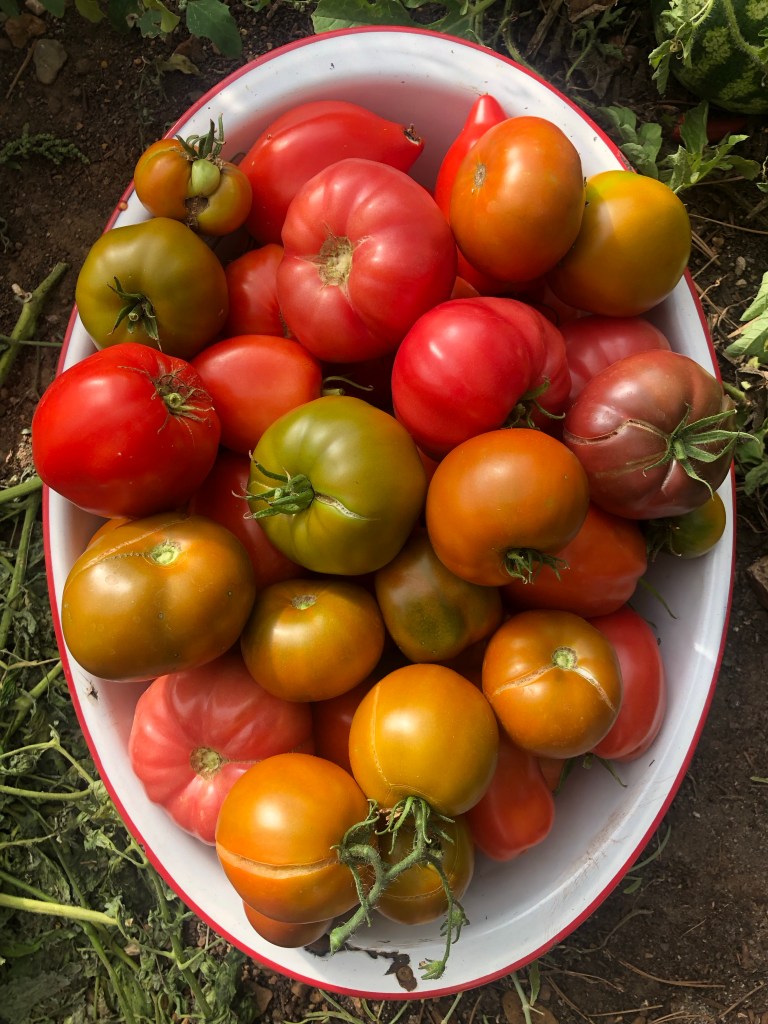
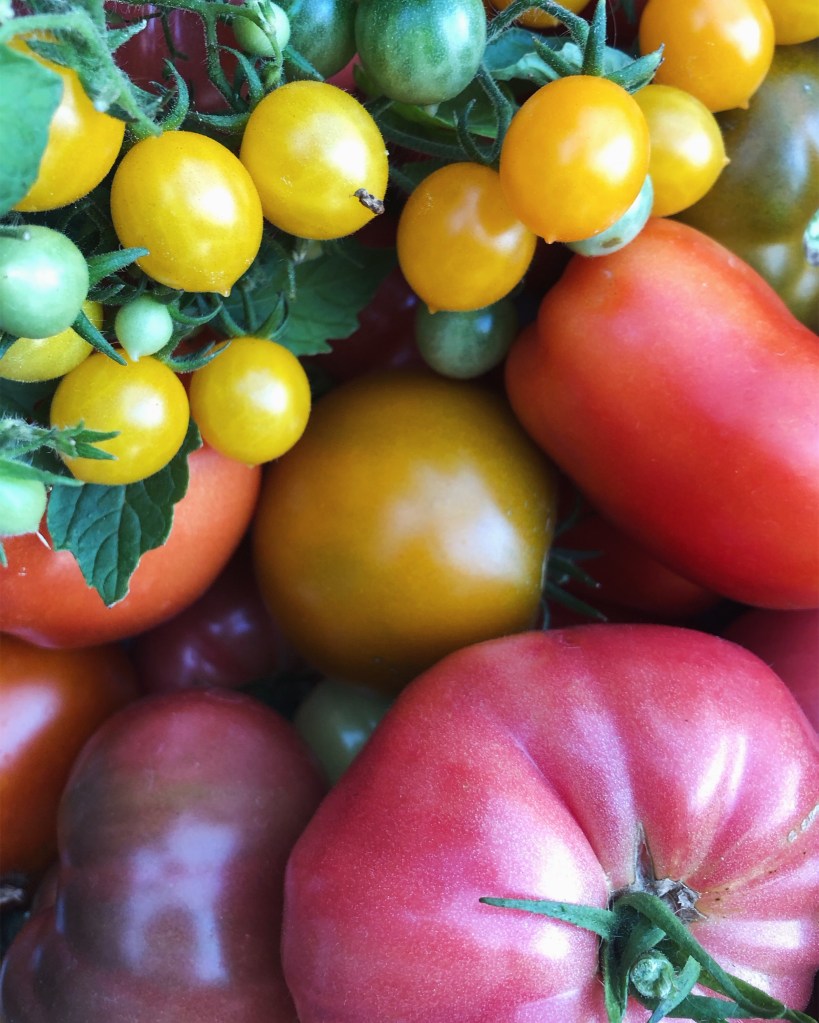
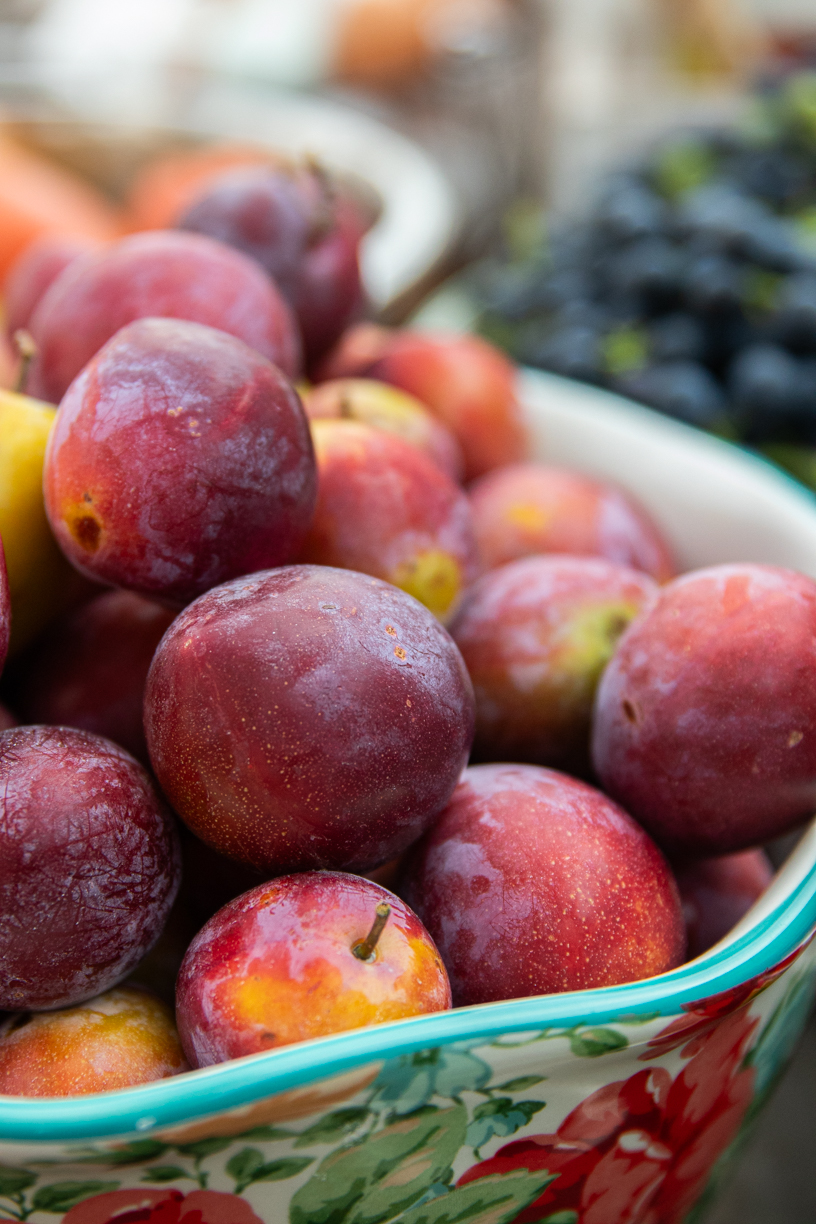
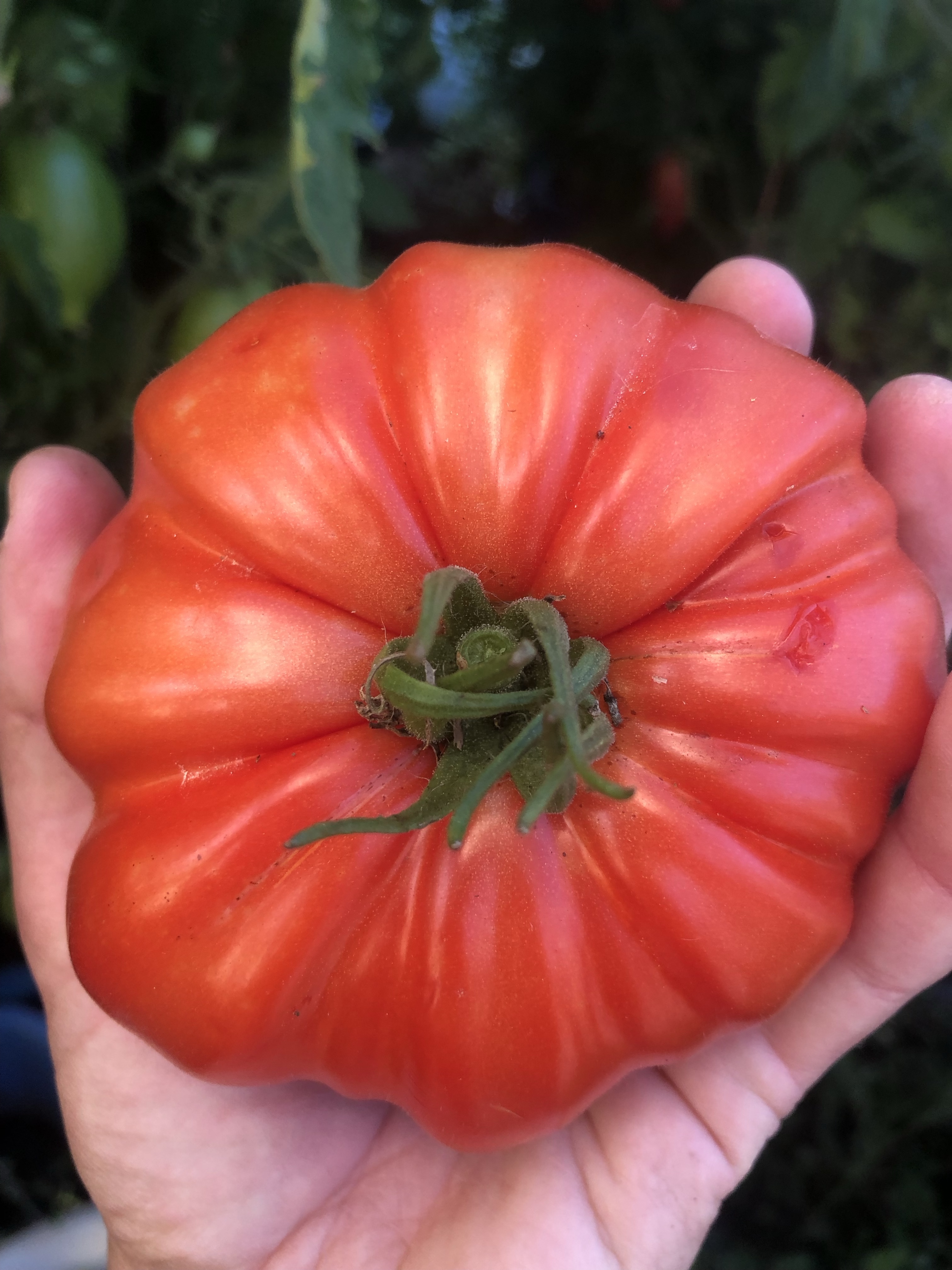
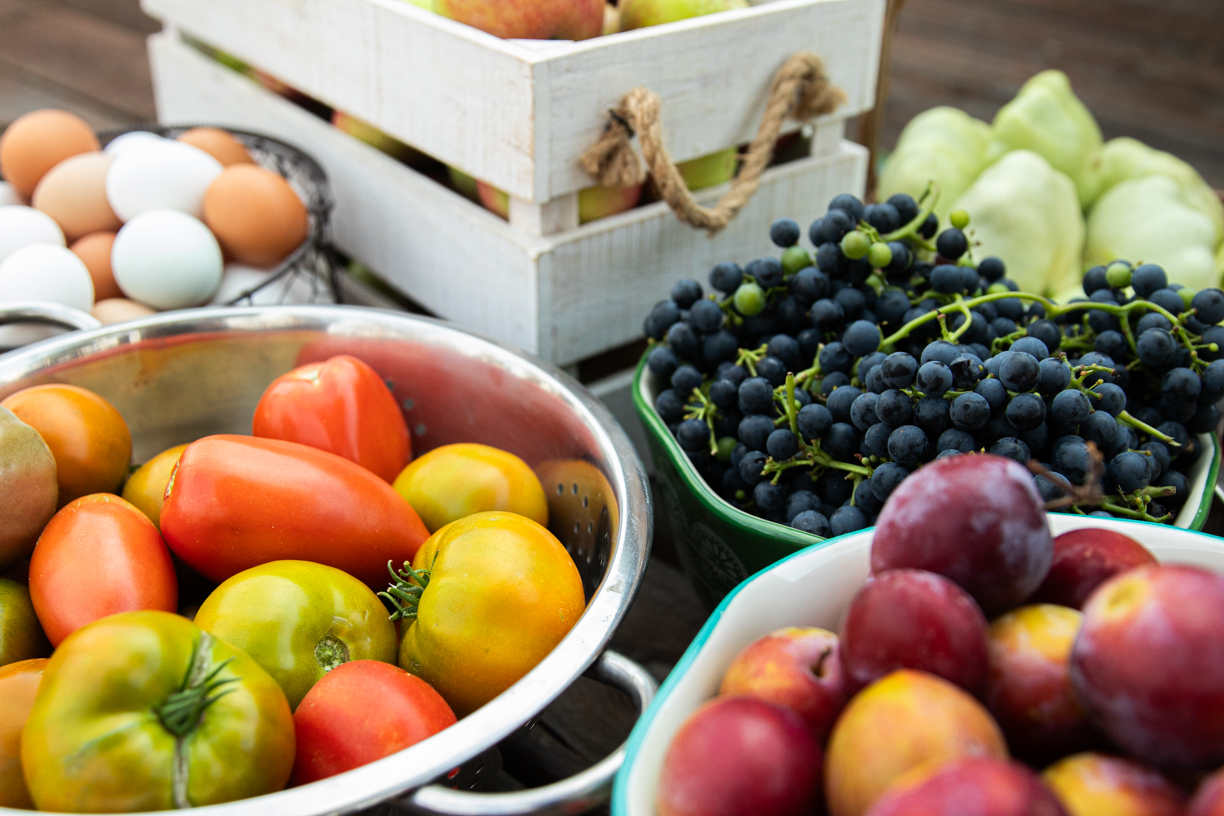
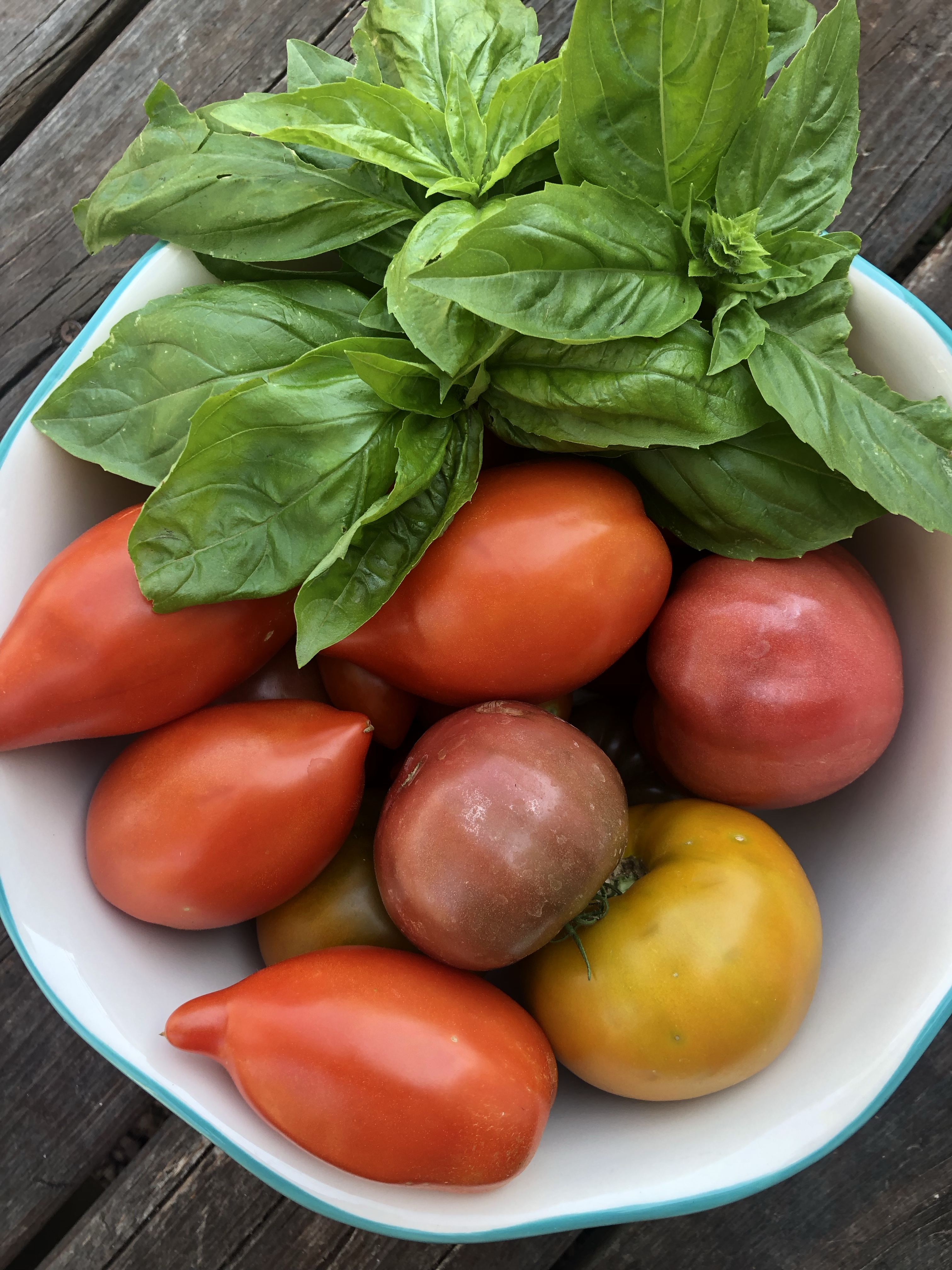
The sweetness, like the first of the sun-ripened, still-warm tomatoes, bursting in your mouth, fresh off the vine. The sweetness, like a cold glass of sun-brewed iced tea after a sweaty morning of work. The sweetness, like a pail of wild-harvested fruit and a glittering, gleaming row of jelly jars, still piping hot. The sweetness, like the sound of rain, gentle rain, sweet rain, and the low roll of thunder.

And then, maybe best of all, is the intoxicating sweetness of the sun-warmed pines. Can you smell it? It brings back impressions of my earliest childhood, recalls some of my happiest memories in what would one day become my home. I remember piling out of our minivan, myself and my three sisters and parents, piling out at the end of a 1000-mile journey, piling out at the top of a sun-baked hill in the glorious middle of nowhere near Hermosa, piling out and breathing deep of that wonderous smell – The pines! And there at the end of a little gravel sidewalk was a house made of rough-cut lumber with my grandparents waiting for us, and a joyful two weeks of summer vacation ahead, to be filled with hikes and rambles and Grandma’s 24-hour dill pickles. Almost ten years ago, we came and never left. But my heart still skips a beat when I smell the piney, resiny breath of summertime.

We can do without the havoc-wreaking hail that summer brings, or the dry lightning that sparks a fire, but somehow those aren’t the things we remember in the deeps of January. We remember and yearn for the sunrises and the sunsets and the sunkissed faces. And we long to wring out the sunlight, wring it out and drink it deep.

So, take the ramble, taste the wild plums, listen to the meadowlark, watch the sunsets and hunt the wildflowers. Wring it out, every last drop of beautiful summertime sunlight. It is days like this that get us through the long, dark nights of winter.

Ranch Wife Musings | Making Hay

Originally printed in the Custer County Chronicle on June 26, 2024

The heady perfume of sweet clover and alfalfa is thick down in the hayfield, the landscape painted vividly with yellow and all shades of purple. The green is fading, slowly but surely, in the summer heat, but it is still greener than it usually is. Kingbirds with their white-tipped tails, dickcissels with their yellow bibs, and bobolinks, all black and white and wheaten, dip and dive, singing lustily, skimming the tops of the clustered flowers, coming to land gently on the thicker stems before lofting skyward again. Sandpipers scoot down the driveway before darting into the thick grass of the road ditch, or taking off in their not-quite-aerodynamic flight, and killdeer limp around in their comical and fascinating displays.

After the whirlwind of calving and branding, summertime settles into a pleasantly mundane routine. Barnyard chores are quick and easy this time of the year, the milk cow is out to pasture with a couple of calves, and the chickens are self-sufficient with all the bugs and seeds and greens they could ask for. But even with the sense of lull on the one hand, there is never a shortage of work to be done, but the days are long enough and the work has a sweet normalcy about it, a rhythm and regularity, the biggest chore – and it is a chore in heat like this – simply being keeping everything watered, animal or plant, and the biggest problems being water issues.

June is a good month and the optimism runs high in a year like this. We have had enough rain to grow a hay crop, enough rain to have lush pastures, enough rain to have a thriving garden, and the cattle prices are better than ever. But in a livelihood that relies so heavily on the whims of the weather, you know how fast everything can change. Even a good year is sobering. If it isn’t you struggling, you know someone who is. You don’t have to travel very far to see that a lot of ranchers are already having a tough go of it, with grass done growing before it could start, pastures all but used up and no hay crop to speak of. But they carry on in a bad season, just as we do in a good season, knowing how fast things can change, for the better or for the worse, and how different one year can be from the next. Good year or bad year, you do the next thing that needs doing. Maybe it is fixing fence or watering a garden or cutting a hayfield or doctoring an animal. But you do it, because it needs doing.

July is when the rubber really starts to meet the road, when things tend to start getting harder across the board. The meteorological challenges that we just take for granted in western South Dakota crop up further into the summer, with heat waves that stress the livestock and cure out the pastures, threatening fire danger, hail and grasshoppers that wipe out grass and gardens and trees.

Ranching is a funny thing. You do it in spite of everything, in spite of the weather sabotaging your efforts, in spite of hail and drought and grasshoppers and other plague-like inflictions over which you have absolutely no control. You do it in spite of prices, inflations and deflations and manipulations at a level far above your own head. The bulk of your yearly income is made in a single day, and it is just a part of the life to occasionally find $2000 lying dead in a pasture or to have it keel over right in front of you. And that same $2000 may only be worth $500 the next year. The hay you grew in a good year isn’t worth anything monetarily because everyone has hay, and the years when there is little cash to flow and little hay to go around, the hay is unaffordable.

It is a life and a livelihood that makes little sense to someone who is purely business minded, purely numbers-oriented. The modern American way of thinking wants to nickel and dime every transaction, and every decision must carry an objective benefit. Outcomes must be guaranteed, as well as possible, and monetary gains and losses are dissected and analyzed. If it doesn’t look good on paper, it goes away. That mentality is pervasive in our culture and affects everything, from job choice to church choice to relationships and community and extra-curricular pursuits.

But the things that matter can’t be nickeled and dimed.

You can’t nickel and dime honest sweat, hard work, and the satisfaction of being exhausted at the end of a long day. You can’t nickel and dime the sunrises and the cool mornings, and the sweet work of animal husbandry. You can’t nickel and dime the sense of neighborliness working shoulder to shoulder with friends who would drop everything to help you in a time of need. You can’t nickel and dime the feeling of being connected deeply to the past, and keeping something valuable alive. You can’t nickel and dime being part of a vibrant community, of knowing people’s names and having them know yours. You can’t nickel and dime the family relationships that are allowed to thrive, relationships that in our modern culture often are quick to dissolve or be put on the back burner until it’s more convenient.

You just can’t nickel and dime those things.

So, you give thanks in the tough years and in the good years, both, and do the things that need to be done.

And right now, that’s putting up hay. The mower and rake are already at work, whirring away in the distance. Soon the swells of the hayfield will be striped with windrows and then dotted with bales, and then the stackyards will fill for winter feeding. The sun is shining, so we make hay.

Print Gallery

This is something that has been on my mind for a long time, and I just hadn’t ever gotten around to doing it–I now have an online gallery set up for photo print ordering! Although I love to sell prints face-to-face, it just isn’t feasible to keep up with printing my newest photos, or keeping old favorites around, but now it is possible for people to order their own prints through this online format! Check it out, and let me know if you see a photo come through the blog that you think should be added!

Spangled Afternoon

Yesterday was wet. Just wet. Wonderfully so. We got a little actual rain, but most of the day was just heavy mist, and we basically were inside a cloud. We couldn’t see the highway down past the hayfield, and the tops of trees were obscured, and the drops settled, all silvery, on everything. It almost looked like frost, everything was so spangled.

Spiderwebs and blades of grass, mundane on other days but be-jeweled in the mist, drops of water hanging like jewels on the fine threads of the spiderwebs. Roses and rosebuds, and spiderwort, gathering the mist, holding it on leaves and petals and stamens. And then, if you looked closely enough, the whole world reflected upside down in the drops of water, the sky, the flowers, the grass. It was dazzling.

Right now, our society is weighed down with all sorts of mental ills, and the self-care “movement,” if you will, is thriving…It would appear that the best solution anyone can suggest for the chronic anxieties and depressions and just generally not getting along well with life is that people need to love themselves more. For as long as the self-care solution has been being promoted, it is obvious that that isn’t the problem. We don’t have a problem with people not loving themselves enough. The problem is that we as human creatures are tuned to love ourselves, and to love ourselves too much. We don’t need encouragement in that vein.

We need, rather, encouragement to look up from all of our – in the big scheme of things – petty problems and look to the Creator God who loves us. Sometimes we find reminders of that in the tiniest, most mundane yet spectacular ways. Like taking a walk in a cloud. Gazing on the littlest, least-important things that God clearly cares deeply about. And then realizing that if He cares about the flowers of the field, the birds of the air, the mists on the meadows, He must care that much more about His human creatures.