So here’s the thing. I love to garden, but I can’t say I really enjoy babying temperamental and finnicky plants. It is hard enough to grow anything in the Black Hills without having to contend with plants that just want to die. There are some things that just aren’t worth it to me.

So when it comes to planning my garden and picking what to grow, the things I enjoy growing are the things that will do best without me helicopter-mom-ing them. Because the problem with helicopter-mom-ing a garden is that no matter my best efforts, the hail still might wipe it out. Or the grasshoppers might. Or a very late or very early frost. Or, or, or. It isn’t that I don’t enjoy cultivating or the challenge, but if I have to sweet talk a plant into living, then it just won’t do well in my garden.
Also, I really (really, really) don’t want to give something space in my garden (space is a commodity) and only end up with one of something. Unless it is a really big something. So whatever I grow has to be a good producer. Part of the reason I garden (a large part of it) IS self-sufficiency and seeing the grocery bill dwindle to next to nothing during the summer months, and feeling the satisfaction of meals cooked almost entirely from food grown by us.
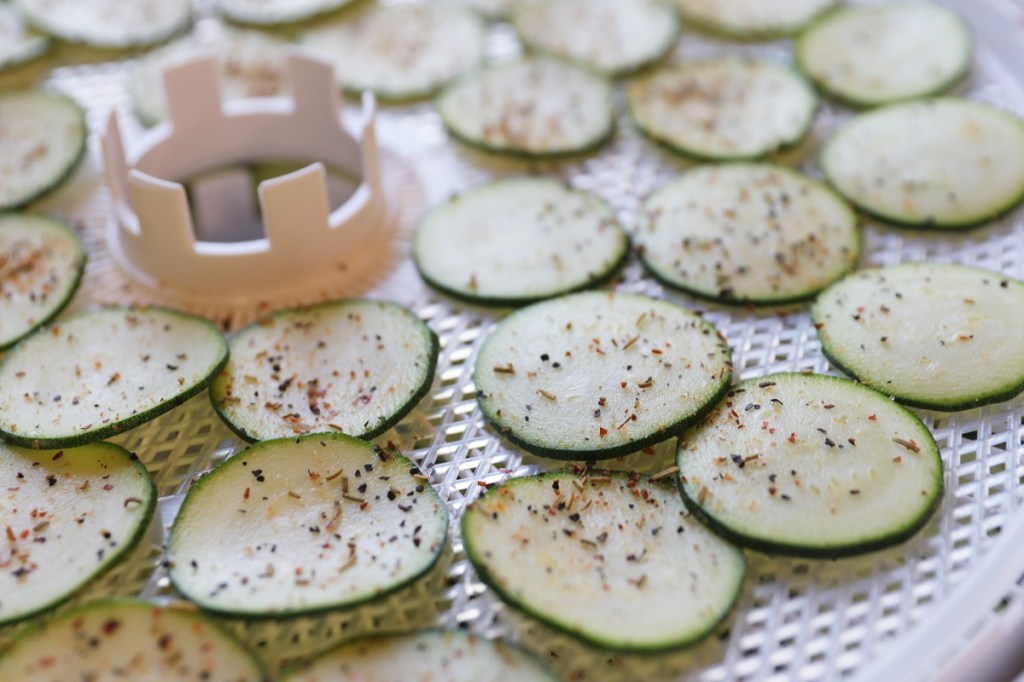
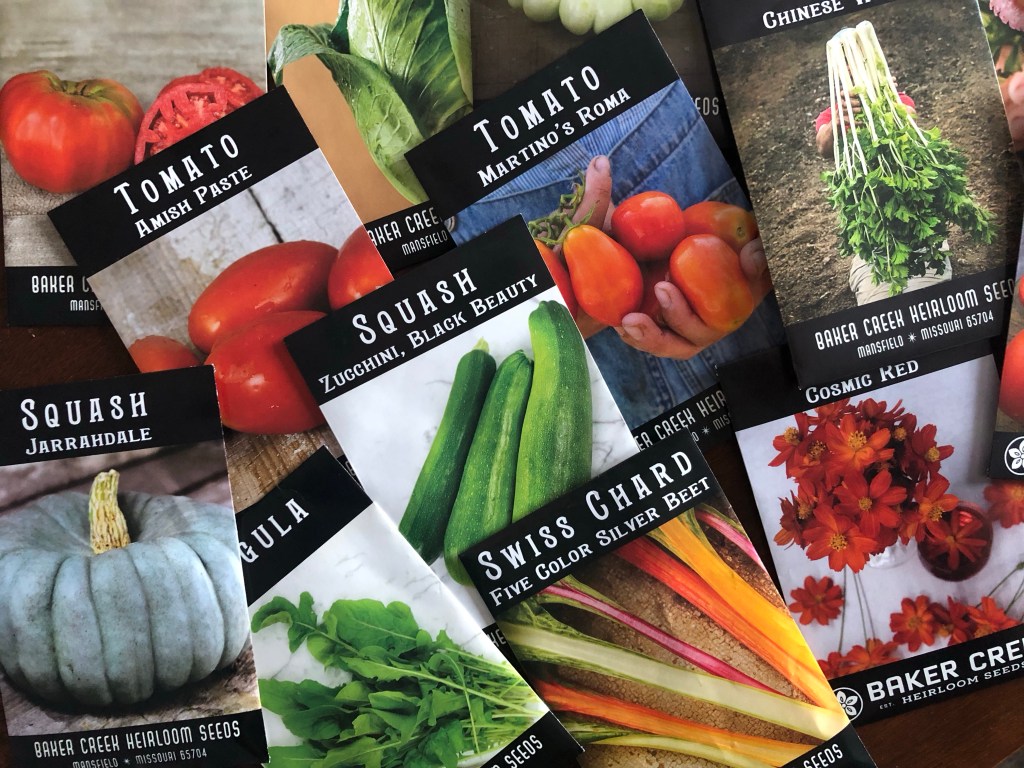
That’s why zucchini is one of my favorite things to grow. For real. Those weeds of plants can be totally wiped out by the hail and it will STILL come back and produce massive squash before the end of the season. And really, I do love growing zucchini. If you hate zucchini, don’t grow it, but it is incredibly versatile and such a great addition to salsa, sauces, soups, is a delicious snack dried, and I love it lightly sauteed or grilled, or even cubed and put into salads and pasta salads. And those massive zucchinis that get found in the late summer? They keep almost as well as winter squash, and are excellent grated and put into something, or even selectively sliced or diced and sauteed. Not quite as delicious as the smaller, tenderer zucchinis, but it is a widespread misconception that large zucchinis are inedibly woody and good only for zucchini bread. This poor veg gets a bad rap, probably because people in general lack the imagination to prepare it more than one way, but it is arguably the most versatile thing a person can grow in the garden, and one of the easiest. Consider it the gateway vegetable.
Hubbard squash is another favorite of mine. I grew it two summers ago (last year the hail wiped it out), and ended up with easily probably 100-150 pounds of great-keeping squash that we slowly worked on over the winter. Hubbards can get up to 40 pounds–The biggest I harvested was about 25 pounds. It can be used like a butternut or even a pumpkin, with bright orange, mellow flesh that bakes incredibly well. I loved to roast it and spice it up with some savory seasonings, and we’d eat it like mashed potatoes.
Basil is an herb I’m particularly fond of growing. It is very prolific, pretty disease resistant in my experience, and it is so easy to preserve it by chopping it finely with a food processer with some oil and freezing in ice cubes. The flavor is incredible.
As far as tomatoes go, Amish paste tomatoes are one of my favorites. They are great producers, especially in my greenhouse using strip-pruning to encourage fruiting, the texture is great, and they are so versatile. Big enough to slice for sandwiches, but fleshy enough for salsas or just eating straight off the vine, these have quickly become my go-to tomato.
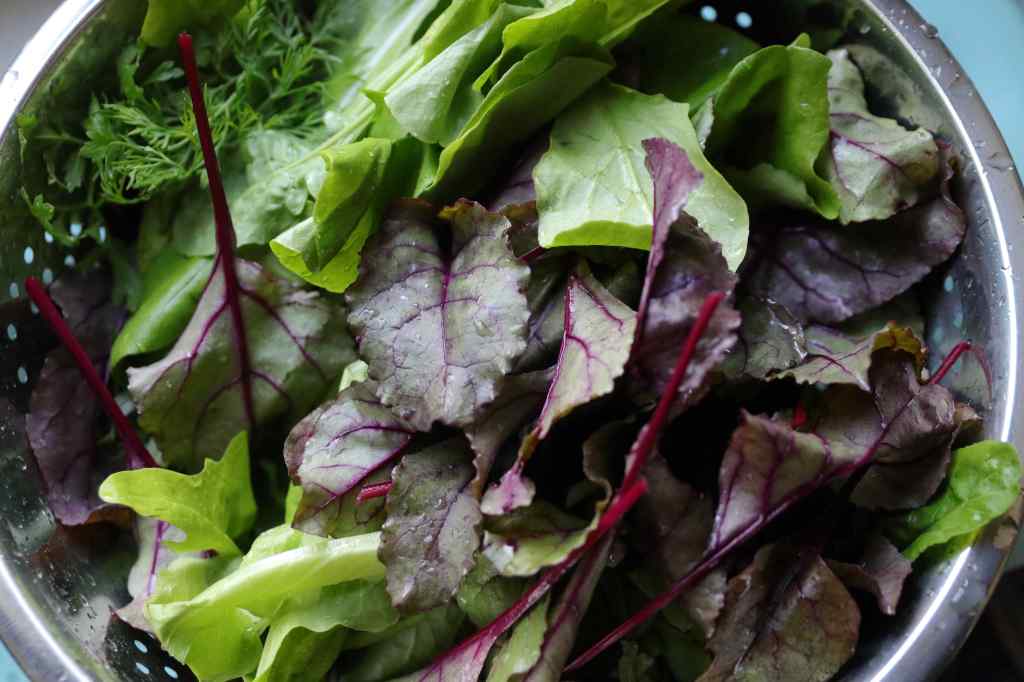
Chard, cress, arugula, and lettuce blends are also incredibly easy to grow, and once you’ve tasted a fresh-picked salad with spicy cress and arugula, a few sprigs of fresh dill, and a variety of lettuces, it is just hard to go back.
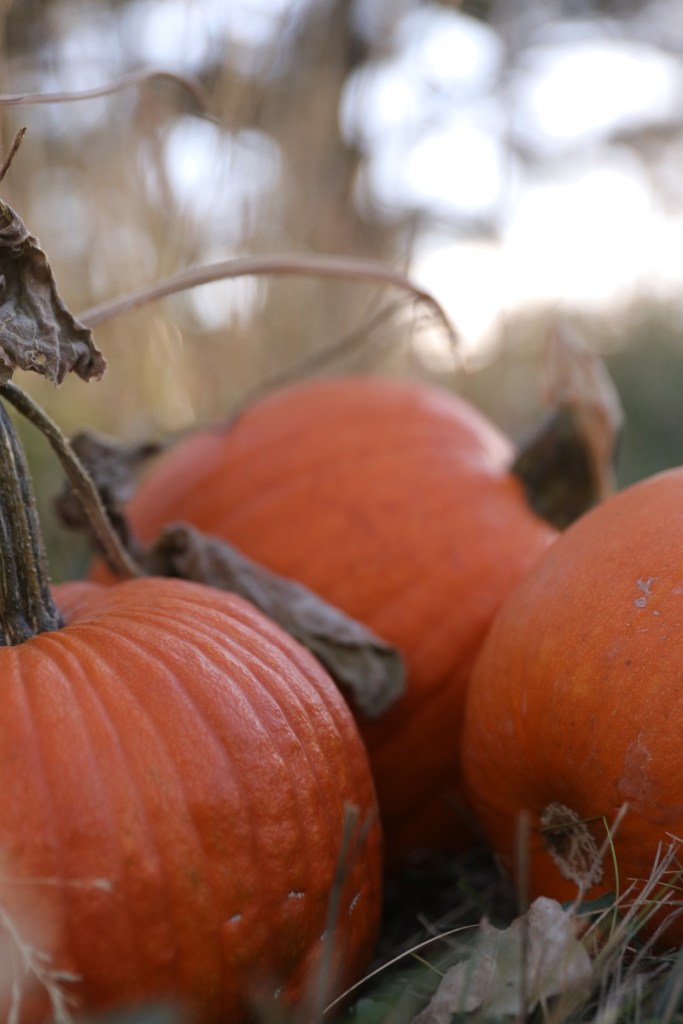
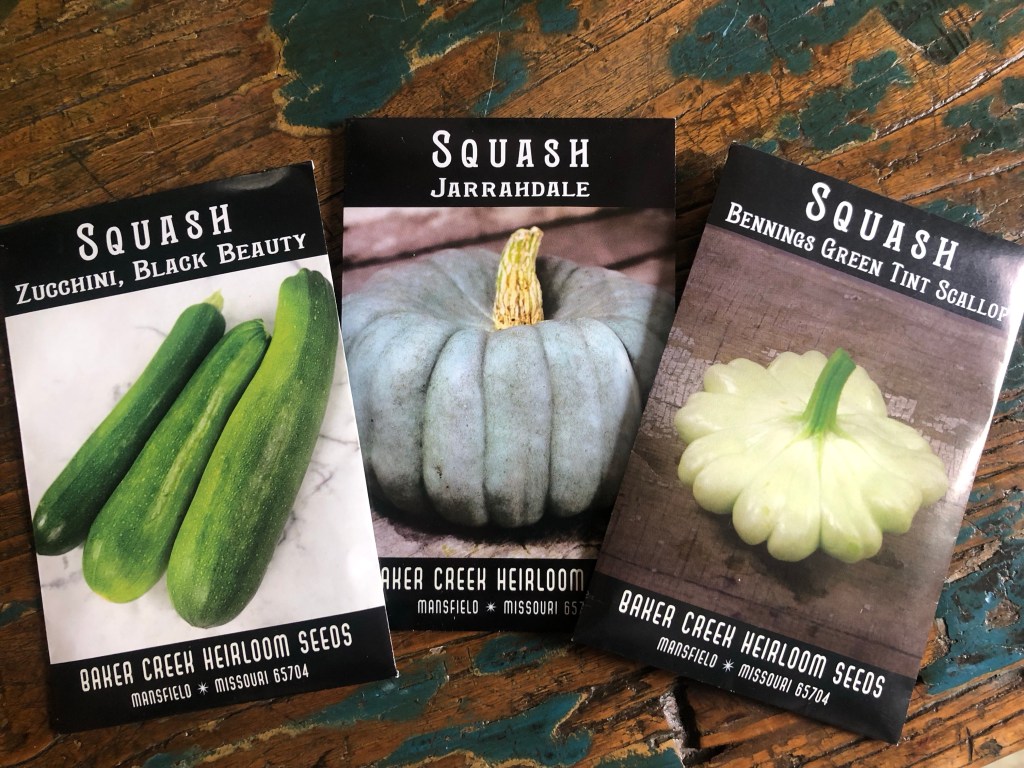
Some new things I’m excited to try are some different pumpkin varieties, including “Jarrahdale”, as well as “Fairytale” and “Rouge Vif d’Etampes”, for some color. These will all get planted at the edge of the garden so they can sprawl without having to corral them. I’m already looking hopefully forward to some fall decorating with a rainbow of pumpkins! I stumbled across a squash called a scallop squash, and decided to try those as well. Fortunately there are as many ways to eat squashes as there are squashes.
Radishes are another vegetable that will be a new addition this year–I discovered how delicious radishes are sauteed! They’ll be the kind of thing I can stick in here and there wherever there is a little space in the garden. A friend came by a bunch of extra seeds and passed a bunch to me, including a few different radish varieties.

And, because I’m a sweet little wife, I will be giving watermelons another try. I have a failed record at growing watermelons, but that and cherry tomatoes are basically the only things he specifically requests that I plant. And so I plant. And hope for better luck with my watermelons this year. Any tips would be gladly appreciated.
What are you growing this year?




 Song Dog Journal