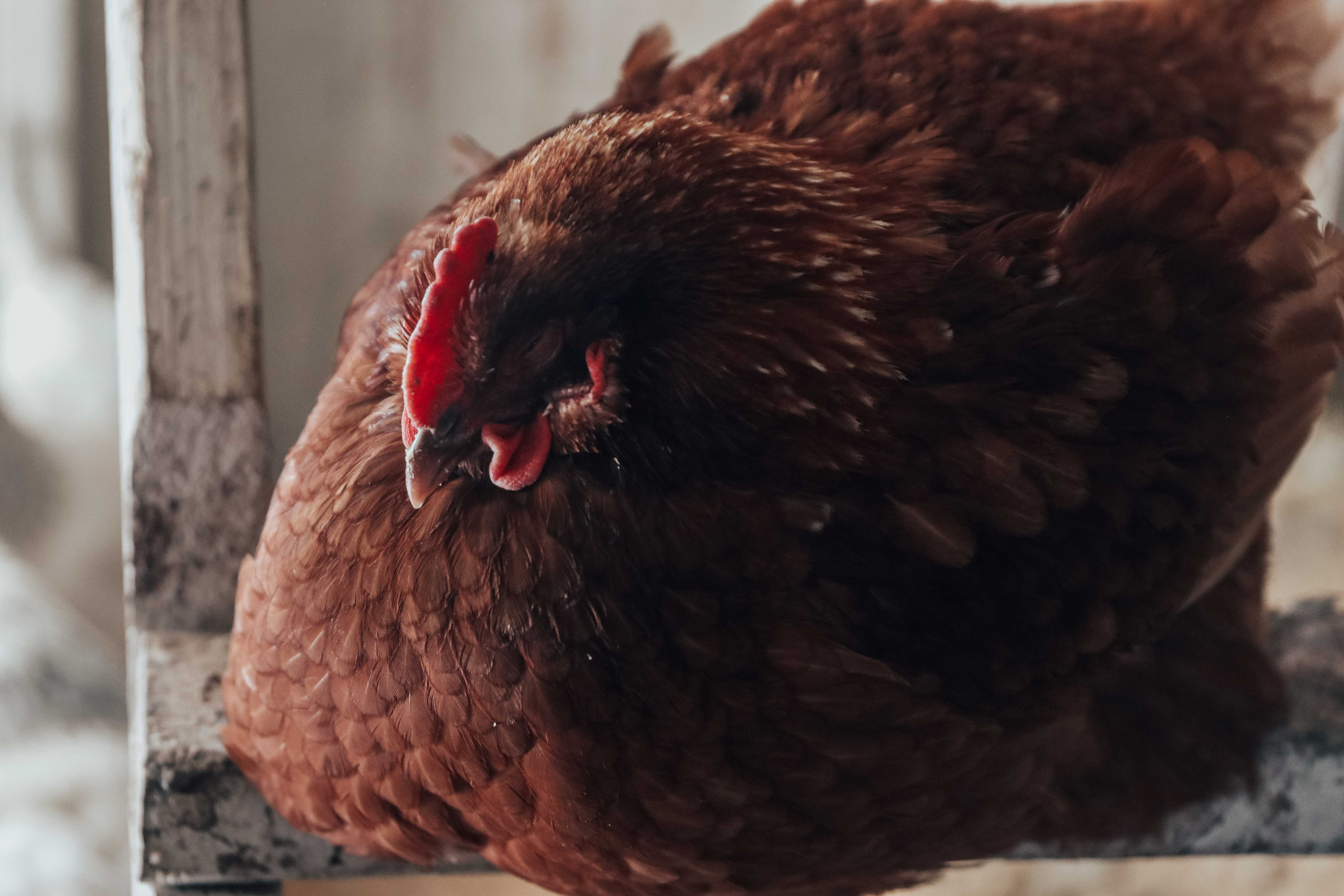
So I really don’t know what March Madness is, other than it has something to do with sports, I think. But March is a crazy month. The winter sleepiness is shaken off and everything wakes up. All at the same time. The garden, the cows, the weather, the schedule, the chickens, everything.
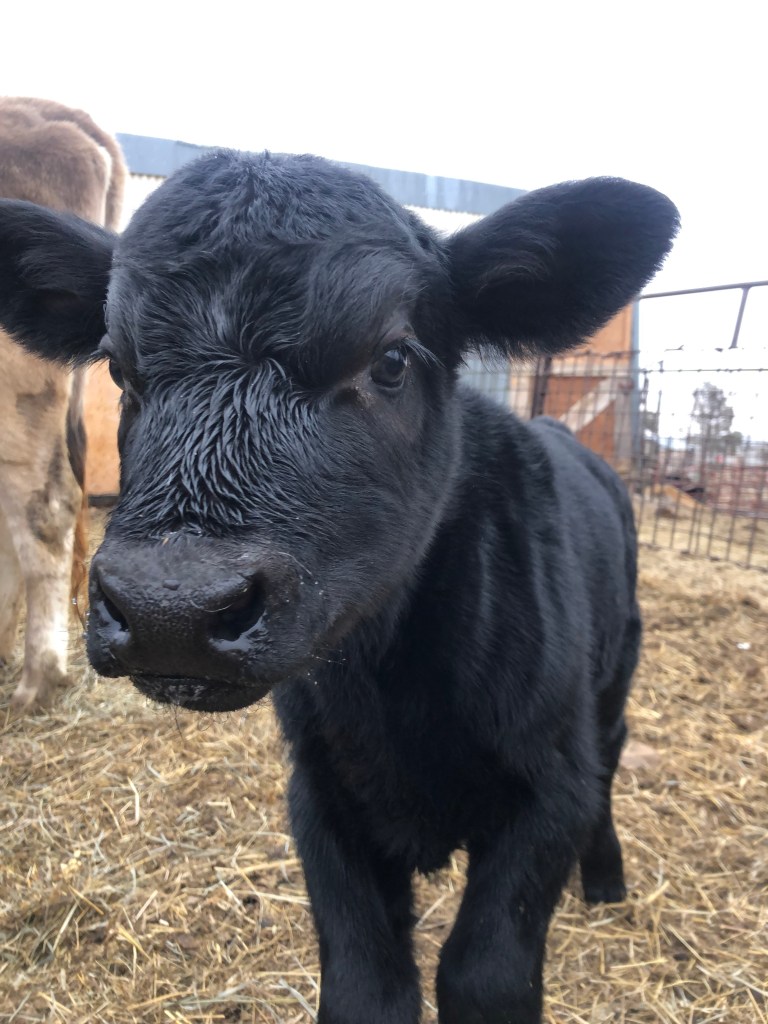
There are babies everywhere, and I mean everywhere.
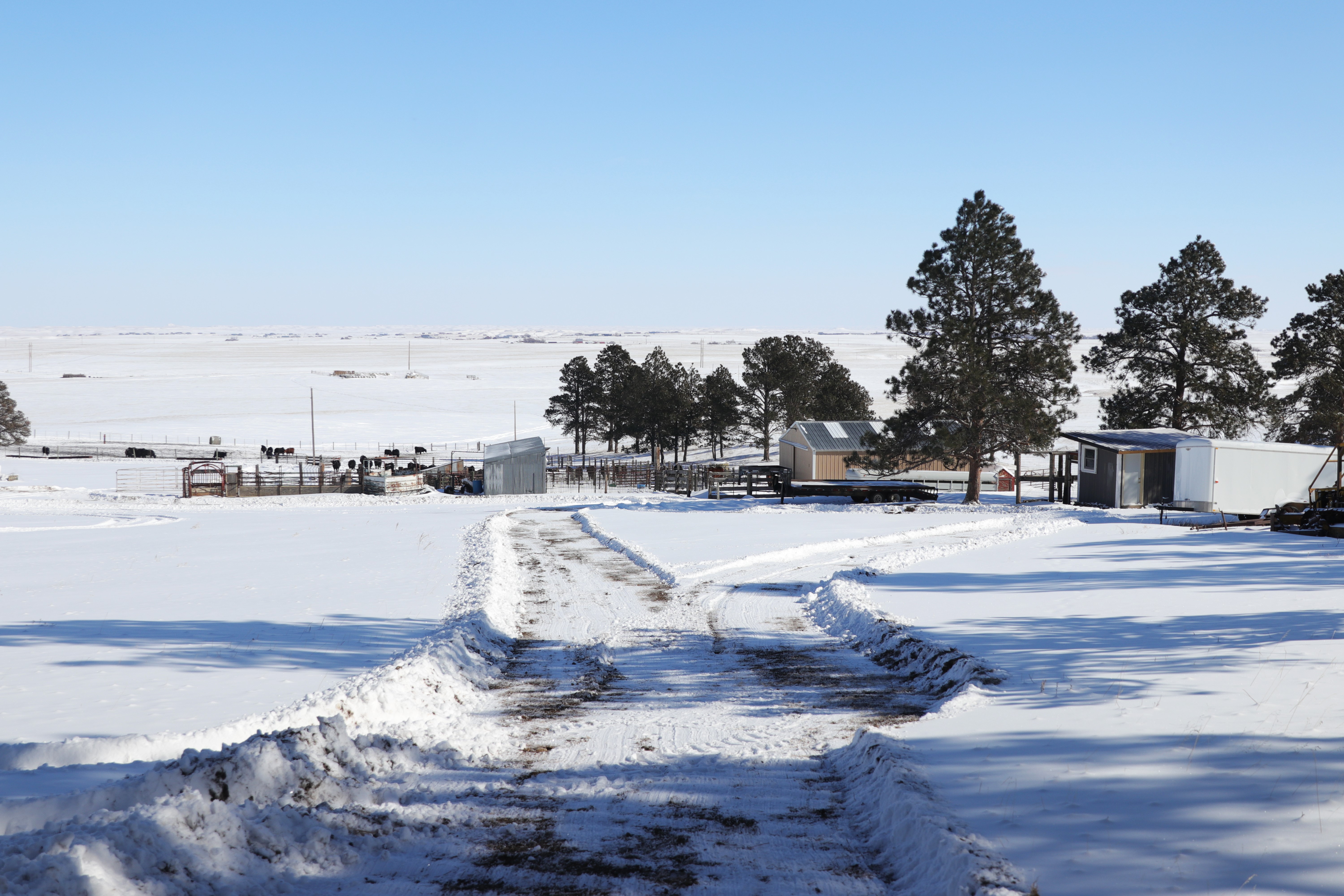
A little cold snap over this last weekend accentuated that, with little baby calves and their irritable mamas stuffed in every corner of the yard, with all available indoor space occupied by doubles and triples, and cows with slightly older calves getting shuffled into sheltered corners of the yard to keep them out of the wind and driving snow.

So far there have been two sets of twins, and both extra babies were shuffled successfully onto two cows who had lost calves–Good saves, on both counts, and the two lost calves were just part of the percentage of unavoidable losses, rather than the rather staggering losses of last spring, due to a collision of weather and luck of the draw. Posey got to try being a nurse cow for a week with one of the extra twins, until a mother needing a calf turned up. Posey was not impressed. Some nurse cow. We’ll see how she does when she calves, I guess.

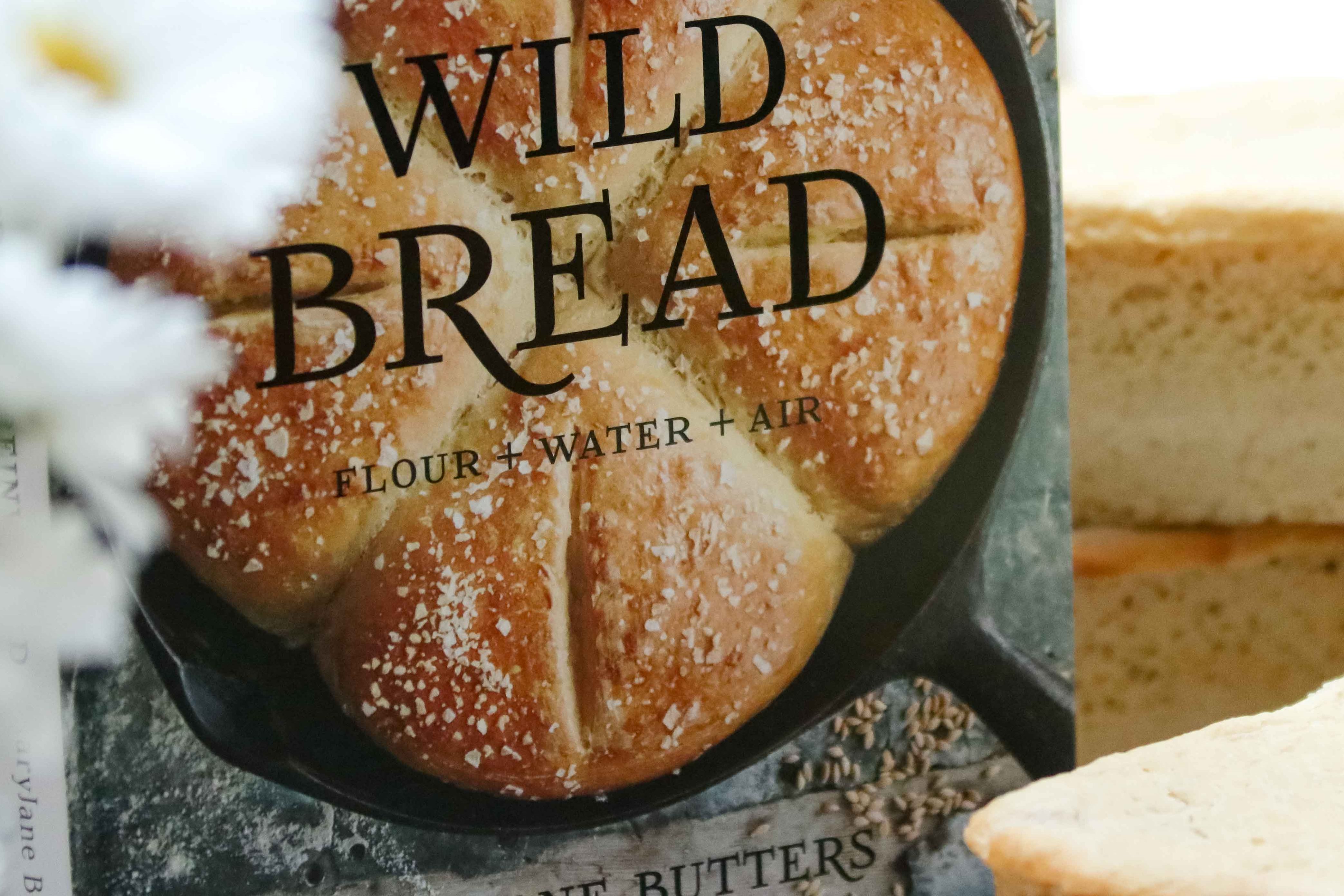
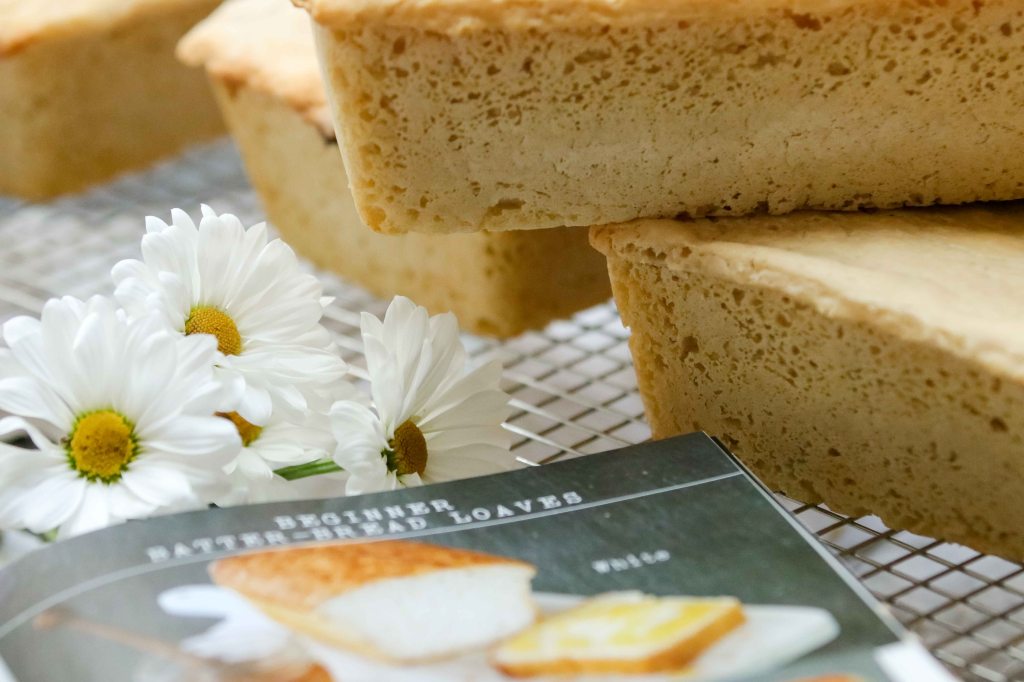
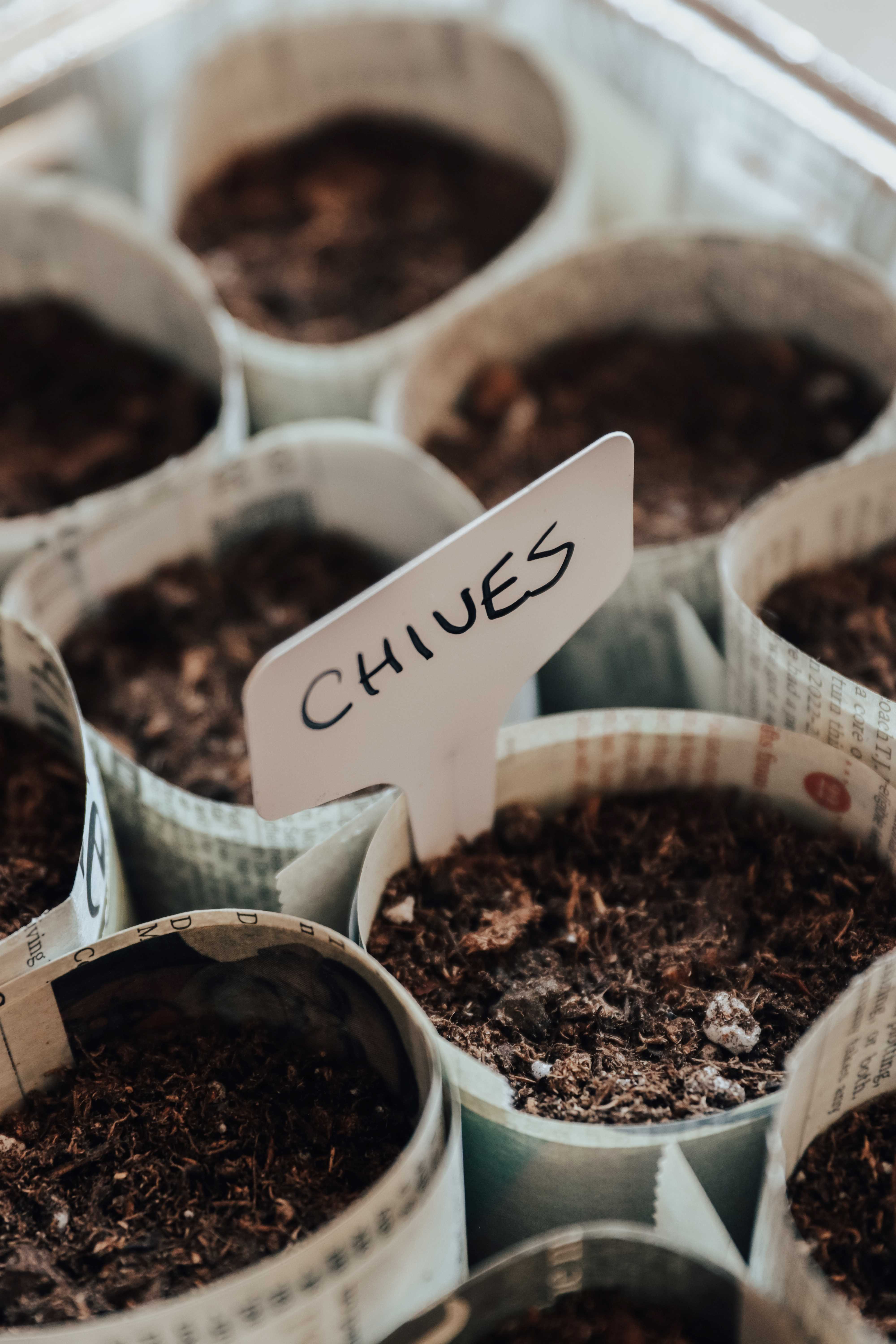
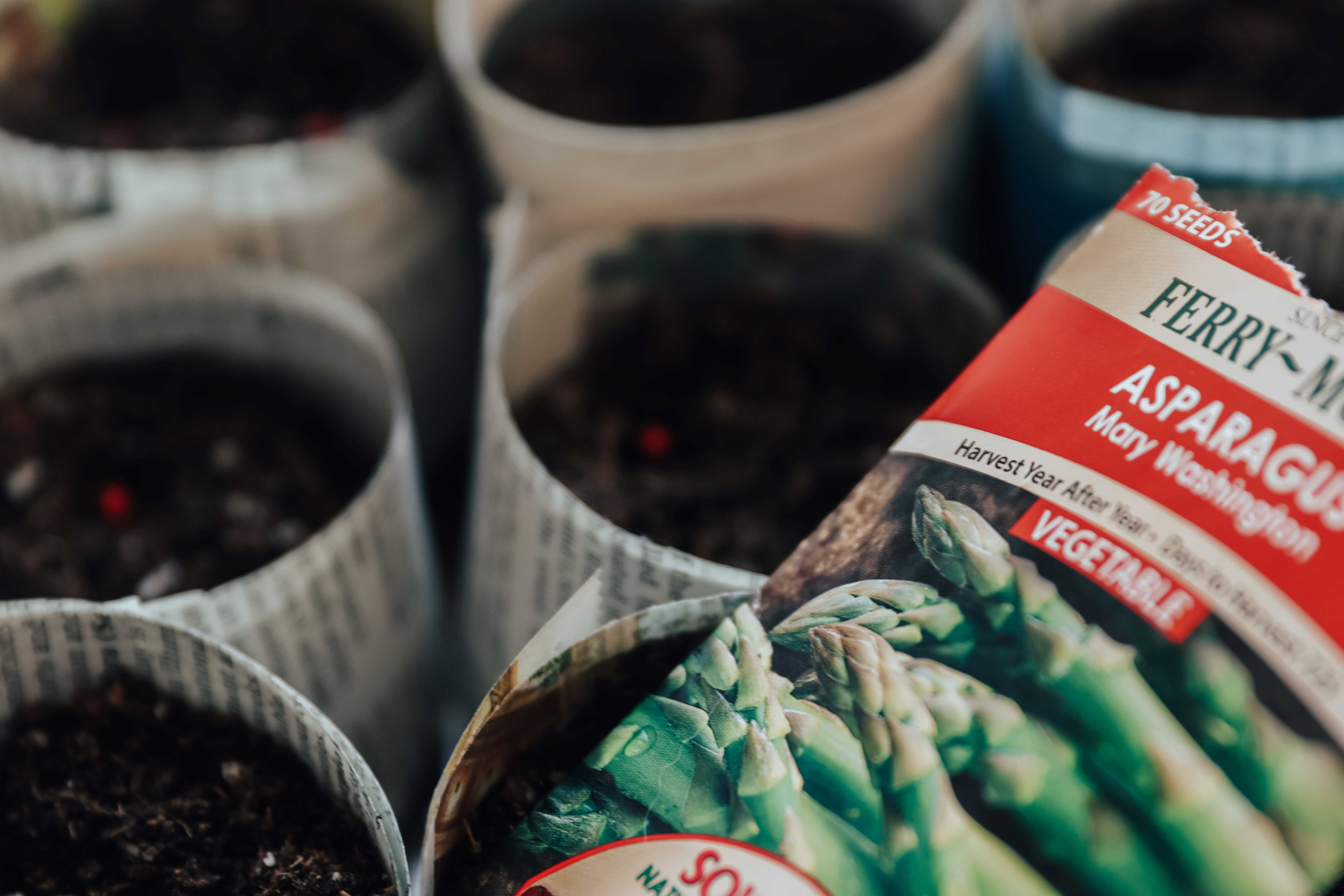
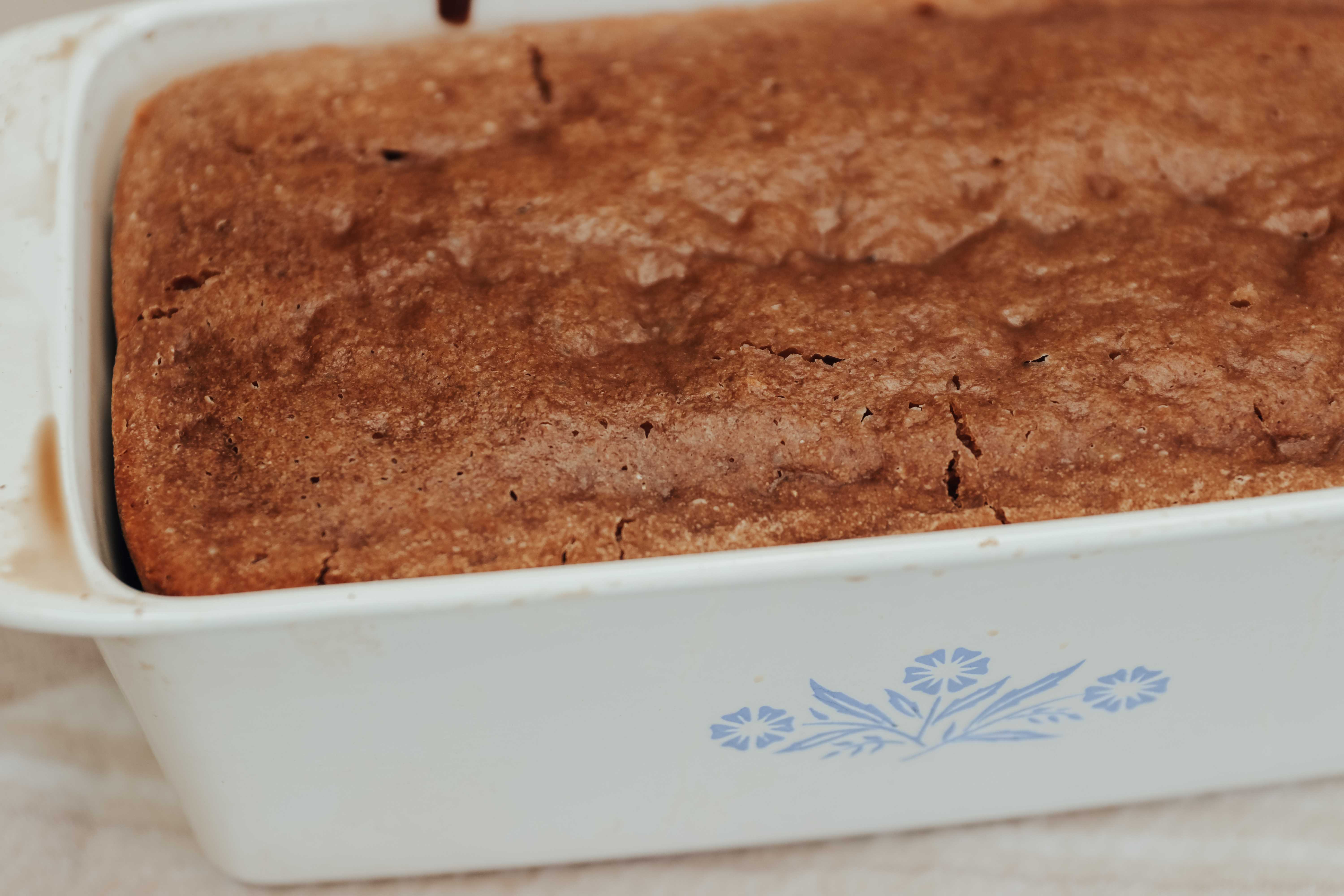
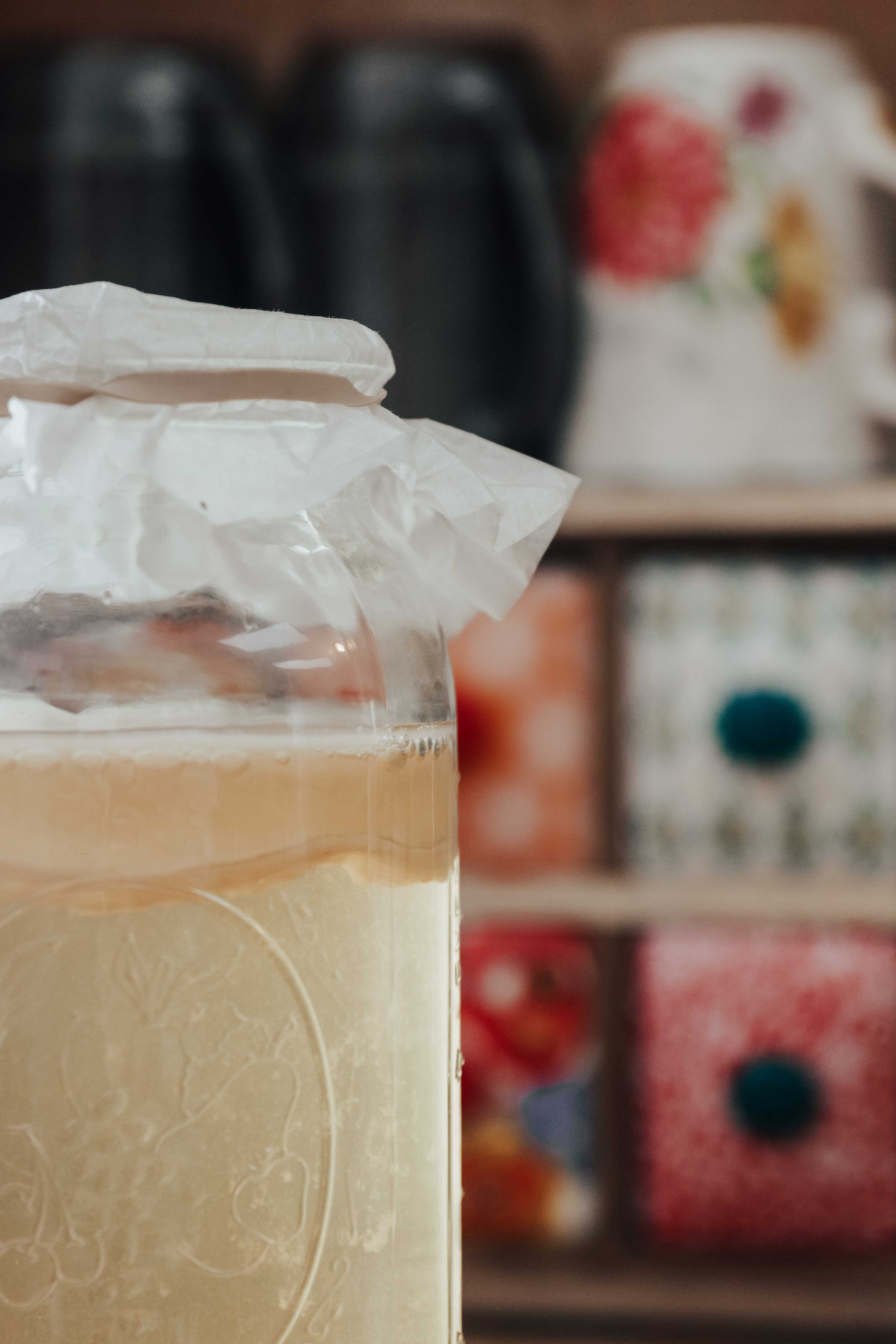
Seedlings are going nuts in the brightest window in the house, around 120 tomato seedlings, some herbs and greens, and of course my elderberry cuttings. Bread baking and some jelly making and some sewing projects and some continuing ed for my paramedic license and a dive into spring cleaning have kept the days full. They seem to end as quickly as they start. And yes, that is a seed starting mat under that bowl of dough! Another use for those handy things, especially when you keep the temps low in the house!

And then yesterday happened. Or rather, Yellow Cat happened yesterday. We knew she was ready to have kittens at any time, and I complacently assumed, this being her second litter, that she would be competent. Boy, was I wrong. I went down to do chores yesterday morning and found a pile of three kittens that appeared dead, in just about the worst place Yellow Cat could have had them. She was unconcerned. I honestly thought they were dead and rigored, and when I picked up the two that looked the most dead, they were unresponsive and stiff and cold to the touch. She didn’t appear to have really cleaned them, their fur was matted down, and I really mean it when I say they appeared dead, and I have seen plenty of dead animals to know what I’m talking about. This isn’t an “I’ve never had chicks before and one is stretched out luxuriously under the heat lamp and I think it is dead” situation. They looked dead. Very dead. One of the kittens, though, moved a little and made the tiniest sound. It looked pretty hopeless, but I can’t stand to walk away from something like that. I almost left the two most dead looking, but gathered all three up, stuffed them inside my vest and ran up to the house with them. In the back of my mind was the paramedic mantra, “They aren’t dead until they are warm and dead,” and after a mere few minutes under a heat lamp and on top of a (you guessed it) seed starting mat, they came alive.
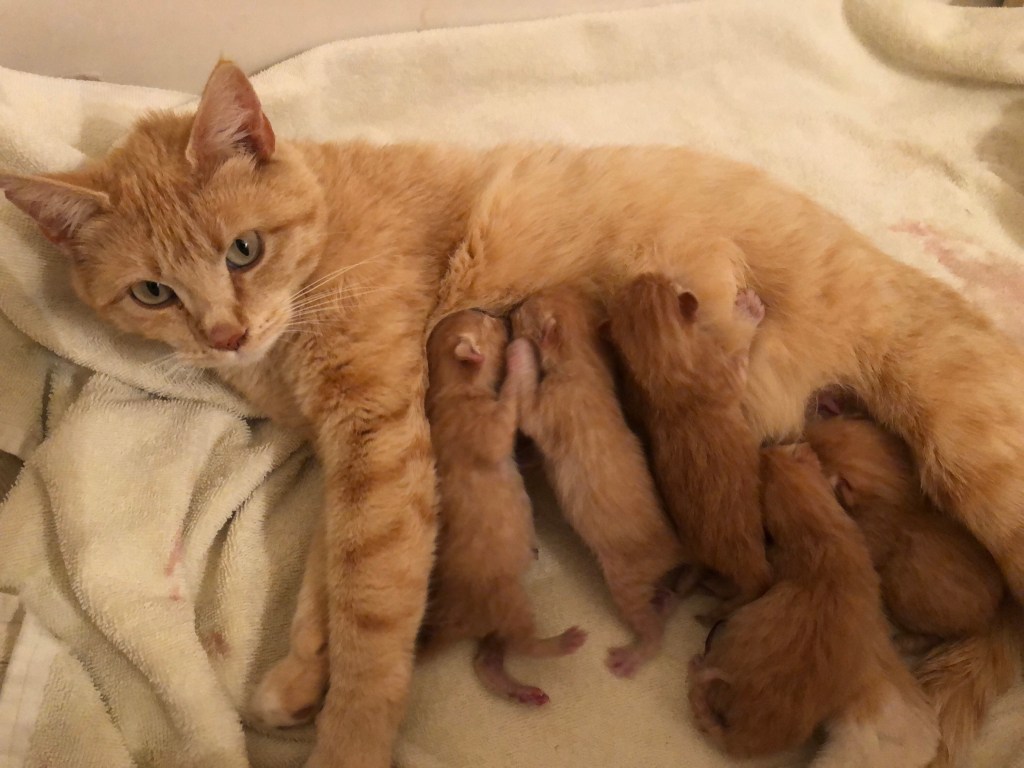
Baby animals are incredibly resilient but also incredibly fragile, a strange dichotomy, and even as they warmed up I felt that it was probably futile, but I gave them a little milk replacer laced with corn syrup, enough to wet their dried mouths, and two of them did try sucking it off the cloth I was using. I finally rounded up Yellow Cat from down by the barn, who was sauntering around like she hadn’t a care in the world, and locked her up with them. Long story short, the three kittens all nursed, she had two more, and all five survived the night with their mother in the bathtub and are doing just fine. I am still pretty mad at that cat, though.
It is hard to believe that April is just around the corner. April, the first month of long days in the saddle pairing out the calving pasture, the first real month of springtime although snow is always a possibility. There is always something going on!










 Song Dog Journal