I am so excited to be trying something new! A random Facebook group popped up last week called “Winter Sowers” and after reading a bit about this method of seed starting, I decided I had to give it a try!
It is a common sense method of early (early early!) seed starting that utilizes the natural freeze-thaw cycles to germinate seeds. Essentially, plant seeds in closed containers, creating what amounts to mini greenhouses, in the middle of winter and the seeds will germinate when they are ready. Especially considering how many perennials can be sown in the fall and will germinate in the spring, this method makes a lot of sense. If all goes well, and from what I can tell people have a lot of success with this method, you have exceptionally hardy young plants to eventually transplant to your garden. Why have I never heard of this before? In western South Dakota, we have a short growing season (we’ve been known to have frosts as late as June and as early as August), and very changeable weather, so anything I can do to jump start my gardening is a plus!
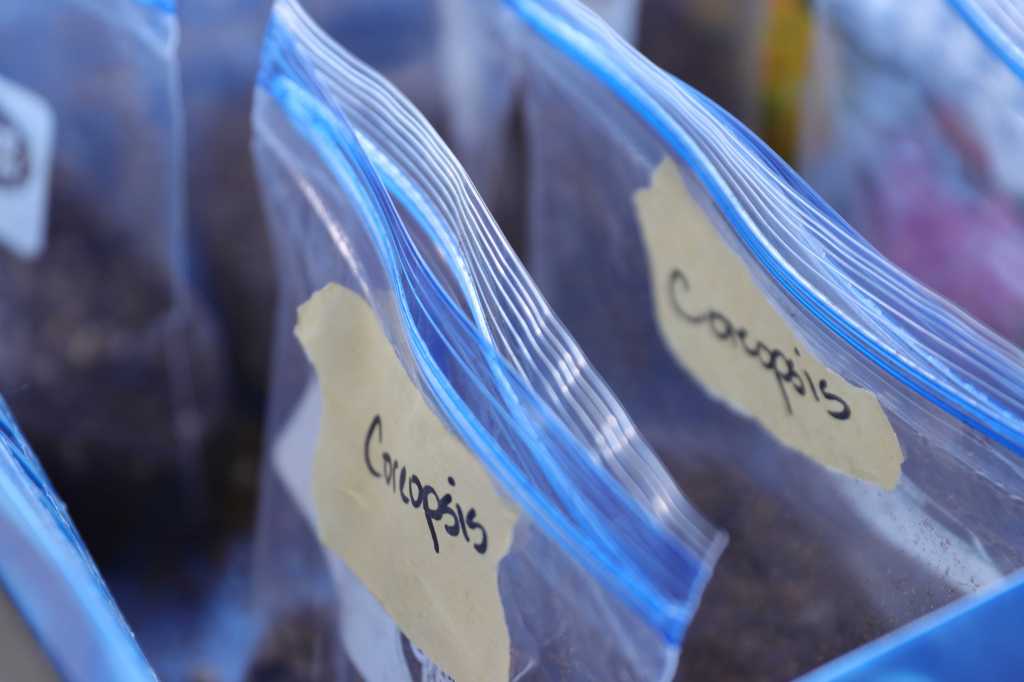
So far I have started a number of perennials – lavender, coreopsis, lupine, some wildflower mixes, coneflowers, black eyed Susans – and some greens and veggies – asparagus, kale, spring onions, spinach, arugula, and chives. I planted in a variety of containers and will take notes, containers ranging from Ziploc bags with holes cut in the bottoms, paper pots, old lettuce containers, and seed pots leftover from greenhouse plants last year. After a kerfuffle with the animals, the winter-sown seeds are safely inside the woven-wire fences we put around our trees. I may start others as I accumulate more containers (and inevitably accumulate more seeds).
Check out the Winter Sowers Facebook page if you want details and extensive how-tos! I’m excited to see how this goes!
Support Song Dog Journal and share to social media!
A well-tended perennial garden has a beauty all its own, and thejoy of it is amplified in that it keeps coming back, and keeps coming back, and keeps coming back! Perennials tend to get ignored in the springtime fury of planting, since most people fall for the immediate gratification of copiously-blooming annuals displayed at the greenhouse. Perennials tend to bloom later and don’t get the showcasing that annuals do….Not until the middle or end of the summer when the annuals have all had their hayday and perennials are still shining or just starting to!
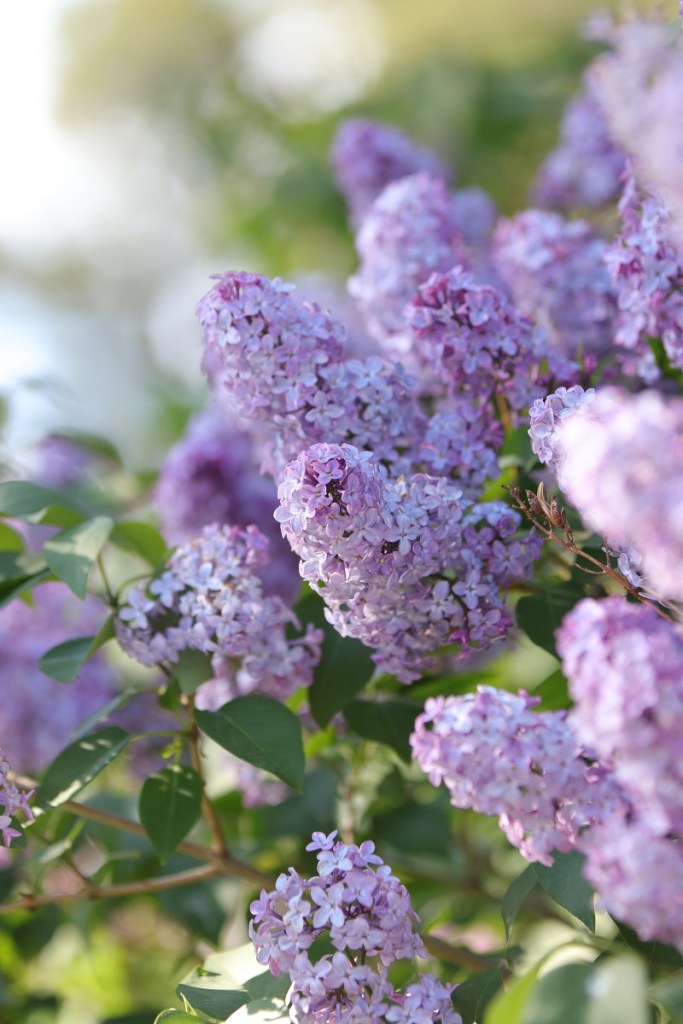
The ease and flexibility of planting annuals in a container is pretty appealing to a lot of folks, especially if they don’t already have a garden bed ready for plants but, if at all possible, perennials are the way to go and, tended well, will come back for years to come. It is really amazing to me that sometimes all that is left of a homestead from the late 1800s or early 1900s is a hedge of roses or a few lilac shrubs, still blooming joyfully 100 years later. In fact, the lilacs Brad and I have outside our house are transplants of some lilacs blooming about a mile and a half away on top of a hill. The lilacs and some irises are all that remain of someone’s life on that little piece of hill country.
I was able to get my perennials in the ground early this summer, shortly after Brad and I got married, and planted a few from seed later in the summer, but fall is actually a great time to plant perennials. So I thought I’d share a little bouquet of my favorites.
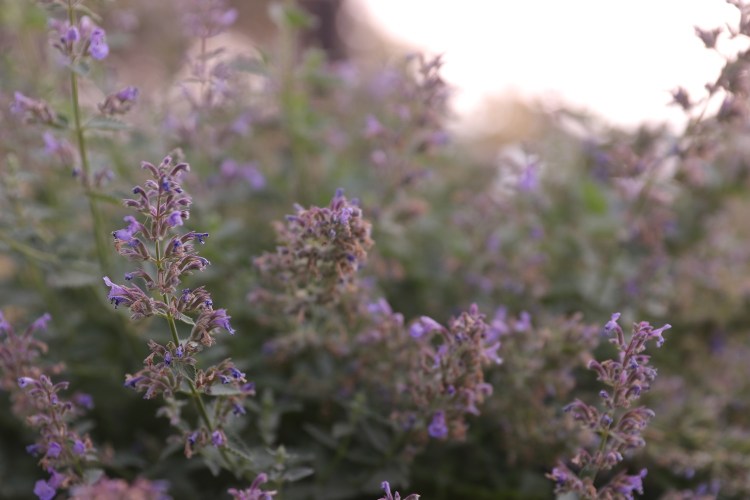
Catmint. Not to be confused with catnip, which is a completely different plant, this perennial is one of my favorites in the garden. It is hardy, basically grows without any effort, and is a wonderful filler! Unlike some perennials which bloom and then are done, catmint seems never to stop. It can also be sheared in the middle of the summer after its first bloom if it is starting to look scraggly, and will grow back fuller for a second round of blooming. I bought a few catmints in tiny 2 inch pots back in June and these plants are now generous 18 inch bushes. They tend to get wider than they do tall, so they kind of work just about anywhere in the garden, and as I said above they make a great filler. Absolutely beautiful. A bonus is that the pollinators love these flowers. Another bonus is that, due to their fragrance, deer generally don’t mess with them. (Deer proof plants are a myth. They don’t exist. But there is such a thing as generally deer resistant, and plants with a pungeant aroma are generally less likely to be munched on by deer.)
Salvia. This is another one I just love. The typical shade is kind of a violet blue, but lately growers have developed some really wonderful shades of pink. In general, I’m not a pink person at all, but some of the salvias are just delicious rich berry colors. This plant does best with regular deadheading. Each blossom spike can be snipped back when spent, down to the first pair of new leaves, and this will encourage reblooming. This is another drought-resistant and deer-resistant plant, but is less forgiving than catmint. Salvia doesn’t get hugely tall, so it works well somewhat offset from the edge of the garden, but not too far back.
Yarrow. This is an easily-recognizable flower, if you pay any attention to native wildflowers, and the domestic varities have been bred for some gorgeous colors. Wild yarrow is white with occasional pink, but I was excited to plant one variety that blooms red and fades to yellow, and another variety of more subtle shades of pink and white. This is yet another drought-resistant and hardy perennial, and it blooms forever in the later summer! It has some height to it, so it makes a great middle of the garden flower.
As much as I love the change of seasons, I’m bracing a little bit for that first killing frost we have, since I’m enjoying my garden so much this summer! But it will be just delightful to see how everything comes back in the spring. Gardening is possibly the epitome of hope and optimism!
Support Song Dog Journal and share to social media!





 Song Dog Journal