Winter Pastimes

Winter really gets a bad rap. Too cold, too dark, not enough to do. But that is just our insufferable modern American way of thinking, too reliant on recreation and not enough on creation, too caught up with thinking ahead to have time to think back, yet somehow too caught up in today to think to tomorrow. We are too addicted to being constantly occupied, too addicted to having something constantly vying for our attention, too addicted to convenience to be able to appreciate slower, quieter, and the sweetness of inconvenience.

This is really a wonderful time of the year. Harder in some ways, of course. Easier in other ways, because the short days and cold temps out of necessity weed out a lot of things that just don’t need to be done (or can’t be done) when it is this cold or so dark at 4:30. But the earth is resting. So why can’t we? Our modern conveniences have taken away the necessity of building our lives and daily rhythms around the seasons and the lengths of days and seasonal tasks. But we still are fighting against nature. Frankly, I think that is bad for us. I don’t think that is how we were made.

So it makes sense, then, that winter just becomes a frustration for so many people.
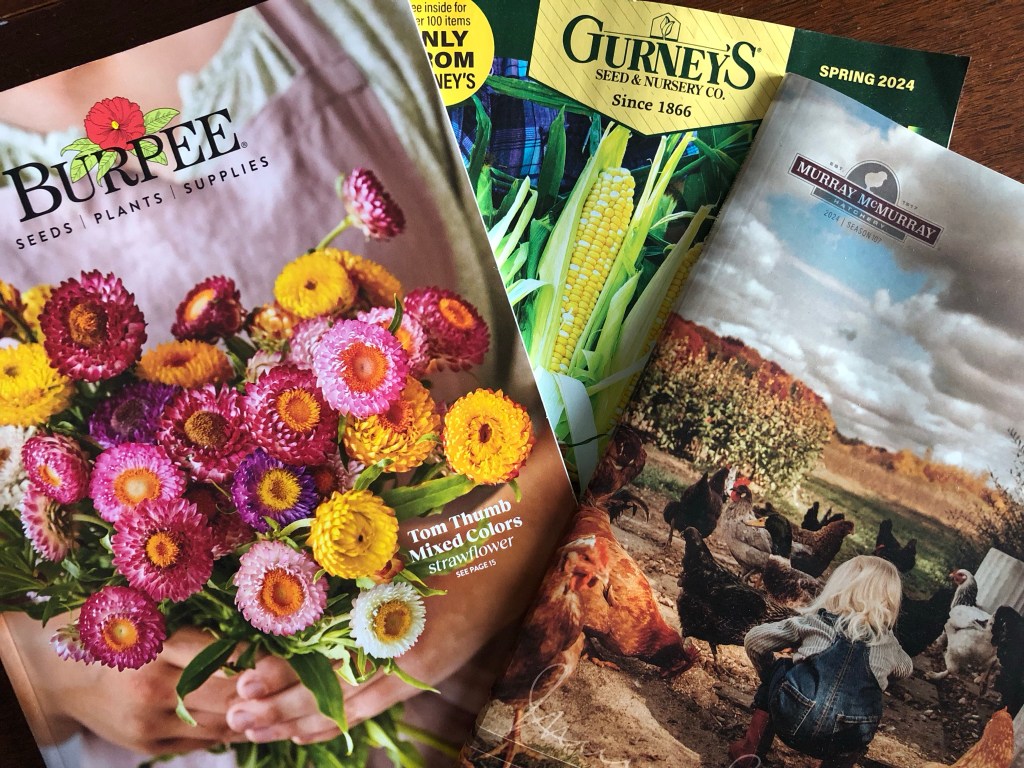
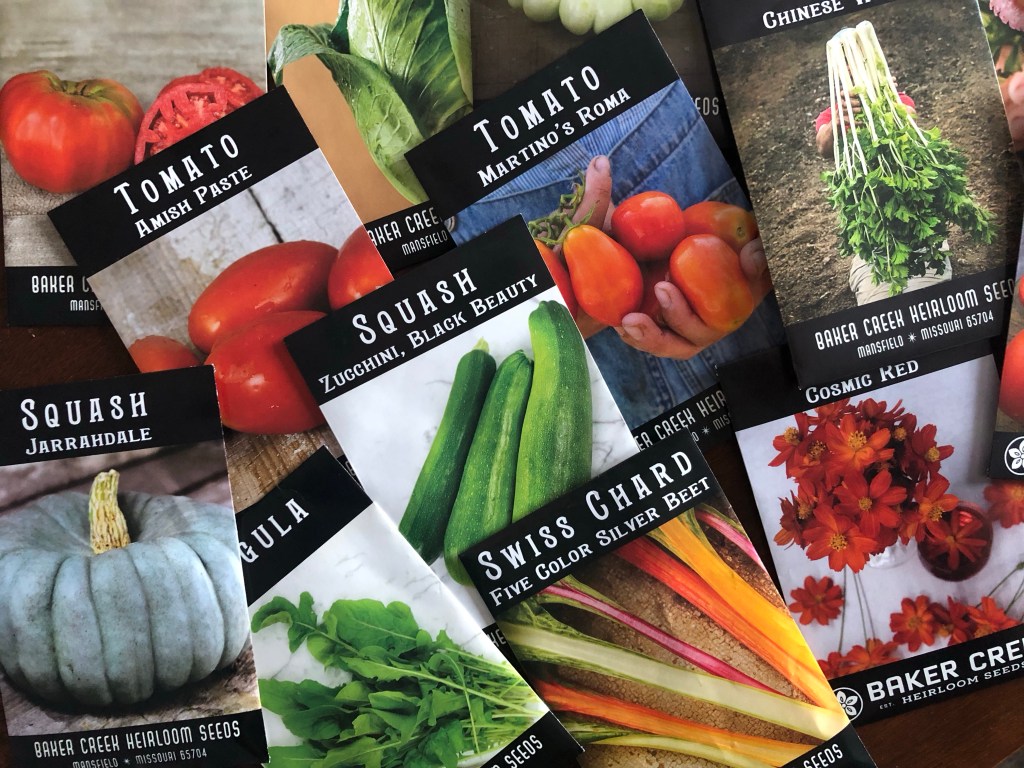
But I truly love this time of year. A little forced lull in the busyness of spring, summer, and fall. A chance to dream. A chance to make plans. I love envisioning my garden, and ordering seeds, and having time to bake and cook and be busy in my kitchen, and to put things up for later, especially with a milk cow giving me more milk than we can use! Mornings are often occupied making butter and yogurt and bread and cheese, and there is now about 15 pounds of butter in my freezer, and plenty of frozen milk for when Posey is feeding calves and I’m not getting much from her. But right now, even this late in her lactation, she’s giving me close to two gallons a day!

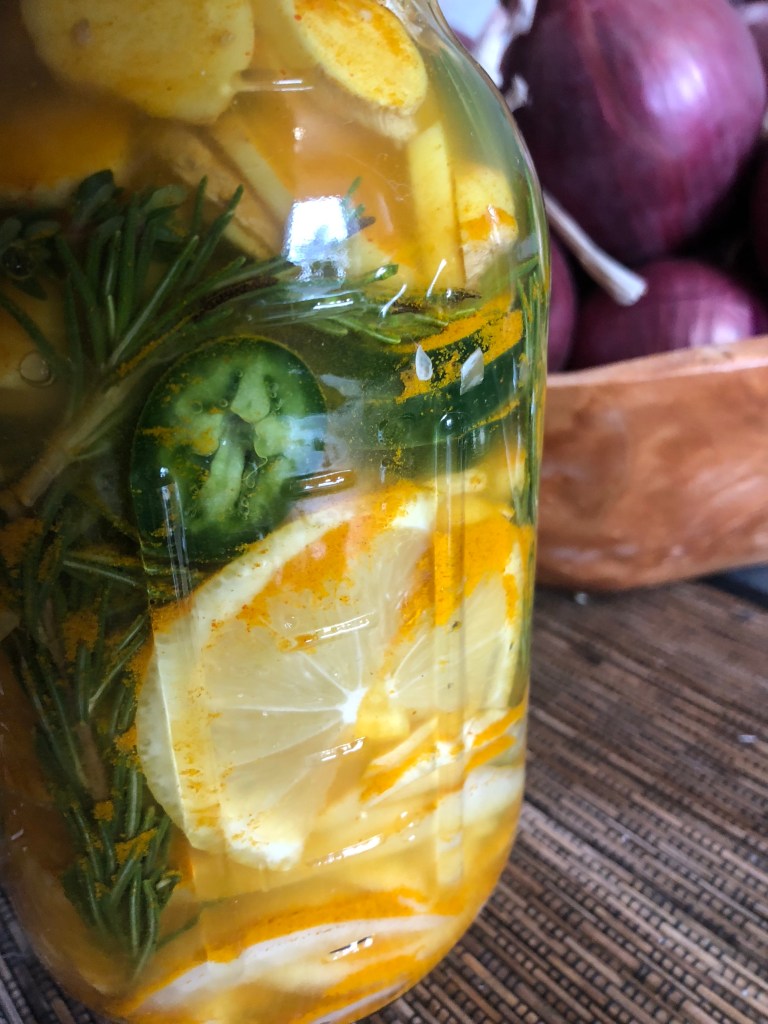
I have been happily watching some elderberry cuttings put out little leaves, sitting there in the sunniest window in the house, and I’m anxiously waiting for roots to sprout. They will be a wonderful addition to the garden. I made fire cider recently, and will be making some elderberry syrup and tincture with dried elderberries from Black Hills Bulk Foods.

It makes my husband chuckle a bit to see me leafing through my field guides, and I have been poring over books on growing and using herbs and making herbal medicines, something I have long been interested in, and my excitement grows for the spring and summer, for planting and harvesting and wildcrafting. Soon it’ll be time to roll a bunch of newspaper pots, and the picture window in the living room will become the designated spot for starting seeds. It is invigorating to see something green and growing thriving in February, or March, while the world outside is inhospitable.
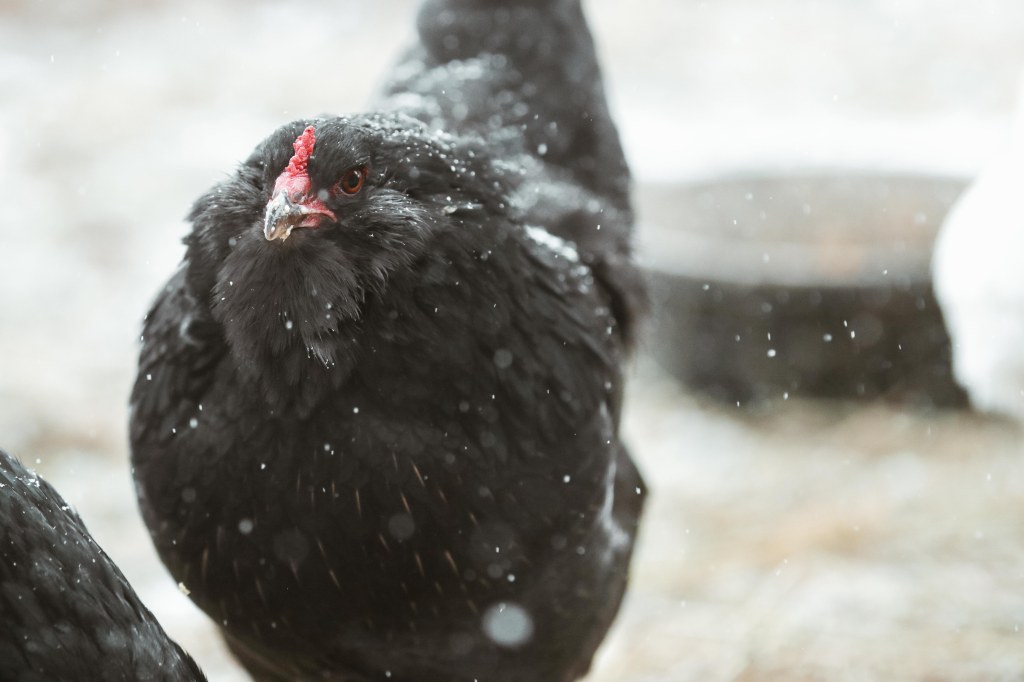
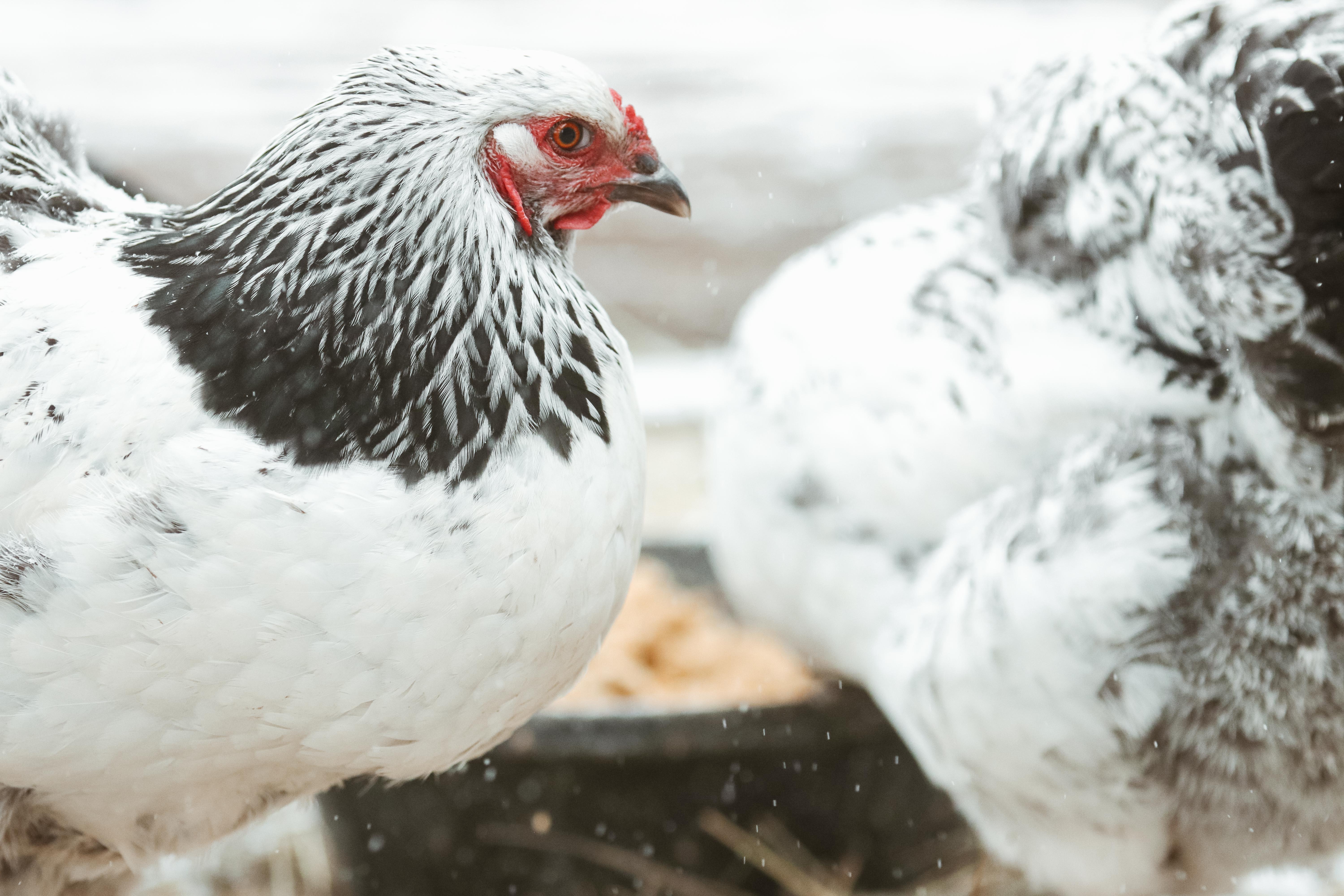
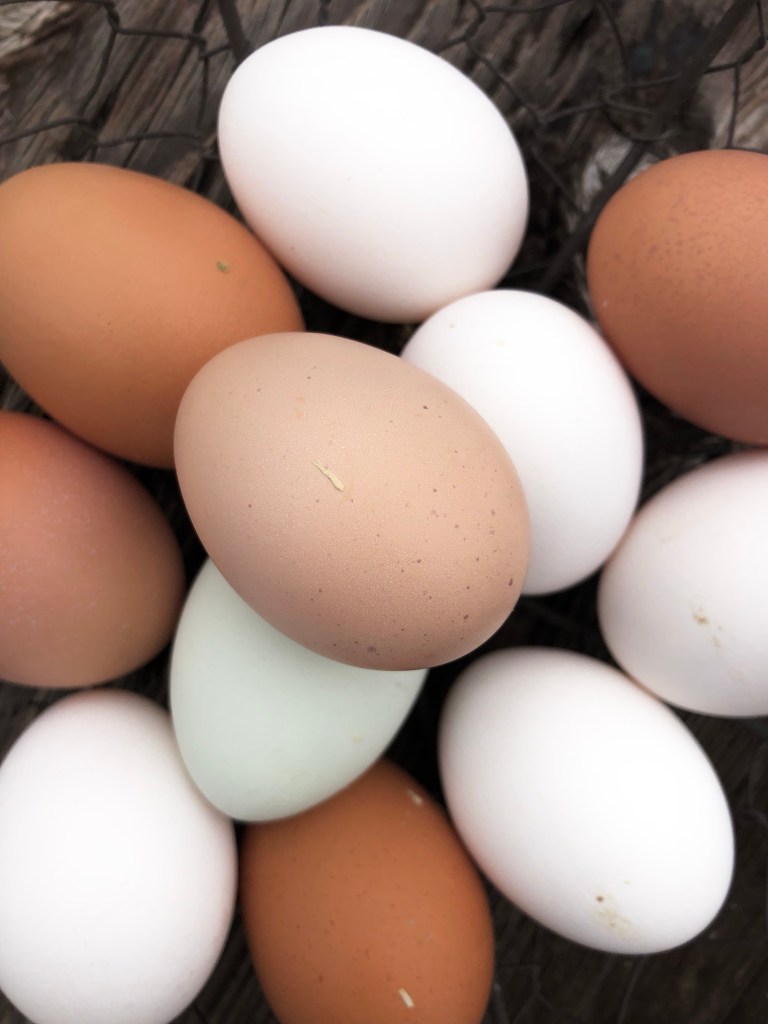
The chickens are looking beautiful, in spite of the cold. All the extra protein and calcium and other wonderful nutrition they’ve been getting from the leftover whey after making yogurt and cheese, has made for some brilliant plumage and a great recovery after their hard molt. Egg shells are hard with the extra calcium, and egg numbers are slowly increasing already (when the eggs aren’t breaking from the cold, that is).
Long, dark evenings are a good excuse to read and write, and I love the chance to catch up with old literary friends, or make new ones. Spring is right around the corner. There is a lot of winter left, a lot of time for plenty of cold and snow and hard days, but spring will come. And it always comes faster than we think.

Good for the Soul

What a world of difference a week makes! Barely more than a week ago, we were contending with perhaps the parting onslaught of winter, snow amounts we haven’t seen in a long time; we were cold and wet and muddy, feeding animals that were less than comfortable and covered in a glaze of ice and glistening icicles. We were bracing for the aftermath, hoping and praying the toll on the little calves wouldn’t be too high. The wind howled, snow fell from a heavy sky and swept skyward again in the gusts. Eyes were blinded by the unbroken sheen of windswept white. We staggered around, floundering through drifts to do chores and feed animals, then tumbling inside to warm up chilled hands and toes and face.

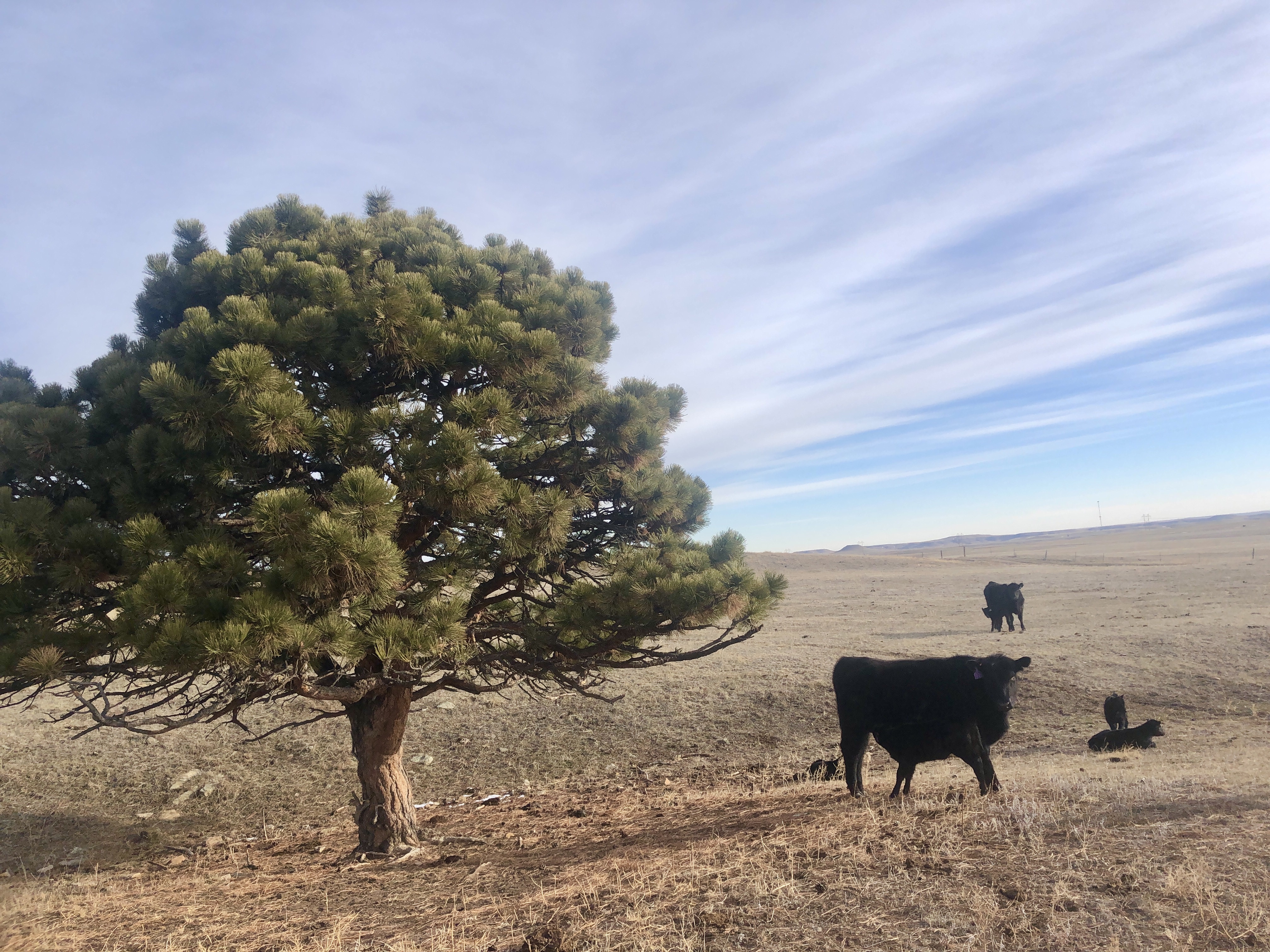
This week, it is a whole different world. A hopeful one. Almost overnight, the first frost of green touched the hills, the first green we have seen in months and months of staring at dismally dry pastures in a parched part of the country. Every day the green is deeper, richer, and more. Calves sprawl in the sunlight on warm ground, no longer fighting mud and snow, or race wildly around in a frenzy of fun. Their mamas graze contentedly on the fresh grass, no longer clamoring for hay to fill hungry bellies.

Dams that were dry now have water in them, and the sky is the blue that only comes in the springtime. The wind is gentle, the bite of winter a thing of the past. The bluebirds are back, and the clear, sweet voice of the meadowlark soars high above the rest of spring’s many songs. While we were checking cows, I heard a familiar and strange call, one of those sounds that goes straight to my heart, and searched the sky – Sandhill cranes were making their way north from the sandy dunes of Nebraska, in a shifting V of flight. And yesterday the killdeer were pantamiming along the driveway. Spring is here at last.

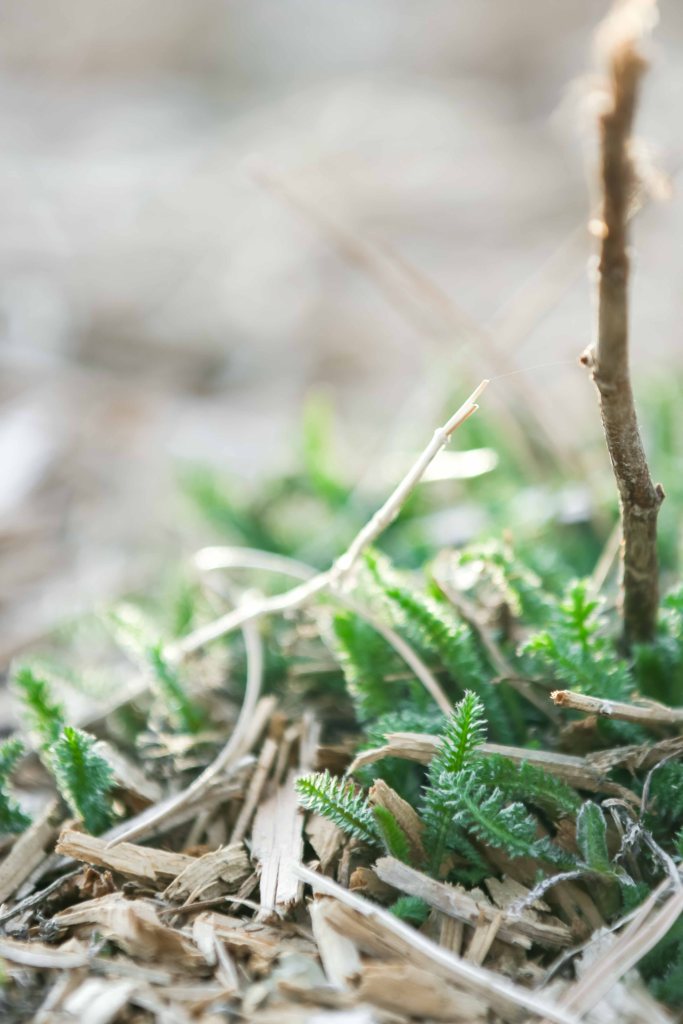
My garden is beginning to awaken, with the promise of color and delight and beauty. Lupine and catmint and lavender and chives, verbena and painted daisies and hollyhocks, yarrow and purple coneflowers, all are emerging eagerly from the warming earth and spreading joyful leaves. The green shoots are so good to see, and the thriving of things that survived the winter!

The line between inside and out is deliciously blurred, with windows thrown open, beckoning the spring into the house, sleeping with the wind stirring the curtain by my pillow. Evening jaunts down to lock up the chickens can be done without piling on coveralls and heavy coat, and the first sunburns of the year have marked the welcome change of the seasons. What a glorious free feeling, to have set aside heavy muckboots and heavy coats in favor of lighter, to be unencumbered, moving easily and unhindered!

What a difference from last week, or the week before. What a wonderful difference. It is a spring that is good for the soul.

Weekly Photo Roundup | March 19 – 25

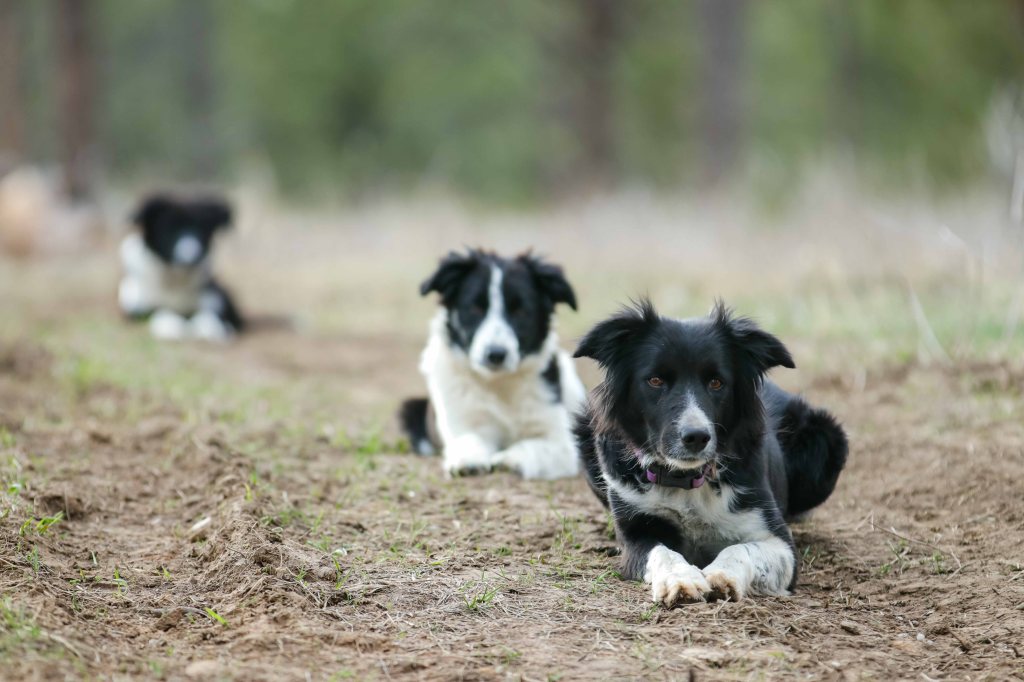
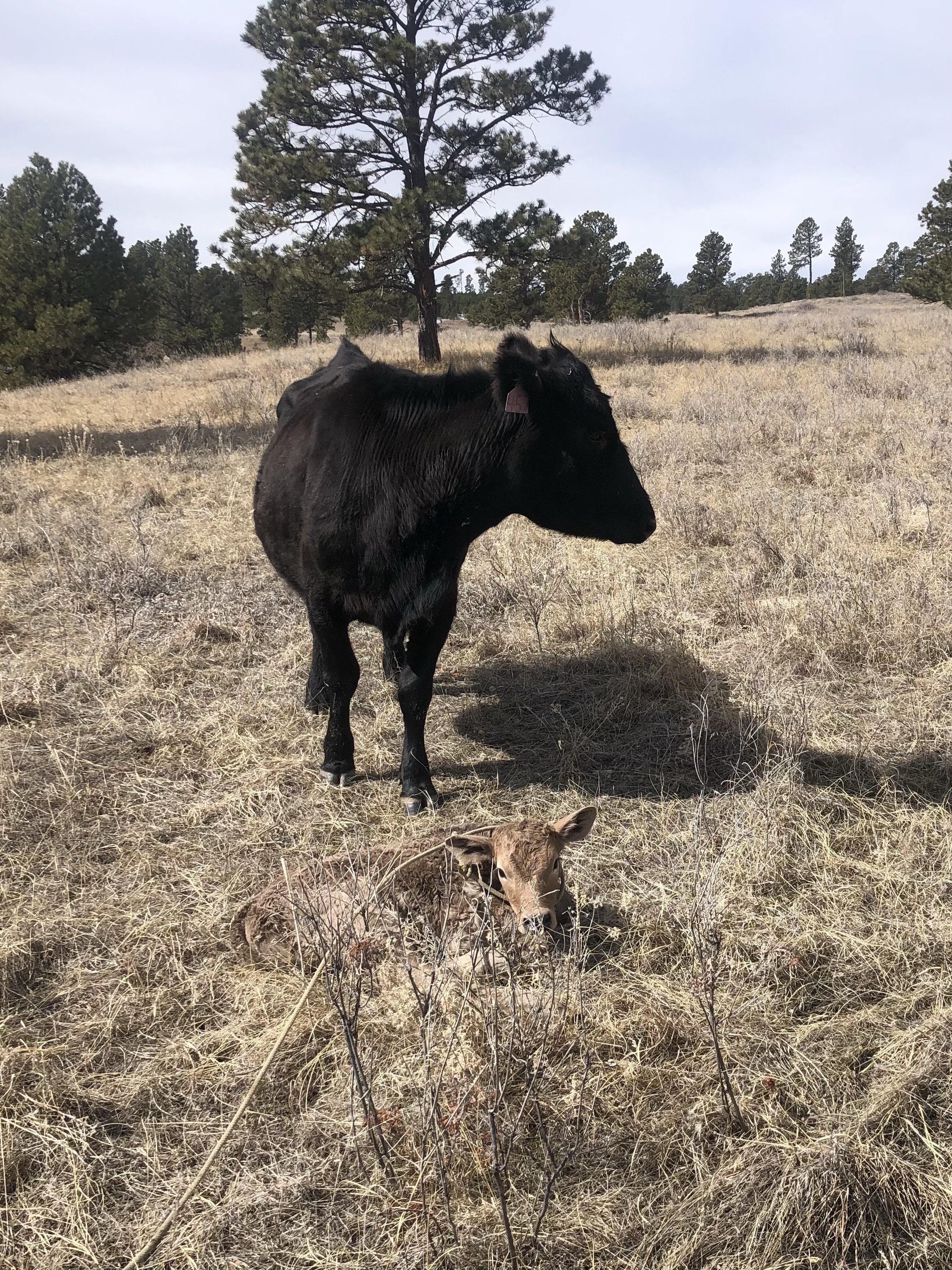
It was a good week. We welcomed spring with several mini snowstorms, and little bits of warm and friendly weather, a rollercoaster weather week. Tagged lots of calves, shipped a load of yearlings, baked lots of bread, sold lots of eggs, trained pups, and in general enjoyed a brief slow down before things pick back up. Searched for pasqueflowers, but no luck there yet. I did, however, find a snow-roller on a walk with the dogs.

Life’s a whirlwind. Embrace the whirlwind!

Ranch Wife Musings | A Life Brim-Full of Life

And the Lord God planted a garden in Eden, in the east, and there he put the man whom he had formed. And out of the ground the Lord God made to spring up every tree that is pleasant to the sight and good for food. The Lord God took the man and put him in the garden of Eden to work it and keep it. (Genesis 2:8-9, 15) And God blessed them. And God said to them, “Be fruitful and multiply and fill the earth and subdue it, and have dominion over the fish of the sea and over the birds of the heavens and over every living thing that moves on the earth.” (Genesis 1:28-28)

Of all the occupations that exist, the only broad category that existed prior to the Fall was that of the cultivator, the farmer, the gardener. It was the original work God created for Adam and his wife to do, to be keepers of God’s Garden, stewards of His Creation, keepers of the fields and the trees, the livestock and other animals. They were to carefully and responsibly manage the world that God had made. To take care of it. To tend it. To cultivate it. To nurture it. And even after the Fall, this mandate was to continue to be carried out by everyone, but it is especially seen today in those who live and and work as the cultivators, the growers, the caretakers.

It is National Agriculture Day, and most people will zero in pretty quickly on the farming and ranching side of agriculture, and may have a pretty specific idea that comes to mind without thinking of just how gloriously broad this category is, encompassing or touching so many of our most basic needs! Where does your bread come from? The milk in your fridge? Meat? Eggs? Pet foods? Medicines and herbs? Wood to build homes, or wood to heat? In some way, shape, or form, agriculture is involved.

But this isn’t purely utilitarian. So much of the flavor and beauty of living has at its root in the growing and cultivating of life. Trees and shrubs for landscaping. Cut flowers for bouquets. Succulent fruits, nourishing vegetables. Cotton and linen and wool to make textiles for beautifying our homes, all rely on agriculture. Beauty is cultivated, and the abundance of life is made even more abundant.

In so many cases with farms and ranches and the working of livestock, it is generational work, one in which the oldest generation is teaching the youngest generation, where knowledge and skills and values and morals are being handed down, where the family unit truly is the center of the endeavor. It makes me think of God’s command to His people, all the way back in Deuteronomy, the command to “Honor your father and your mother….that your days may be long, and that it may go well with you in the land that the Lord your God is giving you.” (Deuteronomy 5:16) One of the great joys living in the agricultural community is seeing families working with families, spouses working with spouses, and being able to live and experience that myself.

And this life! It is the satisfaction of taking a seed and watching it grow and bringing it to harvest. It is the joy of delivering fresher-than-fresh eggs to a neighbor, or serving a loaf of homemade bread to a friend. It is the heart-warming delight of watching a mother cow get her new calf to stand and nurse. It is the pain of seeing death. The uncertainty of dry dams and wildly fluctuating cattle prices. The trust that God will provide. It is a life of working alongside loved ones, to fellowship and break bread, where family upon family from the broader community come together, where names are known from one part of the state to another, simply by virtue of being a part of this community, the ranching community. It is a life and a livelihood richer and sweeter than I could have imagined before God married me to a rancher and into one of the kindest families I’ve ever met, into one of the strongest communities I’ve ever seen. This life is a constant reminder that all that we have is from God, and He has given us the job of stewarding it well. Taking what is and making the most of it, making it more, making it feed our families, our communities.

It is a life brimming full of life.

In the Coop | Treating Coccidiosis

Although some people probably manage to get through their chicken keeping career without dealing with a coccidiosis outbreak, this is a really common flock sickness caused by a common parasite and it definitely pays to be able to recognize the symptoms before your entire flock is infected!

Before getting started on this article, I want to add a healthy disclaimer here: I am not a vet. All I want to do is share a little about coccidiosis and how I successfully treated it, and why I think it worked.

So, what is coccidiosis?

Coccidiosis is a relatively common infection that can affect all manner of livestock and wild animals, caused by a single-cell parasite in the GI tract. This parasite lives in the soil and is actively spread by wild animals. Symptoms in chickens include lethargy, not eating or drinking, watery/mucousy stools, and bloody stools.

Treating or preventing an outbreak

If you discover a case of coccidiosis in one chick or chicken, you need to treat the entire flock, regardless of symptoms. Treatment is super simple but it takes some time. Using liquid Corid (sold at feedstores and online), for 5-7 days, add 1 teaspoon of Corid to 1 gallon of water (for a moderate outbreak) OR 2 teaspoons of Corid to 1 gallon of water (for a severe outbreak). After the 5-7 day initial treatment, follow with another 5-7 days of 1/2 teaspoon per gallon of water. Don’t give any other water except this Corid-medicated water, and make it fresh daily.

Treating the Sick Bird

This part is important: if you have a single chick (or chicken) that is showing symptoms of acute coccidiosis, and is displaying the tell-tale lethargy, watery droppings, and not eating, the flock treatment method will not work by itself. By the time you notice your chick not eating and drinking, it is fruitless to add Corid to their water and expect any sort of improvement. They’re not eating or drinking so any medication administered free-choice isn’t going to be consumed.

Let’s be specific here: It is the dehydration and malnutrition caused by not eating and drinking that will kill the chick, not the parasite itself. So don’t just put Corid in the water and call it good. The chick needs nutrients and rehydration as well.

Late this past summer, I had a chick suddenly get sick with all the classic coccidiosis symptoms. I isolated the chick and took a common-sense approach to treatment. My thought process was that the chick needed rehydration and needed the medication, which it wasn’t getting from free-choice water. The sick chick got dropper feedings multiple times per day of a slurry of egg yolk, yogurt, molasses, sometimes thinned with Corid medicated water (using the dosage listed above), sometimes with a few drops of Nutri-drench, and was also given medicated water by dropper as well. The first couple of days I gave her a concentrated dose of Corid by syringe. I would draw up probably a quarter of a cc of Corid into a syringe, draw up a cc or so of water, and administer that to the sick chick. I don’t have a digital scale and Corid, by my understanding, is a pretty safe medication. The chick was in bad enough shape I was willing to risk overdoing it to get enough medication actually in her. My goal was something like 5 or 6 cc’s of this medicated slurry and fluids per day, kind of whatever I could get in her without too much trouble. Based on the size of the chick you’re treating, it might be more or less than this. Use common sense. Any amount is better than the chick sitting in the brooder and not eating anything.

Don’t take my word as expert by any means, but sometimes you have to think a little outside the box – in this case, it worked really well. Obviously treating a chick or chicken individually takes a time commitment (honestly, just a few minutes a few times per day), but if you’re wanting to try to save a coccidiosis-infected bird, that’s what it will take.

I’d love to hear any other tips or advice on treating coccidiosis! It is a pretty common infection but sometimes the information can be pretty confusing on how to treat it. Happy chicken keeping!

In the Coop | 5 Things to Have on Hand

If you’re a first-time chick keeper, you can find lists (and lists and lists) of recommendations online about what you absolutely need to have on hand for that first order of chicks. I don’t know about you, but that can feel a little daunting.

The five things I absolutely would have on hand are: Save-a-Chick probiotics and electrolytes, Nutridrench, Corid, and a 3cc syringe. With those things on hand, you can combat a lot of what might kill your chicks in the first few weeks of their lives.

Probiotics and Electrolytes. Add probiotics and electrolytes to their water for a little boost, to replenish and balance their electrolytes, and as preventative. When you first get your chicks, either mailorder or from a feed store, they will need a little pick-me-up. The mailorder chicks haven’t eaten or drunk anything since being out of the egg and will be ravenous and a little dehydrated. The feedstore chicks likely just got dumped in a sale bin with little attention given, so they could also use some TLC. The probiotics are a good idea because GI issues can quickly become fatal in baby chicks, since they are so small any dehydration is going to have a significant impact. Make sure you are changing this every day, if not multiple times, since it will grow stuff, especially with the heat lamp going! I mix up a pitcher of this and keep it in the fridge, and would give it to my chicks for a couple of days, then give them plain water.

Nutridrench. This is a kind of a first-line treatment to give to just about any chick that looks like it needs a little boost. It is a mix of vitamins, minerals, electrolytes, and sugar. I’ve only ever given this to sick chicks and mixed it in a slurry of egg yolk and/or molasses and/or yogurt.

Corid. This is the brand name for the medication amprolium. You could have chickens for years and never deal with coccidiosis, I would imagine, but this is something to keep on hand. As far as I know, Corid doesn’t really go bad and I would much rather have it on hand and not need it, than have coccidiosis run rampant through my flock, chicks or chickens. I will do another post on treating chicks with coccidiosis at a future date, but trust me on this one and keep it on hand! Don’t wait until you figure out that’s what’s making your chicks sick and then have to go find it or worse, order it online and wait for it to arrive. In a pinch, feed stores do carry it, but I just wouldn’t want to risk it being out of stock when I wanted it. It is pricey, but a little goes a long way.

3cc syringe. This is the easiest way to administer nutritional first aid or a medication like Corid to your chicks. It takes a little bit to figure out how to hold the chick and how to get her to open her little beak to take the syringe. I find that the easiest way is to cup the chick with my nondominant hand and press her back against my chest. Do not stick the syringe down her throat or into the center of her mouth, but instead press the tip of the syringe into the very corner of her beak until she opens up, and she will, even if just for a split second. It might take a few tries before you manage to slip the syringe just into the corner, and then kind of pull gently to the side to make the syringe sit securely in the pliable fold of the corner of her beak. Now you can administer the liquid, and it can be done pretty quickly if the syringe is placed correctly. Just don’t administer too much at once and choke the chick. If you have to doctor a chick for awhile, the corner of her beak is going to get a little red and irritated, but honestly that will make her more likely to open her beak.

This is hardly an exhaustive list, especially if you’ve done other reading and have seen the many, many things people will recommend to keep on hand for chicks. There is VetRx for respiratory issues, anti-pecking sprays and gels, wound care, and more. But what I listed above is what I would not choose to be without!

Please drop a comment below with your recommendations on those absolute must-haves for chick keeping! Happy chick days!