Botanicals | Plains Phlox

This diminutive plains phlox, phlox andicola, demonstrates with a vengeance that apparent delicateness does not exclude hardiness or determination or tenacity. While agate hunting with a friend down near Fairburn, I found clusters of these flowers scattered all over the agate beds, alongside pincushion cacti and not much else. A close relative of the plain’s phlox is Hood’s phlox, phlox hoodii, another tiny flower that looks like it shouldn’t be able to withstand the harsh climate of western South Dakota.
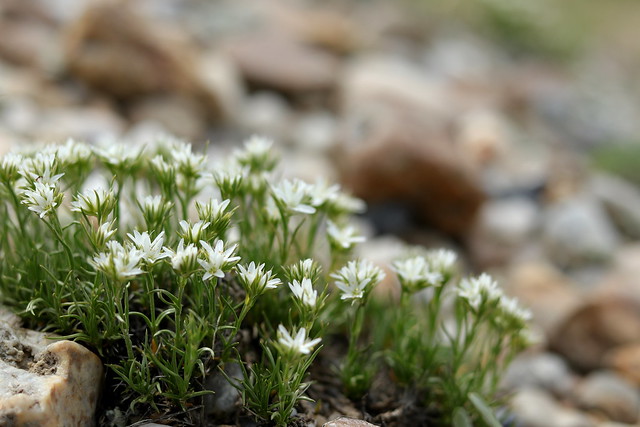
IMG_7094eAgain and again, wildflowers defy human logic and reason. I love it.

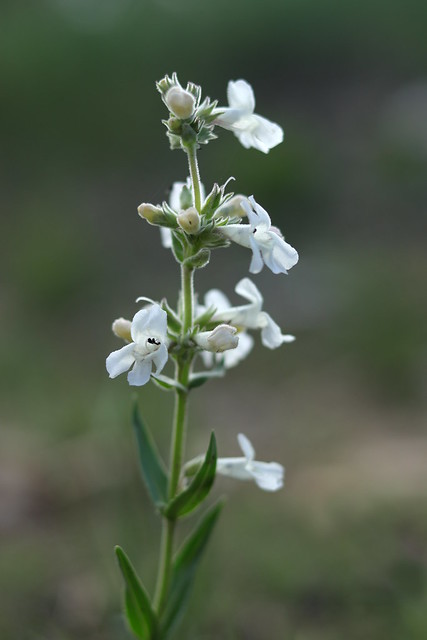
Botanicals | White Beardtongue

White beardtongue is a penstemon, penstemon albidus, a member of the figwort family. These little beauties were blooming all over the family property for the last couple of weeks! I found this one on a short hike down to Battle Creek. Pretty little thing!
IMG_7150eOnce again, the variety of our wildflowers amazes me.

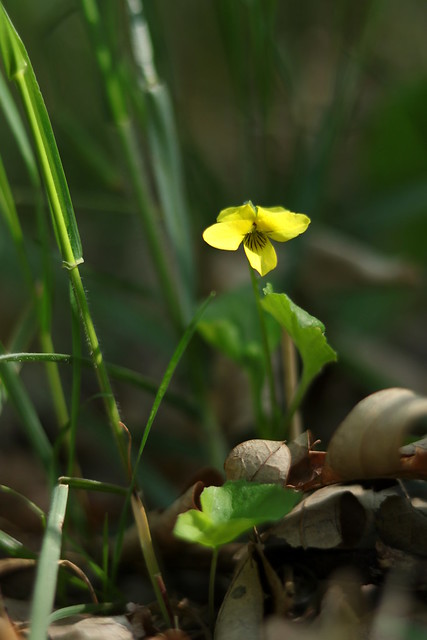
Botanicals | Yellow Wood Violet

Every time I find a flower that I don’t see every day, it constitutes a “favorite find.” And as I mentioned regarding Nuttall’s Violet, I’ve always had a soft spot in my botanical heart for the violet family. This little beauty is one I’ve only seen one other time in the Black Hills, and that was down near Little Falls. It definitely loves moisture, and this one I found near Battle Creek recently.
IMG_6482eSome violets can be difficult to distinguish, but the yellow wood violet is unmistakable in the Hills, with a growth habit and structure distinctly different from all the other violets, except the Canada violet, which is white. As I said, unmistakable.


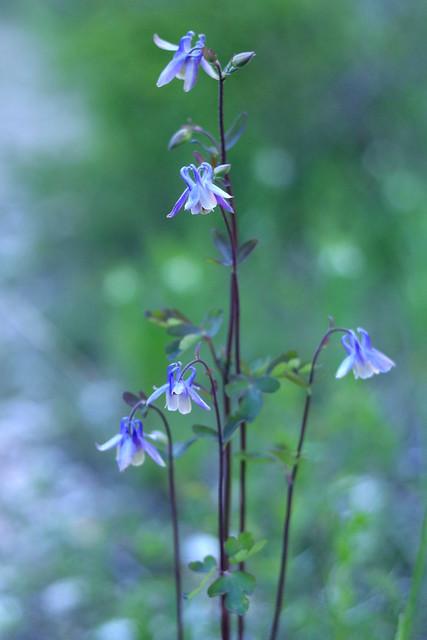
Botanicals | Blue Columbine

This must be one of my favorite finds to date. We have wild columbine, or red columbine, in abundance all over the Hills, but blue columbine, aquilegia brevistyla, is one I’ve never had the delight of finding. We hiked Hell Canyon this afternoon (one of my favorite hikes to date), and this little gem was growing prolifically in the canyon itself. My wonderful, handy field guide, Plants of the Black Hills and Bear Lodge Mountains, states, “Blue columbine….is much less common than [wild columbine, aquilegia canadensis] and is never abundant where it is found.” Well. Today it was abundant.
IMG_7028eI had never seen one before and sort of figured I was unlikely to ever see one, but I can now put a check mark next to its entry in my field guide, and revel in the pleasure of a rare find.