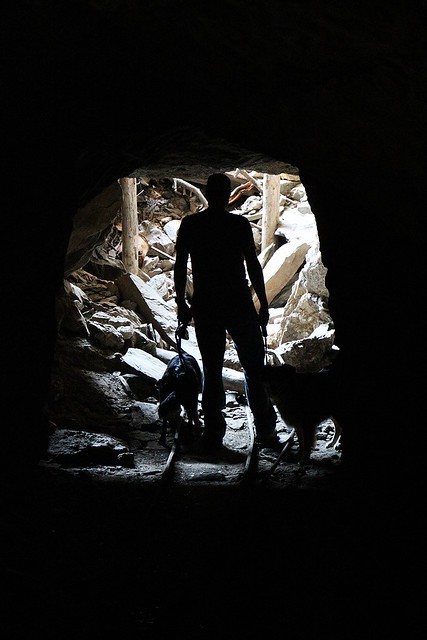
The brightest gems of the Black Hills are the little-known ones, the ones that are tucked back off the beaten trail, that take a little more work to get to. After church on Sunday, I and two friends, Hannah and Jacob, along with three dogs, Angie, Cleo, and Trixie, explored an abandoned mine and its many shafts scattered across the hillside above the towering and rusty old mill.
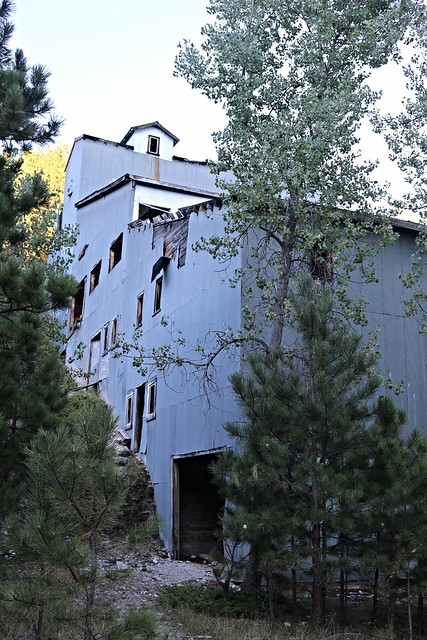 The hike to the mill itself was one long gentle slope up – About 30 minutes from the trailhead. It was hot out, and the shade around the mill was welcome. The old mill still stands tall and erect against the side of a taller hill. The sheet metal siding has come off in places, or swings loose in the wind. Rickety flights of stairs still span floor to floor.
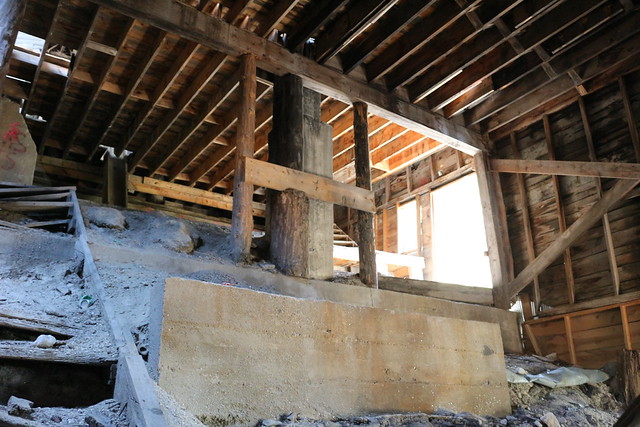 The hike to the mines was another climb, boasting beautiful views of Harney Peak in the distance, over a rolling sea of pine trees. Such wonderful country – I still have to pinch myself.
 We could smell the mines before we could see the tunnels. The musty, earthy damp mixed with the warm, resiny perfume of the pines, and we could feel the seep of cool mine air as we approached the entrances to the mine, which loomed black in the steep, rough walls of rock. The sheer size of some of the digs was astounding, from the towering walls of open cuts and gaping mouths of air shafts, to the vaulting and cavernous ceilings inside the mine, to places where the ceiling had caved in years ago, leaving just enough space to crouch and scramble through.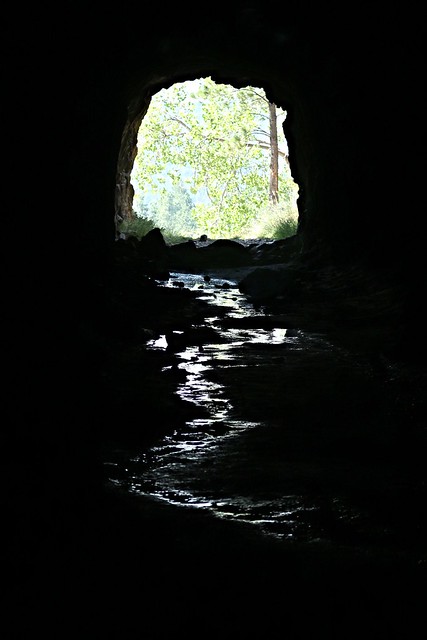

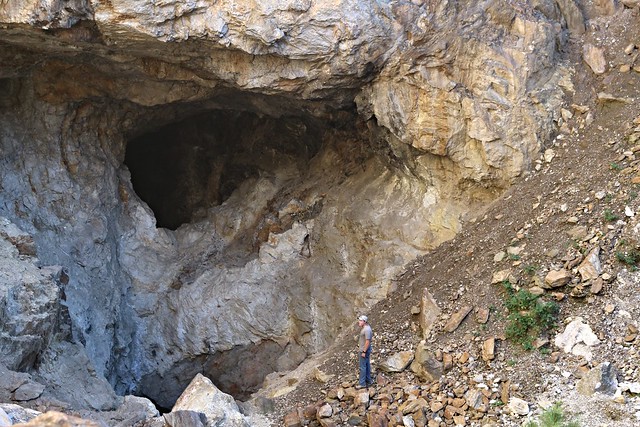 The meager glow of our flashlights and lanterns seemed swallowed up in the dark of the tunnels, glistening on damp walls, sparkling dully in pools and trickles of water, occasionally revealing old pieces of machinery from the bygone mining days. Cart track still spanned some of the tunnels, and rotted support beams tottered in the openings.
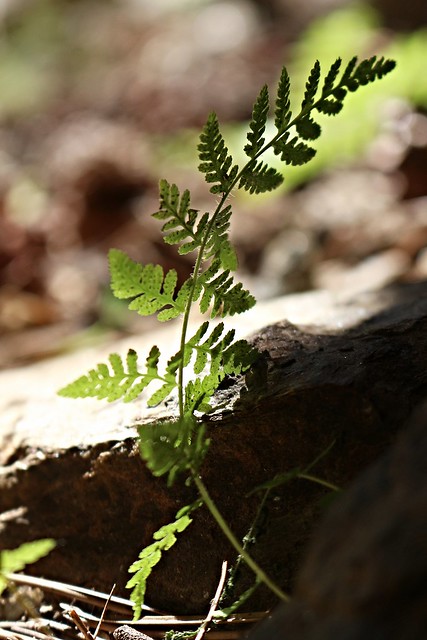 Little ferns grew at the mouths of a couple of the mine tunnels, transparent green against the bright sunlight outside. Pigeons nested in the sheltering cliffs above one of the open cuts.
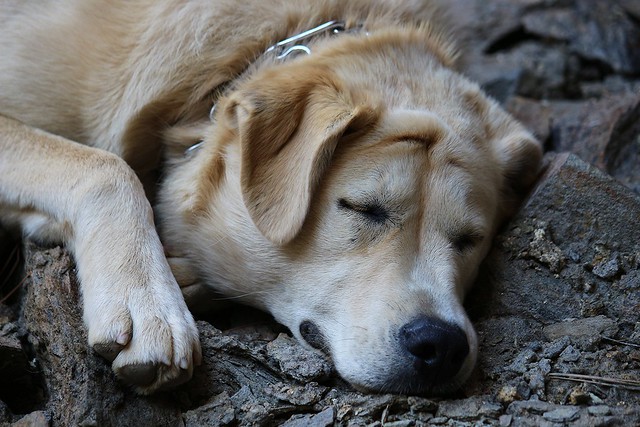
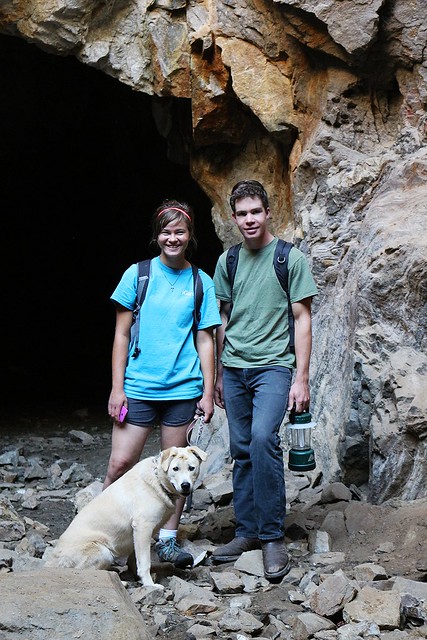 Sarah and William and I went back yesterday, and picnicked in the shade of the cliffs. Trixie came along again – She is becoming quite the hiking buddy! When we stopped for lunch, she begged pieces of our lunch and bites of apple, then fell sound asleep while we sat and talked and poked around in the piles of mica.
 The Hills conceal a treasure trove of history, history that is as tangible and real as the damp of stone beneath my fingers, or the rough, rotting wood of an ancient structure. The remnants of bygone days are scattered liberally throughout the Black Hills – If you know where to look.

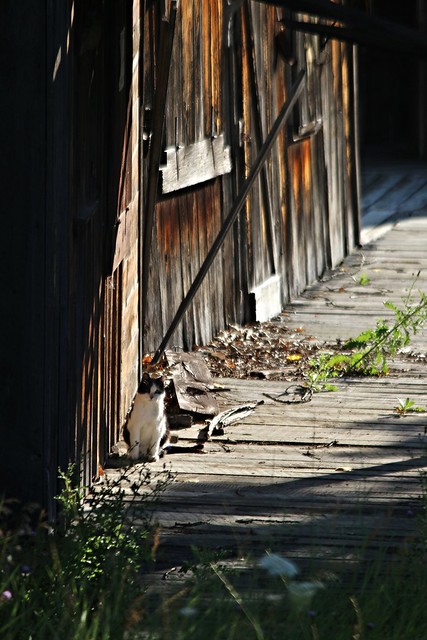
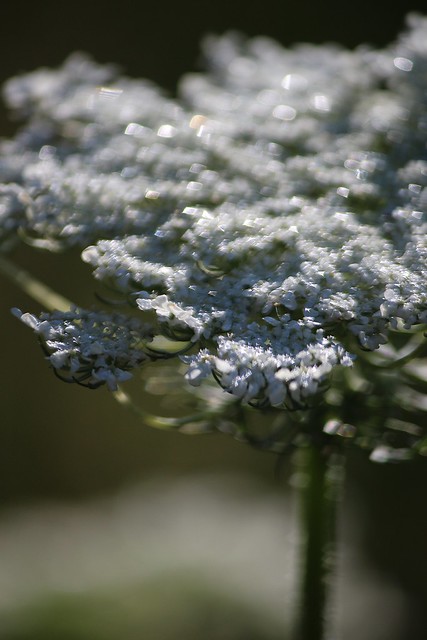
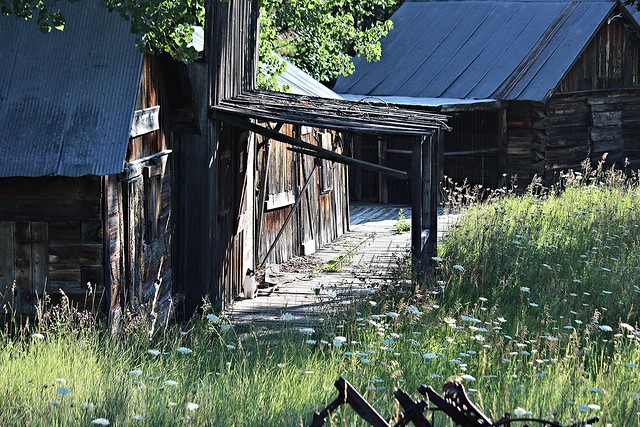 A forest of Queen Anne’s Lace sparkled in the waking light, and a cat groomed herself on the porch of an old tumbledown storefront. A few people still live in the area of Old Rockerville, and a single restaurant is a favorite local stop. The past and present mingle in this place.
 How many miners made and lost their fortunes in this place so long ago, yet not so long ago? What sort of men were they who spent their best years breaking their backs for a myth of easy riches, or breaking other men’s backs because the other men believed the myth? What professions did they leave to come mine placer gold at a rough and wild gold camp? How many drifted from one gold camp to another, and how many put their roots down and attempted to build up a life for themselves, and perhaps for a wife and children? Where were they born? And where did they die?
  Where are they now? Where will you be, 100 years from now? Who will remember you, and what will you be remembered for? What will the point of your life have been? Whom are you serving?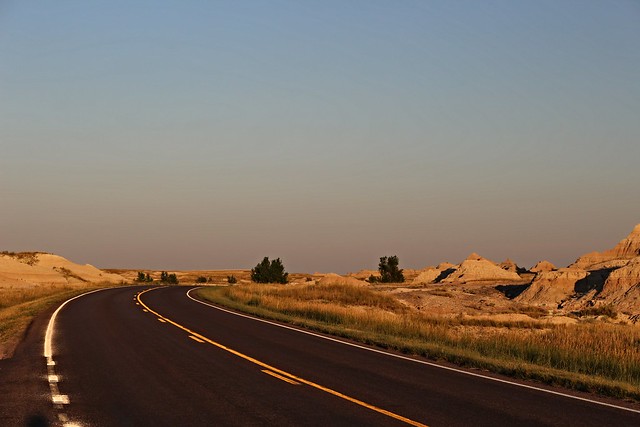
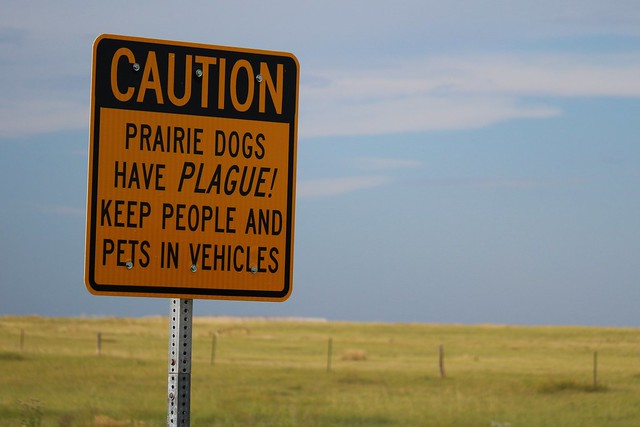
 Hwy. 44 from Rapid City to Interior is a beautiful drive in and of itself, with distant views of the Badlands, and glimpses of homesteads and ranches still weathering the climate of the region and thriving amid scrubby grass and hardly a stick of timber. As the Badlands drew near, we were greeted by cheery signs like this one:
 We ate at the lodge restaurant near the intersection of the Interior and Badlands Loop roads, a popular spot. By the time we got back on the road, we were nearing the photographic golden hour. The Badlands were glowing in the sinking sun, and our leisurely drive became more eager.
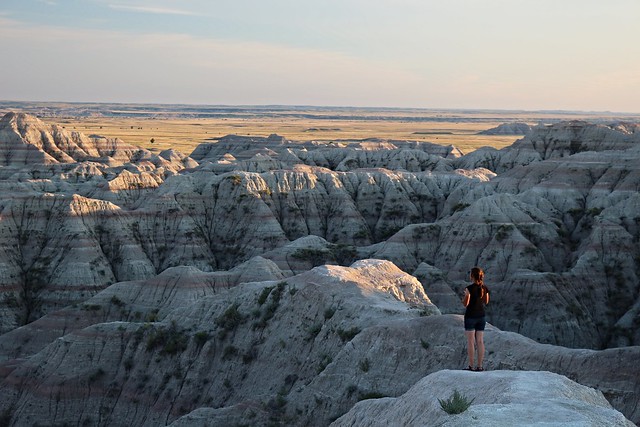
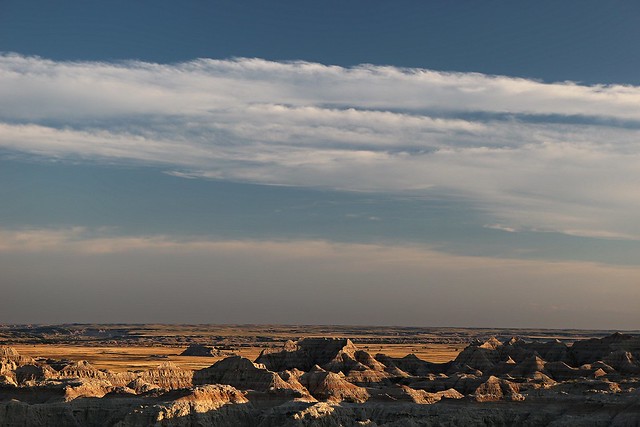 Gazing over the racing landscape, it was like being on another planet, swallowed in the vastness and openness and awesome fierceness of that strange and wonderful place. Amazing how such hostility and such beauty can meet in such magnificence.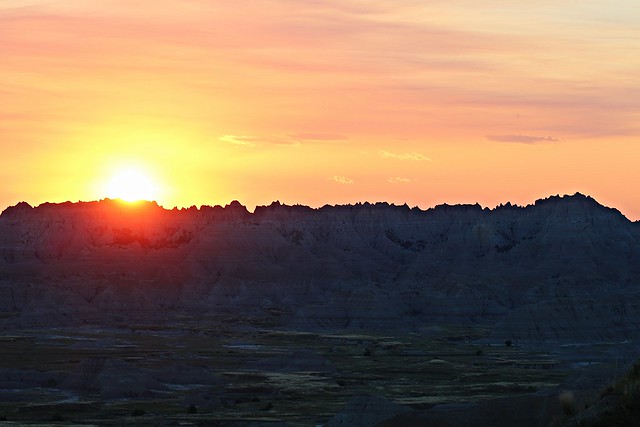
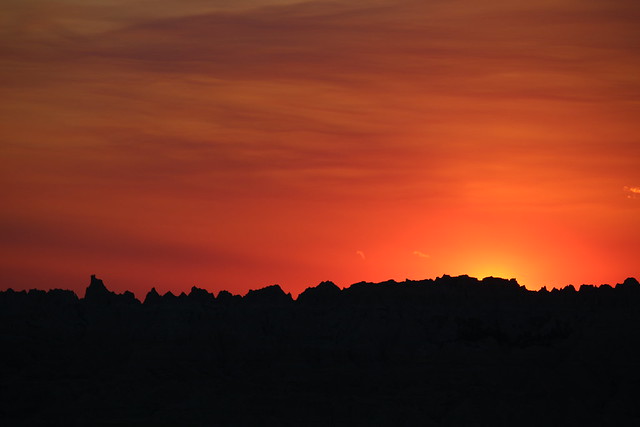 The sun set in a blaze of glory over the jagged ridges. The song of the coyotes rang softly in the valleys, and big horned sheep scrambled on the shadowed slopes. Nighthawks dipped and dived, and then the sun was gone and dusk crept in. Harney Peak, miles and miles away, rose out of the prairie like a sentinel, keeping watch over everything within its gaze. I love that mountain.
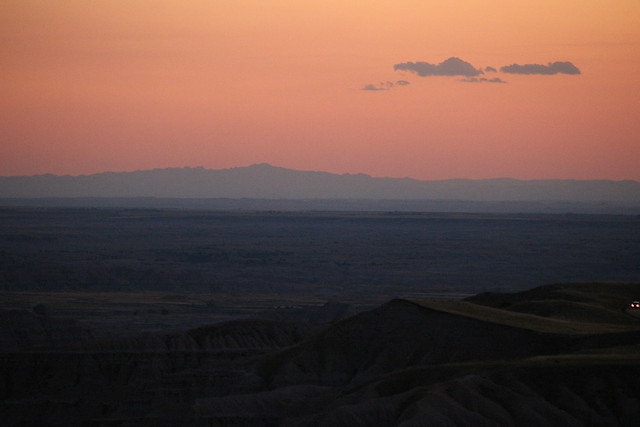 We drove home in the dark, the stars shining brighter and brighter as the sky grew blacker and blacker. What a beautiful evening, enjoying the wonders of God’s Creation, the glories of the Heavens, and the joy of fellowship and family.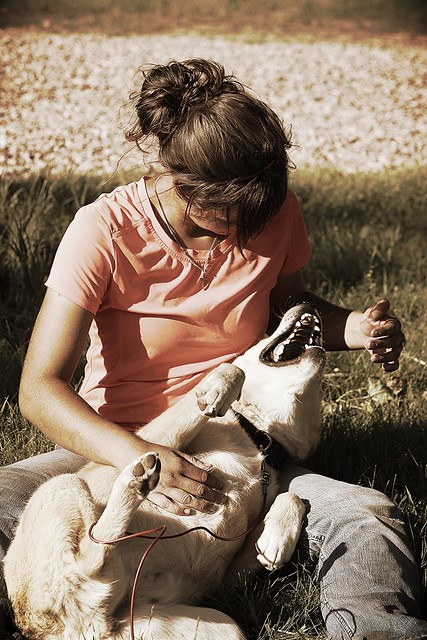
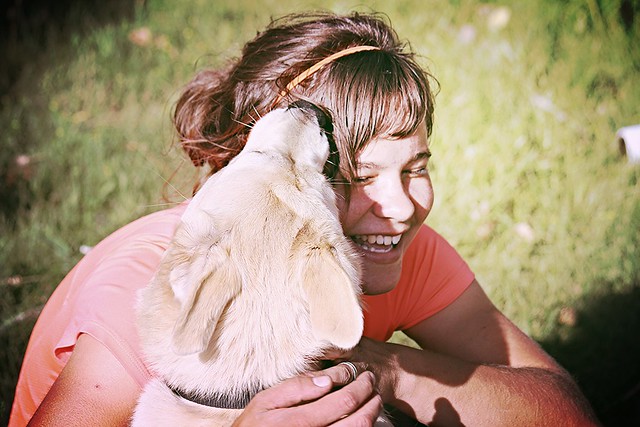
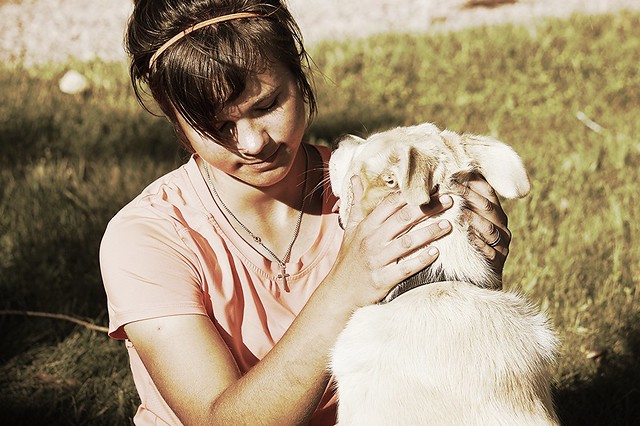 Pets are one of those little blessings that as children we instinctively know are a gift from God. We pray about them, thanking God for them, asking Him to keep our pets safe. But when we grow up, we lose something of that delight. “More important things” take up our thoughts, and we can lose sight of those little blessings and gifts from God that we experience every day. We thank God for what we might consider the “big gifts” (family, church, promotion at work, scholarships, financial security, the new car) but we neglect to thank Him for His little gifts, daily evidences of His goodness to us (the first breath we take each morning, the feel of a puppy’s fur, a cat’s purr, a baby’s smile, dewdrops on grass, fresh air, clean water). If God’s goodness is manifest in Creation, which it is, isn’t it also manifest in those little or individual things of His Creation, be it a flower or a rolling landscape or a waterfall or great creatures or small creatures?
 In 1620, the Mayflower Compact was signed by 41 men, Separatists and Strangers, declaring their resolution to work together in the New World. The Strangers were adventurers and soldiers, but the Separatists were Protestant men and women and children who were seeking a greater degree of religious freedom, out from under the authority and tyranny of the state-run Anglican church. Their agreement read:
 So what better way to spend Independence Day than with family and friends, enjoying the freedom to assemble with our brothers and sisters of the faith?
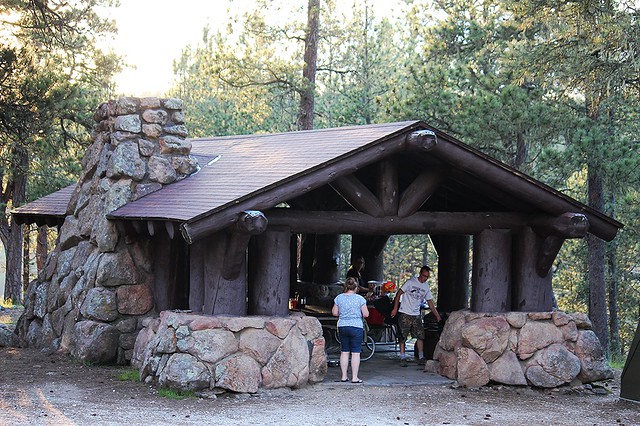
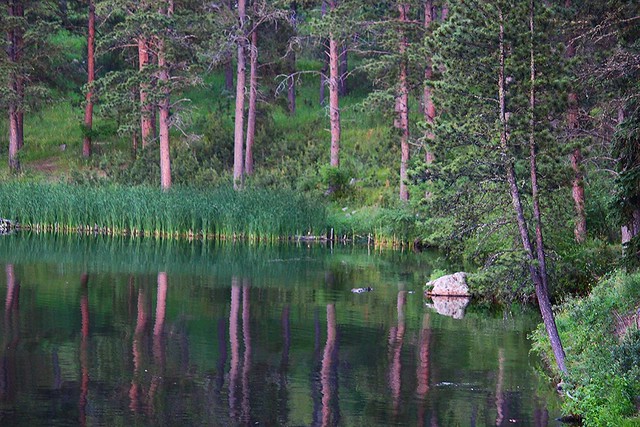 Stockade Lake was bustling activity yesterday afternoon, tourists and locals camping and boating and enjoying the beauty of the Black Hills. The beaches were overrun with festive crowds, but our friends had managed to snag a pavilion earlier in the day, so we had a corner of the lake to ourselves.
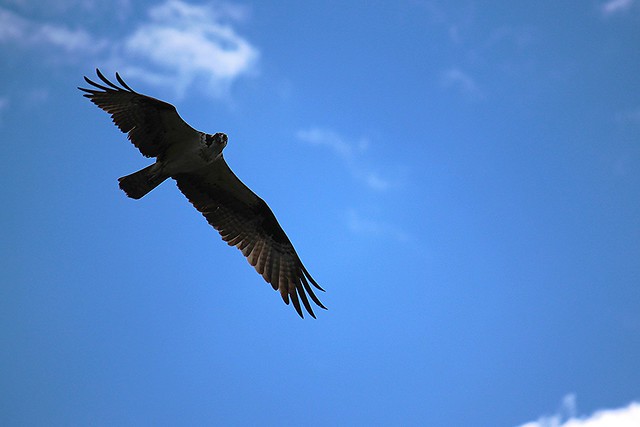 We enjoyed osprey and herons and ducks, and very few bothersome insects since it has been so dry. Trixie came with us, of course, and I think she met her match for energy in our friends’ youngest two. Calvin and Laurel couldn’t get enough of her, and I think she liked the attention. After all, they were just about her size!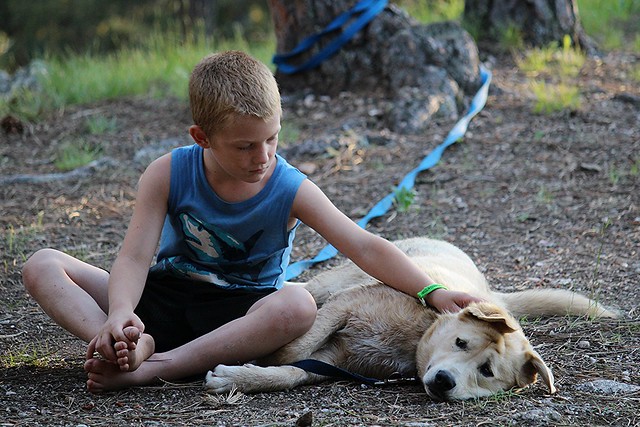
 The kids swam in the lake, and Sarah brought her kayaks, much to the delight of the boys, so after dinner they hauled the kayaks down to the lake and were pretty much gone for a couple of hours. We all visited and shared good food and fellowship, and were showered on by a little thunderburst that came our way briefly. The storm didn’t last long, and the cool evening wound down to dusk.
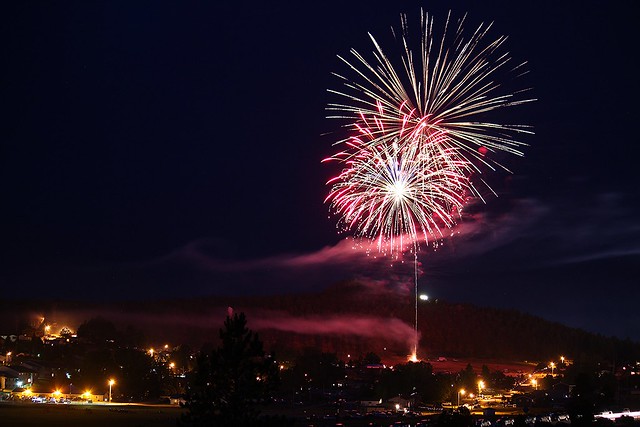
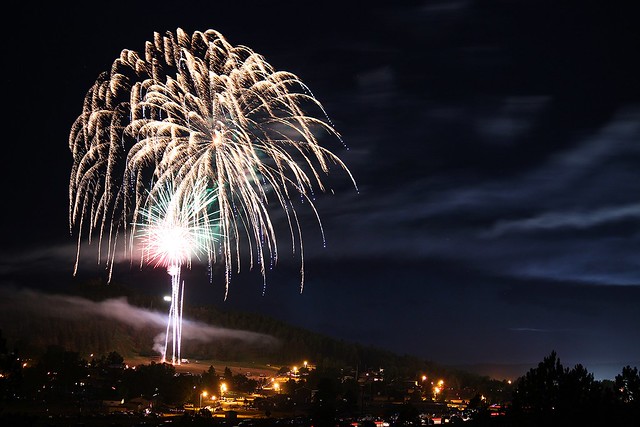 Those of us who didn’t mind getting home late headed over to our pastor’s house to watch the Custer fireworks from his family’s backyard. They have a great view of the show, and it seemed like about half our church converged on their home for the evening! Our church is pretty geographically separated, many of us traveling 45 minutes or more to get to church. So those opportunities we have midweek to see one another, to see our brothers and sisters, are cherished dearly. We were treated not only to the fireworks, but also to beautiful lightning from another storm that slowly closed in. We were close enough to still feel the resonating explosions, the far enough away to be able to keep up our conversations. It was fun to hear the burst of applause from the whole town of Custer after the last flares of the finale. Custer’s fireworks are simple in comparison with what other larger towns can afford, but they are no less enjoyed.
 We watched the traffic streaming out of town, and then it slowed to a trickle. The noises of the crowd down in Custer quieted. The lightning was flickering and flashing, closer now. Then the rain started gently. It was a good day. We have so much to be thankful for.
 Our flag is a symbol of those things that America stands for at her core. Although the colors didn’t have significance at the time of our first flag, the colors became significant when the Great Seal was designed in 1782. White stands for purity and innocence. Red stands for hardiness and valor. Blue stands for vigilance, perseverance, and justice.
 Song Dog Journal