Old Friends

Originally published in the May/June 2024 issue of Down Country Roads Magazine

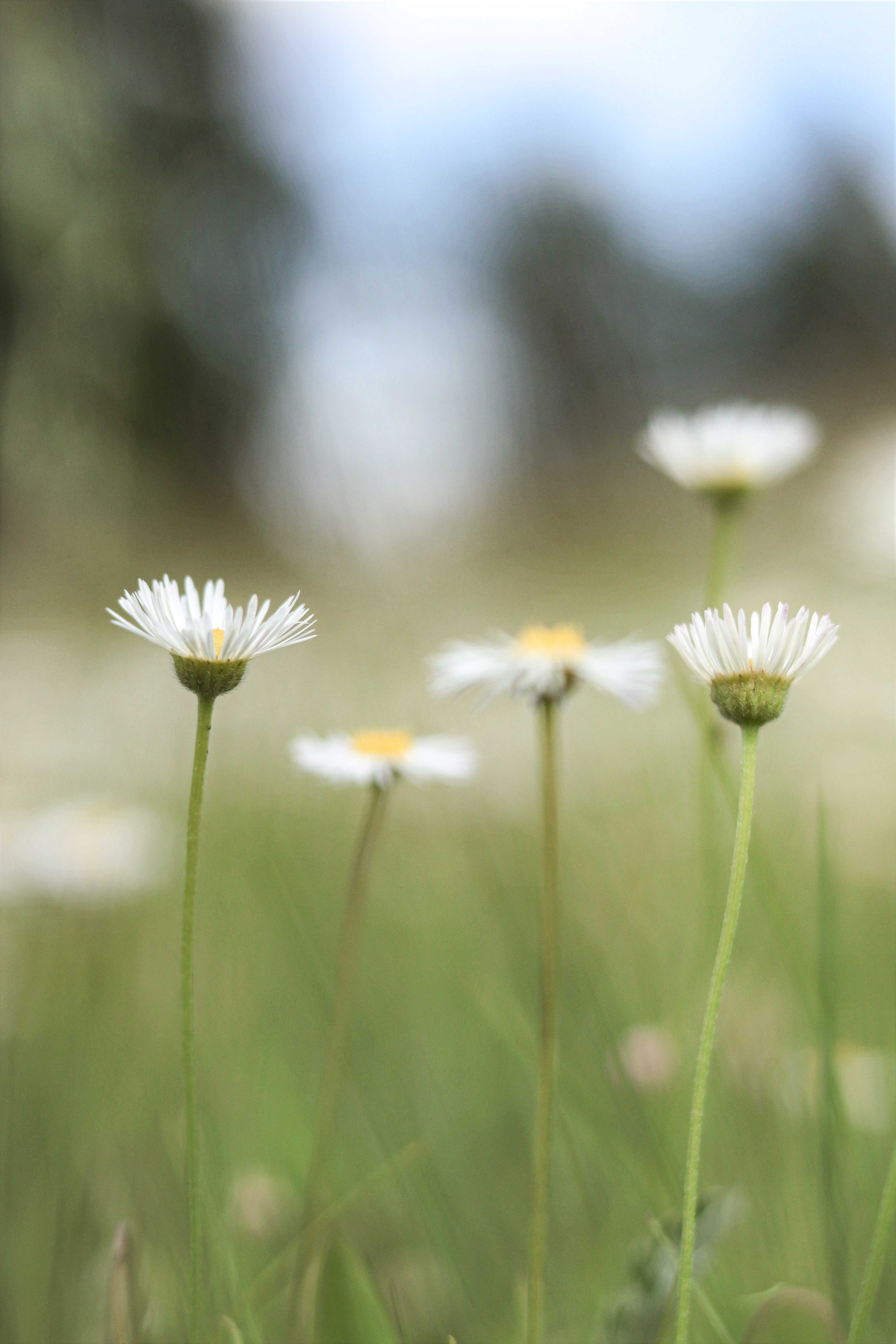
First, I fell in love with violets. I called them wildflowers, but Dad called them weeds, and to his chagrin they grew in abundance in the yard of my childhood home. I can remember picking them handful by fragrant handful, stuffing them into tiny vases with pride and delight. Their sweet faces were enchanting, the sleepy-eyed, quiet little things, all shades of dark blue-purple to white, with the delicate striping at their throats and their whimsical heart-shaped leaves.
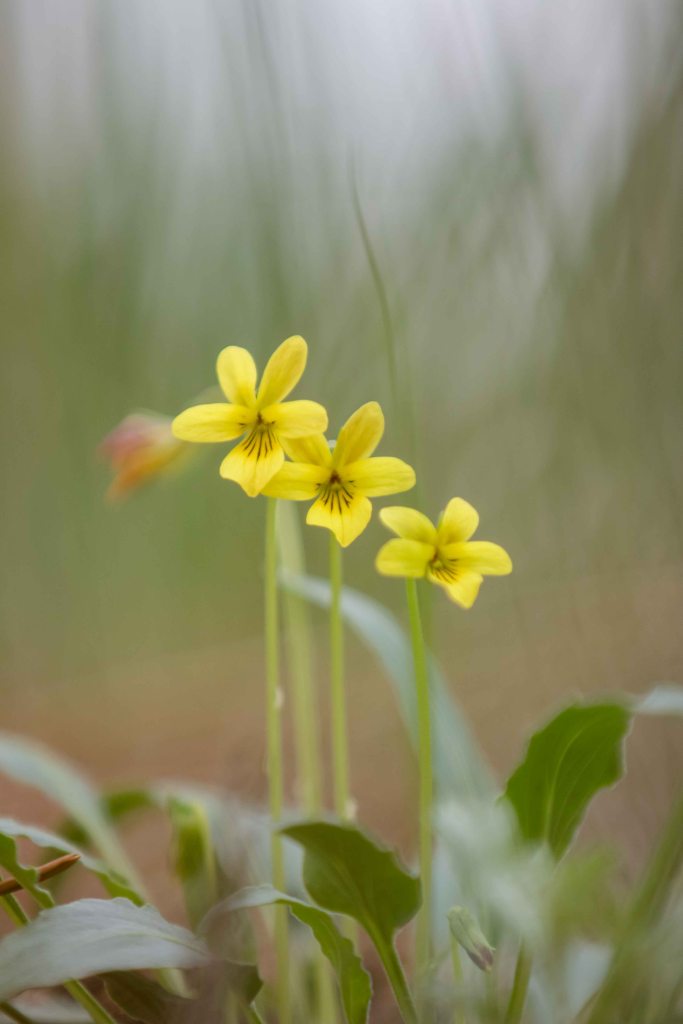
Then I learned their names. They weren’t just violets, but some were common blue violets, some were dog violets. It is one thing to know a flower by sight, to recognize it in a distant sort of a way. It is another thing to know its name. It is like the difference between an acquaintance and a companion.

Thus began a lifelong friendship with the flowers.

Field guides became a favorite and treasured part of my personal library. I learned many names. Each hike or rambling walk was a treasure hunt, every parting of the grasses a discovery. For each new flower I found, I learned a new name, like meeting a new friend.

And meet them I did, learning to see the uniqueness of the flowers, not just nature’s wild and wonderful bouquet.
As my friendship with them deepened and their names became familiar, wooded rambles no longer were blind treasure hunts, but reunions, each time I wandered into their domain and sought their company. My photographs of them were no longer just photographs, but portraits. Their familiar faces became as familiar as a friend’s face, their presence was eagerly anticipated, the blooming of different flowers marking milestones throughout the year. I learned their quirks and preferences, to know where each little blossoming beauty likes to be, what hollows they haunt, what hillsides they adorn, and when they adorn them. A well-traveled trail is always new, week to week transformed by the adorning flowers, and sometimes day to day.

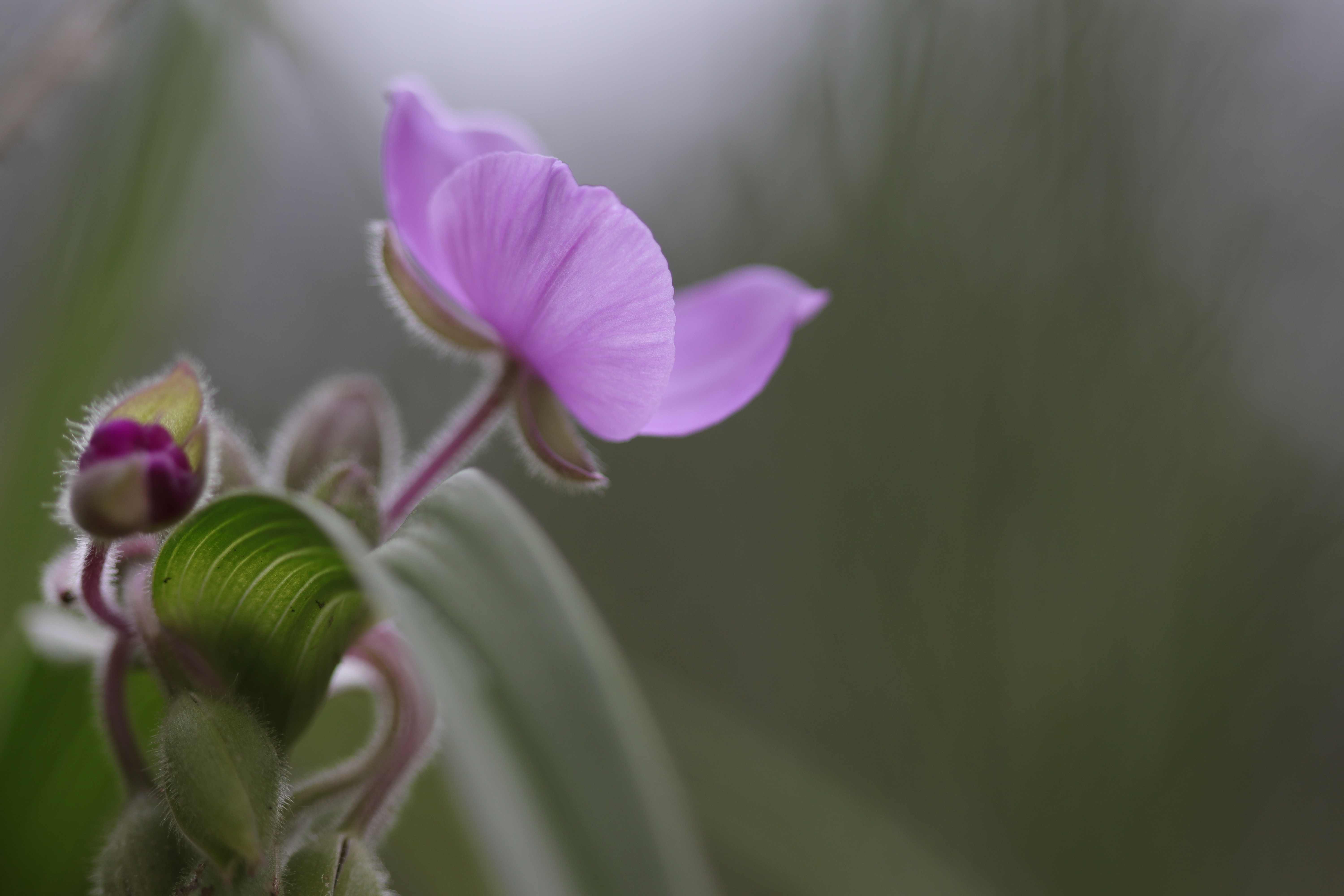
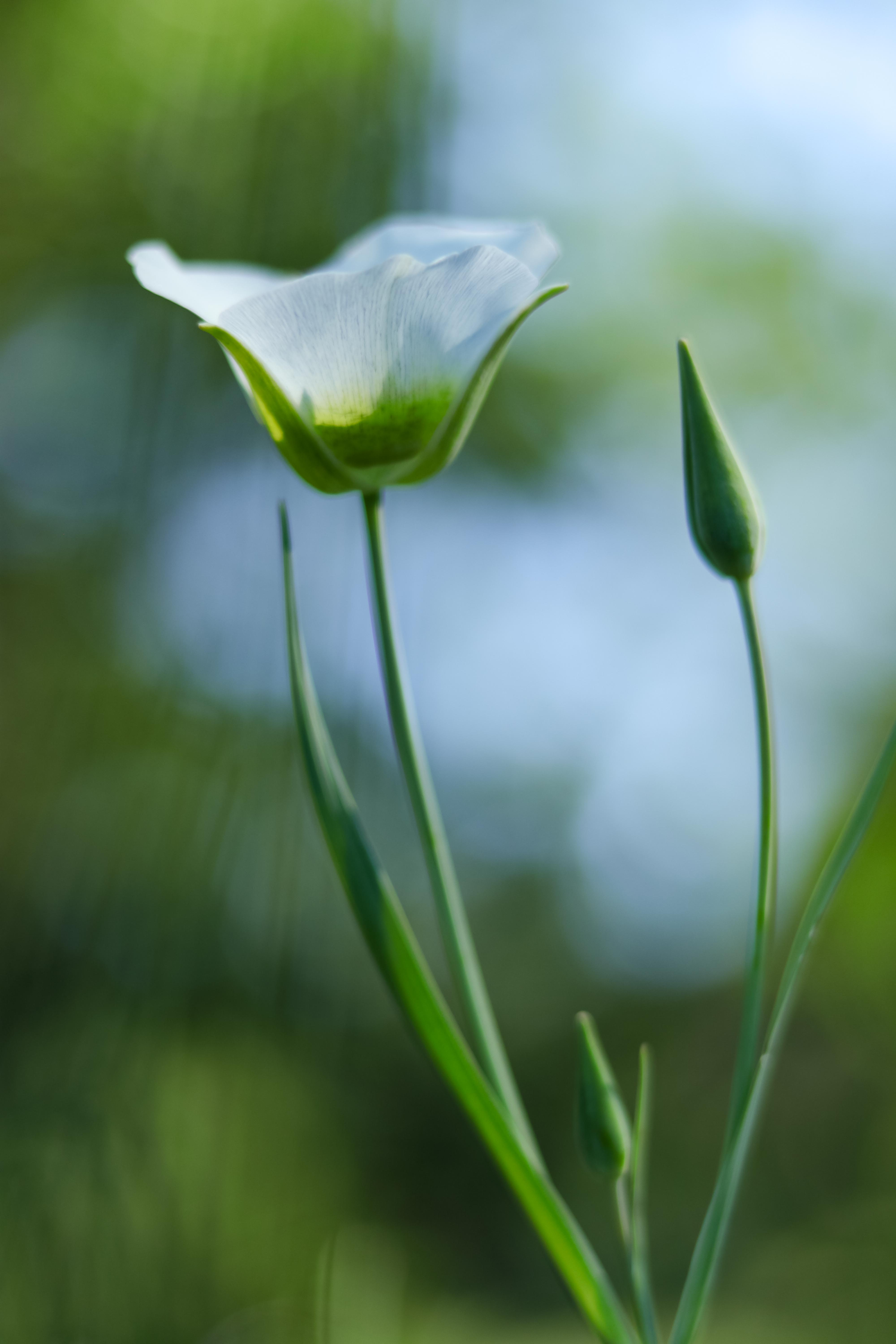
Columbine blooms quickly in the early summer and is easily missed, tucked away in the cool, damp hollows and ravines, her salmon and yellow blossoms hanging like pendants from her slender stem. A lucky person might chance upon a blue columbine, rare in the Hills, or even a white morph. Lanceleaf bluebells grow on the hill trail above our house, drinking up the splashes of midsummer sunlight from between the spreading ponderosa pines. Finding the hiding place of the sego lily is a reward in itself, reclusive as she is, and rather shy, maiden-white with a heart of gold. Spiderwort, not overly finicky about where he grows, sometimes in the pines, sometimes on the prairie, boasts his clusters of brightest pink and vivid purple, the local varieties almost impossible to differentiate, as they cross-pollinate with ease. Longspur violets grow in the higher elevations west of us, while their sisters, the pale-lavender larkspur violet and dainty yellow Nuttall’s violet, inhabit the more arid country around my home, flourishing on the grass-covered slopes of the foothills. And then there is the magenta gem of the summer, shooting star, thriving in the shelter of trees and ferny slopes, lighting up like her namesake when the sun is just right. Beebalm, almost a weed but not quite, spreads a mist of color over entire hillsides in the later summer, fragrant and robust. Wild roses, sweet and feisty, grow in the sandiest, hardest-packed ruts of trails, forming rollicking banks of brambles when they are undisturbed, leaving behind crimson jewels at summer’s end which, when harvested, make the most wonderful honey-colored jelly.
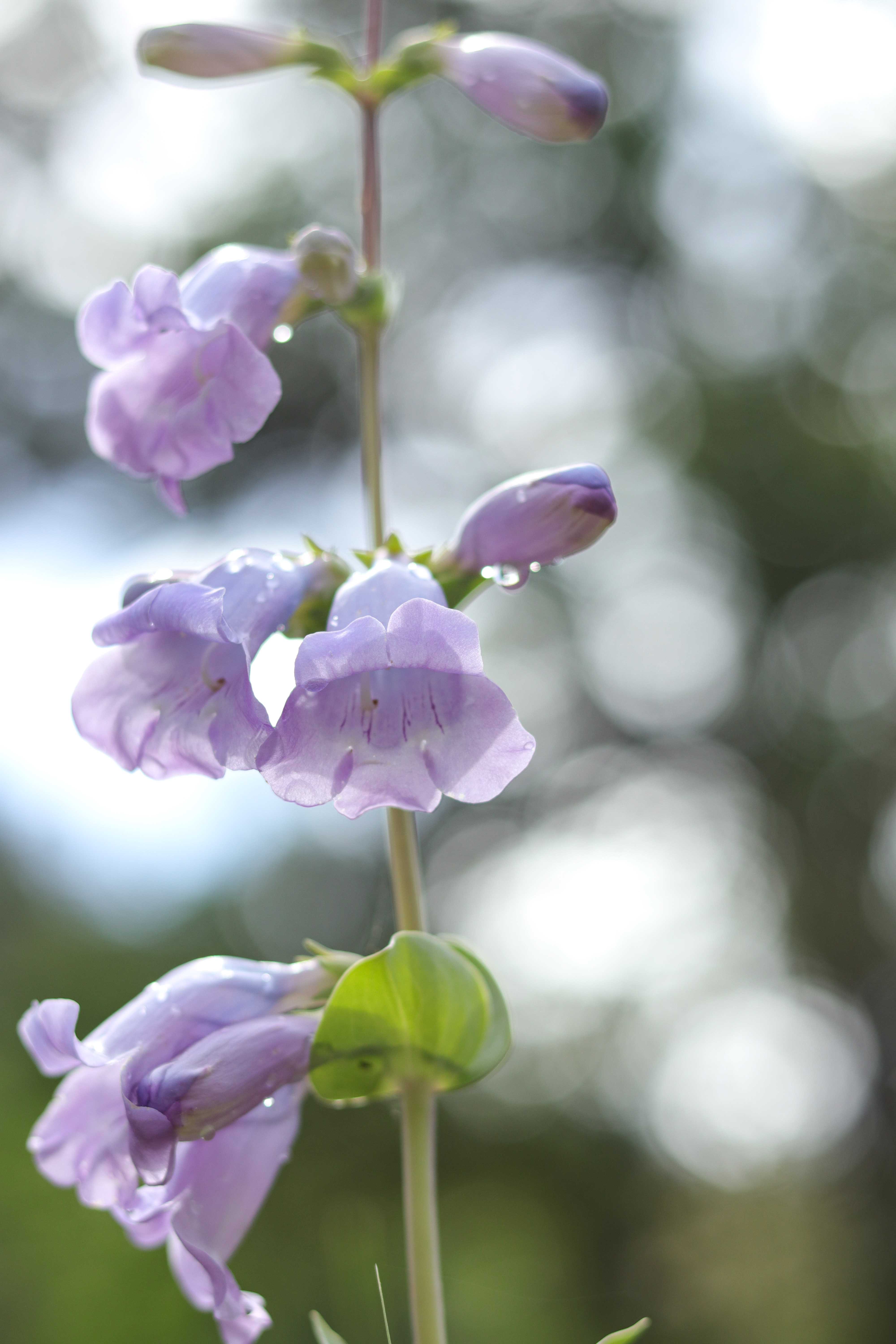
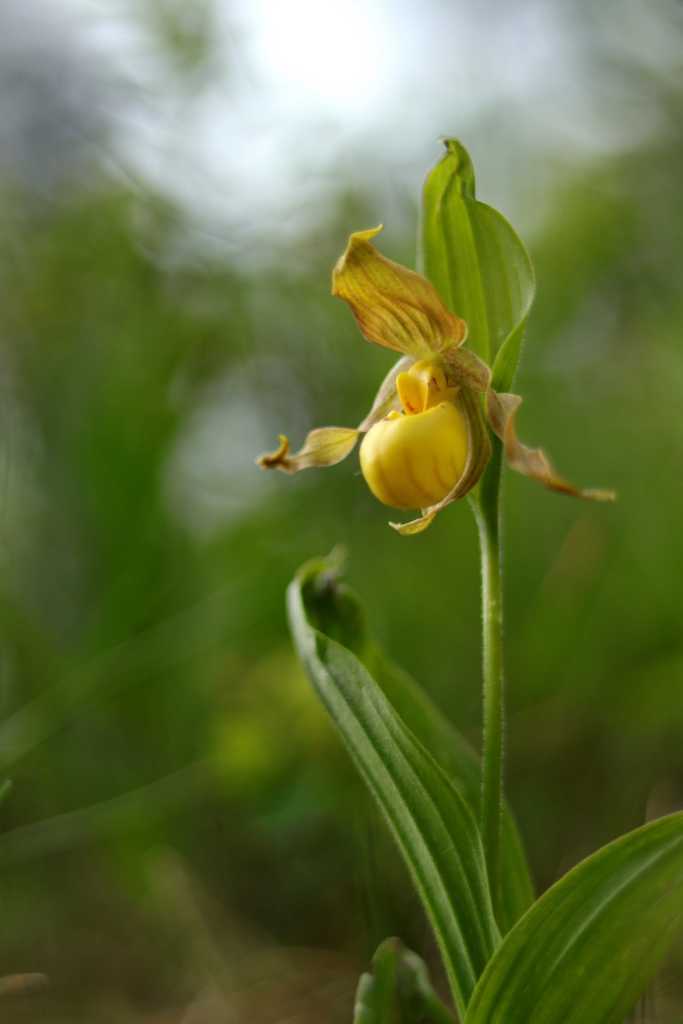
So many names! Names familiar and enchanting and delightful. Prairie chickweed. Purple virgin’s bower. Prairie smoke. Blue flag. Dame’s rocket. Wild buckwheat. Yellow ladyslipper. Pussytoes. Shell-leaf penstemon. Cutleaf anemone. Harebells and asters and fleabane.

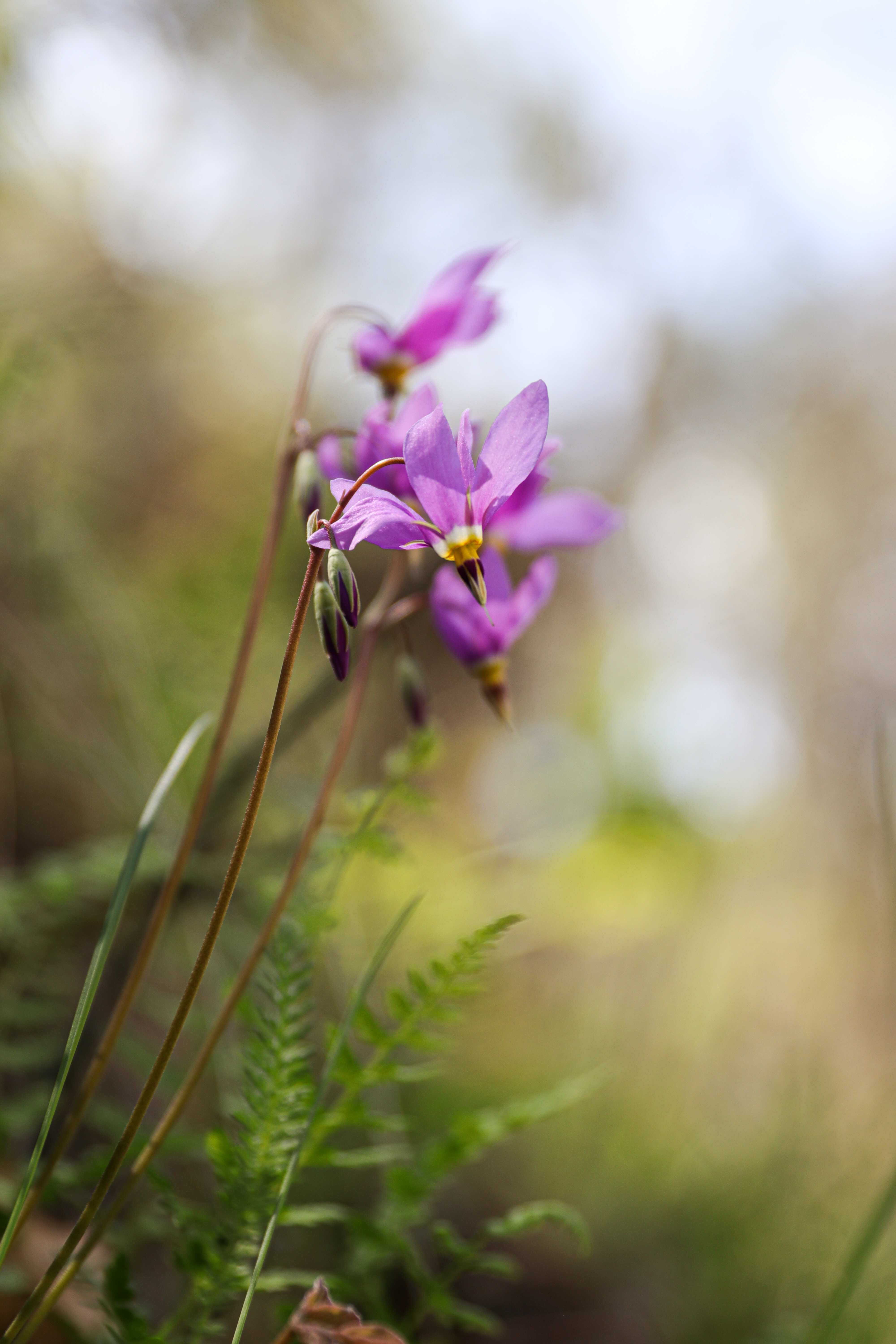
How sweet it is, to be surrounded by familiar, beautiful faces. To peer into the underbrush, to part the tall grasses, to look beyond what many choose to see, to seek and find and learn. To ramble in the woods in the company of so many old friends.  

More Little Baldies

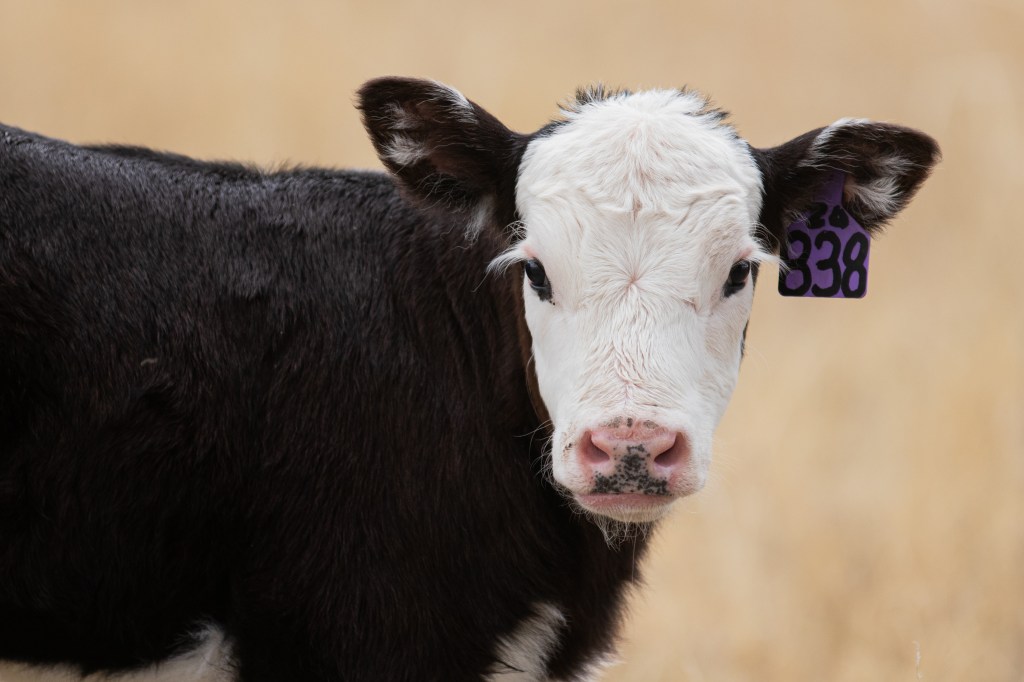
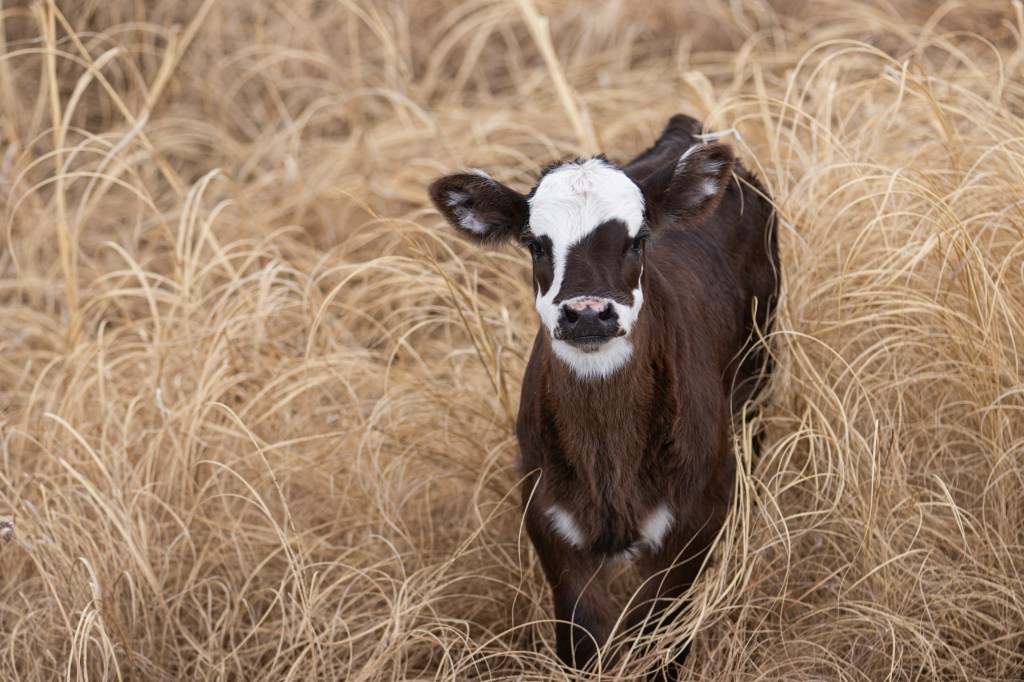
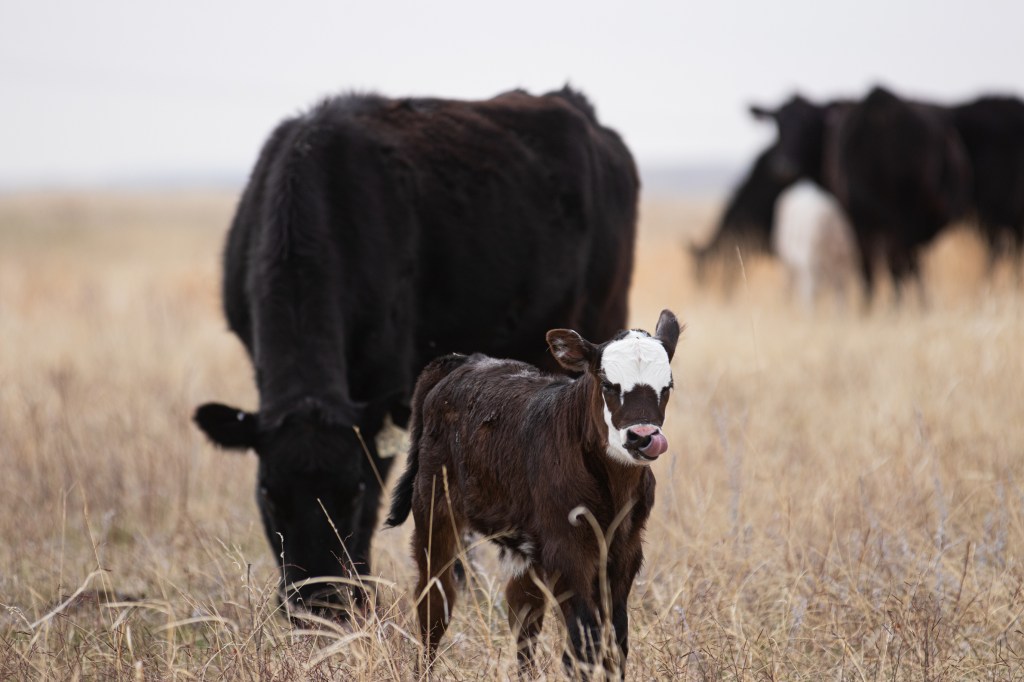
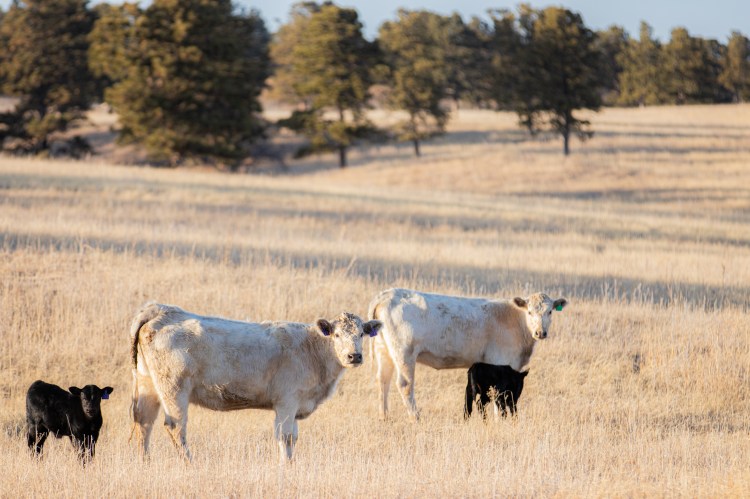
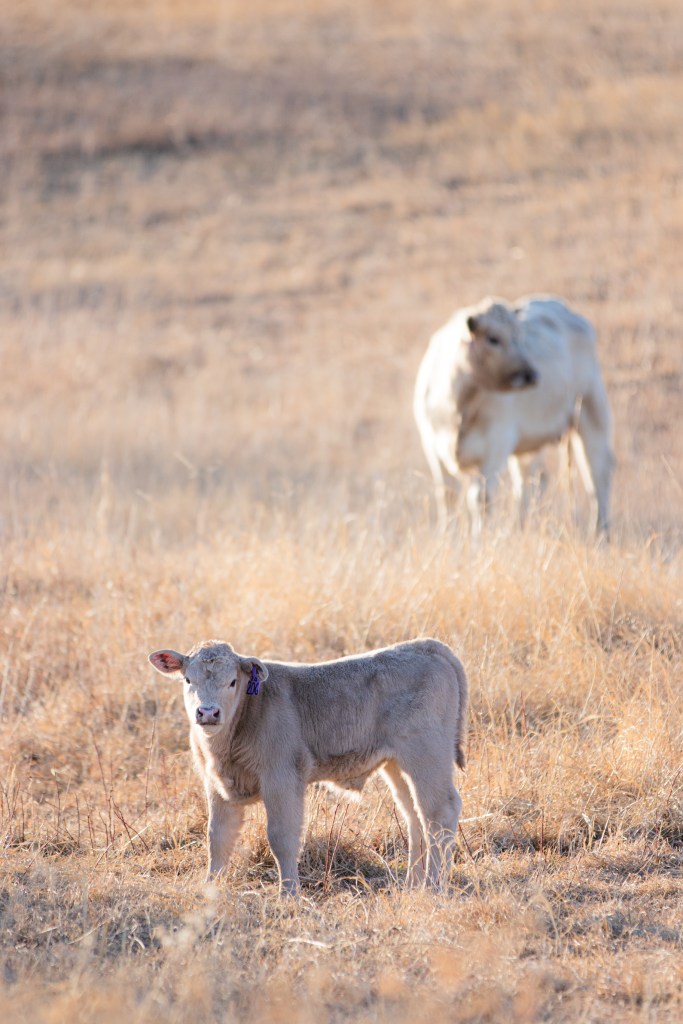
Can we just take a moment to appreciate the incredible beauty and diversity of these little baby baldy faces? I have been riding along with Brad when he checks the calving pasture, when I have the time, and it is just too fun to see all the variety and the cuteness overload. I think it drives my father-in-law nuts, how much I love these calves, but that’s just fine.

The Stirring

Originally printed in the March/April 2024 issue of Down Country Roads Magazine

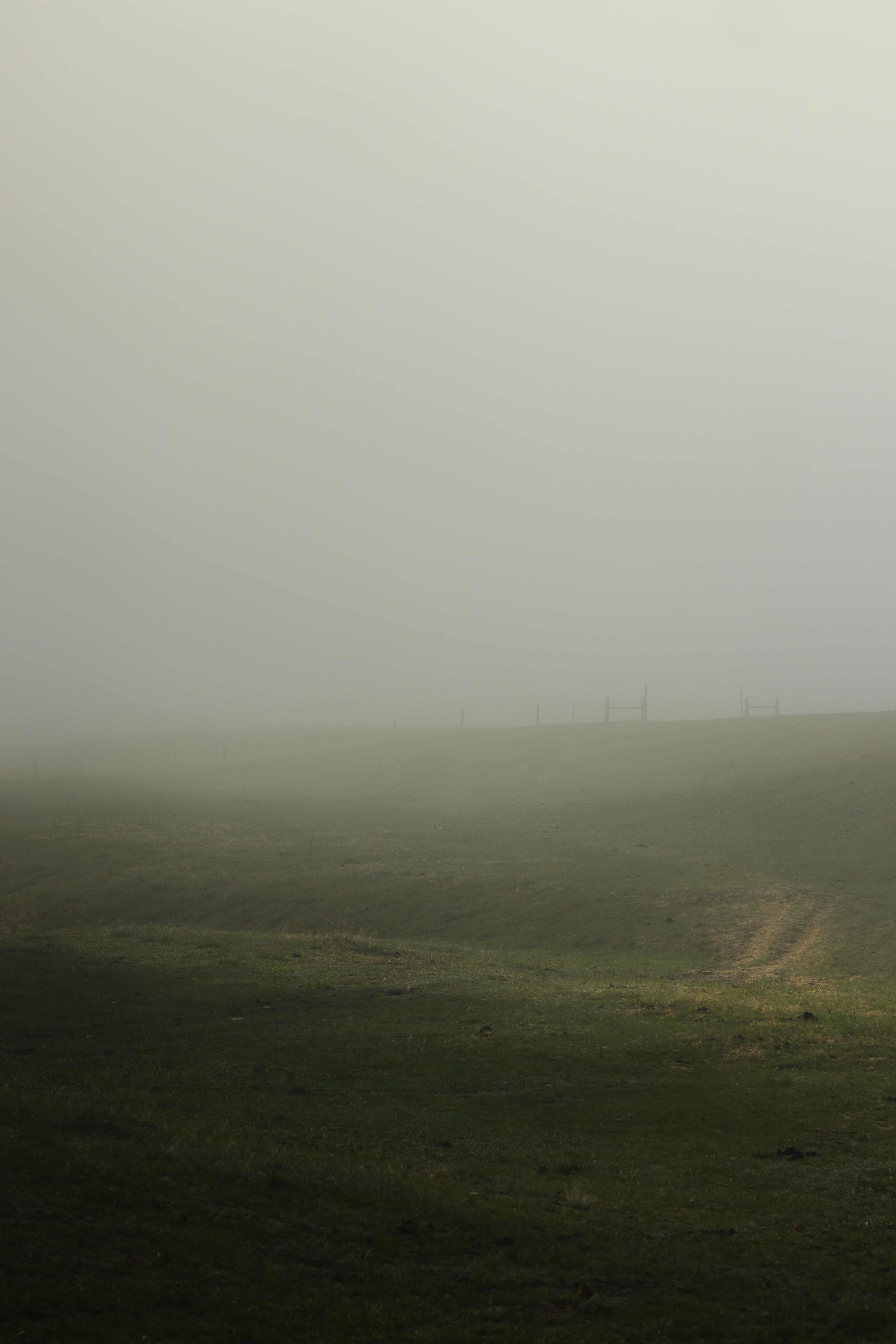
Something new is stirring. It is the in-between, that elusive time when seasons collide and blend and bend and break. Not yet spring, but no longer truly winter. A few more storms may be all it takes for winter to wear herself out and peacefully subside, a few more days and nights of wild wind and heavy snow, waking to a transformed landscape.

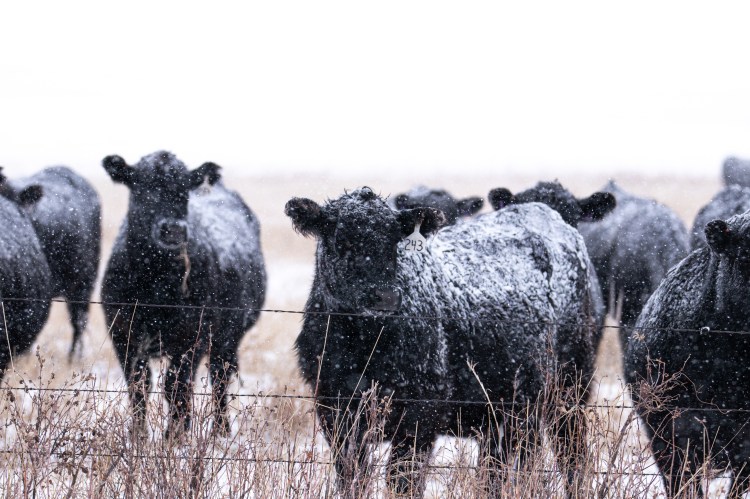
We aren’t yet done with frosty mornings that nip the nose and fingers and rosy up the cheeks. We aren’t yet done with heavy coats and encumbered action. We haven’t seen the last of the delicate flowers that frost the windowpanes. We haven’t seen the last of the iced-over backs of the heavy cows, or broken the last ice on the dams. There may yet be a little more of that.

But we have tasted the springtime in the warming air; we have heard the sound of water running from rooftops, and have smelled the earthy perfume of a thaw. We have sunk into the softening earth, and felt it yield to our footsteps. We have felt those telltale warm breezes, and seen the first of the springlike clouds, even ones dropping hopeful rain, virga, somewhere higher than the earth. We have felt the sunlight later, and seen the sunrise earlier, and we know—we know—that springtime will come. Winter is long in the Hills. But she never lasts forever.

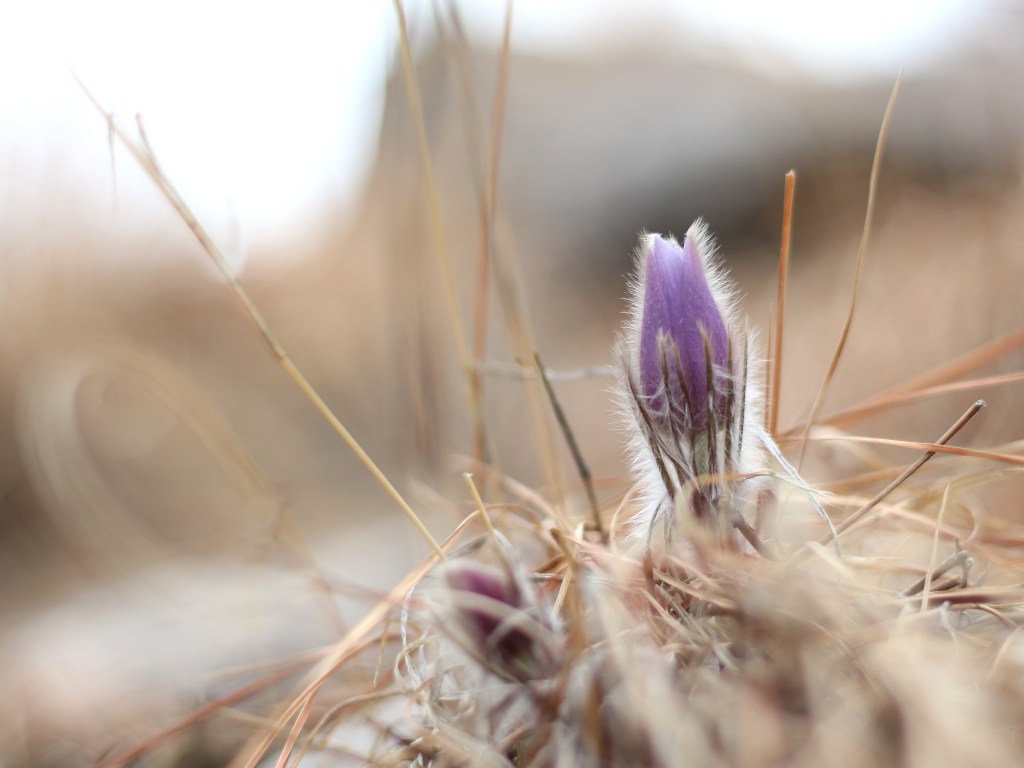
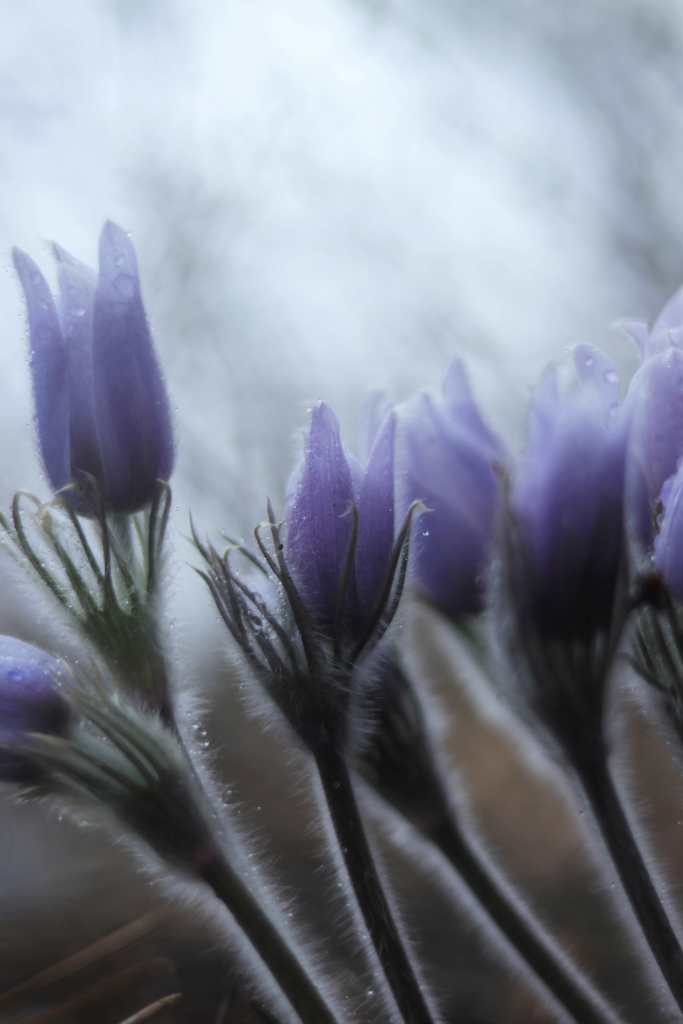
The silver frost gives way to a hint of green like dew. Trees are ready, waiting, buds setting, hopefully not over-eager, and some of us begin our annual hunt for the elusive pasqueflower, that earliest harbinger of springtime. Once found, springtime is inevitable.

There is pandemonium in the yard, as new calves make their appearance daily to new mothers, bewildered heifers inexperienced in this unexpected role, confronted with a confusing and helpless little creature that seems to belong to them somehow. It is a comedy of errors, a chaos of learning and unravelling mistakes. But the older cows, wily and woofy, equipped for motherhood, birth their calves in solitude out in the brakes beneath Potato Butte, hiding their new calves away for safekeeping, like Easter eggs to be found, curled so small they appear like kittens. At a few days or a week old, nursery groups of a dozen calves or so, under the careful attention of two or four cows, slumber in the warm sun, drunk with sleep and sunlight and their mother’s creamy milk, blinking in confusion but not yet knowing fear.

And mud! Every little melt off creates more mud than would seem possible, somehow finding its way into the house and the kitchen and everywhere until, at some point, it is tempting to give up and just let it stay.

Spring is waking.

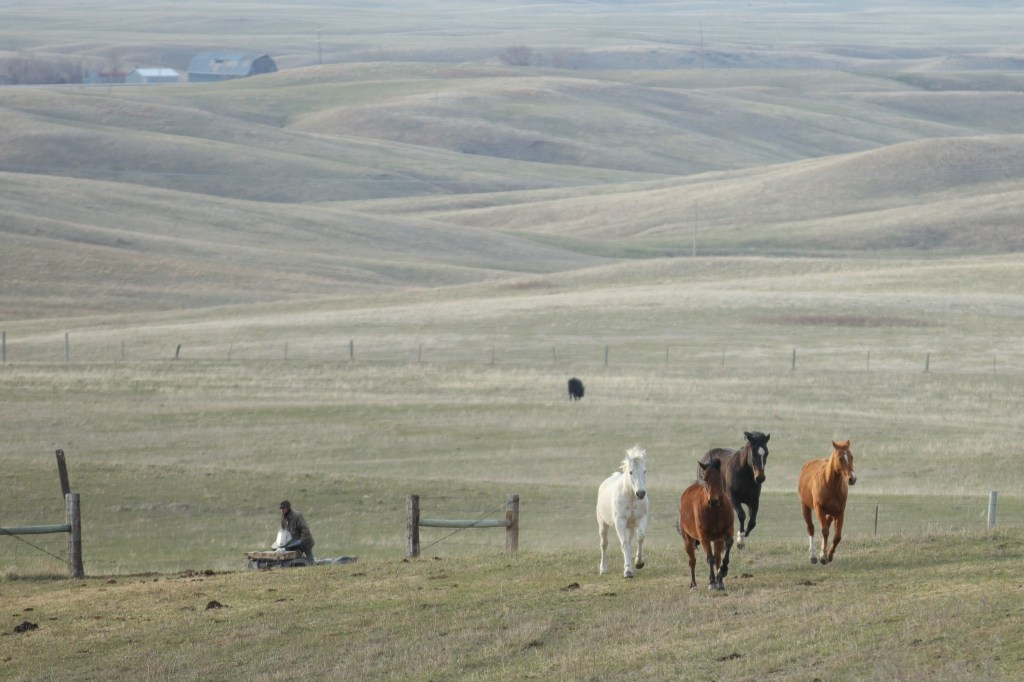
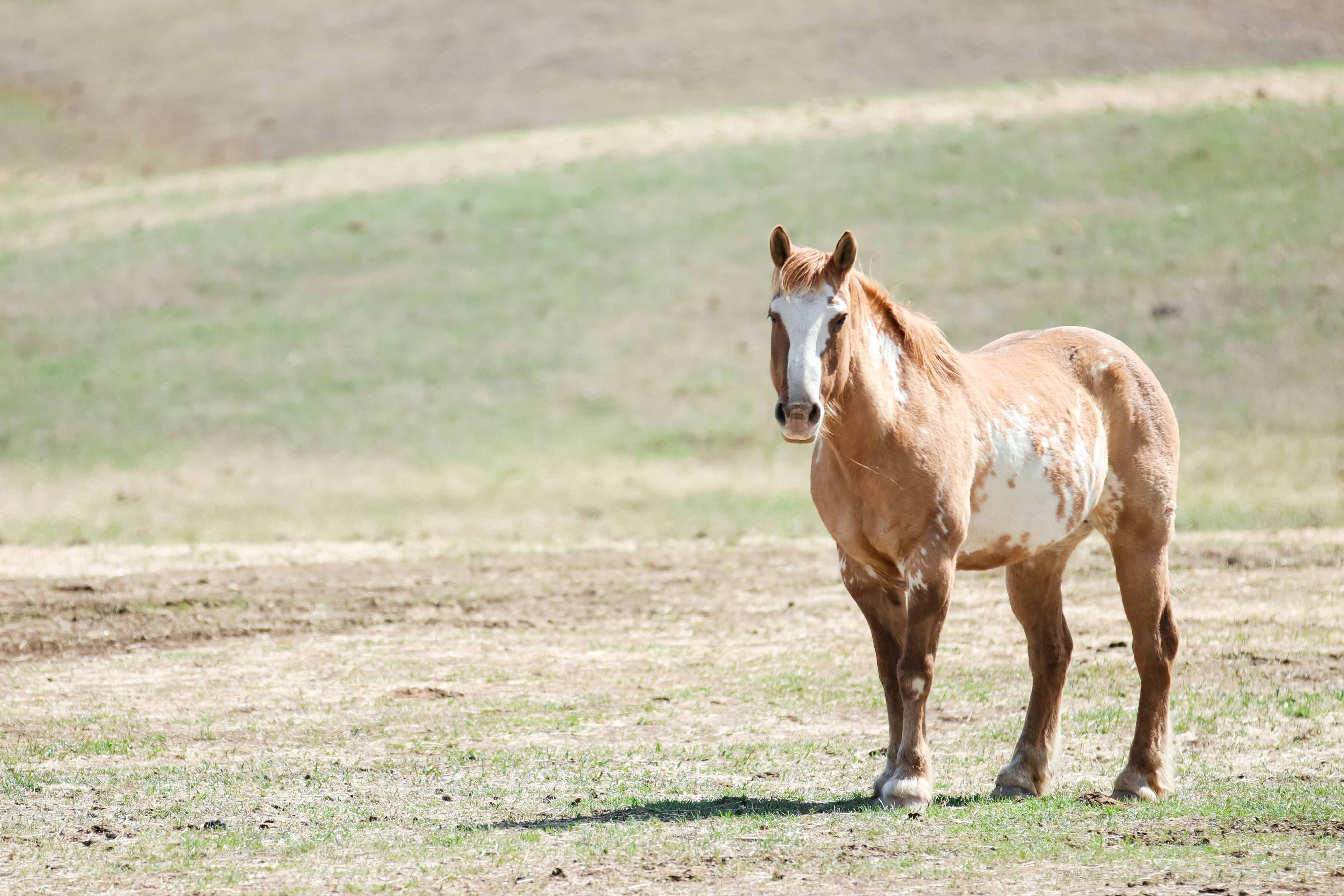
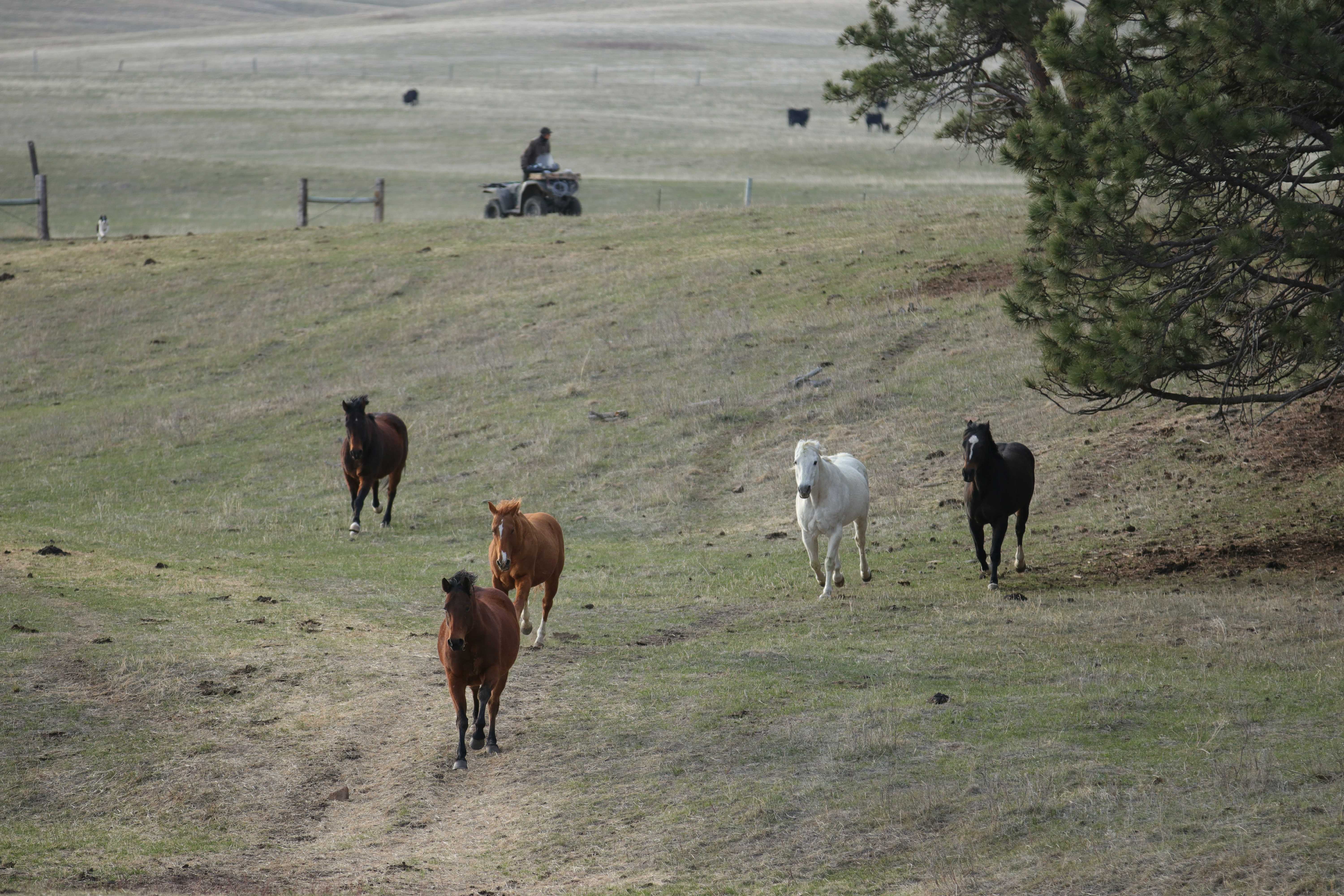
The horses are hale and hearty, sleek with a few months of ease, hair like velvet, winter thick, and they are eager to go to work in spite of themselves, willing to take the saddle and bridle. A little vim and vigor, a little fire, and they are ready to partner for the work ahead, long days combing the breaks, gathering in the crop of new calves and their indignant mothers.

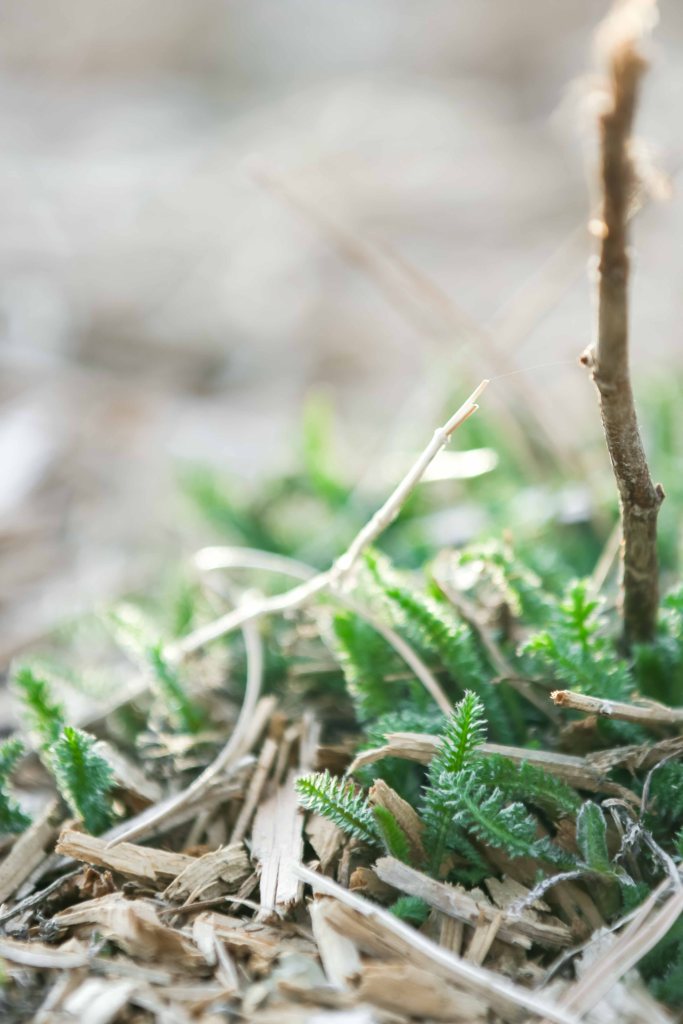
The first sprigs of green in the winter brown landscape emerge as always, and are met with the excitement of man and beast. The livestock taste those first shoots of new grass and their appetite for hay vanishes. The first flower, that first pasqueflower, is hunted for jealously on the piney slopes and grassy hillsides, and is greeted as an old friend. A melt-off sounds like music to ears accustomed to winter silence. From tree to tree, new voices of birds echo sweetly out of sight, and finally the meadowlark, yellow-breasted, trills in the hayfield, the best song of them all. The strange, ethereal cries of the sandhill cranes ring above as they make their way north once again, as they do every spring. Their otherworldly flight always dazzles me and I strain my eyes to see them, so high as to be almost invisible.

Soon. Soon it will be spring, truly. With color for our winter-weary eyes. Warmth for our chilled hands. Sunlight for our pale faces.
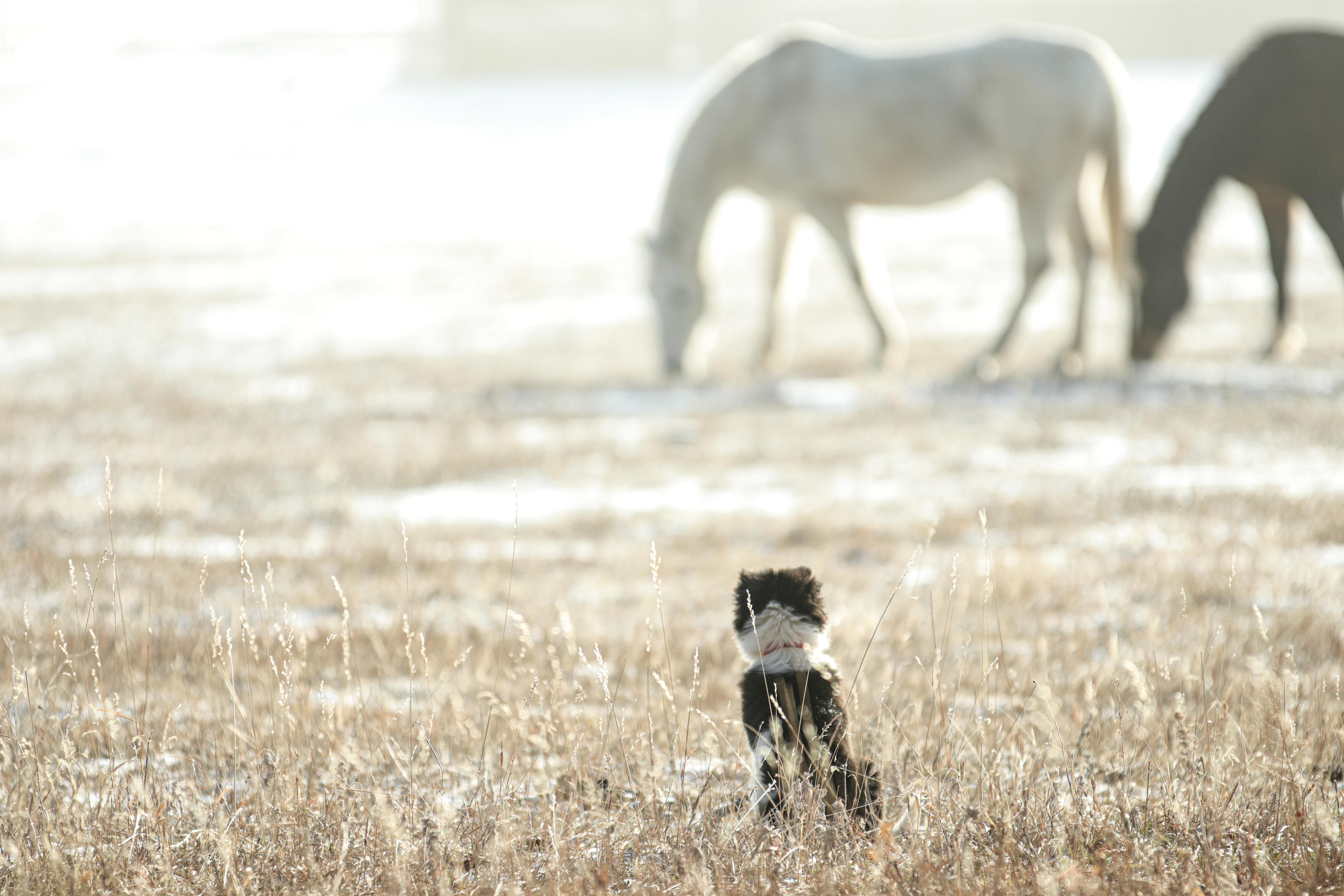
Winter’s sleep is being shaken off. Everything is stirring.

Ranch Wife Musings | Well Wintered

Originally printed in the Custer County Chronicle on March 6, 2024

The longest part of the year is officially over. And it flew by. Just yesterday it was October and the trees were losing their leaves, and then it was November and Thanksgiving and we were shipping calves. Now we are standing on the brink of springtime, watching the first calendar day of spring approaching from not even a calendar page away, and the first 50 calves are already skipping blissfully through their short first days of life. We are ready for springtime.

There’s a saying I heard from my father-in-law, that has stuck with me: “Well summered is half wintered.” In other words, livestock that have had been through the summer with plenty of good grass and good water have a healthy fat layer and ample energy stores and are well equipped to face the coming winter. Half the struggle of winter is already taken care of. If, however, cows struggle during the summer, with stricken pasture and bad water, they will continue to struggle and the hardest season will be even harder. They will be bags of bones halfway through January.

2022 was a rough summer, with too little rain and too many grasshoppers, resulting in incredibly poor winter pastures. We were not well summered. Cows looked rough and rougher still as the winter wore on, and the extraordinary cost of feeding hay to get the cows through the winter added up. Cattle prices in the fall just added insult to injury. This time last year, calving season was getting off to a not-so-great start, with a number of odd and unpredictable losses, with a cluster of birth malpresentations and birth defects compounding that. March came in like a lion, indeed, bringing much needed moisture but in the form of calf-killing storms. So, we looked ahead to the spring and the summer with a sense of foreboding. Another summer like 2022 would have been devastating. Springtime was anticipated with dread.

“Well summered.”

I have pondered that saying a lot, actually.

Because it really doesn’t have a lot to do with the hard seasons themselves, but has everything to do with what leads up to those hard seasons. It is so tempting to coast during the easy times, so that we are less than equipped when things get tough.

We do that in marriage, by failing to put in the work to build up our marriage when things are easy and then being taken completely by surprise when our marriage struggles hard when life gets hard.

We do that physically, taking our health for granted while we are healthy, neglecting it rather than working to preserve it, and then being surprised or devastated when our bodies give out.

We do that spiritually, starving our souls, failing to feed ourselves through God’s Word and fellowship and solid teaching when life is easy, and then being shocked when our faith falls apart when life falls apart.

And there are a million other examples. What we do in the good times matters, and it changes how we handle the bad times.

But there is also another facet of this illustration: Sometimes the anticipated rough seasons aren’t as rough as anticipated, or perhaps the preparation was sufficient to offset the challenges. Maybe both. That’s when things are just extra, especially good, and the future is anticipated eagerly.

What a difference a year can make. Going into this winter, we were incredibly well summered. In spite of some wild weather events, the pastures were green and lush leaving plenty of forage for winter, dams caught quite a bit of good water, we actually had a hay crop and full stackyards, and the cows were sleek and fat as winter approached. And they are still sleek and fat. They could have handled much worse of a winter than we experienced. But God was an extra measure of kind, and the winter we had was the sort of winter that would make South Dakota too expensive a place to live, if that was our normal fare. But it was still winter. We still had cold snaps that put stress on the livestock and their keepers, stretches of days that made us extra, especially thankful for being well summered, but also extra, especially thankful for the winter we were given.

And here we are, standing on the brink of springtime. Winter isn’t over yet, and we can get snow until June, but what is generally the hardest part of winter is behind us. There is a bit of green starting to show under the cured grasses of last year, and a few brave little things are poking up out of the soil in the garden. The calves are thriving in the gentle weather, their healthy and maternal mothers unusually capable for first-time mamas, and a new season is just ahead, just around the corner.

Springtime coming looks sweet.

We were not just well summered. We are well wintered. Well wintered, and ready for spring.

These Winter Days

Winter has been very good to us. Or more accurately, God has been very good to us in the winter He has given us. We were talking over lunch today about how different this winter is from last, how good – just good – things have been this year compared with last year, without the struggles and sense of futility of this time a year ago.

When cold snaps last for weeks, with water freezing over multiple times in a day, when snow comes and then doesn’t melt, it is hard on everything, human and animal alike. Calves struggle, cows struggle, we struggle. But when cold snaps hardly last long enough to fully unpack one’s collection of serious winter gear, when the snow comes and goes in the span of a few days, when storms are the punctuation rather than the paragraphs, everyone is happier. Chilly mornings warm to balmy afternoons, heavy jackets and gloves becoming unnecessary and getting cast aside. Critters of all sizes sack out in the sunlight, the black ones especially enjoying the ritual.

Calving has begun in earnest, without the weather-related losses we had a year ago. There is still time for calf-killing storms, but everything is better equipped to handle what weather we may get, having not been suffering in the cold for weeks on end. Cows are heavy with calf, fat with grass and hay, their summer stores still sleek on them, unlike last winter. And Posey, maternal thing that she is, is crazy for a calf, wanting to mother all the little calves that have come along so far. Just wait, little cow. You’ll have one soon enough!

The short-lived bursts of winter we have had have almost been a relief, in a strange way. Little bursts of cold and snow and seasonalness that spice things up, change the pace, bringing that fiery vigor that a good snowstorm brings, and followed closely by stretches of 40 and 50 degree days. Wonderful. Glorious, even.

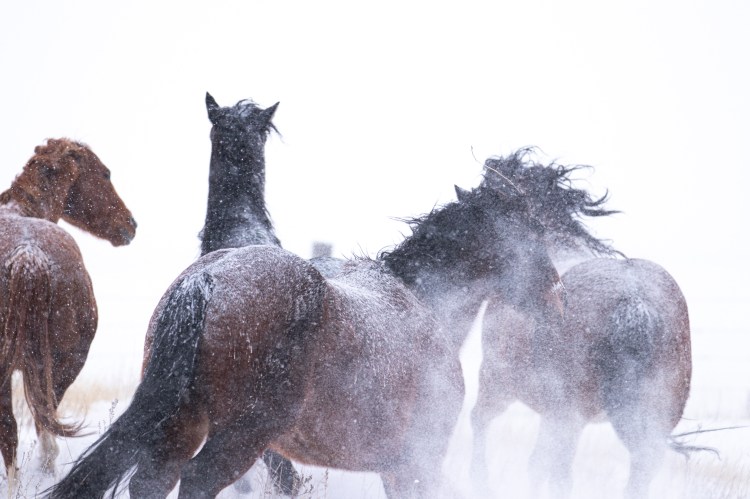
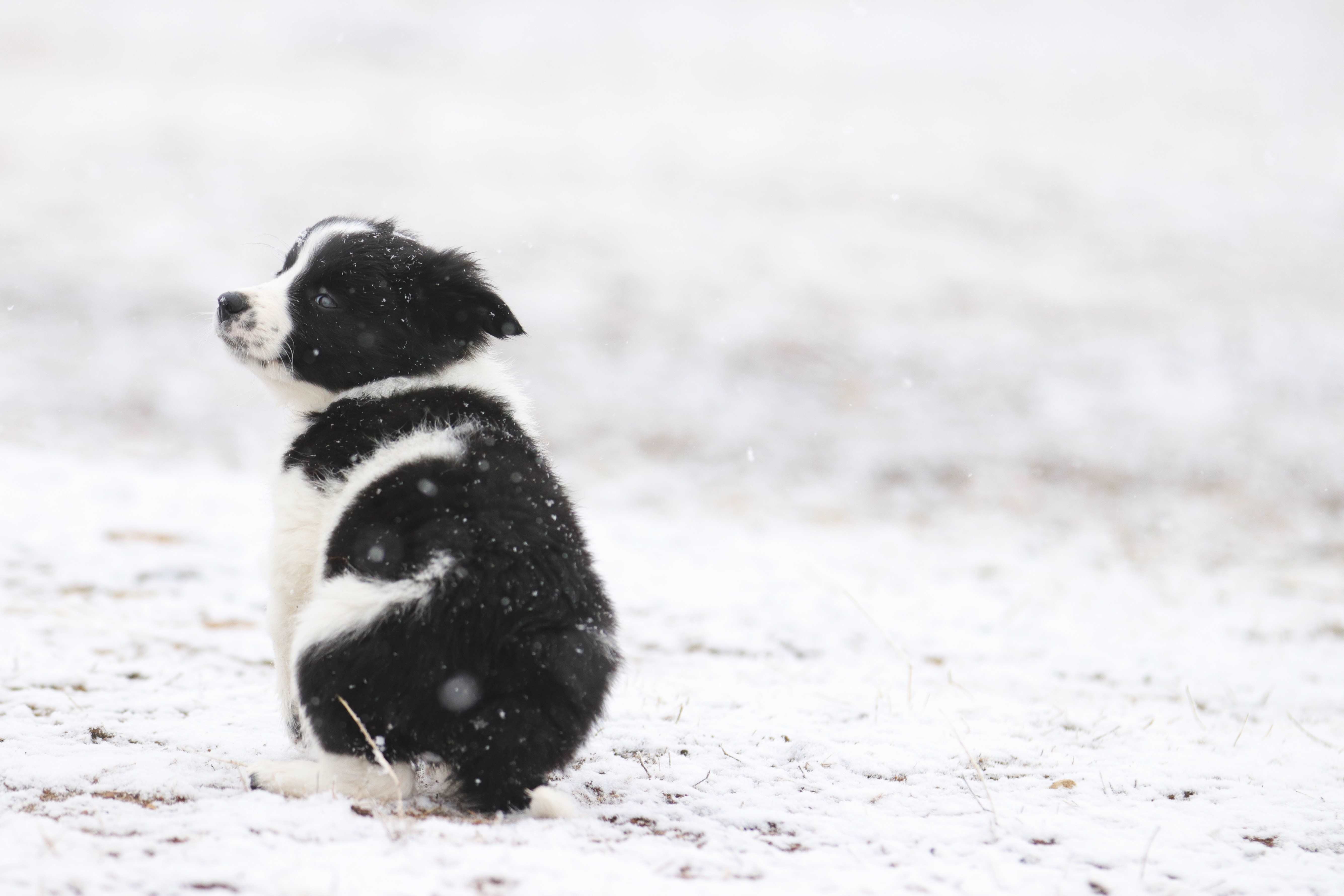
And when things are well fed and fattened for winter, a little snow is hardly enough to matter. I love watching the critters, all of them, in the bit of snow we have had. Not cold enough to be miserable, not enough snow to be dangerous, and everything feels good. Nothing like a little bit of snow to get the cows and horses “feeling their oats.” The horses race around in a fiery, wintery fit, kicking up snow, sending it frothing and surging up from around their hooves. Cows, hairy backs covered with a glaze of ice, are plenty warm enough, their natural furnaces keeping up, fueled by plenty of good pasture and hay.

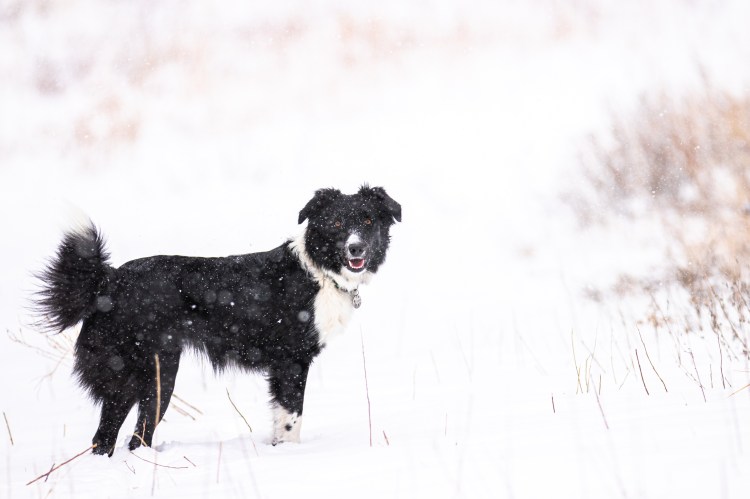
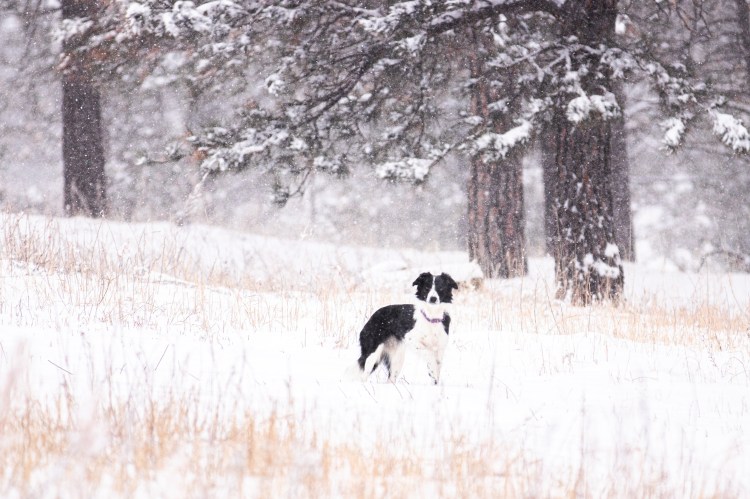
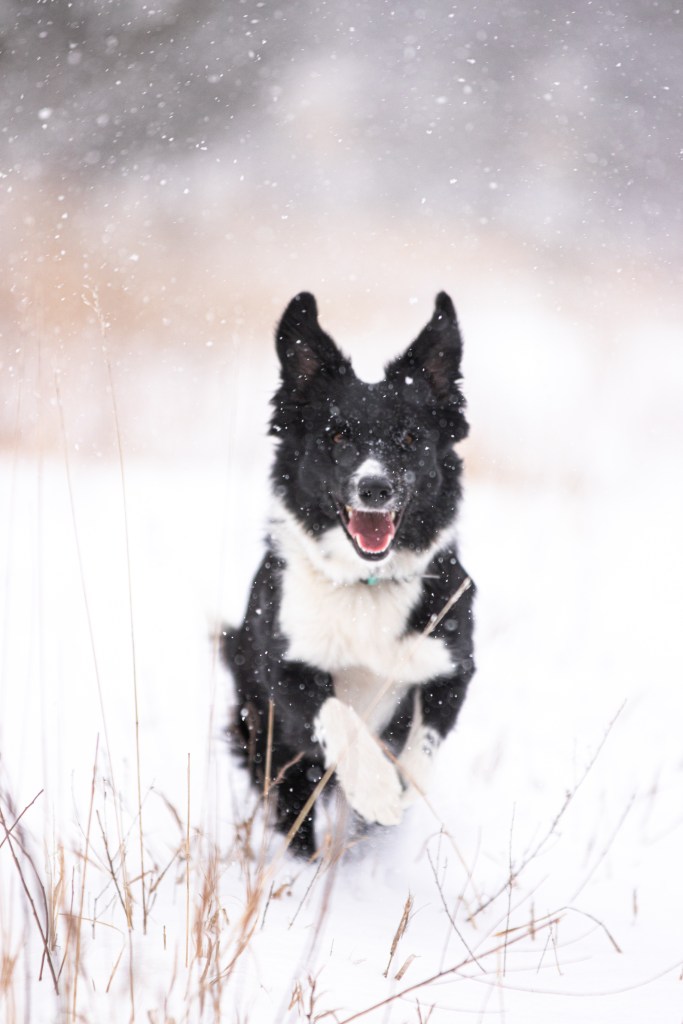
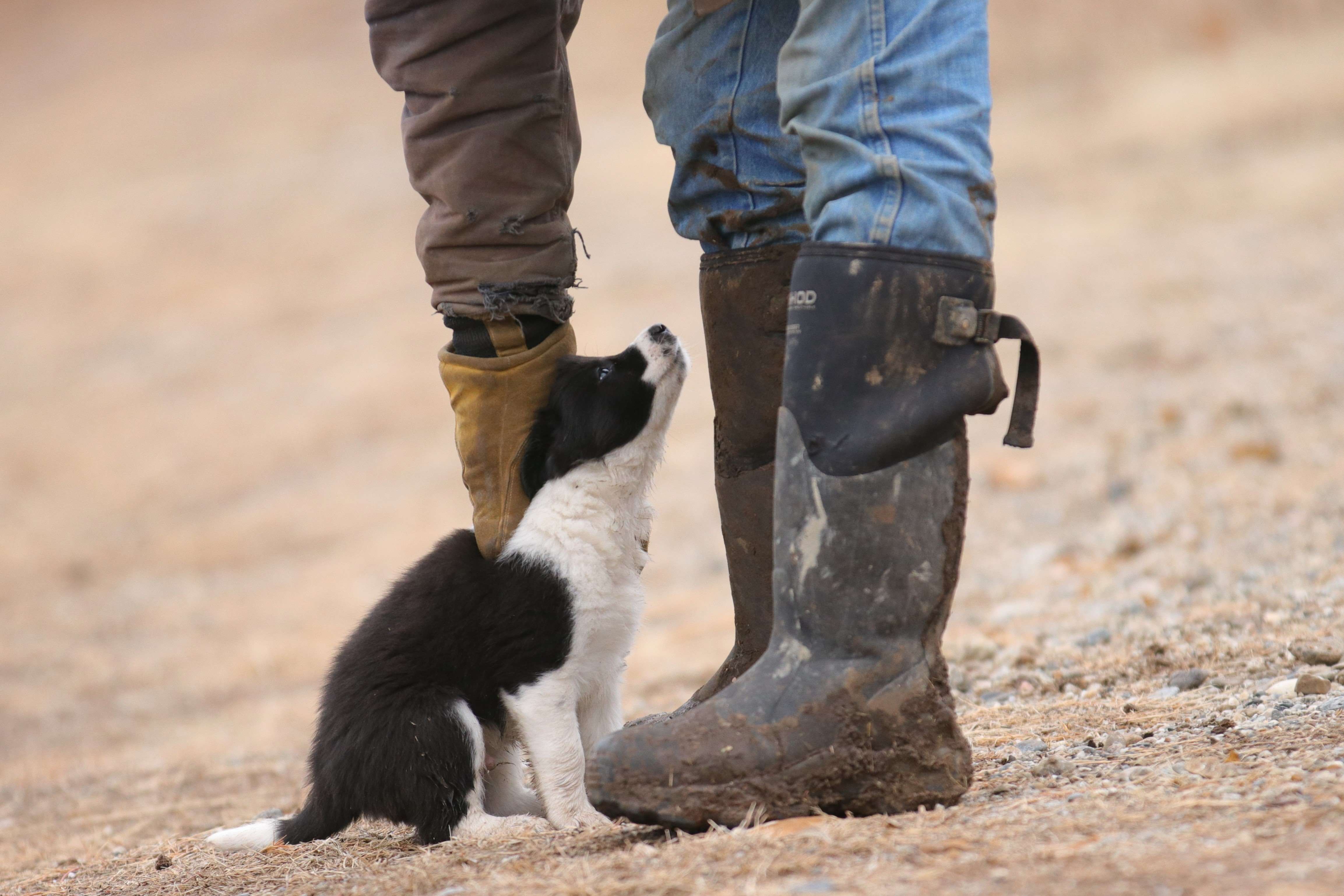
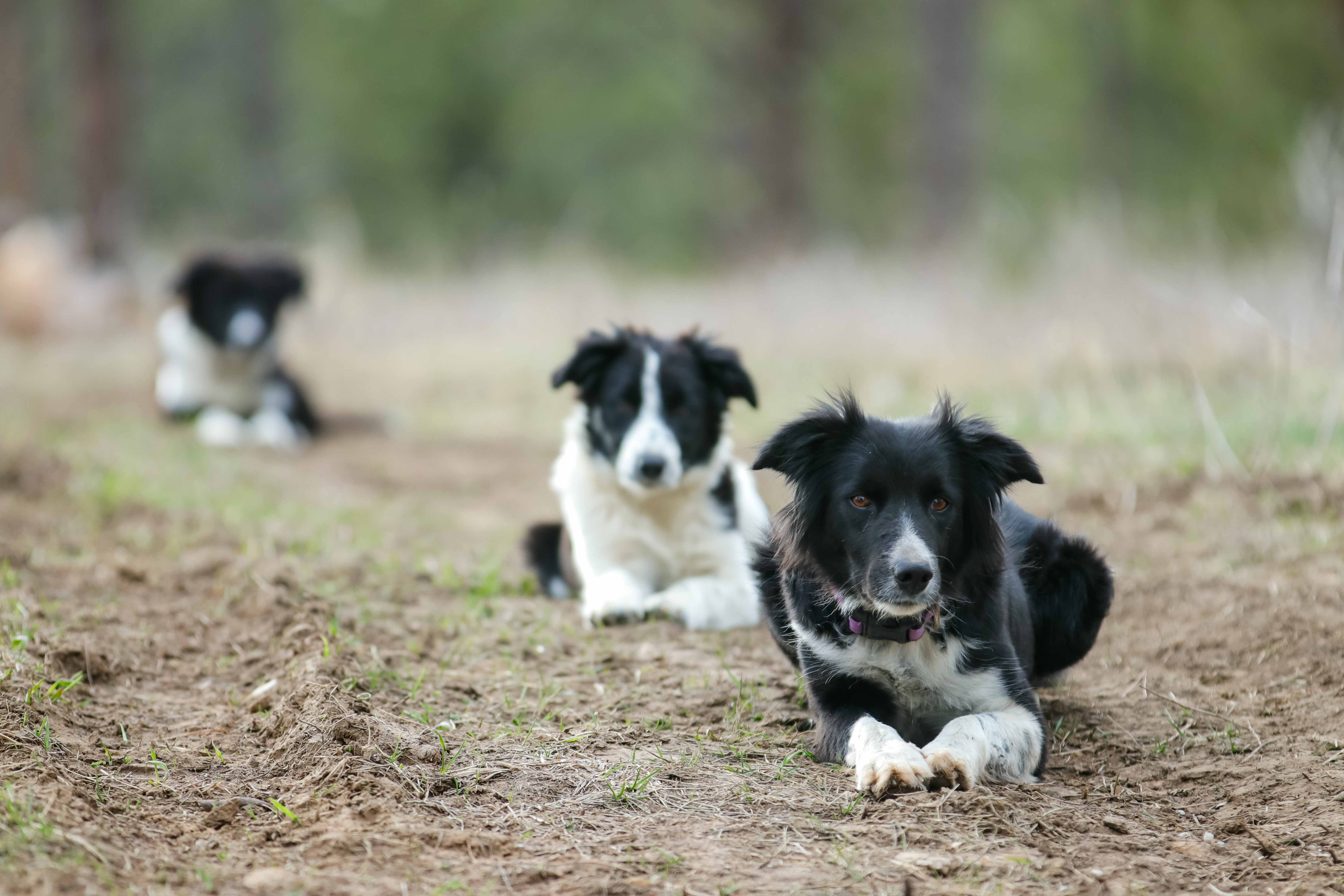
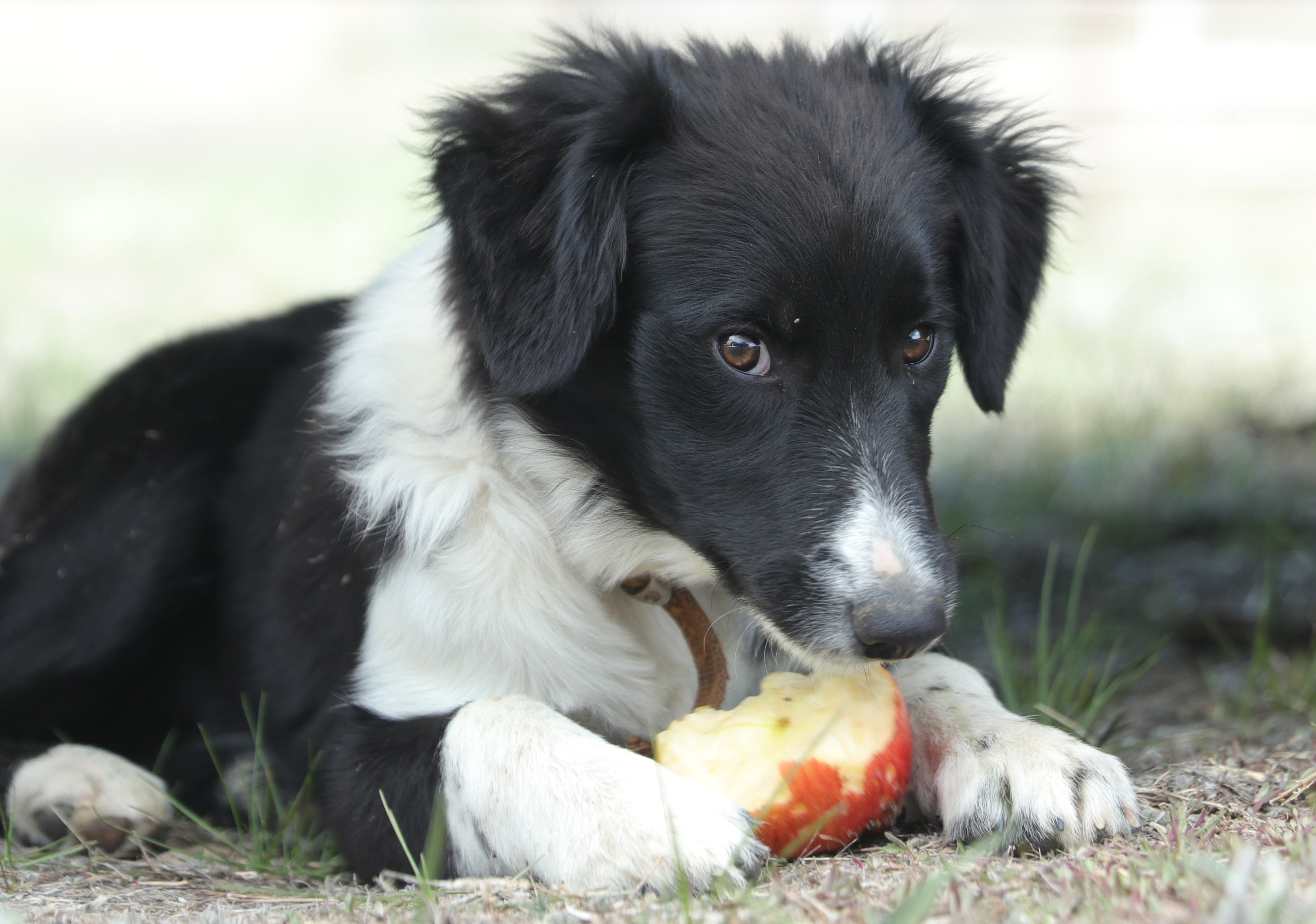
And the dogs – Oh, the dogs! Their antics keep us laughing. Enough said.

What a winter we have had!

Photo Roundup | 2023

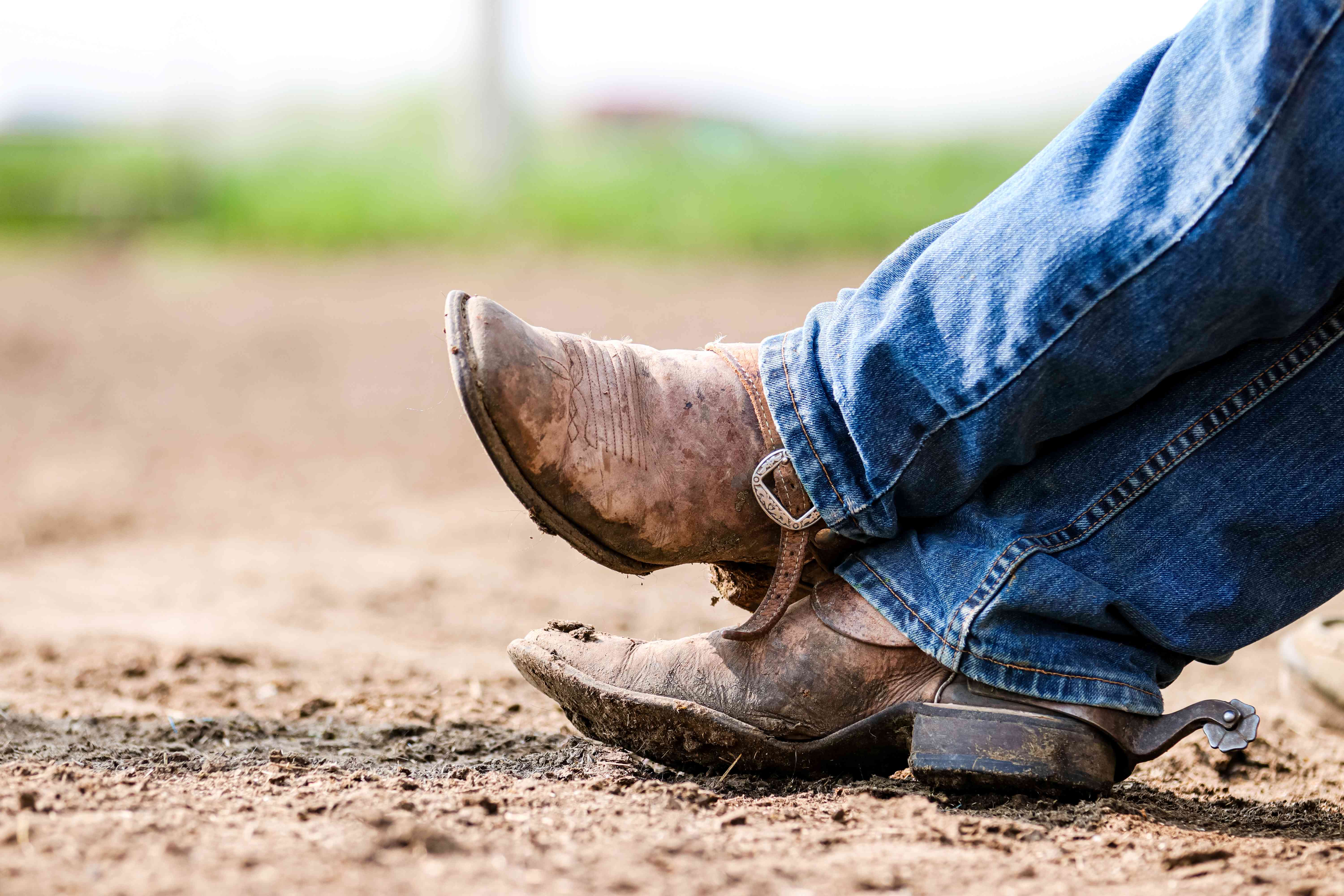
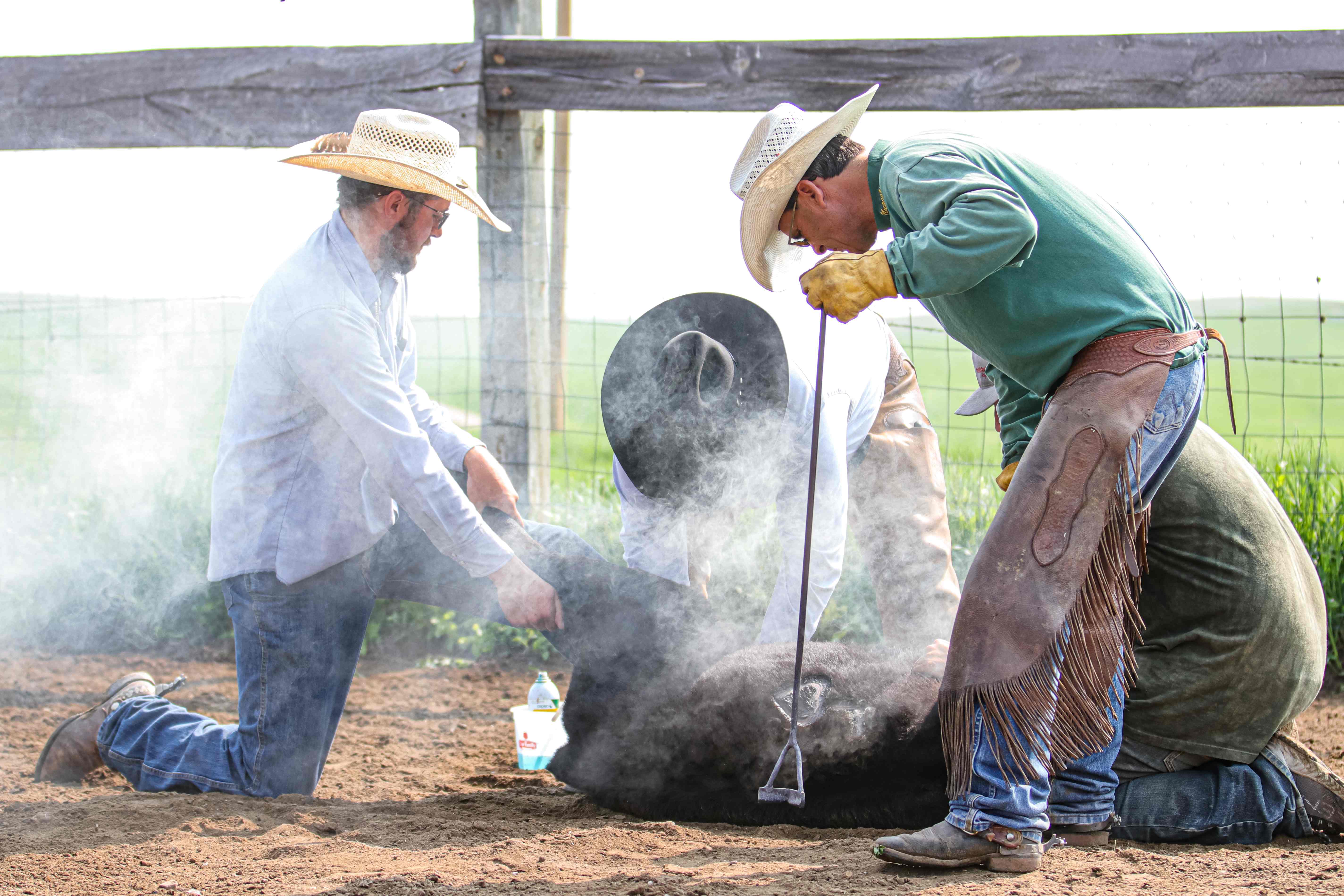
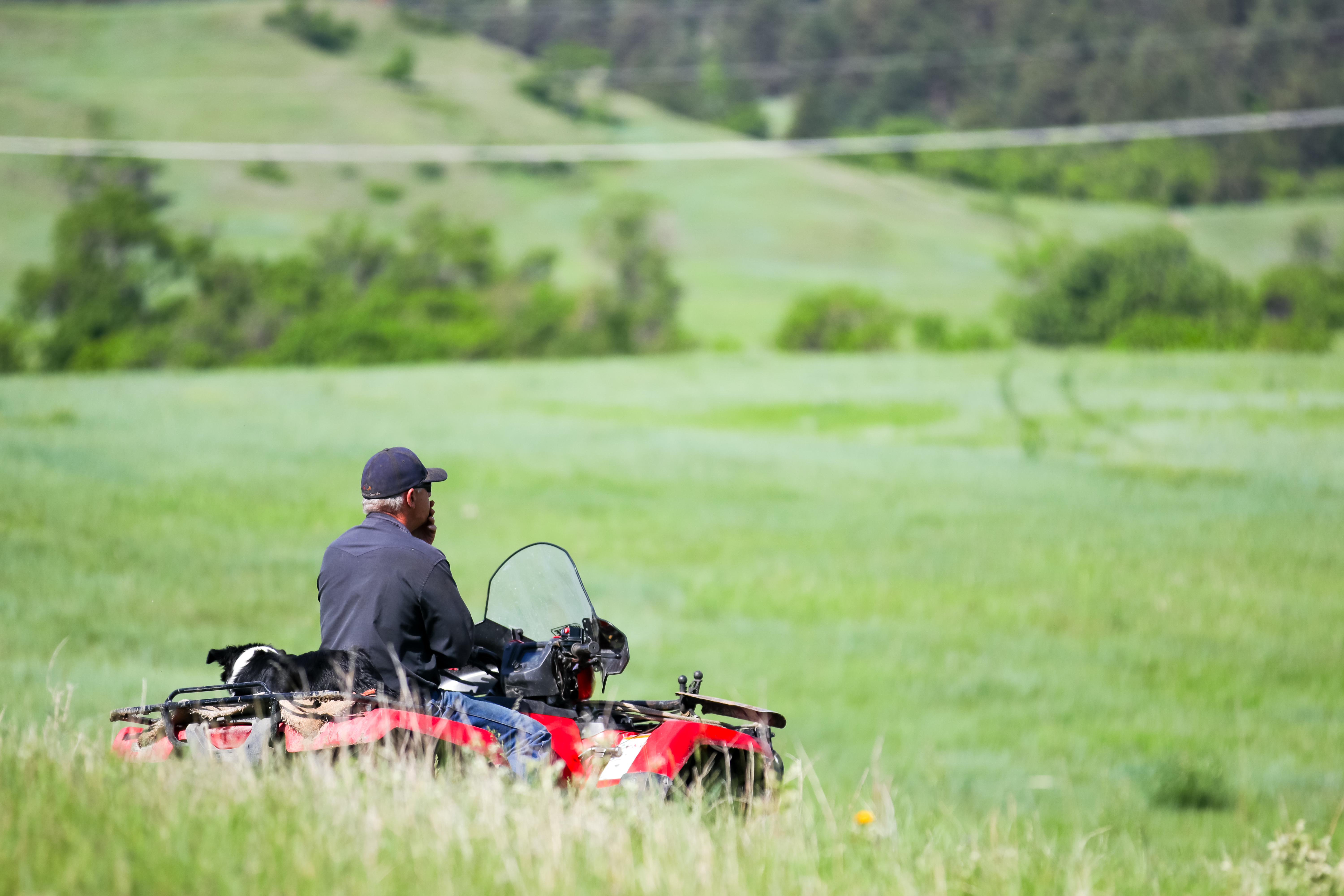
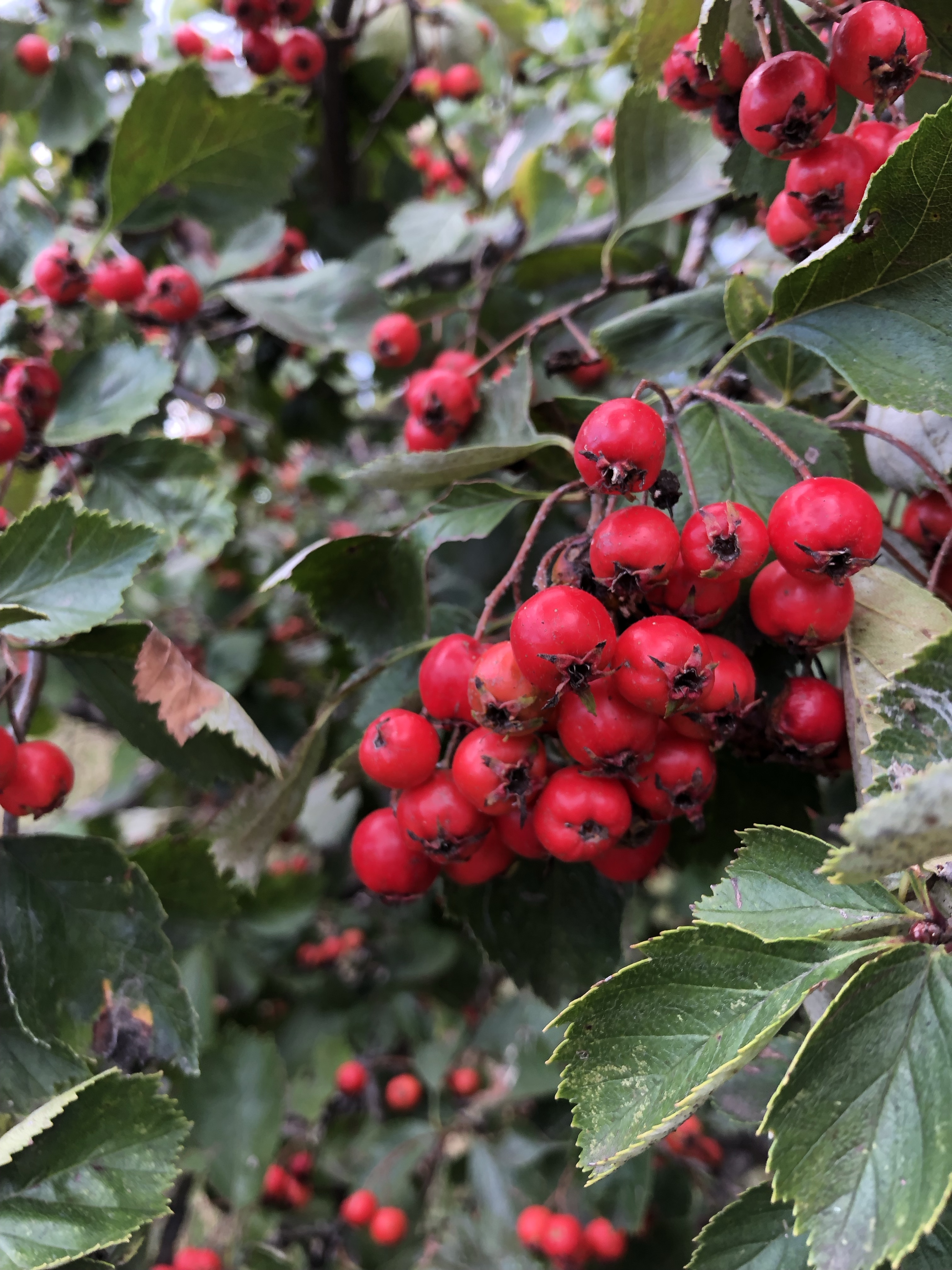
It used to be a custom of mine to do a “favorite photos” post at the beginning of a new year, and I’d like to bring that back….This last year was one for the books, and as I look back over my photos from 2023, the first thing that strikes me is how beautiful life is. The second thing that strikes me is how much joy God has brought to my life…my photography tends to flow from that joy, as I try to capture moments of happiness and wonder. The third thing that strikes me is how the color palette changes over the course of a year, with each season having its own colors and textures and flavors, from the gentle, muted tones of the winter, to the emerging greens of springtime combined with the rustic tones of leather and denim during branding, to the rambunctious chaos during our green summertime as the landscape into into a wild array of colors and wildflowers bloom, then settling into the rich, warm tones of autumn, as each little bit of sunlight is reflected in the ripening fruit and golden leaves and the flame-colored jars of canned jams and jellies and whatever else.

How beautiful life is. 2023 was a beautiful year.