Ranch Wife Musings | The Need to be Needed

Originally published in the Custer County Chronicle on May 21, 2025

The month of May goes by in a whirlwind of fun and hard work, and there is much rejoicing when the last cow calves and the last calf is branded. The nonstop chaos of calving and branding is followed by the shortest of lulls, before the summer settles into its routine. A thousand prayers for rain have been followed up by a thousand thanks, as we’ve emptied the rain gauge not of tenths or hundredths of an inch, but inches. Whole inches. Inches of slow rain that was actually able to soak into the ground where it will do the most good. We aren’t likely to get a hay crop this year, or not much of one, but we should be able to grow grass, and that is huge.

One season blends and blurs into the next, but it is this spring season that is the highlight for many. After months of winter solitude, branding season feels like a family reunion but without the drama, with all the hugs and handshakes, laughter and jokes, stories and community gossip, finding out all the goings on and the comings up, the graduations and babies and engagements and lives well-lived.

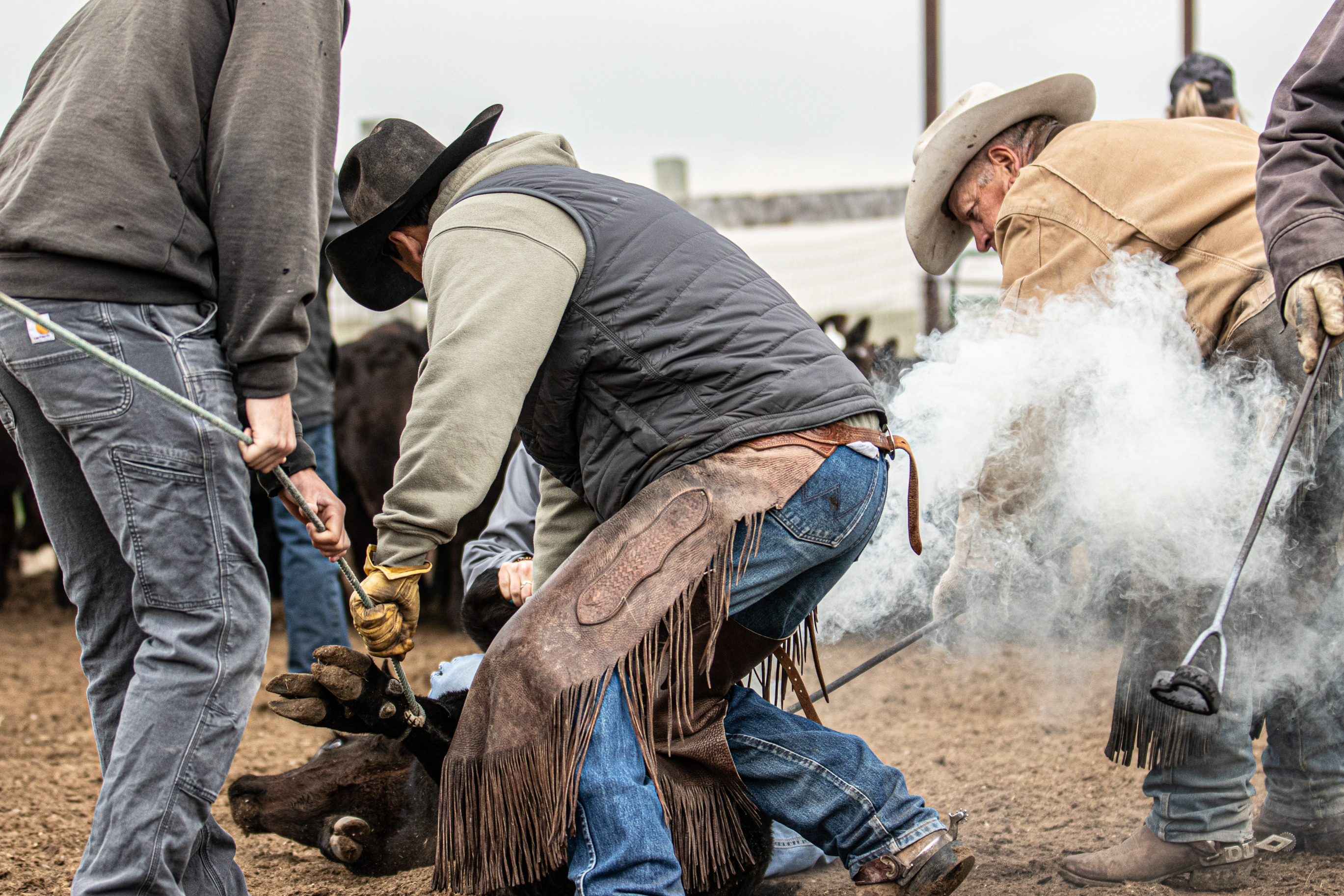
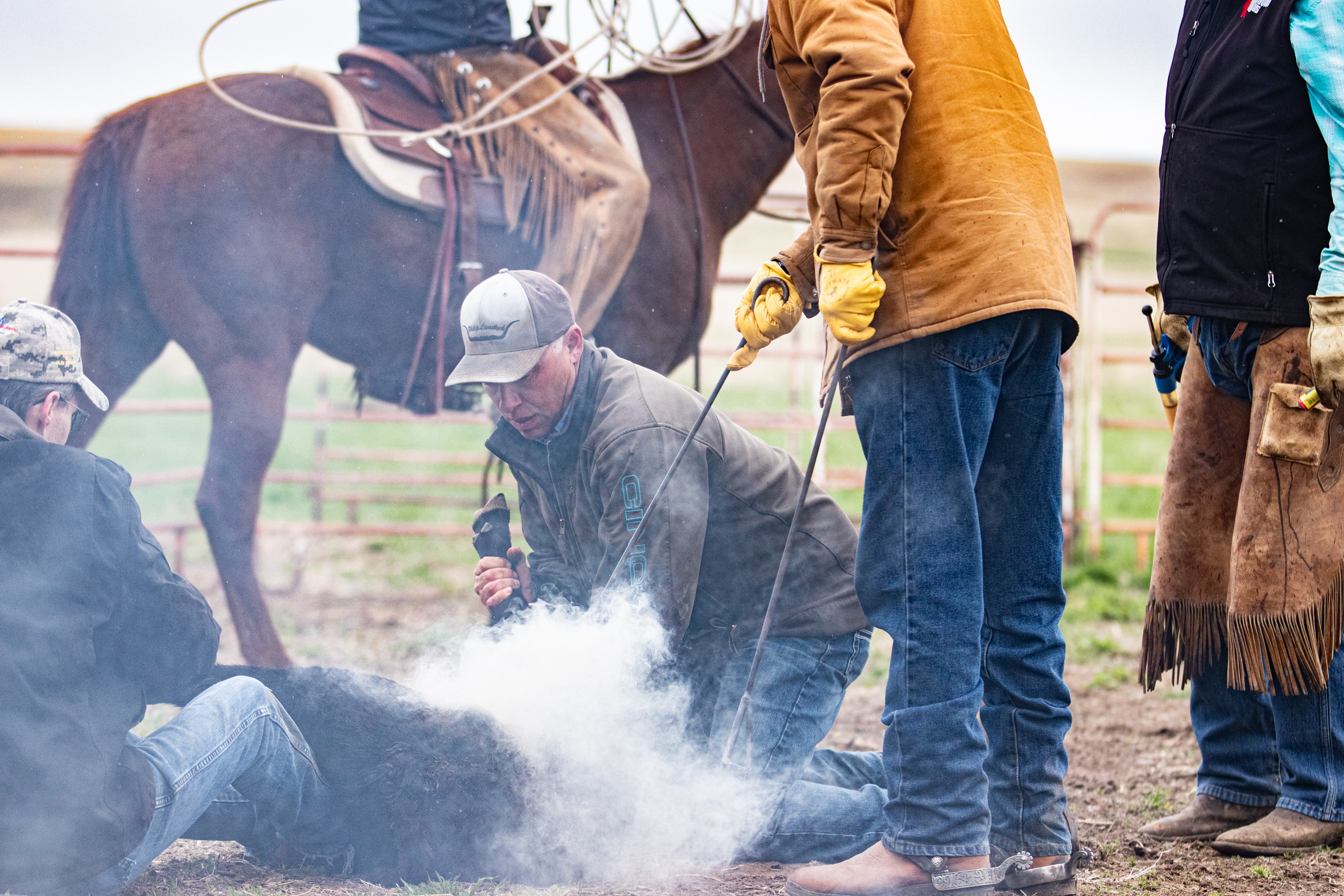
And it is in the chaos of spring work that the ranching community shines as exactly that – a community. We branded our main herd on Saturday, an endeavor that is humbling in its scope, humbling in how many people it takes to actually get the job done, humbling to see how many are willing to help in any way they can. Brandings are like that.

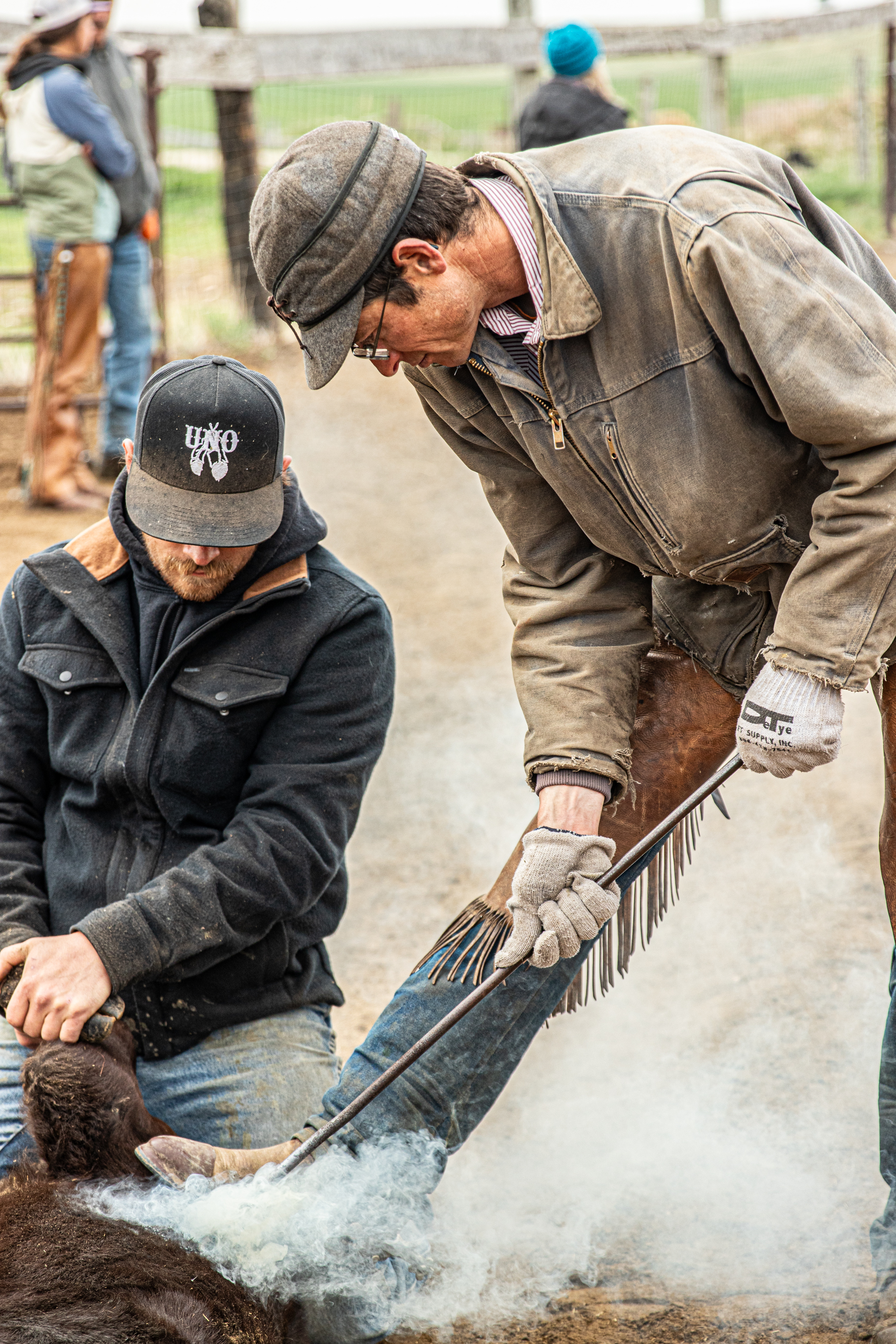
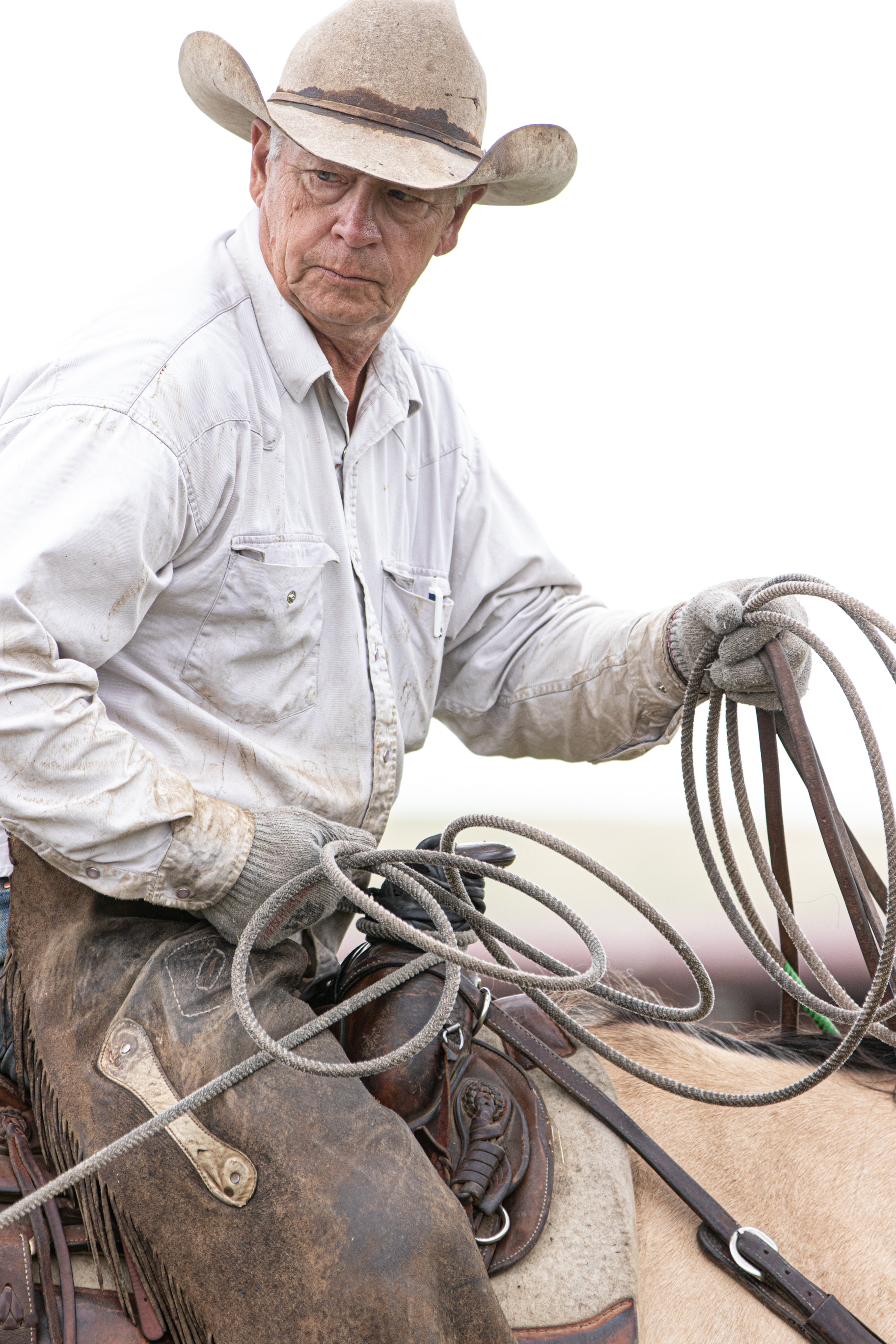
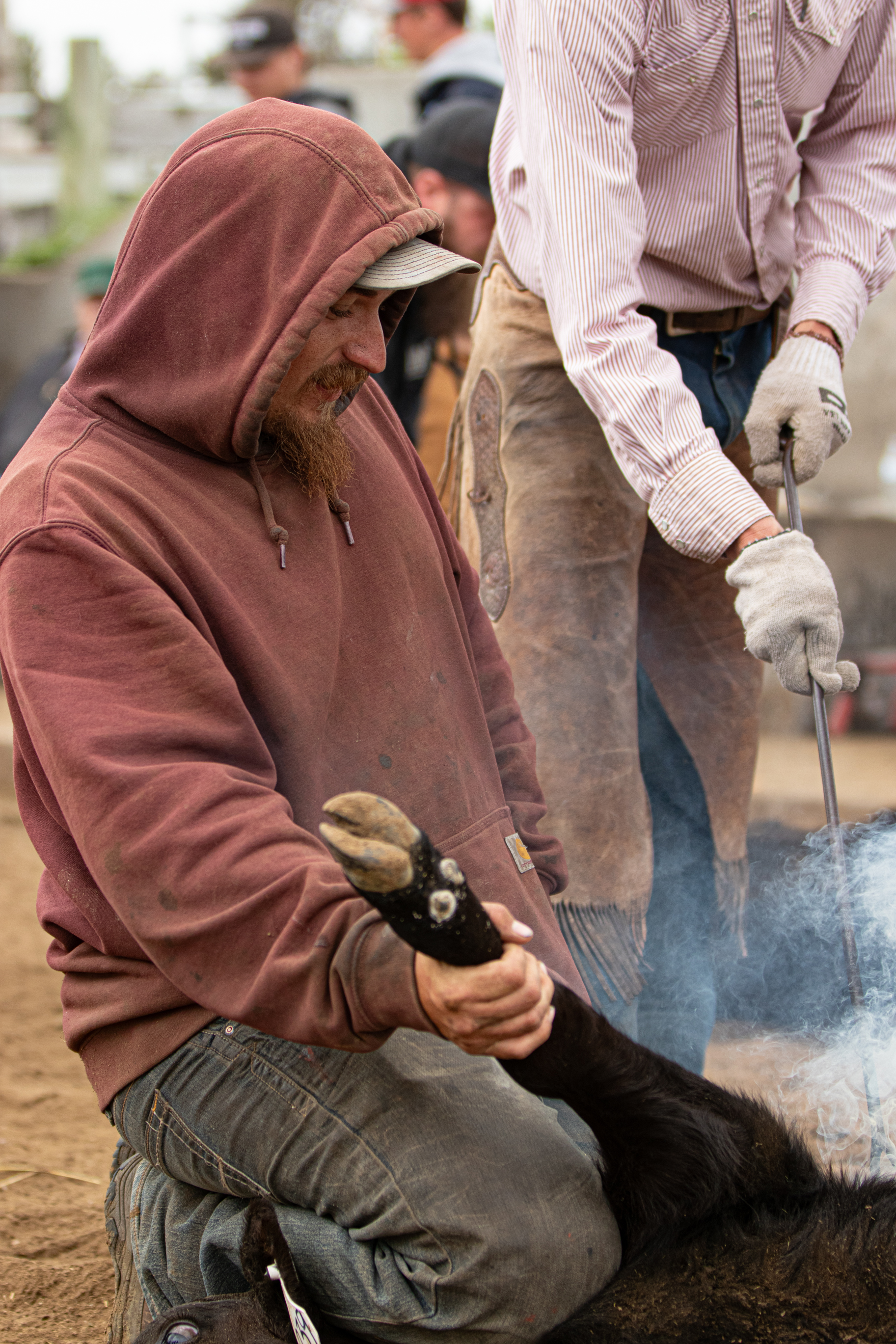
As I handed out hot coffee at our mid-morning break, I was able to study the faces, some smiling, some serious, and all the different walks of life they represent. There are the cowboy ranchers, the true-blue, western-through-and-through, how-my-grandpa-did-it type. There are the dirt bikes and four-wheelers, we-can-do-this-faster type. There are the button-front shirt and cowboy-hat-wearing crowd, and the sweatshirt and ballcap wearing crowd. There are the ones with spurs jingling on costly boots, and those wearing comfortable and well-worn tennis shoes. There are the tobacco chewing ones and the straighter-than-straight-laced ones. There are the beer drinkers and the tea totallers. The coffee drinkers and the water drinkers. There are the ones who know cows as well as they know their kids, and ones who know horses and ropes but cows, not so much. There are those who grew up doing this, and those who learned along the way, and those who simply show up for the work, for the fun and the challenge and the sense of community.

And with all the differences, all the variety, the work is seamless. The fellowship is sweet. And none of those categories matter to anyone. It doesn’t matter if you’re wrestling or roping, branding or cutting, vaccinating or watching the gate, everyone jumps in to get the work done. Although some who come do get help in return with their brandings or cow work, the only repayment many want is a good meal at the end – and we do a good meal, if I do say so myself – and the satisfaction of a job well done, stories swapped, laughs shared, and for them that is plenty. And they’d do it again in a heartbeat.
What is it about agriculture, ranching in particular, that invites this? Or creates this? What is it about ranch work that brings out the best in so many, and fosters an enthusiasm for someone else’s work? When I look at other sectors of society, I’m puzzled and even disenchanted. Even sectors of society where lip service is paid to the importance of community are lacking significantly in this department. I see organizations struggling to recruit involvement from more than the barest percentage of people, and their lack of community reflects this.

I think one factor, maybe the most important factor, is need. Genuine need. Acknowledged need. Ranching families know that they can’t do it alone. They don’t have the luxury to hand-pick those who agree with them or look just like them or never irritate or annoy. They need this neighbor and that neighbor, even the neighbor who might think differently about this issue or that issue, or the neighbor who does things differently, or the neighbor who occasionally pushes some buttons and grates on some nerves. And that neighbor needs them right back.

Could it be that we need to be needed? And we need to need others? It might be that simple.

Our culture tells us, all of us, that we’re good on our own, autonomy is the ultimate state, blaze your own trail, follow your own heart, chase your dreams with no thought to anyone else, and you don’t need anyone but yourself. And too many people have bought into this in one way or another. Connections become optional. Connections become a matter of convenience or personal preference.

Real, genuine need erases so many of those devastating societal luxuries, where connections are based on pet interests and shared hobbies, curating one’s community like a museum curator curating art. When we handpick our community, we tend to reap surface-level connections, clique-like interactions based on emotions and how well we slept and what we ate for breakfast.
But, when community is picked for you, by proximity and history and shared needs, something much deeper forms and something much more lasting is reaped, something that extends beyond brandings and cow work, something that forms the family-like structure of a resilient community.

We need to be needed. And we need to need others.

Ranch Wife Musings | A baby milk cow named Marigold

Originally published in the Custer County Chronicle on March 26, 2025

“So, will your column be about a certain baby milk cow named Marigold?”

Brad has a way of poking fun through the most innocent of questions. And he knew the answer a week ago, when Marigold was born. Of course the column would feature the newest addition to Laura’s dairy operation. Silly question.

Posey calved last Wednesday, producing the prettiest little Jersey x Brown Swiss heifer, all golden brown, and rosy pink wherever her skin shows through parted hair, like along her back or the little spot on her nose. Some calves are sort of knock-kneed when they’re born, or their proportions are just a tick off. Not Marigold. She has the sweetest, brown-rimmed doe eyes, the curliest eyelashes, the floppiest ears all pink inside, and the straightest, slenderest white legs with dainty little deer-like hooves. And she’s happy! So happy. She comes literally skipping into the shed when I’m milking in the morning, prancing around merrily until she decides to nap, quite the contrast to Posey’s calf last year, a big bull calf, who just wandered around headbutting everything and knocking stuff over. This delicate critter is rather captivating.

I’ve spent a shameless amount of time sitting down on the stoop of the shed, soaking in all the springtime pleasantness and the satisfaction of seeing that beautiful little baby milk cow skip around the corrals or curl up in a puddle of sunshine. The last 9 months were spent hoping that the sexed Jersey semen would do its job, and I am basking in the exceptional outcome. And she is perfect. For me, any baby cow is cute, even the funny looking ones or the less proportionate ones. But you know a calf is particularly cute when a seasoned rancher is willing to say so. I felt very gratified and validated when it took no coaxing to get such an admission from my husband or my father-in-law.

But it isn’t just about Marigold, as much joy as she brings me. It is about community. Connection. It is about generational relationships that I feel so blessed and fortunate and humbled to have married into. And those complex topics are represented by the simple existence of this little baby milk cow.

Her mother, Posey, was a gift to me from Brad a year and a half ago, purchased from dear friends and neighbors that Brad practically grew up with. She was born on their ranch, and her mother was their long-time nurse cow, raising who knows how many bum calves. This same neighbor’s brother, the dad of one of Brad’s best childhood friends, AI’ed Posey for me last year as a belated wedding present. What a gift!

We are not islands unto ourselves, as the saying goes. Our modern, industrialized, efficient, corporatized society creates the sense of islands, isolated groups and individuals seemingly disconnected from their neighbors. We’ve created a society where we rely most heavily on people we never will know, where person is separated from person by space and perspective and interests in ways that only deepen the sense of isolation. And technology, as much benefit as it brings, as much potential for good as it has, in many ways has driven this divide, as we are no longer forced to rely on those closest to us.

But peer into the inner workings of the agricultural community and you’ll see something very different. I’m continually amazed and blessed by the interconnectedness, and it begins within the four walls of each home. I rely on Brad. He relies on me. We rely on our families. They rely on us. We all rely on our neighbors. They in turn rely on us. And on it goes.

It is especially apparent going into branding season, where the all-hands-on-deck, neighbor-helping-neighbor work is accomplished to the benefit of the whole community, as everyone sees to it that everyone’s work gets done, but it shows up more subtly as well. As the stories fly, the community gets wonderfully smaller. The excellent cattle dog that you find out was out of So-and-so’s dog. The roping horse you’re told was trained by this person. The truck bought from that person. The chaps made by this person. The saddle crafted by that person. The branding stove made by So-and-so. The barn built by So-and-so. Adventures, mishaps, and memories shared across generations, binding family to family and neighbor to neighbor.

So, I look at my rosy-golden little calf and her mama and I see a distilled-down representation of community. I see the gift of a husband to his wife in Posey. I see the connection of friend to friend, neighbor to neighbor, in Marigold herself. I see family integration and affection represented by a nurse cow who generates no pasture bill and who raises whatever calf needs a mama, regardless of its brand, in a small way benefitting everyone.

Lots of thoughts prompted by a critter so tiny.

So, I will continue to shamelessly sit and watch the sweet interactions of a mama cow and her baby, listening to the noisy nursing sounds, watching that little white-splotched tail whip back and forth, watching the bony little head thump the shapely udder, watching the merry creature skipping around in play. And be thankful for the community I get to call my own.

Clarity in a Cowherd

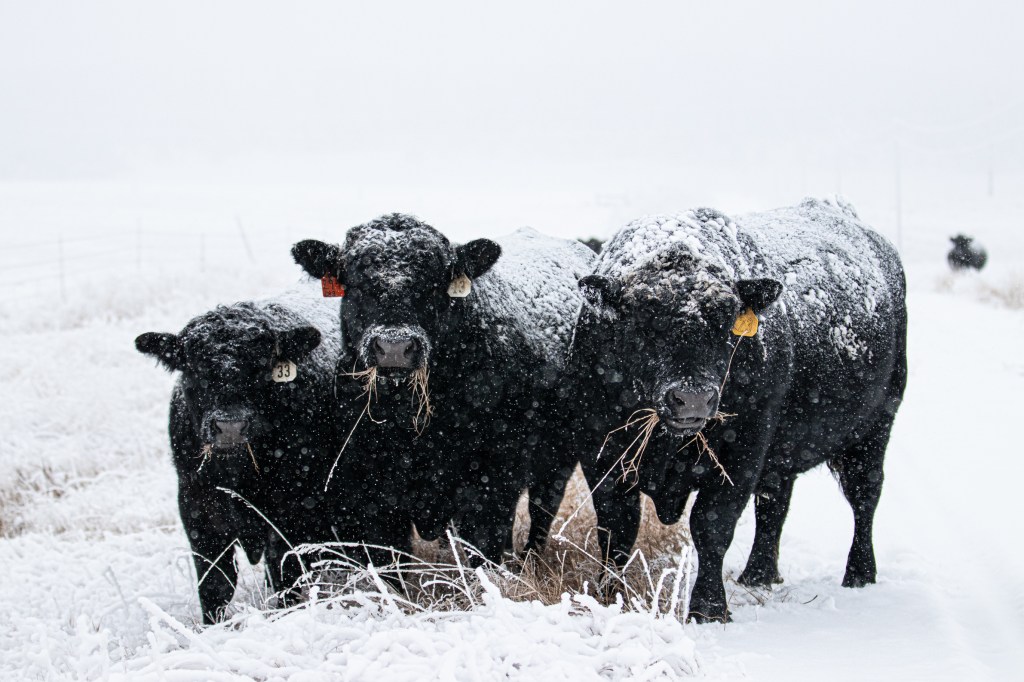
On those winter days when the temps plummet, I’m always amazed at the resilience of our livestock. With a heavy layer of frost or ice like a jacket over their hairy backs, and plenty of calories for heat-creation, they do quite well. These beautiful boys were entirely unbothered by the temps that send the rest of us scurrying for extra layers and hot things to drink.

There is a lot of brawn underneath that hide. You feel very small standing next to one of these beasts, which is why in general you don’t do it. They’re handled gingerly, respectfully, and generally from a distance.

These bulls are gorgeous specimens of breeding bulls, embodying what is needed for healthy herd genetics. Strength. Power. Masculinity. Which is exactly what is sought after in a bull, and are the traits that make them successful in their work.

Bulls should be masculine. And cows should be feminine. Pretty simple, pretty cut and dry. In the midst of a confused culture, there’s ample clarity in a cowherd.

Ranch Wife Musings | Milk Cow Philosophizing

Originally printed in the Custer County Chronicle on July 24, 2024

The joke really was on me. I have dreamed of having a dairy animal for years, and to my credit I was up front with my now husband about this well before we got married. I knew he hated goats, for the two reasons (as near as I can tell) that his grandfather hated goats, and that they climb on cars. “I promise,” I said solemnly, multiple times, actually, “I promise you will never – never ­– come home and find a goat. I make no such promise about a milk cow.” And I very faithfully kept my word, even though on multiple occasions I regretted ever making that promise.

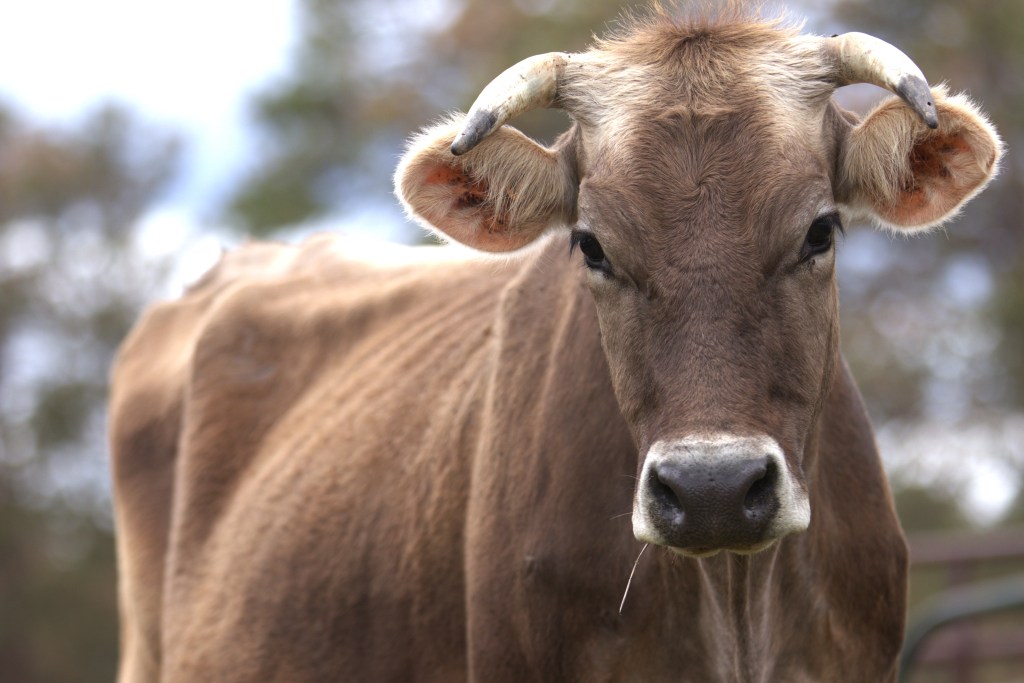
Well, one day, a year and a half into our marriage, I got home from to find Brad gone, his horse trailer gone, and all of the horses standing innocently in the corral. I knew where Brad was—He was preg testing a neighbor’s cows, the same neighbor that had offered to let me buy his nurse cow, Posey, who had never been hand milked. My suspicions were confirmed about two nerve-wracking hours later when Brad rattled up in his pickup and unloaded a peeved and horned Brown Swiss cow from the trailer. There she was, larger than life.

Like it or not, I was now the owner of a milk cow.

The learning curve was steep, and a comedy of errors. Have you ever wondered how they milk almonds to get almond milk? That’s what it felt like. Two fingers were all that could fit on her dainty little appendages, and do you want to know how much milks out in one squirt that way? Not very much. Like a half a teaspoon. If I did my math right (not necessarily something writers are inherently great at), there are 1,536 half-teaspoons in a gallon, which was about what she was giving at weaning time, when I acquired her. That’s a lot of squirts.

And to make matters worse, she wasn’t overly thrilled at the new arrangement. One morning, just when I thought things were settling into something of a routine and milking had definitely become easier, that darn cow lifted her tied-back leg in a mostly-failed kick, jarring me so half of the milk in my pail went all over me. This was early in my milking career and I had worked hard for that milk, let me tell you. I probably yelled at her, re-situated myself on the overturned bucket that serves as a milking stool, and started milking again. Then there was the telltale twitch and up came that hoof again. I was too slow for a good reaction, so instead I just tumbled right off the bucket into the dirty hay and jumped to my feet.

If I was a cussing person, I would have cussed, but I’m not, so I didn’t. With more irritation than authority, I yelled, “No!” And kicked her. Hard. Right on the back leg, the one she had kicked with. She looked mildly surprised, mostly just bored, and went back to munching her grain. I kicked her one more time for good measure, probably threatening to send her to the sale barn on the next shipment of culls, and sat back down.

Long story short, I learned she can mule-kick even with a leg tied back, and I learned how irritating it is when you kick a cow’s rear and she just looks at you in complete boredom, and she didn’t go to the sale barn. A reformed cow came to the milking barn the next morning and meekly submitted to our routine.

After this, though it hasn’t been entirely smooth sailing (what is, with livestock?), milking became one of my favorite parts of the day. It was quiet. Peaceful. Productive. The little milking machine that was so helpful at first eventually got sidelined in favor of the tactile task of hand-milking. The sound of the milk hissing and foaming into the bucket, the comfortable bovine smell, the cats expectantly waiting. I enjoyed watching her calf, who arrived in April, wander around the barn licking the walls and head butting the scoop shovel, stealing my gloves and tormenting the cats. It was just pleasant.

And besides, the payoff was singularly enjoyable: fresh milk and rich cream for my coffee, and the yellowest butter you ever did see. A lot of work, yes; a time commitment, yes, but so worth it. Posey is currently employed solely as a nurse cow, since we found a bum calf to put on her, but I look forward to fresh milk again in the fall when we wean. We all benefitted – Brad and I, the cats, the chickens, friends and neighbors and family. All from one cow.

I think about the cultural shift we have seen over the last 100 years, the industrialization, the urbanization, a shift away from the land, a shift away from family, a shift from self-sufficiency and community-sufficiency, towards a national and global model of economics. As individuals in a culture, we no longer raise our own meat, or grow our own vegetables, or sew our own clothes, or build our own homes. We are divorced from those processes. We have mechanized ourselves out of jobs, and mechanized ourselves out of a true appreciation for the food that we eat or the clothes that we wear.

Author Wendell Berry, in his book The Unsettling of America, talks about the societal effects of automating and mechanizing, specifically as it relates to agriculture, but with broader implications as well. When efficiency is the god of our society and a machine can accomplish a task with greater efficiency than a man, we then place more value on the machine than the man, and more value on efficiency than on the good of family and community. Automating doesn’t elevate the worker or the work, but ultimately degrades it. In our technology-driven, technology-ridden culture, it isn’t feasible or reasonable to want to de-automate everything, and convenience and efficiency do have their places. But what have we lost in the process?

I wonder.

Spangled Afternoon

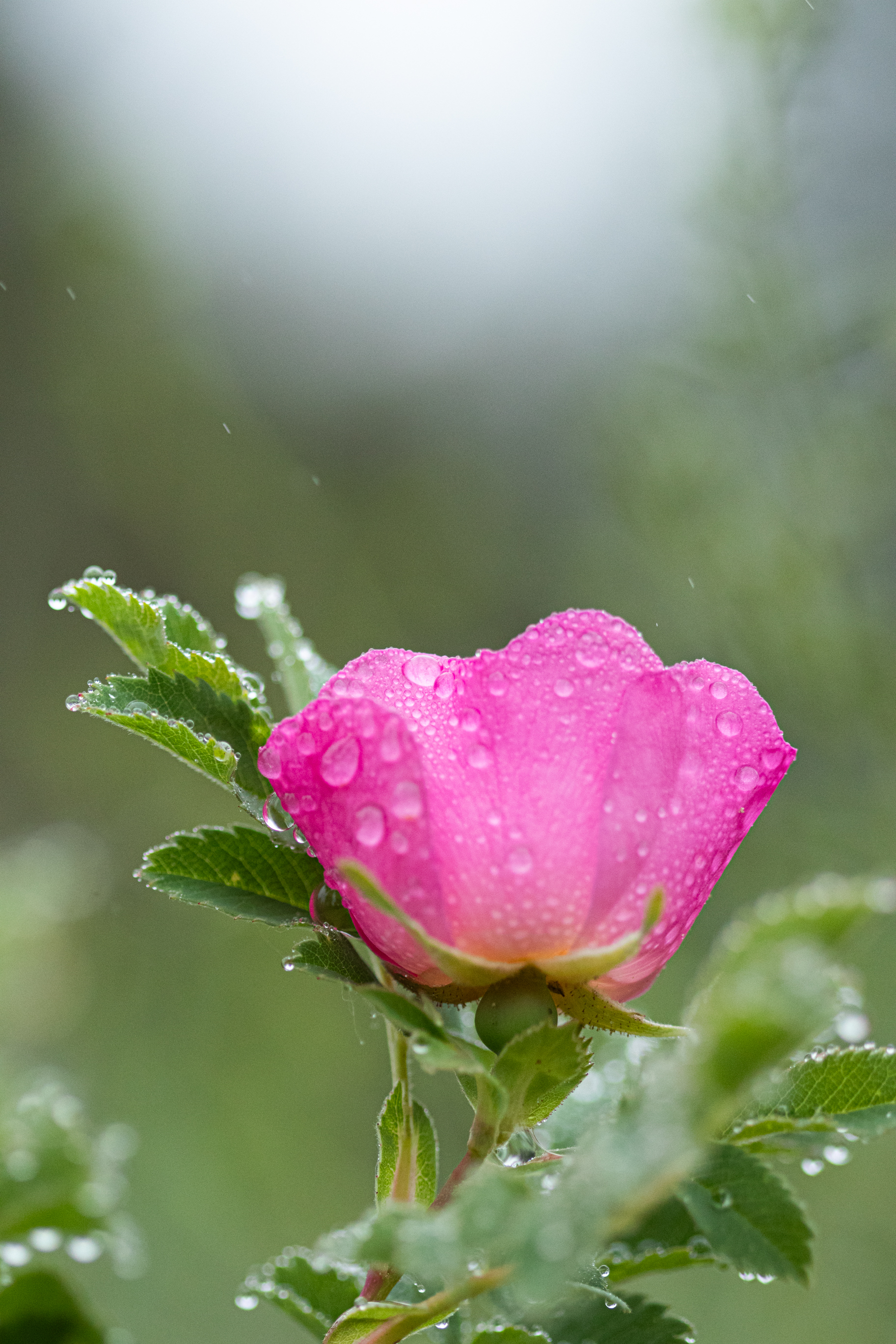
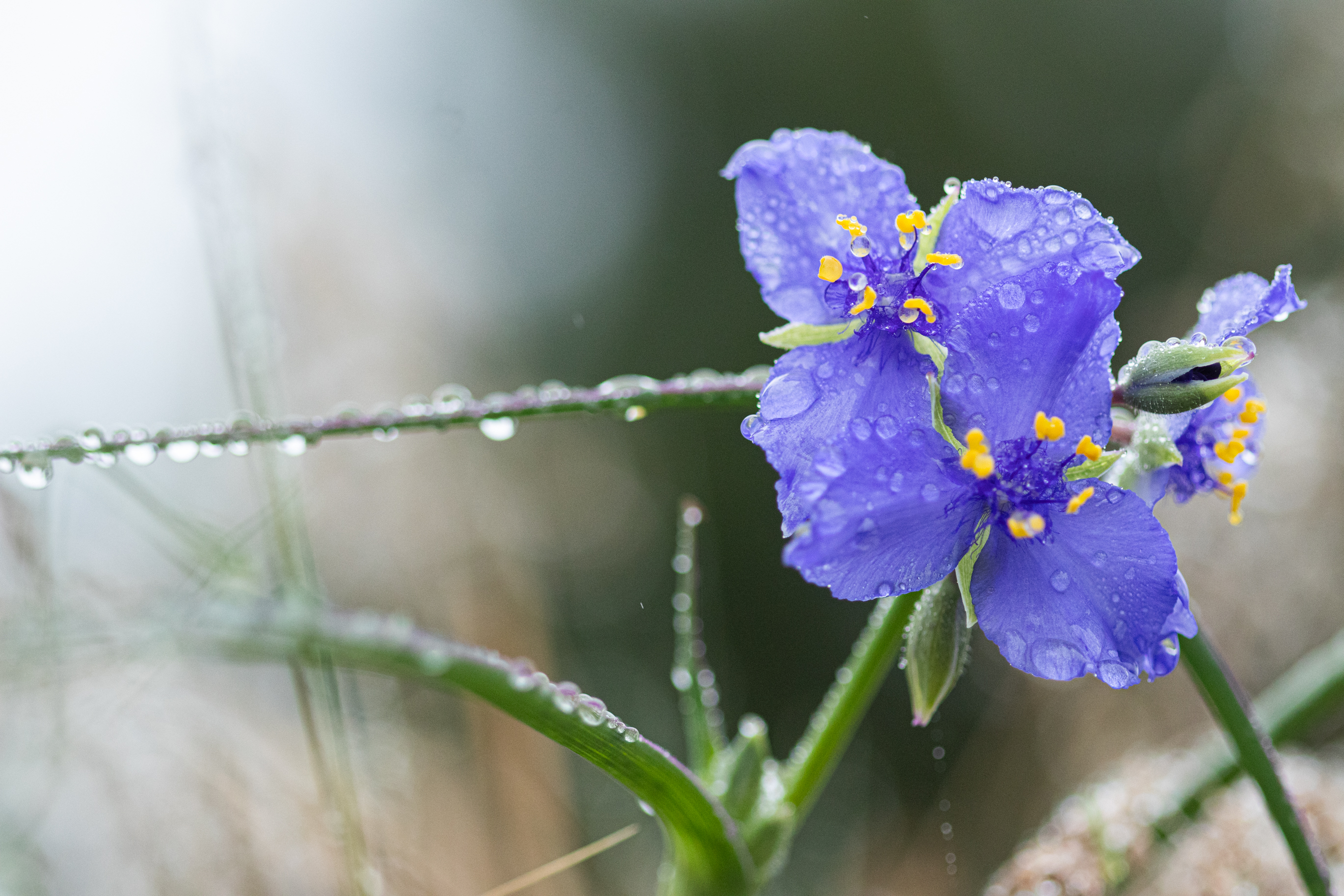
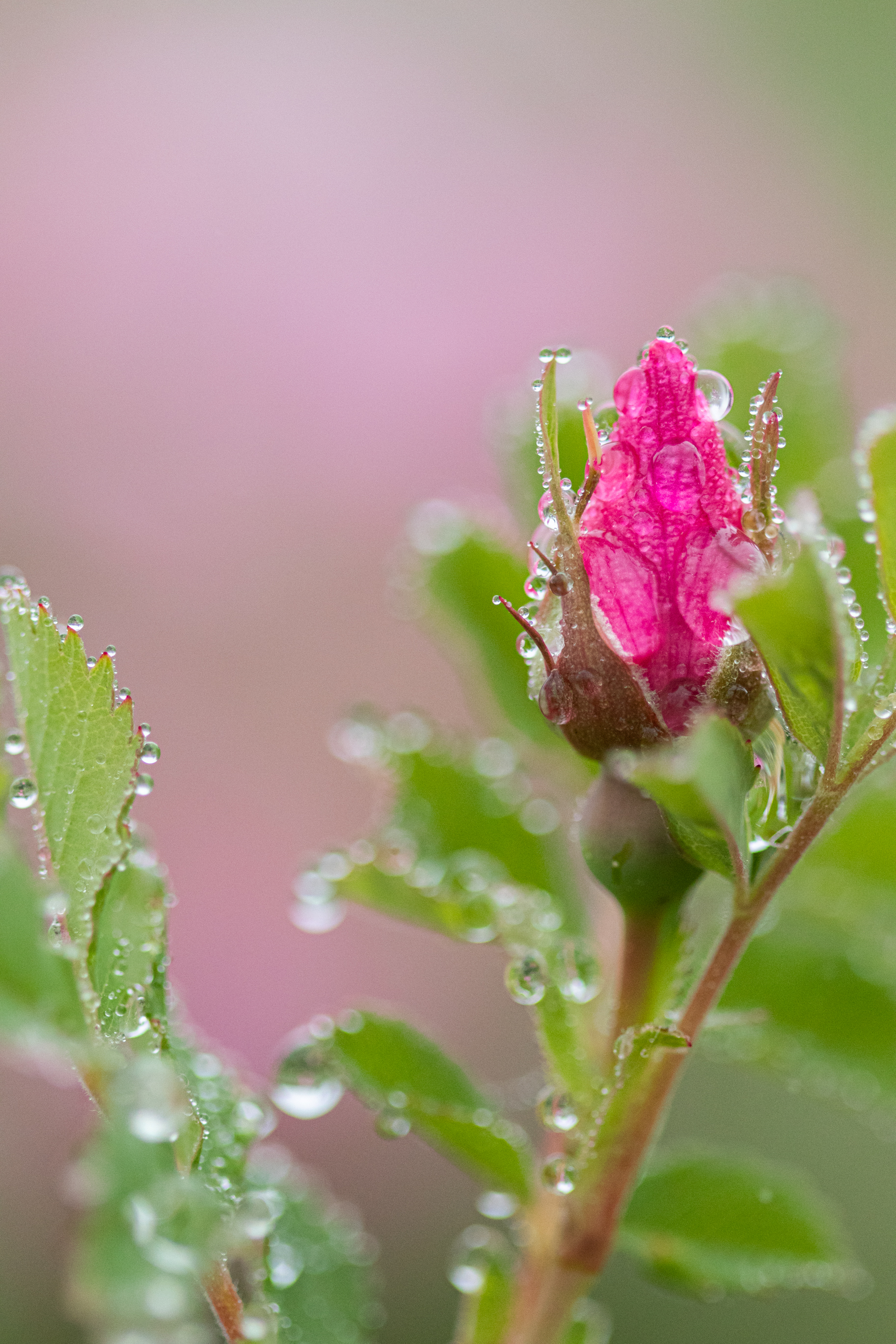
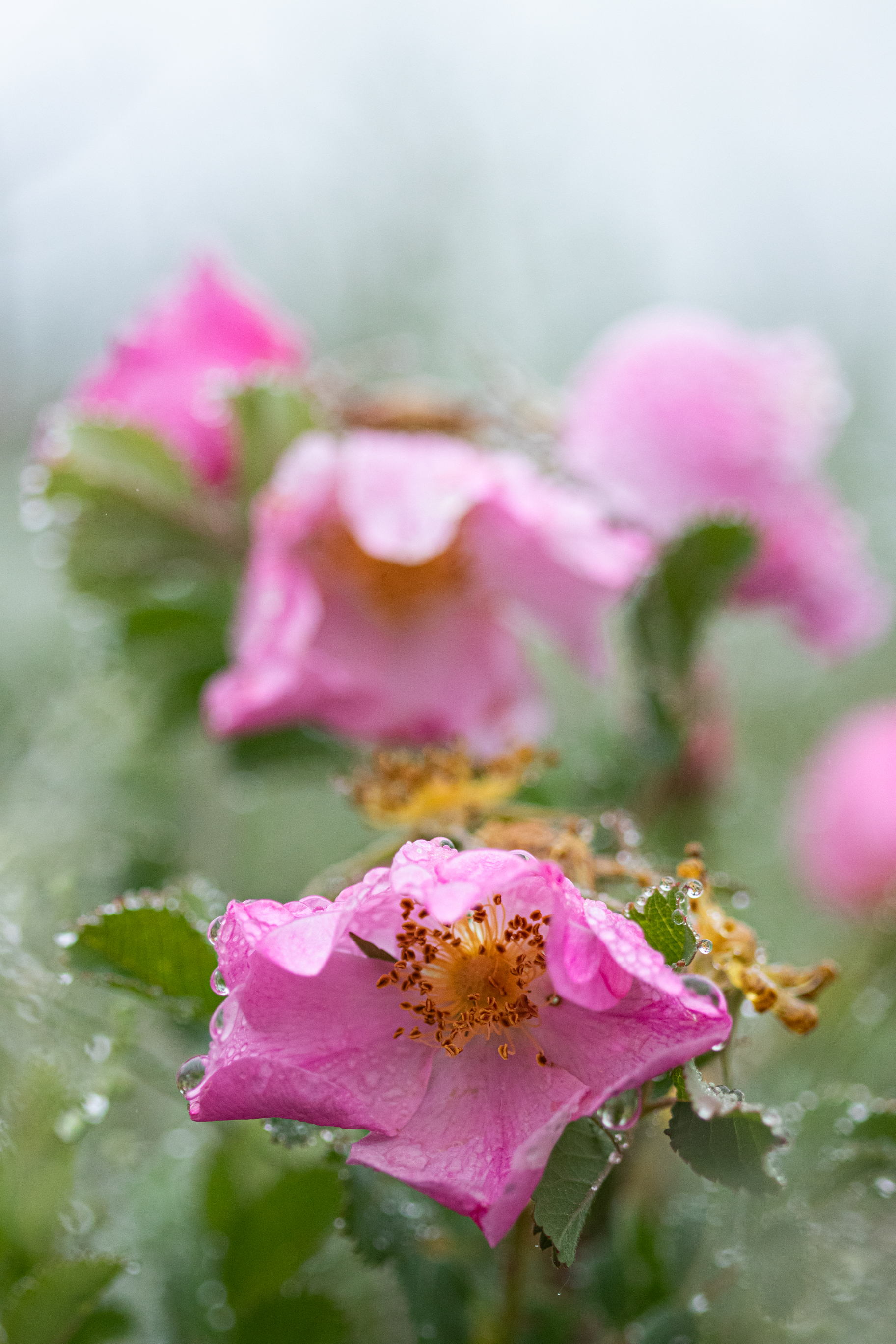
Yesterday was wet. Just wet. Wonderfully so. We got a little actual rain, but most of the day was just heavy mist, and we basically were inside a cloud. We couldn’t see the highway down past the hayfield, and the tops of trees were obscured, and the drops settled, all silvery, on everything. It almost looked like frost, everything was so spangled.

Spiderwebs and blades of grass, mundane on other days but be-jeweled in the mist, drops of water hanging like jewels on the fine threads of the spiderwebs. Roses and rosebuds, and spiderwort, gathering the mist, holding it on leaves and petals and stamens. And then, if you looked closely enough, the whole world reflected upside down in the drops of water, the sky, the flowers, the grass. It was dazzling.

Right now, our society is weighed down with all sorts of mental ills, and the self-care “movement,” if you will, is thriving…It would appear that the best solution anyone can suggest for the chronic anxieties and depressions and just generally not getting along well with life is that people need to love themselves more. For as long as the self-care solution has been being promoted, it is obvious that that isn’t the problem. We don’t have a problem with people not loving themselves enough. The problem is that we as human creatures are tuned to love ourselves, and to love ourselves too much. We don’t need encouragement in that vein.

We need, rather, encouragement to look up from all of our – in the big scheme of things – petty problems and look to the Creator God who loves us. Sometimes we find reminders of that in the tiniest, most mundane yet spectacular ways. Like taking a walk in a cloud. Gazing on the littlest, least-important things that God clearly cares deeply about. And then realizing that if He cares about the flowers of the field, the birds of the air, the mists on the meadows, He must care that much more about His human creatures.

Ranch Wife Musings | When the Irons Cool

Originally printed in the Custer County Chronicle on May 29, 2024

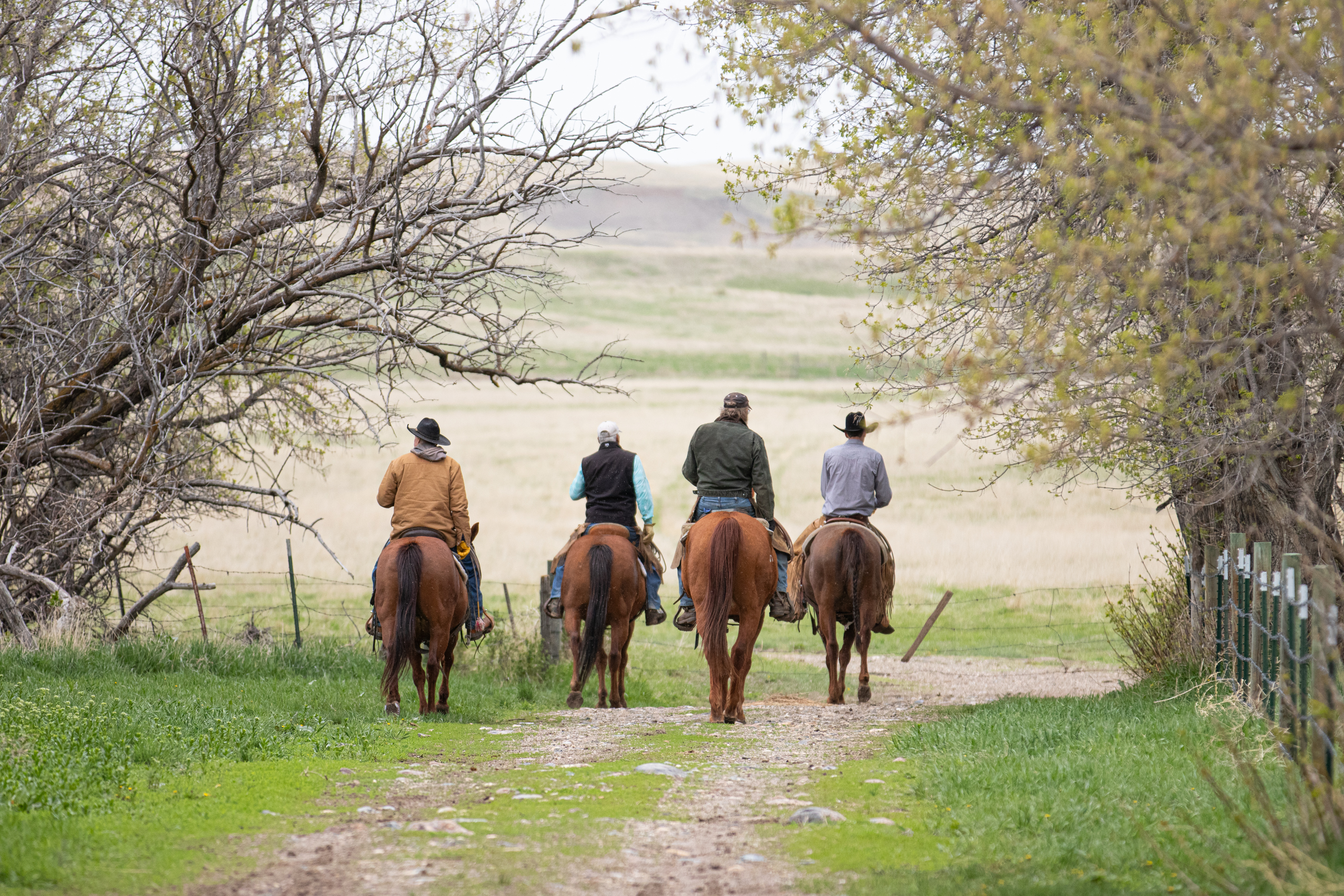
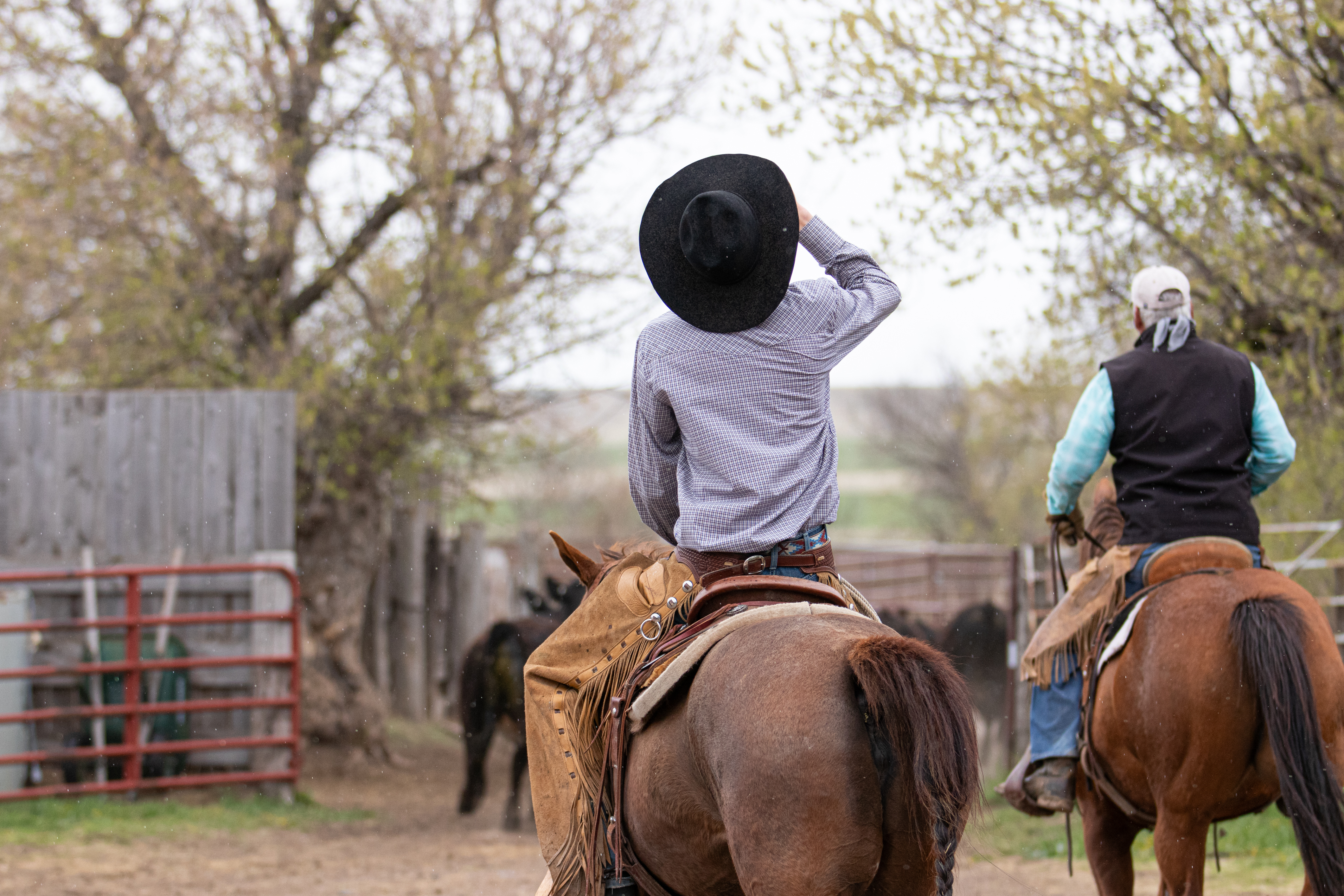
It is an exhilarating feeling, riding out in the cool of the morning with husband and family and neighbors, hearing a chorus familiar voices sing out gently in friendly conversation, the soft plodding of the horses’ hooves on soft earth, the occasional metallic ringing as a shod hoof strikes stone, watching the rolling hills fall away, the row of pickups and trailers get smaller behind us, seeing the cow herd stretched out over the entirety of a pasture. It is an exhilarating feeling, as we get further and further onto the prairie or into the breaks, and one by one, or two by two, riders are left behind until the herd is more or less encircled, and the gather begins.

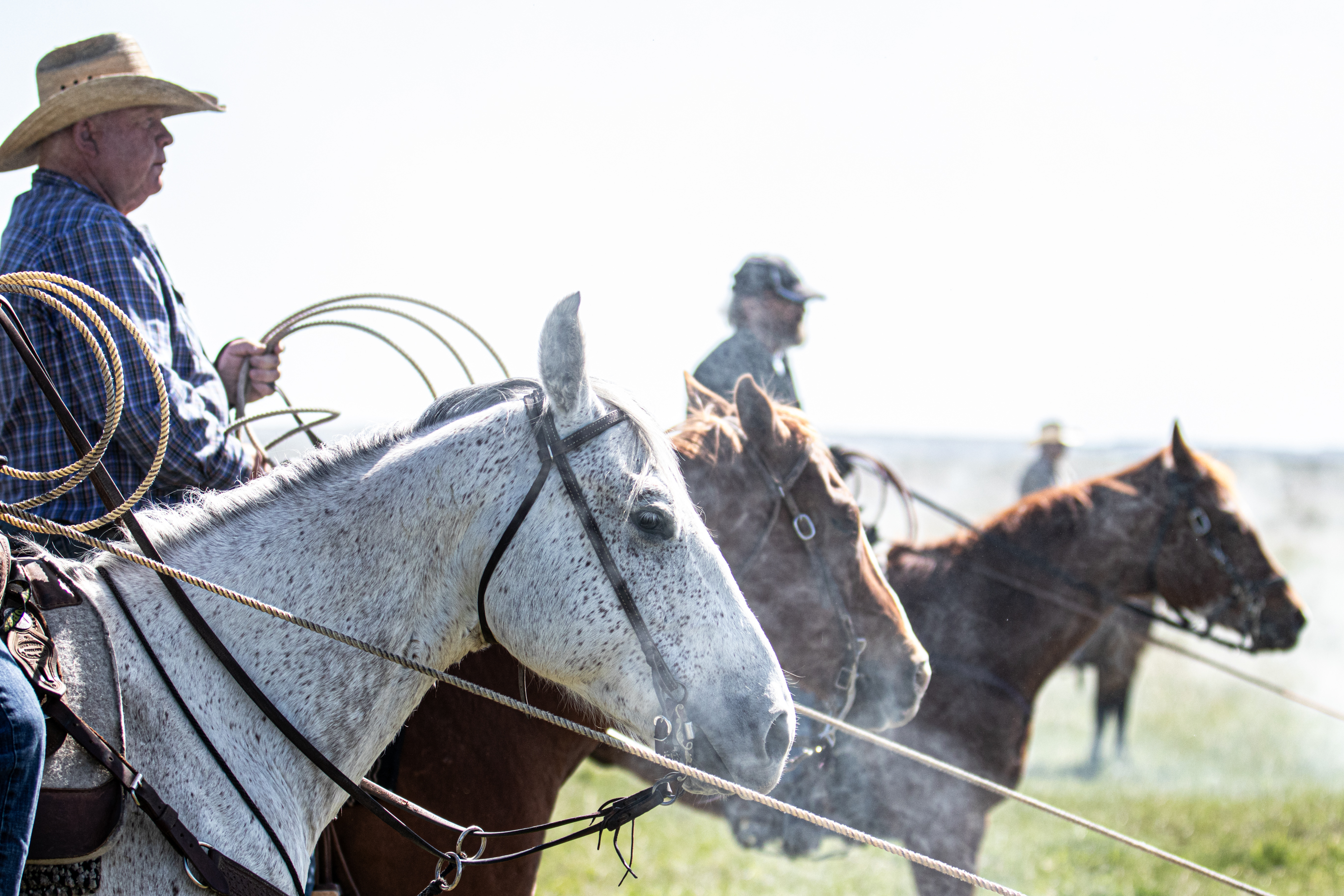
It is an exhilarating feeling, to be behind a growing, moving, shifting bunch of cows, a bunch that gets joined to another, and another, until the whole herd is gathered, encircled by five or thirty horses and riders. The lowing of the cattle intensifies as they mill around, looking for their calves, and eventually the cattle trickle away from the pressure of the riders. The branding pens get nearer and nearer, and the net is pulled tighter and tighter. Instead of riders every 50 or 100 yards, it is riders every 50 or 100 feet, then every 5 or 10 feet, and then shoulder to shoulder for the last push to pen the herd.

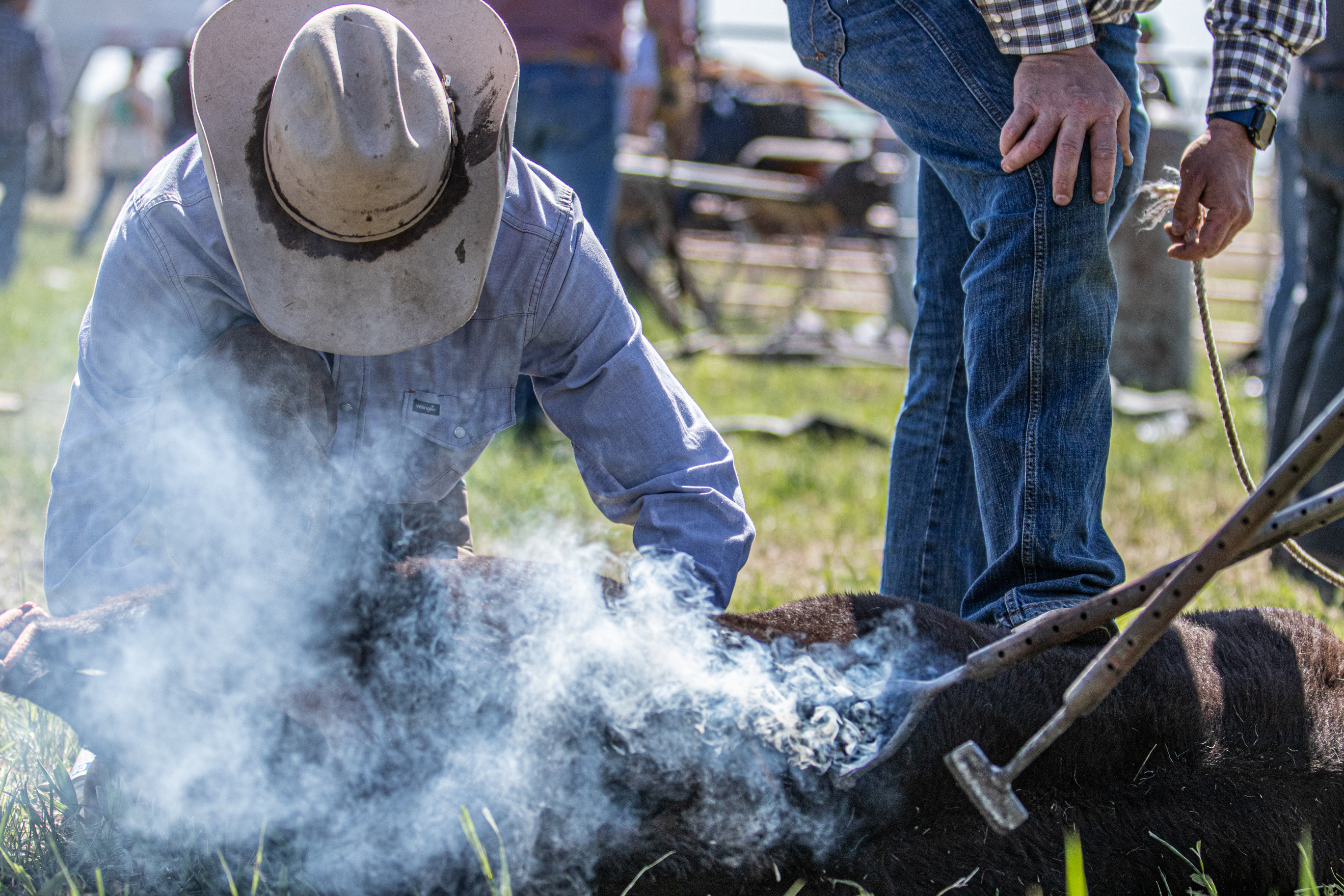
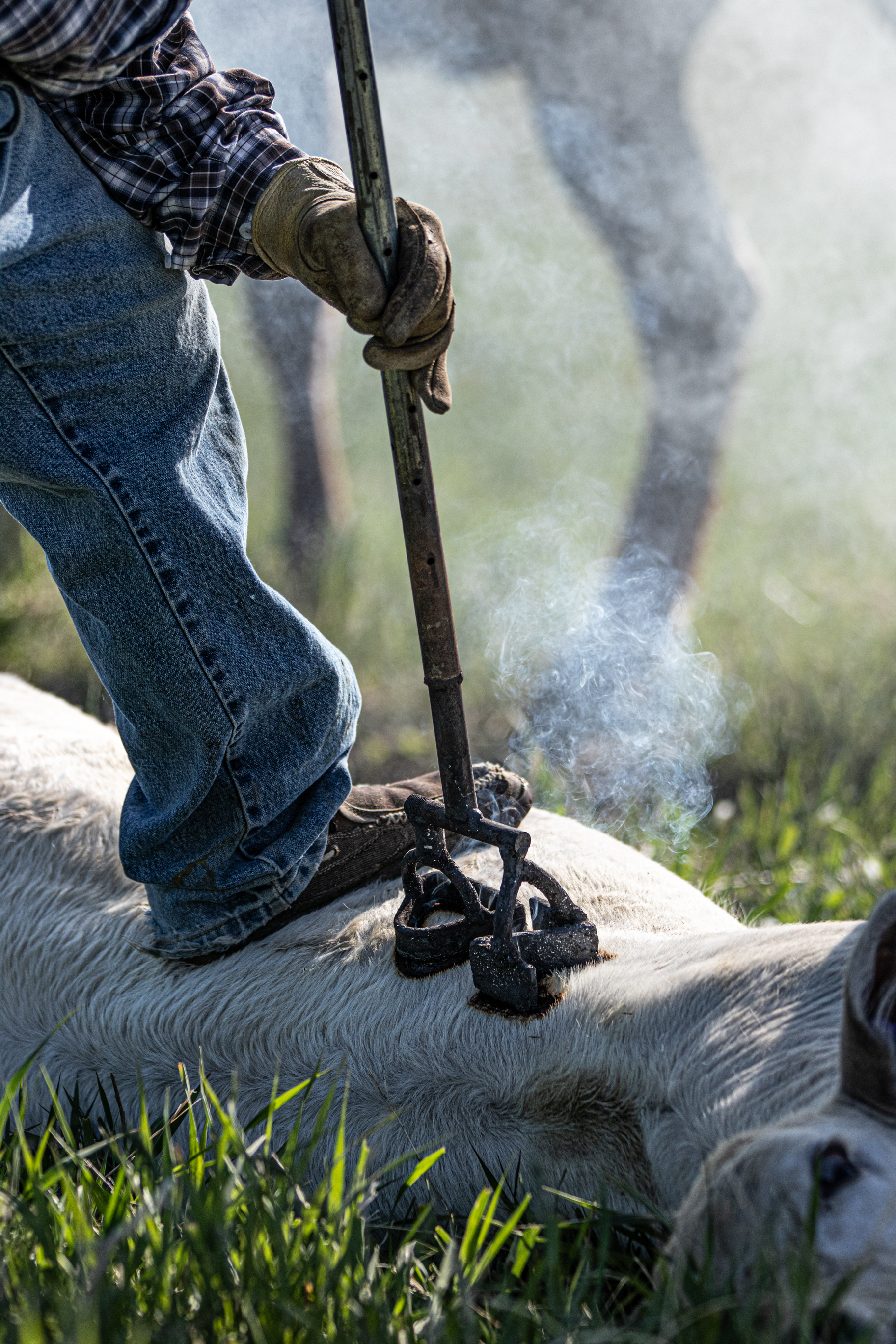
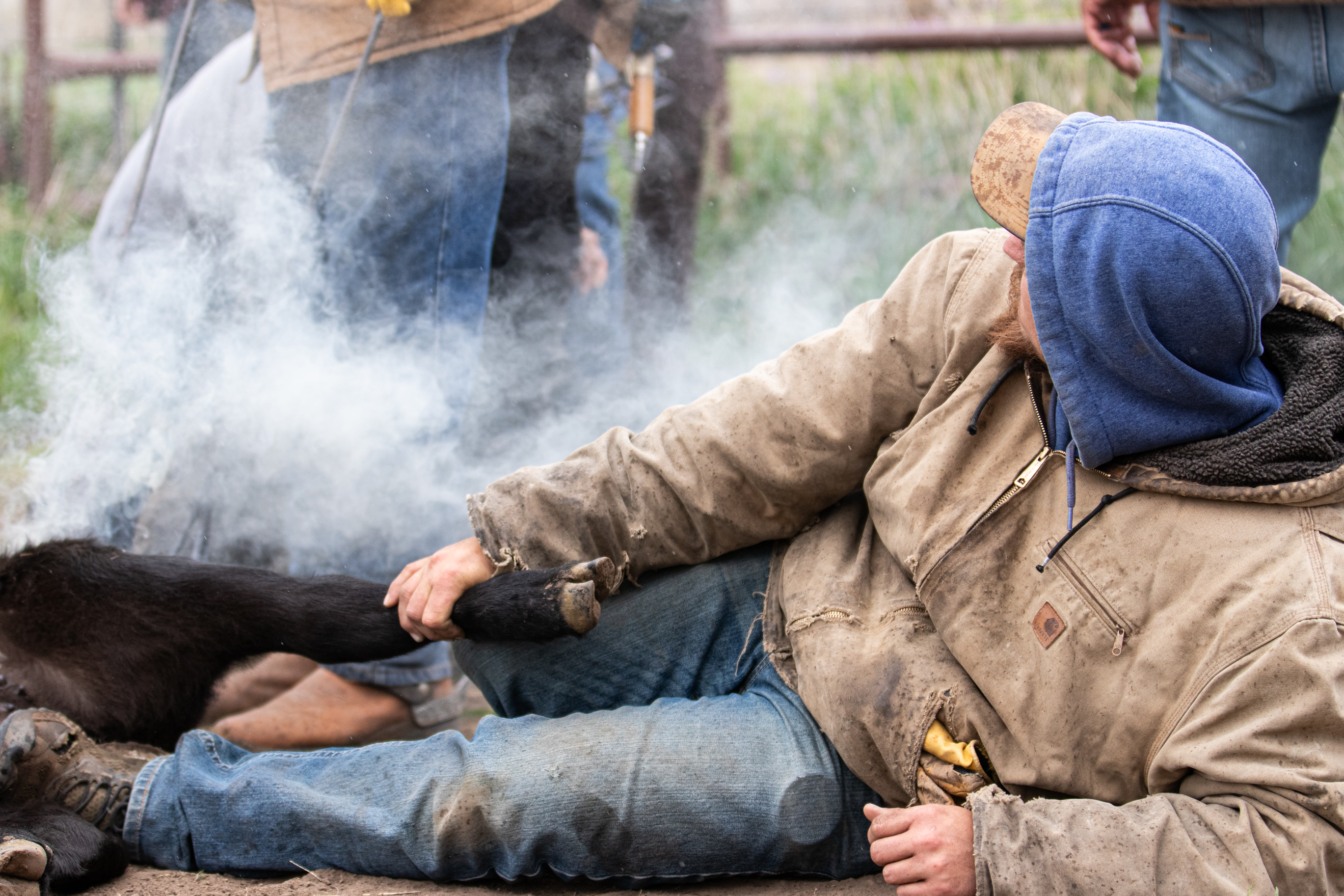
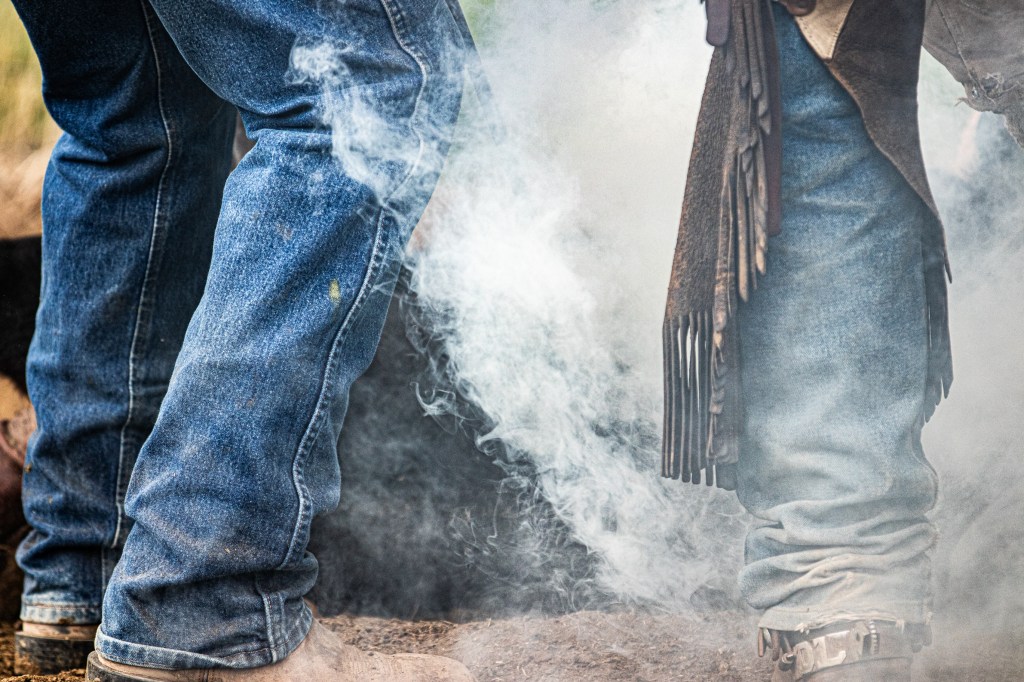
The cattle bawl at a fever pitch, like the deafening hum of a riled-up hornet nest, as mamas and babies are sorted and separated, the calves penned for branding, and cows released back to pasture. The perturbed mothers stand at the fence bawling for the calves, the calves bawl back, and the branding stove roars to life. Soon it is an ordered chaos of activity, as each member of a branding crew is assigned a role or finds a role, and the branding settles into a rhythm, like a well-oiled machine, a rhythm of ropers and wrestlers and branders, the soft hiss of ropes dancing, the smell of smoke and burnt hair, the clank as irons are drawn out of the fire, and the crackle of red-hot iron on hide. Glints and flickers of flame, clouds of shifting smoke, dust and flinging mud. Laughter and shouts and snippets of conversation punctuate the noise, and the steady rhythm is occasionally interrupted by the sudden leaping to action of half a dozen wrestlers when a calf puts up a stiff fight. And bit by bit, little by little, but faster than you’d think, the roping pens empty, the deafening bawling of the cows dies away as they head out briskly to pasture with their calves at their sides, without so much as a backward glance. With a suddenness of quiet that is jarring yet a relief, the branding stove is shut off. In the hours that follow the rush of the work, a meal is enjoyed and stories are shared and reminiscences are savored.

There is something bittersweet about the last big branding of the season, the last time the stove roars to life, the last time it cools. Ranching, for much of the year, is a pretty solitary profession. Families hunker down in the wintertime keeping animals fed and watered, and take to the pastures in the summertime with the odd jobs that are the summer routine. Fall work throws neighbors together in small groups here and there before calves are weaned and sold, but it is nothing like the community reunion of branding season. For a solid month, branding follows branding and neighbor helps neighbor, in a celebratory frenzy of work and camaraderie.

It is when the irons cool that there is really time to reflect on that, that partnership with one another for the grand and gritty task ahead, in partnerships that go back decades and generations. No one is keeping a score card, no one is counting hours helped here or there, but everyone is pitching in because there is work to do and that is what a true community does.

This is a foreign concept to many modern-day Americans. We no longer live where we work, or work where we live, to give a nod to the author Wendell Berry. We have separated work from life, and we have lost the vitality of community that results from living where we work in close proximity to others who also live where they work.

No matter how the American culture has shifted in favor of convenience and economy and minimizing human inputs and nickeling and diming every transaction, ranching is still done the old way. And the old way requires people. Flesh and blood people. People who are willing to show up with what skill they have or the willingness to learn a new one. To give of their time without keeping a record of how or whether it was returned to them, and with this spirit the work all somehow gets done.

We aren’t made to live in isolation. We are made to need one another and to be needed, and the ranching life gives a taste of this. Even in my relatively short time as a rancher’s wife, I look forward to seeing the familiar faces, working shoulder to shoulder with family and neighbors, each week of the season sprinkled with these all-hands-on-deck, all-day events. It is the one time of year when the community is reminded in a real and tangible way of how much we need each other. We aren’t doing this alone.  

The branding stove has been put away and the persistent smell of smoke and burnt hide no longer sticks to our clothing. It is a relief to have calving and branding over with for the season, and for summer work and rhythms to be settling into place. We’ll bump into neighbors over fences or at the county fair or other gatherings. But the energy and shared experiences of branding season will leave their impressions long after the irons have cooled.