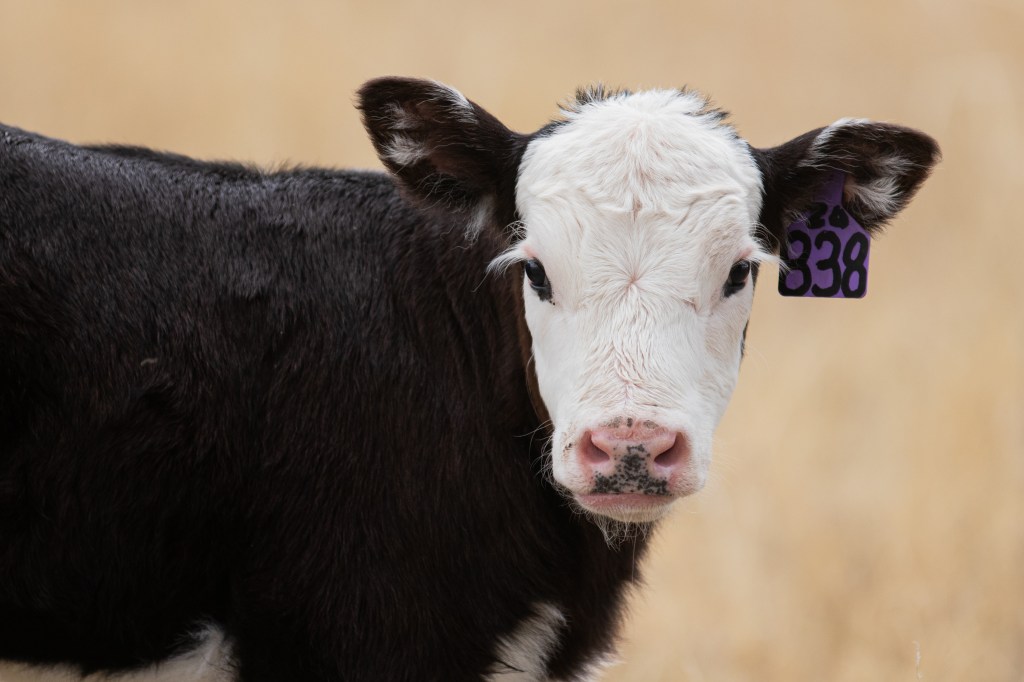
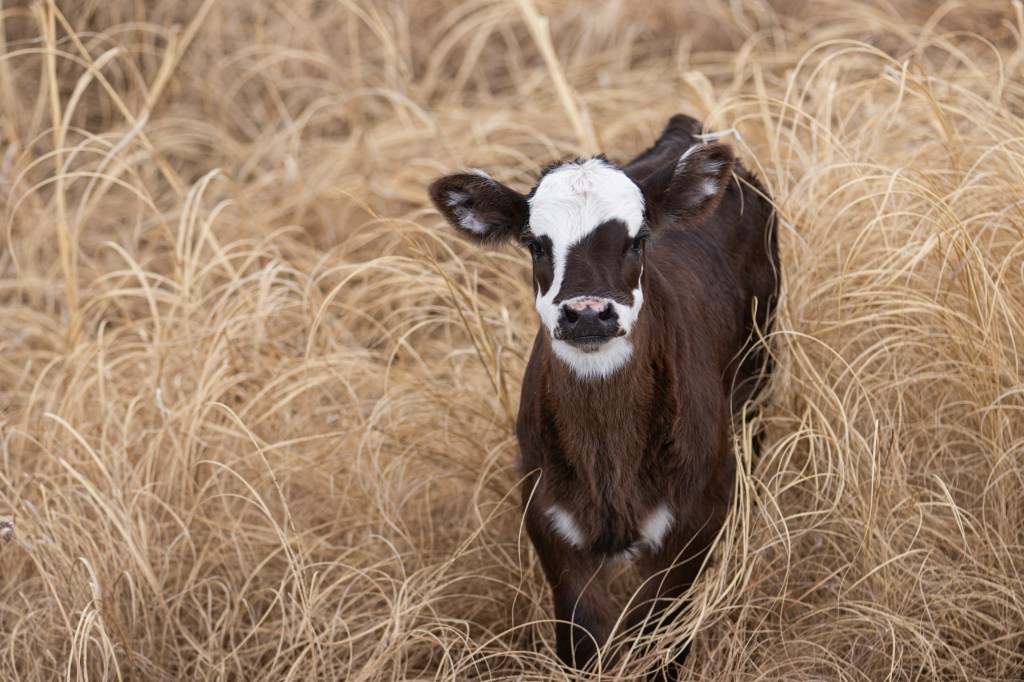
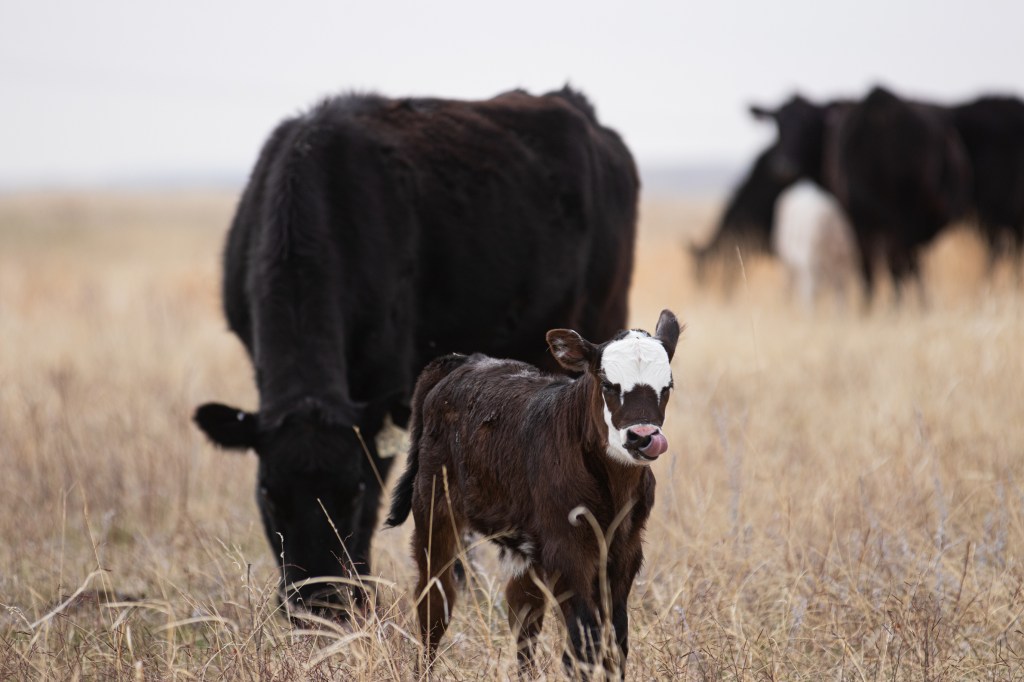
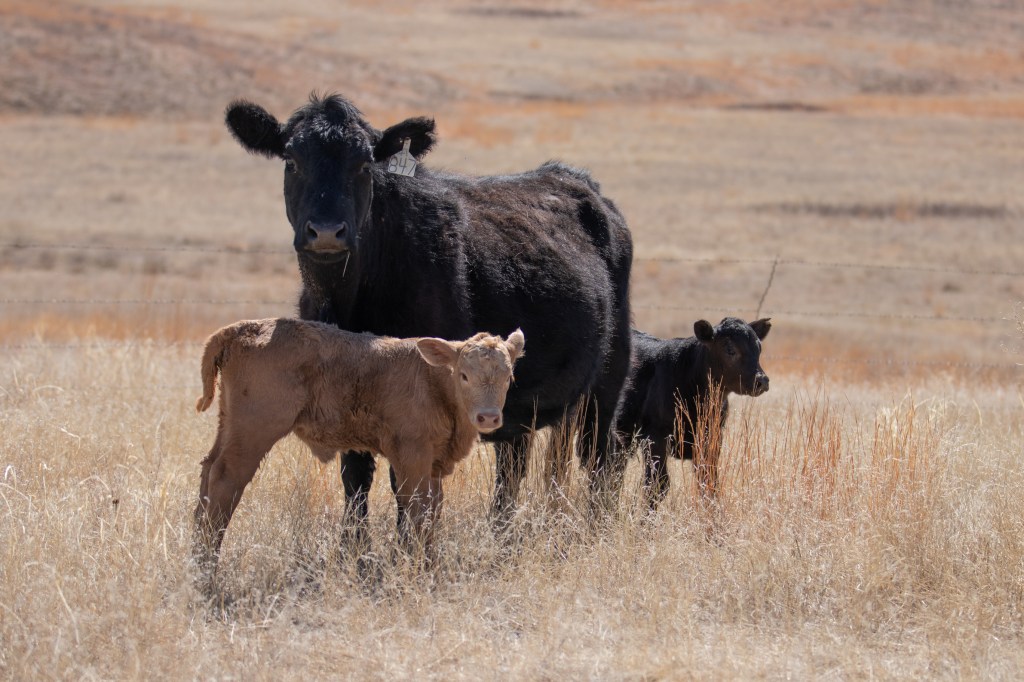
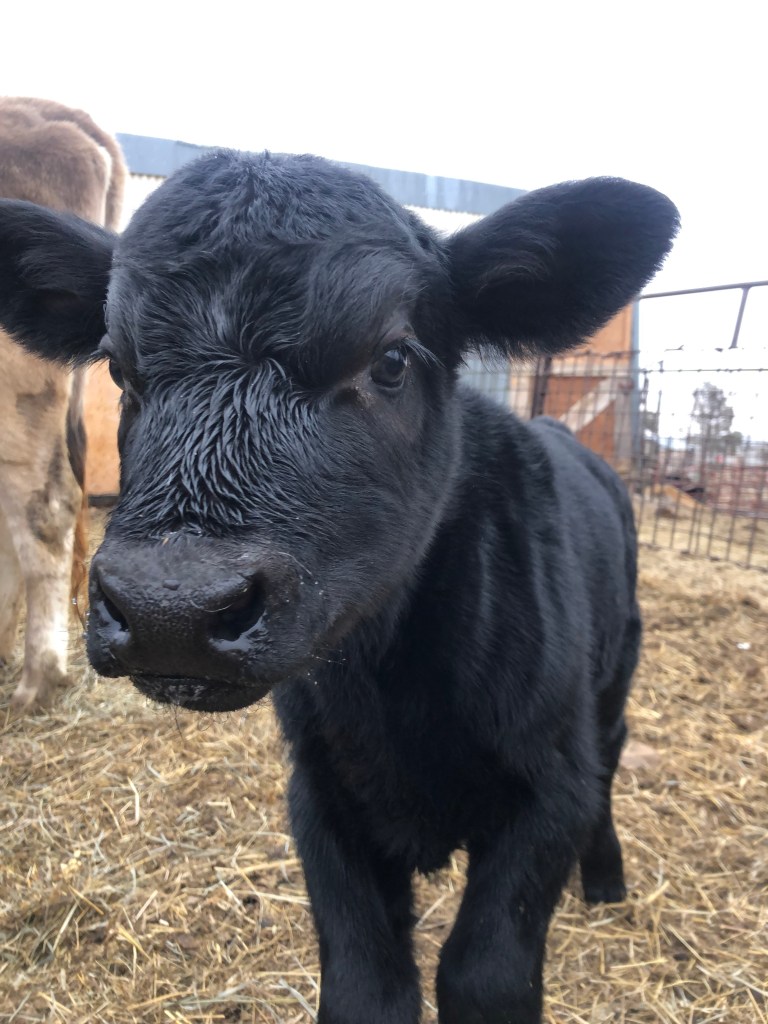
Can we just take a moment to appreciate the incredible beauty and diversity of these little baby baldy faces? I have been riding along with Brad when he checks the calving pasture, when I have the time, and it is just too fun to see all the variety and the cuteness overload. I think it drives my father-in-law nuts, how much I love these calves, but that’s just fine.
Support Song Dog Journal and share to social media!
Our neighbor’s Hereford bull took a liking to some of our cows last year and paid a number of, shall we say, social visits. It became quite a regular occurrence to kick him back out of the cows and back into his herd, and his beautiful progeny have graced our pastures this spring. I love them all.
In a sea of black Angus calves, the Charolais babies and all their vast colorings are delightful to my eyes…These precious baldy babies, though…My goodness. They are all just a little different, and I love it. As many calves as there are, it is fun to be able to actually recognize some time after time. The following three are Patches, Half-and-Half (look at her eyelashes!), and Freckles.
According to Brad, there are at least 15 more, so now that I can buzz around on the ATV without freezing, I’ll have to lug my camera back out. So precious!
Support Song Dog Journal and share to social media!
Originally printed in the Custer County Chronicle on April 3, 2024
The miracle of life is front and center during calving season. It is amazing to watch a heifer birth her first baby, looking in vague confusion at the squirming, slimy creature that made its sudden, un-asked-for appearance, and then, prompted by God-given instinct, begin to clean the baby off. The baby is up off the ground in a matter of minutes, his little legs wobbly and knock-kneed, and then he finds the life-giving udder and his little tail goes to wagging, just like a dog. What a sight to see.
The excitement of the first calf of the season is followed by weeks and weeks of chaos, confused young mother cows learning the ropes, babies everywhere, unmixing mixups, and the satisfaction of watching maternal older cows do everything on their own.
It isn’t just instinct that drives a cow, but a fascinating melding of instinct and education, and the first-time mamas are kept under pretty close watch for the first few days, and kept in the nearest pasture for the first month or so. These first-time mamas are prone to wandering off and leaving their calves, forgetting they have calves, forgetting which calf is theirs, forgetting where they left their calves, and can often be seen chasing helplessly after a sprightly baby, entirely unsure how to control the unruly child.
The second-time mamas are a little less helpless, instinct and education both more fully developed, but there still is a tendency towards some of those pitfalls of early motherhood. They are given a little more freedom than the first-timers, but are still able to be supervised. Eventually, cows figure out the concept of nursery groups, where one or three mothers are left in charge of a dozen or so babies, giving the other mothers a chance to go in to water or eat. I don’t know how they figure out shifts, but somehow they do, but early on they forget about the need for a babysitter and just wander off, until something jogs their bovine memories.
And nothing jogs the bovine memory like the sound of a calf bawling. Nothing reminds a mama cow of her maternal responsibility like the sound of the baby she forgot about or misplaced. Some calves are obliging, squealing like stuck pigs if you just look at them wrong, let alone if they are being sat on by a wiry rancher, but other calves are stoics, and won’t make a peep, which is inconvenient if you’re trying to identify them.
Thus, the necessity of the fine art of cow-calling. Although ranching is a lot of science, there are a number of things that definitely fall into the “art” category, and cow-calling is one of those things.
I remember being seated behind my now husband, bundled up against the cold, enjoying the view as we bounced around the hayfield on the ATV, looking for unmarked calves to ear tag and vaccinate. The ear tag given matches the one in the mother’s ear, so they can be easily paired up later on and a good inventory kept. The frozen hayfield wasn’t much fun to drive over, but I was having a dandy time, my arms wrapped snugly around my handsome not-quite-husband, and having been granted the official role of keeper of the vaccine gun and ear tagger. Without warning, an absolutely uncanny sound issued from my not-quite-husband’s lips. Seated as I was right behind him, arms wrapped around him as stated, I experienced the full force of this incredible and unearthly sound. It was truly awe-inspiring, unlike anything I had ever heard before.
And I burst out laughing.
I honestly thought the demonstration was for comic effect. Until I saw fifteen mother cows practically stand to attention, heads flying up from complacent grazing like they’d been stung by wasps, then leave their breakfast and take off in all different directions, whichever direction they thought they remembered having left their calves. For the record, they don’t always remember, the telltale sign being a mother cow walking around bawling until she stumbles across her baby, which is (almost) always right where she had left it.
Anyway, the cow-calling had the intended effect and the mother of the baby in question presented herself, the calf was identified, tagged and vaccinated, and we went on our merry way.
Such was my introduction to the fine art of cow-calling.
I have since had my education on this topic broadened and have learned that this useful skill can be employed not only to quickly identify an unmarked calf, but to mostly accurately separate the cows that have calved from those that have not, to bluff a cow into looking around for the purpose of reading her ear tag, or to keep a flighty cow from running off without her young baby. I’m sure there are other uses for it, but those are the main ones I have identified.
Calving season. By turns hilarious or heartbreaking. Life and death are often juxtaposed. It is the sweetness of new life and baby animals that know no fear, the enjoyment of watching them learn to play and take their first running steps in the wide open, crow-hopping on their spindly legs. It is incredible to see a cow looking for somewhere to calve, and twenty minutes later to find not only that she has had the calf but that it is up and nursing already. It is miracle after miracle after miracle.
But cow-calling still makes me laugh.
Support Song Dog Journal and share to social media!
So I really don’t know what March Madness is, other than it has something to do with sports, I think. But March is a crazy month. The winter sleepiness is shaken off and everything wakes up. All at the same time. The garden, the cows, the weather, the schedule, the chickens, everything.
There are babies everywhere, and I mean everywhere.
A little cold snap over this last weekend accentuated that, with little baby calves and their irritable mamas stuffed in every corner of the yard, with all available indoor space occupied by doubles and triples, and cows with slightly older calves getting shuffled into sheltered corners of the yard to keep them out of the wind and driving snow.
So far there have been two sets of twins, and both extra babies were shuffled successfully onto two cows who had lost calves–Good saves, on both counts, and the two lost calves were just part of the percentage of unavoidable losses, rather than the rather staggering losses of last spring, due to a collision of weather and luck of the draw. Posey got to try being a nurse cow for a week with one of the extra twins, until a mother needing a calf turned up. Posey was not impressed. Some nurse cow. We’ll see how she does when she calves, I guess.
Seedlings are going nuts in the brightest window in the house, around 120 tomato seedlings, some herbs and greens, and of course my elderberry cuttings. Bread baking and some jelly making and some sewing projects and some continuing ed for my paramedic license and a dive into spring cleaning have kept the days full. They seem to end as quickly as they start. And yes, that is a seed starting mat under that bowl of dough! Another use for those handy things, especially when you keep the temps low in the house!
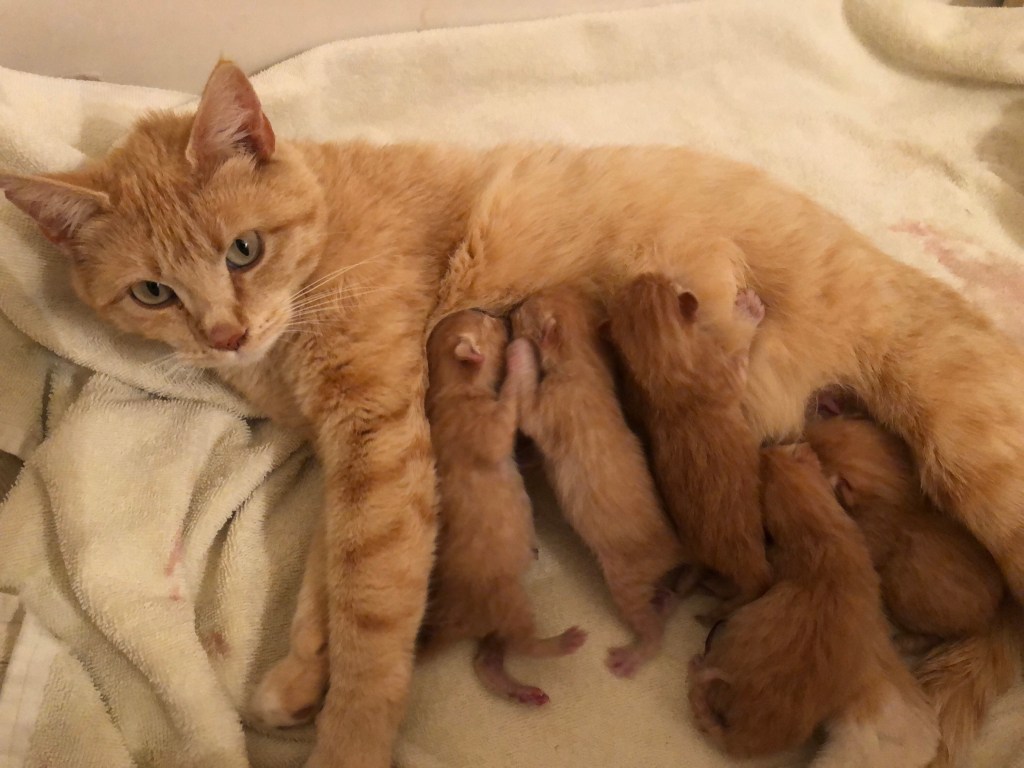
And then yesterday happened. Or rather, Yellow Cat happened yesterday. We knew she was ready to have kittens at any time, and I complacently assumed, this being her second litter, that she would be competent. Boy, was I wrong. I went down to do chores yesterday morning and found a pile of three kittens that appeared dead, in just about the worst place Yellow Cat could have had them. She was unconcerned. I honestly thought they were dead and rigored, and when I picked up the two that looked the most dead, they were unresponsive and stiff and cold to the touch. She didn’t appear to have really cleaned them, their fur was matted down, and I really mean it when I say they appeared dead, and I have seen plenty of dead animals to know what I’m talking about. This isn’t an “I’ve never had chicks before and one is stretched out luxuriously under the heat lamp and I think it is dead” situation. They looked dead. Very dead. One of the kittens, though, moved a little and made the tiniest sound. It looked pretty hopeless, but I can’t stand to walk away from something like that. I almost left the two most dead looking, but gathered all three up, stuffed them inside my vest and ran up to the house with them. In the back of my mind was the paramedic mantra, “They aren’t dead until they are warm and dead,” and after a mere few minutes under a heat lamp and on top of a (you guessed it) seed starting mat, they came alive.
Baby animals are incredibly resilient but also incredibly fragile, a strange dichotomy, and even as they warmed up I felt that it was probably futile, but I gave them a little milk replacer laced with corn syrup, enough to wet their dried mouths, and two of them did try sucking it off the cloth I was using. I finally rounded up Yellow Cat from down by the barn, who was sauntering around like she hadn’t a care in the world, and locked her up with them. Long story short, the three kittens all nursed, she had two more, and all five survived the night with their mother in the bathtub and are doing just fine. I am still pretty mad at that cat, though.
It is hard to believe that April is just around the corner. April, the first month of long days in the saddle pairing out the calving pasture, the first real month of springtime although snow is always a possibility. There is always something going on!
Support Song Dog Journal and share to social media!
The sourdough fad is going strong. I don’t really know when and how it became a fad, I just know it is. Aside from the social media points a person apparently gets if they make sourdough, there actually are reasons to make sourdough (wild yeast) breads versus commercial yeast breads. I won’t get into those benefits, other than to say any time something is fermented (like sourdough, milk kefir, yogurt, kombucha…), the nutritional content of that thing becomes more bioavailable and easy to digest.
I started the sourdough process a couple years ago, and quickly found myself getting lost in the various techniques and what felt to me like complicated processes. Although there is a wealth of information available online for sourdough baking, there is also a proclivity of many to overcomplicate what is actually an ancient and simple process. All I wanted to do was to be able to have fresh sourdough bread every week. I didn’t necessarily want to spend 8 hours babysitting a loaf of bread. The weight in grams of so many recipes also turned me away somewhat. Don’t tell me to bake bread like great-grandma did and then require the use of a digital scale or nitty-gritty weights and measurements.
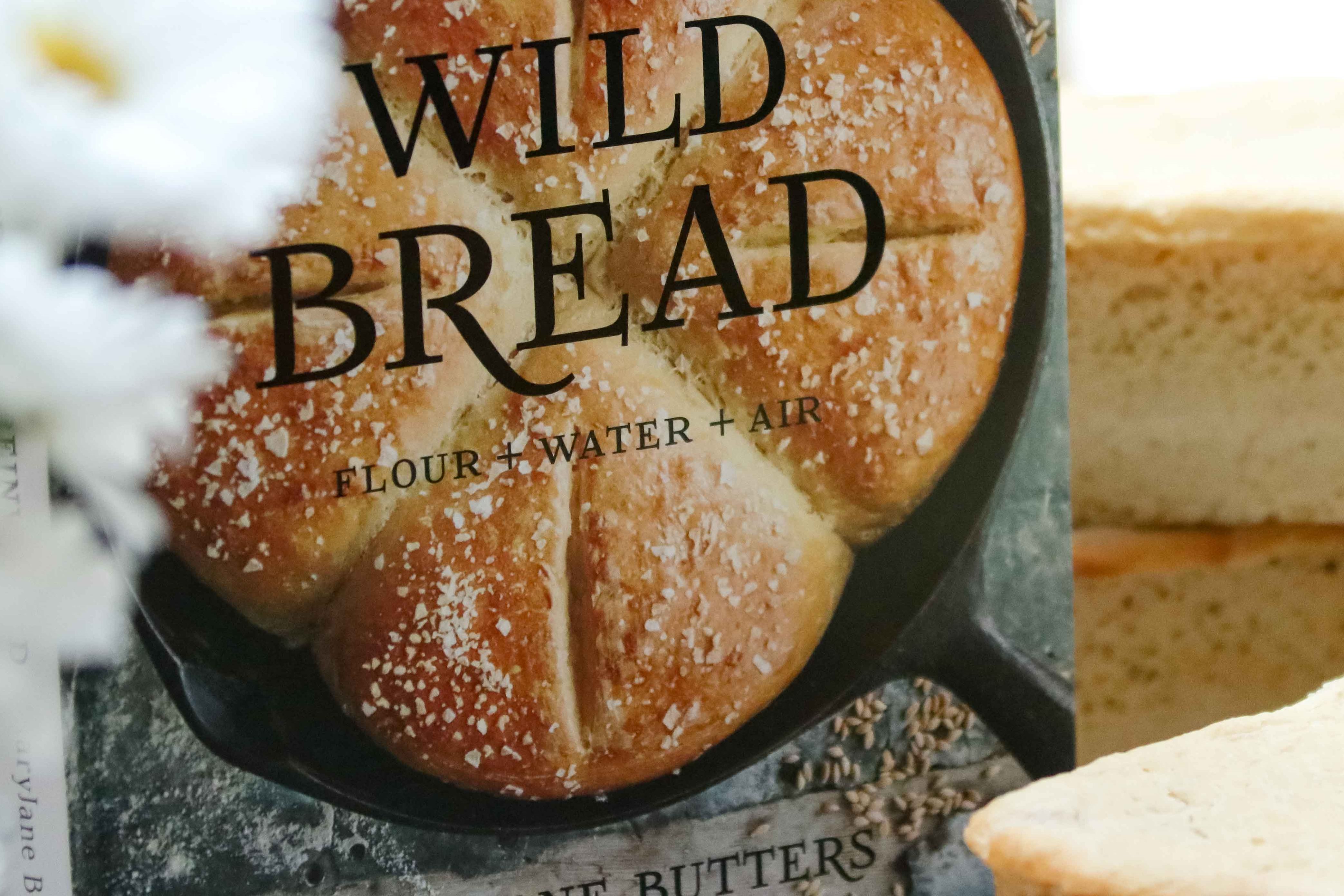
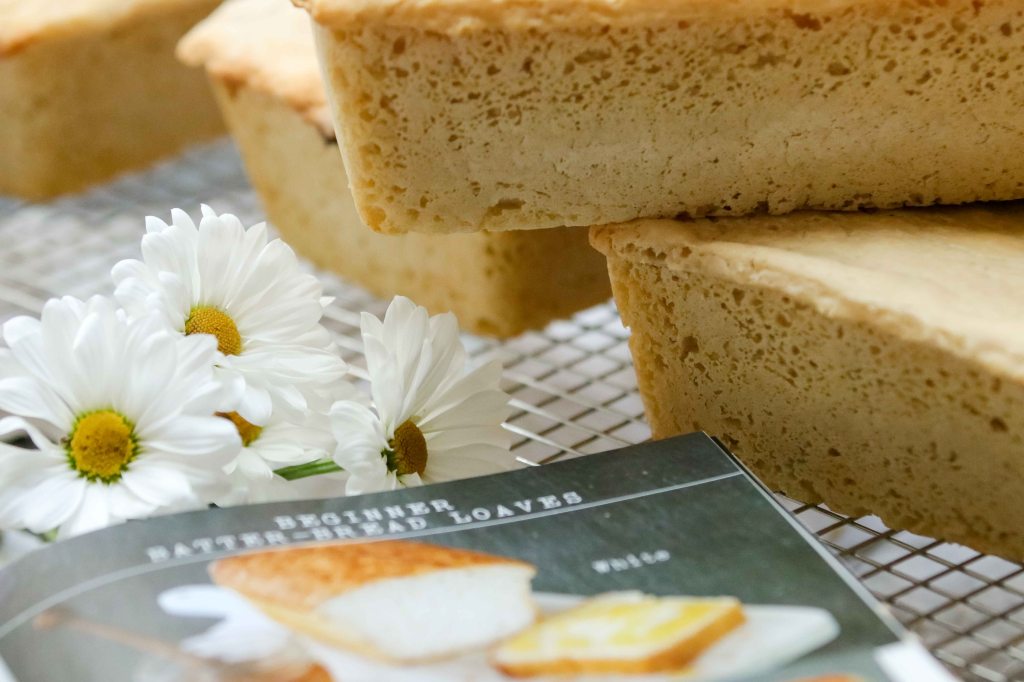
MaryJane simplifies the sourdough processes with simple recipes for delicious batter breads geared towards an immature starter (but that are perfectly fine for mature starters), kneaded and beautiful artisan-style loaves and other baked goods. All of her recipes include measurements for a variety of flours, including gluten free flour, as well as modifications for some flavored breads.
She walks the reader through getting a starter (or “mother,” as she calls it) going strong, including gluten-free starters, and makes recommendations on equipment to use. Many of the items she recommends can be easily approximated and likely are already in your kitchen, especially if you are content with simpler breads! So don’t be turned off by her extensive equipment list. She has recipes for artisan boules, baguettes, pizza crust, hamburger buns, sandwich loaves, and the list goes on, including some unique breads we don’t see a lot of here in the United States.
There a section of recipes for “sourdough enhanced treats,” such as savory herb and cheese muffins (delicious), a sourdough cake recipe, and let’s just say the sourdough cake donuts are already borderline famous around here. I have made them a handful of times and they never last long and always go over extremely well when we work cows!
The recipe I have used the most is her batter bread recipe. As mentioned above, batter bread is geared towards an immature starter, and the basic idea is that it is a batter that is fed daily for a week until there is enough “activated batter” to bake bread. At the time of baking, it has been fermenting slowly for a week and has a wonderful sour flavor, excellent texture, they are essentially foolproof, and all that without babysitting a loaf of bread. They aren’t the prettiest loaves, but I’m more about functional than fashionable when it comes to bread baking. Is it bread? Check. Does it taste like bread? Check. Can I put butter on it? Check. Does my husband like it? Check. Extra points if it freezes well, tastes nice and sour, and has a good moist and chewy texture. Check, check, check. In general, when I make batter bread, I do a double batch yielding four or five loaves, and then freeze the extras. They thaw out great and have been favorably received at family holiday gatherings as well!
I have heard this book touted as “the only sourdough book you will need.” I would tend to concur.
Support Song Dog Journal and share to social media!
So here’s the thing. I love to garden, but I can’t say I really enjoy babying temperamental and finnicky plants. It is hard enough to grow anything in the Black Hills without having to contend with plants that just want to die. There are some things that just aren’t worth it to me.
So when it comes to planning my garden and picking what to grow, the things I enjoy growing are the things that will do best without me helicopter-mom-ing them. Because the problem with helicopter-mom-ing a garden is that no matter my best efforts, the hail still might wipe it out. Or the grasshoppers might. Or a very late or very early frost. Or, or, or. It isn’t that I don’t enjoy cultivating or the challenge, but if I have to sweet talk a plant into living, then it just won’t do well in my garden.
Also, I really (really, really) don’t want to give something space in my garden (space is a commodity) and only end up with one of something. Unless it is a really big something. So whatever I grow has to be a good producer. Part of the reason I garden (a large part of it) IS self-sufficiency and seeing the grocery bill dwindle to next to nothing during the summer months, and feeling the satisfaction of meals cooked almost entirely from food grown by us.
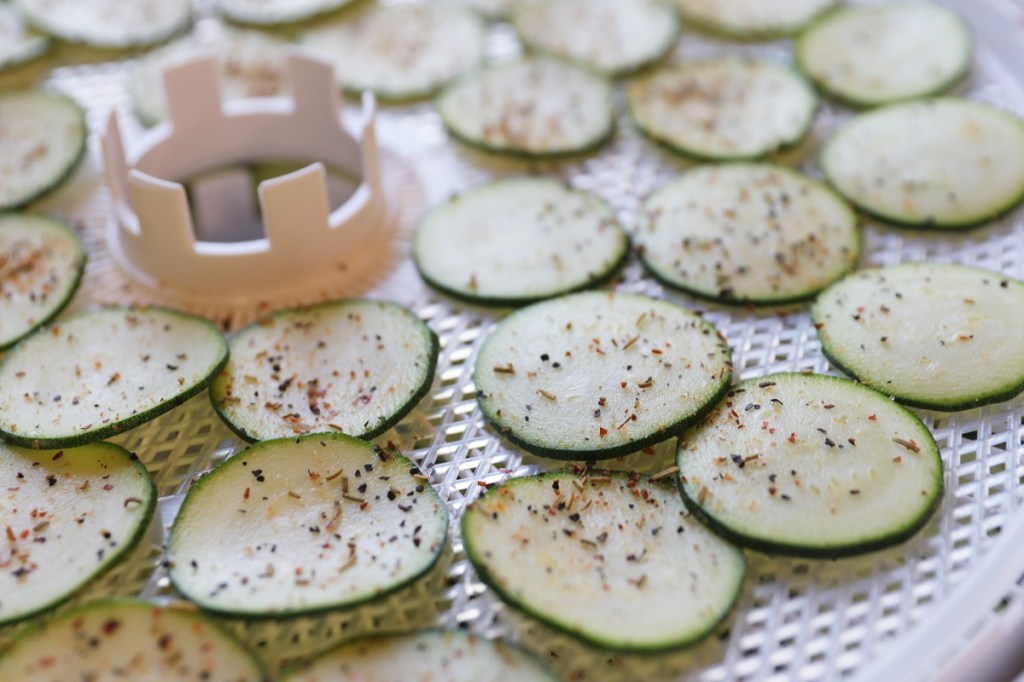
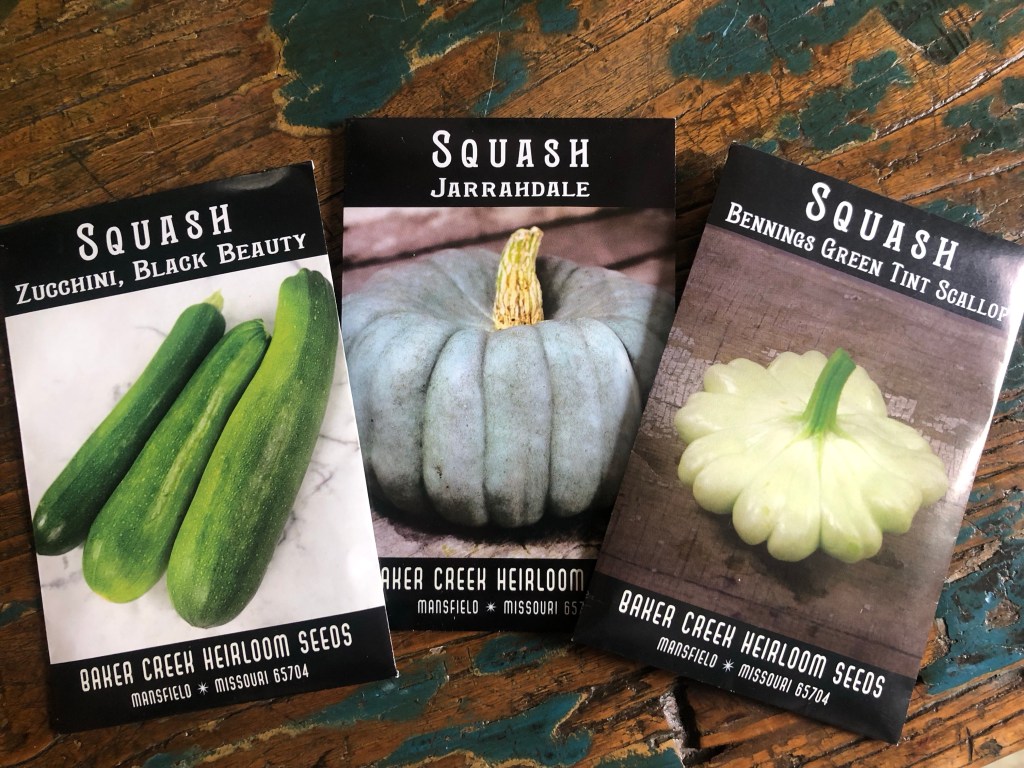
That’s why zucchini is one of my favorite things to grow. For real. Those weeds of plants can be totally wiped out by the hail and it will STILL come back and produce massive squash before the end of the season. And really, I do love growing zucchini. If you hate zucchini, don’t grow it, but it is incredibly versatile and such a great addition to salsa, sauces, soups, is a delicious snack dried, and I love it lightly sauteed or grilled, or even cubed and put into salads and pasta salads. And those massive zucchinis that get found in the late summer? They keep almost as well as winter squash, and are excellent grated and put into something, or even selectively sliced or diced and sauteed. Not quite as delicious as the smaller, tenderer zucchinis, but it is a widespread misconception that large zucchinis are inedibly woody and good only for zucchini bread. This poor veg gets a bad rap, probably because people in general lack the imagination to prepare it more than one way, but it is arguably the most versatile thing a person can grow in the garden, and one of the easiest. Consider it the gateway vegetable.
Hubbard squash is another favorite of mine. I grew it two summers ago (last year the hail wiped it out), and ended up with easily probably 100-150 pounds of great-keeping squash that we slowly worked on over the winter. Hubbards can get up to 40 pounds–The biggest I harvested was about 25 pounds. It can be used like a butternut or even a pumpkin, with bright orange, mellow flesh that bakes incredibly well. I loved to roast it and spice it up with some savory seasonings, and we’d eat it like mashed potatoes.
Basil is an herb I’m particularly fond of growing. It is very prolific, pretty disease resistant in my experience, and it is so easy to preserve it by chopping it finely with a food processer with some oil and freezing in ice cubes. The flavor is incredible.
As far as tomatoes go, Amish paste tomatoes are one of my favorites. They are great producers, especially in my greenhouse using strip-pruning to encourage fruiting, the texture is great, and they are so versatile. Big enough to slice for sandwiches, but fleshy enough for salsas or just eating straight off the vine, these have quickly become my go-to tomato.
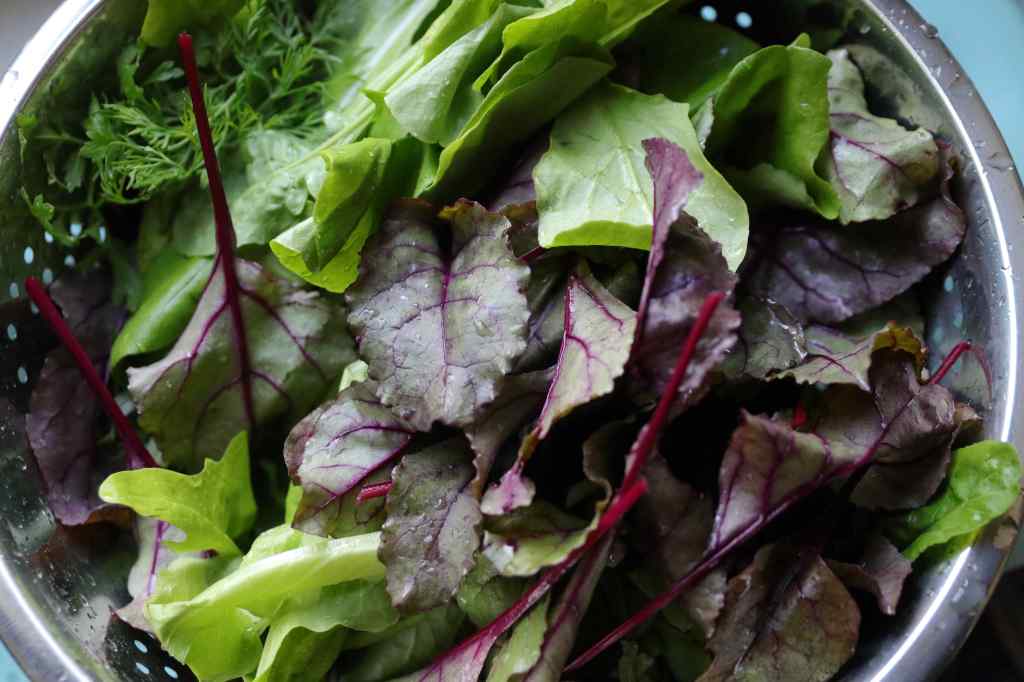
Chard, cress, arugula, and lettuce blends are also incredibly easy to grow, and once you’ve tasted a fresh-picked salad with spicy cress and arugula, a few sprigs of fresh dill, and a variety of lettuces, it is just hard to go back.
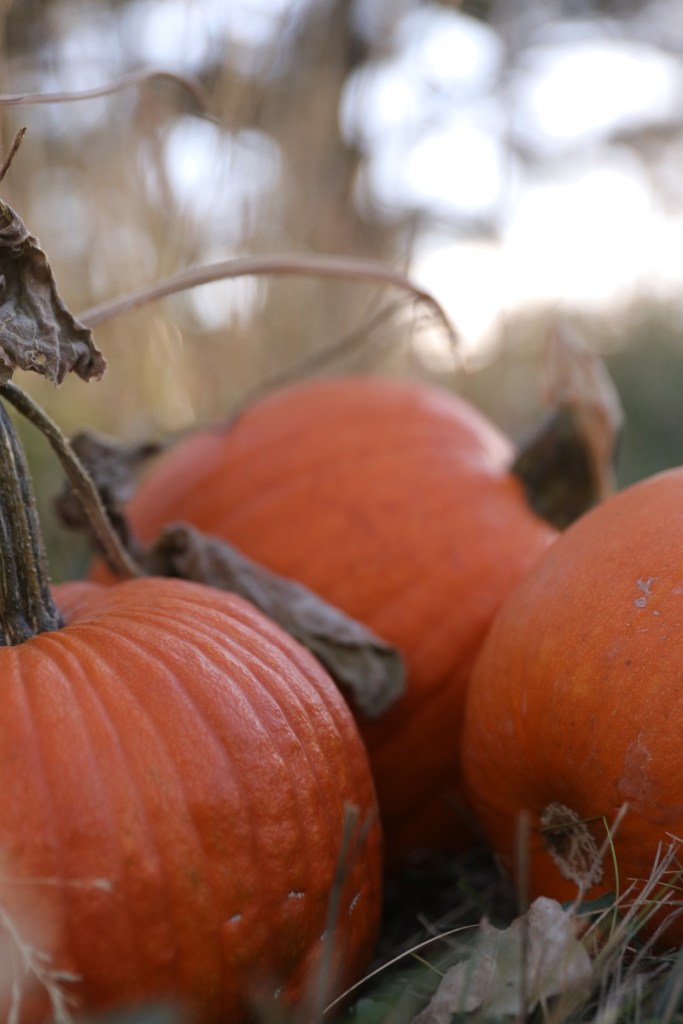
Some new things I’m excited to try are some different pumpkin varieties, including “Jarrahdale”, as well as “Fairytale” and “Rouge Vif d’Etampes”, for some color. These will all get planted at the edge of the garden so they can sprawl without having to corral them. I’m already looking hopefully forward to some fall decorating with a rainbow of pumpkins! I stumbled across a squash called a scallop squash, and decided to try those as well. Fortunately there are as many ways to eat squashes as there are squashes.
Radishes are another vegetable that will be a new addition this year–I discovered how delicious radishes are sauteed! They’ll be the kind of thing I can stick in here and there wherever there is a little space in the garden. A friend came by a bunch of extra seeds and passed a bunch to me, including a few different radish varieties.
And, because I’m a sweet little wife, I will be giving watermelons another try. I have a failed record at growing watermelons, but that and cherry tomatoes are basically the only things he specifically requests that I plant. And so I plant. And hope for better luck with my watermelons this year. Any tips would be gladly appreciated.
What are you growing this year?
Support Song Dog Journal and share to social media!