Originally printed in the Custer County Chronicle on 3-25-26
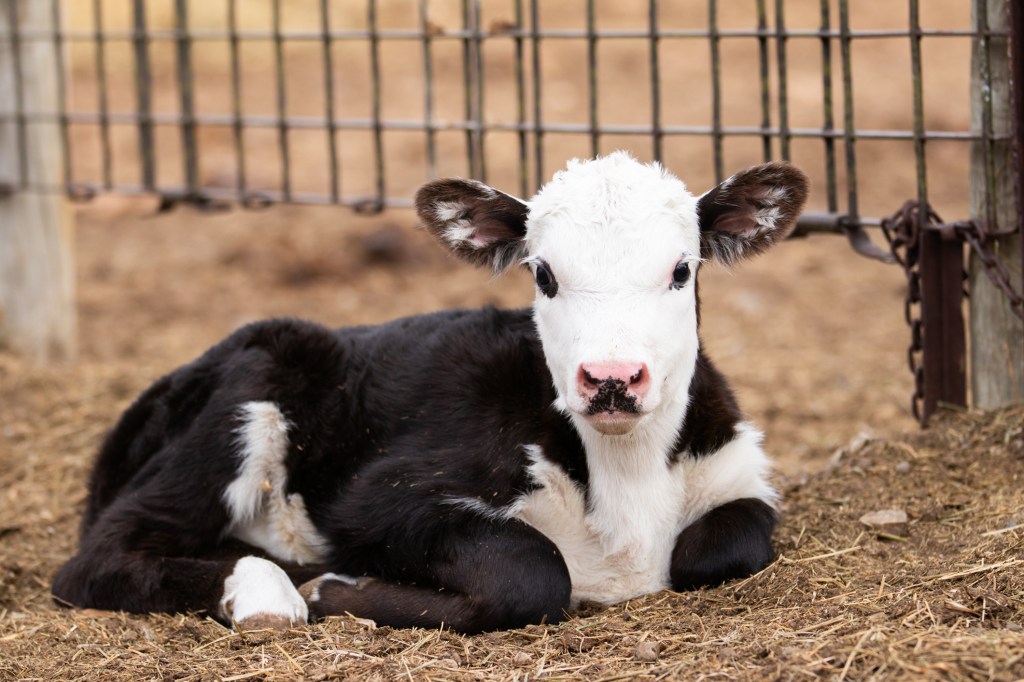
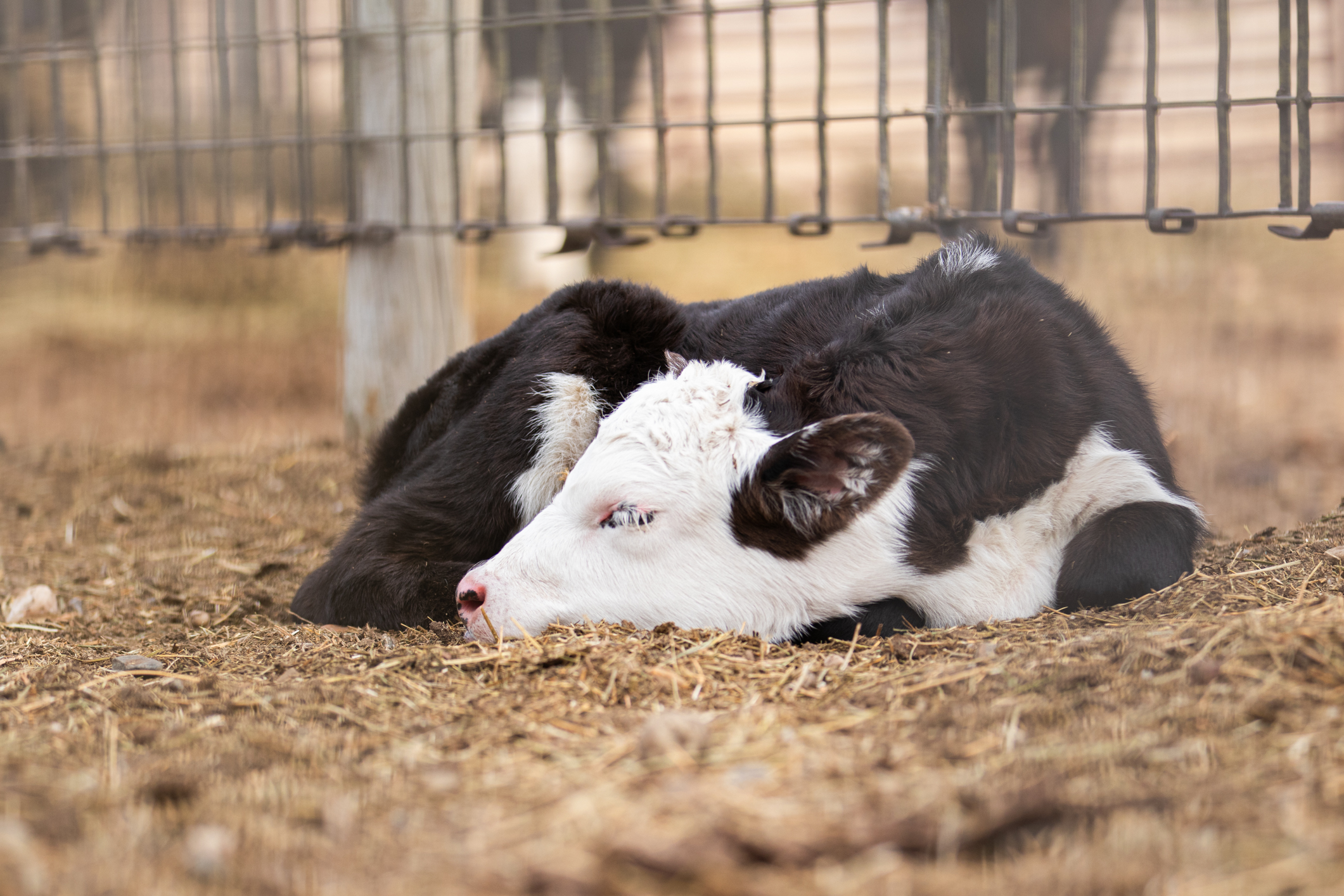
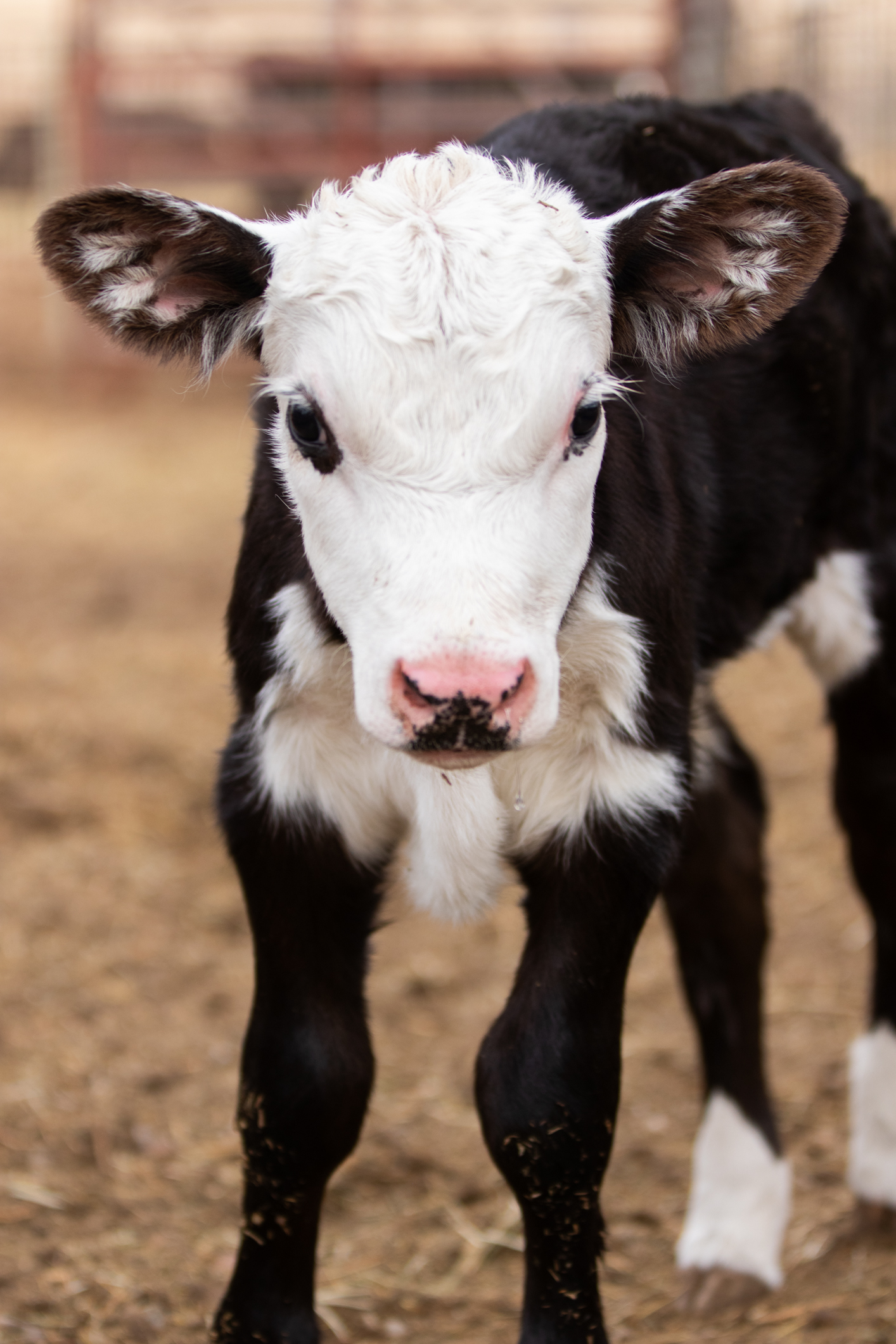
The calving season is well underway and we have an official Cutest Calf of 2026 nomination, and so far I haven’t seen anything that comes close to rivaling him for looks. His mama is a pretty little black baldy heifer, with a delicate white face, not blocky like some can be, and cute black eye patches. And her calf? Oh, man. He’s got so much white on his face that it extends to the backs of his ears, which are frosted white on the insides. He’s got a pink nose with black freckles, four white socks, a white belly, and a white tip on his tail. And you just have to look at him and laugh, he’s so cute. Most years, he’d look pretty out of place. So would his mother, for that matter. Because we are an Angus outfit, running Angus cows and about 50/50 Angus and Charolais bulls.
Anyone in the cattle business has preferences. Some of those preferences are based off of verifiable facts, and others of those preferences are based off stubbornness disguised as fact. Baxter Black knew something about this reality.
If you talk to an Angus rancher, the choice to run an Angus herd is supported by rattling off a list of the benefits of Angus cows, including things like mothering instinct and calving ease, over, say, Hereford cows which are known to be poor mothers and have terrible calving ability. However, if you talk to a Hereford rancher, their preference list includes things like mothering instinct and calving ease, over, say, Angus cattle, which are known to be poor mothers and have terrible calving ability.
Ranchers tend to like the cows that do well for them on their own ranch. Which happen to be the cows that they have bred to that ranch. There are strengths and weaknesses of different breeds, absolutely, but if we’re being quite transparent many of those strengths and weaknesses have less to do with the breed itself and more with the line of genetics that have proliferated, regardless of the breed. Poor feet, poor udders, unfavorable birthweight, poor temperament, risk of prolapse, all can be bred into or out of a herd, regardless of the breed of cattle being run. A healthy herd program includes an aggressive cull program.
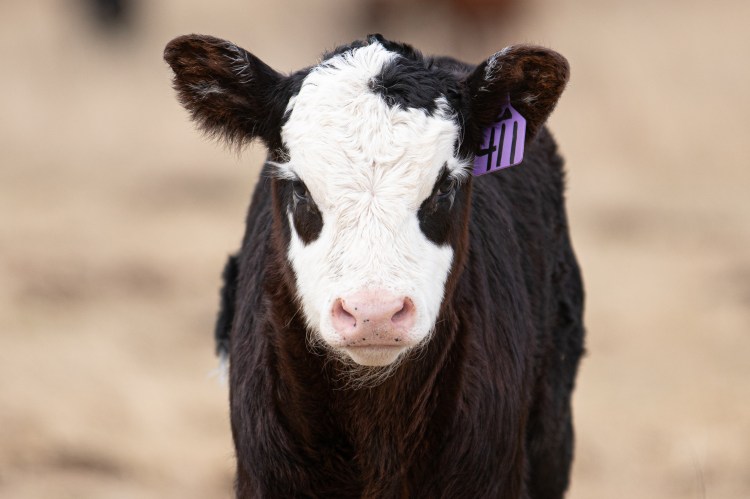
If you ask me, though, a lot of it (but certainly not all of it) boils down to this: the cute factor.
Of course, a crusty and stoic rancher wouldn’t call it that, but basically Angus ranchers like what Angus cows look like, Hereford ranchers like what Hereford cows look like, and so on. Pretty obvious. But what do I know?
What I do know is this: if you talk to enough rancher’s wives, you’ll find that the cute factor (which also accounts for general endearing-ness) is super important. Super important. Good thing ranchers are stubborn and opinionated, because their wives are, too, and if it were up to us, western South Dakota would eventually be overrun with odd and adorable crosses for which there is currently no market. If I was forced to pick between two cows, one of which had that loveable little tuft of hair sticking straight up between her ears? That one would stay every time, even if she was a bit of an airhead. The cuter the better. We’re just willing to unapologetically say it out loud, even if it gets us teased.
But you know how teasing often says more about the one doing the teasing than the one being teased? Yeah.
So, let’s circle back to the Cutest Calf of 2026.
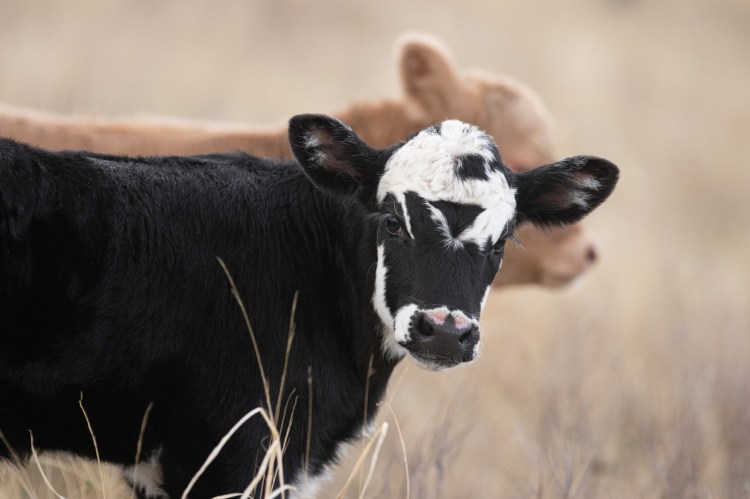
My father-in-law had a friendly little daily routine with the neighbor’s bull three years ago, who’d pay our cows a daily visit before being escorted back home. Everyone tries to keep this sort of thing from happening, but sometimes it just happens because of the logistics of pasture and water and whatnot. It got to the point that the bull would see Dave coming on the fourwheeler and just head himself back home. Suffice it to say he was a fertile animal, because the next spring, there was an impressive number of his progeny popping up all over the calving pasture, little baldy babies, brockle-faced babies, and a handful that looked straight Hereford. Boy, you knew who their dad was. Boy, they were cute. Boy, was there grousing. But it was mostly bluster, and I know this because of the number of baldy replacement heifers – and two that look straight Hereford – that were kept out of that calf crop by none other than my crusty father-in-law (don’t let him fool you; he’s really a big softie).
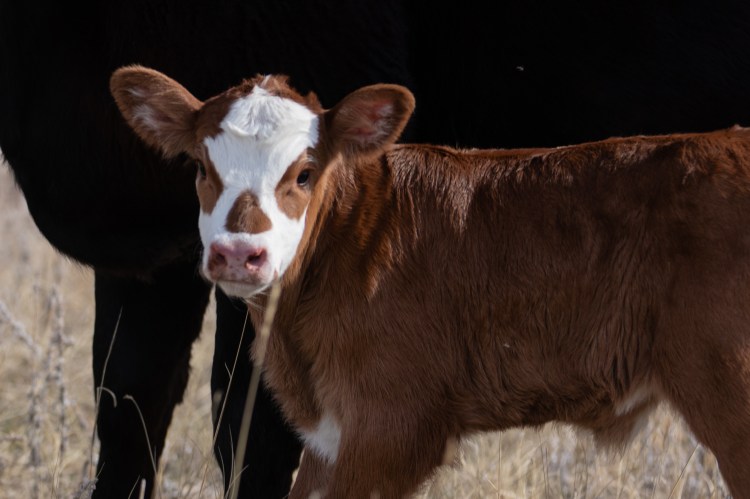
When my father-in-law teases me and pokes fun at me for my enjoyment of all the little baldy babies and brockle babies and the ones that look straight Hereford? I’m pretty sure I found the chink in his armor. He thinks they’re as cute as I do.
But it gets funnier.
This spring, we weren’t at all surprised when those same baldy replacement heifers calved baldy calves. That was pretty expected. But then one day a black heifer calved a baldy calf. We scratched our heads. Odd. Then another black heifer calved a baldy calf. And another. And another. We scratched our heads and racked our brains, and finally think we remembered the neighbor’s bull getting in with the heifers. One time. Once. Talk about getting it done.
But it gets funnier. They’re basically all my father-in-law’s. Including the Cutest Calf of 2026.
So, if you see my father-in-law, be sure to ask him about his Hereford-influenced breeding program. Rumor has it he’ll be starting to scope out Hereford bull sales in the near future.
 Song Dog Journal