Ranch Wife Musings | Never the Same Again

Originally printed in the Custer County Chronicle on 9-9-2026

If you know cows, you likely are familiar with the rather bored expression a mother cow has while her 5-month-old calf is headbutting her udder. It is eloquent. In fact, it is an expression I’m pretty sure I’ve gotten good at myself. Who knew babies could nurse standing on their heads? Or that they would wake you up in the middle of the night grabbing your teeth? The sweet infant stage is over. The exact circumstance that prompted it escapes me at the moment, but last week the sentence “Life will never be the same again” ruefully escaped my lips. I will hastily add that it was humorously rueful and not bitterly so, having something to do with suddenly having a 10-month-old toddler who is now walking, signing, expressing opinions, and getting into trouble, all while flashing me a completely toothless, very gummy smile. The meek and mild infant stage is over. Very over. Life will never be the same again.

But would I want it to be?
I’ve been struck by how much of our life we spend wishing for something different than what we have, and banking on change. Better pay, a more fulfilling job, more friends, deeper friendships, a spouse, a bigger house, a new paint job, a car with better gas mileage, more opportunities to travel or recreate. So much emotional effort is spent wishing for things we don’t have, and trying to bring about very specific change, sometimes manipulating our circumstances to ensure change.

And then I’ve also been struck by how much of our life we spend pining for what we used to have (always through rose-colored glasses, I might add), bemoaning the changes we’ve been subject to. A smaller mortgage, or no mortgage, a less-demanding job that leaves more time for other things, the emotions of dating, the emotions of the honeymoon stage, more time to ourselves, more freedom, less demands on our time and effort, quieter evenings, or whatever.

Sometimes, we waste precious effort trying to prevent change that is inevitable. Sometimes, the change we are willing to receive will come only through embracing the change we are resisting.

We are comfortable with change that is convenient. We are uncomfortable with change that is not. We are comfortable with change that doesn’t ask anything more than we are willing to give up. We are uncomfortable with change that does ask more than we are willing to give up. We are comfortable with change that is comfortable. We are uncomfortable with change that is not. Comfortable change is the kind that comes with very little demand from us. Uncomfortable change sometimes requires a whole paradigm shift. It requires bending and even breaking, healing and growing, so that ten years from now you look back and say, “I’m not who I was.”

And the difference between the two? A lot of times? Our attitude.

Do we want to change? Or are we so in love with the present version of ourselves and our lives that we can’t bear to allow change to inconvenience us?

The complaints people tend to have about marriage and family generally boil down to self. You get married and suddenly another person can place demands on your time and energy. You no longer are at liberty to do what you want when you want, or fill your schedule without considering your spouse, and then you add children to the mix? Oh, boy.

We live in a self-obsessed culture. It makes sense, then, that marriage and family, institutions that are inherently inconvenient and wonderfully change-bringing, would be at an all-time low in popularity. The marriage rate has plummeted 60% in the last 60 years, the birth rate has plummeted, and the most dangerous place in the United States right now is inside a mother’s womb. Clearly, we have a crisis in the marriage and family department.

We may be obsessed with certain types of self-improvement (i.e. comfortable change), but we don’t readily commit ourselves to things that actually change us, deep inside. If something requires sacrifice, a change of priorities, a reordering of life, a giving up of self-interest, we balk.

A challenging child? A painful season of marriage? Seemingly endless sleepless nights nursing a baby? A schedule turned topsy-turvy by the needs of a wee little one? A season of want or scarcity? Years of loneliness? Disappointment? Pain or grief?

It is exactly those circumstances we tend to do our utmost to avoid. And it is exactly those circumstances that have the ability to bring about incredible change in us at a fundamental level.

A challenging child can make you a more patient person. A difficult season of marriage can create deeper love and commitment. Sleepless nights instruct you in the preciousness of someone else’s needs. Want and scarcity can drive us to a depth of gratitude we never knew before. Years of loneliness can teach the true value of friendship. Even the pain of betrayal can teach the sweetness of loyalty. Disappointment can help us learn contentment. Pain or grief can teach compassion.

I want to be a more patient person. A more loving and committed wife. I want to have a deep appreciation for the needs of others. I desire greater gratitude in my own heart. I want to be more compassionate. And I don’t want to be the same person 10 years from now that I am today.

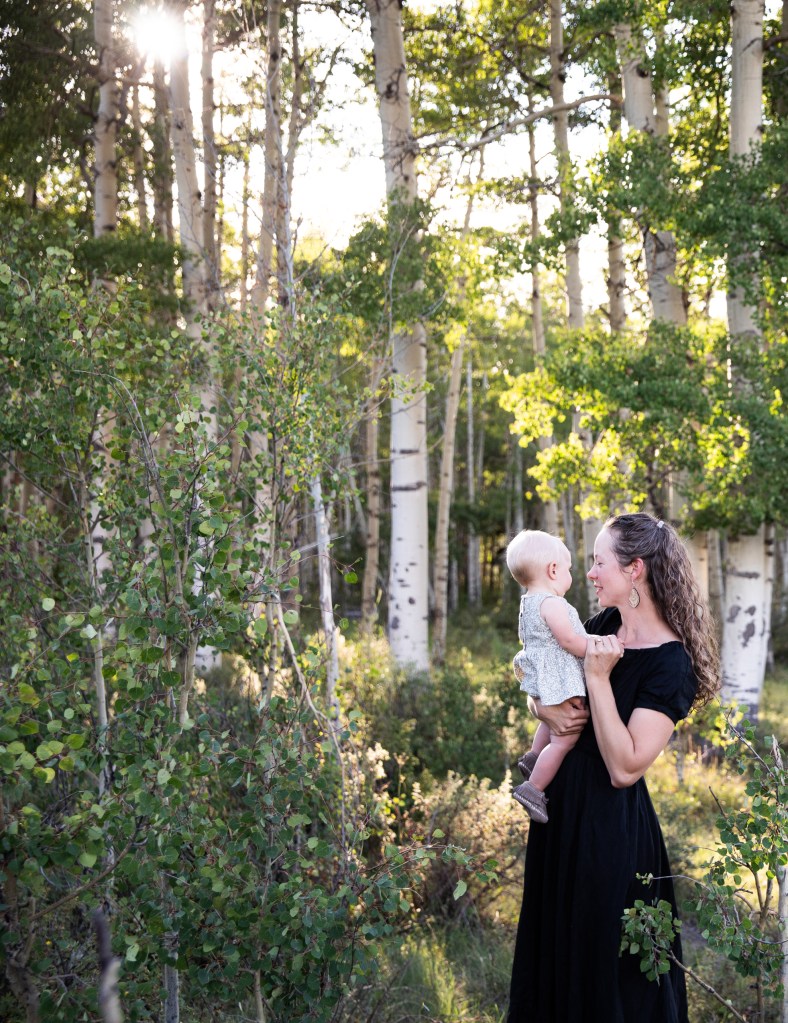
I watch Felicity toddle around the house, watch her explore and learn and experience delight at every turn. That toothless smile, her funny little gestures and mannerisms, her baby babble, and her bubbling laughter. Her precious love. Her sense of humor. Watching her face light up when Daddy comes home. Seeing her giggle hilariously at the dogs and other animals. It is absolutely delightful.

This isn’t the life we had a year ago, or four years ago. Our schedules have shifted, our evenings look different, my routines and productivity have changed. Can you relate?

And no, life will never be the same again. But, friend…would you want it to be?
Ranch Wife Musings | The Cute Factor

Originally printed in the Custer County Chronicle on 3-25-26

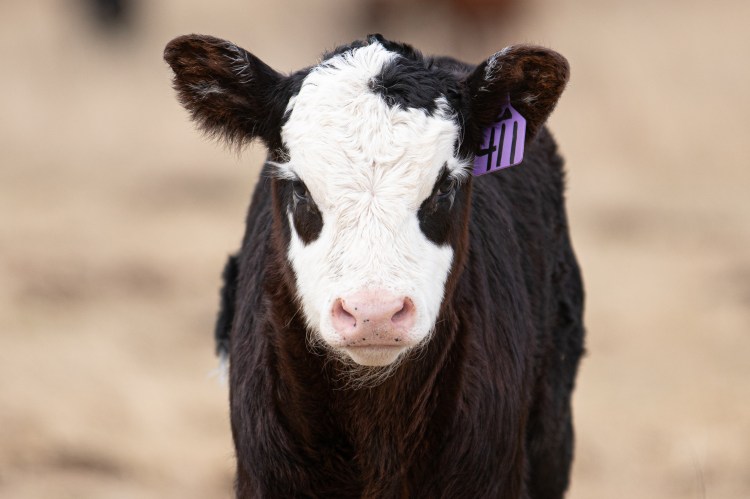
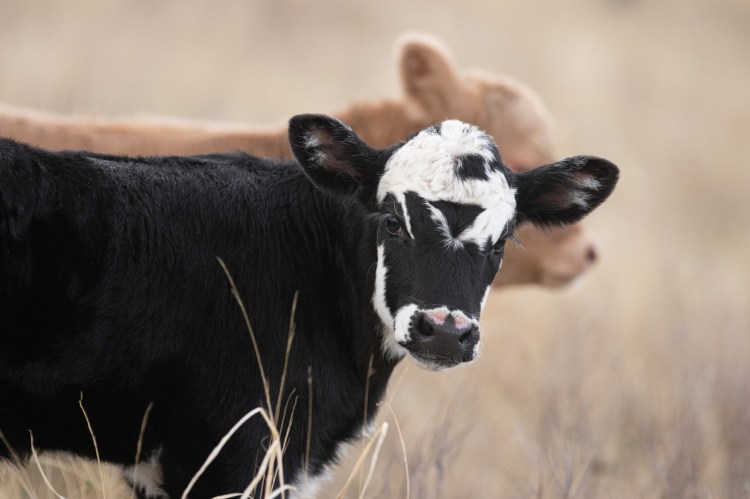
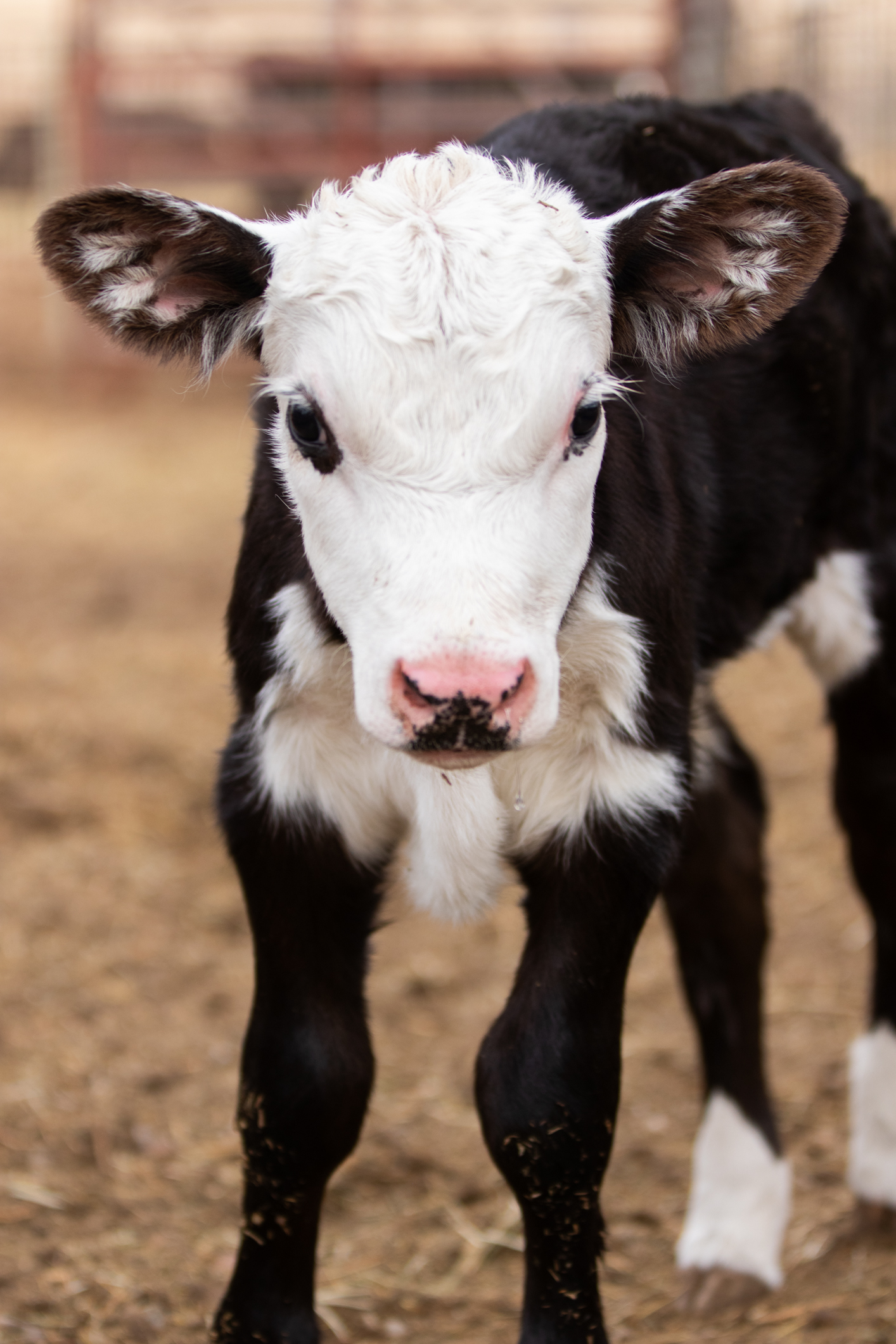
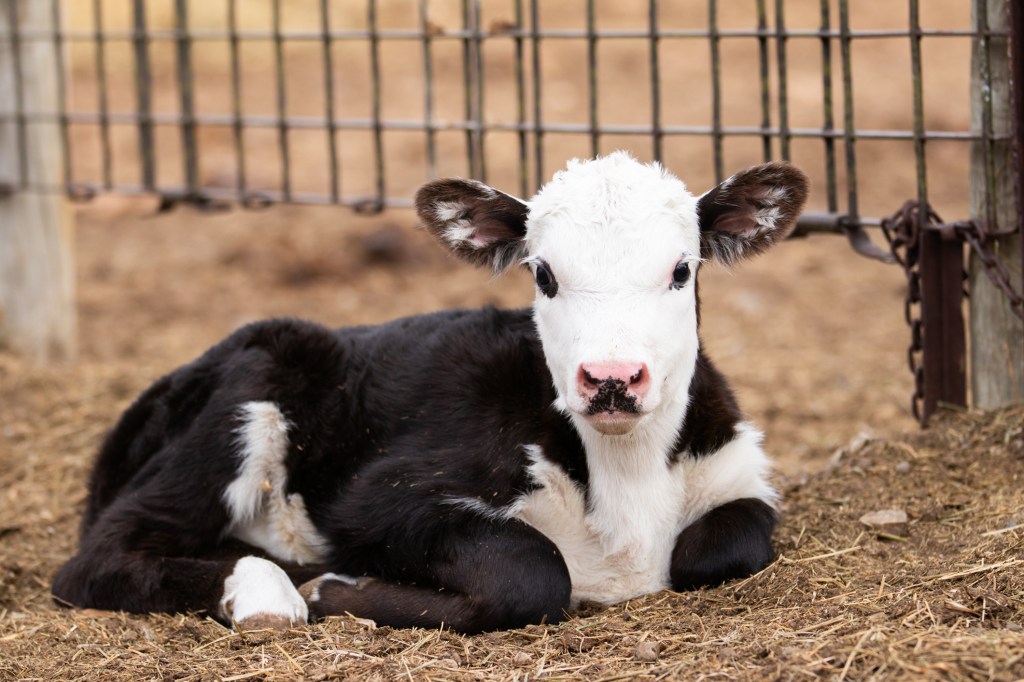
The calving season is well underway and we have an official Cutest Calf of 2026 nomination, and so far I haven’t seen anything that comes close to rivaling him for looks. His mama is a pretty little black baldy heifer, with a delicate white face, not blocky like some can be, and cute black eye patches. And her calf? Oh, man. He’s got so much white on his face that it extends to the backs of his ears, which are frosted white on the insides. He’s got a pink nose with black freckles, four white socks, a white belly, and a white tip on his tail. And you just have to look at him and laugh, he’s so cute. Most years, he’d look pretty out of place. So would his mother, for that matter. Because we are an Angus outfit, running Angus cows and about 50/50 Angus and Charolais bulls.

Anyone in the cattle business has preferences. Some of those preferences are based off of verifiable facts, and others of those preferences are based off stubbornness disguised as fact. Baxter Black knew something about this reality.

If you talk to an Angus rancher, the choice to run an Angus herd is supported by rattling off a list of the benefits of Angus cows, including things like mothering instinct and calving ease, over, say, Hereford cows which are known to be poor mothers and have terrible calving ability. However, if you talk to a Hereford rancher, their preference list includes things like mothering instinct and calving ease, over, say, Angus cattle, which are known to be poor mothers and have terrible calving ability.

Ranchers tend to like the cows that do well for them on their own ranch. Which happen to be the cows that they have bred to that ranch. There are strengths and weaknesses of different breeds, absolutely, but if we’re being quite transparent many of those strengths and weaknesses have less to do with the breed itself and more with the line of genetics that have proliferated, regardless of the breed. Poor feet, poor udders, unfavorable birthweight, poor temperament, risk of prolapse, all can be bred into or out of a herd, regardless of the breed of cattle being run. A healthy herd program includes an aggressive cull program.

If you ask me, though, a lot of it (but certainly not all of it) boils down to this: the cute factor.

Of course, a crusty and stoic rancher wouldn’t call it that, but basically Angus ranchers like what Angus cows look like, Hereford ranchers like what Hereford cows look like, and so on. Pretty obvious. But what do I know?

What I do know is this: if you talk to enough rancher’s wives, you’ll find that the cute factor (which also accounts for general endearing-ness) is super important. Super important. Good thing ranchers are stubborn and opinionated, because their wives are, too, and if it were up to us, western South Dakota would eventually be overrun with odd and adorable crosses for which there is currently no market. If I was forced to pick between two cows, one of which had that loveable little tuft of hair sticking straight up between her ears? That one would stay every time, even if she was a bit of an airhead.  The cuter the better. We’re just willing to unapologetically say it out loud, even if it gets us teased.  

But you know how teasing often says more about the one doing the teasing than the one being teased? Yeah.

So, let’s circle back to the Cutest Calf of 2026.

My father-in-law had a friendly little daily routine with the neighbor’s bull three years ago, who’d pay our cows a daily visit before being escorted back home. Everyone tries to keep this sort of thing from happening, but sometimes it just happens because of the logistics of pasture and water and whatnot. It got to the point that the bull would see Dave coming on the fourwheeler and just head himself back home. Suffice it to say he was a fertile animal, because the next spring, there was an impressive number of his progeny popping up all over the calving pasture, little baldy babies, brockle-faced babies, and a handful that looked straight Hereford. Boy, you knew who their dad was. Boy, they were cute. Boy, was there grousing. But it was mostly bluster, and I know this because of the number of baldy replacement heifers – and two that look straight Hereford – that were kept out of that calf crop by none other than my crusty father-in-law (don’t let him fool you; he’s really a big softie).

When my father-in-law teases me and pokes fun at me for my enjoyment of all the little baldy babies and brockle babies and the ones that look straight Hereford? I’m pretty sure I found the chink in his armor. He thinks they’re as cute as I do.

But it gets funnier.

This spring, we weren’t at all surprised when those same baldy replacement heifers calved baldy calves. That was pretty expected. But then one day a black heifer calved a baldy calf. We scratched our heads. Odd. Then another black heifer calved a baldy calf. And another. And another. We scratched our heads and racked our brains, and finally think we remembered the neighbor’s bull getting in with the heifers. One time. Once. Talk about getting it done.

But it gets funnier. They’re basically all my father-in-law’s. Including the Cutest Calf of 2026.

So, if you see my father-in-law, be sure to ask him about his Hereford-influenced breeding program. Rumor has it he’ll be starting to scope out Hereford bull sales in the near future.

Let it Snow

Originally printed in the Jan/Feb 2026 issue of Down Country Roads Magazine

In the dreary midwinter months, I can’t ever quite put my finger on it, on what makes it so special, but there is something about a snowfall day that feels like a holiday. Having left the brightness of December behind, the series of festivities that leave the heart merry, January and February can stretch on eternally into an expansive dreariness, hard on the eyes and heavy on the heart. But at the first light sight of a fresh, heavy snow sifting down, gently swirling in a lightening sky, something in me lightens as well.

Yes, there can be the dreaded storms that are termed “calf killers,” particularly in March and April (which also happen to be the storms that fill dams, and ready the ground for growing grass, and do a world of good on a ranch), and there can be the similarly deadly or just plain miserable cold snaps, where temperatures plummet for days or weeks on end.

But then there are those midwinter storms, with the grey, heavy sky, clouds seeming to rest in the tops of the trees, and the million flakes tumbling, floating, whirling earth-ward, like downy feathers or falling stars, without wind, with a friendly sort of cold. The settling peace is almost overwhelming, the whiteness dazzling, as a transformation happens to the dreary, midwinter world.

Maybe it is simply the welcome interruption to the daily, winter routine – From dusting the vehicles off to shoveling the deck to stomping a trail down to the barnyard to do chores, snow creates an interruption, and jars us out of routine.

Maybe it is the complete and utter transformation of a bleak midwinterscape – Brown hillsides are beautified, with snow to soften the contours; dirty corrals and calving lot are made momentarily clean, with snow to keep the dust down; barren branches of oaks and cottonwoods, piled with snow to hide their barrenness – All is made gentler, softer by a fresh layer of gleaming white.

Maybe it is the heightened awareness of the otherwise invisible – Winding ribbons of a deer trail that appear in that first dusting; drab little birds dipping and diving around the feeder, feathered acrobats that normally fade into a weary, winter backdrop; the tiniest trails of tracks in the snow, from clump of grass to stump to rockpile, evidence of the invisible lives of field mice and rabbits and other mundane critters; bright blue of a jay, cheerful against the white; shreds of threads of the autumn’s last spider webs under the eaves, gathering flurries.

Maybe it is the recollection of the enchantment of childhood, hours spent outside as the snow piled up, snow angels and snowball fights, snow forts and snowmen, until fingers and toes were numb and nose was red.

Whatever it is, whatever the cause, there is magic in a midwinter snow.

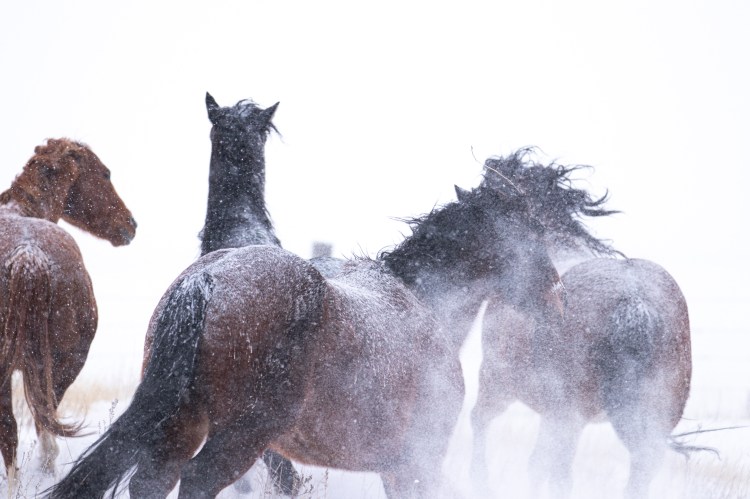
Swirling eddies dance against the barn and the shop and the chicken coop, depositing drift upon drift upon drift, and heavy chore boots swish softly through the fresh-fallen snow. Chickens wade comically through the snow as it deepens, breaking their own little path to the water tank down below, or their favorite spots around the yard. The geldings kick up their hooves and create a ground blizzard, dashing through the snowy pasture, a little extra vim and vigor, a little extra fire smoldering cheerfully in the mild-mannered critters. Such a snow transforms everything.

And from the indoors looking out, at the snowglobe world, shaken and all stirred up? Warmth feels warmer, coziness feels cozier, and an hour with a book is sheer delight.

Spring will come soon enough. So, let it snow!

Ranch Wife Musings | What’s in Your Cup?

Originally printed in the Custer County Chronicle on 1-1-2026

As you sit and enjoy a hot cup of coffee on this first day of 2026, poring over the contents of this wonderful, small-town paper, your dog, whom you generally love, comes up next to you and sticks her nose under your elbow in a friendly bid for affection. Up goes her nose, up goes your elbow, and everywhere goes the scalding hot coffee. 

Why?

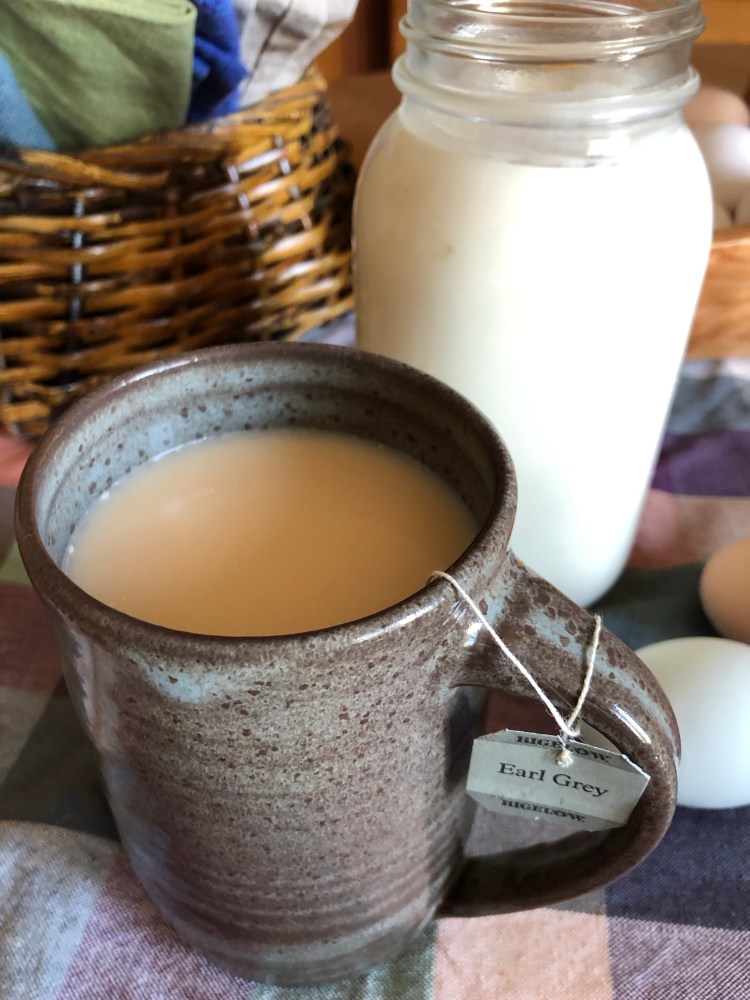
Our first instinct, of course, is to blame the jostle (or whoever or whatever caused it) for the coffee excitement. But the fundamental reason coffee came out of the cup is because coffee is what was in the cup. If you had been sticking to your New Year’s resolutions and drinking water first thing in the morning, water would have spilled out. Tea, and tea would have spilled out. Less coffee, and maybe nothing would have spilled or only a few drops.

The problem really isn’t the jostle. The problem is the contents of the cup.

Every time an old year fades away in the rearview and a New Year approaches, unfolding before us with all of its newness and freshness, life begs to be assessed, and although some scoff at New Year’s resolutions, I think we miss a wonderful opportunity for change if we fail to at least do some self-reflection, taking stock of the old year and making some goals for the new one.

We’re pretty good at a cursory, surface-level assessment, tending to zero in on things like a number on the scale or a dollar amount in a savings account, things that are pretty non-threatening, not overly challenging, and not overly crushing if we fail. We tend to focus on things that inflate our own egos, reinforce our sense of self-importance, and have no real lasting benefit for anyone.

So I’m going to assist us in this meaningful self-reflection by posing a question: What is in your cup? When you get jostled, what comes out?

Because the jostling doesn’t lie. Whether the jostle is someone who cuts you off in traffic, or hitting every red light on the way to church, getting stuck in the longest checkout line at the store, or clumsily dropping something and making a mess.

Oh, you don’t relate to any of those? How about your crying baby at midnight after three hours of walking the floor, or the spouse who fails to respond to you in just the right way, or the cow that cuts back and jumps over a fence and spoils the gather?

Still nothing? Okay, the boss that patronized you in front of your coworkers, the morning alarm that had the audacity to go off, the wrong man in political office, the toothpaste you got on your shirt as you’re running late to an appointment, the chair that stubbed your toe, or the dog that got into the garbage.

If somehow none of these ring a bell, I promise you’re not exempt. Use a little creativity and come up with a few jostles just for you.

We call those jostles, those circumstances that provoke a response, “stressors.” Annoyances. Provocations. Some of them wouldn’t annoy everyone. Some are just sort of innately annoying or inconvenient. But it is the response that is key, not the stressor. If a stressor is applied and something ugly spills out, the issue isn’t the stressor. The issue is that something ugly was in there to be spilled out in the first place. All of us have those stressors, because ultimately all of us have ugliness in us that, given the right provocation, will spill out.

So I ask again, what is in your cup? When you get jostled, what comes out of you? Is it ugliness and spite? Or is it goodness and graciousness? Is it profanity and vulgarity? Or is it tempered words? Is it anger or gentleness? Is it bitterness or forgiveness? Is it hate or love? Is it stinginess or generosity?

In Paul’s letter to the Galatians, he gives them this list that he calls the Fruit of the Spirit: Love, joy, peace, patience, kindness, goodness, faithfulness, gentleness, and self-control. Self-control rounds out the list of virtues, reminding me that with all the virtues the precede it, there are still parts of us requiring restraint. There is still something there needing to be controlled. There is an ugliness needing to be rooted out.

So, when you get jostled, what comes out? When you get cut off in traffic, does your heartrate spike and you see a little red, and do you yell into your windshield? When a cow acts like a cow when you’re working cows, do you respond with anger and vulgarity, maybe even taking it out on those around you? When your spouse fails to respond just so, do you respond with bitterness and resentment? When you stub your toe, do you spew profanity? When your alarm goes off and you weren’t ready for the day, do you grumble and grouse as you leave the house? What comes out? If it came out, it is fundamentally because it was in there, not because you got jostled.

What would it look like if we all examined the contents of our cups, and then did something about those contents? The contents of our cups are often a direct reflection of what we are actively (or passively, without thinking) pouring into them, in the form of social media, entertainment, and the company we keep, for instance. Sometimes the contents reflect not so much what we’ve poured in, but what we’ve failed to root out.

What if we determined to change what we poured in? What if we poured in so much goodness that there wasn’t room for anything else? What if we were so bathed in the goodness of God and His Word, what if we were so filled with the Fruit of the Spirit, what if we so filled our minds and hearts with good words, kind words, true words, loving words, that when jostled that is what came out?

Would the end of 2026 look any different than the end of 2025 if you were to fill your cup differently? How would it change your relationships? The peace in your home? The dynamic in your family? The strength of your marriage? Your performance at work?

What’s in your cup?

Room for Peace

Originally printed in the Nov/Dec issue of Down Country Roads Magazine

The coffee percolator perks to life in the sleeping house. A little ribbon of red streaks the eastern horizon, and a handful of scattered stars gleam coldly in the pale, colorless sky, above the leafless trees. There are gentle sounds of waking, throughout the house and from the yard. A horse whinnying as the geldings come in for their breakfast. The first call from the roosters down in the chickencoop. Distant yipping from a pack of coyotes, and sleepy howls from the black-and-whites, not quite ready to get up.

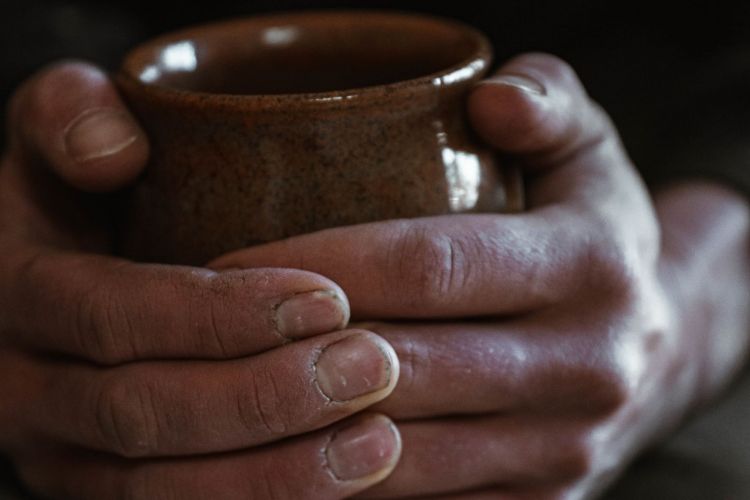
Fingers wrap tight around steaming cups of coffee while the waking sun, reluctant to rise, comes to grip with the morning at hand. We sip a little slower, savoring the slowness. And in that lingering a little longer over the ritual of coffee, waiting for first light and the day to begin, there is peace. Quiet. Tranquility. Watching as the sky gradually brightens and lightens and the day begins.

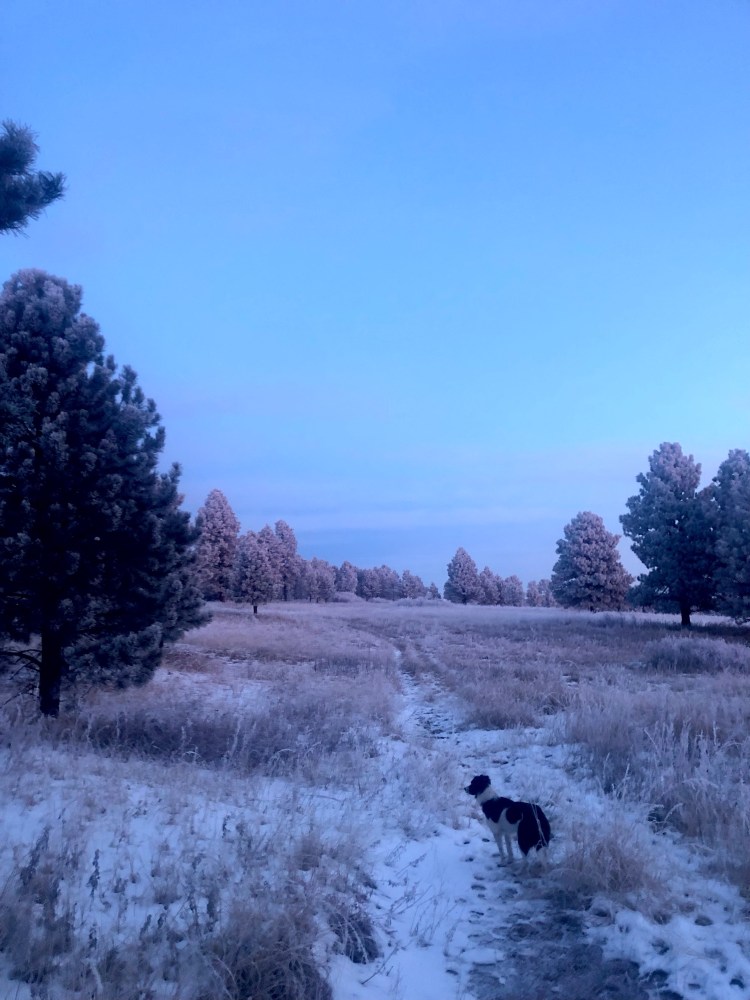
In those first frosty mornings of the early winter when every breath is a cloud of white, in those last showers of golden-brown leaves, late to fall and carpeting underfoot, in the first skim of ice on the watertanks, or the first snow, there is peace, a hush and a feeling of reverence and bursting joy, as those first warming rays of daylight stream across the silvered or snowed-over landscape. Winter is on its way. Winter is here.

With the happy chaos of autumn behind us, with the fall calf crop weaned and sold, with heavy cows out to pasture and the garden put to bed, there settles in another sort of peace, and I guard it jealously. It is the peace of belonging, of nostalgic remembrances, of the past colliding with the present. A different kind of peace. I guard it, in customs my husband and I have built, for the two of us and our growing family, in the simple Thanksgiving gatherings and the quiet search for the perfect Christmas tree, in the songs and carols, the Advent observances, and the handful of choice festivities that punctuate this season with rejoicing. I guard it, in the traditions passed down generation to generation, in the worn recipe cards and the tastes and smells of the season. We turn for sweet refuge to the familiar, cherishing the dear faces gathered close around the feast-day tables, family and friends dear as family, hearing the beloved voices mingle together in their tale-telling and laughter. There is peace. Sweet peace.

The setting sun, earlier and swifter, sinks below the ridge behind our house, sinking into the pines as the sky above flames red, lighting for one intense and rosy moment the Badlands and Sheep Mountain Table miles and miles away to the east. The settling chill, first harbinger of true winter, bites a little. The shorter days and the crisper evenings chase us inside sooner, and we flee to the warmth and golden light, to the peace of comfort, a hot meal, and love of family, and the pastimes that sweeten the long winter evenings. And as the day draws to a close, in peace we lay our heads down. 

A midnight wakeup and a gaze at the winter sky fills the mind with wonder – Crisp and cold, the inky sky above dazzles with a million stars, brighter than they ever are in the spring and summer, when the slightest haze dulls their brilliance. They are reflected back in glittering frost. What splendor, and only for those awake when everyone else is asleep. And in that awestruck gaze, there is room for peace, the peace of beholding brilliance and knowing to Whom the wonder is due, and from Whom the peace comes.

And in the hush of midnight, or the wee hours of snowy morning, there is the peace of safety and security, in the slow breathing of spouse nearby, the sleepy whimper of a dog dreaming a good dream, and soft infant sounds of needs met and sleep embraced.

In that hush, there is room for peace.

Tilting Sunlight, Shifting Shadows

Originally printed in the Sept/Oct 2025 issue of Down Country Roads Magazine

Have you noticed it yet? That sweet tilt in the sunshine and the new shadows beneath the trees? There is something in those shadows, something bittersweet, but mostly sweet, nostalgic, ethereal and otherworldly, as the light shifts and changes.

The cottonwoods along Spring Creek begin to turn, and the mundane becomes splendid, tossing their boughs in the gentle breezes of late September. Their shadows reach, longer and earlier and deeper, the sunlight tangling in their golden leaves, like sunlight in a wealth of golden curls.

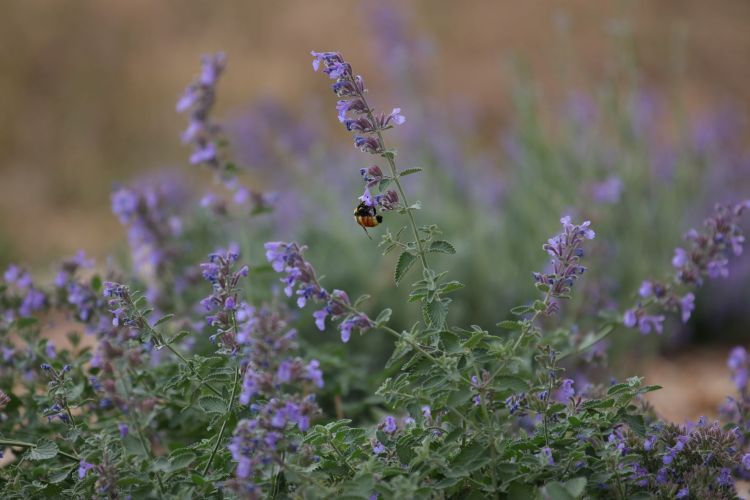
Have you tasted it yet? The rich air, the golden air, clear and sweet like honey, and those first hints of autumn’s spicy breath, that unmistakable fragrance of dying leaves and cooling earth. Nights are longer and lengthening, windows thrown open to the fresh, cool breezes, a welcome change. Mornings begin cool and cooler, with more and more layers as the weeks go by. Bees drone and sleep on the last of the flowers, and the season of harvest settles in.

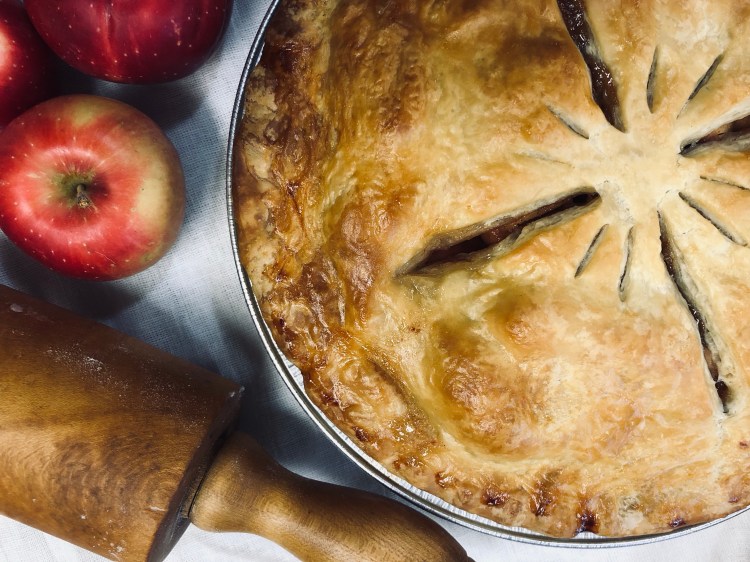
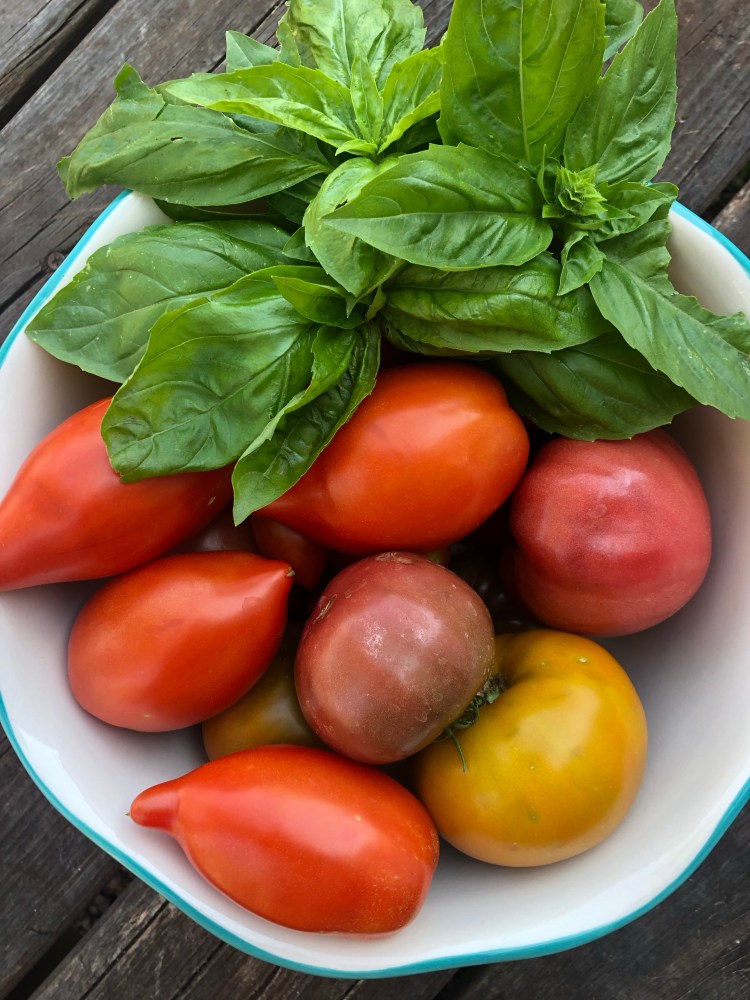
Summer’s partnership with sun and sky continues, as tomatoes blush red and winter squash takes on all the gold of autumn. Apples are stained pink in those first little suggestions of frost, and clothing swings gently on the line outside, taking a little longer in the cooler air. The cattle are fat and content, fat enough and with grass enough to look to the future with optimism.

How does the summer slip by so fast? It always comes in with a sense of suddenness, and then doesn’t seem overly hurried to leave, until all at once the dog days are behind us and winter is approaching, and gold is gleaming in all the ravines and on open hillsides where fires or pine beetle left room for aspens.

With autumn comes a feeling of rest, on the one hand, relief from the heat and the endless watering and weeding, praying for rain, warily watching the sky for hail or dry lightning, checking wells and grimly looking over dry dams, but it is a rest made quietly urgent by the sense of preparation. Because we know the winter is right around the corner.  

Cattle are trailed home, and are worked, their calves nearly ready to be weaned. Ranchers watch the markets, eagerly eyeing sale after sale as the big calf rush approaches, when you finally find out if your year will pay off.

Feed is bought, and bales are yarded up, preparation against the certain uncertainty of the winter months, where the only certainties are that the days will be short and the season long. How much snow? How cold? No one can say.

The garden bounty is gathered in, a topsy-turvy, helter-skelter sort of ingathering, as the nights get cooler and the first frost looms nearer and nearer, though always an unknown.

The harvest plenty is put up, and the canner bubbles and clatters, the dehydrator hums, and slowly the freezer fills. A long winter is made a little shorter with the enjoyment of autumn’s plenty.

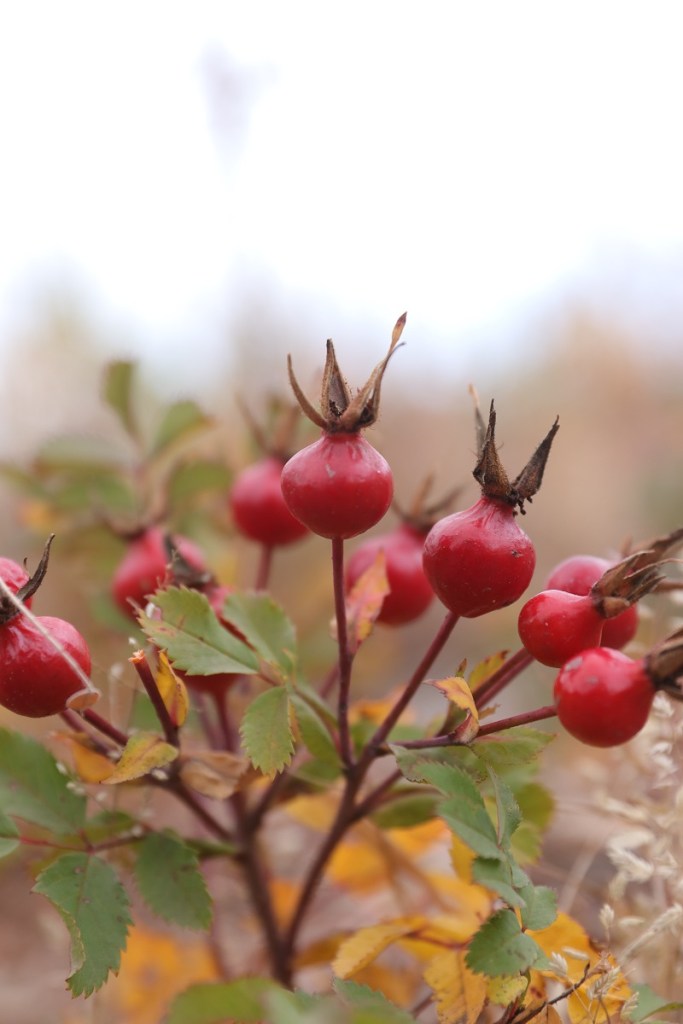
The last of the flowers are brought tenderly in from the garden, another reminder of summer’s bittersweet passing. The last, lingering wildflowers fade of summer’s brilliance, but the goldenrod and asters, sunflowers and rosehips still glint and glitter here and there.

Autumn is a reminder of impermanence. Even the longest seasons, the hardest seasons, do drift away. Fruitful or fruitless, summer will pass and a new season will take its place. Whether it was a summer of struggle or a summer of song, the next season always comes, bringing with it its own challenges, its own joys.

Autumn is a reminder of the beauty of change. When summer is at its peak, how easy it is to marvel at the riot of colors, from the dazzling blue of the sky to the towering thunderheads to the tapestry of wildflowers in the pastures. In spite of ourselves, the earlier sunsets and later sunrises of autumn strike a little pang in the heart. But only at first. Because autumn comes in, with all her sweetness, all her spice, with vim and vigor and golden glory, and the end of summer becomes just a memory, a sweet memory. And we welcome autumn with open arms, all her tilting sunlight, all her shifting shadows.