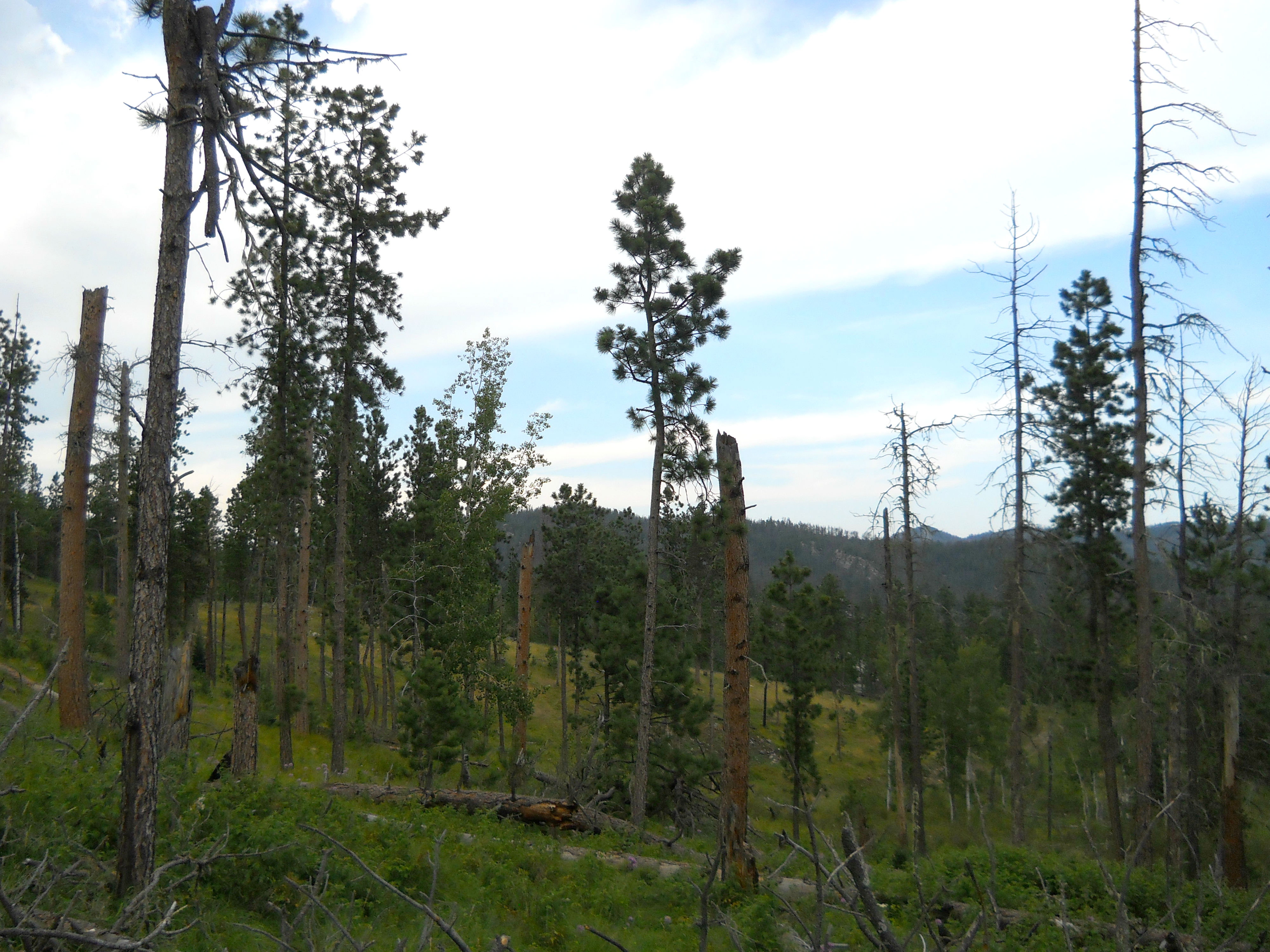
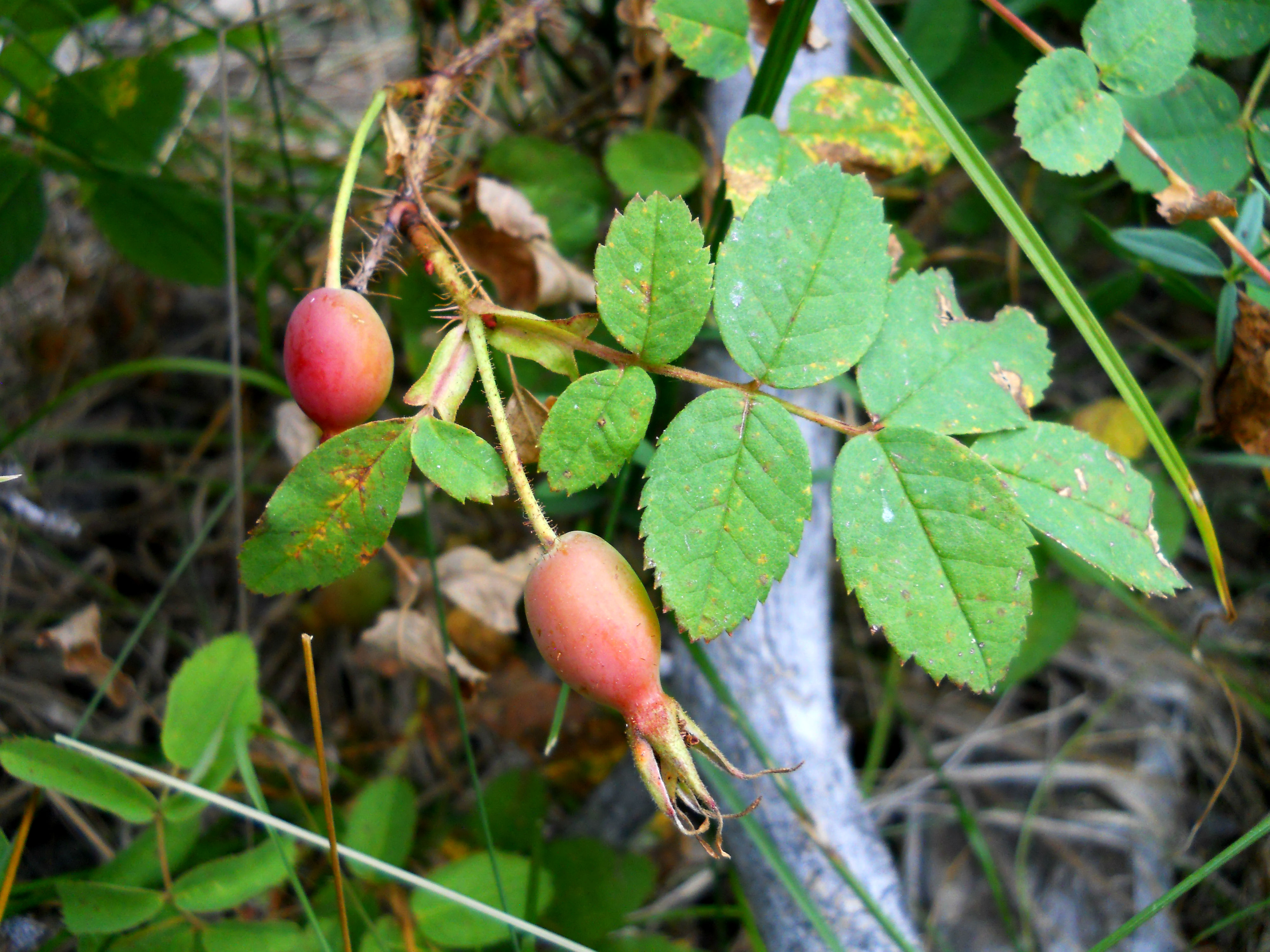
There is something mysteriously delightful about the process of gleaning from Creation’s garden and being able to process and store and enjoy the homemade food. It was chokecherries earlier this summer, and now it is rosehip season. 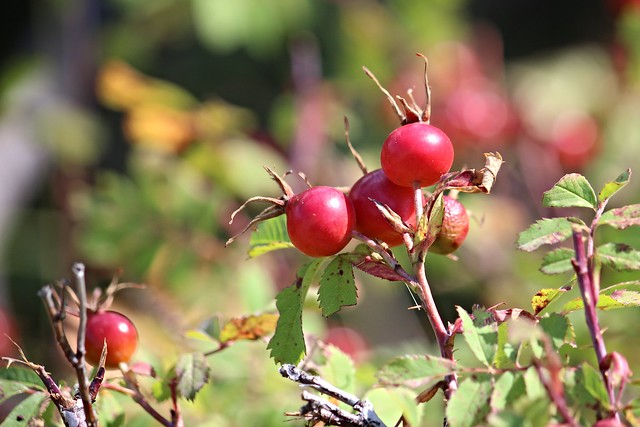 Last summer while hiking, we found a huge (secret) area of wild rose brambles, laden with the beautiful red-gold fruits of the rose. By the time we got to them, though, it was quite late in the season and many of the fruits were overripe and dry, so we really didn’t get enough to do anything with them. This year, however, we hit them at their peak! Mom and I spent an hour or two west of Custer picking rosehips, and came home with about 3 quarts of fruit. Harvesting rosehips isn’t as productive as harvesting chokecherries, but it is worth it. This afternoon, I processed the hips and turned them into the most beautiful honey-colored jelly. It is recommended to pick rosehips after the first killing frost for the best sweetness – Custer had it’s first frost back in August, at which point I doubt the hips would even have been ripe. Either way, the jelly is very flavorful. I found the jelly recipe online, since this isn’t an inherited project!
 Wild Rosehip Jelly
8 c. rosehips, with stems and ends removed (should yield 3 cups of juice)
1/2 c. lemon juice
1 package pectin
1/4 tsp. butter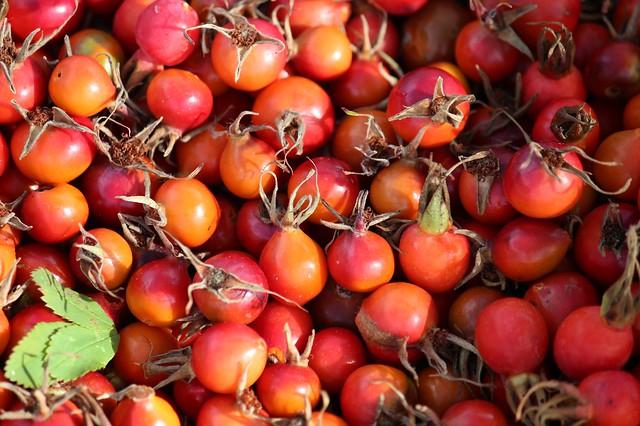 Juice Extraction: In a large pot, cover rosehips with water and bring to a boil. Boil for about 20 minutes, mashing fruit to a pulp as it softens. Rosehips contain tiny fibers or hairs around the seeds, which can cause irritation to the throat, so these must be strained out. Strain fruit pulp through a cheesecloth-lined collander or a jelly bag, saving the juice and setting the pulp aside. Put pulp in a pot and again add water to cover. Simmer again briefly and strain again. Discard pulp. If necessary, use fruit pulp and water once more to get to the necessary 3 cups of juice. For every 8 cups of rosehips, you should get at least 3 cups of juice – I used 12 cups of fruit, roughly, and easily had enough juice for a double batch. Juice extraction is not a science. There are many methods!
  Jelly: Add 1/2 cup lemon juice to 3 cups rosehip juice. Stir in 1 package of powdered pectin. Stir well. Let the juice mixture come to a rolling boil, stirring constantly. Once it boils, stir in the 3 1/2 cups of sugar, stirring constantly. When sugar has dissolved, add 1/4 tsp. butter, to prevent foaming. Bring to a hard boil. Boil for 1 minute, stirring constantly.
 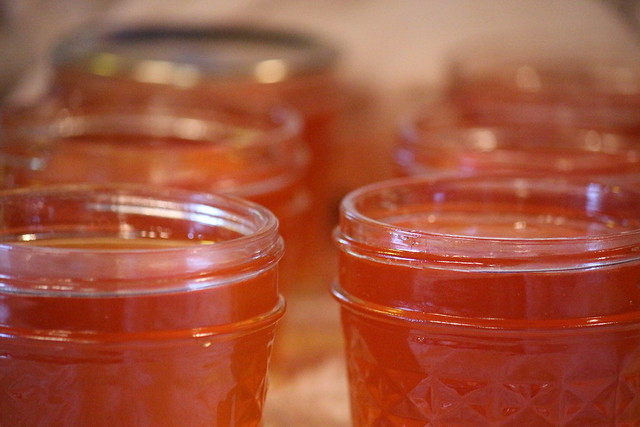 Remove from heat. Let sit briefly and skim, keeping the skimmings for a taster. Pour into sterilized jars, leaving 1/4 inch head space, and seal with two-piece canning lids. Process in a hot water bath for 10 minutes.
 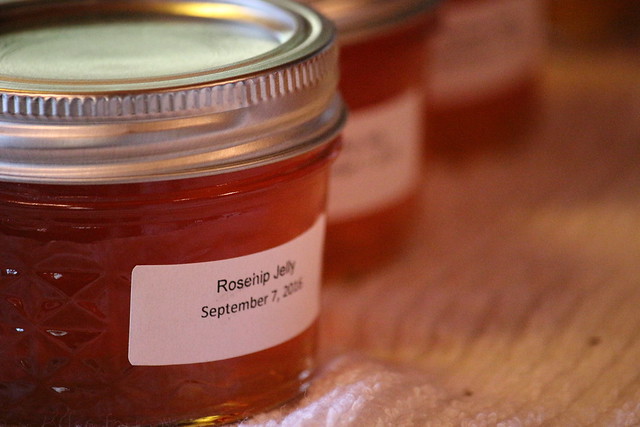 Jelly making is rather captivating – I am planning a trip back west of Custer to pick more rosehips this weekend!





 Song Dog Journal