Ranch Wife Musings | A Worthwhile Pursuit

Originally printed in the Custer County Chronicle on Aug. 13, 2025

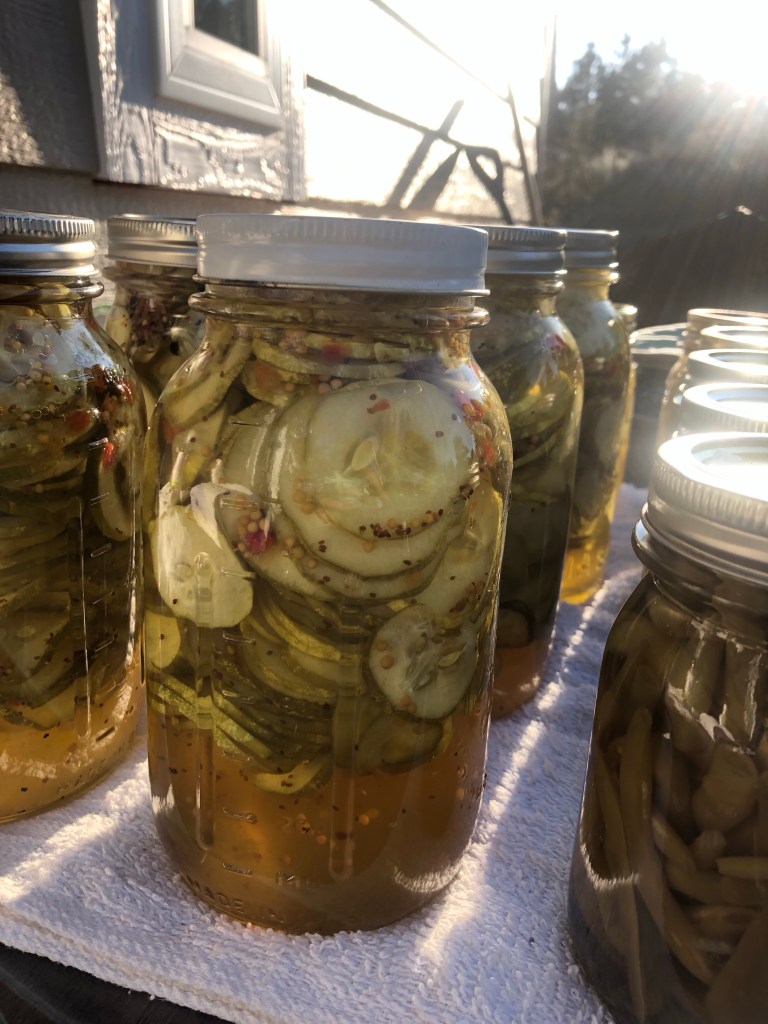
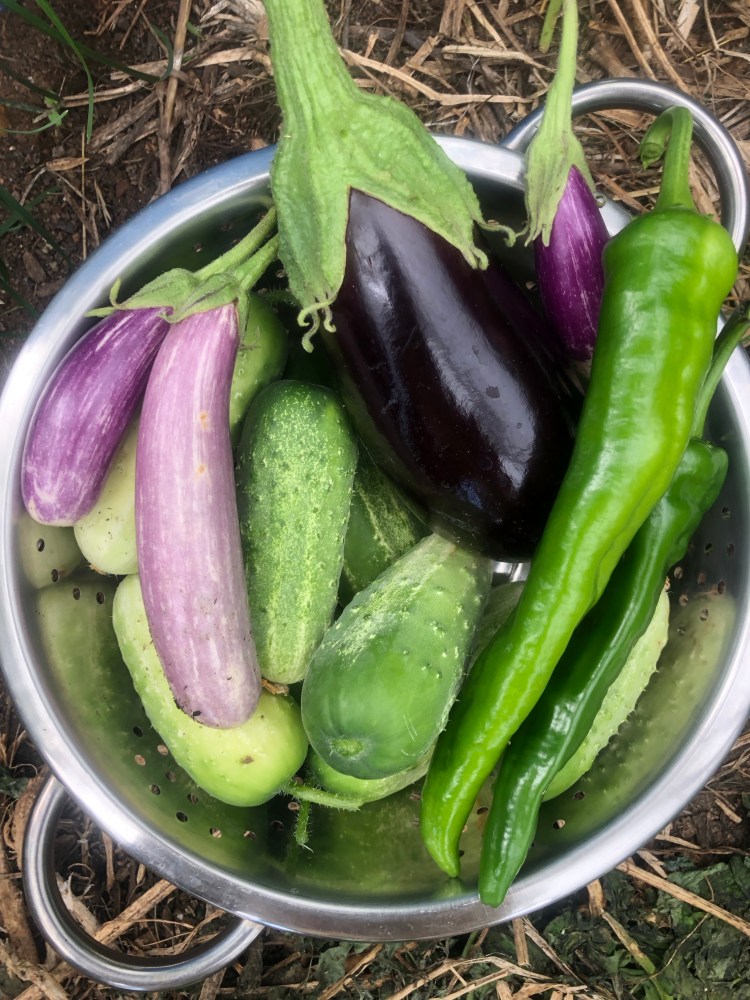
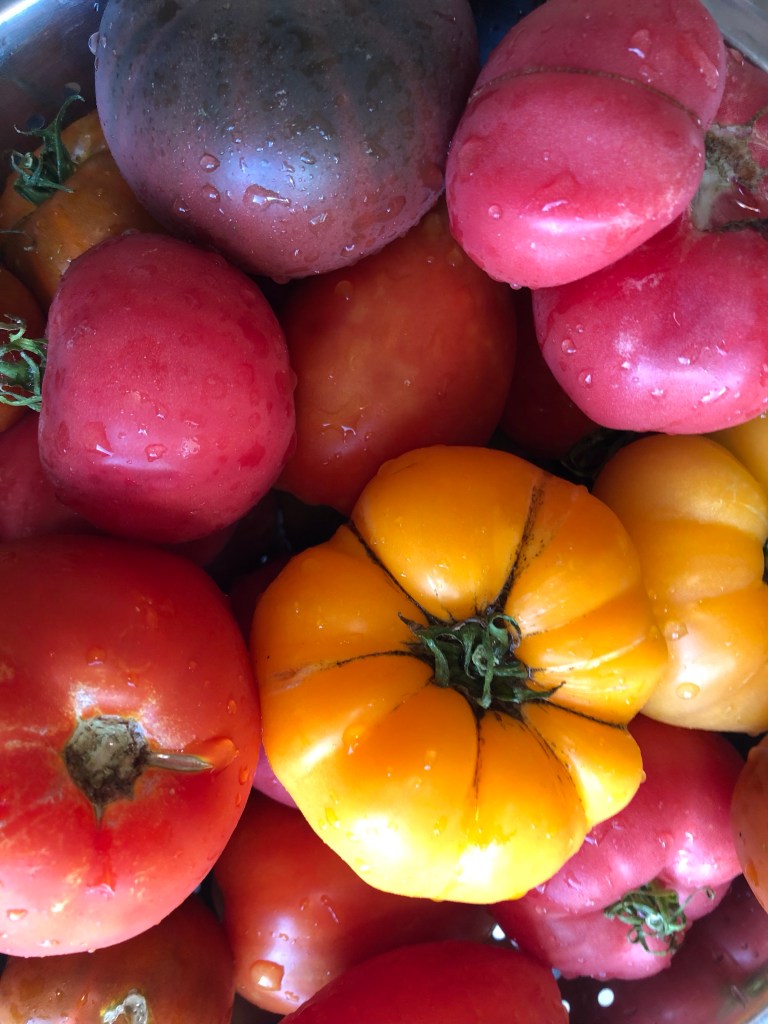
After months of tending and cultivating, my garden is beginning to release all the vibrance of its bounty. Peppers nearly a foot long (really!), cucumbers and beans, herbs, tomatoes, squash and a little sweet corn. After months of watering and weeding, picking bugs and pruning, my countertops, crowded with bowls of fresh produce, are finally starting to show evidence of the work that came first. Mason jars of fresh cut flowers, dahlias and zinnias and black eyed Susans and bright pink penstemon, grace the tables and the corners of counters not covered in produce in rambunctious if not exactly artistic displays.
We live in a culture that tends to idolize two things: money and leisure. Granted, money can be the means to leisure, but oftentimes people will run themselves into the ground working a job they don’t even really like in order to have money to have leisure later.

There is an overarching idea implicit in this: It is that work is only a means to an end. A necessary evil. Work and toil are means to status, or money, or future leisure, or power, but have no inherent value in and of themselves. Our culture sees the end as the goal, not the process, or the journey, or the growth and even failures that come before the goal is met. Culturally, we value the result, but often we fail to see the value in the inputs, whatever those inputs are. They are only seen as valuable inasmuch as they are the means to the coveted end.
That bouquet of flowers on the countertop, then, or the bowl of fresh cucumbers, those are the end in sight. Everything else, culturally speaking, holds no significance. The weeding and tending and watering? Simply a means to the end, which is the fresh cut bouquet or the bowl of produce. So, we devalue the bulb or the tiny seed, the hands that planted and worked the dirt, the process of nurture required to achieve the flower. The time and effort are just necessary evils. If we could, we’d rather skip right to the flower, and leave aside the care and tending, the watering and pruning and weeding. We fixate on the end result, rather than enjoying the process as the flowers sprout and grow, set buds, and bloom a rainbow in the garden.

This thought process permeates so much of how we view life. Relationships, families, health, vocation, all fall victim to this mentality that wants the results without placing value on and appreciating the work itself.

We want to experience good health and longevity, but would rather forego the necessary work and dedication and self-sacrifice and discipline, the sacrificing of convenience and personal gratification. If we could have the health and longevity without personal discipline, I think many people would take it. But isn’t there value in the discipline, in suspending instant and constant gratification?  

We want the fulfilling marriage, but we would rather leave aside the relationship-building, the cultivating and tending, the intentional growing together spiritually and emotionally and relationally, experiencing failures and setbacks, learning each other, asking forgiveness, and purposely seeking oneness. If we could have the fulfilling marriage without the work, I think many or most would take it. But isn’t there value and sweetness in the process of growing a healthy marriage?

We want to feel part of a community, a sense of belonging, without doing any communing, without sharing and meeting needs, without working shoulder to shoulder and sharing in fellowship. We want the blessings of community without the beautiful burdens that make up community. If we could have the sense of belonging and the sense of being known without the sweat and the work, I think many or most would take it. But isn’t there value in the sweat and the work, the sharing and meeting needs?

What twisted sort of thinking got us here?

Would my satisfaction in a vase of home-grown, fresh-cut flowers be greater if I hadn’t spent weeks and months nurturing the plants?

Would my marriage be sweeter or my happiness in it be more complete if there was never any need for growth, asking forgiveness, and making changes, in a process that lasts a lifetime?

Would contentment in community be greater without all the messy sharing of burdens and life and sweaty work shoulder to shoulder?

I think the answer is pretty clear.

Because the value is not just in the bloomed flower, or the sweet marriage, or the health and longevity, or the vibrant community. The value is in the work itself, the process of growing and changing.

Some of it might be cultural laziness or human nature, wanting the benefits or results without the work. Some of it might be the helter-skelter life we’ve conned ourselves into, where we see any ask on our time as impinging on the “important things.” Maybe it is our social media saturated culture, where we see and share successes and goals achieved, and live in and perpetuate a delusion of thinking that everyone else is accomplishing that coveted end result, whatever it is, without months and years of work and sweat and tears.

But you don’t get to enjoy the fruits of a healthy community without work put into that community.

You don’t get to enjoy the sweetness of a healthy marriage without work put into that marriage.

You don’t get to enjoy the satisfaction of homegrown flowers or fresh tomatoes without time spent tending the soil, replenishing nutrients, planting the seeds, cultivating the little plants, and tending to them through the growing season until harvest.

So, plant the garden. Cultivate your marriage. Build relationships in your community. And buckle down and do the work.

Don’t lose your love of the process in chasing after the end result. Don’t short circuit the benefit of what is happening now for what you hope will happen in two years or ten years. Don’t fixate on the goal such that the process itself goes by in an unrecognizable blur. Because it isn’t just the end result. The pursuit itself is worth it.
Straying from the Beaten Trail

IMG_9503One can cover a lot of beautiful ground by following a well-worn trail, a path countless feet have beaten down, smoothed and deepened. But there is sometimes something in my heart not quite satisfied with simply following a trail – being bound by miles or hours,  not knowing what is over this hill, or what the view looks like from the ridge above. There is something to not following a trail, giving oneself permission to stray to the side, to discovered unseen vistas, or subtle deer trails. There is something delightful about taking the long way around, of creating detours and following one’s sense of curiosity, and allowing oneself to revel in the beauty of the outdoors.

IMG_9632Sometimes that giving in to curiosity and delight comes with simply changing one’s vantage point. Walking along a ravine floor is a completely different view than walking along the rim. The enchantment of rising granite steps, moss covered, and slanting shadows and cool, green lichen contrasts with the beauty of the open sky, the rolling hills, quivering rabbitbrush, and the treelines. A ravine followed from top to bottom, with 5-foot ledges to scramble, looks wholly different when followed from bottom to top. The 5-foot ledges become a different sort of obstacle, when scrambling up instead of down.

IMG_9592A trail taken in the morning, when the air is cool and warming, when frost and dew shimmer in the grass, when the trees are singing with early birds, when the air in the sheltered valleys is damp and cool and rich, yet warm and fragrant on the sunlit hillsides above – it is entirely other than walking the trail in the afternoon or evening, when the birds have quieted, when the dew of morning has been replaced by the frost of evening, when quiet and hush have settled.

IMG_9538In the morning hours, the chickadees and bluebirds were talking to themselves and flitting from branch to shrub to rock. The bluebirds were like little pieces of sky, so bright and blue. And the chickadees, feisty little masked things, were darting and diving in a ravine, drinking ice melt from a little green pool. I clambered up on the ledge and tried quietly to take out my camera. They watched me curiously or indignantly, I wasn’t entirely sure which, and let me take their pictures before disappearing, their little hoarse, laughing calls disappearing with them.

IMG_9582Taking the time to chase down sunbeams on birchbark. Chatting with a sassy squirrel.  Watching migrating flocks of geese. Wondering at ancient trees, wizened and hunchbacked. Slipping and sliding down slopes covered in pine needles and loose rocks, crawling up ledges, ducking under deadfall, plunging into the shadow of the trees, where light filters through the deep green needles and glows and flickers on the bark, the earth, and snow white pieces of quartz – They say to take the path of least resistance. But sometimes the path of more resistance is a lot more rewarding. Giving in to the delight of curiosity, straying from the beaten trail, lingering to watch and listen and breathe deeply of the air. Halted by awe. Driven by a question: What’s next?

Laura Elizabeth

Snow Magic

IMG_6041.1lowrez  Snow changes everything. A drab, brown, winter landscape becomes a fairy world. A moonlit night becomes silver bright. A windy gale becomes a cozy blizzard. Tufts of grass and the tiny life of plants stands out with  new poignancy in the chill of winter when snow is heavy on the ground. Little sounds are magnified, like the rustle of snow falling from a burdened branch and landing with a soft sigh in the snow below. Little bird feet that hardly bend the grass in summer leave bewildering prints in the snow. Cold never seems as cold when snow is falling.

There must be magic in the snow.

We had just enough snow onIMG_6044.1lowrez Friday night to count, in my books at least, as a White Christmas, and Sarah and I made a point yesterday to get out and enjoy it thoroughly. With the goal of ending up with Remington and Dove, we set out at 3:45, bundled up and armed with our cameras.

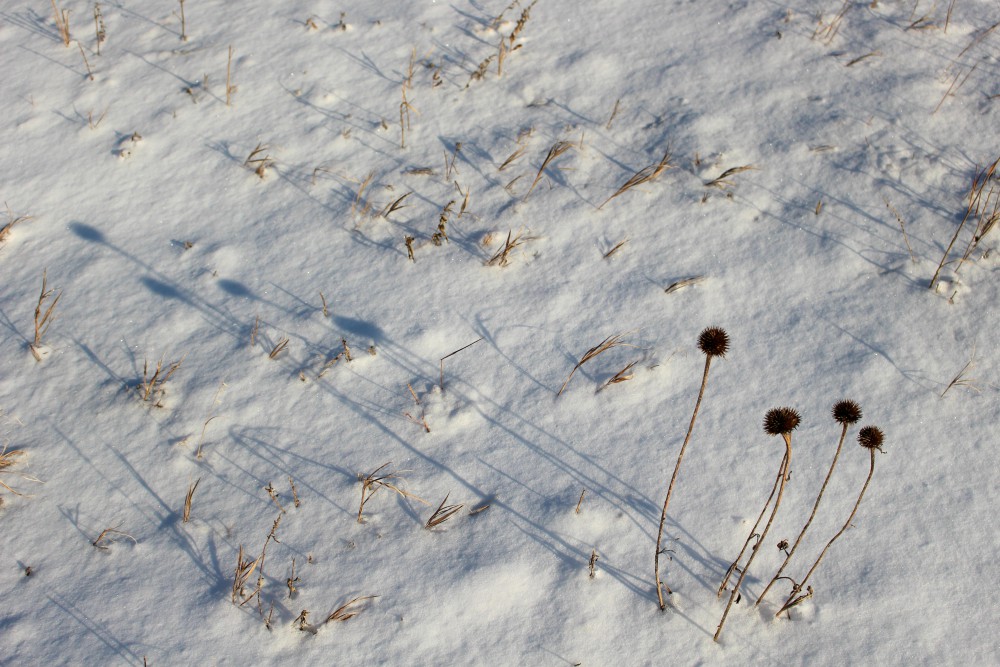
IMG_6051.1lowrezLittle things kept catching my eye, in ways that are different from the summer months. Winter is the season of shifting lights and shadows, and the life of winter is in the play of light and dark, the sparkle of frost in the moonlight, or the blue shadows in the snow beneath the trees. It was fitting, then, that what ended up tugging at my mind about this little family of coneflowers wasn’t even the flower stalks and heads themselves, but what stretched behind them. The magic of snow and the enchantment of light.

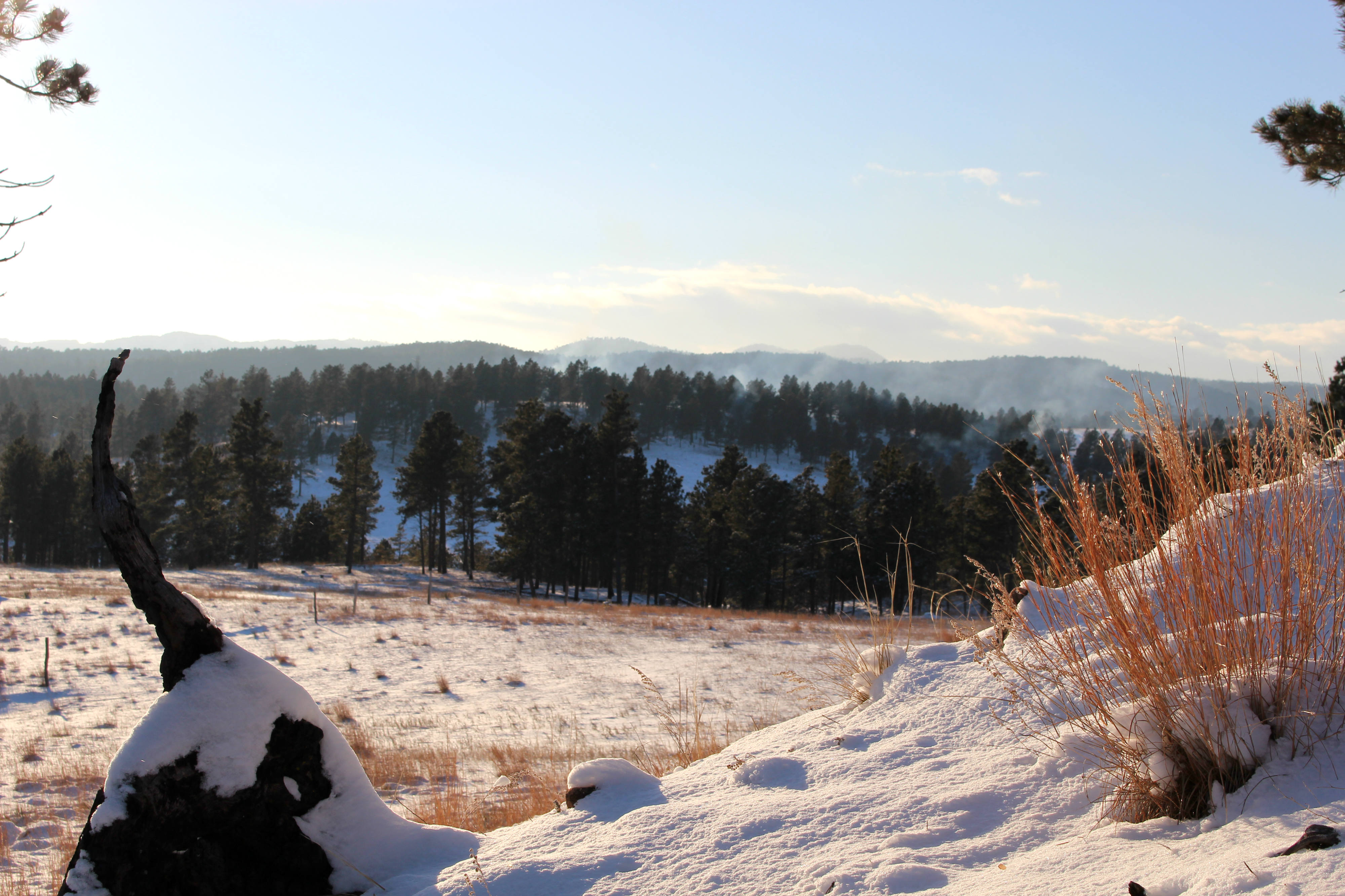
IMG_6079.1lowrezWith the sinking sunlight in the west, the smoke from my uncle’s burnpiles a few hilltops over rose up like a fog and drifted north. The farthest hills and Harney Peak were nearly obscured, with their easterly slopes no longer lit by the sun. Shadowed hillsides shimmered blue, while sunlit little bluestem glowed golden, sparkling warmly in the chill winter air. Even the air seems to sparkle as the temperatures drop.

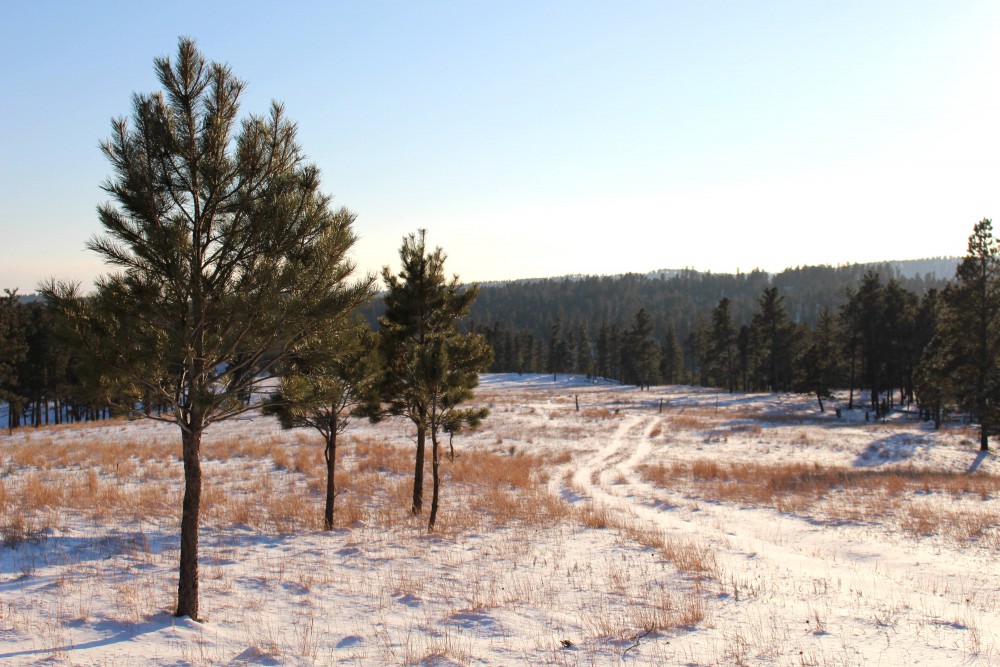
IMG_6067.1lowrezTiny footprints of rabbits and delicate hoof prints of deer leave dimples in the snow. The snow doesn’t keep secrets. Gently-worn tire tracks, leftover from summer and not even deep enough to call a trail, were filled with snow and stretched on until they disappeared over the hill or into the trees. When spring comes and the grass grows back green and tall, the tire tracks will disappear, blending back into the landscape, overtaken by springtime. But winter remembers.

IMG_6086.1lowrezEven after a hard frost and inches of snow and months of winter weather, remnants of life still remain in the plants. Green leaves at the base of a taller plant, or tiny patches of woodsorrel or thistle, or these little leaves, unbitten by the frost. It amazes me to see how well God equips His Creation, and how hardy even the most delicate-seeming things really are. What wonderful capacity for survival God lavished on these, the works of His hands.

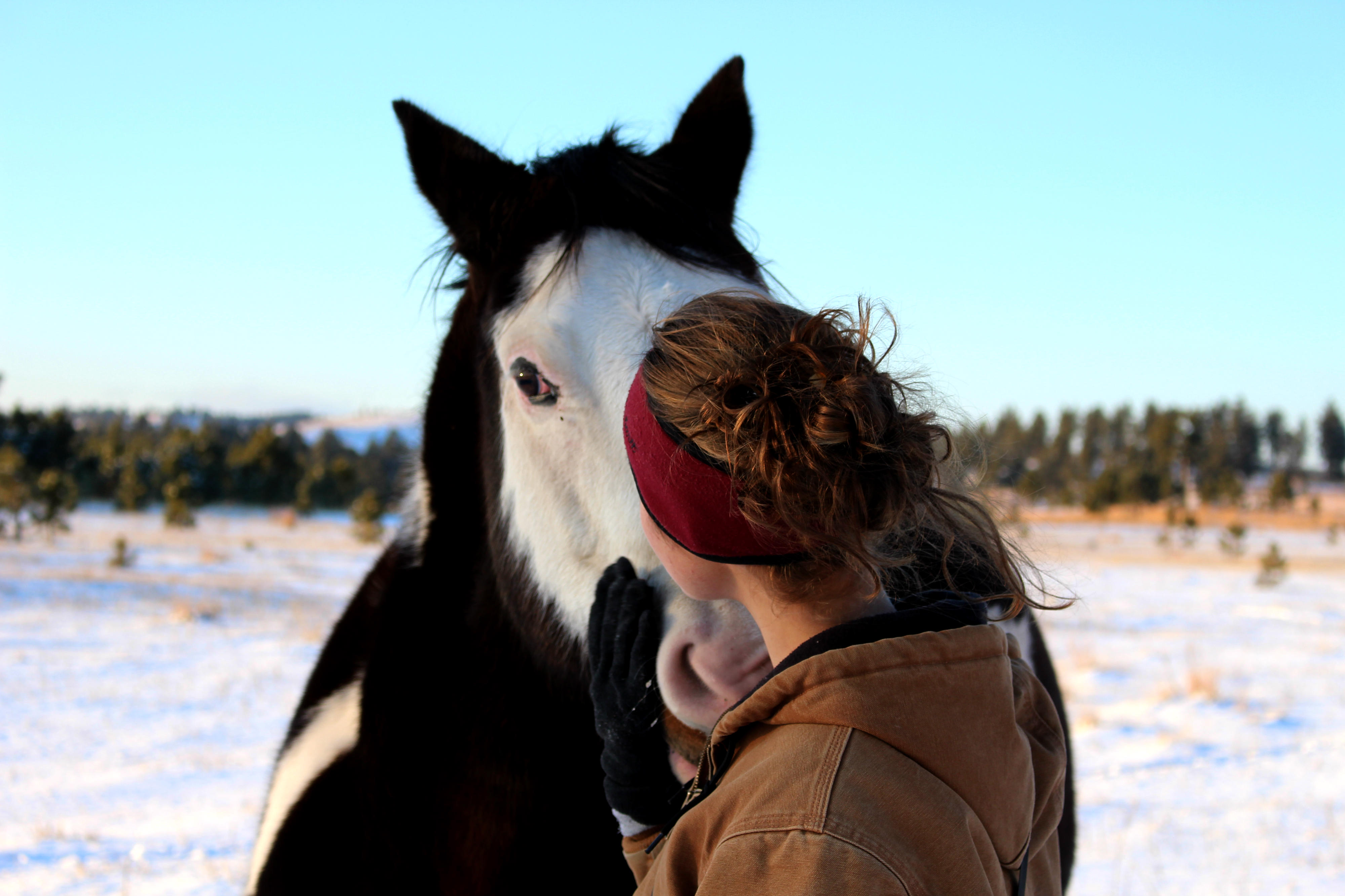
IMG_6142.1lowrezWhen we clambered out of a little hollow and up into the meadow where the horses are, the sky was a clear, pure  blue, the snow a clean, pure white, and Harney Peak was visible in the distance. The horses saw us and came nearer to socialize. Dove was shy as usual, but I expected the snow to have put some spunk and spice into Remington. Instead of spunk and spice, he was mellow and affectionate, almost like a big dog. Each breath puffed a cloud of fog, and his hooves kicked up sparkling snow. Little Dove stood a ways off, content to watch from a distance.

IMG_6225.1lowrezThe most mundane things take on new life in the snow. These little plants, brown at first sight, turned out to be red, when I crouched down to look closer at them. They seemed like tiny berries. The twiggy plants covered a hillside, catching the last of the light of the afternoon.

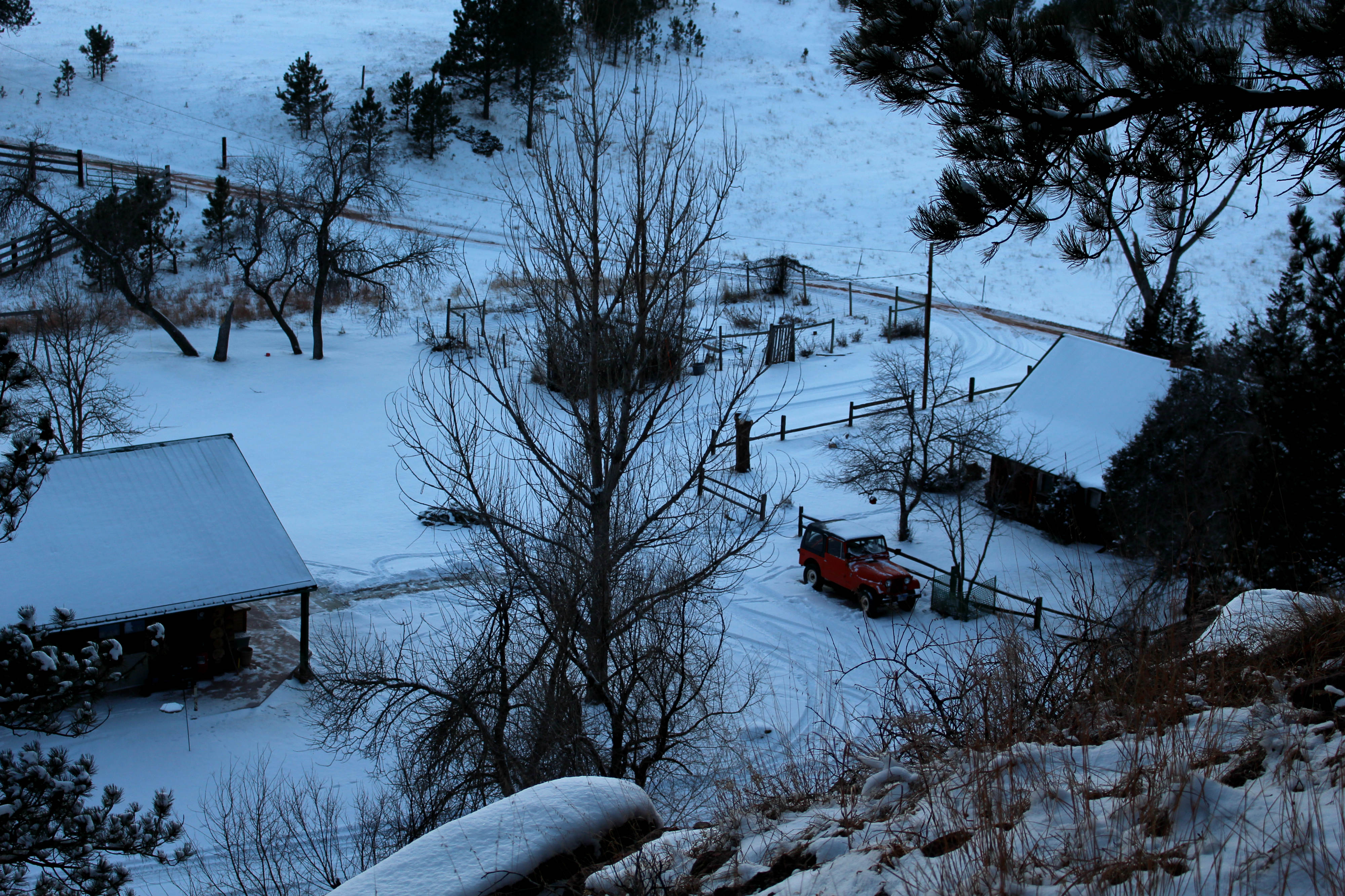
IMG_6240.1lowrezShadows lengthened. When we finally got back to the top of our ridge and looked down at our cabin and the Miner’s Cabin, the sun had been behind the hills for awhile. Home looked cozy. Turkish coffee sounded good. No matter the season, I enjoy a good hike around our place. But in the snow, everything just looks different. New things are highlighted. Normally overlooked things stand out. There’s whimsy. A different sort of beauty. A touch of magic.

Laura Elizabeth


Winter bouquets

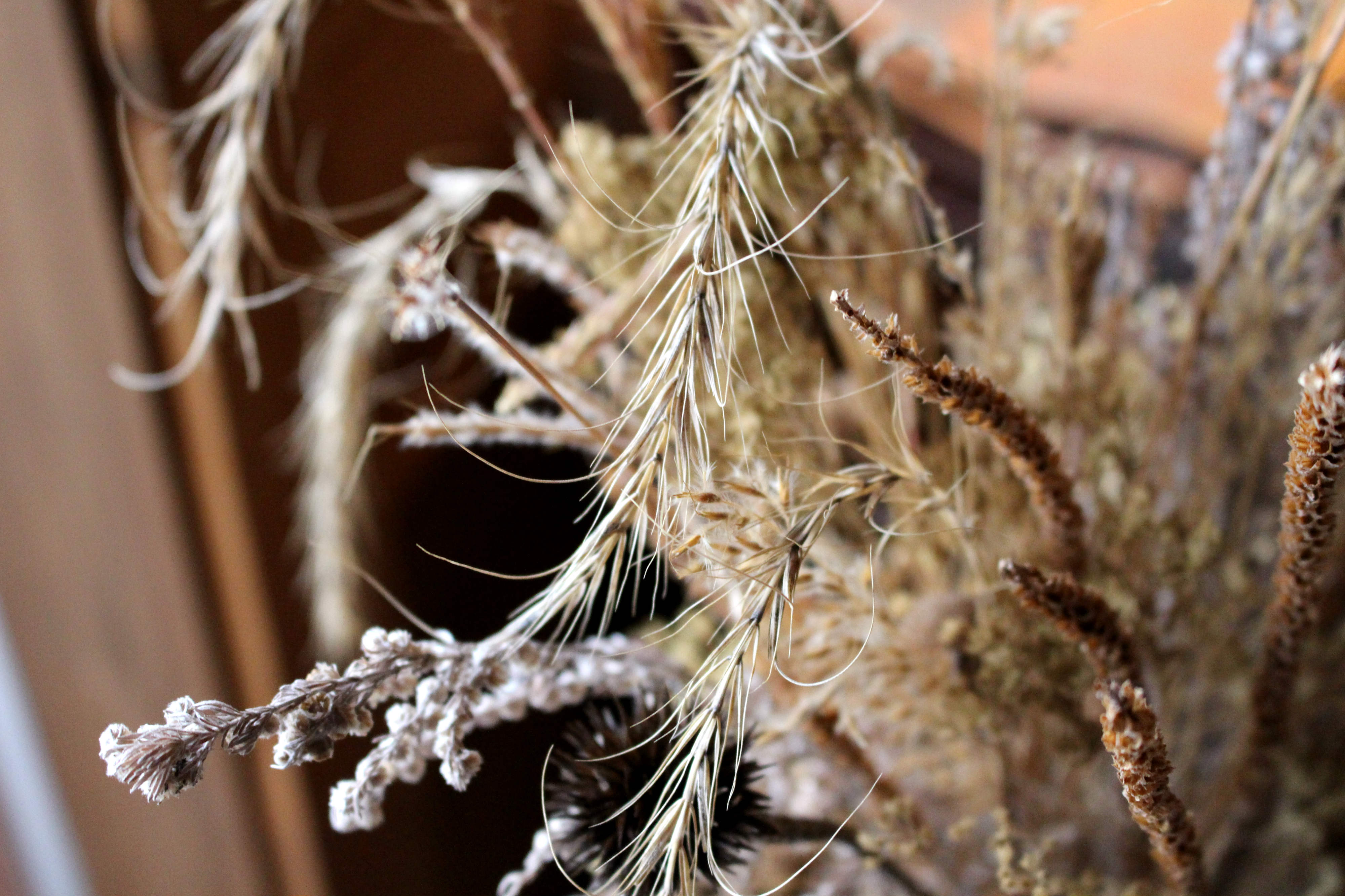
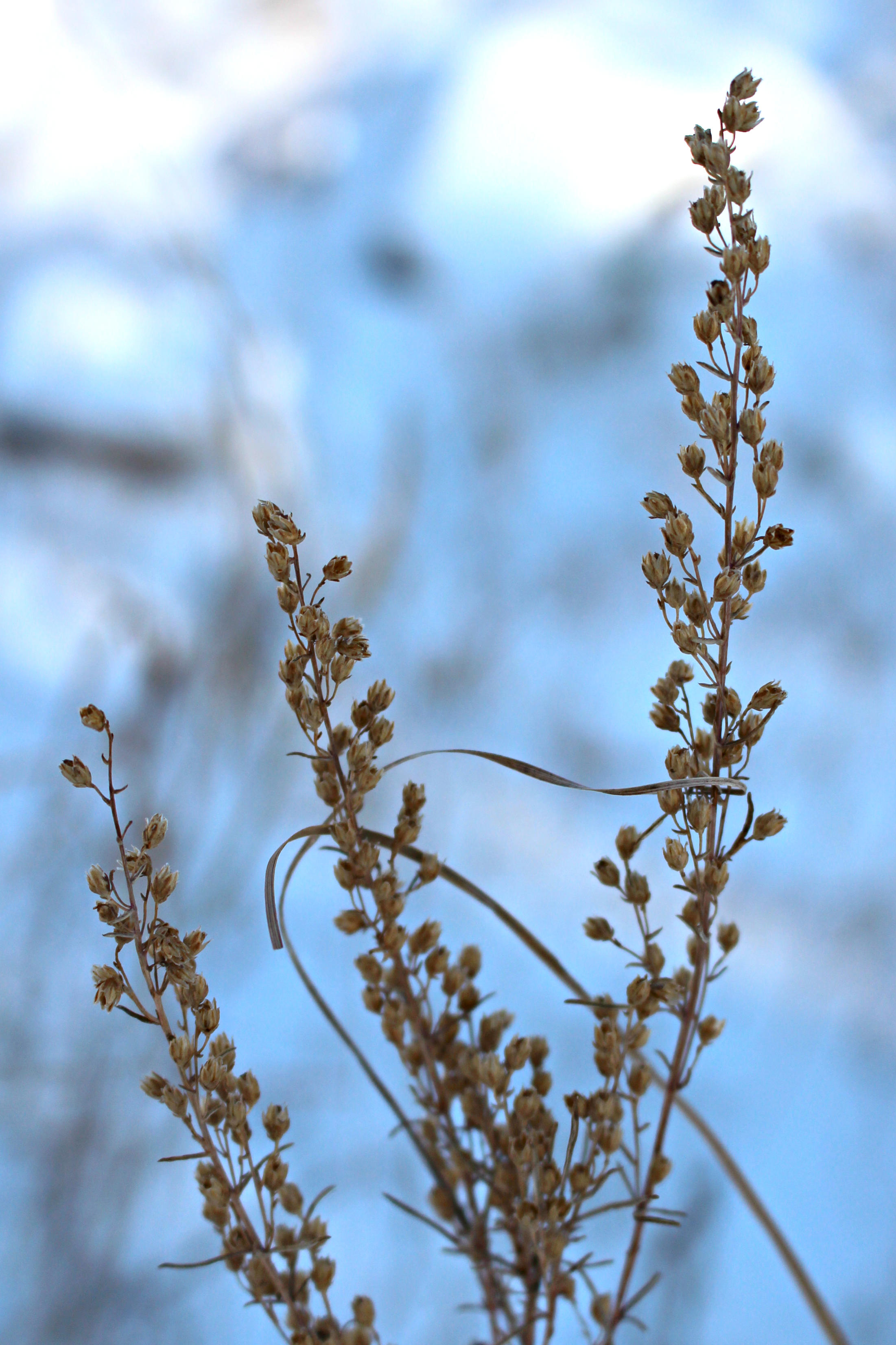
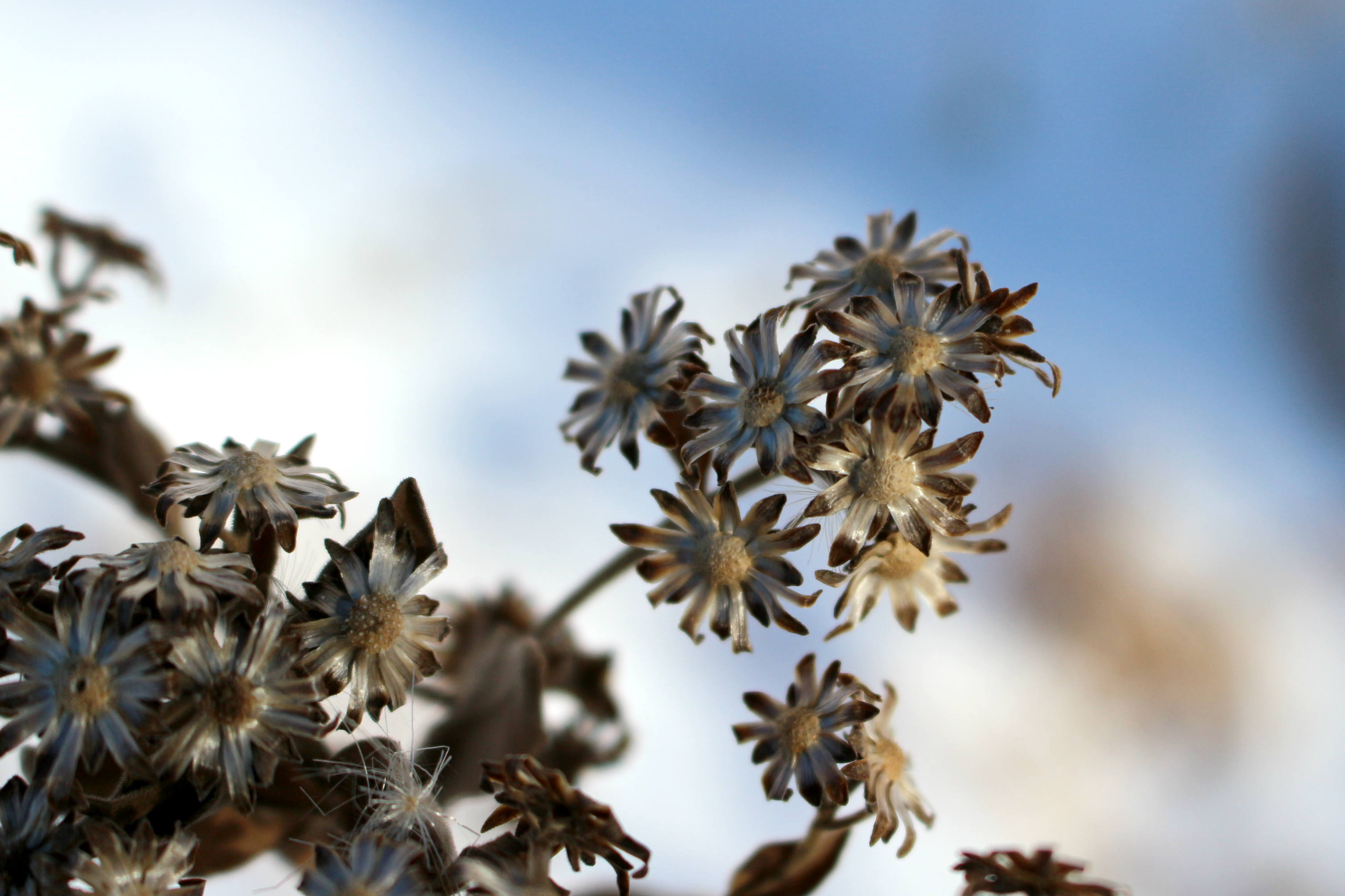
IMG_5995.1lowrezEven after the flowers fade, in what is left there is so much variety of texture, so many shades of brown and tan and silver and gold, such strange symmetry and asymmetry, such a spectrum of design. Winter bouquets are the perfect way to showcase the subtle beauty of the season. Sarah and I headed this morning towards the mines where we were hiking yesterday, armed with scissors and sacks and our cameras, to go a-gathering.

IMG_6020.1lowrezIt didn’t take long for us to fill our sacks, and it took less time than that for us to be already running late to help with Christmas dinner. Nevertheless, we gathered plenty – Heads of bee balm, little blue stem, coneflower tops, dead spikes of hairy verbena, and other grasses. We stopped once or twice on the way back to cut some yellow rabbitbrush, which seems to grow more on the open hill sides and hill tops, than in ravines.

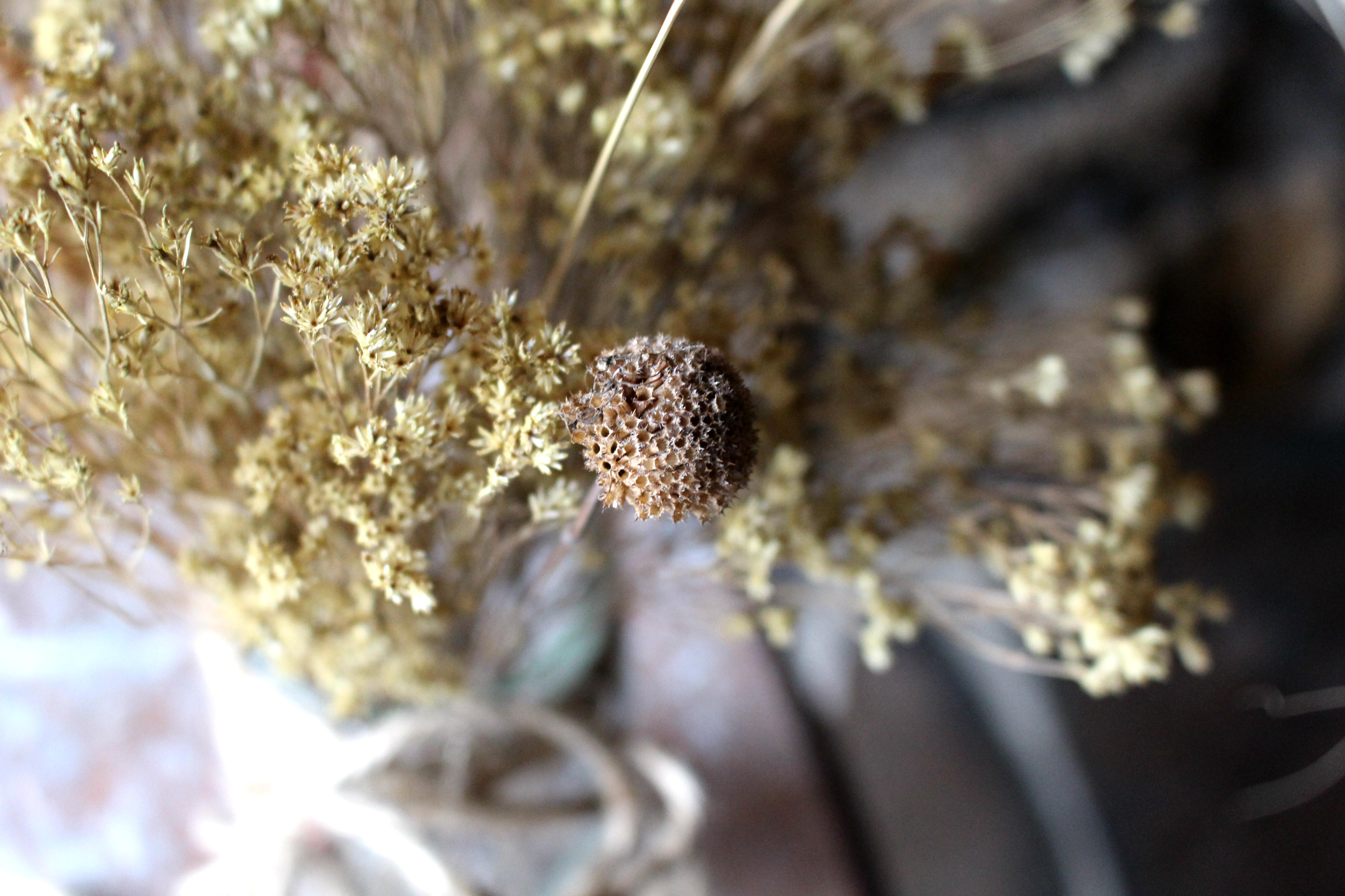
IMG_6013.1lowrezMason jars are perfect as vases, and heaven knows we have plenty of Mason jars all over the place! I thought about using some of the old blue jars, but I think the clear glass ones are less obtrusive, for this sort of bouquet. I filled the bottom of the larger jar with pieces of lichen and moss-covered bark. Adding a jute bow, they became festive centerpieces. Jute is like burlap – Rustic, serviceable, and delicately beautiful in its drabness.

IMG_6030.1lowrezIt is something of an exercise in simplicity.

And I like simplicity.

Laura Elizabeth

A Winter’s Eve

IMG_5838.1lowrezEven in the last minute Christmas bustle, baking, cleaning house, wrapping presents, doing laundry, the beautiful weather couldn’t be wasted. We finally got out the door around 3:30. The sun had dipped below the hills. Our Hole-in-the-Wall excursion became a Mountain Lion Cave excursion, since the former takes considerably longer than the latter, and we can drive the Jeep almost all the way to the ravine the cave is in.

IMG_5849.1lowrezWe have a trail going from the driveway all the way to the cave, but the last hill down into the ravine is about a 40 degree grade and, while possible in the Jeep, gets a little dicey. So we generally park at the top and walk the rest of the way down the trail. Today, though, Sarah and I decided to walk down through the mining pits, since we’d never gotten into the ravine that way before. It was a lovely little walk down the mine, over deadfall, through briars and waist-high dried grasses, in and out of cutaway places where water probably ran during the mining days.

IMG_5866.1lowrezClumps of woodsorrel and tufts of lush moss clung close to the earth, as green as springtime, glinting through pine needles and scrubby grasses, like emeralds in an antique brooch. Pale grey lichens crusted rocks, subtle and unremarkable, until you look closer.  The moss clinging to rocks, like a tiny carpet of ferns, and the lichen crusting rocks, like strange, oceanic life. What variety of textures and color in Creation!

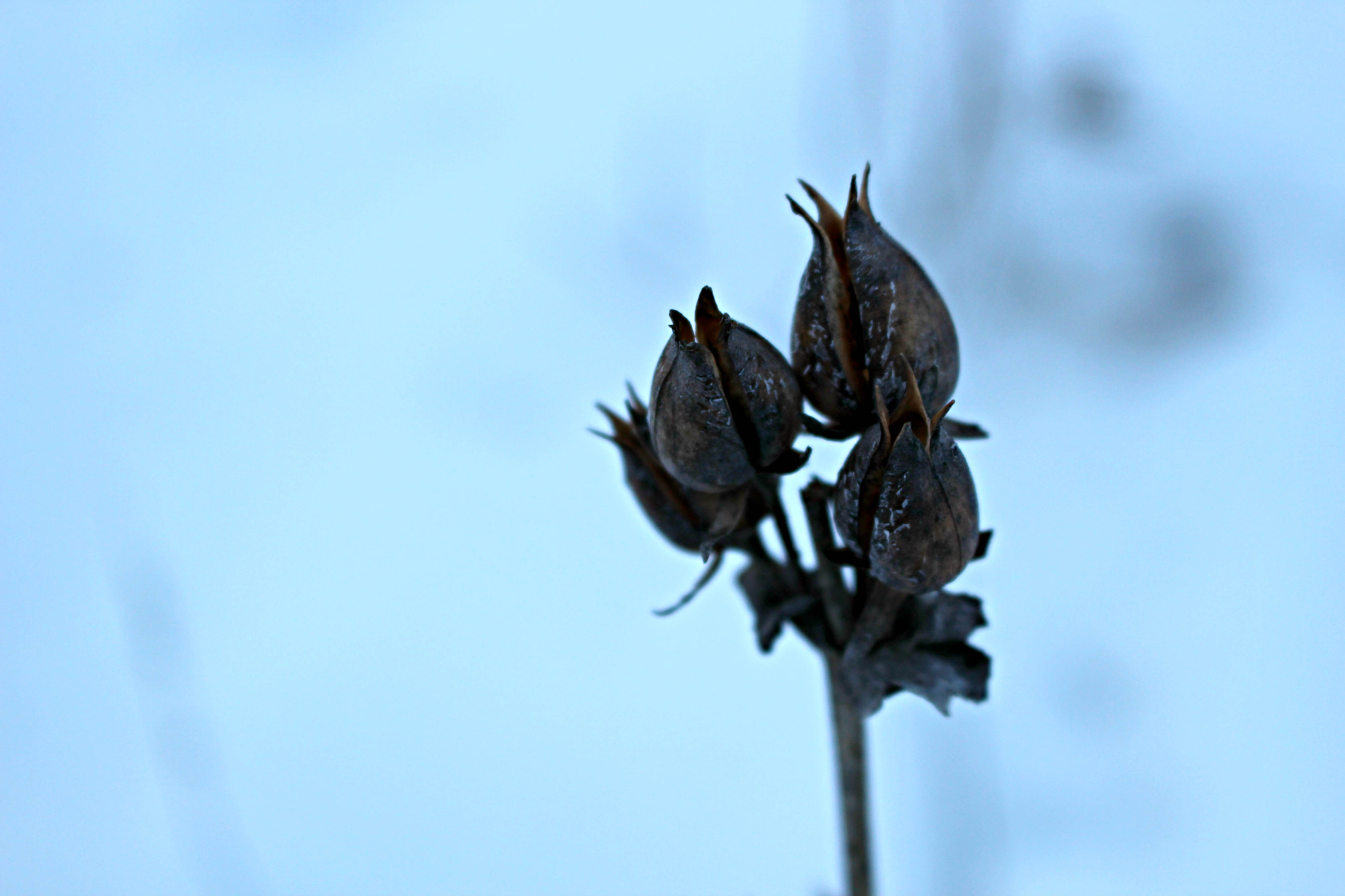
IMG_5887.1lowrezEven in the winter, even when nearly everything has gone to sleep, dormant, and won’t wake until March or April or May, even with all the flowers dead, the petals faded and fallen, nothing but stems, sepals, dried leaves left, there is still a mysterious, ephemeral beauty. Flowers are common to life, something we are used to looking and wondering at. But what about what is left when the flower is gone? That is something we don’t generally take the time to marvel at. But those things that are left are the means of propagating next year’s flowers – In a sense, they are the beginning of the new flowers.

IMG_5845.1lowrezOn the way to the ravine, we stopped to get some pictures on a sun-bathed hillside. These silvery stars were fresh and bright in a bed a fallen pine needles and red earth, one of the only living plants still unbitten by the frost. As many flowers as I’ve photographed and identified, I can’t put my finger on this one – I have a few ideas, including Eriogonum pauciflorum, but I don’t think I’ll know until I check on it this spring. Tomorrow, or sometime soon, I’d like to go back to mark the area so I can be sure to identify the correct plant!

IMG_5889.1lowrezThe stems of dried grasses and flowers would make a lovely winter bouquet – We’ll have some time before our Christmas festivities begin tomorrow, so I’m hoping to get out to pick a bouquet. Dressed up with some jute and put in a Mason jar, it will make a rustic, festive centerpiece! I forgot to bring a sack on our walk, or I would have picked some things today.

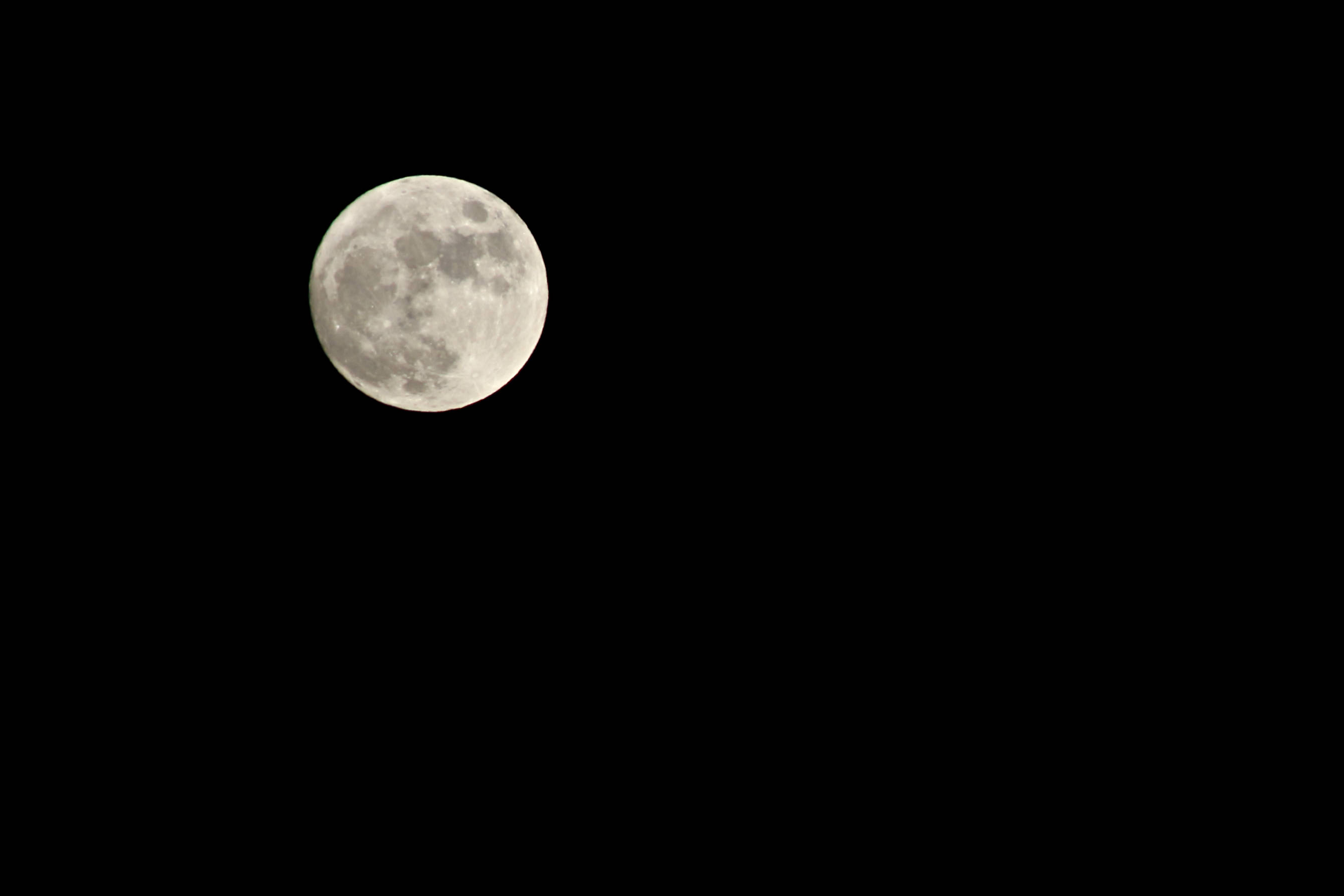
IMG_5918.1lowrezThe moon was rising as we drove east towards home. Giant and golden, fading to silver as it got higher. I didn’t have a tripod with me, but as soon as we were home, I grabbed the tripod and Sarah and I headed out again. It will be a full moon tomorrow, a full moon on Christmas. This evening, it was fitting that we listened to the 1968 Apollo 8 Christmas message, a reading from the first chapter of the book of Genesis. What a wonderful world God created, and what a gift to live here.

Tomorrow is Christmas. I’d hoped for a moonlit hike on Christmas night, but we’re expecting snow. So Sarah and I are about to bundle up and head out for a stroll in the moonlight. The frost is thick and diamond bright in the light from the almost-full moon. A perfect night.

Laura Elizabeth

Winter blue

IMG_5549.1lowrezThe snow wore itself out during the night and the morning dawned flawless and quiet. The sun was bright all day, the sky a clear, robin’s egg blue, and the wind blew crisp. A quick trip this morning to the post office in Hermosa, camera in hand, yielded a gorgeous view of distant Harney Peak. The mountain rose silver out of a black expanse of pines. To the north, Mt. Rushmore was clearly visible, not yet shadowed over by Harney Peak.

IMG_5592.1lowrezThe trees along our driveway cast beautiful blue shadows across the road, and a doe stood stock still in the middle of the driveway as I approached. When I stopped the truck to see about getting a picture of her, she lost track of her own feet and nearly took a spill in the snow, before recovering and speeding effortlessly off. I got out and looked around. Such a changeable landscape from season to season. The familiar driveway, the well-known bends and curves of the gravel road, the pines and chokecherry and red rocks are so changed when bathed in snow and chill blue light.

IMG_5585.1lowrezSnow fell quietly from branches of the pines and a four-point buck bounded through the trees on the hills above me, then disappeared from sight. Golden sunlight sifted through the trees, glinting and dazzling. Clouds of powder snow glimmered and sparkled, sifting with the sunlight, scattering to the wind. Snow clung to the pine needles, and covered the red rocks with glistening white caps, and blanketed the red ground. Grasses and sage poked up through the snow.

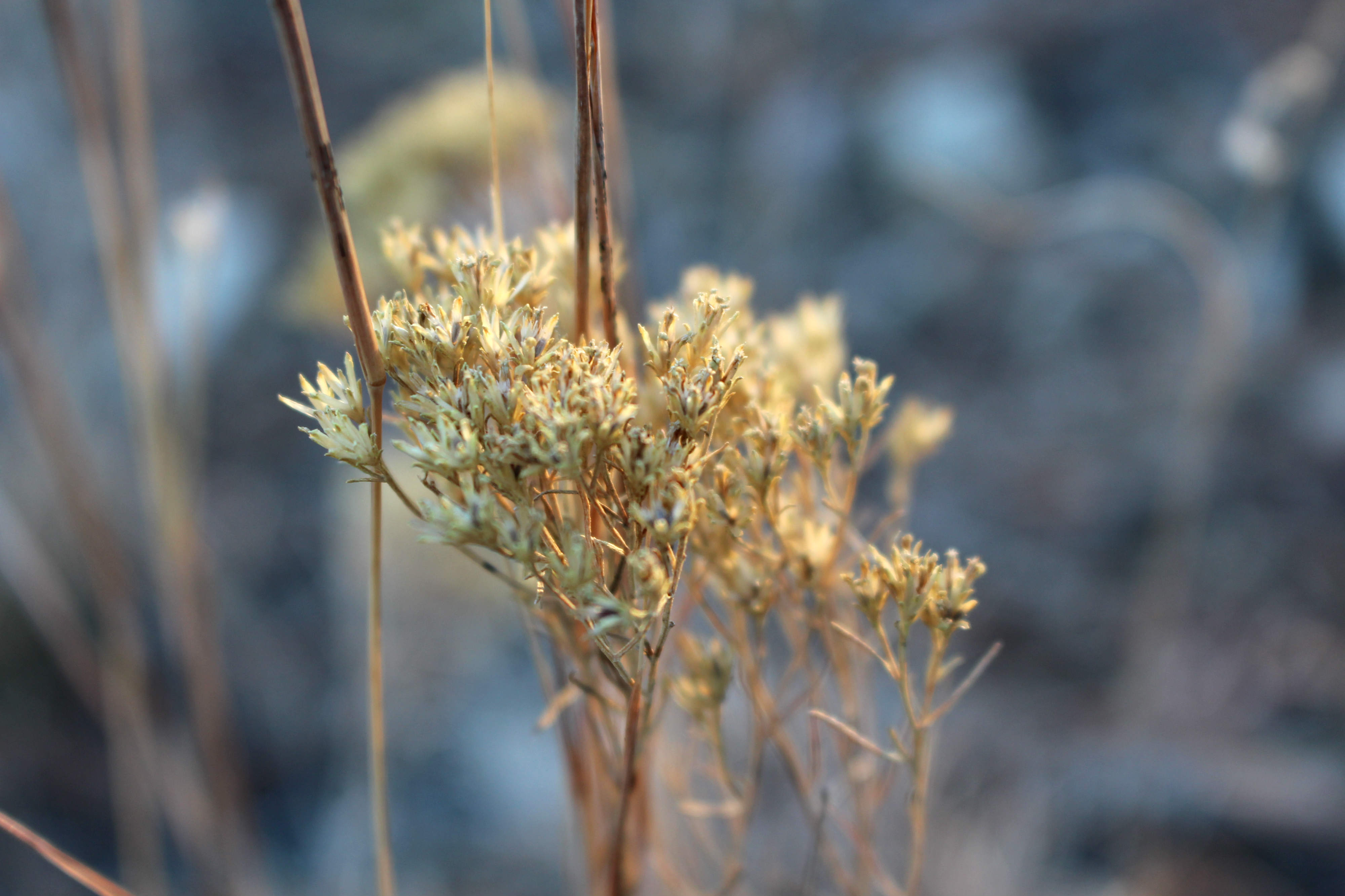
IMG_5596.1lowrezThe grasses and once-flowering plants seem to take on new life in the winter. The color of summer melts away with the first frosts of autumn and winter, but what remains is a delicate silver memory of what was there in the warmer months. The foliage dries and a new sort of flower shimmers in the cold winter sunlight, or peeks from blue shadowed places beneath the bluff. How beautiful everything is in the winter! The remaining silver-brown stalks and leaves and buds seem to belong to the snow, like a flowering blue flax seems to belong to the green grass in the summer.

Chapped hands, tingling toes, and smarting ears are a small price to pay for glimpses of the subtle beauty of the winter.  The cold is worth the beauty that winter affords.

Laura Elizabeth