The sourdough fad is going strong. I don’t really know when and how it became a fad, I just know it is. Aside from the social media points a person apparently gets if they make sourdough, there actually are reasons to make sourdough (wild yeast) breads versus commercial yeast breads. I won’t get into those benefits, other than to say any time something is fermented (like sourdough, milk kefir, yogurt, kombucha…), the nutritional content of that thing becomes more bioavailable and easy to digest.
I started the sourdough process a couple years ago, and quickly found myself getting lost in the various techniques and what felt to me like complicated processes. Although there is a wealth of information available online for sourdough baking, there is also a proclivity of many to overcomplicate what is actually an ancient and simple process. All I wanted to do was to be able to have fresh sourdough bread every week. I didn’t necessarily want to spend 8 hours babysitting a loaf of bread. The weight in grams of so many recipes also turned me away somewhat. Don’t tell me to bake bread like great-grandma did and then require the use of a digital scale or nitty-gritty weights and measurements.
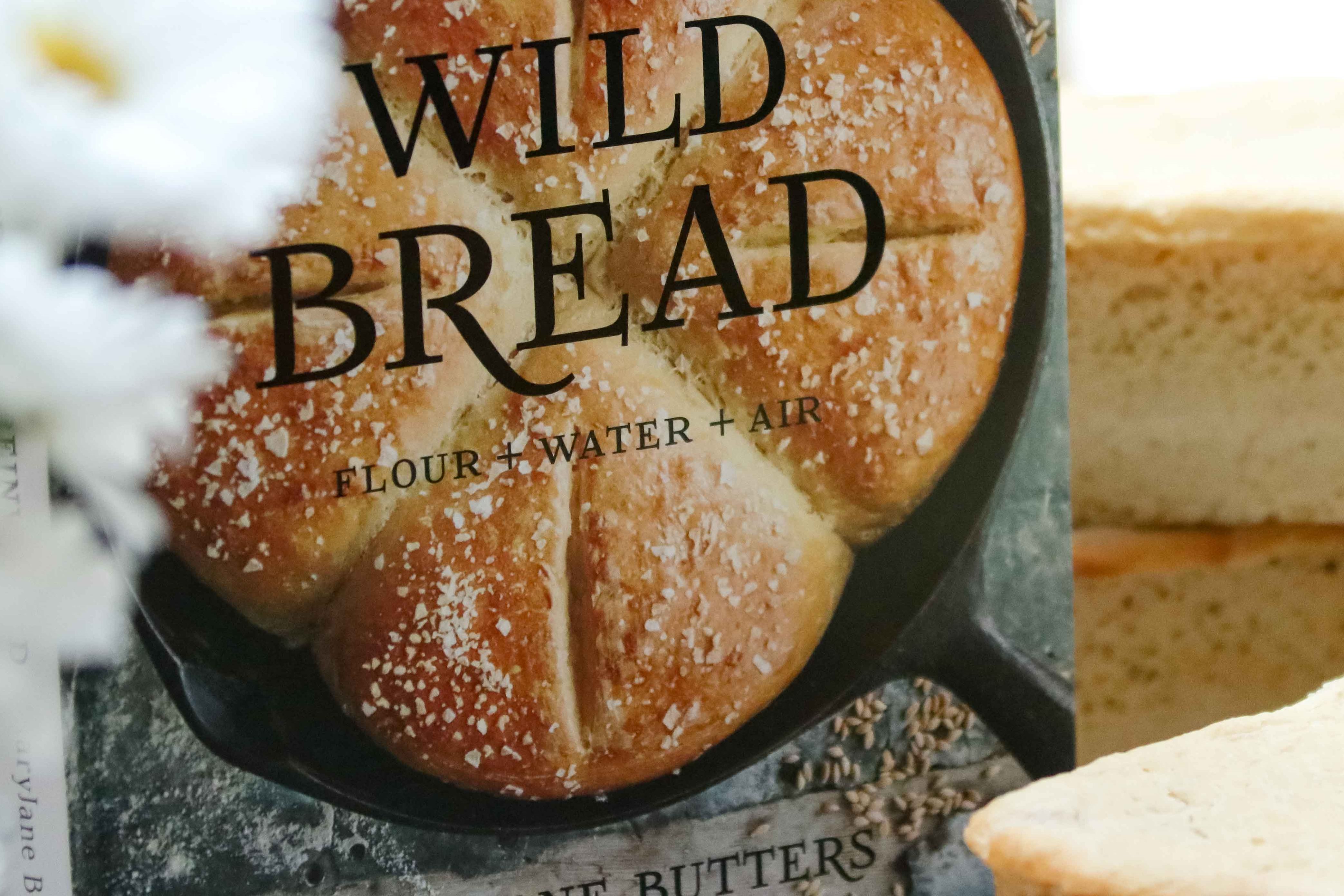
Enter Wild Bread.
MaryJane simplifies the sourdough processes with simple recipes for delicious batter breads geared towards an immature starter (but that are perfectly fine for mature starters), kneaded and beautiful artisan-style loaves and other baked goods. All of her recipes include measurements for a variety of flours, including gluten free flour, as well as modifications for some flavored breads.
She walks the reader through getting a starter (or “mother,” as she calls it) going strong, including gluten-free starters, and makes recommendations on equipment to use. Many of the items she recommends can be easily approximated and likely are already in your kitchen, especially if you are content with simpler breads! So don’t be turned off by her extensive equipment list. She has recipes for artisan boules, baguettes, pizza crust, hamburger buns, sandwich loaves, and the list goes on, including some unique breads we don’t see a lot of here in the United States.

There a section of recipes for “sourdough enhanced treats,” such as savory herb and cheese muffins (delicious), a sourdough cake recipe, and let’s just say the sourdough cake donuts are already borderline famous around here. I have made them a handful of times and they never last long and always go over extremely well when we work cows!
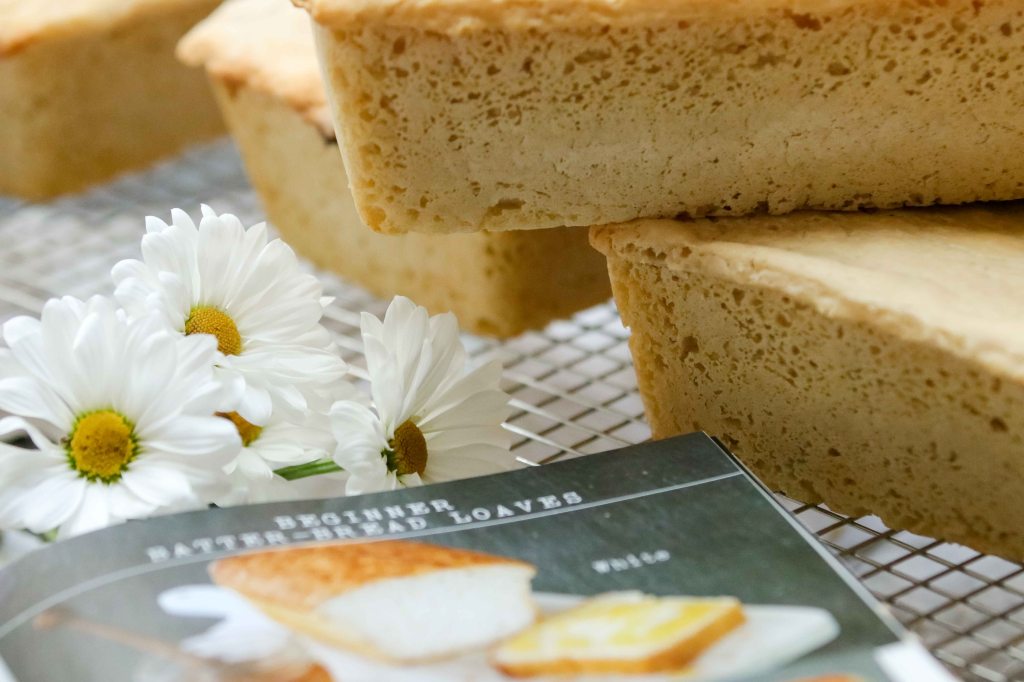
The recipe I have used the most is her batter bread recipe. As mentioned above, batter bread is geared towards an immature starter, and the basic idea is that it is a batter that is fed daily for a week until there is enough “activated batter” to bake bread. At the time of baking, it has been fermenting slowly for a week and has a wonderful sour flavor, excellent texture, they are essentially foolproof, and all that without babysitting a loaf of bread. They aren’t the prettiest loaves, but I’m more about functional than fashionable when it comes to bread baking. Is it bread? Check. Does it taste like bread? Check. Can I put butter on it? Check. Does my husband like it? Check. Extra points if it freezes well, tastes nice and sour, and has a good moist and chewy texture. Check, check, check. In general, when I make batter bread, I do a double batch yielding four or five loaves, and then freeze the extras. They thaw out great and have been favorably received at family holiday gatherings as well!
I have heard this book touted as “the only sourdough book you will need.” I would tend to concur.

 Song Dog Journal