Botanicals | Yellow Wood Violet

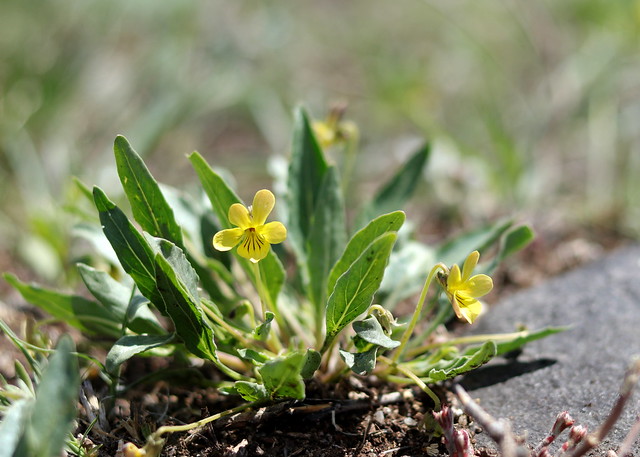
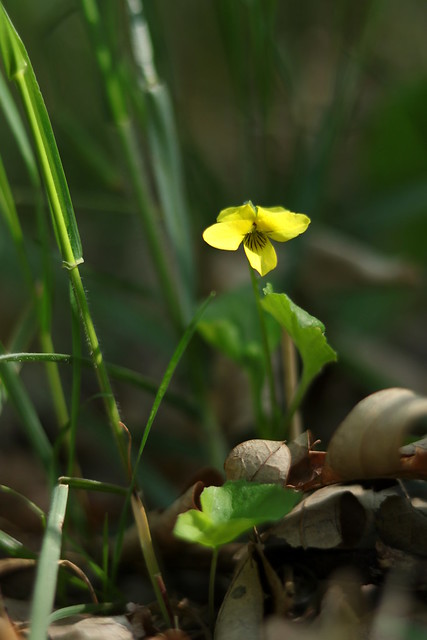
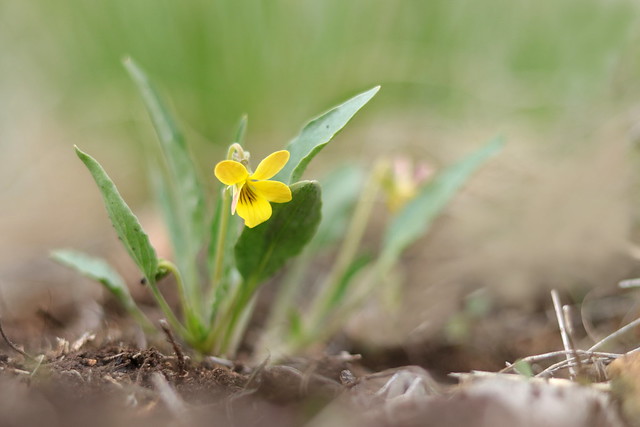
Every time I find a flower that I don’t see every day, it constitutes a “favorite find.” And as I mentioned regarding Nuttall’s Violet, I’ve always had a soft spot in my botanical heart for the violet family. This little beauty is one I’ve only seen one other time in the Black Hills, and that was down near Little Falls. It definitely loves moisture, and this one I found near Battle Creek recently.
IMG_6482eSome violets can be difficult to distinguish, but the yellow wood violet is unmistakable in the Hills, with a growth habit and structure distinctly different from all the other violets, except the Canada violet, which is white. As I said, unmistakable.


A Million Invisible Choristers

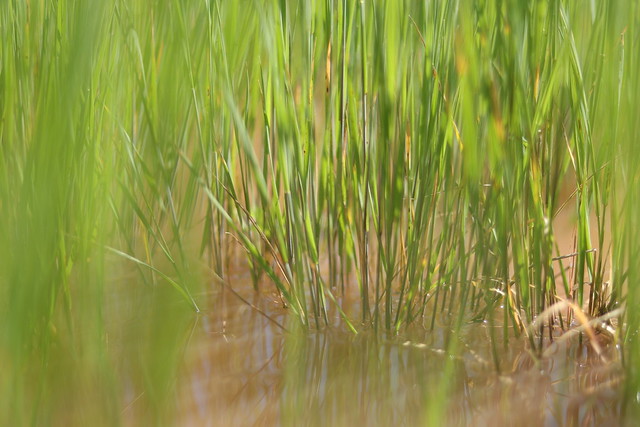
I love the sweet sounds of springtime. Especially the sounds prompted by a good, wet rain. Over the past week, we’ve been blessed with more than 3 inches of rainfall, and a chorus has burst into song out in our stock dam. We hear them at at night, singing heartily with the insects, and even during the day their song is tireless. It is amazing how beautiful the ruckus is when a million frogs start singing.
IMG_7254eBut as beautiful and joyful as the song is from a short distance, up close it is stunningly deafening! I was amazed and delighted. I poked around along the banks of the giant mud puddle searching the tufts of grass and smooth brown water for any sign of the little creatures. Not a one was to be seen. Not the smallest plop or telltale rippling of the warm water. I tossed a pebble or two, trying to disturb one enough to make him hop, but they kept right on singing and paid absolutely no attention to me. I could hear them, mere feet away from me, but I couldn’t catch even a glimpse of them. It baffled me, that creatures so tiny and so invisible could be so utterly deafening.
IMG_7251eOne of my favorite springtime sounds.

Botanicals | Blue Columbine

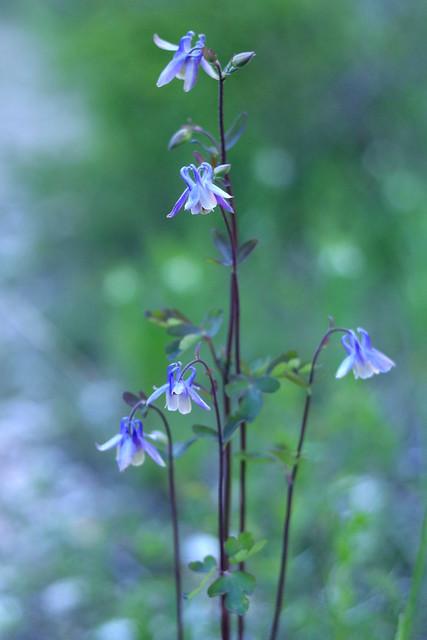
This must be one of my favorite finds to date. We have wild columbine, or red columbine, in abundance all over the Hills, but blue columbine, aquilegia brevistyla, is one I’ve never had the delight of finding. We hiked Hell Canyon this afternoon (one of my favorite hikes to date), and this little gem was growing prolifically in the canyon itself. My wonderful, handy field guide, Plants of the Black Hills and Bear Lodge Mountains, states, “Blue columbine….is much less common than [wild columbine, aquilegia canadensis] and is never abundant where it is found.” Well. Today it was abundant.
IMG_7028eI had never seen one before and sort of figured I was unlikely to ever see one, but I can now put a check mark next to its entry in my field guide, and revel in the pleasure of a rare find.

Botanicals | Nuttall’s Violet

For years, this little flower has been one of my favorites. Nuttall’s violets are diminutive, as far as violets go, and are the only species with lance-shaped leaves – thus, they are impossible to misidentify. IMG_6150eViolets have always intrigued me, and I can probably credit the violet family for first getting me interested in wildflowers. Their little faces are so shy and cheerful, and each species is so unique. I remember the first time I found a Nuttall’s violet, up behind my grandparents’ house, and I came back to their house and looked it up in a decades-old fieldguide of South Dakota wildflowers. I’ve since rejected this book in favor of a much more complete Black Hills and Bear Lodge Mountains fieldguide, which is a fantastic book I highly recommend for anyone looking to grow their knowledge of regional plants! Anyway, this first find was probably 15 years ago, and I have only managed to find any a few times since. Just a few each summer. But this year I have seen more Nuttall’s violets than ever before – they are having a wonderful year!


God’s Garden

Wildflower hunting was one of the stated intentions of this hike. Nevertheless, I was overwhelmed by the number of little gems that we saw and had never expected to see this many. It seemed as if my whole field guide was spread out and blooming. Flowers I’d never seen before, except in my field guide, were in full bloom, and others that I did know grew in quantities I’d never seen! It was truly stunning. There was absolutely no shortage of wildflowers in the burn area of the Legion Lake Fire. Rather, they were particularly abundant and spectacular. Prickly pear and barrel cacti were also quite abundant, which was some cause for concern: I’ve been accused of “crawling around on the ground” to take pictures of wildflowers. But one encounter with spines today was enough to make me much more cautious, so after that I was careful to look before kneeling down.
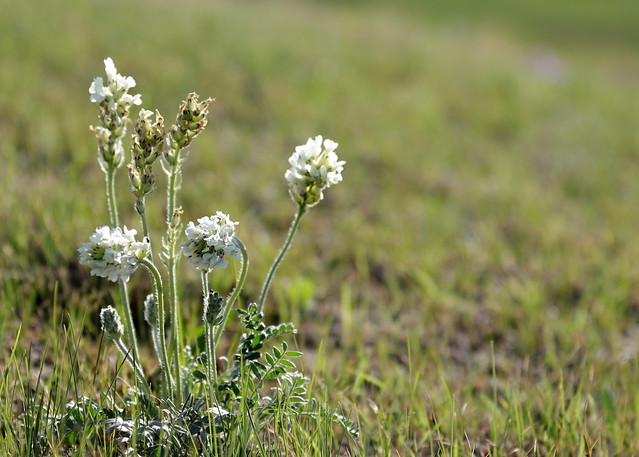
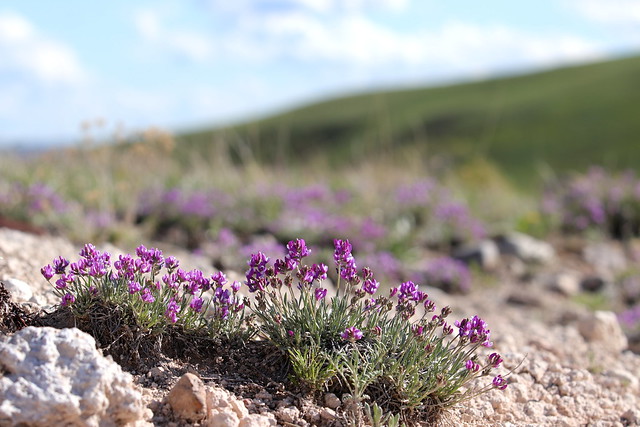
IMG_6433eWhite crazyweed – Oxytropis sericea

IMG_6415eTufted milkvetch – Astragalus spatulatus
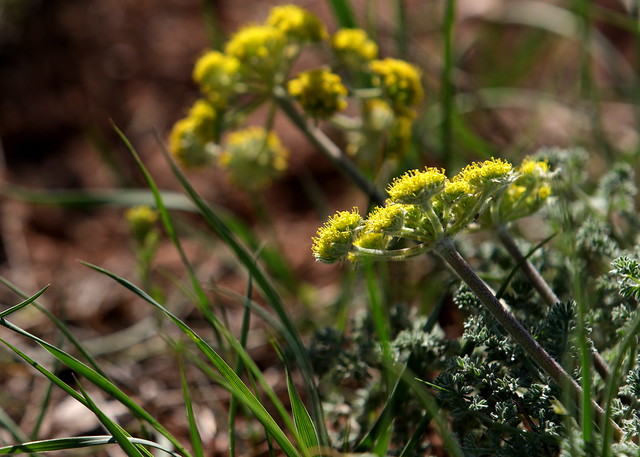
IMG_6394eDesert biscuitroot – Lomatium foeniculaceum
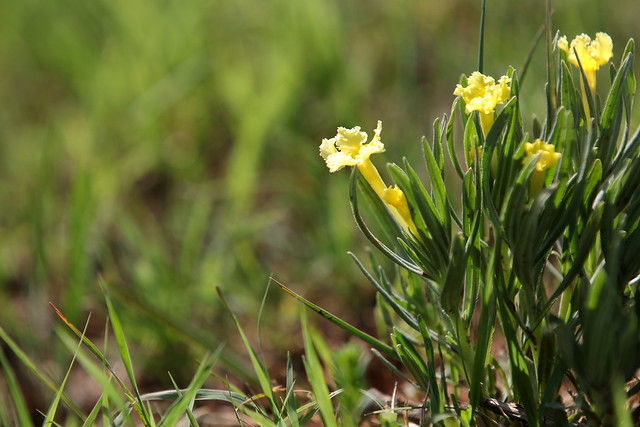
IMG_6384eNarrowleaf gromwell – Lithospermum incisum
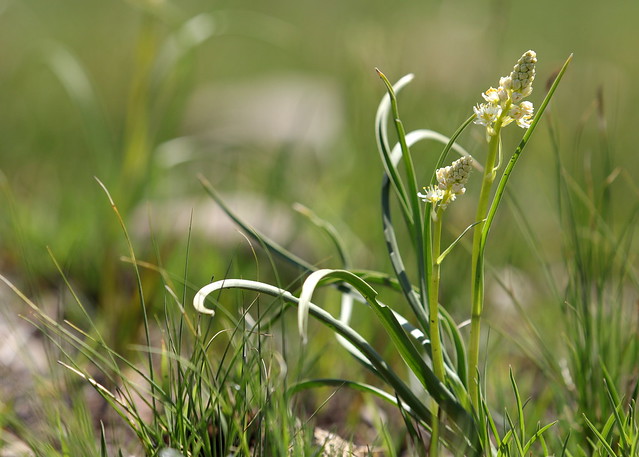
IMG_6380eMeadow deathcamas – Zigadenum venenosus

IMG_6377eMissouri pincushion – Coryphantha missouriensis
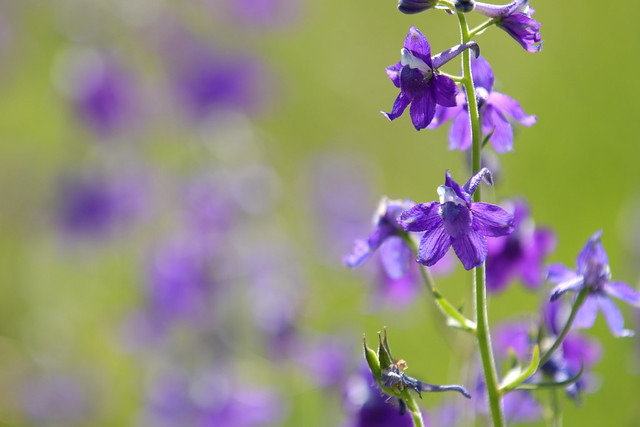
IMG_6354eLow larkspur – Delphinium bicolor

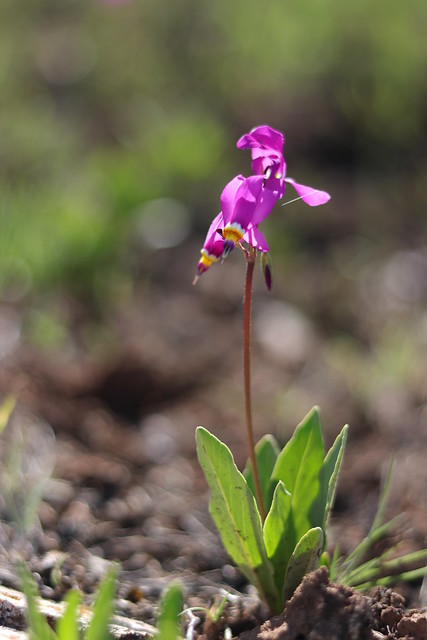
IMG_6323eDarkthroat shootingstar – Dodecatheon pulchellum
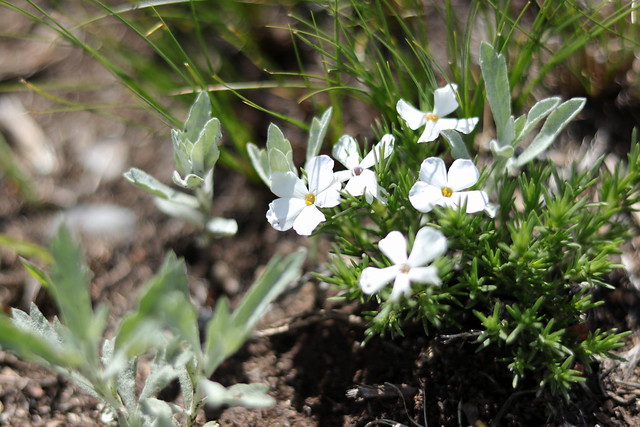
IMG_6315eHood’s phlox – Phlox hoodii

IMG_6314eDowny paintbrush – Castilleja sessiliflora
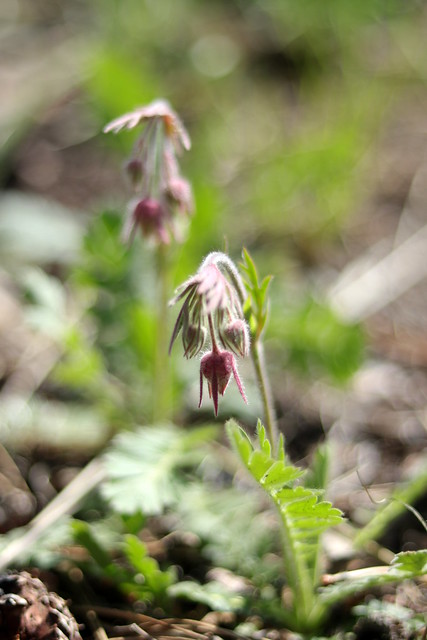
IMG_6304ePrairie smoke – Geum triflorum

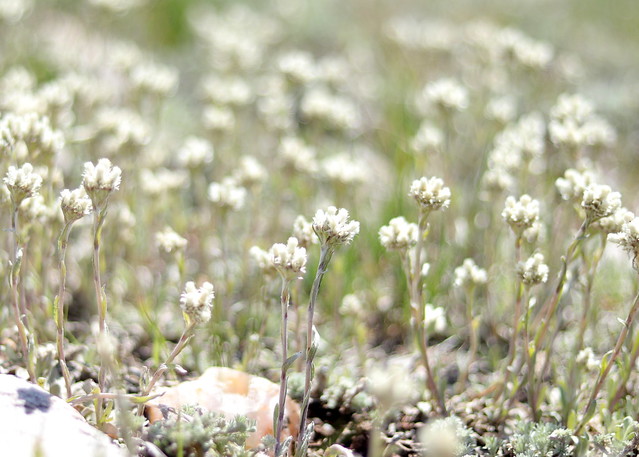
IMG_6299eSmall-leaf pussytoes – Antennaria parvifolia
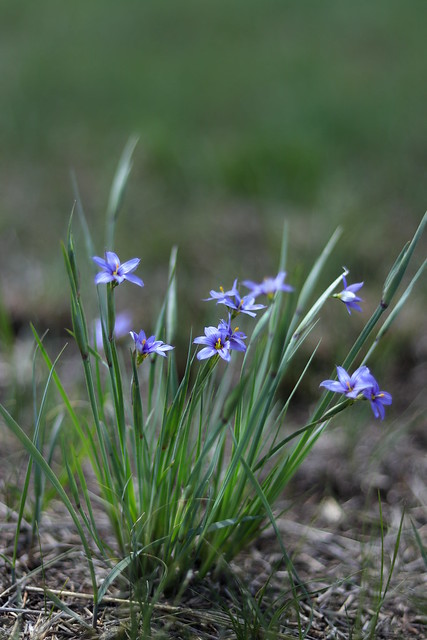
IMG_6293eeMountain blue-eyed grass – Sisyrinchium montanum
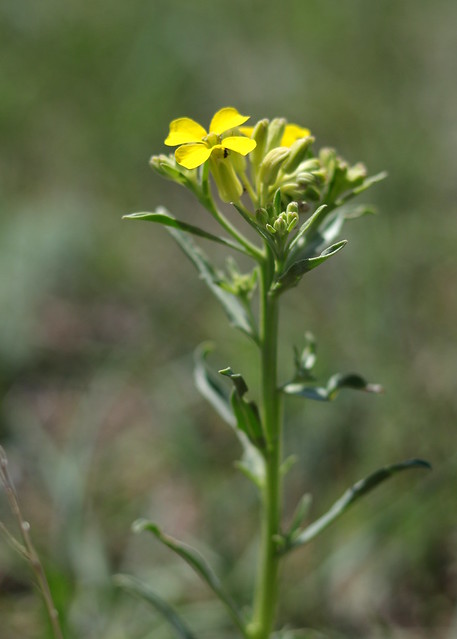
IMG_6283eWestern wallflower – Erysimum asperum

IMG_6278eNuttall’s violet – Viola nuttallii

Other flowers not shown here were the star lily, leafy phlox, prairie golden pea, various milkvetches and legumes, including the groundplum milkvetch (a favorite of mine, with an edible bean), yellow salsify, and a number of others. A beautiful afternoon to stroll in God’s Garden.


Wind Cave Landscape

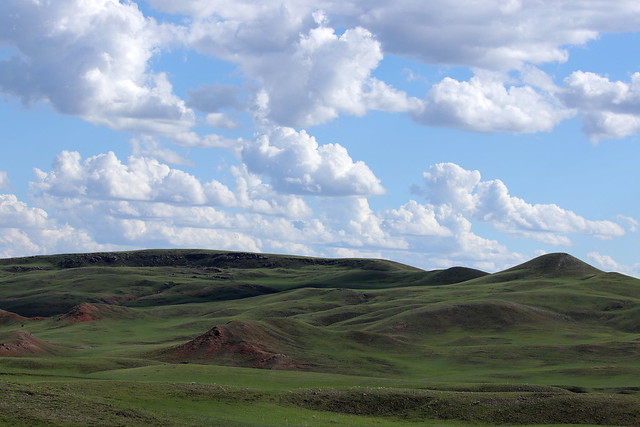
Driving both our parks, Custer State Park and Wind Cave National Park, it is hard to believe now the devastation brought upon them by Legion Lake Fire in December. Some places show the obvious scars, the scorched or torched trees, the scars from the cleanup logging operations, but other places have been left even more pristine than they were before. In grasslands, you just get used to the landscape always looking a little dull because of the clinging remnants of last year’s grasses, until the fleeting part of the summer when everything is at its prime and is almost too green. But this is so different, so clean.
IMG_6389eThe green was unbelievable. It hardly looked real. But it is.