Ranch Wife Musings | Getting Heavy

Originally printed in the Custer County Chronicle on Sep. 3, 2025

When you live and work on a cattle ranch, pregnancy and birth and mothering are just part of a way of life. Baby animals are nearly always underfoot, from the litter of kittens down in the barn to the pile of cowpuppies birthed in our mudroom, to the comical confusion of a handful of broody hens all trying to raise the same chick.

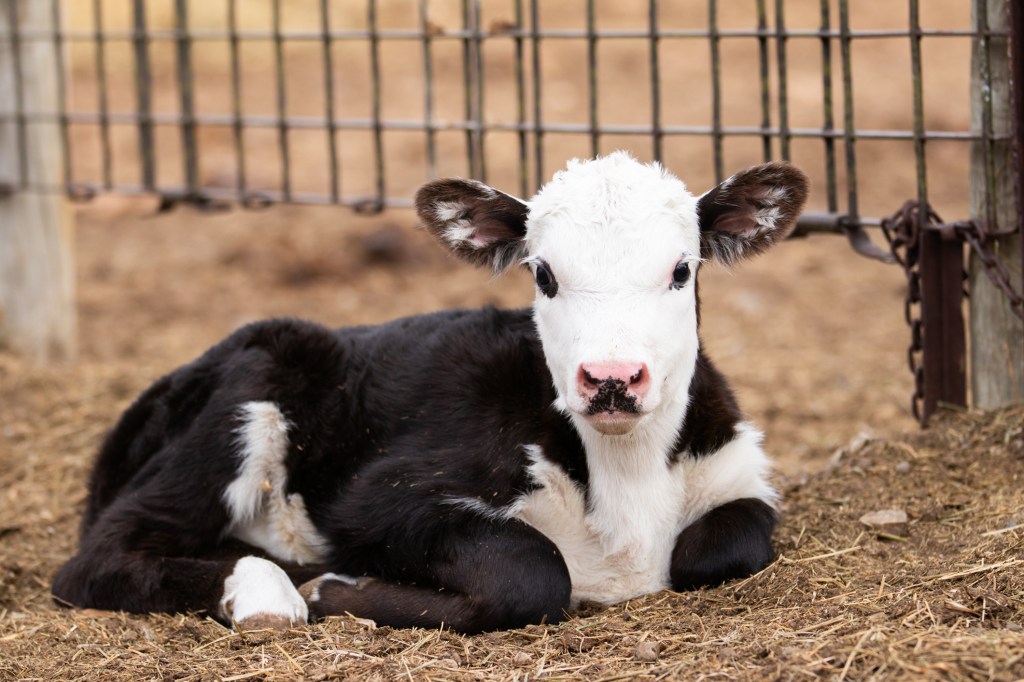
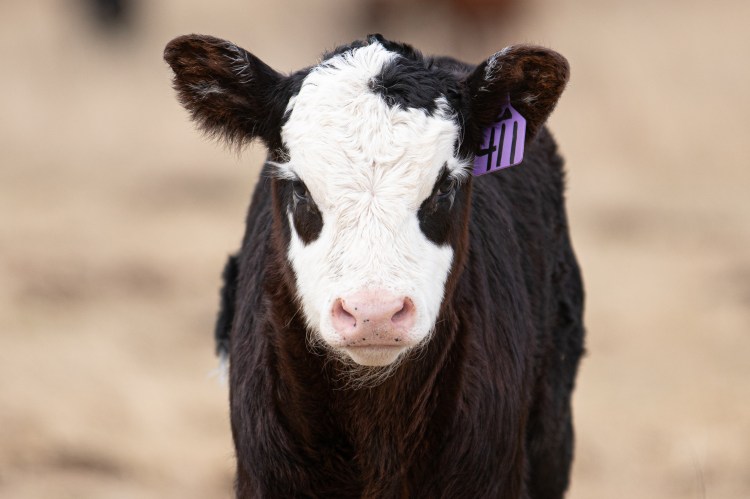
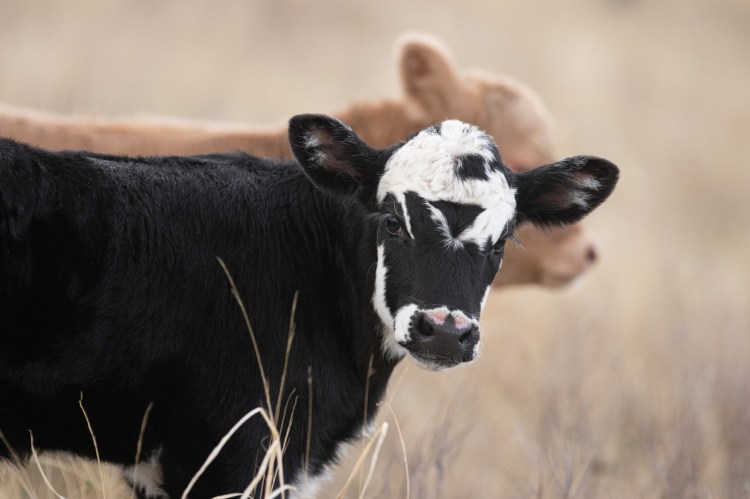
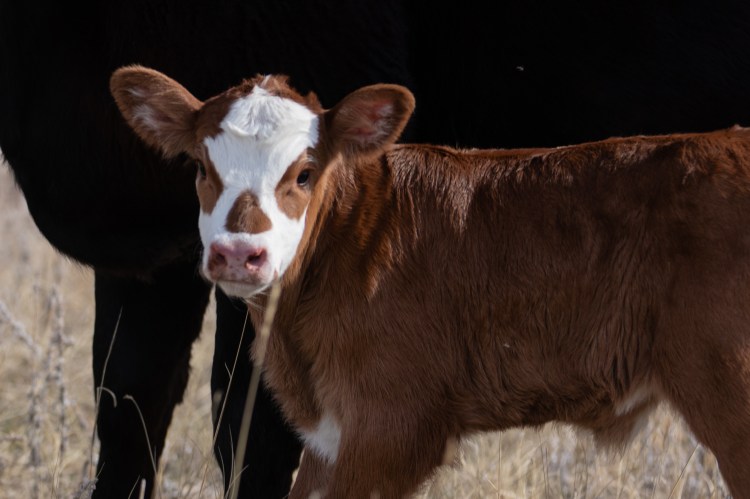
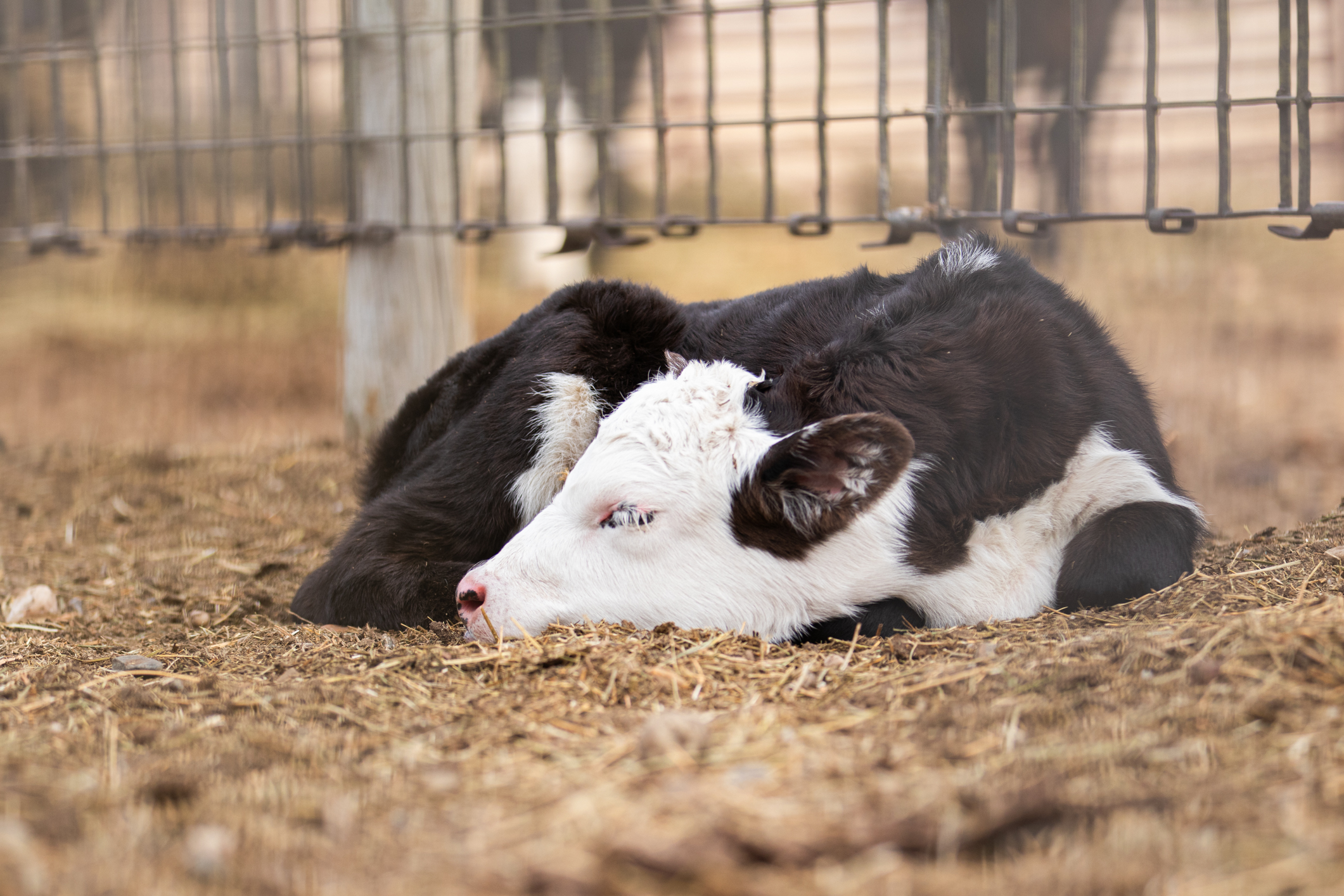
And of course, last but not least, there is the cowherd itself. At any given time, minus approximately 3 months in the spring, there are several hundred pregnant animals on the ranch relying on us for their wellbeing. Their prenatal care consists of ultrasounds and good feed, and their obstetrical care is based on age and risk factors. The heifer herd is watched vigilantly and with much anticipation in the days leading up to calving, while the older, maternal herd is allowed to calve on their own, unbothered and untouched unless absolutely needed, where instinct, nature, and nurture results in a wonderful success rate for live births and healthy babies. You get used to observing and remarking upon a cow’s mothering abilities, the state of her udder, and her maternal instincts. Pregnancy and birth are just a part of life on the ranch.

And it is fun, truly, to watch the cows put on a layer of winter fat over their round, pregnant bellies, as their due dates approach. A cow late in gestation is referred to as “heavy bred,” or, for short, “heavy.” So, you might observe a cow that has that giveaway waddle and maybe even a bit of an uncomfortable look on her bovine face, the cow with a spherical aspect if she is facing you head-on, and remark to yourself or your general audience, “Boy, she’s getting heavy.” 

I suppose everyone’s perspectives are shaped by what we know and what we see in our day-to-day lives, but I do recall being vaguely shocked when I first heard my husband refer to one of my expectant friends as “getting heavy.” This was a few years ago, and was one of those pivotal, eye-opening moments as to what sort of situation I’d married into.

It wasn’t long afterwards that I cornered the dear man and informed him in no uncertain terms that, if I ever was pregnant, if he ever had the absence of mind to refer to me as “heavy,” I wouldn’t be speaking to him for a very long time.

Yet another time, again keeping in mind that our perspectives are shaped by what we know, I was sitting in church next to my father-in-law, bless his heart, at a time when somehow just about every female at church between the ages of 20 and 40 was pregnant, and I heard that man mutter to himself not quietly enough, “Gosh, it’s like being at a bred heifer sale!” My eyes popped wide open and my jaw must have hit the floor. We had words.

So, let’s just say that by the time I found out this spring that I was pregnant, I wasn’t at all blindsided by the commentary I would be personally subject to, from not-vague-enough references to getting the calving shed ready or saving money on the ultrasound, or any other similar sort of comments that are accompanied by a provocative, irritating million-dollar grin from my husband and met with a narrow-eyed glare from me. So, I wasn’t blindsided.

Early on, though, I discovered what I refer to as “selective chivalry.” Pretty quickly I was grounded and not permitted on horseback anymore (a wise decision, I admit), and I found myself watched like a hawk, every move oh-so-chivalrously scrutinized, and hearing a warning or stern, “Laura…” if I did something that was deemed risky or “too much” for my “delicate condition,” as my father-in-law likes to say. He has a way with words. “Laura….” I can’t tell you how many times I heard my name uttered in that tone. “Laura…..”

However, if I was putzing along cautiously on a four-wheeler behind a bunch of cows, staying carefully on the flat and taking absolutely no risks, and the front of the herd got a wild hair and started running? Then I’d hear yelling and tune in to realize it was my name being hollered, very different from the cautionary “Laura…..”, and see some less-than-chivalrous flapping of arms way off to the side, that sent me zipping across the rock-strewn pasture like a skipped stone on a pond, to reach the front of the herd in time to turn them in, muttering to myself, “Sure, right, this feels WAY safer than being on horseback.”

Over the last few months, my husband has learned very personally and poignantly the reality of what happens when your best ranch hand gets pregnant, as tasks have been removed from my repertoire, one-by-one, starting with horseback work, and then close-quarters ground work with cattle, then certain vaccines, then all vaccines, and pour-on fly sprays and pesticides. Perhaps I resented or resisted the bubble wrap a little at the beginning, but I’m realizing it is actually kind of a nice gig, being the pregnant lady, poking cows into the chute for a couple hours (the only job remaining to me when we work cows), and then getting to eat snacks and call it a day. Not bad. Not bad at all.

But the more weeks roll by, the more I sympathize with that heavy-bred cow who has the telltale waddle and that bland, unimpressed, slightly-pained look on her face. “She’s getting heavy.” I feel it, deep in my cells.

But I’ll never tell my husband that. And he’d better not say it either. 

Ranch Wife Musings | The Need to be Needed

Originally published in the Custer County Chronicle on May 21, 2025

The month of May goes by in a whirlwind of fun and hard work, and there is much rejoicing when the last cow calves and the last calf is branded. The nonstop chaos of calving and branding is followed by the shortest of lulls, before the summer settles into its routine. A thousand prayers for rain have been followed up by a thousand thanks, as we’ve emptied the rain gauge not of tenths or hundredths of an inch, but inches. Whole inches. Inches of slow rain that was actually able to soak into the ground where it will do the most good. We aren’t likely to get a hay crop this year, or not much of one, but we should be able to grow grass, and that is huge.

One season blends and blurs into the next, but it is this spring season that is the highlight for many. After months of winter solitude, branding season feels like a family reunion but without the drama, with all the hugs and handshakes, laughter and jokes, stories and community gossip, finding out all the goings on and the comings up, the graduations and babies and engagements and lives well-lived.

And it is in the chaos of spring work that the ranching community shines as exactly that – a community. We branded our main herd on Saturday, an endeavor that is humbling in its scope, humbling in how many people it takes to actually get the job done, humbling to see how many are willing to help in any way they can. Brandings are like that.

As I handed out hot coffee at our mid-morning break, I was able to study the faces, some smiling, some serious, and all the different walks of life they represent. There are the cowboy ranchers, the true-blue, western-through-and-through, how-my-grandpa-did-it type. There are the dirt bikes and four-wheelers, we-can-do-this-faster type. There are the button-front shirt and cowboy-hat-wearing crowd, and the sweatshirt and ballcap wearing crowd. There are the ones with spurs jingling on costly boots, and those wearing comfortable and well-worn tennis shoes. There are the tobacco chewing ones and the straighter-than-straight-laced ones. There are the beer drinkers and the tea totallers. The coffee drinkers and the water drinkers. There are the ones who know cows as well as they know their kids, and ones who know horses and ropes but cows, not so much. There are those who grew up doing this, and those who learned along the way, and those who simply show up for the work, for the fun and the challenge and the sense of community.

And with all the differences, all the variety, the work is seamless. The fellowship is sweet. And none of those categories matter to anyone. It doesn’t matter if you’re wrestling or roping, branding or cutting, vaccinating or watching the gate, everyone jumps in to get the work done. Although some who come do get help in return with their brandings or cow work, the only repayment many want is a good meal at the end – and we do a good meal, if I do say so myself – and the satisfaction of a job well done, stories swapped, laughs shared, and for them that is plenty. And they’d do it again in a heartbeat.

What is it about agriculture, ranching in particular, that invites this? Or creates this? What is it about ranch work that brings out the best in so many, and fosters an enthusiasm for someone else’s work? When I look at other sectors of society, I’m puzzled and even disenchanted. Even sectors of society where lip service is paid to the importance of community are lacking significantly in this department. I see organizations struggling to recruit involvement from more than the barest percentage of people, and their lack of community reflects this.

I think one factor, maybe the most important factor, is need. Genuine need. Acknowledged need. Ranching families know that they can’t do it alone. They don’t have the luxury to hand-pick those who agree with them or look just like them or never irritate or annoy. They need this neighbor and that neighbor, even the neighbor who might think differently about this issue or that issue, or the neighbor who does things differently, or the neighbor who occasionally pushes some buttons and grates on some nerves. And that neighbor needs them right back.

Could it be that we need to be needed? And we need to need others? It might be that simple.

Our culture tells us, all of us, that we’re good on our own, autonomy is the ultimate state, blaze your own trail, follow your own heart, chase your dreams with no thought to anyone else, and you don’t need anyone but yourself. And too many people have bought into this in one way or another. Connections become optional. Connections become a matter of convenience or personal preference.

Real, genuine need erases so many of those devastating societal luxuries, where connections are based on pet interests and shared hobbies, curating one’s community like a museum curator curating art. When we handpick our community, we tend to reap surface-level connections, clique-like interactions based on emotions and how well we slept and what we ate for breakfast.

But, when community is picked for you, by proximity and history and shared needs, something much deeper forms and something much more lasting is reaped, something that extends beyond brandings and cow work, something that forms the family-like structure of a resilient community.

We need to be needed. And we need to need others.

Ranch Wife Musings | After the Cold Snap

Originally printed in the Custer County Chronicle on Feb. 26, 2025

This melt-off and warmup is as good as it gets in February or early March, days full of sun and the sound of water running off everything. There is mud everywhere! Relief and contentment radiate from everything, from the mellow gaze of a cow chewing her cud, to the half-closed eyes of her baby nursing, or tucked away safely on a little island of solid ground, comfortable and lazy in the warming air, perfectly happy with the ready supply of milk and hay to bed down on. The chickens have again taken to the yard, happy to leave their coop, and the cats snooze in the sun on the piles of sweet-smelling hay, greeting me with pink-mouthed yawns and arched-back stretches, rather than yowls.

What a difference a week can make!

It was one of those frigid mornings during that brutal cold snap, when just about everything gets cancelled except for ranching. Brad, covered in snow, burst into the mudroom with his arms full of a half-frozen calf. He had found it about a mile and a half from our house, and in sub-zero temperatures it doesn’t take long for a newborn calf to chill down and freeze. She wasn’t dead, but she sure wasn’t quite alive either. Her eyes were wide and staring, her little ribcage rose and fell hectically, and the occasional moo might have been a death moan.

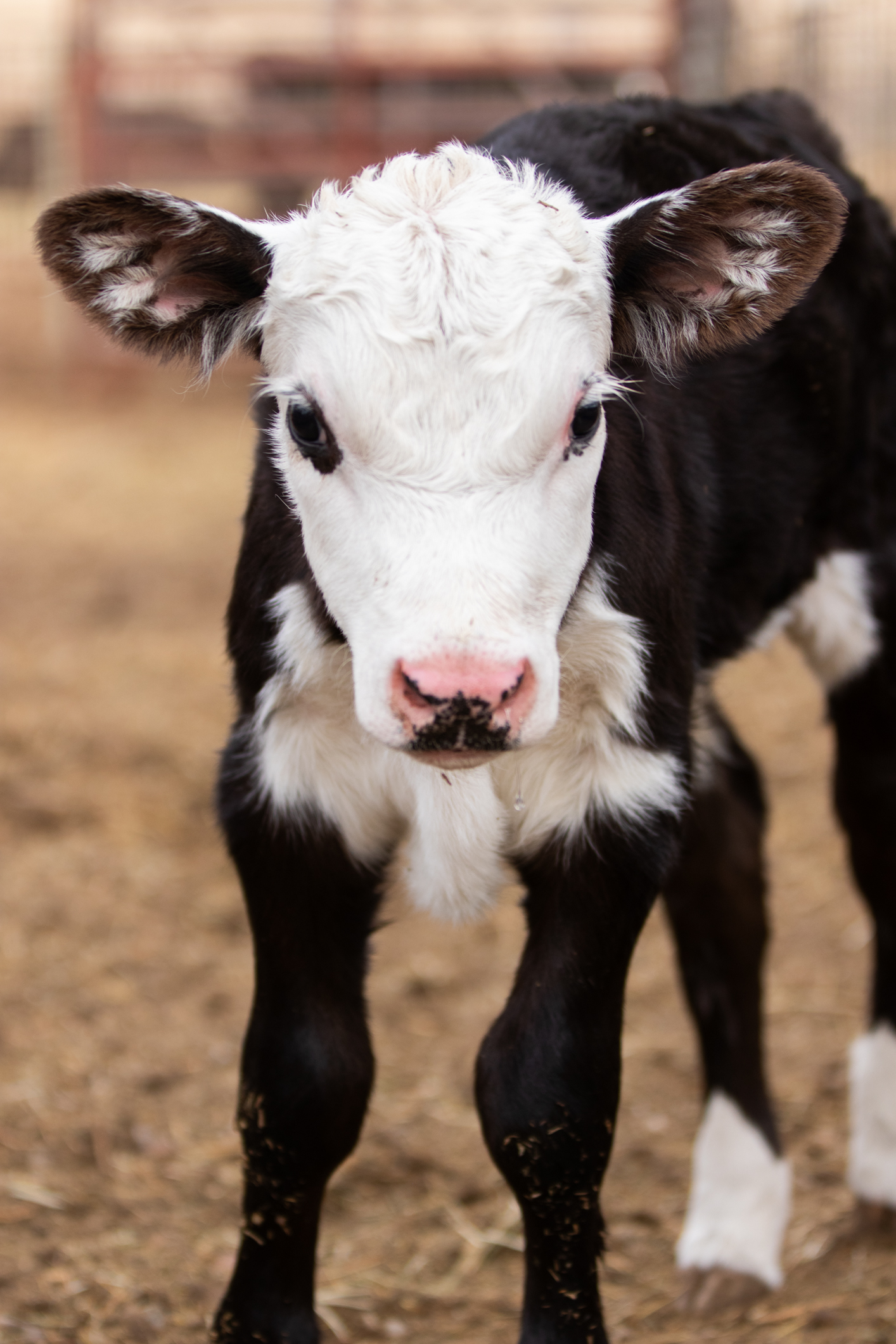
The prognosis didn’t seem overly optimistic, but if you hand a ranch wife a sad little animal, she will try to fix it. The calf was a pretty little thing, dark brown with unique white markings on her face, white rimming her speckled pink nose, and white hairs on her ears so they looked frosted. The calf’s mama hadn’t even had a chance to clean her off before her hair froze, so she was a slippery little critter as soon as she started to thaw out. Her mouth was cold, which isn’t a good sign, but she still blinked and moved her eyes, which was hopeful. I turned that bathroom into a sauna and ran the water heater out of hot water, and little by little, her limbs loosened up. She began moving her ears, and trying to shake her head. Her mouth was still cold but her tongue had started to warm up, and a little corn syrup in her cheek helped, too.

And then, finally, after a couple of hours, she sucked my fingers. Now, that’s a great sign.

We gave her colostrum and graduated her to the calf warmer around lunchtime, where she stayed for the rest of the day and the night, and early the next morning when Brad did a heifer check he stuck her with her mom. When I was stomping around doing my chores, I poked my head into the shed. Mama cow stared at me rather defiantly, and behind her were four little knock-kneed legs. I waited, not sure it was the right calf, but the sweet brockle face peeked around mama’s hind legs. Her little ears, frosted with white hair, were perky. She took a couple hesitant steps, and then made a little baby frisk, all four legs coming off the ground in a clumsy expression of infant playfulness. It warmed the heart on a frigid day.

Another cow had lost her calf the day before, so I let my bottle calf get hungry (a powerful motivator), then tromped down to the calving shed with her. She walked with her head right next to my knees, the way a calf follows her mom. The poor little thing, now a month old, had been orphaned as soon as she was born, so she never got to nurse, but she always would suck my fingers, and she let me lead her nose over to the heifer’s udder. No coaxing was required. God’s design in these baby critters is so evident, in the beautiful instinct that He has instilled in them, and their incredible resilience in spite of their fragility. It was a treat to see her white-tipped tail whipping back and forth as she got that first real mama’s milk, and a week later it is a delight to see her content and satiated, wandering lazily over to nurse, her chapped nose healed up now that she is no longer licking it, and her recognition of me is quiet and friendly rather than desperate and heartbreaking. The brockle-faced calf is still doing well, and another dozen calves have joined them uneventfully. Life is good.

A cold snap brings a strange sort of survival mode to the ranch, alternating between having more to do than ever and having nothing to do because nothing can be done. Sometimes all that can or needs to be done is to put feed in front of animals and keep the water open, and wait for the weather to change or for something to go wrong. Because when things go wrong, they go wrong in catastrophic fashion. But, on the other side, those things that went right are sweeter than ever. I love going down to the nursery pens and just watching. Watching the springtime hubbub of mamas and babies, hearing the warm stillness punctuated with baby moos and cows talking back. The sloppy noises of hooves in mud. The sweet rustle of mouthfuls of hay. All the little suckling noises, or a bony calf head thumping an udder. Their mamas are so patient. I love watching as a nursing calf comes up for air and stands in a milk stupor with its tongue stuck out. It is sweet to watch brand new, first-time mamas learn to mother.

From the other side of a cold snap, it is amazing how much went so very right.

Wringing Sunlight

Originally printed in the July/August 2024 issue of Down Country Roads Magazine

The sun-drenched days are already growing shorter, and before too long the shadows will lengthen a bit and remind us that summertime doesn’t last forever. But it is still the season to wring out every drop of sunlight from each blessed day, drinking in the warmth and the light that is so scarce at other times of the year. 

Wringing it out, wringing it out, soaking it in and wringing it out.

Wringing it out, like savoring those early morning sunrises.  The cool freshness of the day’s beginning, stirring the curtains and bringing the outside in. A woodsy ramble when the grass is still damp. The first breath of heat when the sun is yea-high. Garden puttering, throwing water, pulling weeds, up to the elbows in productivity and partnership with earth and sun. The snap of towels hanging on the line to dry, or my husband’s snap-front shirts. The heat of sun on uncovered head, the quiet, rhythmic work of laundry day. The cool of grass under bare feet. Digging my toes into good, black dirt. The low drone of bees busy in the flowers, the sweet singing of the crickets. The comical play-acting of the killdeer, the swift flight of the barn swallow, the bubbling up and overflowing melody of the bobolink in the hayfield, rivaling the meadowlark as the summertime songster, dipping and diving in the alfalfa, a little black-and-white-and-yellow speck of a songbird.

Oh, these days!

When the sun nears the evening sky and sinks low, the ridge to our west casts first the house, then the barn, then the hayfield, into its lengthening shadow which races to the horizon. Far to the east and a little to the south, Sheep Mountain Table gleams pink in the afterglow. The windows of the house get thrown open, bringing the coolness in, and nighttime falls, softly and sweetly, and the first of the summer stars appear in the pink and lavender sky.

We take the warm, sweet memories of these days with us into the shorter days of winter.

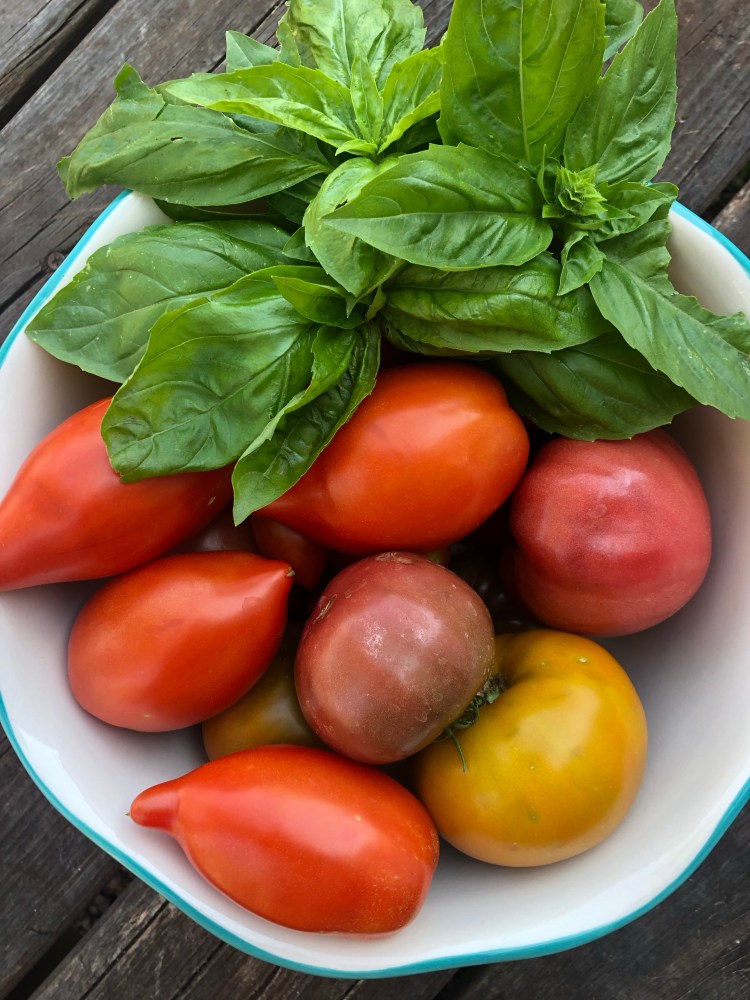
The sweetness, like the first of the sun-ripened, still-warm tomatoes, bursting in your mouth, fresh off the vine. The sweetness, like a cold glass of sun-brewed iced tea after a sweaty morning of work. The sweetness, like a pail of wild-harvested fruit and a glittering, gleaming row of jelly jars, still piping hot. The sweetness, like the sound of rain, gentle rain, sweet rain, and the low roll of thunder.

And then, maybe best of all, is the intoxicating sweetness of the sun-warmed pines. Can you smell it? It brings back impressions of my earliest childhood, recalls some of my happiest memories in what would one day become my home. I remember piling out of our minivan, myself and my three sisters and parents, piling out at the end of a 1000-mile journey, piling out at the top of a sun-baked hill in the glorious middle of nowhere near Hermosa, piling out and breathing deep of that wonderous smell – The pines! And there at the end of a little gravel sidewalk was a house made of rough-cut lumber with my grandparents waiting for us, and a joyful two weeks of summer vacation ahead, to be filled with hikes and rambles and Grandma’s 24-hour dill pickles. Almost ten years ago, we came and never left. But my heart still skips a beat when I smell the piney, resiny breath of summertime.

We can do without the havoc-wreaking hail that summer brings, or the dry lightning that sparks a fire, but somehow those aren’t the things we remember in the deeps of January. We remember and yearn for the sunrises and the sunsets and the sunkissed faces. And we long to wring out the sunlight, wring it out and drink it deep.

So, take the ramble, taste the wild plums, listen to the meadowlark, watch the sunsets and hunt the wildflowers. Wring it out, every last drop of beautiful summertime sunlight. It is days like this that get us through the long, dark nights of winter.

Dreams and Reality

At the beginning of a new year, I always look back at the old year. So I pulled out the box in which I keep the hard copies of articles I’ve written. God is so good.

Taking this simple photo brought a happy lump to my throat. It is so surreal to see my words and photographs in print, and this isn’t even everything that was printed last year.

Looking back at the old year, it is natural to look back even further, and it is truly delightful to see the ways that God has prepared me and opened doors and answered prayers and to see the seeds of dreams as far back as 20 years ago. I fell in love with the written word as a youngster, at about the age of 12, and the writer’s dream is (almost) the first dream I can remember from childhood. The other dream I remember was that I would grow up and live in South Dakota and have horses. Little did my 9-year-old self living in Illinois know how that would turn out…

But these photos of magazines, magazine articles, and newspaper columns represent years of hoping, praying, waiting, and even forgetting. Until the time was right. And then God opened doors.

It just makes me think…how much can happen in such a short span of time. A year ago, writing was still a dream. How much can change in how little time. How different life can look in just a year, or five years. We can get so caught up in things that aren’t going right, or disappointments, or failures, and yet God can and does use those things to build our courage and our trust in His goodness and provision, and when He chooses, He can make things happen.

These little articles aren’t anything spectacular. They sure aren’t particularly prestigious. Other than two articles last year published in MaryJane’s Farm and Bella Grace, which are nationally distributed magazines, my other articles are in local papers and magazines with limited readership. And do you want to know something? I love it. I love that it is my friends and family and community that I am writing to and for. I love hearing from neighbors that they read my column, and I love interviewing locals and friends and having the privilege of telling their stories. And I love how God has given me an outlet for something I have loved for so long.

How humbling.

Advent 2023 | Celebrations and Stones

Tomorrow is the first Sunday of Advent, launching us officially into the countdown to Christmas. Although culturally we tend to rush through the next few weeks, packing the calendar so full we live in whirling blur, although culturally we have turned Christmas into simply an excuse for rampant consumerism, there is so much more to this season, and so much need for this time. I hope you enjoy this article that I published at the beginning of Advent last year. I wanted to share it again, since it really speaks what is on my heart.

This time of the year is possibly my favorite. Admittedly, I love this whole season, from Thanksgiving to the New Year and experience what some might term a childish excitement as the festivities begin to take place. So many of my fondest memories take place in the period of time between Thanksgiving and Christmas, and so many of my favorite family times have been interwoven with the traditions and customs that became part of the fabric of my family. Even though the world around us goes crazy with all the frivolous and self-centered consumerism that has become the unfortunate hallmark of the American Thanksgiving-to-Christmas season, there is so much to embrace and to firmly fix in our lives. We set aside a day to remember God’s goodness and thank Him for His blessings, and then we intentionally fix our eyes on the hope, love, joy, and peace that the Advent season remembers.

In a culture that increasingly tries to erase all evidence of the Christian faith from public expressions during these historically overtly Christian holidays, I think it is more important than ever that families rally themselves around traditions that draw their eyes Heavenward.

I think of the traditions my family had growing up…We had our big family Thanksgiving, usually shared with someone from our church, and in the next few days afterwards, we would usher in the Advent season by putting up our tree. Out would come all the old decorations, the lights, and the treasured Advent books we would read year after year as a family. I think of the Christmas programs at church, the traditional songs and hymns, the somber and joyful candlelight services we would attend at my grandparents church, The Little White Church in Hill City. I think of our Christmas morning Bible reading, reading through Luke’s account of the birth of Christ.

Unfortunately, America in general but even many branches of the Protestant church have either given up on Christian tradition altogether, or given up on fully appreciating and applying the traditions of the past. In the culture at large, I think it is pretty obvious why…The “old ways” have been systematically devalued and the church and expressions of faith have been essentially removed from the culture. For two religious holidays, what’s left for a culture that hates God? Nothing, really.

In the church, though, this forsaking of tradition is more complicated. It is sad to me that a lot of people find the Christmas season just another part of the year, the traditions are just kind of boring and old hat, and there’s sort of a collective eye-roll at the traditional Christmas hymns. One facet, I think, is a rather poorly-reasoned idea that too much tradition and it might become meaningless and rote.

What a loss of such a gift! How silly, to avoid a good thing because it might become less than what it should be. And can’t we having meaninglessness and roteness just as easily without our “traditional practices?” Maybe we should work on our heart attitudes instead.

Traditions of the faith join us with other Christians across the globe, through the centuries and millennia even, since we don’t just find our spiritual origin in the Christ of Christmas, but in God’s covenants with the Nation of Israel, thousands of years ago. I look at how God’s people committed His works to their memory for future generations, two big ways come to mind: Feasts and monuments. Celebration and stones.

When the Israelites were instructed on the keeping of the Passover Feast after God’s delivered them from Egypt, this was why:

And when your children say to you, ‘What do you mean by this service?’ you shall say, ‘It is the sacrifice of the Lord’s Passover, for he passed over the houses of the people of Israel in Egypt, when he struck the Egyptians but spared our houses.’” And the people bowed their heads and worshiped. (Exodus 12:26-27)

And when years later the Israelites were under the command of Joshua, God brought them over the River Jordan, rolling back the flood-swollen river waters so that the whole nation could cross in safety. Joshua, instructed by God, directed the Israelites to take twelve stones out of the riverbed of the Jordan as they crossed over and to construct a memorial, so future generations might not forget the Lord’s power and His goodness.

And those twelve stones, which they took out of the Jordan, Joshua set up at Gilgal. And he said to the people of Israel, “When your children ask their fathers in times to come, ‘What do these stones mean?’  then you shall let your children know, ‘Israel passed over this Jordan on dry ground.’  For the Lord your God dried up the waters of the Jordan for you until you passed over, as the Lord your God did to the Red Sea, which he dried up for us until we passed over,  so that all the peoples of the earth may know that the hand of the Lord is mighty, that you may fear the Lord your God forever.” (Joshua 4:20-24)

Christmas and the Advent season should be a time of celebration for the Christian. A time when we can proclaim the joy we have in Christ to a world walking in darkness. And a half-hearted participation hardly communicates joy. So set up your family monuments to the goodness of God and celebrate with friends and family. Celebrate Advent. Find a live Nativity to attend. Cultivate traditions in your family. Set up your cherished Creche and ponder its significance. Sing the old songs and really taste the words. Don’t just “make memories” for the sake of the memories, but counteract the temptation to be passive at this time of year and make memories to the glory of God!

We need our celebrations and we need our stones. Celebrations to bring us into a heart-posture of thanks and praise to God, and stones to be a visual reminder of Who it is we celebrate.