Originally printed in the Custer County Chronicle on June 26, 2024
The heady perfume of sweet clover and alfalfa is thick down in the hayfield, the landscape painted vividly with yellow and all shades of purple. The green is fading, slowly but surely, in the summer heat, but it is still greener than it usually is. Kingbirds with their white-tipped tails, dickcissels with their yellow bibs, and bobolinks, all black and white and wheaten, dip and dive, singing lustily, skimming the tops of the clustered flowers, coming to land gently on the thicker stems before lofting skyward again. Sandpipers scoot down the driveway before darting into the thick grass of the road ditch, or taking off in their not-quite-aerodynamic flight, and killdeer limp around in their comical and fascinating displays.
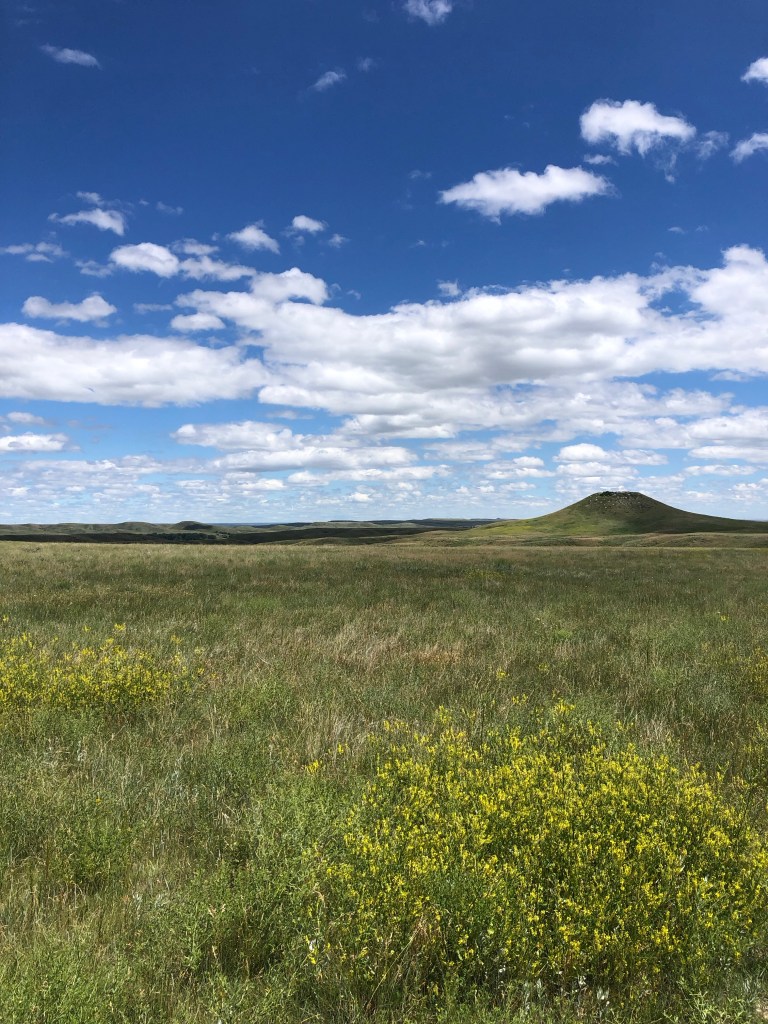
After the whirlwind of calving and branding, summertime settles into a pleasantly mundane routine. Barnyard chores are quick and easy this time of the year, the milk cow is out to pasture with a couple of calves, and the chickens are self-sufficient with all the bugs and seeds and greens they could ask for. But even with the sense of lull on the one hand, there is never a shortage of work to be done, but the days are long enough and the work has a sweet normalcy about it, a rhythm and regularity, the biggest chore – and it is a chore in heat like this – simply being keeping everything watered, animal or plant, and the biggest problems being water issues.
June is a good month and the optimism runs high in a year like this. We have had enough rain to grow a hay crop, enough rain to have lush pastures, enough rain to have a thriving garden, and the cattle prices are better than ever. But in a livelihood that relies so heavily on the whims of the weather, you know how fast everything can change. Even a good year is sobering. If it isn’t you struggling, you know someone who is. You don’t have to travel very far to see that a lot of ranchers are already having a tough go of it, with grass done growing before it could start, pastures all but used up and no hay crop to speak of. But they carry on in a bad season, just as we do in a good season, knowing how fast things can change, for the better or for the worse, and how different one year can be from the next. Good year or bad year, you do the next thing that needs doing. Maybe it is fixing fence or watering a garden or cutting a hayfield or doctoring an animal. But you do it, because it needs doing.

July is when the rubber really starts to meet the road, when things tend to start getting harder across the board. The meteorological challenges that we just take for granted in western South Dakota crop up further into the summer, with heat waves that stress the livestock and cure out the pastures, threatening fire danger, hail and grasshoppers that wipe out grass and gardens and trees.
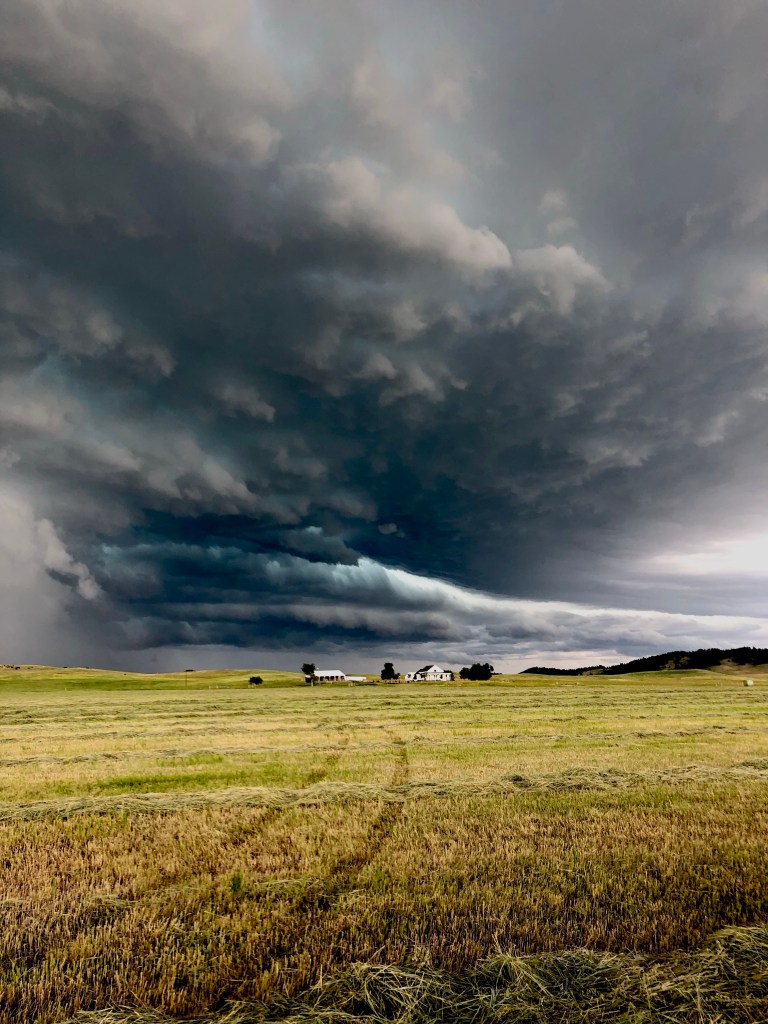
Ranching is a funny thing. You do it in spite of everything, in spite of the weather sabotaging your efforts, in spite of hail and drought and grasshoppers and other plague-like inflictions over which you have absolutely no control. You do it in spite of prices, inflations and deflations and manipulations at a level far above your own head. The bulk of your yearly income is made in a single day, and it is just a part of the life to occasionally find $2000 lying dead in a pasture or to have it keel over right in front of you. And that same $2000 may only be worth $500 the next year. The hay you grew in a good year isn’t worth anything monetarily because everyone has hay, and the years when there is little cash to flow and little hay to go around, the hay is unaffordable.
It is a life and a livelihood that makes little sense to someone who is purely business minded, purely numbers-oriented. The modern American way of thinking wants to nickel and dime every transaction, and every decision must carry an objective benefit. Outcomes must be guaranteed, as well as possible, and monetary gains and losses are dissected and analyzed. If it doesn’t look good on paper, it goes away. That mentality is pervasive in our culture and affects everything, from job choice to church choice to relationships and community and extra-curricular pursuits.
But the things that matter can’t be nickeled and dimed.
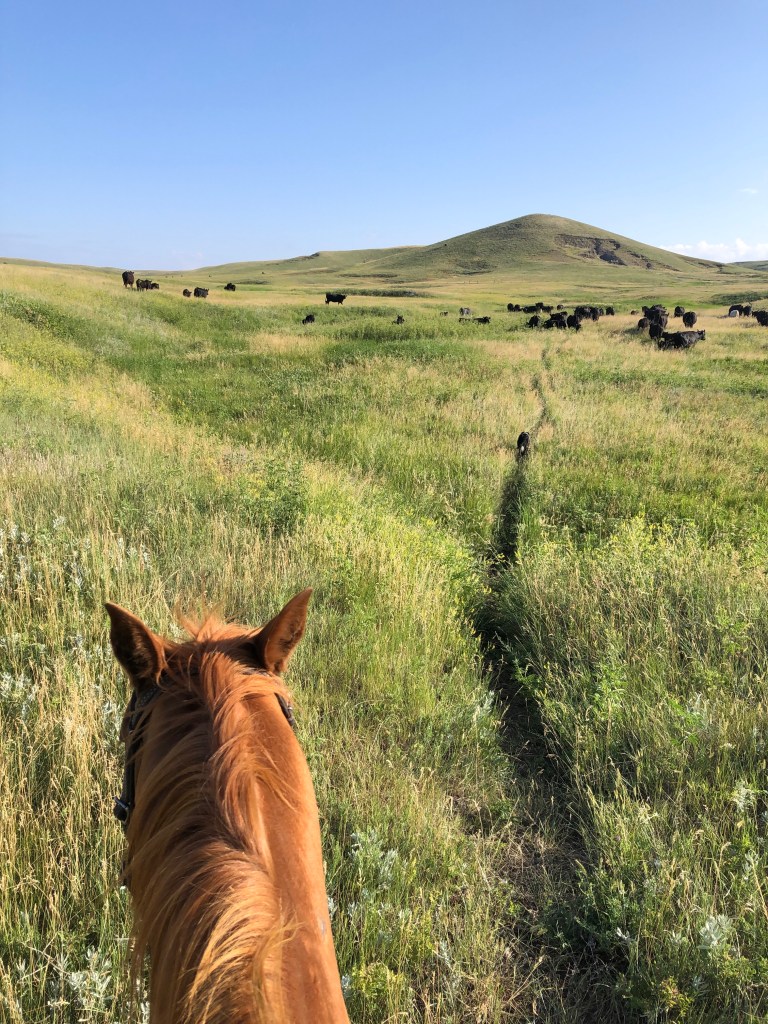
You can’t nickel and dime honest sweat, hard work, and the satisfaction of being exhausted at the end of a long day. You can’t nickel and dime the sunrises and the cool mornings, and the sweet work of animal husbandry. You can’t nickel and dime the sense of neighborliness working shoulder to shoulder with friends who would drop everything to help you in a time of need. You can’t nickel and dime the feeling of being connected deeply to the past, and keeping something valuable alive. You can’t nickel and dime being part of a vibrant community, of knowing people’s names and having them know yours. You can’t nickel and dime the family relationships that are allowed to thrive, relationships that in our modern culture often are quick to dissolve or be put on the back burner until it’s more convenient.
You just can’t nickel and dime those things.
So, you give thanks in the tough years and in the good years, both, and do the things that need to be done.
And right now, that’s putting up hay. The mower and rake are already at work, whirring away in the distance. Soon the swells of the hayfield will be striped with windrows and then dotted with bales, and then the stackyards will fill for winter feeding. The sun is shining, so we make hay.

 Song Dog Journal